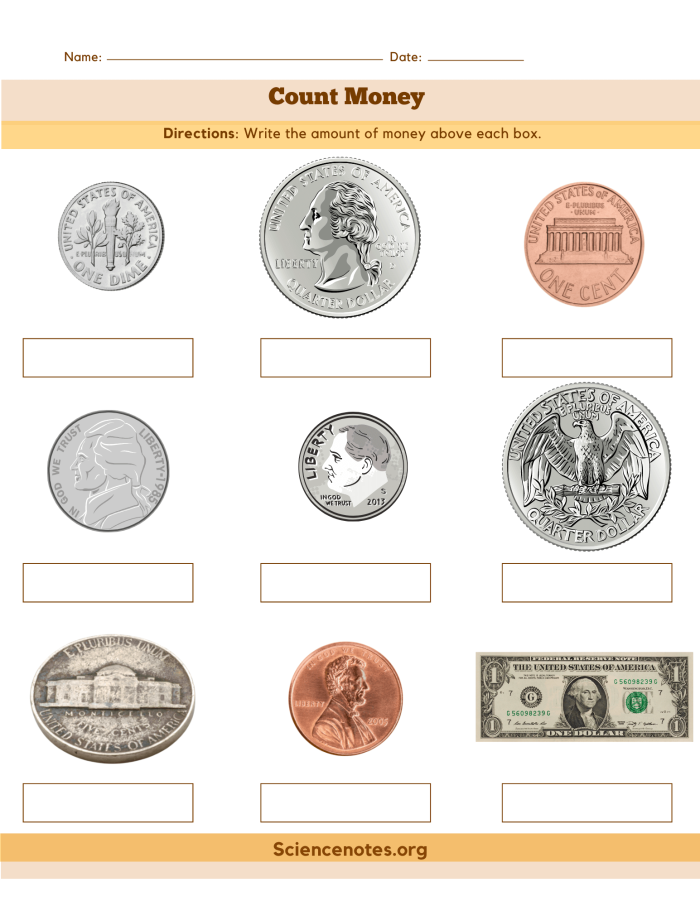
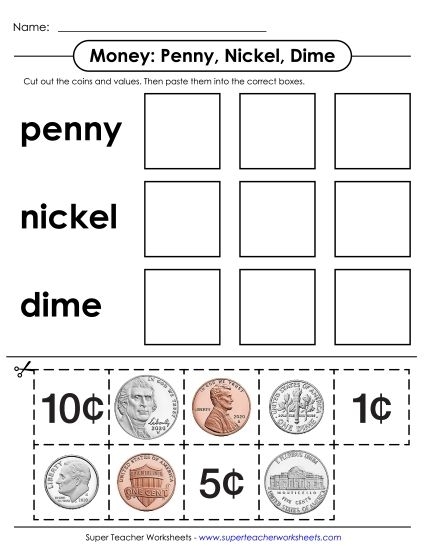
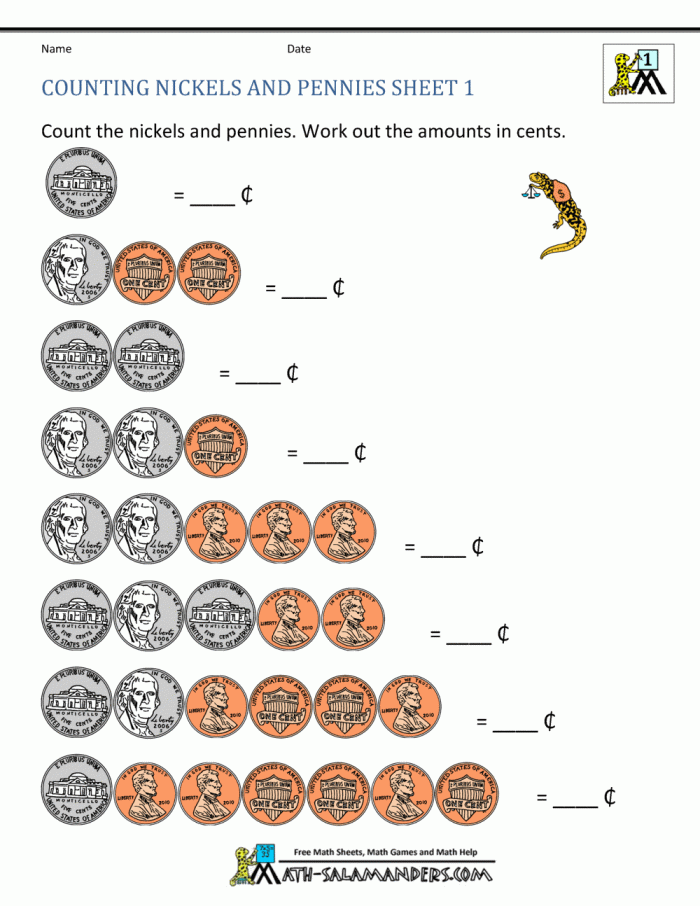
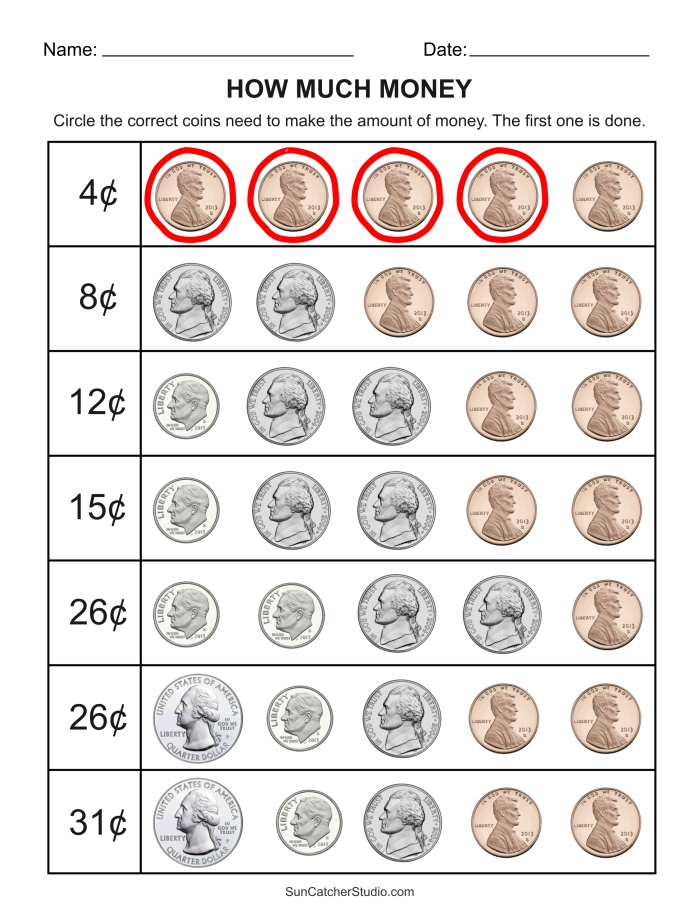
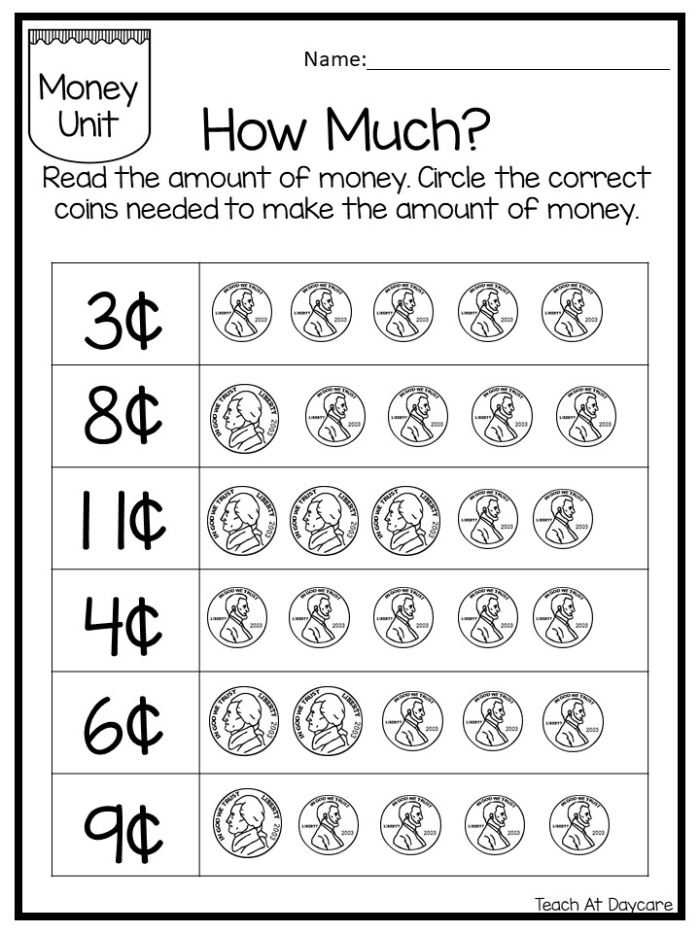
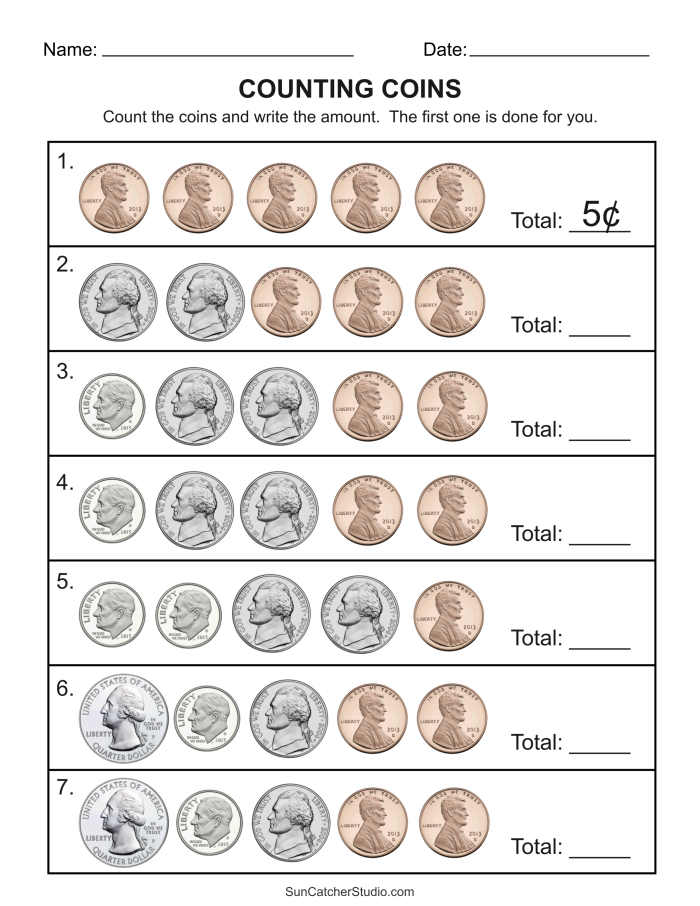
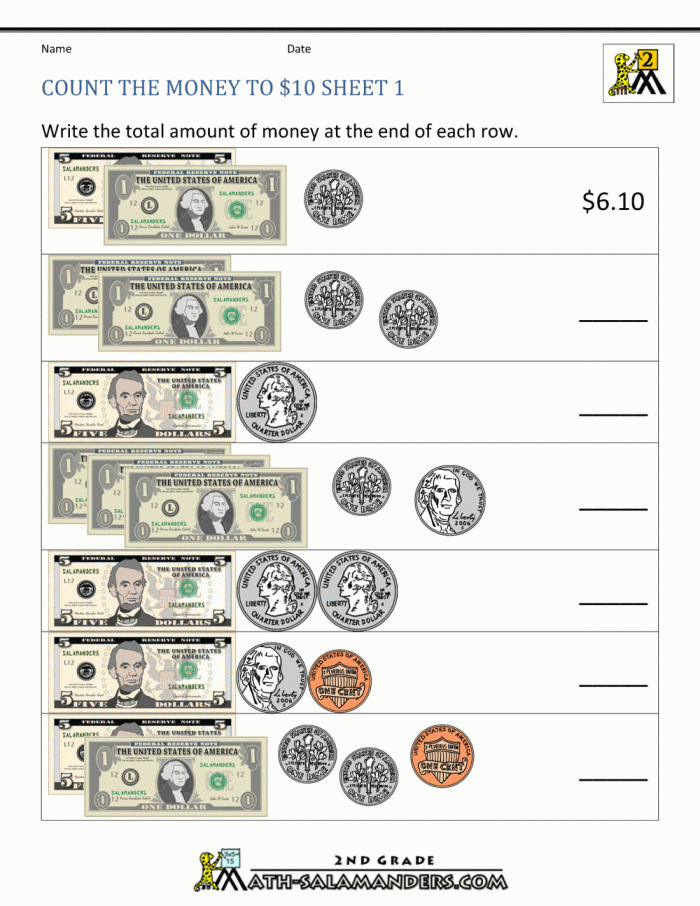
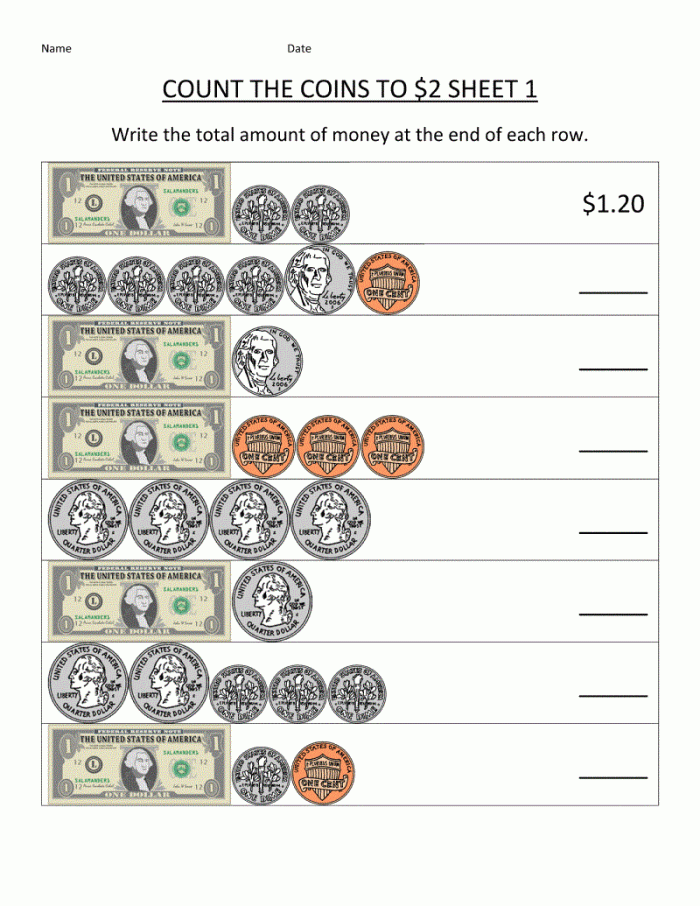
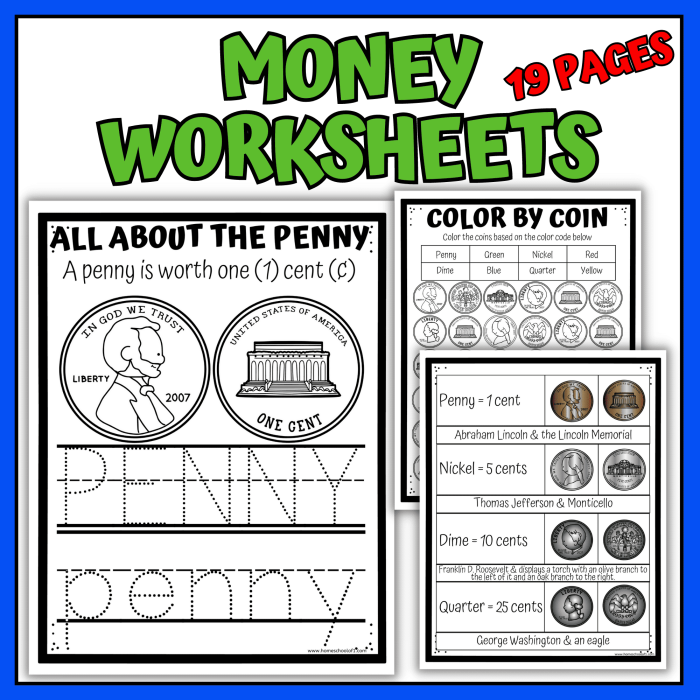
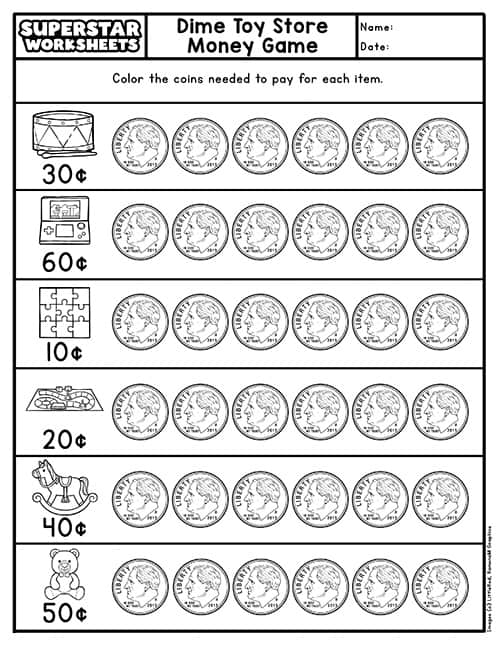
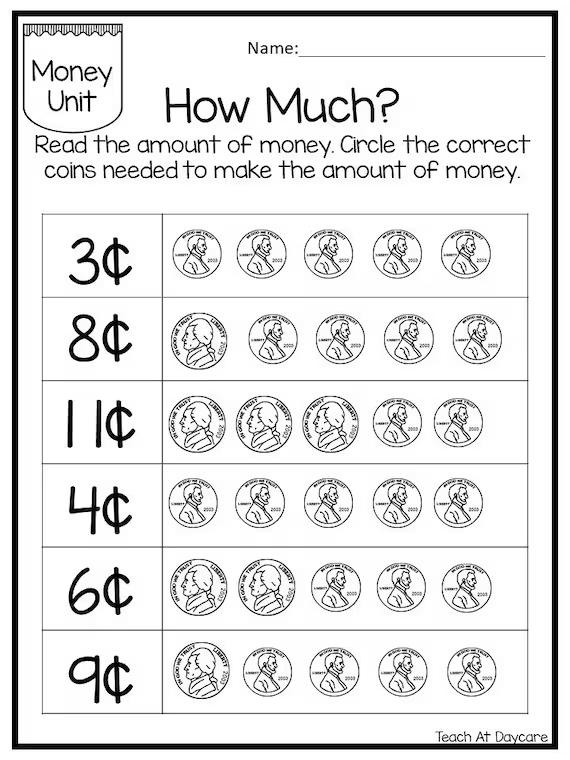
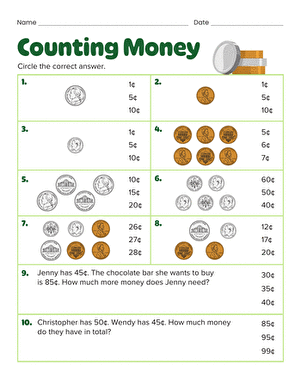
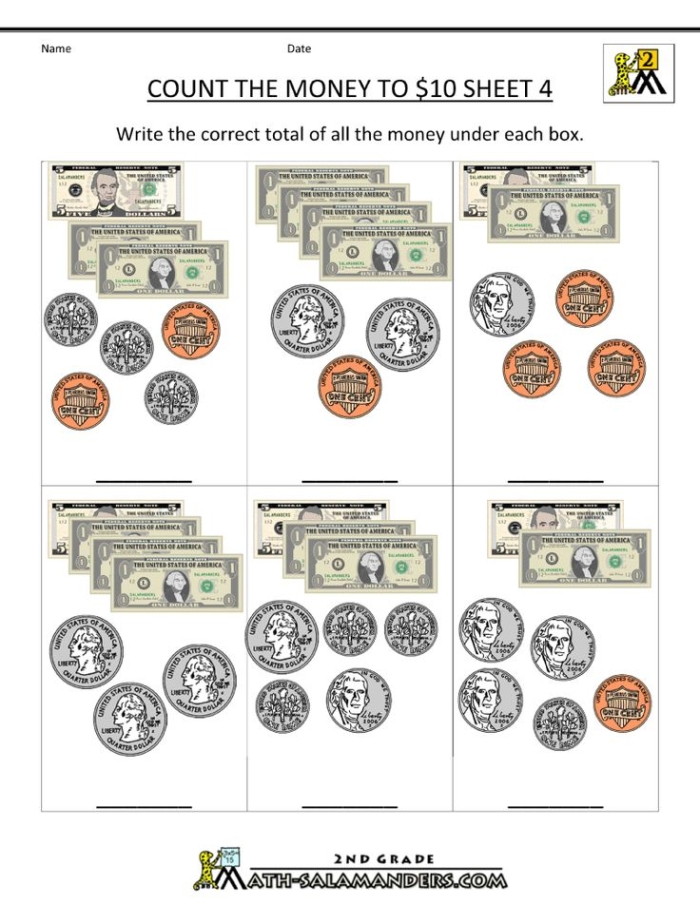
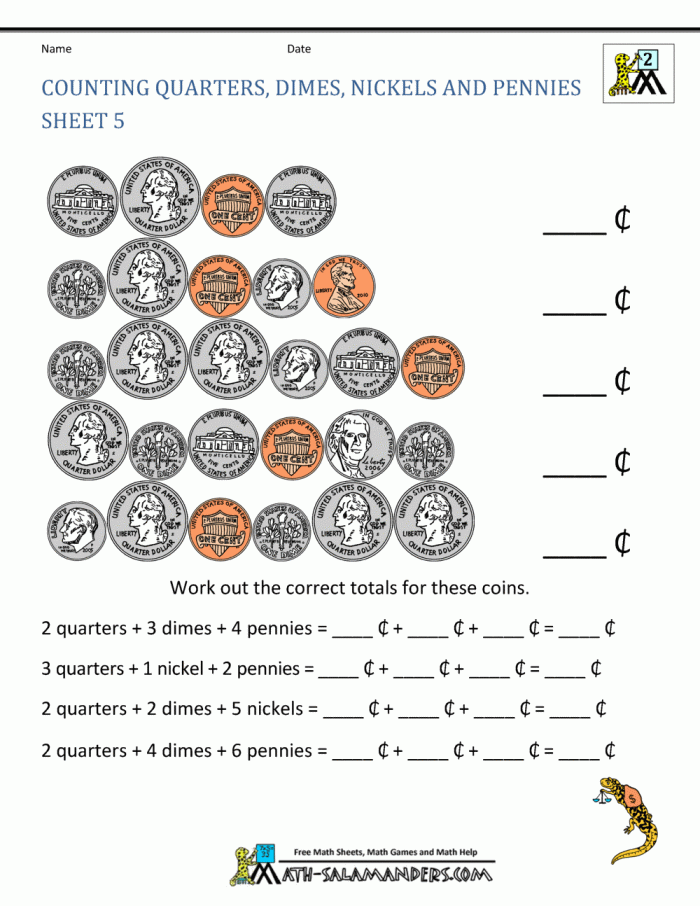
Dennis Duck needs your help sorting through a pile of coins, and this is exactly the kind of hands-on practice that makes first grade math stick. When children count coins in groups and match them to their correct values, they’re building real number sense that goes far beyond memorization.
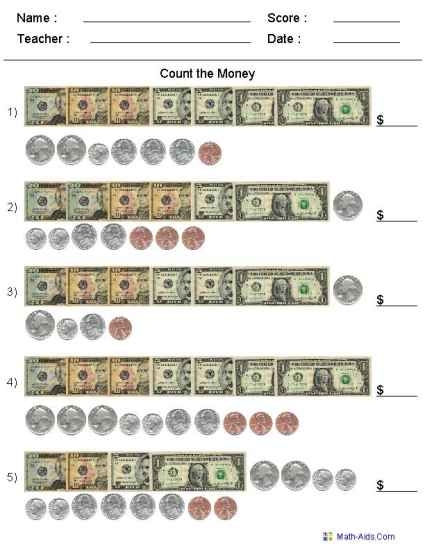
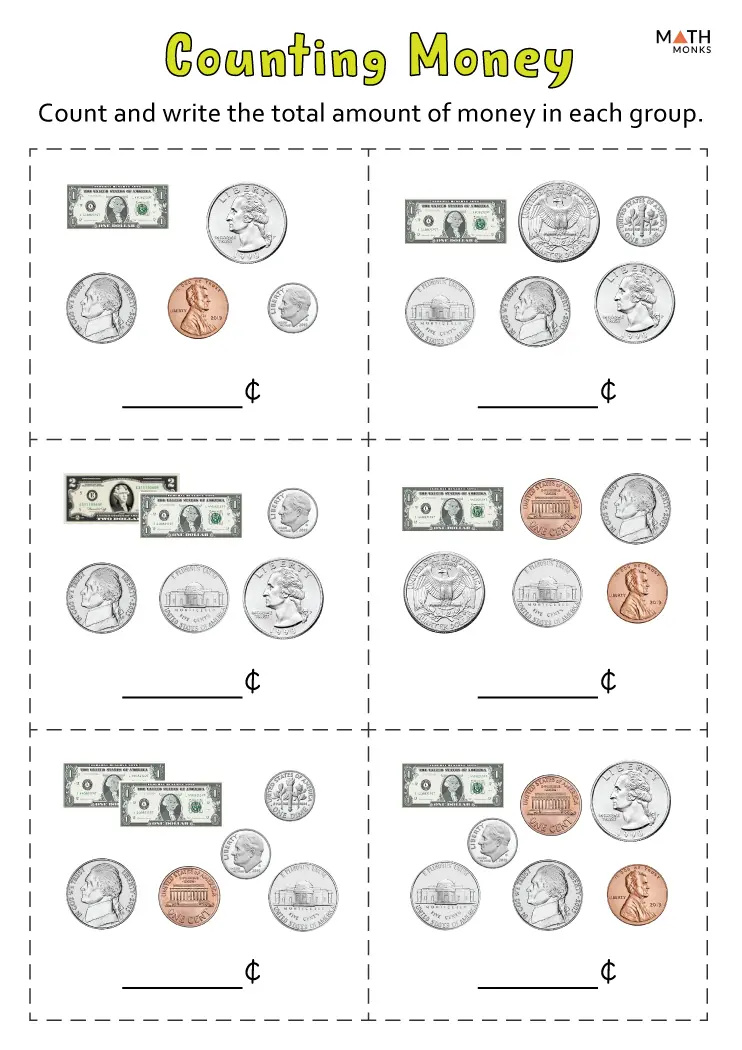
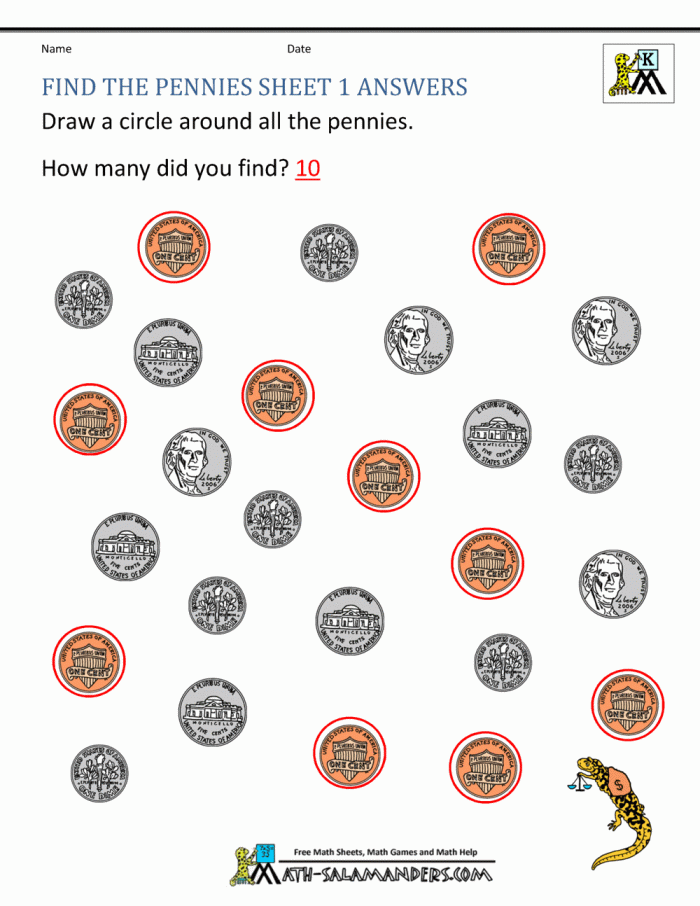
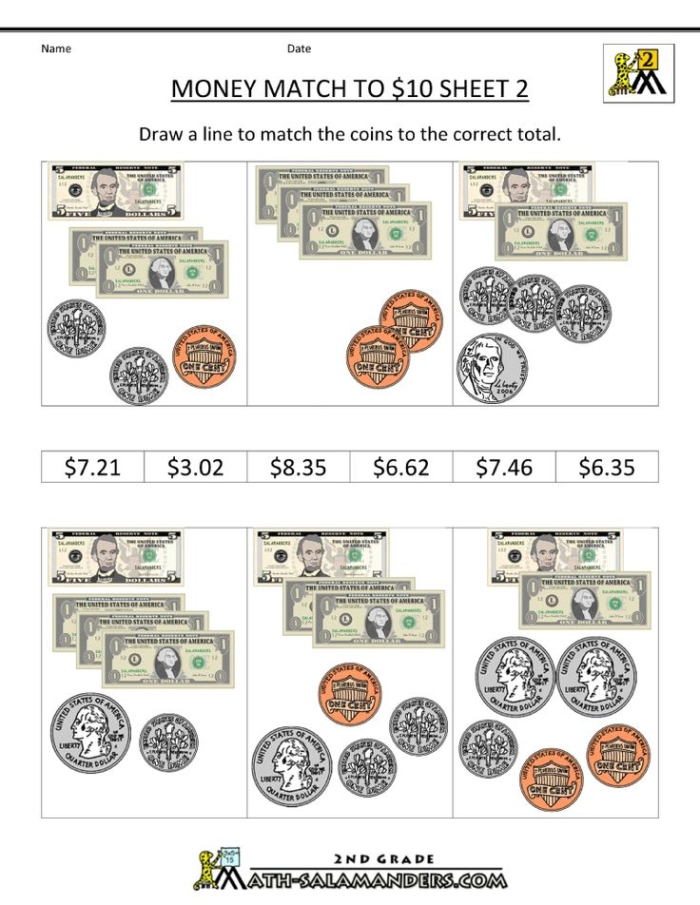
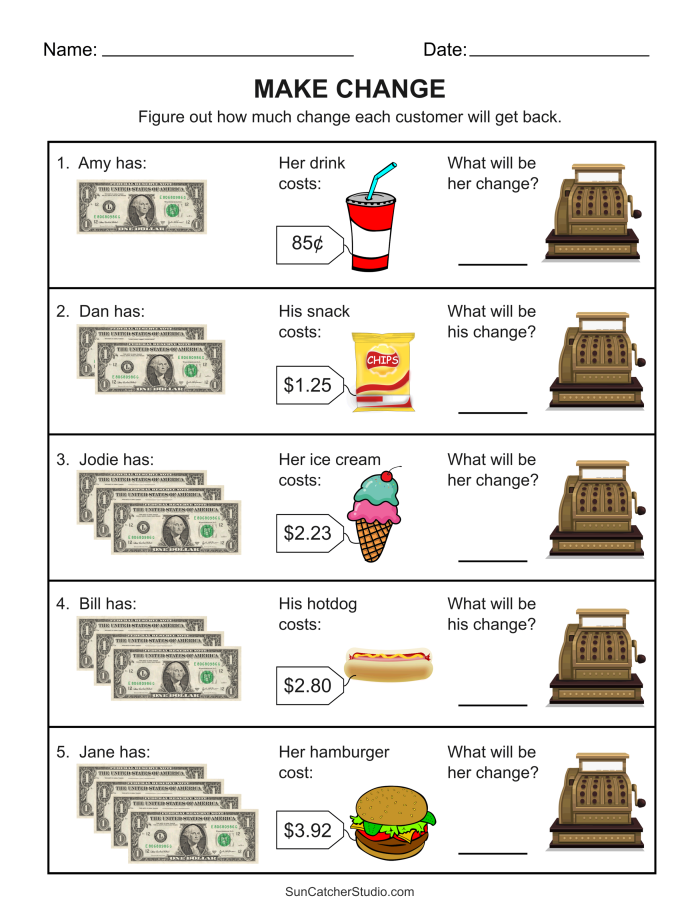
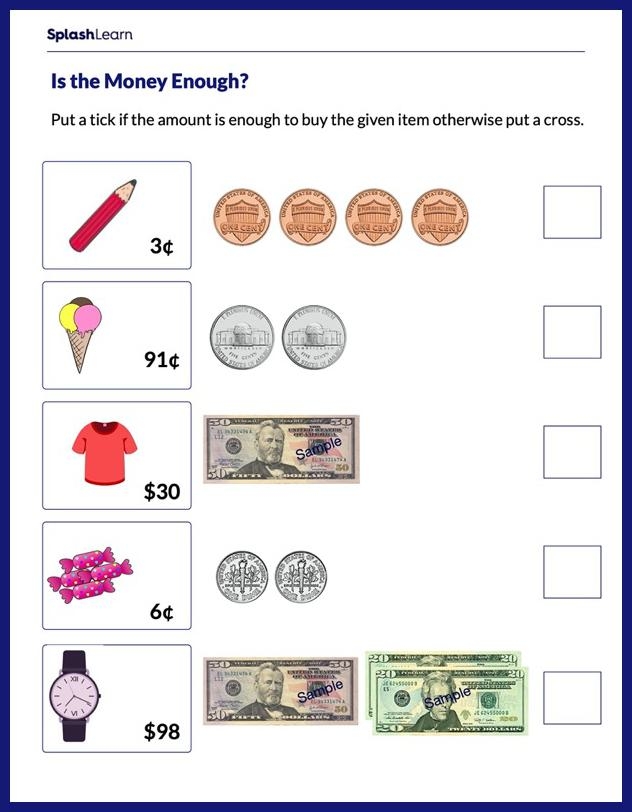
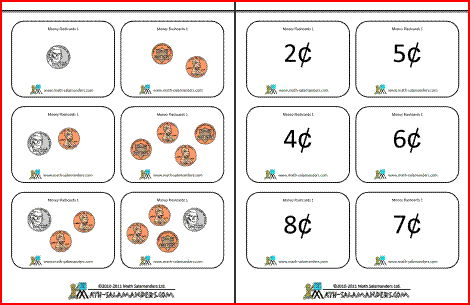
The exercise works like this: you’ll see several groups of coins scattered across the worksheet. Each group contains a mix of pennies, nickels, dimes, or quarters. Your job is to add up the total value of each group and then mark the correct amount from the options provided. It sounds simple, but it actually requires multiple skills working together.
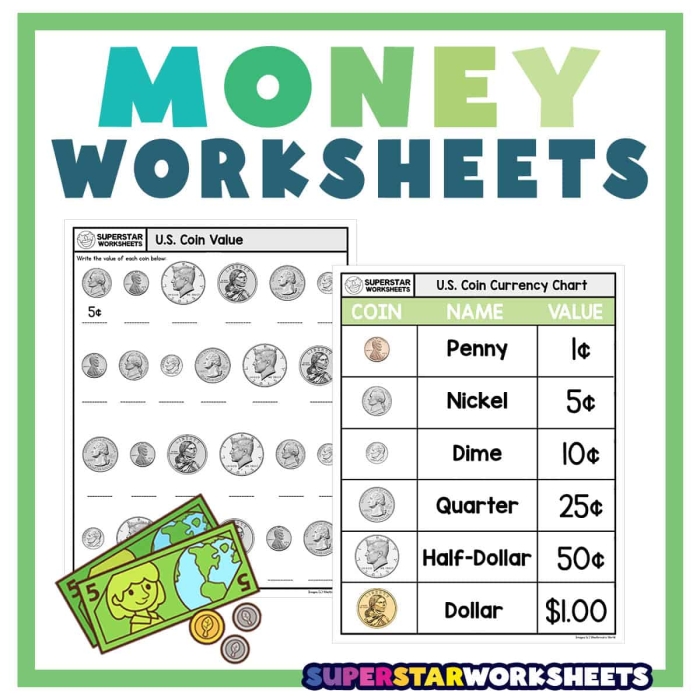
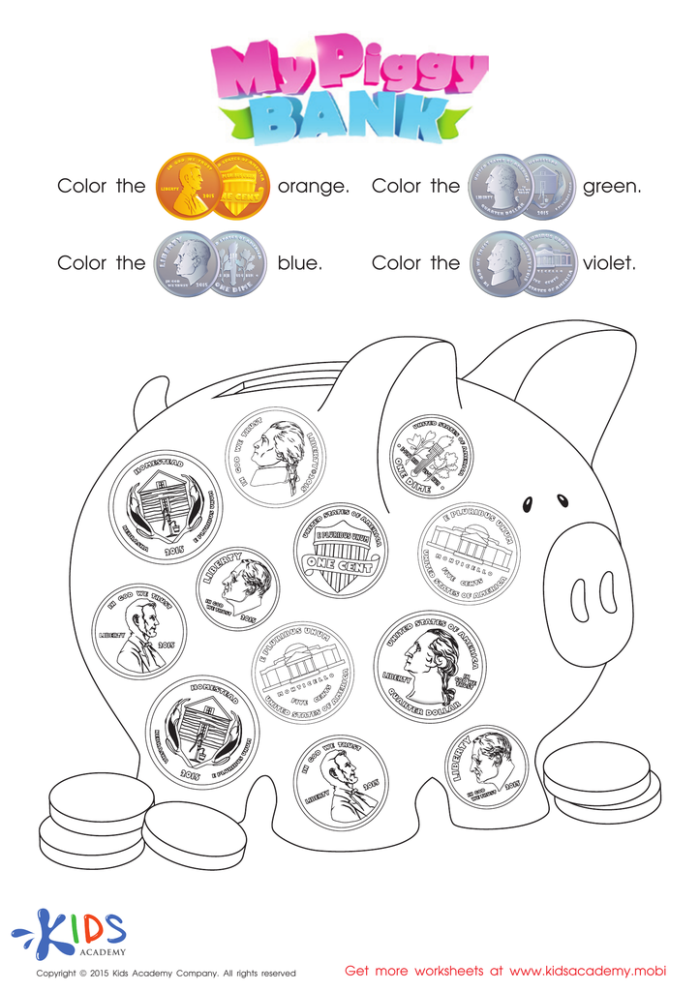
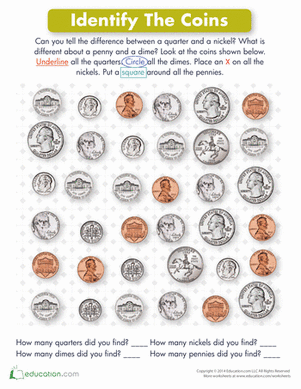
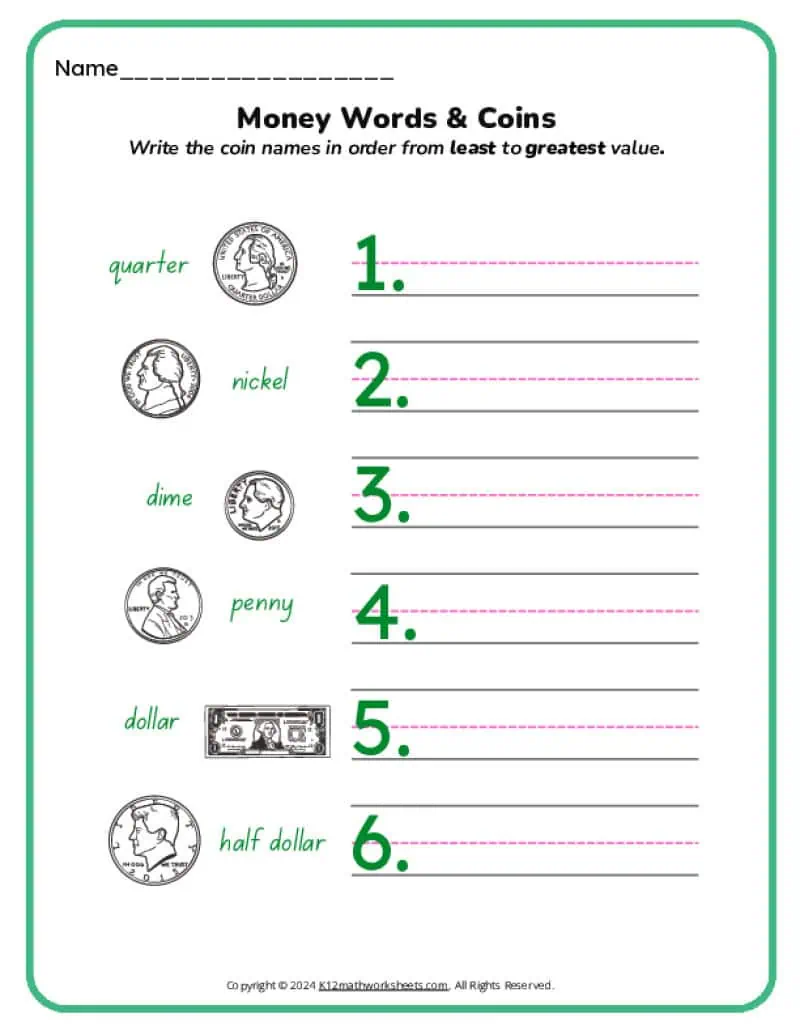
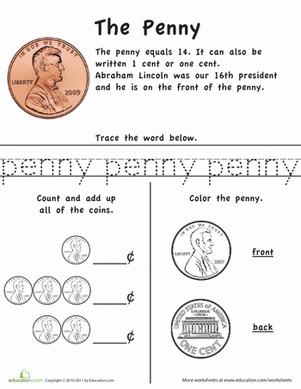
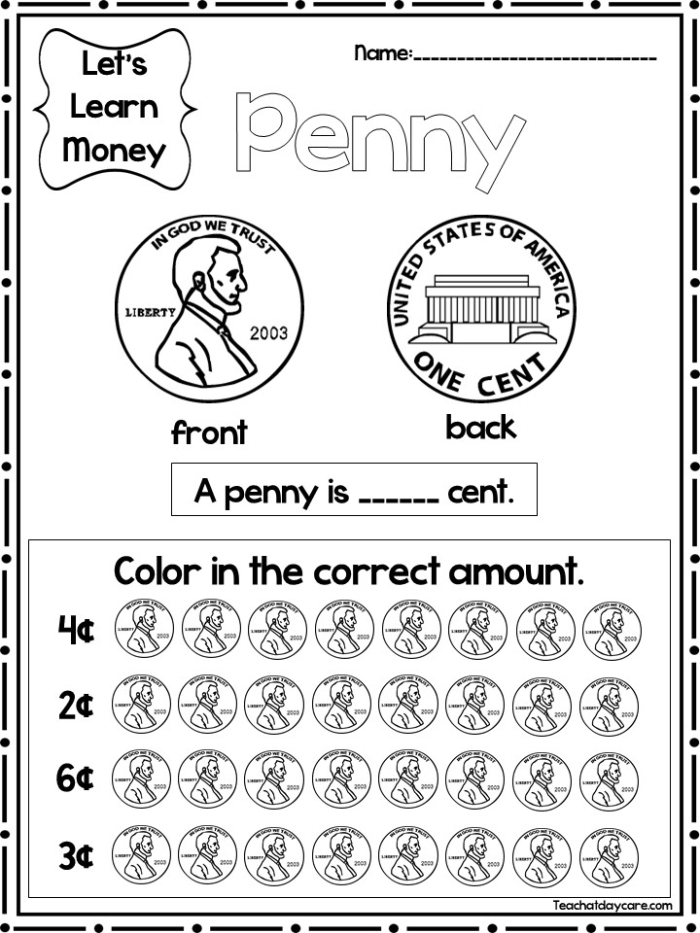
First, students need to recognize each coin type. A penny is worth 1 cent, a nickel is 5 cents, a dime is 10 cents, and a quarter is 25 cents. Then comes the counting, which demands careful attention and basic addition. A group might have two dimes and three pennies, for example, which adds up to 23 cents. Getting this right means understanding place value and being able to skip count by fives and tens.
This kind of practice works best when paired with other foundational skills. Reading worksheets like rhyming words for kids help develop phonemic awareness, while activities focusing on words ending in ed build reading fluency. When first grade students practice across different subject areas, their brains make stronger connections.
The beauty of helping Dennis Duck is that it turns coin counting into a story. Kids aren’t just solving abstract problems; they’re helping a character they care about. This makes the repetition feel purposeful rather than tedious, and that’s when real learning happens.
Boost Skills with These Worksheets