Arabian horses stand out as one of the most recognizable and beloved horse breeds in the world, and second grade students can discover why through hands-on learning activities. These elegant animals have captured human imagination for thousands of years, originating from the Arabian Peninsula where they were bred by Bedouin tribes for endurance and speed across desert terrain.
What makes Arabians unique is their distinctive head shape, featuring a concave profile and large, expressive eyes that seem to look directly at you. They typically stand around 14 to 15 hands high, making them smaller than many other horse breeds, yet their athletic build allows them to carry riders across long distances without tiring easily. Arabian horses can live well into their 30s, sometimes longer, which means a single horse might serve multiple generations of a family.
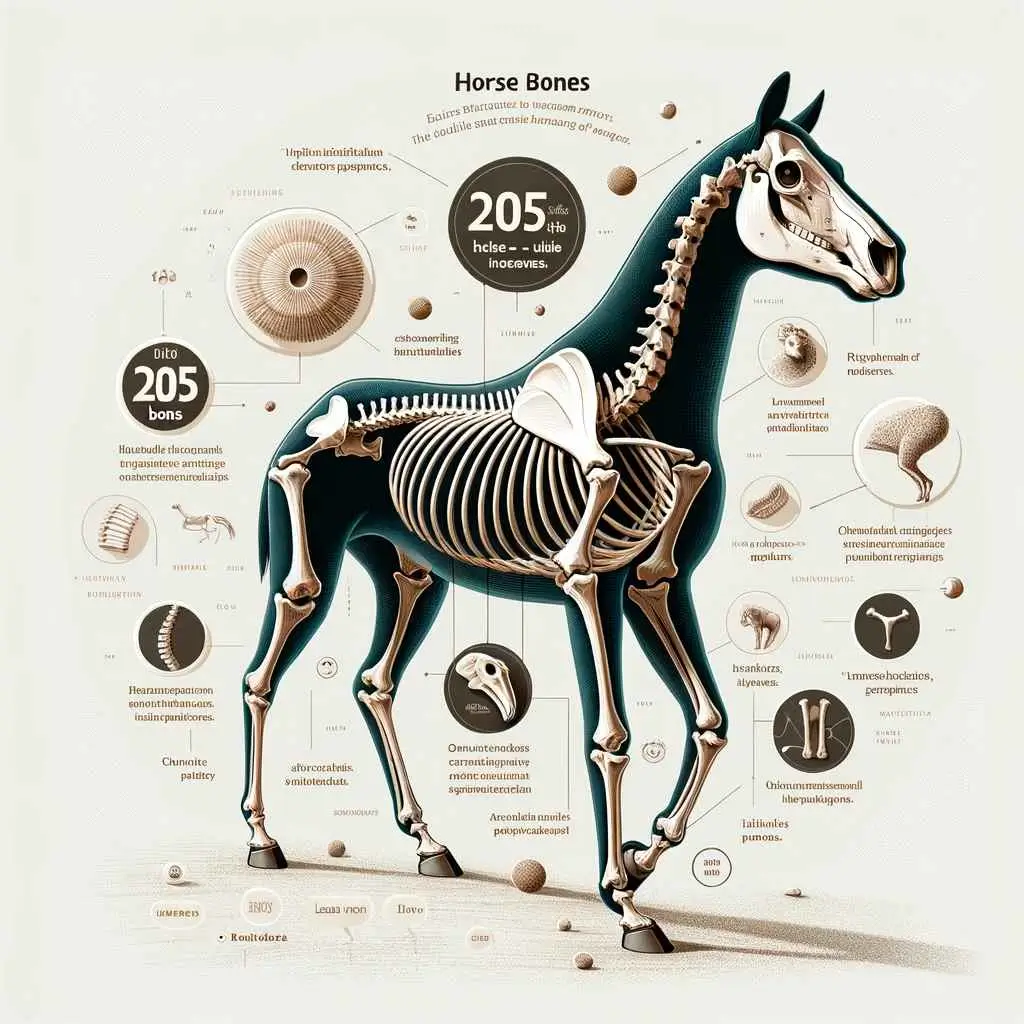
These horses played crucial roles throughout history, influencing the development of many other breeds like Thoroughbreds and Quarter Horses. Their intelligence and gentle temperament made them ideal companions for both desert warriors and modern-day riders. In physical science education for second grade, studying Arabian horses helps children understand animal adaptation, how body structure relates to function, and the relationship between animals and their environments.
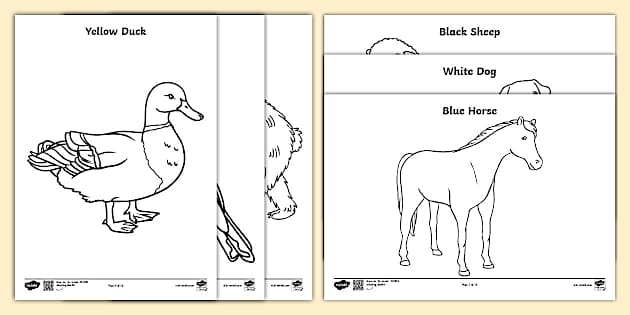
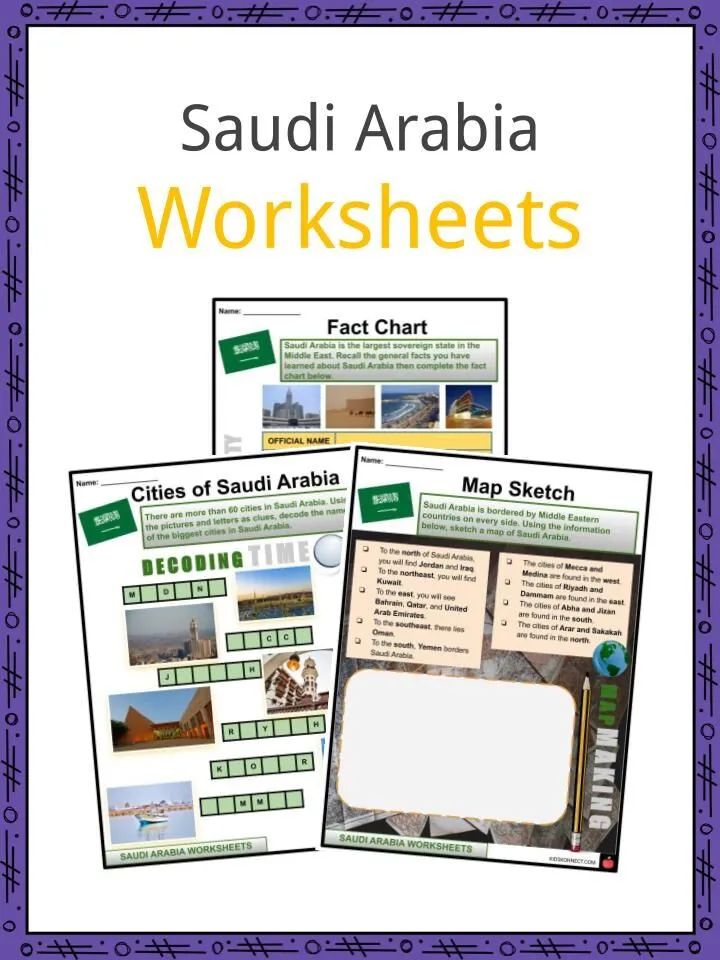
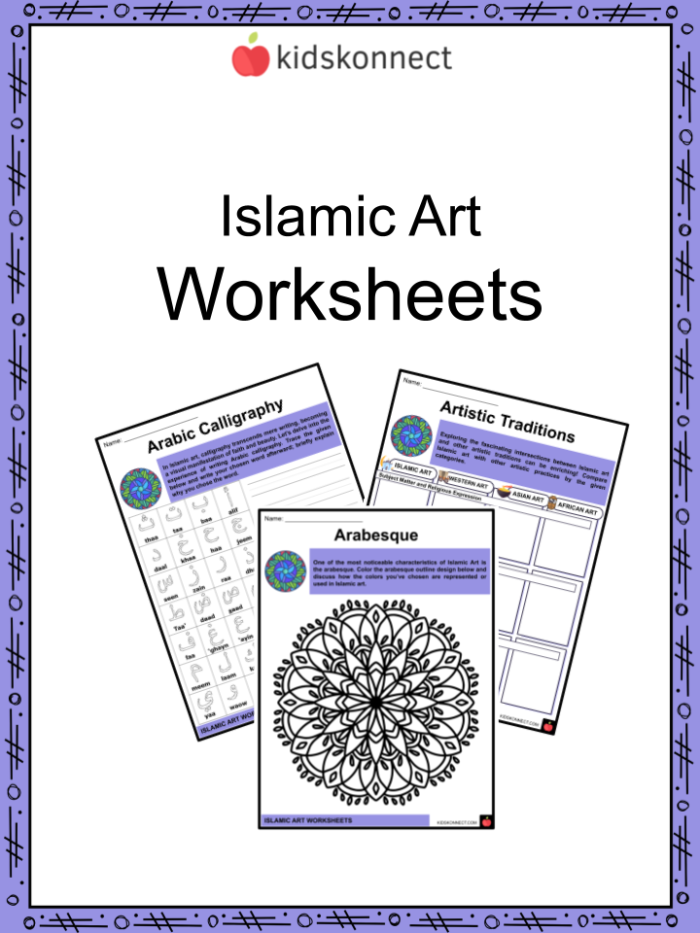
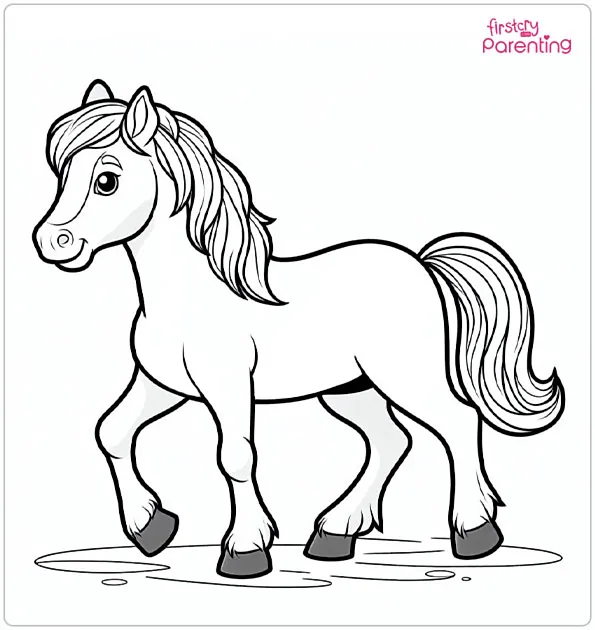
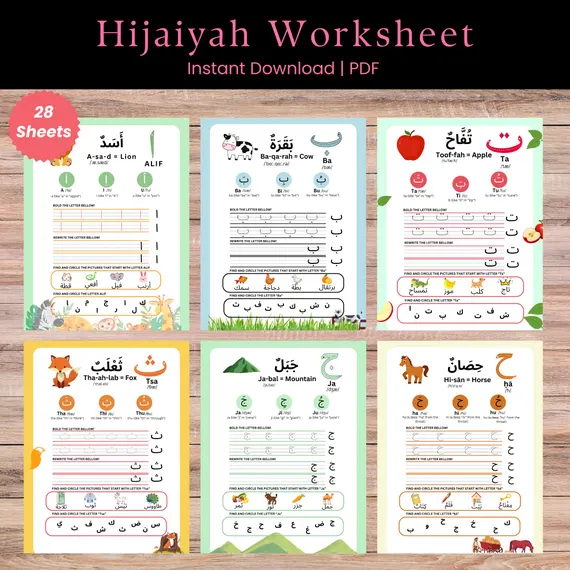
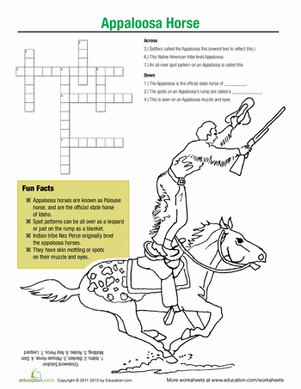
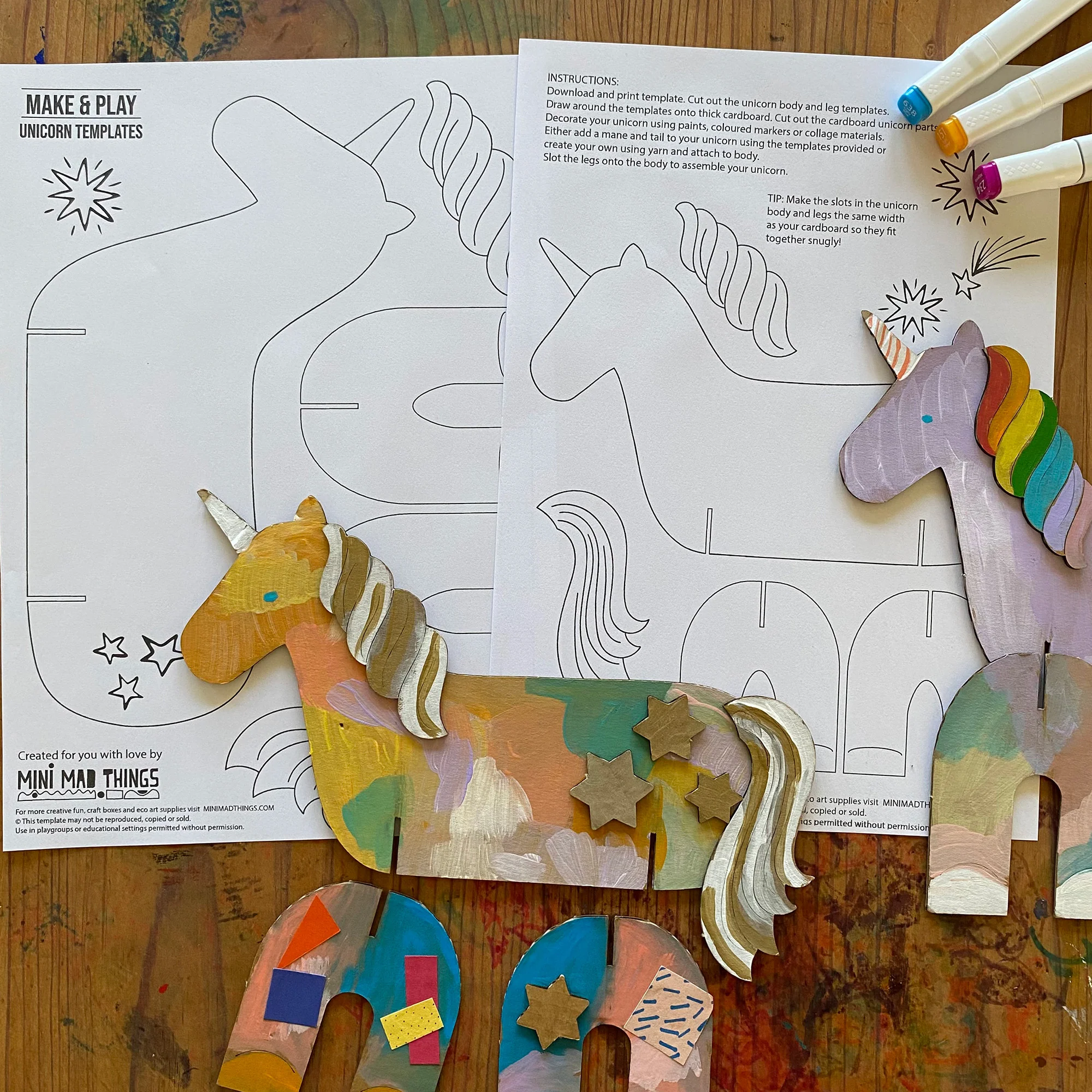
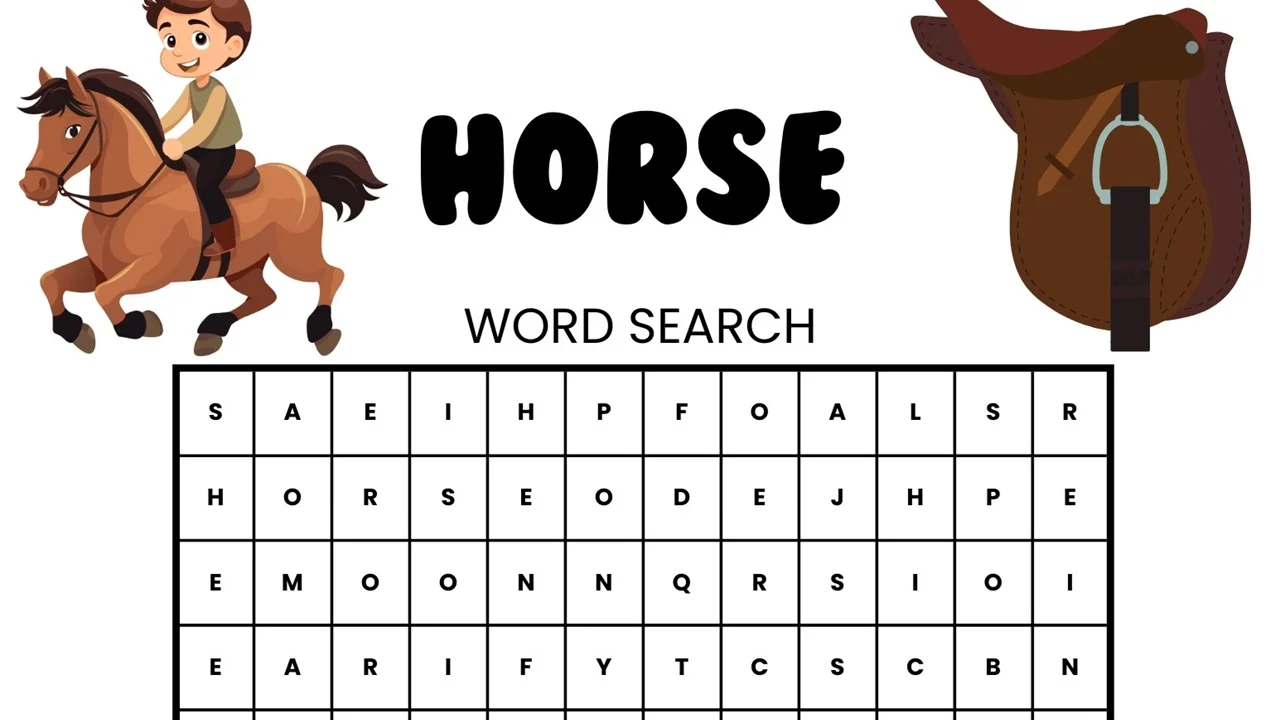
To make learning about these fascinating creatures more engaging, interactive worksheets offer multiple ways to explore Arabian horse facts. A horse fun Arabian worksheet combines educational content with activities like crossword puzzles that reinforce vocabulary and facts. Students can test their knowledge while working through word problems, then relax with a coloring page activity that lets creativity flow.
These combined learning approaches help second graders retain information about Arabian horses while developing problem-solving skills and fine motor control through coloring and puzzle completion.
Practice with These Worksheets