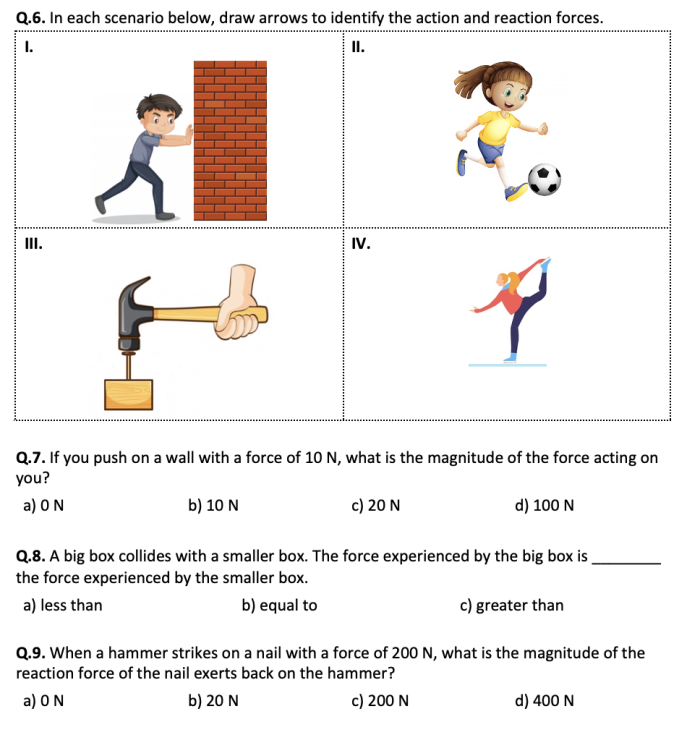
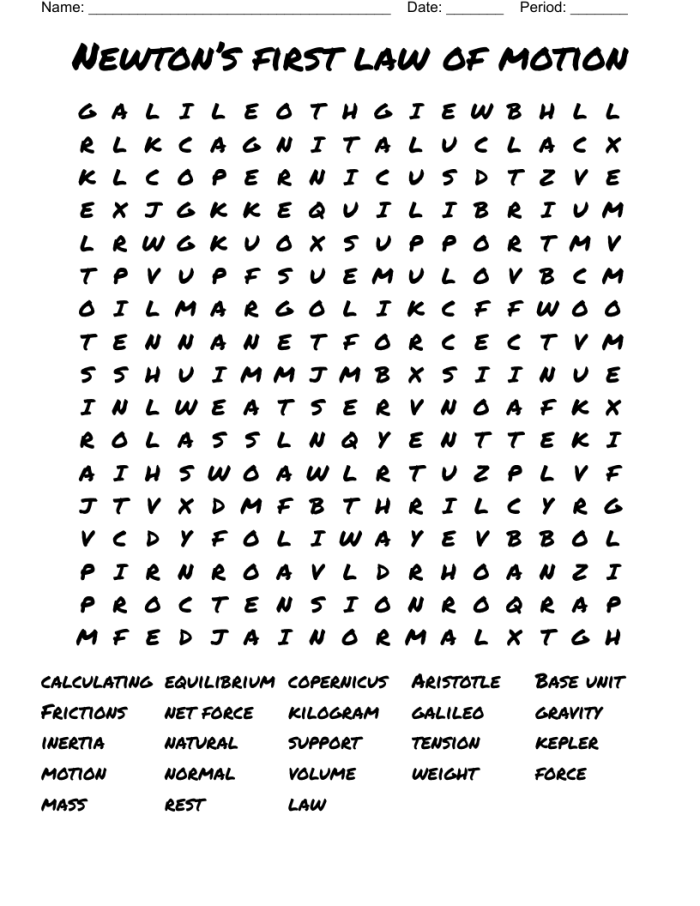
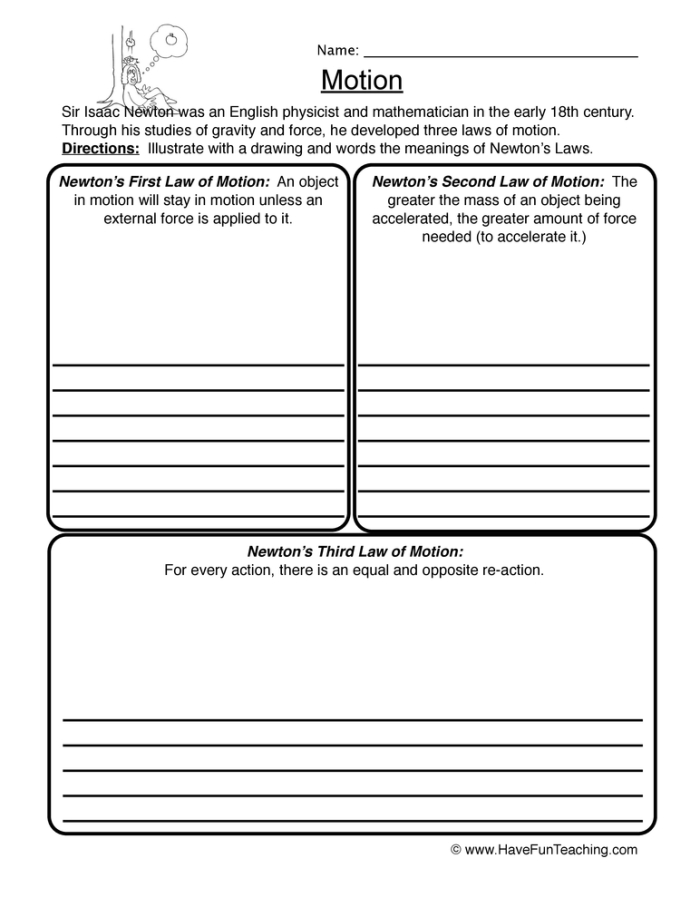
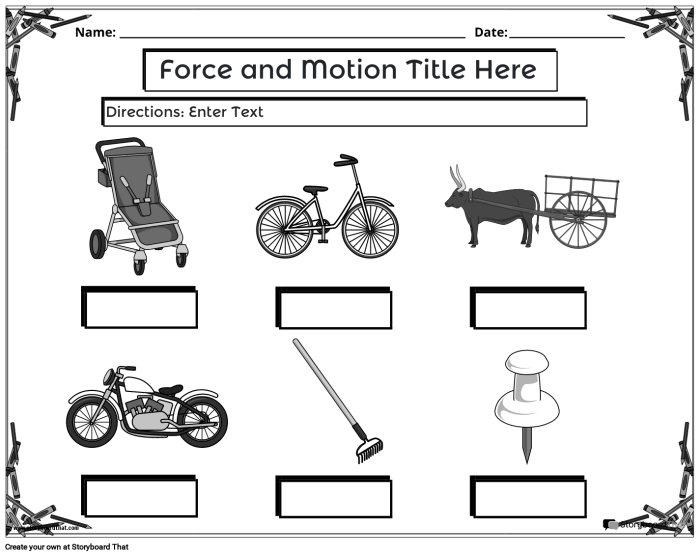
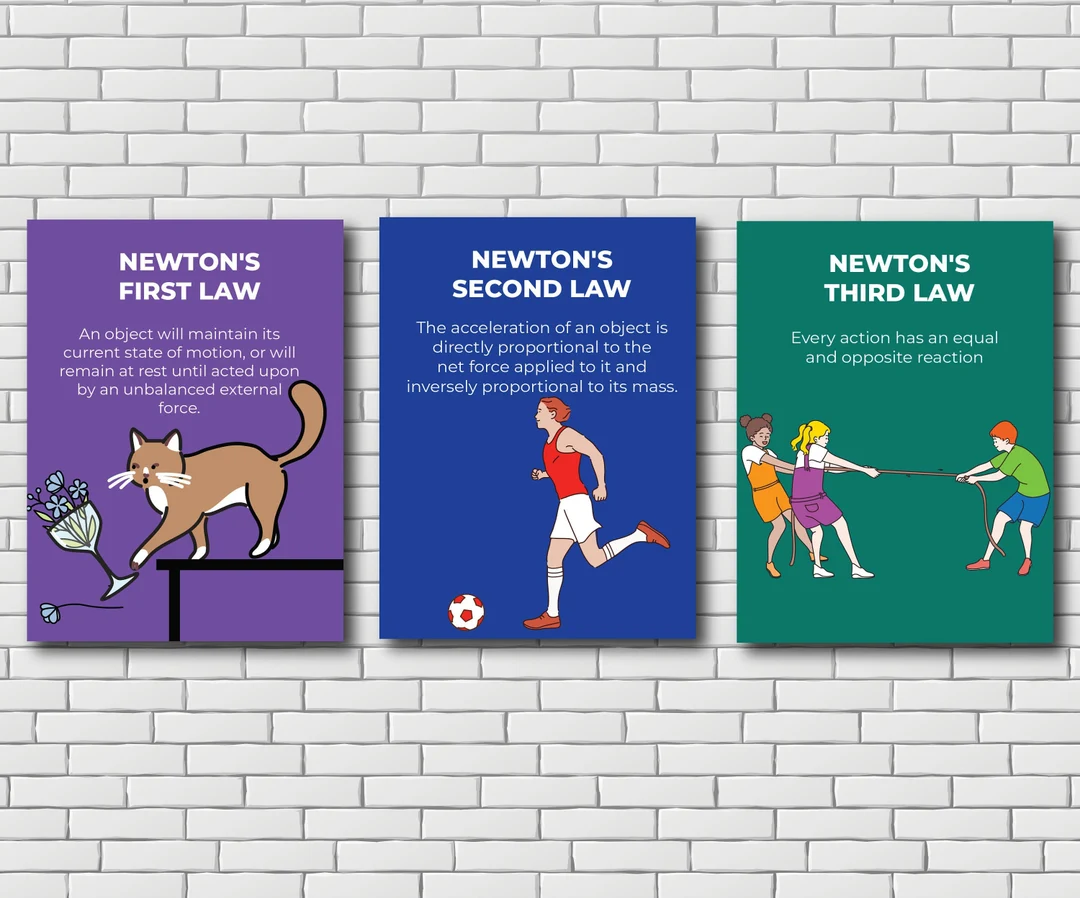
Understanding Newton’s First Law of Motion opens a door to how the physical world actually works around us. This law states that an object at rest stays at rest, and an object in motion stays in motion unless acted upon by an external force. It sounds simple, but grasping this concept requires more than just reading a definition—it demands hands-on exploration and practice.
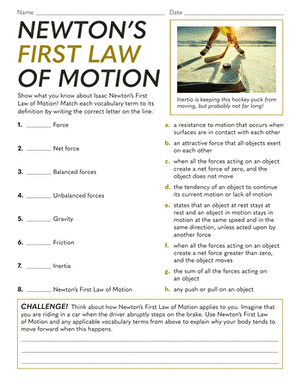
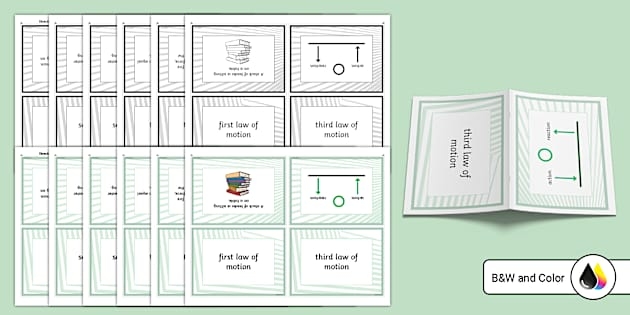
A matching activity works particularly well for sixth grade students learning physics because it forces you to connect specific examples with the underlying principle. When you match a scenario like “a book sliding across a table and eventually stopping” with the correct explanation involving friction as the external force, you’re doing real physics thinking. You’re not just memorizing words; you’re recognizing patterns in how objects behave.
These matching exercises help you see Newton’s First Law in everyday situations. A soccer ball kicked across a field, a car braking at a red light, or a spinning top gradually slowing down—each example demonstrates the law in action. The physical science behind these moments becomes clearer when you actively categorize and match them to their explanations.
Sixth grade is the right time to tackle this concept because you’re developing the ability to think abstractly about forces and motion. Pairing this matching activity with other sixth grade worksheets strengthens your overall science foundation. You might explore rational numbers on the coordinate plane to understand motion graphs, or work through surface area of prisms to visualize three-dimensional objects in motion.
The matching format keeps you engaged while building confidence in identifying forces and predicting motion outcomes. By working through these activities, you develop the vocabulary and reasoning skills needed for more advanced physics concepts later on.
Boost Skills with These Worksheets