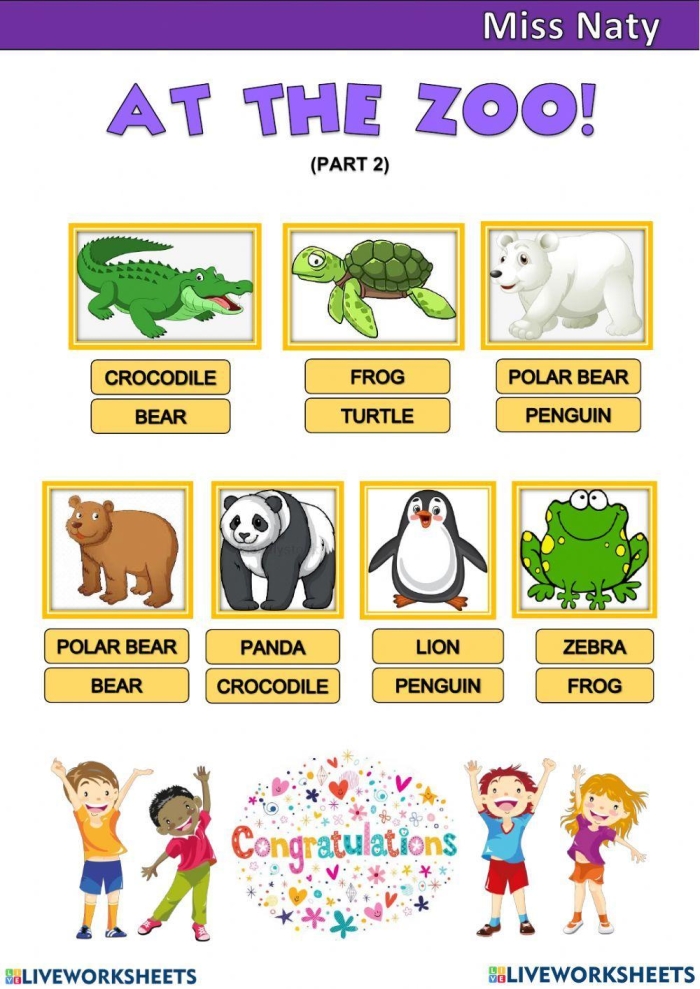
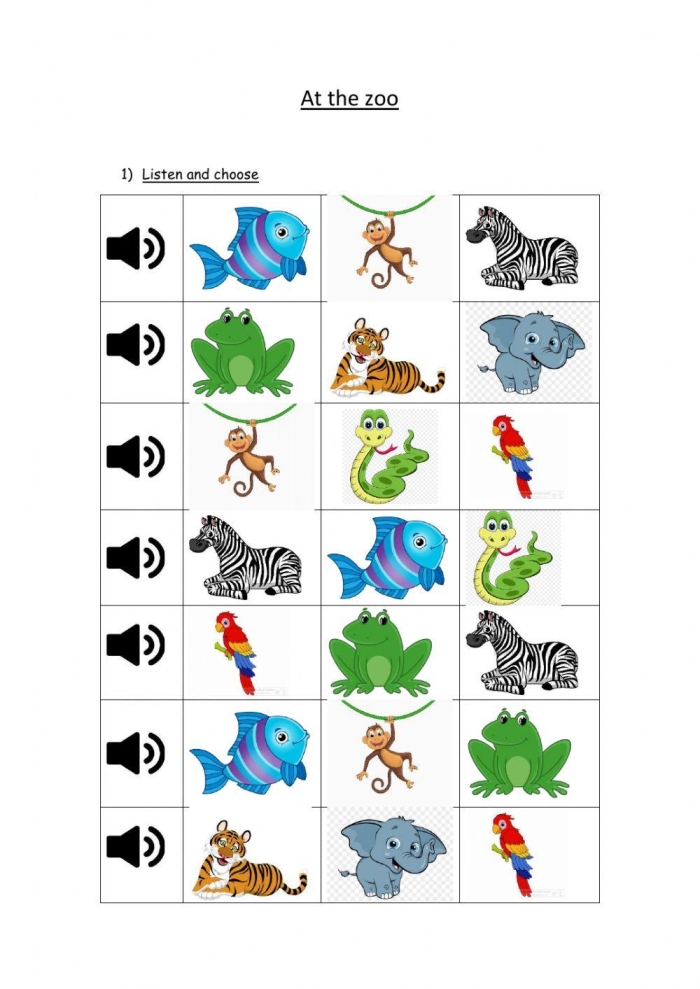
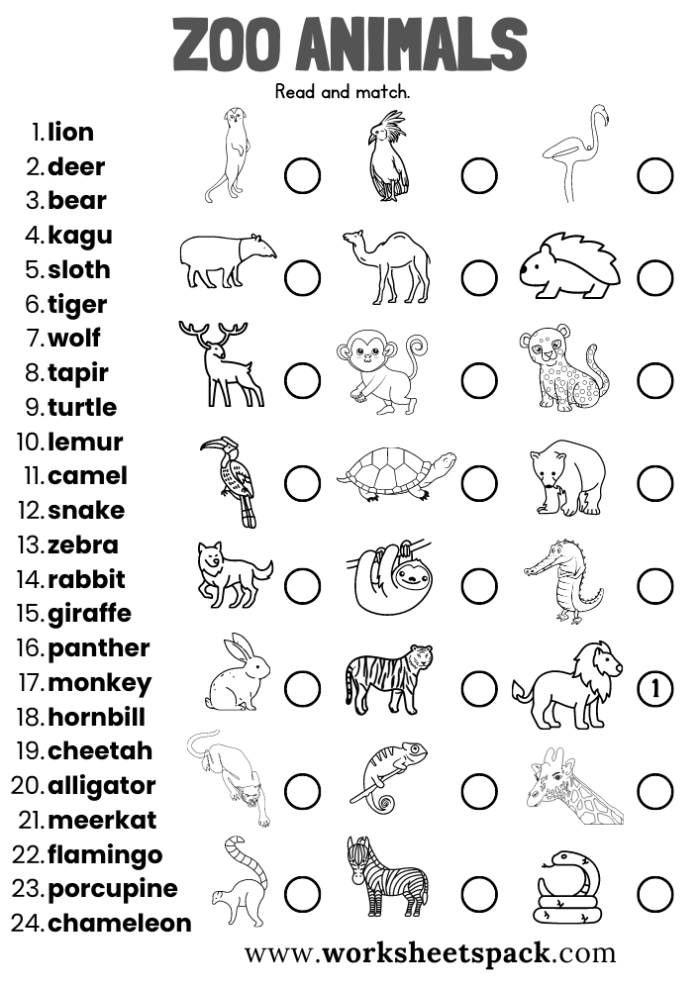
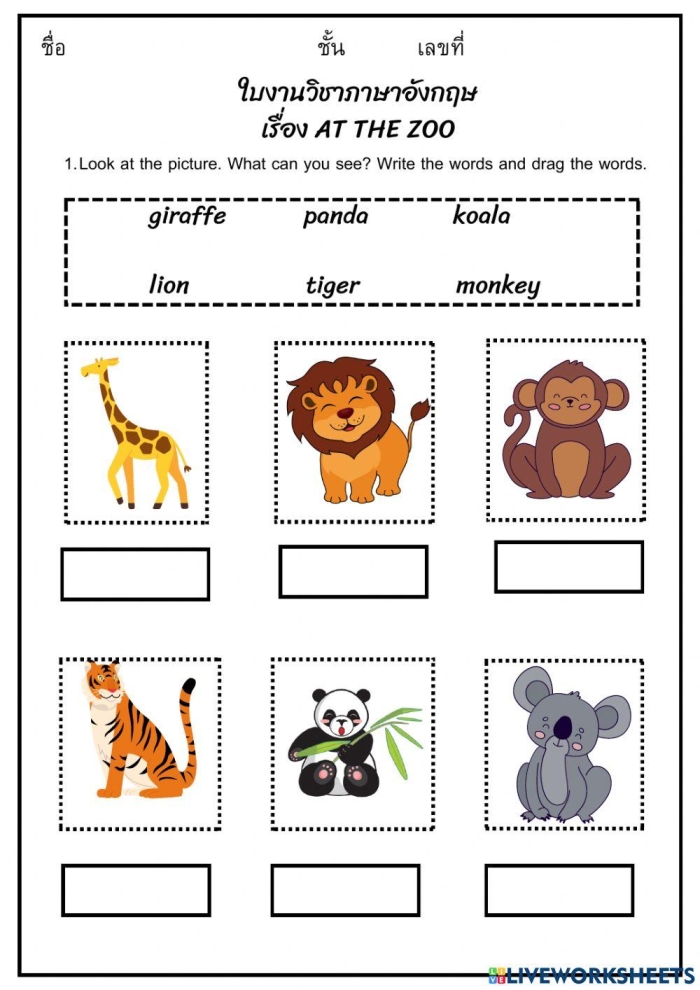
When kindergarten students encounter a poem about zoo animals, something magical happens. They start imagining bears lumbering through forests, camels crossing sandy deserts, and wombats burrowing underground. The combination of rhythm, rhyme, and vivid animal descriptions captures their attention in ways that straight facts never could.
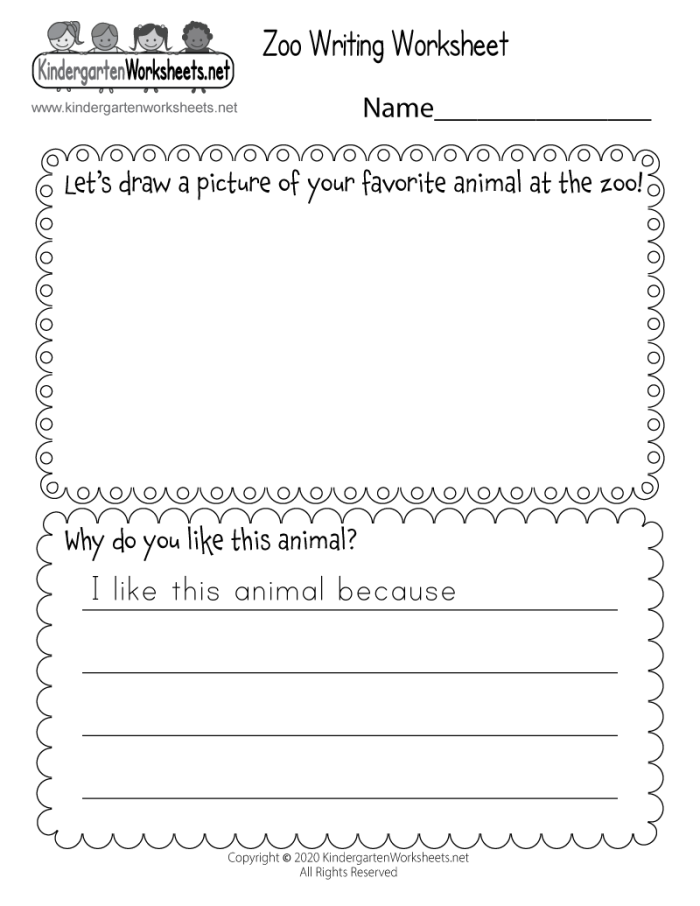
Animal poems work particularly well for reading instruction at this level because they connect words to images children already know or want to know. A bear isn’t just a word on a page, it’s a creature with fur, claws, and personality. When you ask kindergarteners to draw their favorite animal from a poem, you’re doing something beyond art class. You’re asking them to process what they heard, choose which animal resonated with them, and express that choice visually. This kind of thinking strengthens reading comprehension.
The drawing activity itself serves multiple purposes. It gives children a break from sitting and listening, which their developing brains need. It also lets them show understanding without requiring perfect writing skills. A child who struggles with letter formation can still demonstrate that they understood the poem by drawing a detailed wombat or a tall camel.
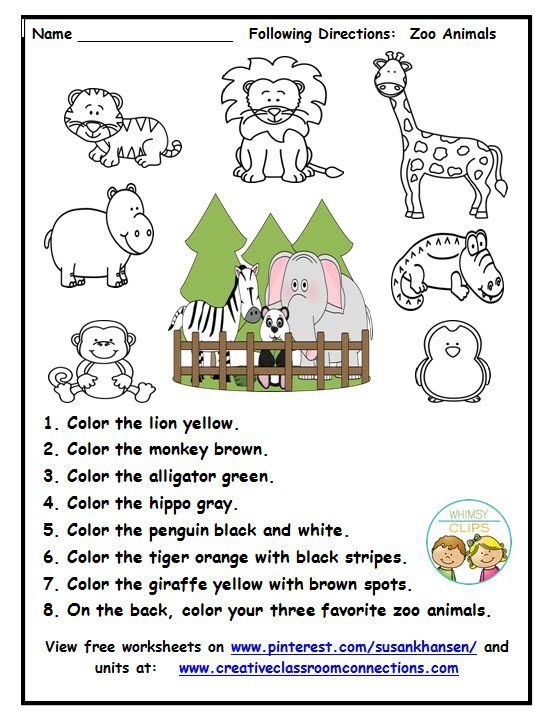
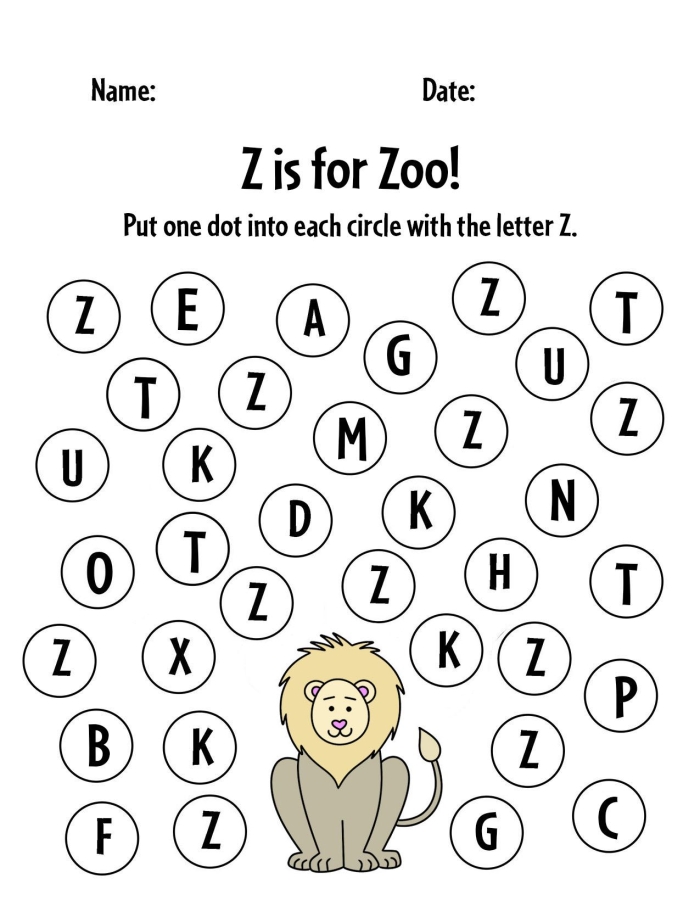
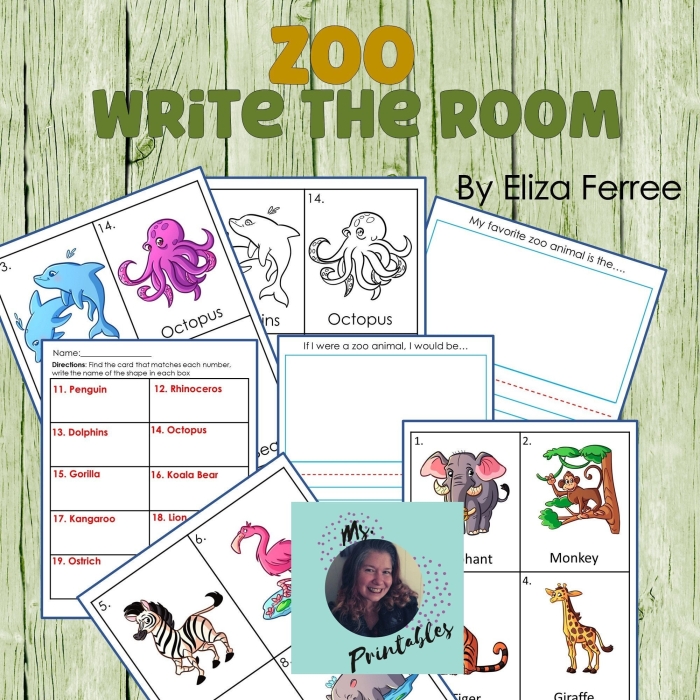
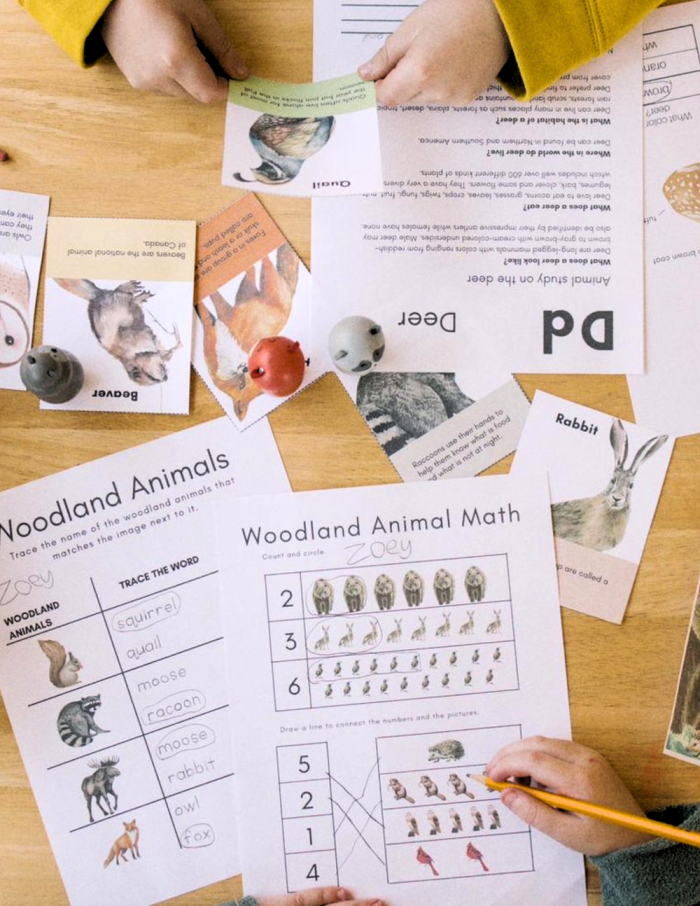
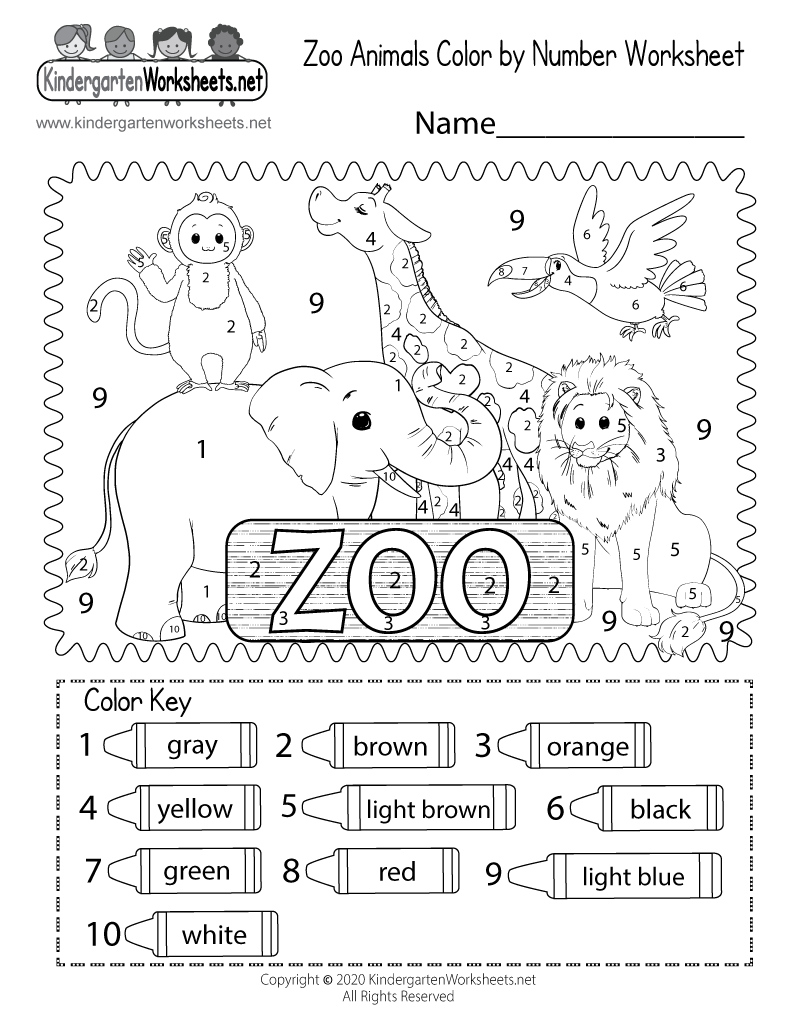
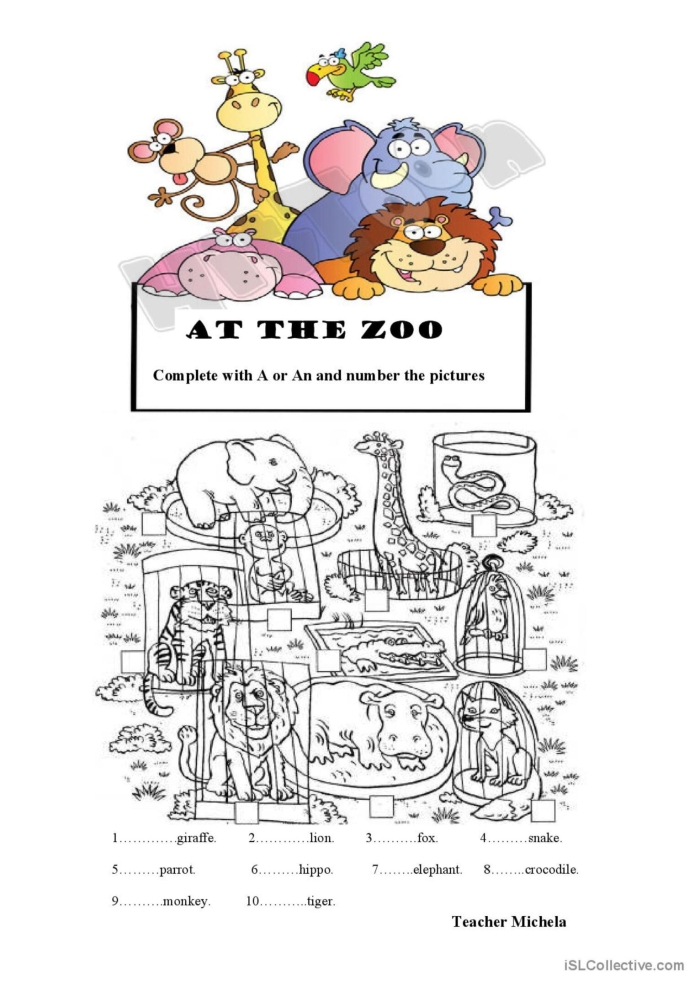
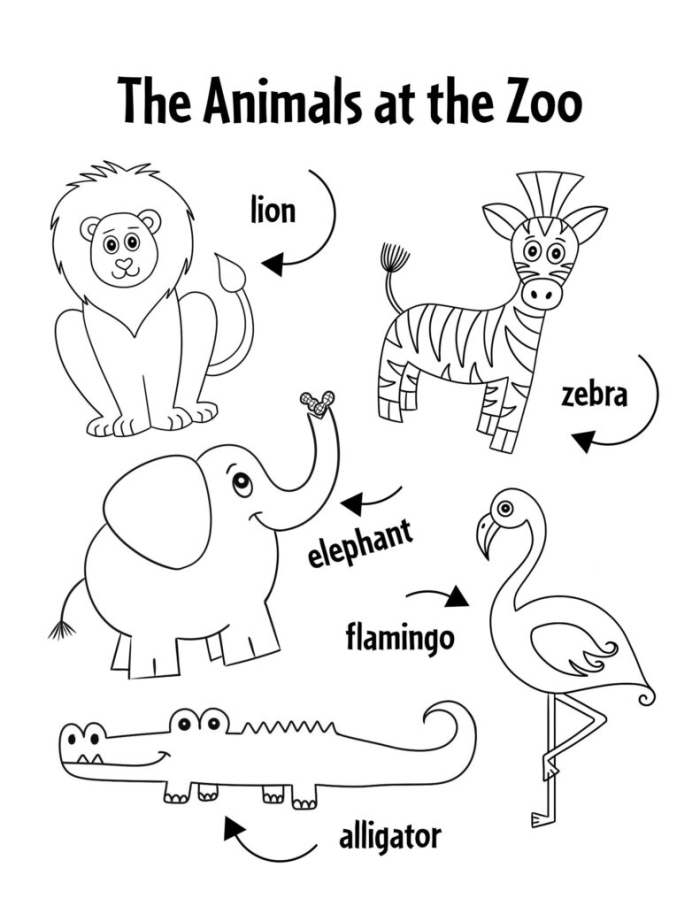
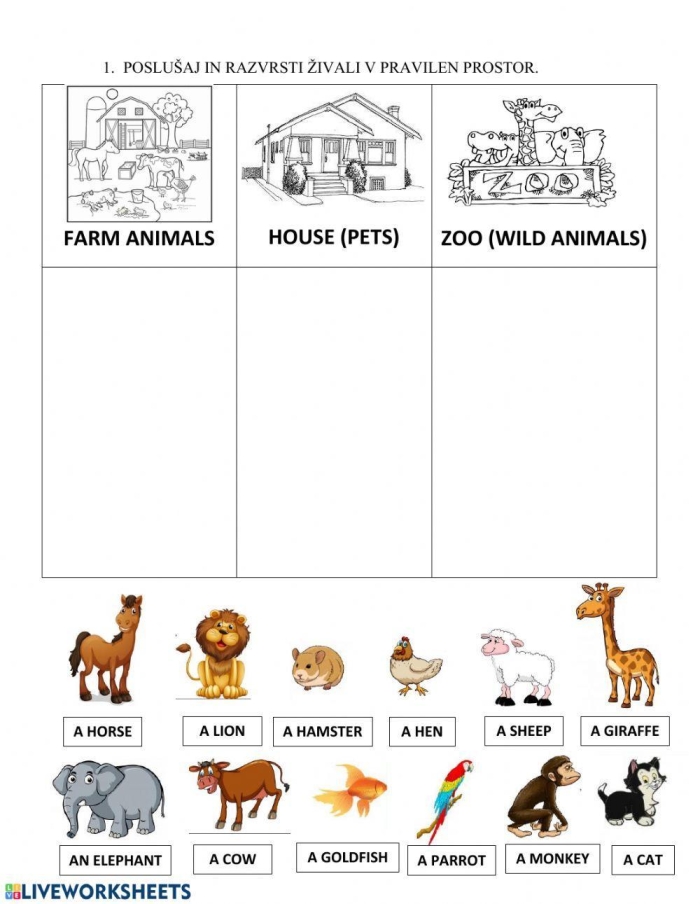
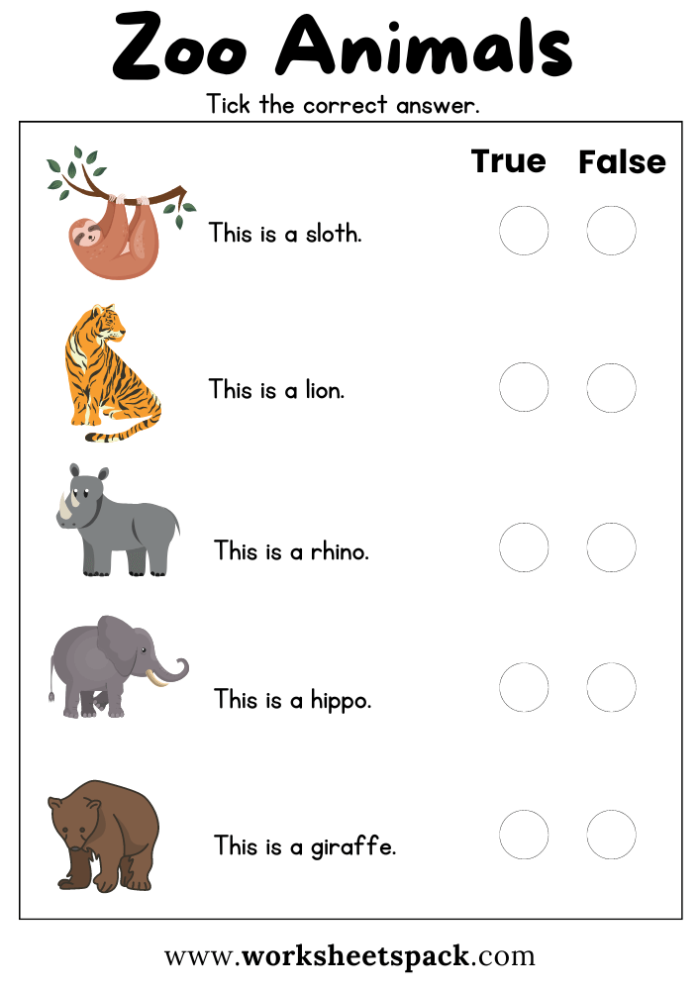
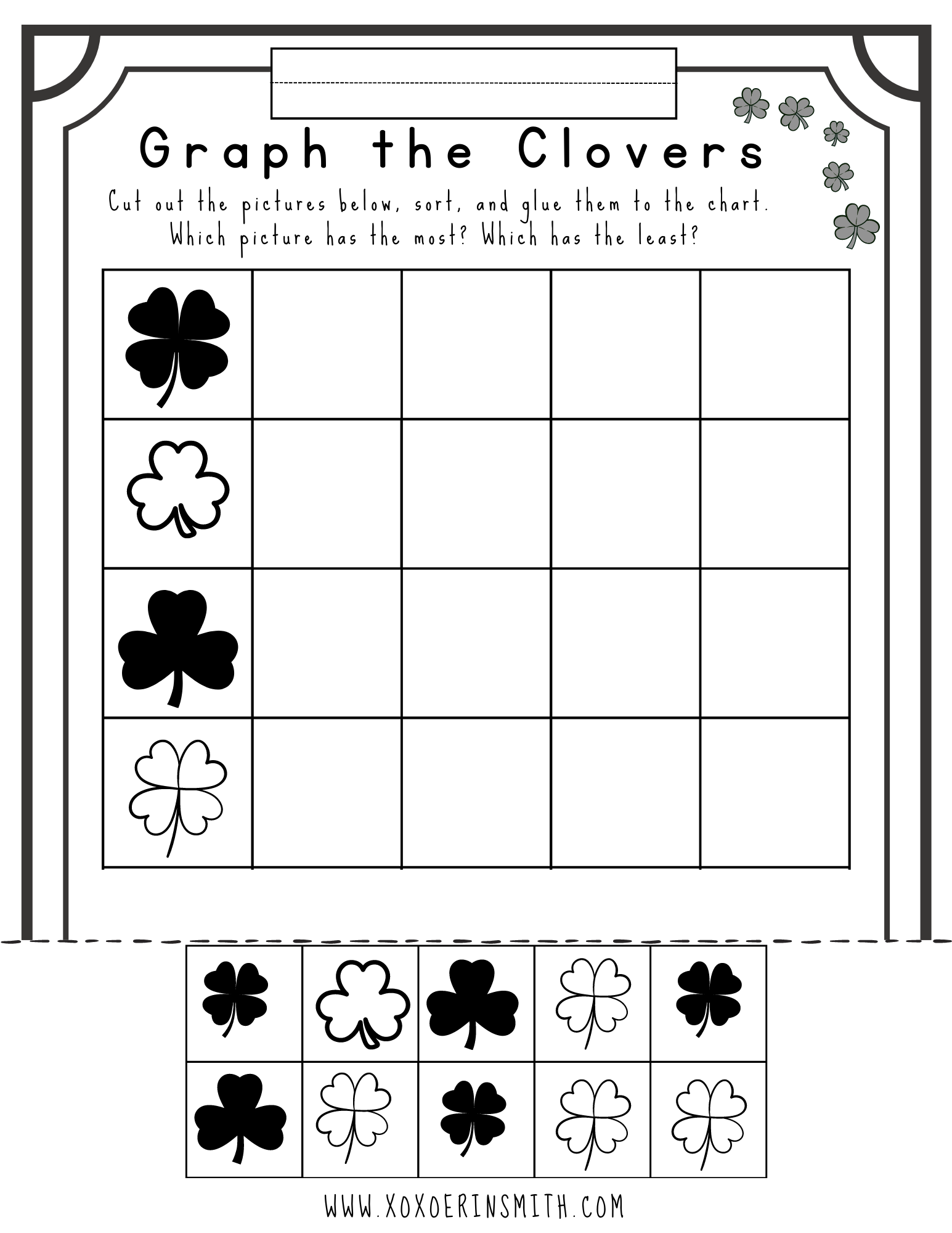
Teachers can extend this activity using worksheets that combine reading and visual learning. Resources like drawing activities with positional words help children practice spatial concepts while creating. Similarly, prediction worksheets encourage children to think about what happens next in a story, deepening their engagement with narratives.
When kindergarten reading includes both listening and creating, children remember more. They don’t just hear about bears, camels, and wombats. They become invested in these animals, draw them with care, and build positive associations with reading that last far beyond the classroom.
Hands-On Worksheet Activities