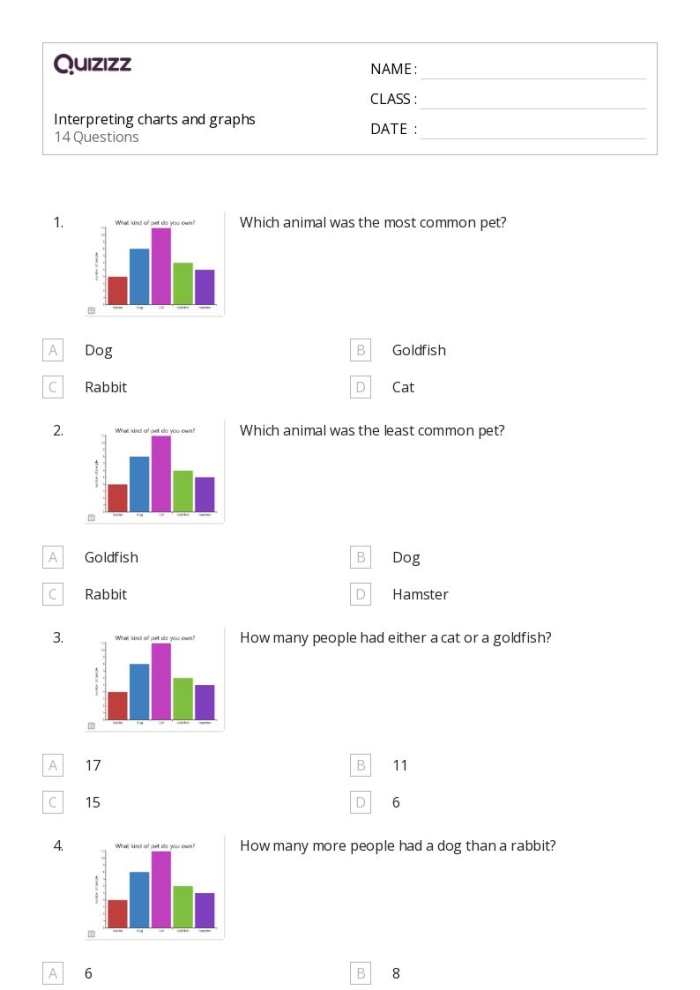
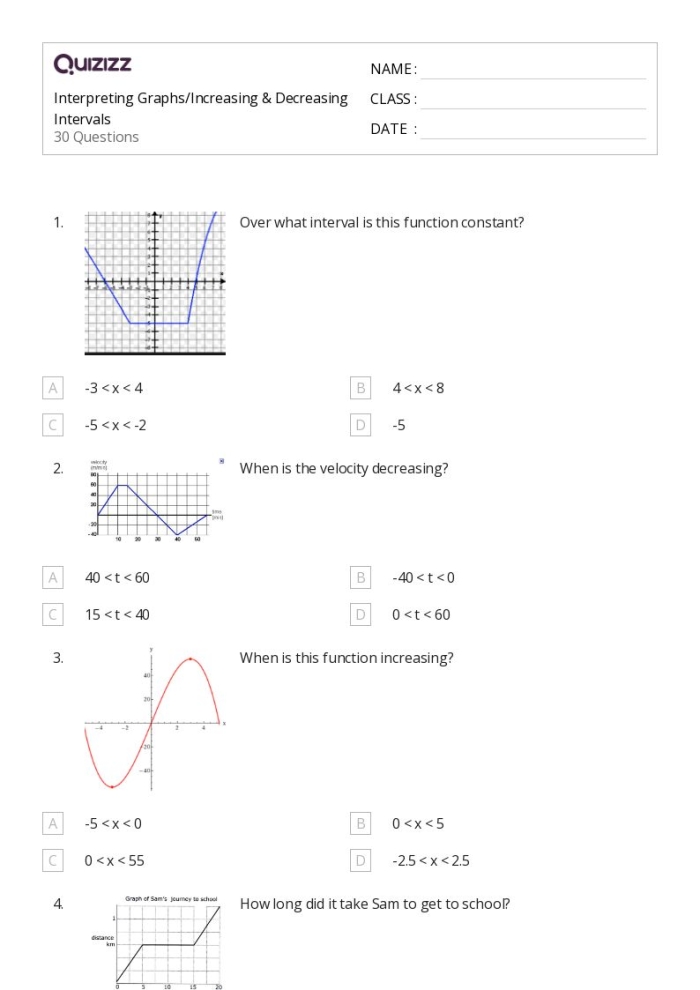
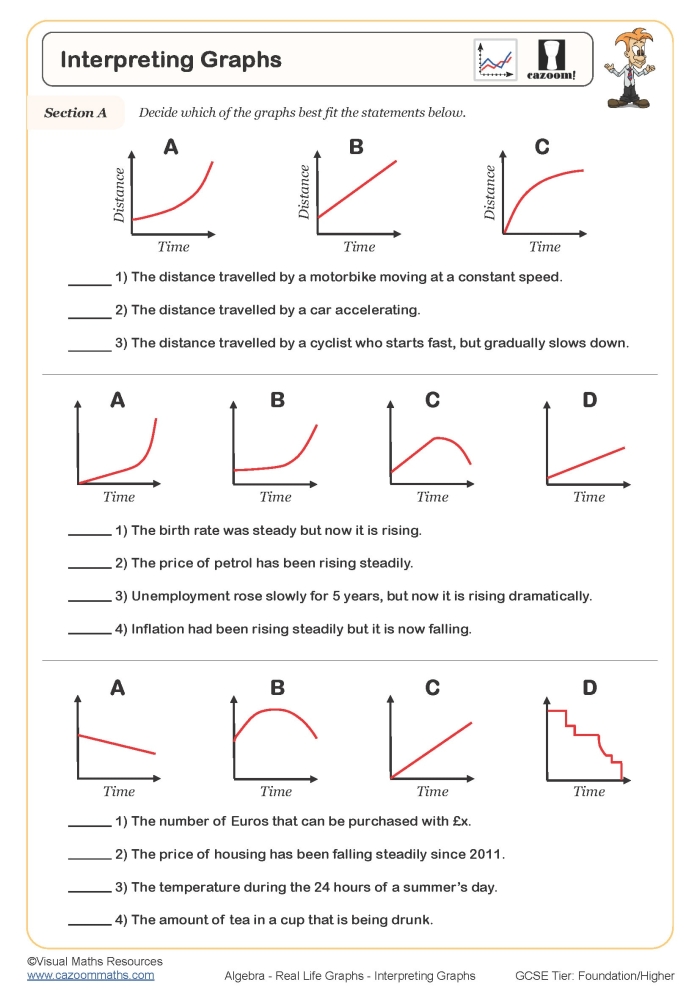
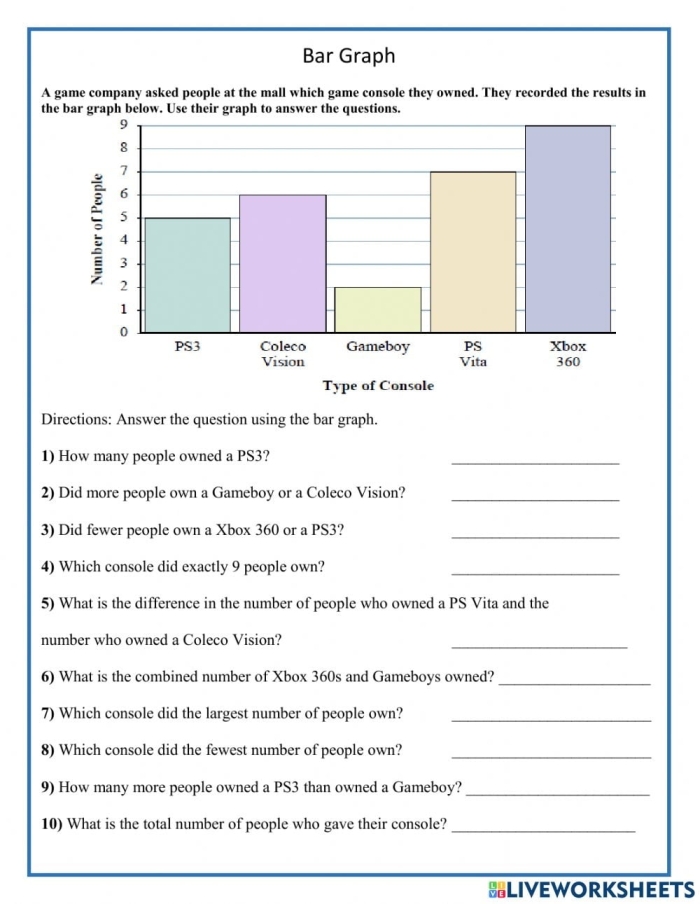
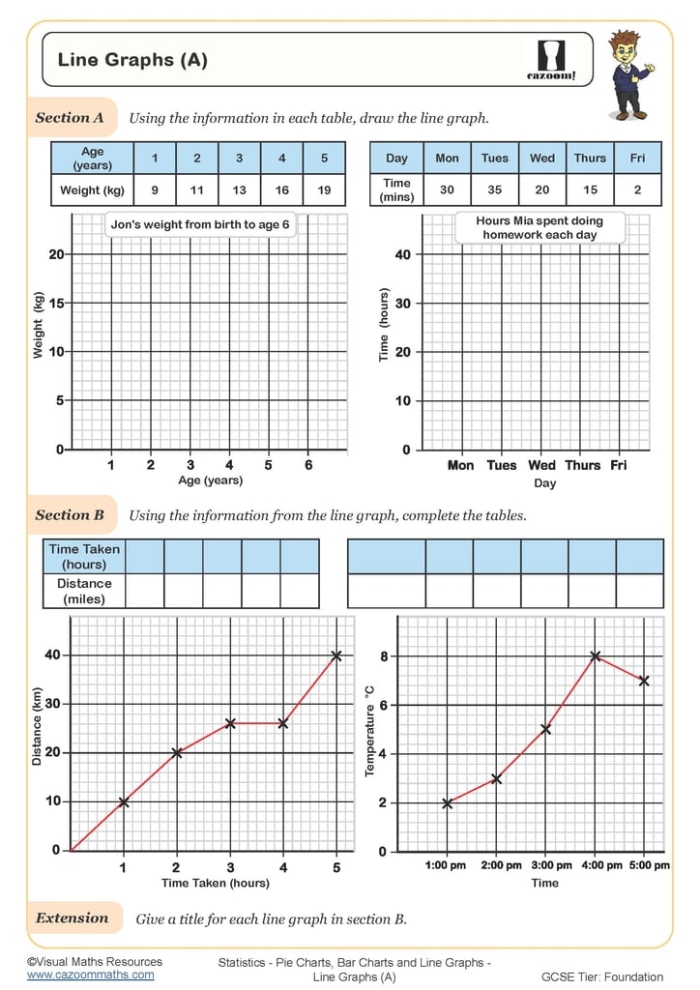
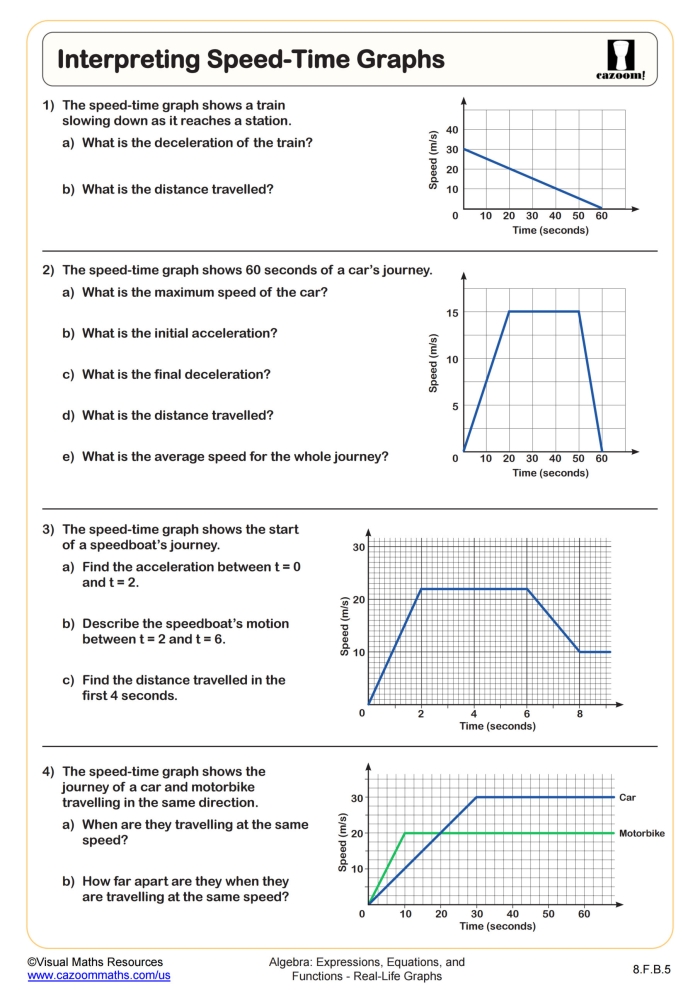
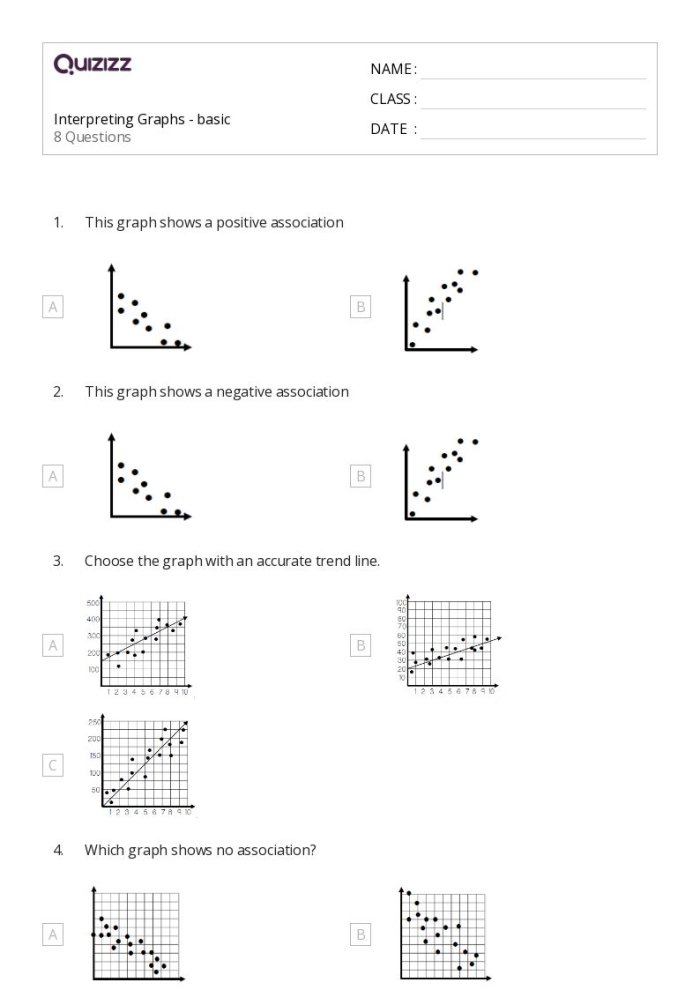
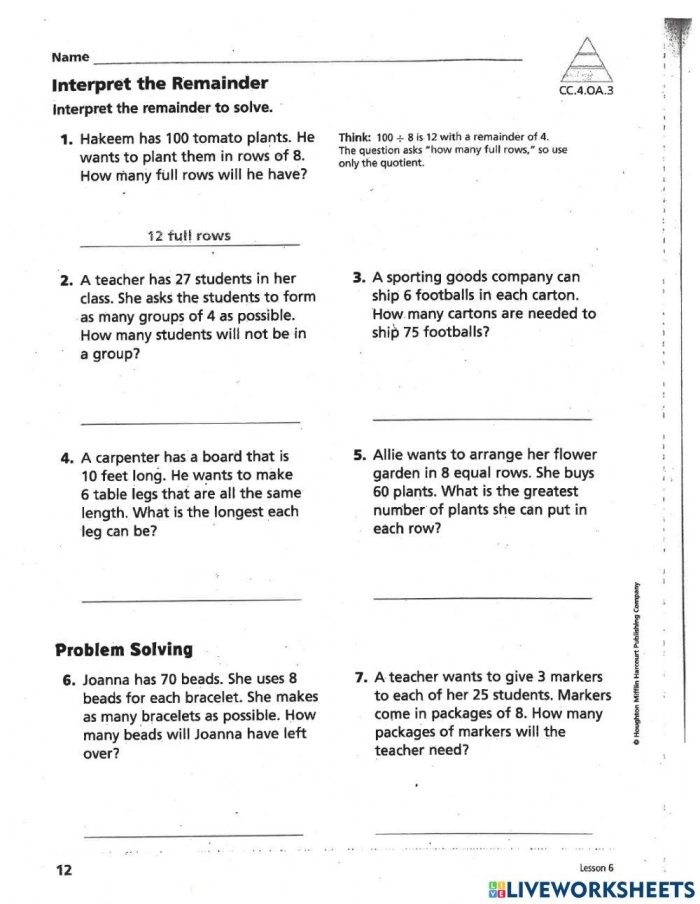
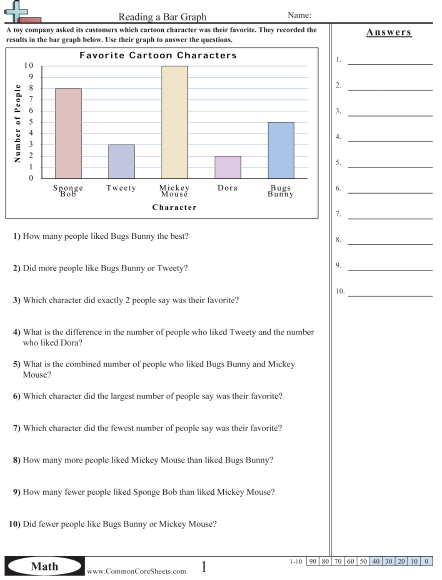
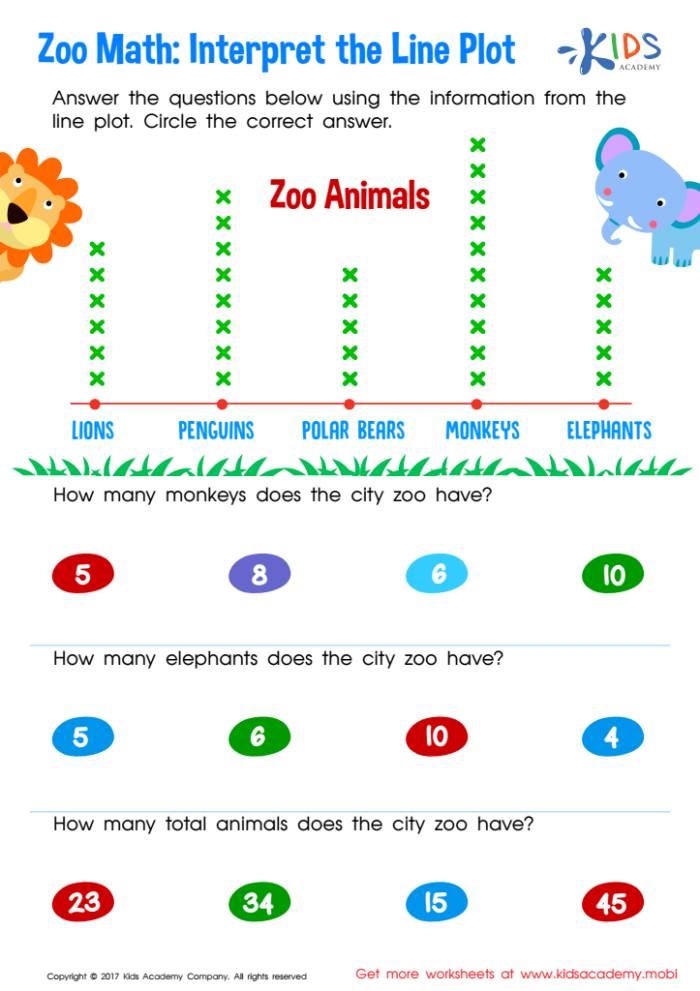
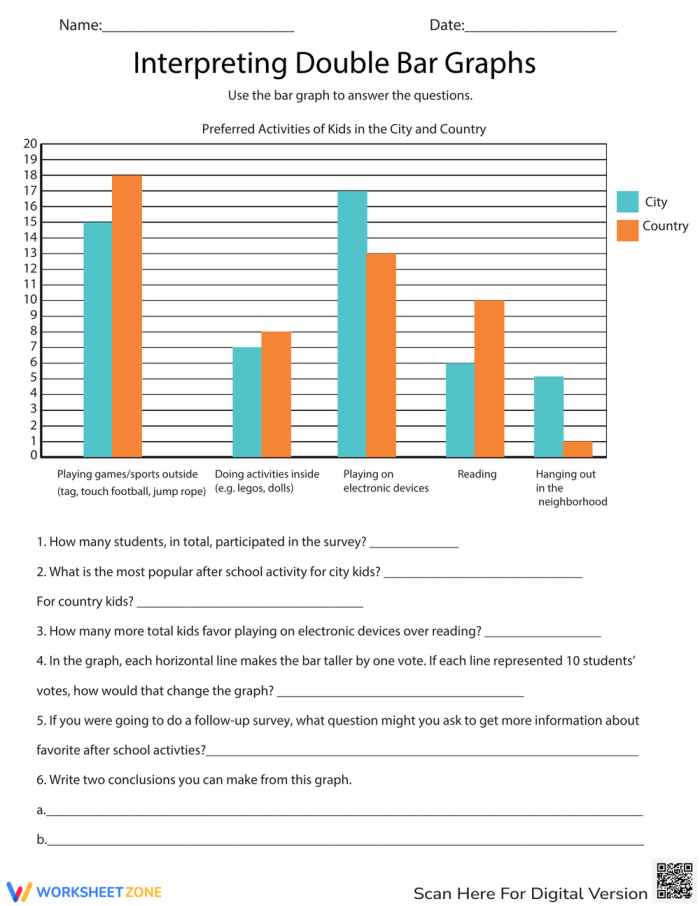
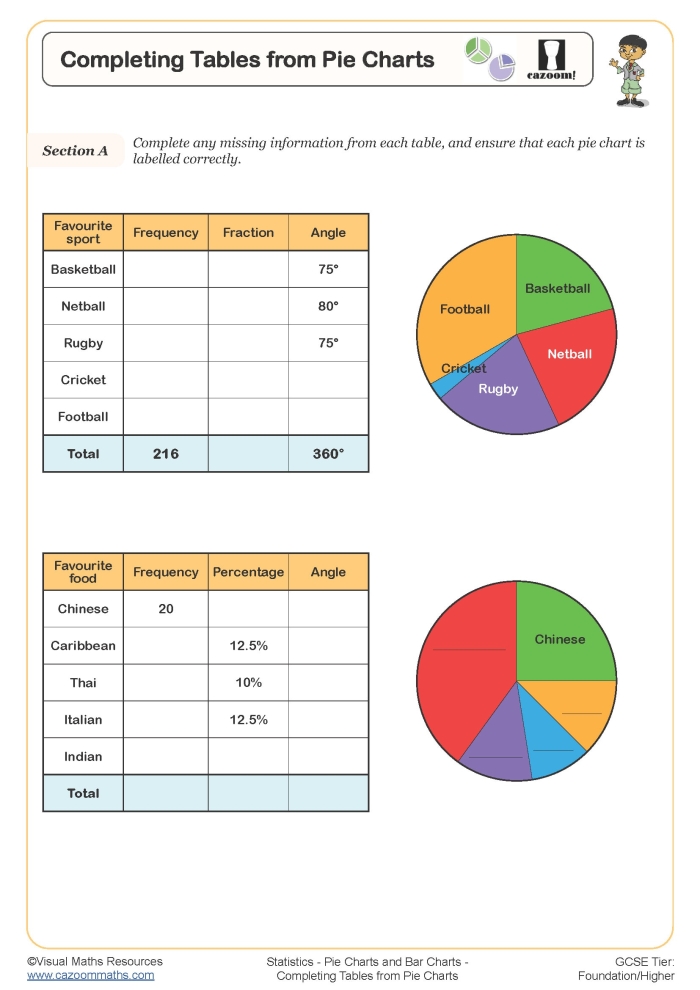
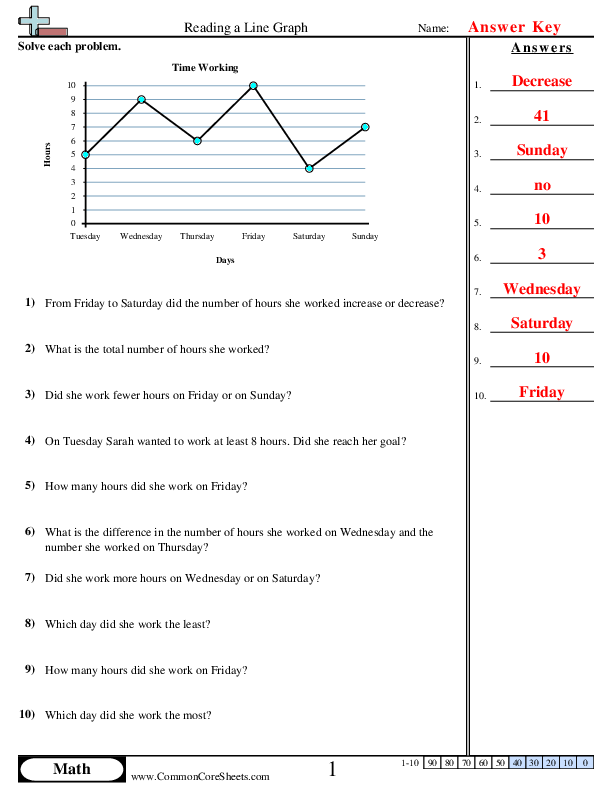
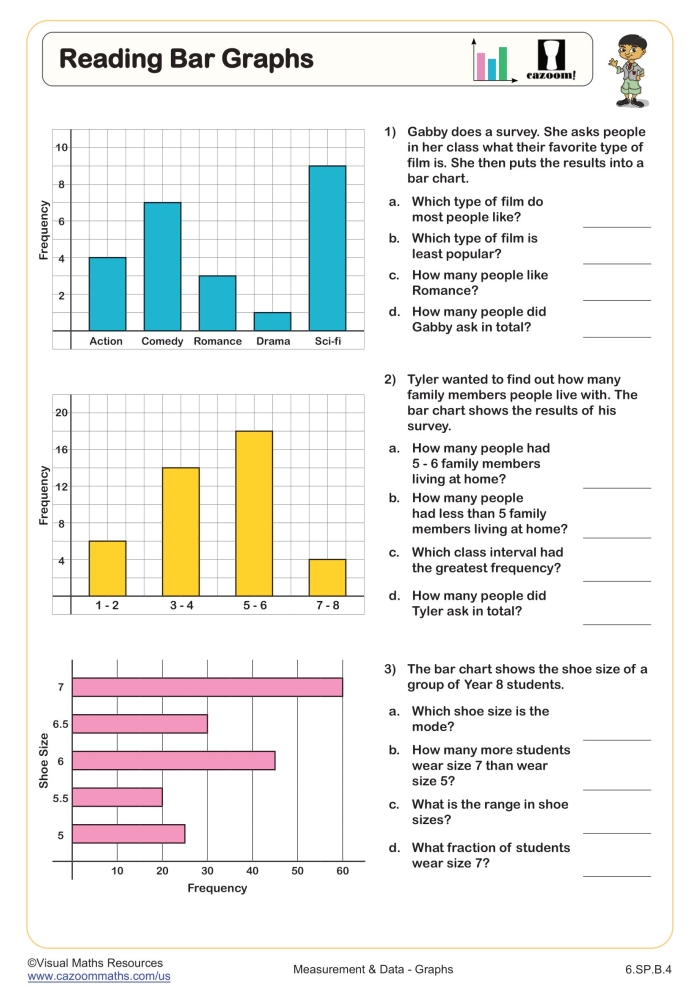
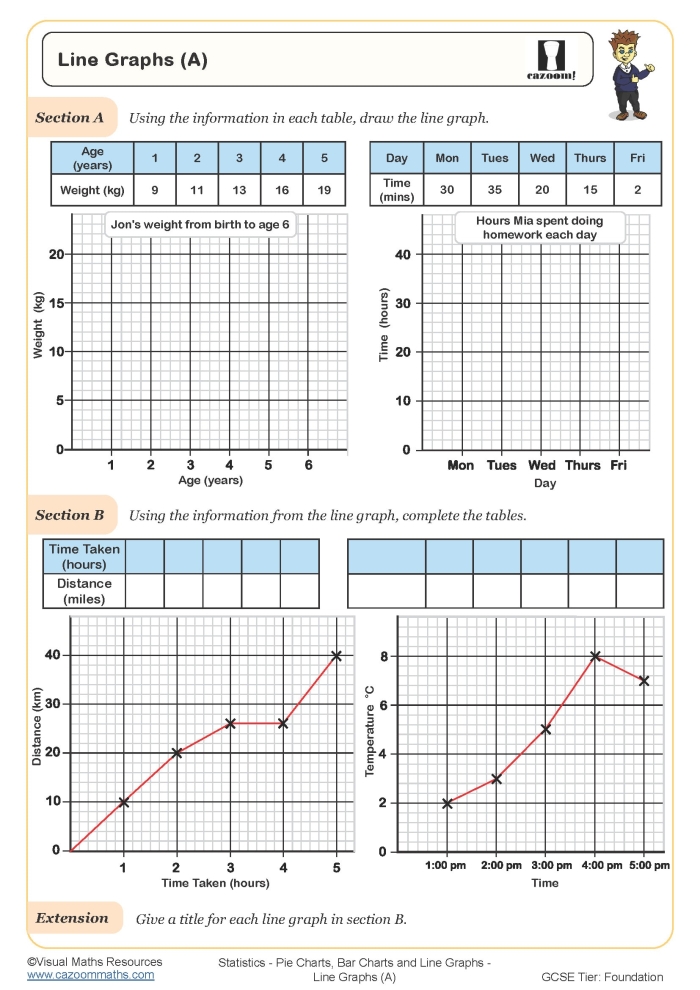
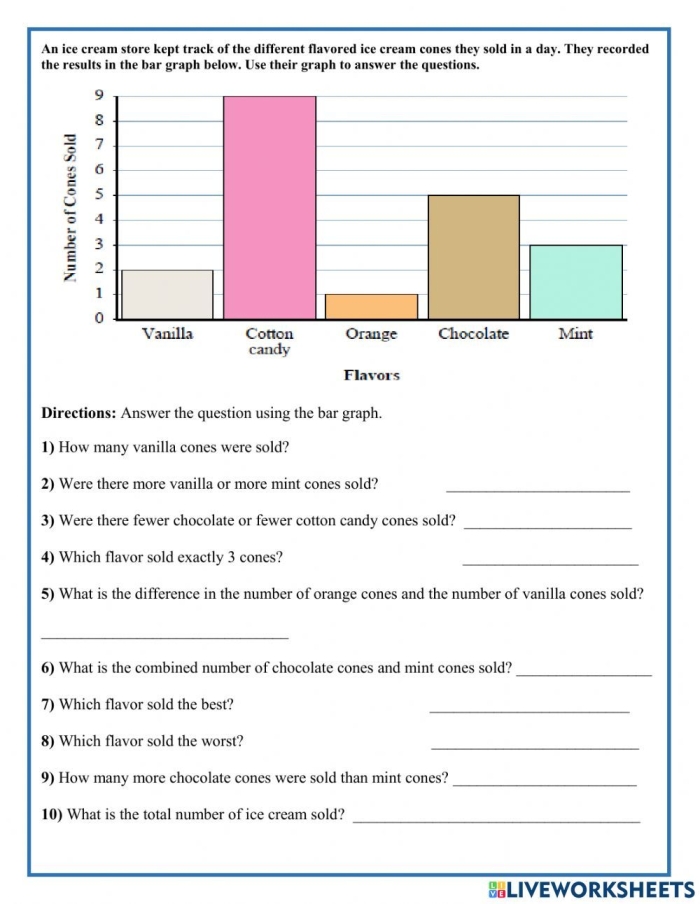
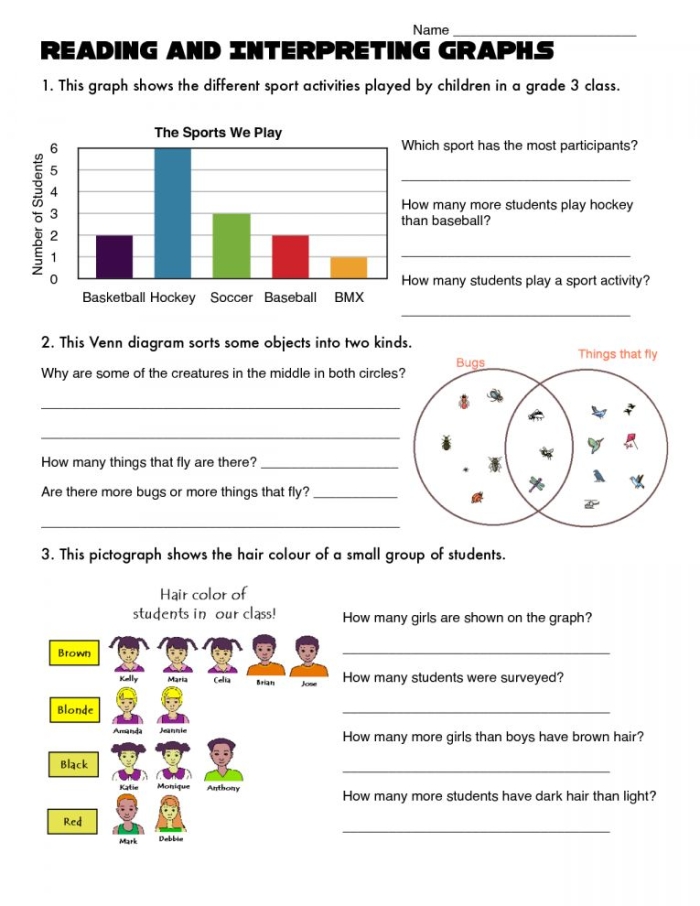
Picture graphs sit at the intersection of visual literacy and mathematical reasoning, making them a natural fit for third grade learners who are building foundational skills across multiple domains. When students tackle word problems centered on picture graphs, they’re not simply reading data—they’re learning to translate visual information into meaningful quantities and relationships.
The real power of this approach lies in how it demands more than surface-level comprehension. A student must first decode what each symbol represents, then count or compare groups, and finally apply that information to answer a specific question. This three-step process activates higher order thinking because it requires students to move beyond memorization into application and analysis.
In third grade classrooms, picture graph word problems serve a dual purpose. They reinforce the phonics skills students are still solidifying during this grade level, as reading the accompanying text demands careful attention to letter-sound relationships and word recognition. At the same time, these problems build quantitative reasoning that extends far beyond basic arithmetic.
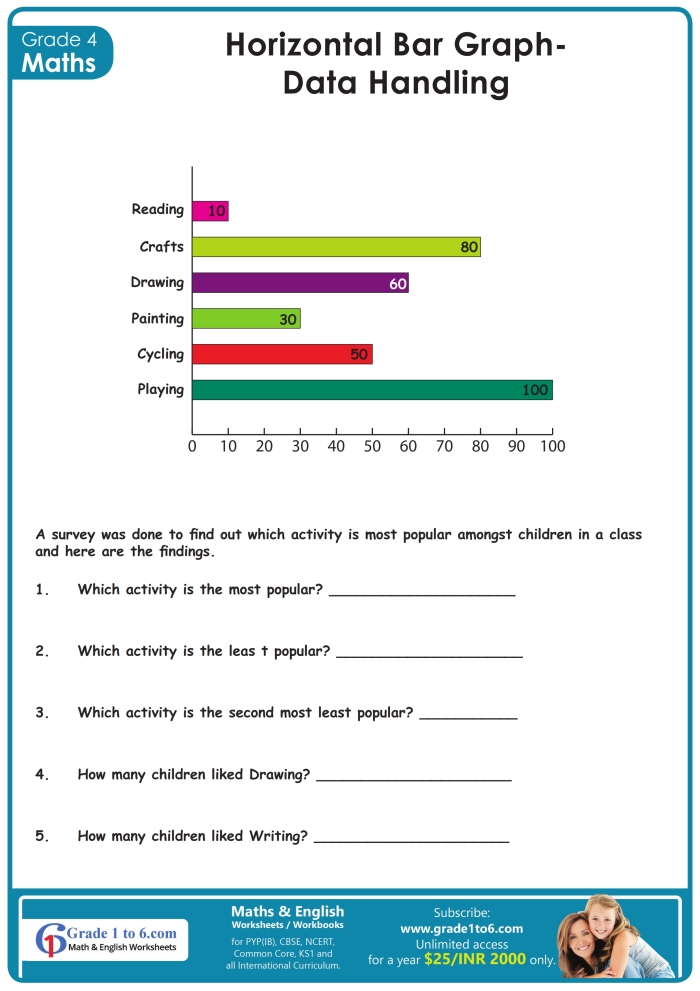
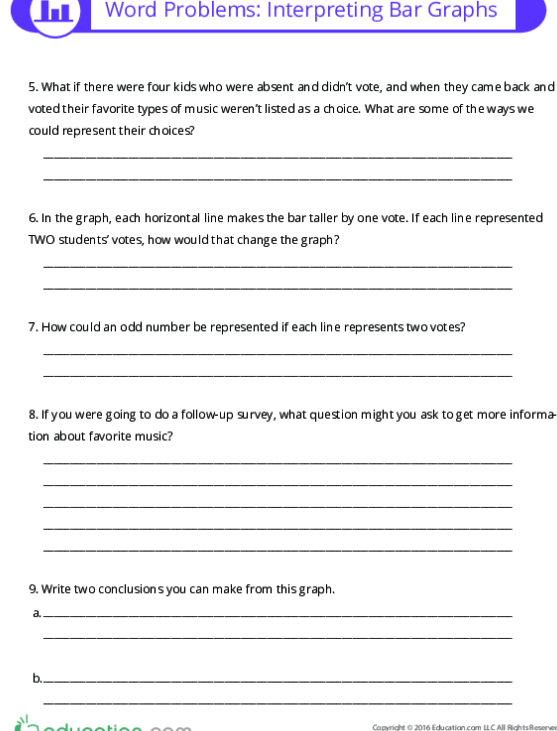
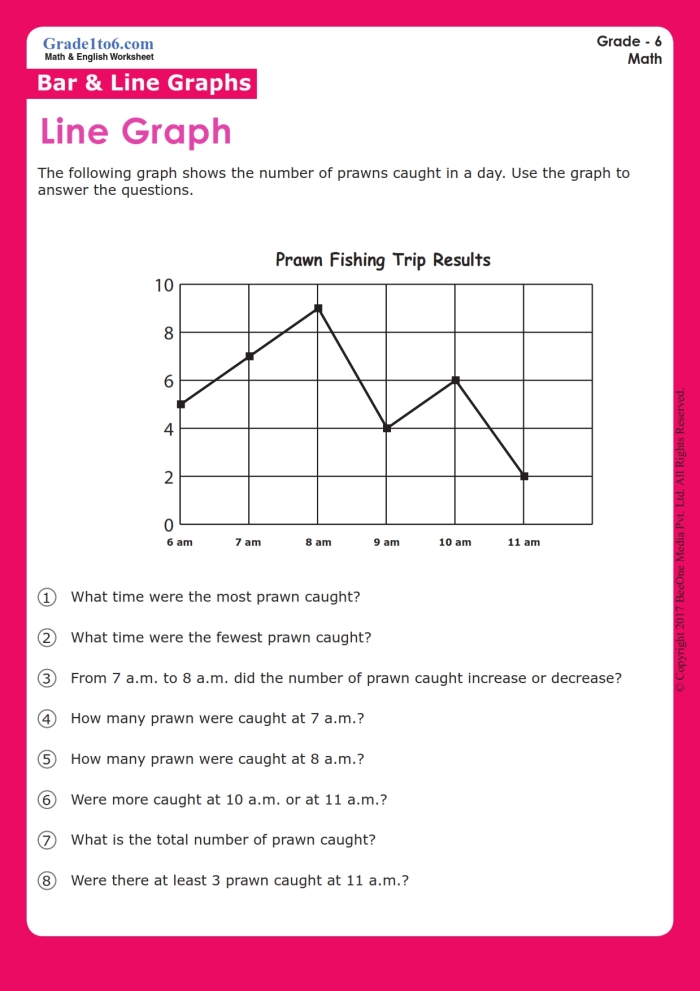
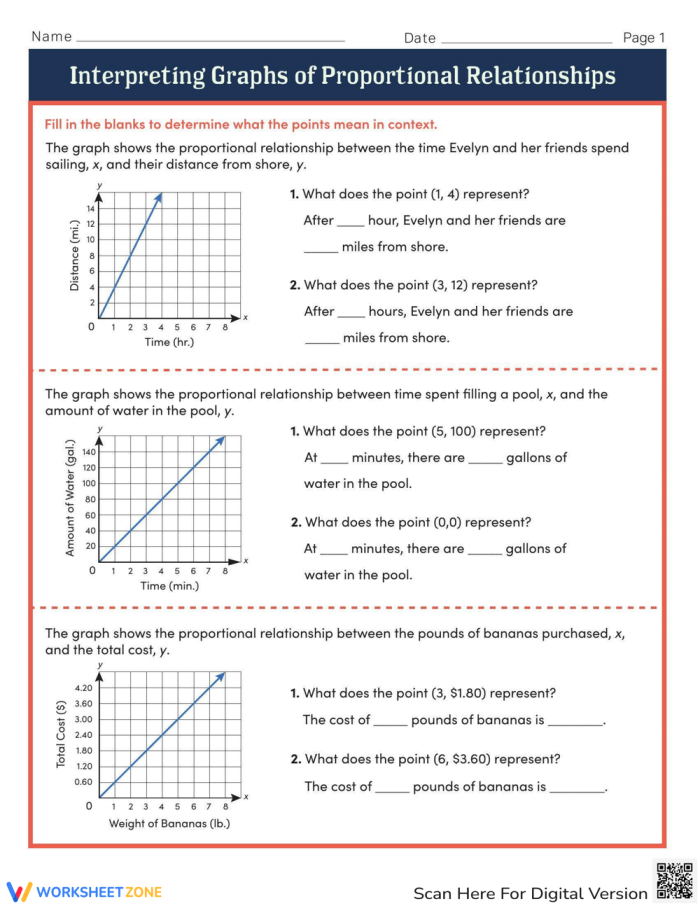
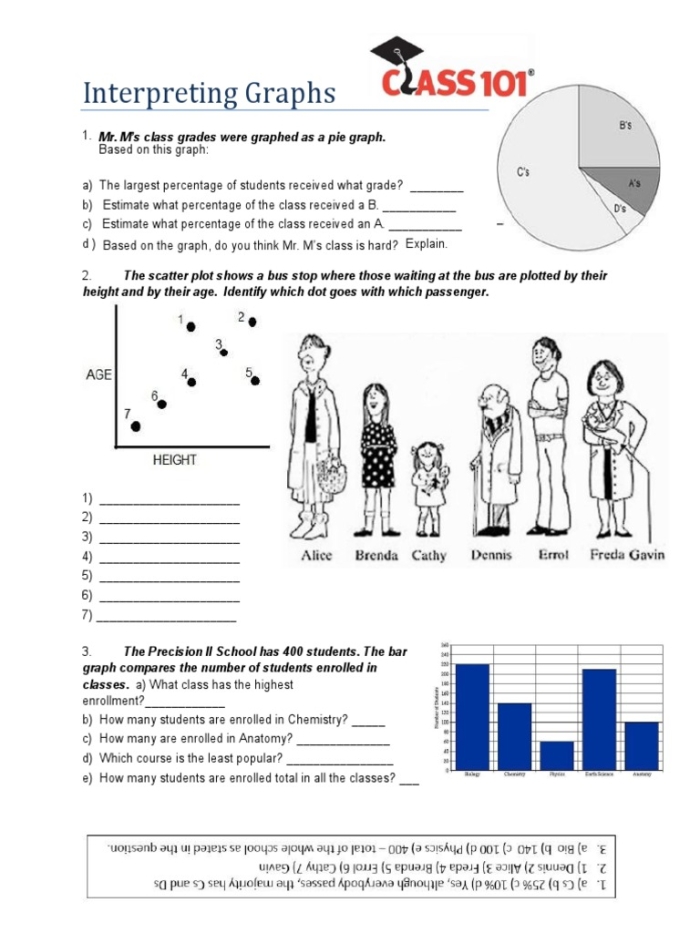
Consider a practical example: a graph showing how many apples different students picked, where each picture of an apple represents two actual apples. A student must understand the symbol system, count the pictures, multiply by two, and then compare results to answer questions like “Who picked the most?” or “How many more apples did Emma pick than Marcus?” This work mirrors the conceptual foundation needed for later skills like solving two-step equations.
The beauty of well-designed picture graph problems is that they meet students where they are developmentally while pushing them toward genuine analytical thinking. Rather than isolated math drills, these activities create context and meaning, helping third graders see why data interpretation matters in the real world.
Start Practicing with These Worksheets