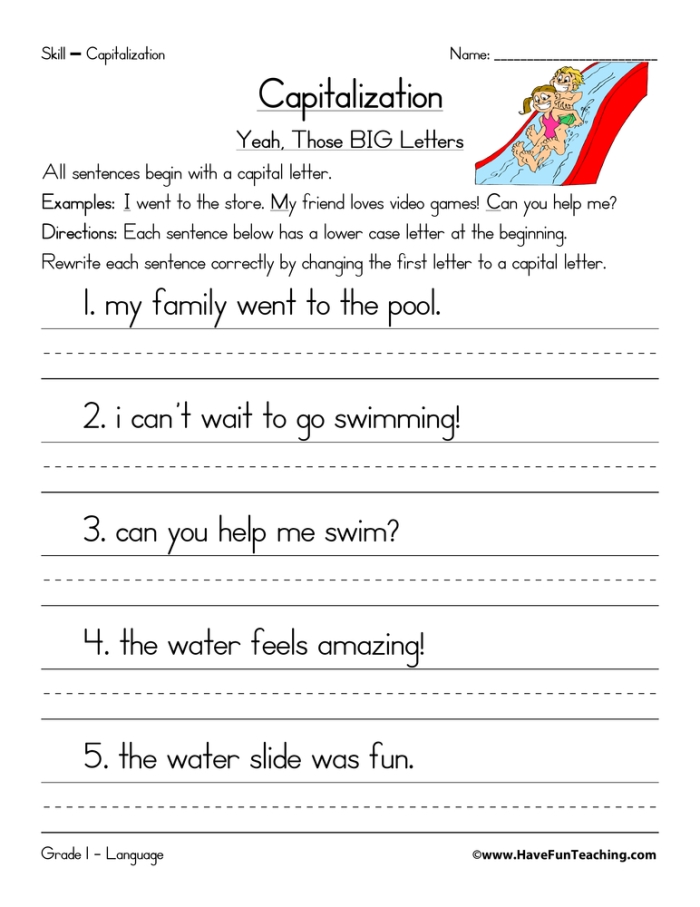
By the end of first grade, your students should recognize that sentences need to start with capital letters. This foundational grammar skill separates readable writing from a jumbled collection of words. If you’re noticing that some of your first graders still struggle with capitalization, a targeted writing assessment can help you identify exactly where they stand.
Capitalization rules seem simple to adults, but they require children to understand several concepts at once. A student must recognize where a sentence begins, remember which letter comes first, and know that this letter looks different from its lowercase version. Many first graders can identify capital letters in isolation but forget to apply them when writing their own sentences. This gap between recognition and application is completely normal at this age.
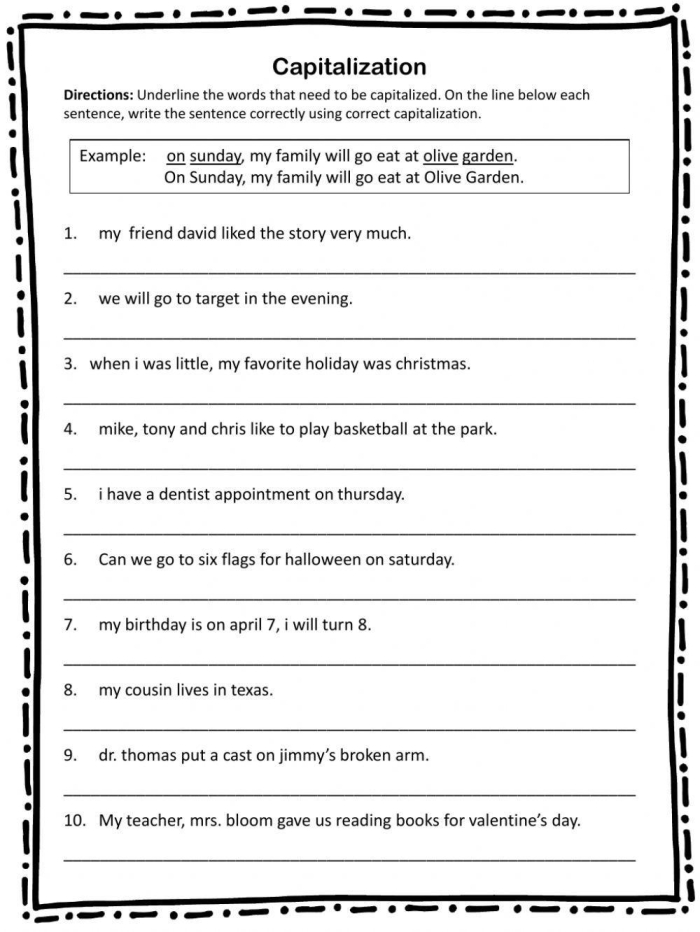
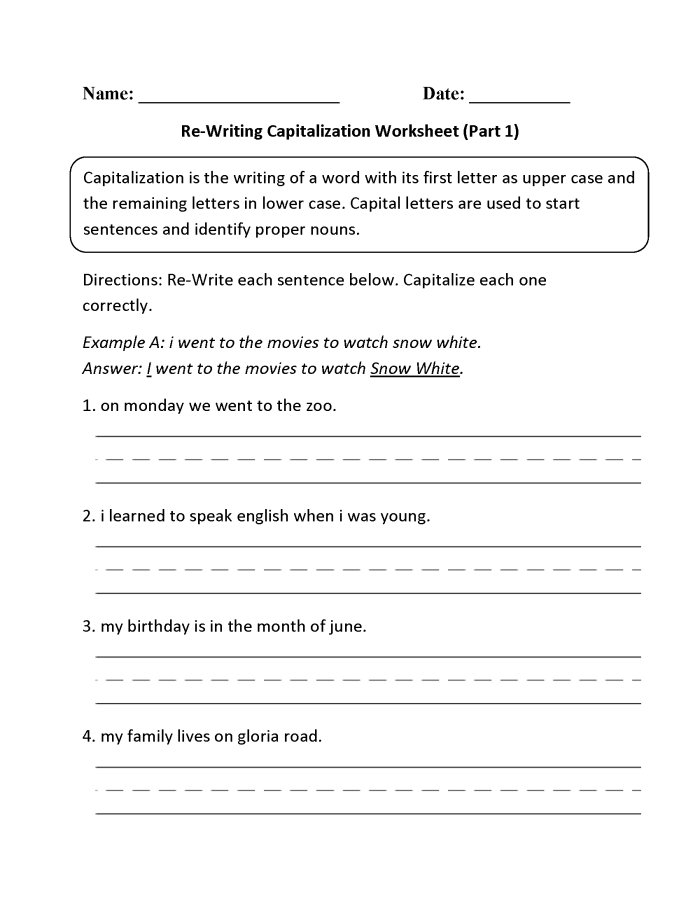
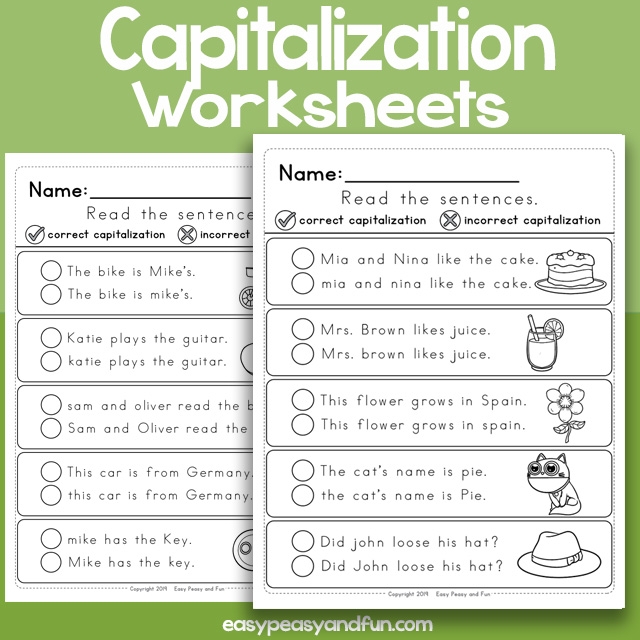
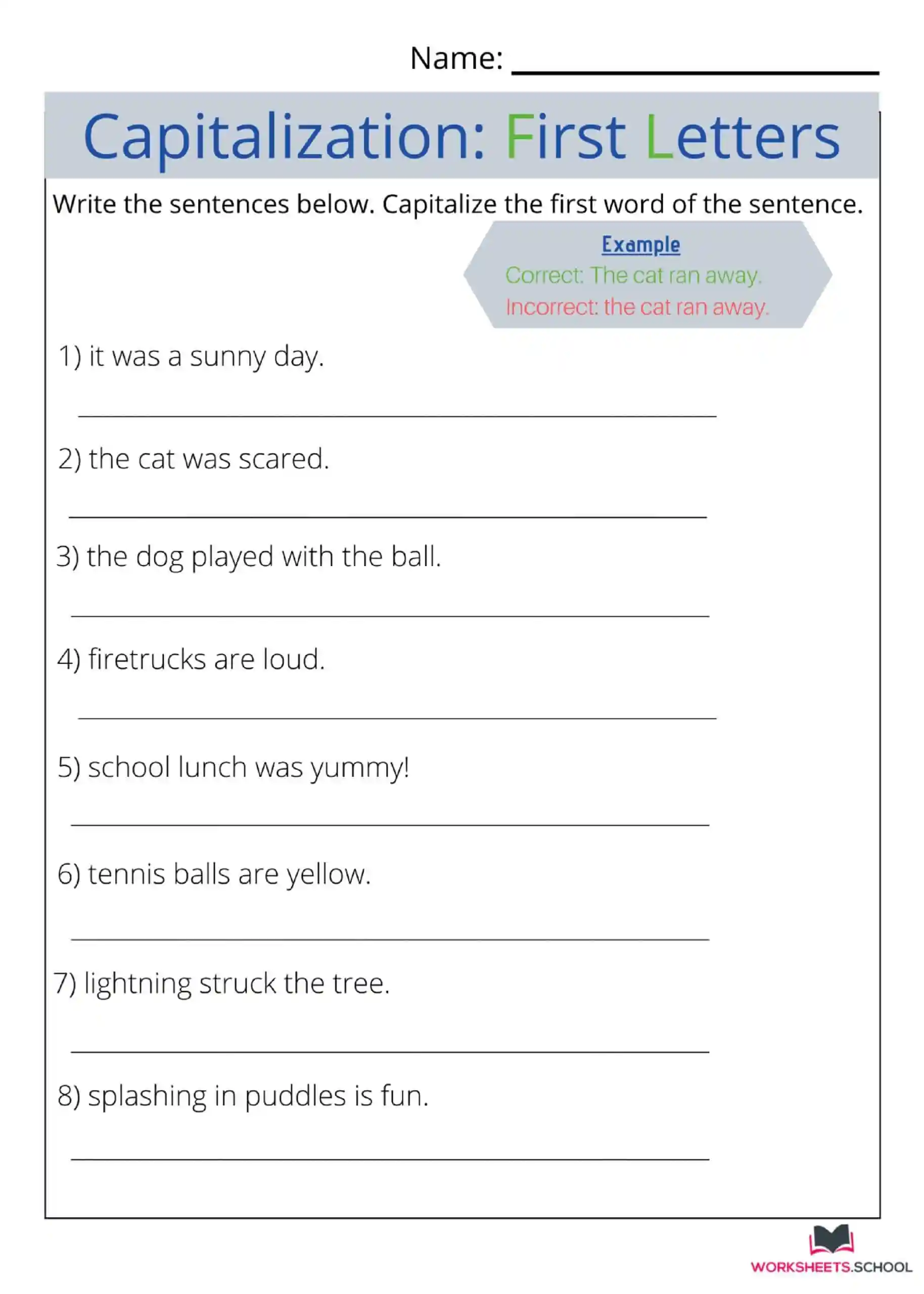
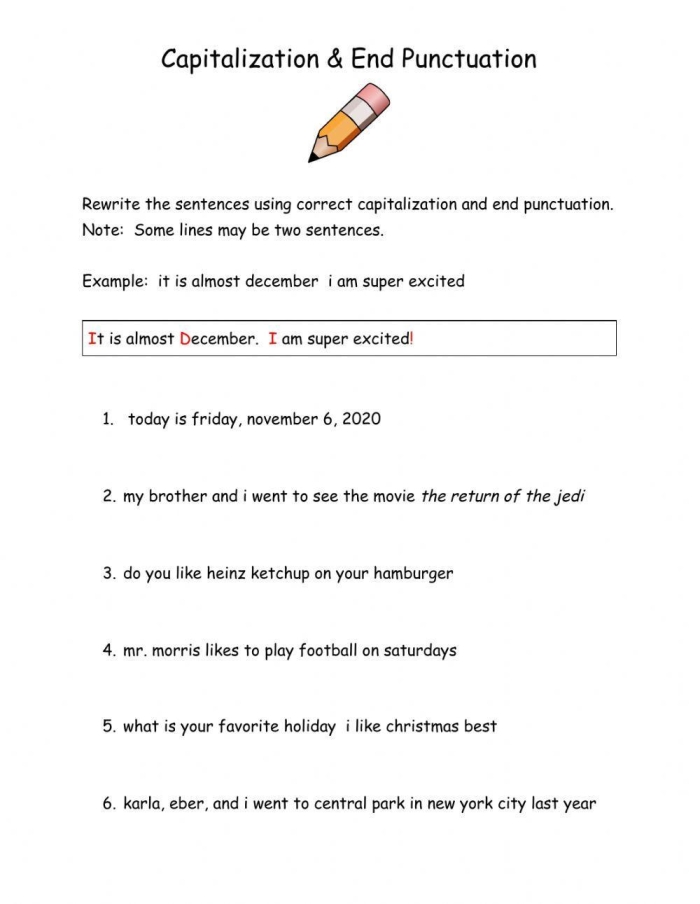
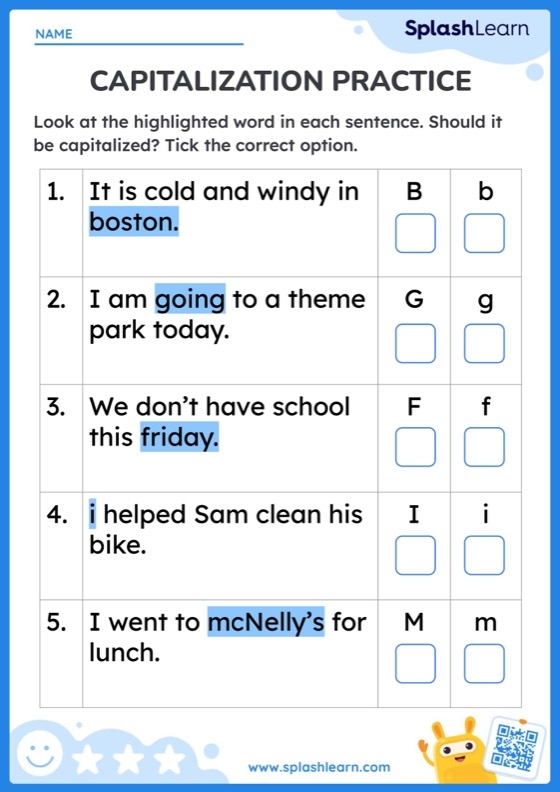
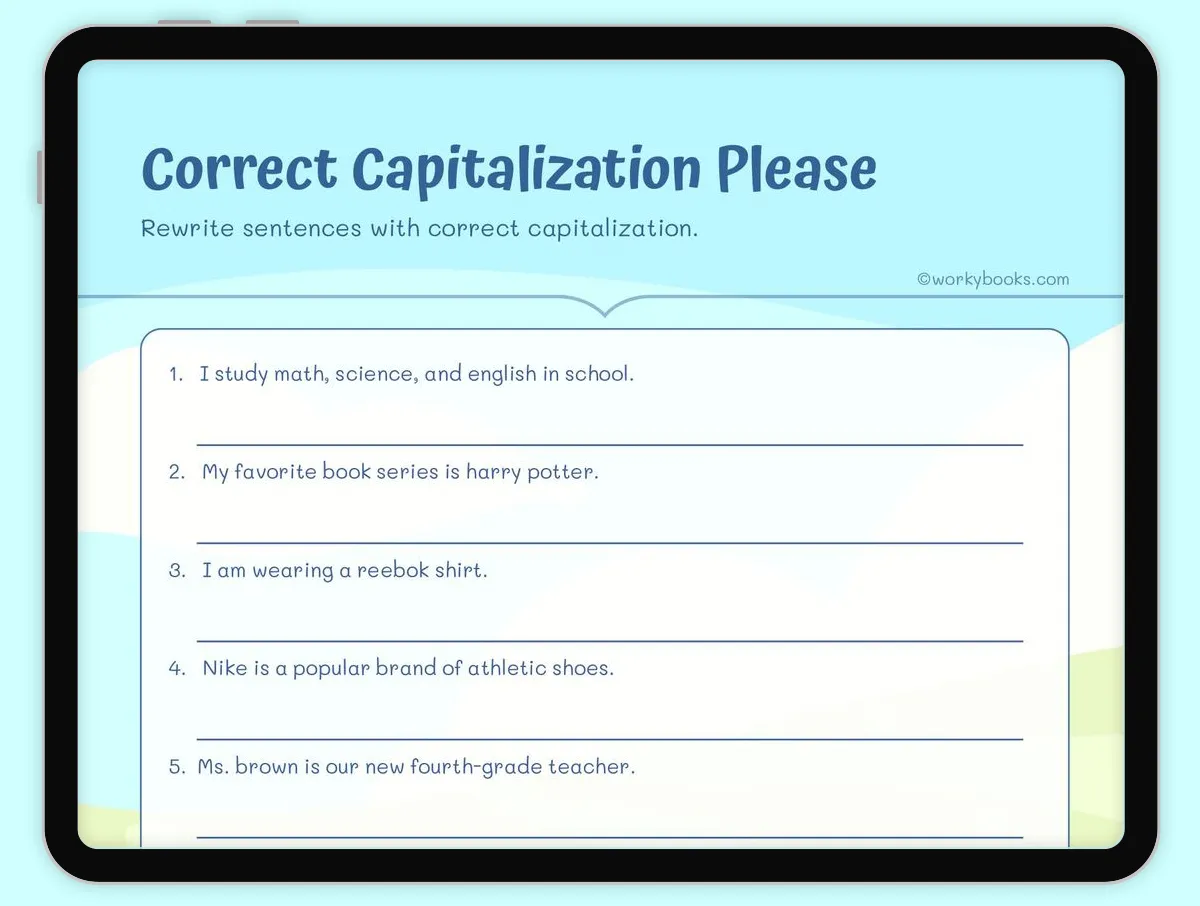
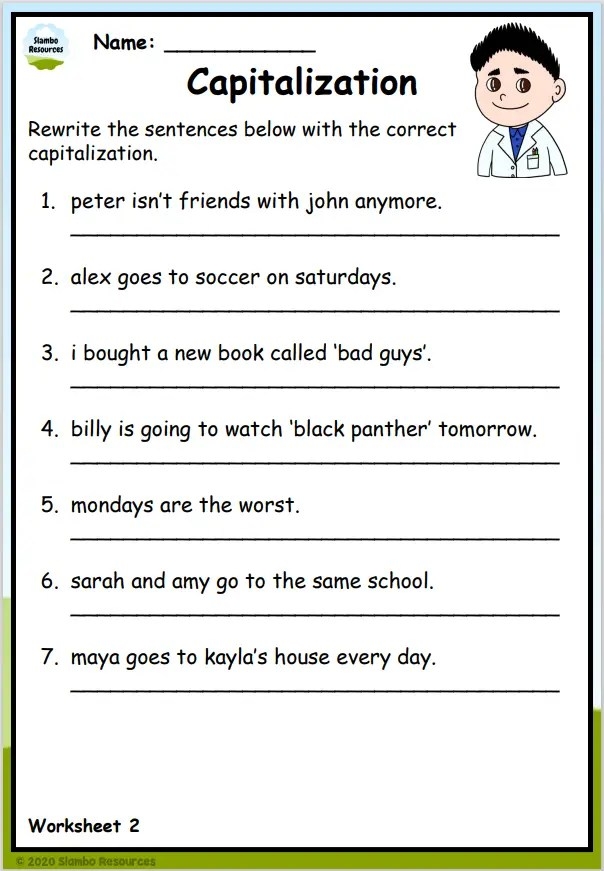
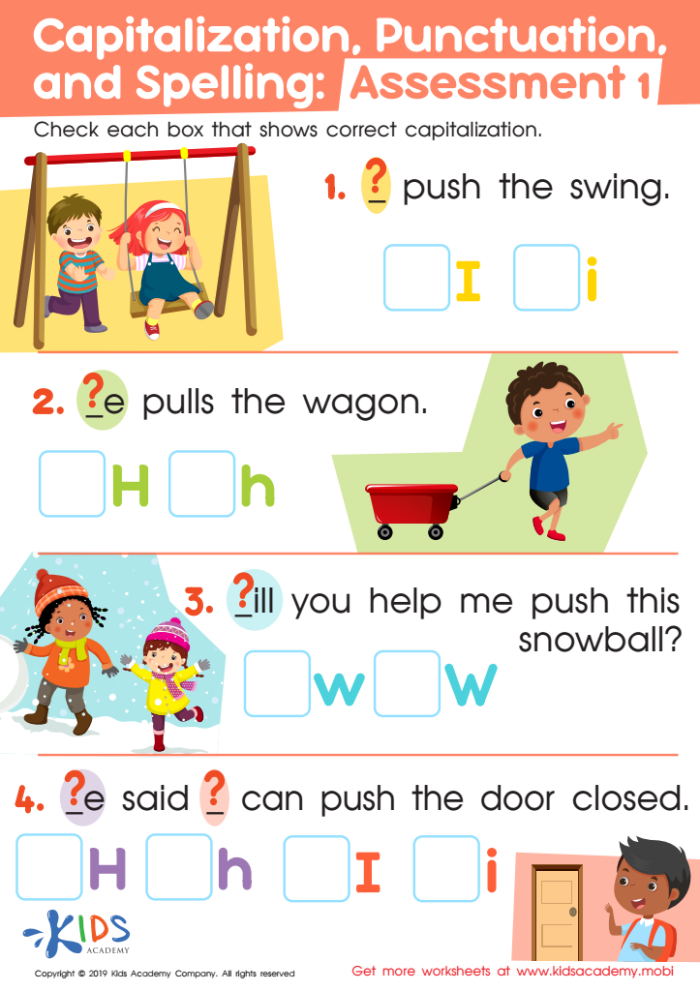
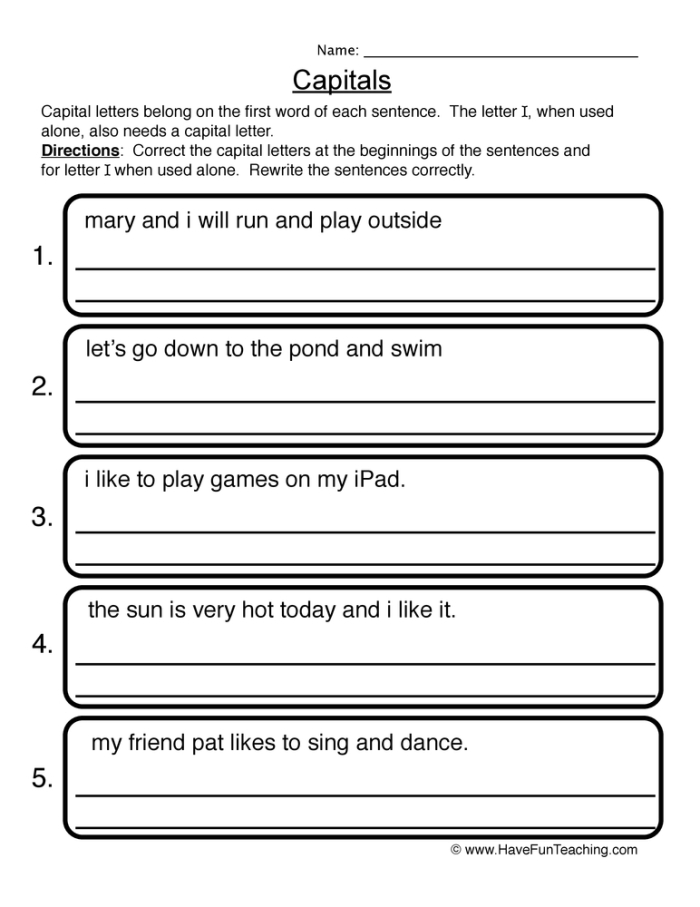
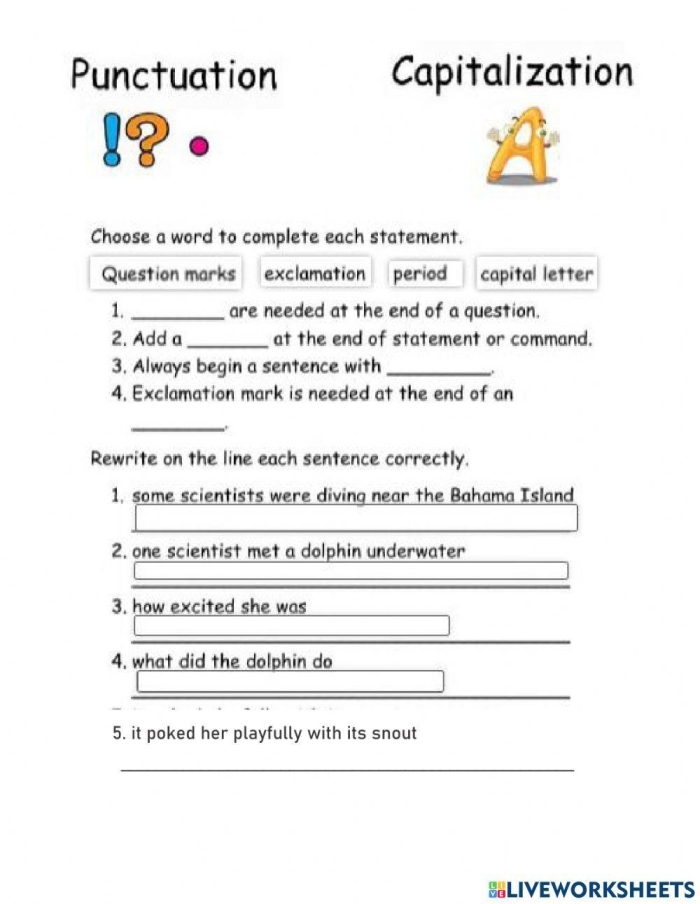
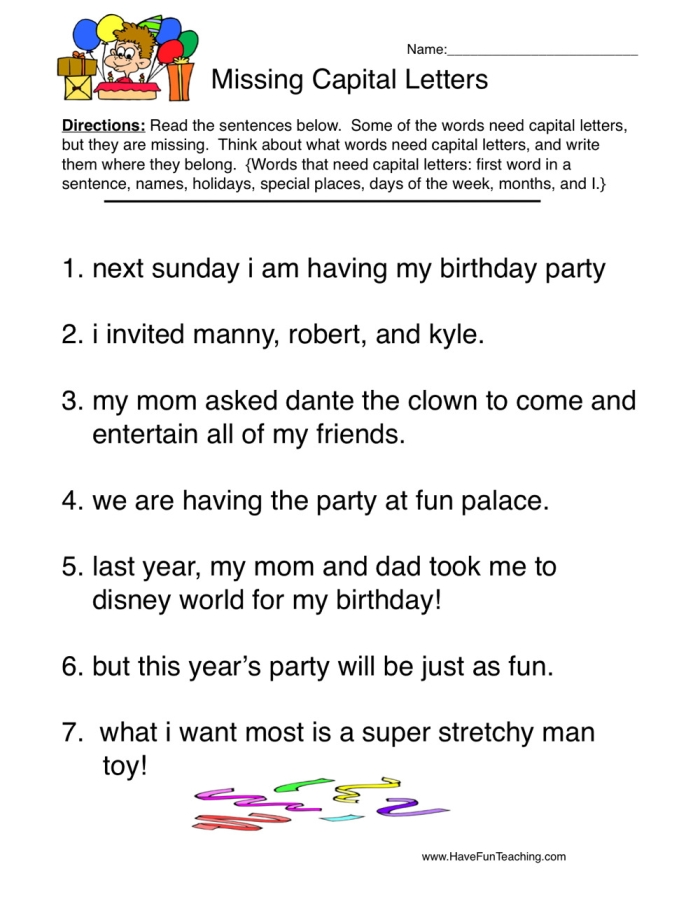
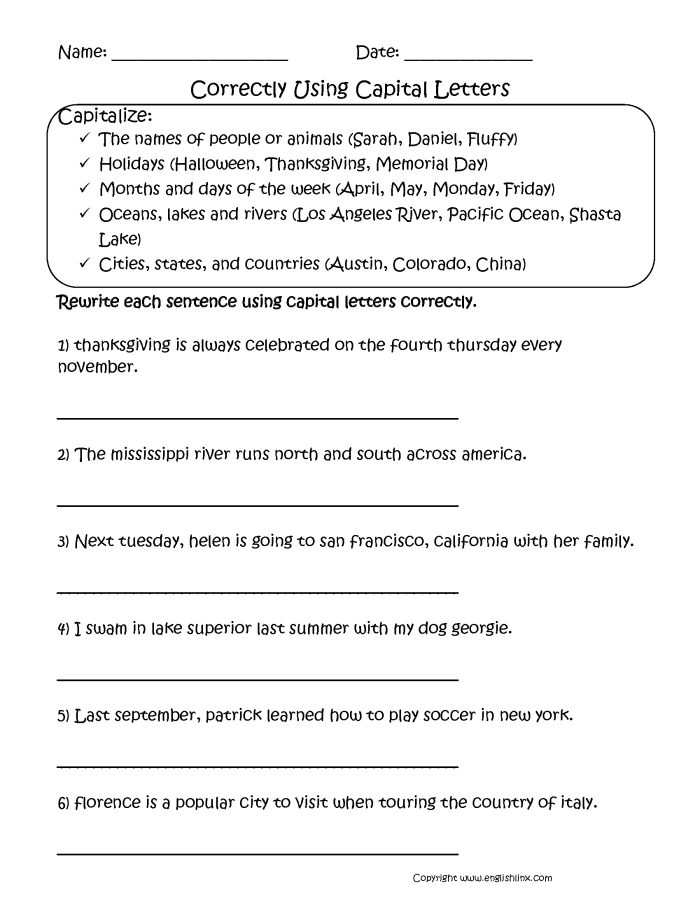
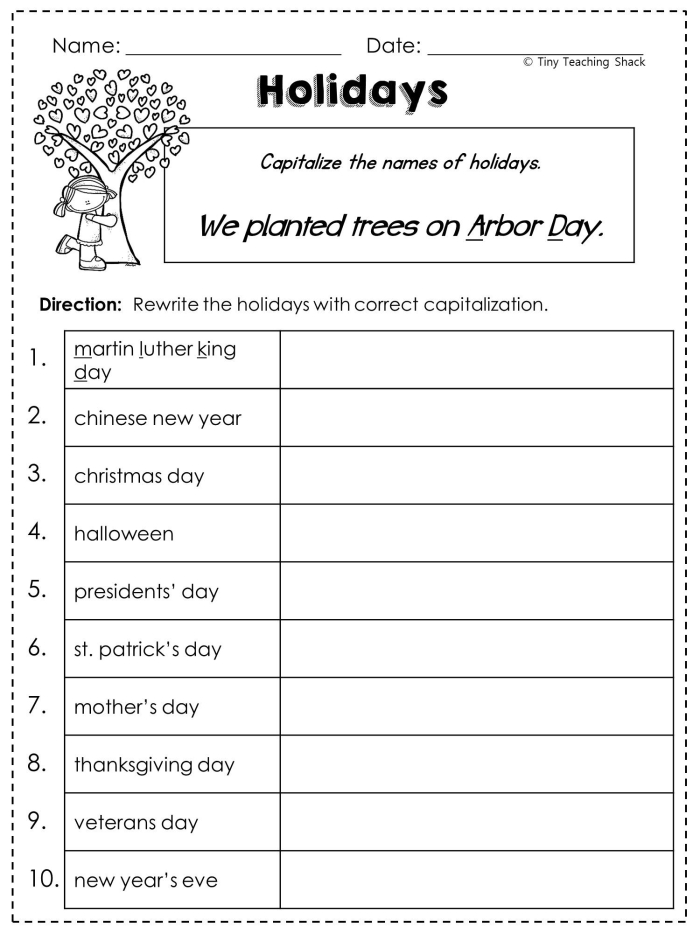
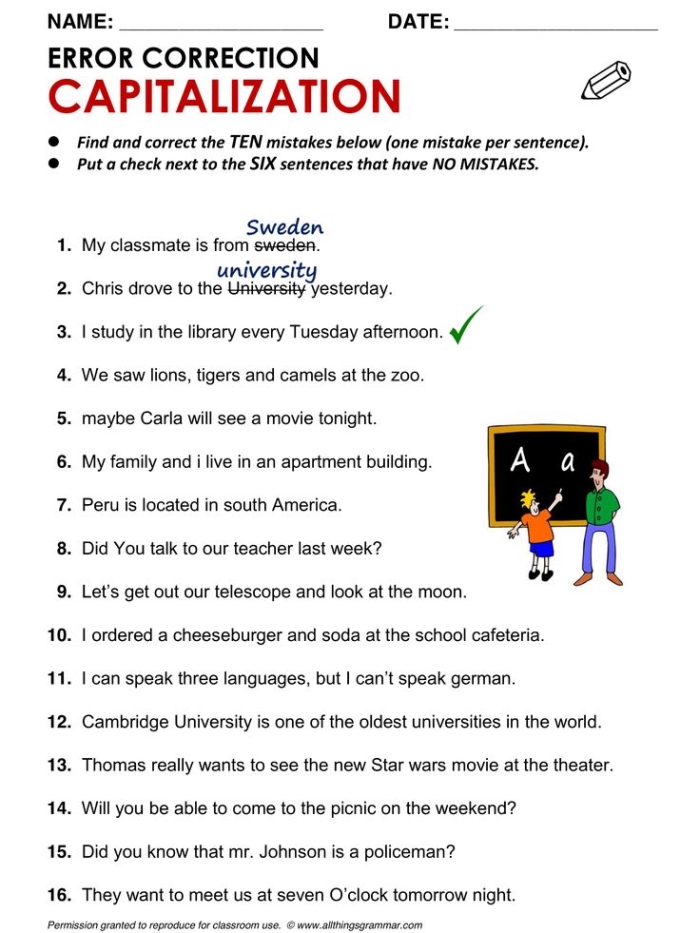
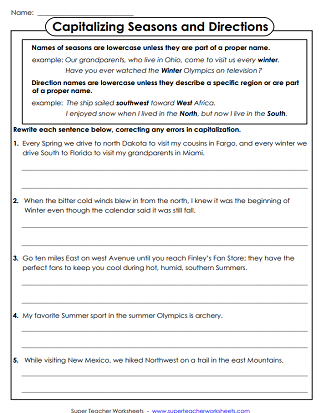
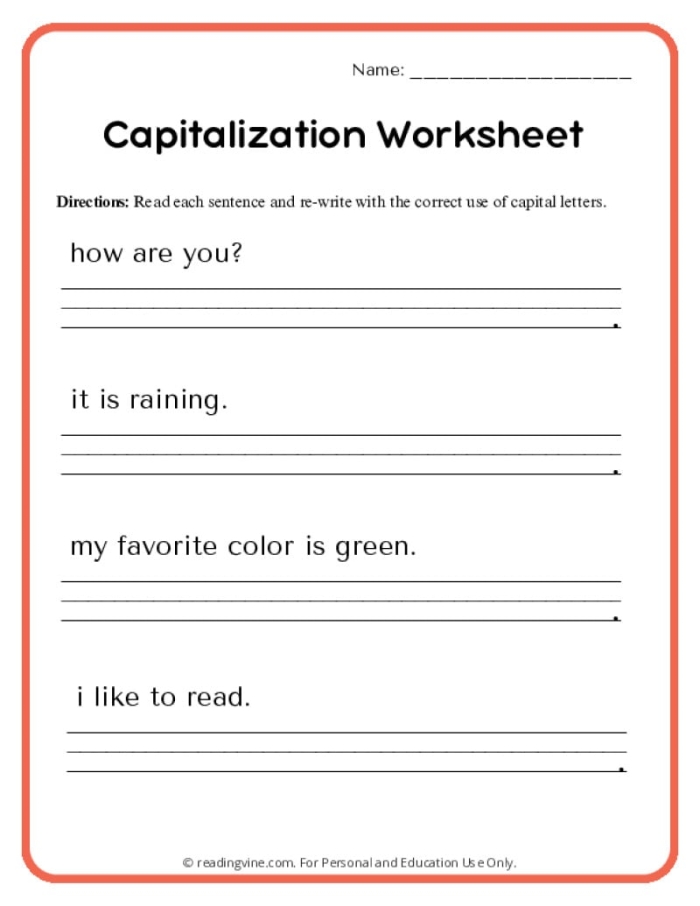
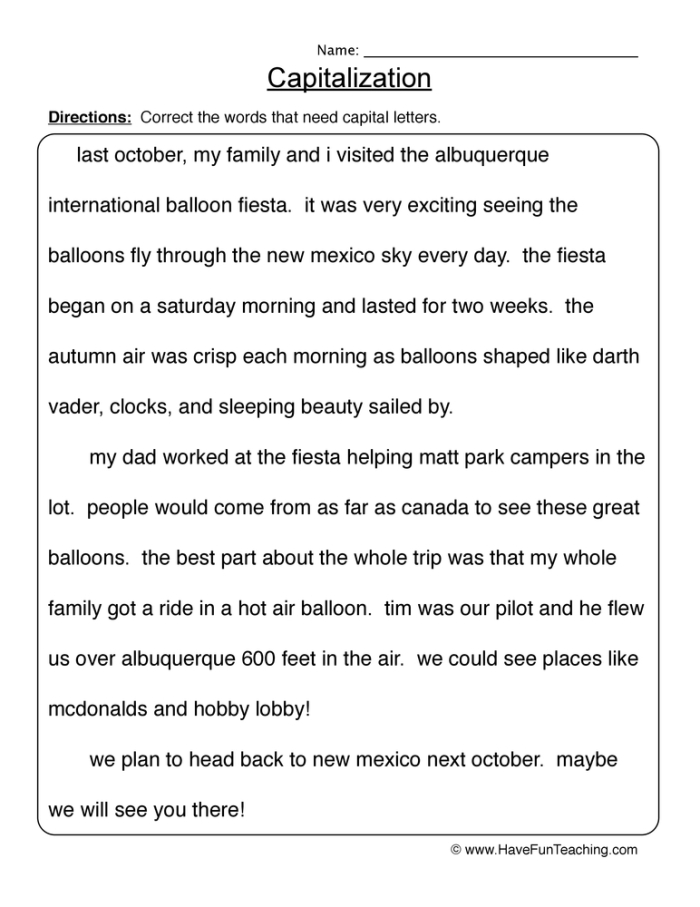
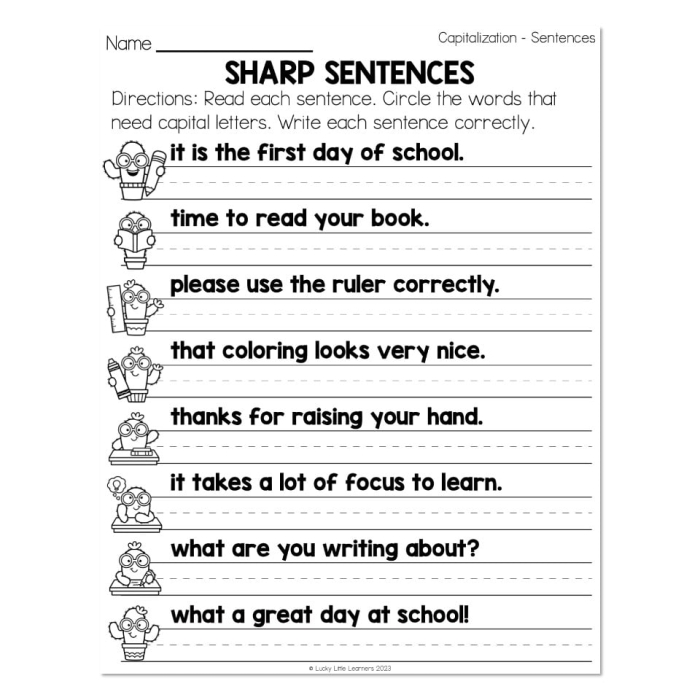
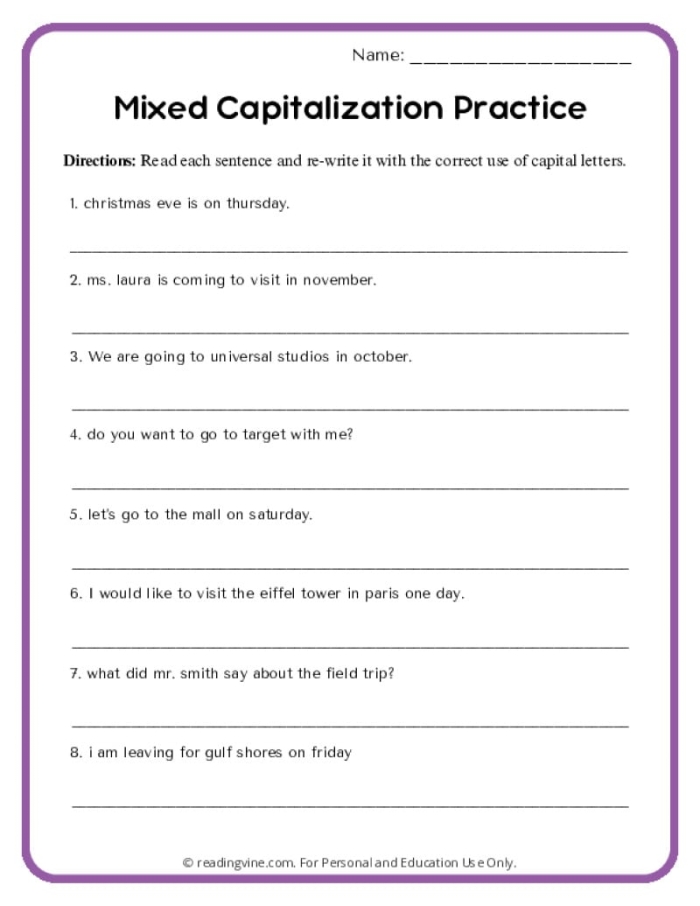
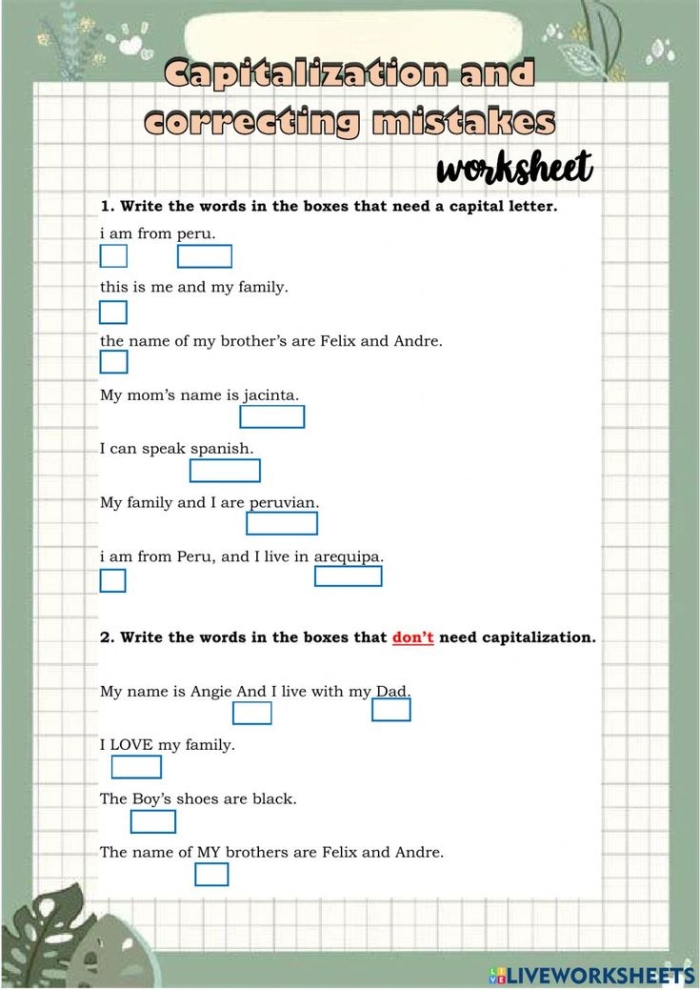
A practical assessment works best when it focuses specifically on sentence capitalization. Rather than mixing multiple grammar skills together, create a worksheet where students correct sentences that are missing capital letters. For example, you might provide sentences like “the cat sat on the mat” and ask students to rewrite them correctly. This direct approach shows you whether a child understands the rule or simply hasn’t internalized it yet.
You can also observe capitalization habits during daily writing activities. Notice whether students capitalize the first word in their journal entries, stories, or responses to prompts. Some children will demonstrate the skill consistently while others remain inconsistent. Those inconsistencies often indicate that the rule hasn’t fully clicked, and they need more practice and modeling.
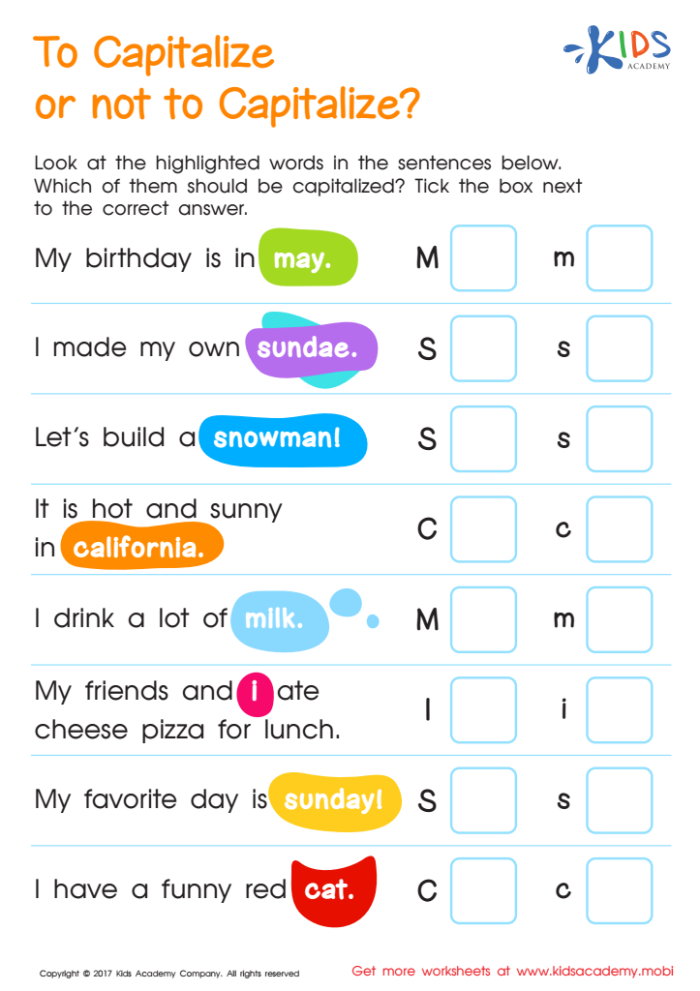
Once you’ve assessed where your students stand, you can tailor your instruction accordingly. Some first graders benefit from explicit instruction with visual reminders, while others just need repeated exposure through shared writing and guided practice. The key is recognizing that capitalization mastery happens gradually throughout first grade and into second grade, so patience and consistent reinforcement matter more than perfection.
Use These Worksheets Today