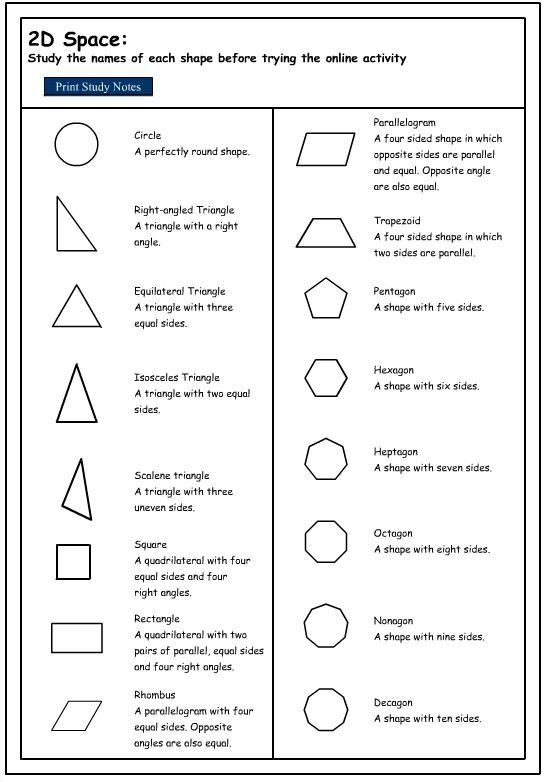
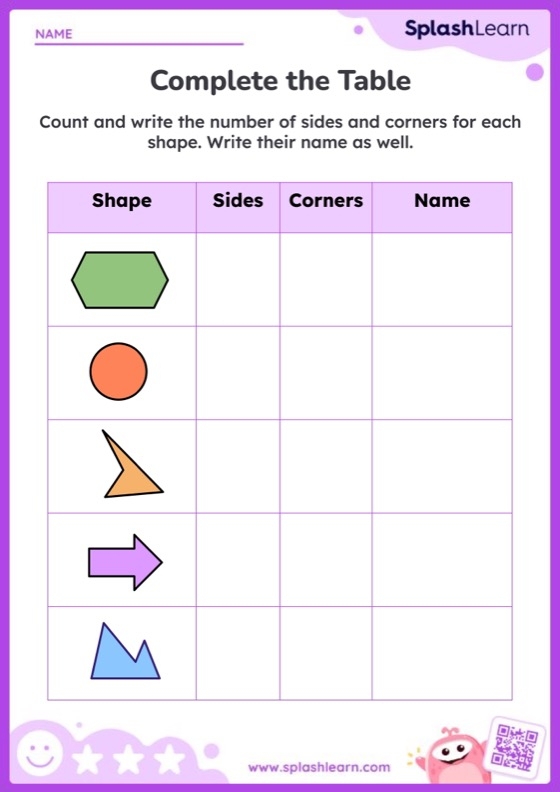
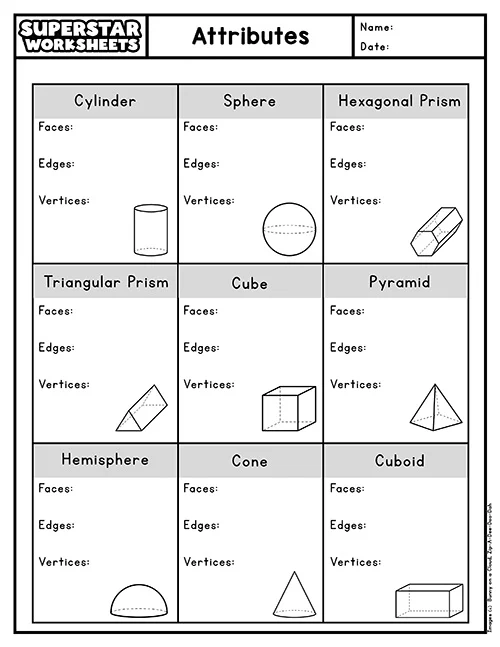
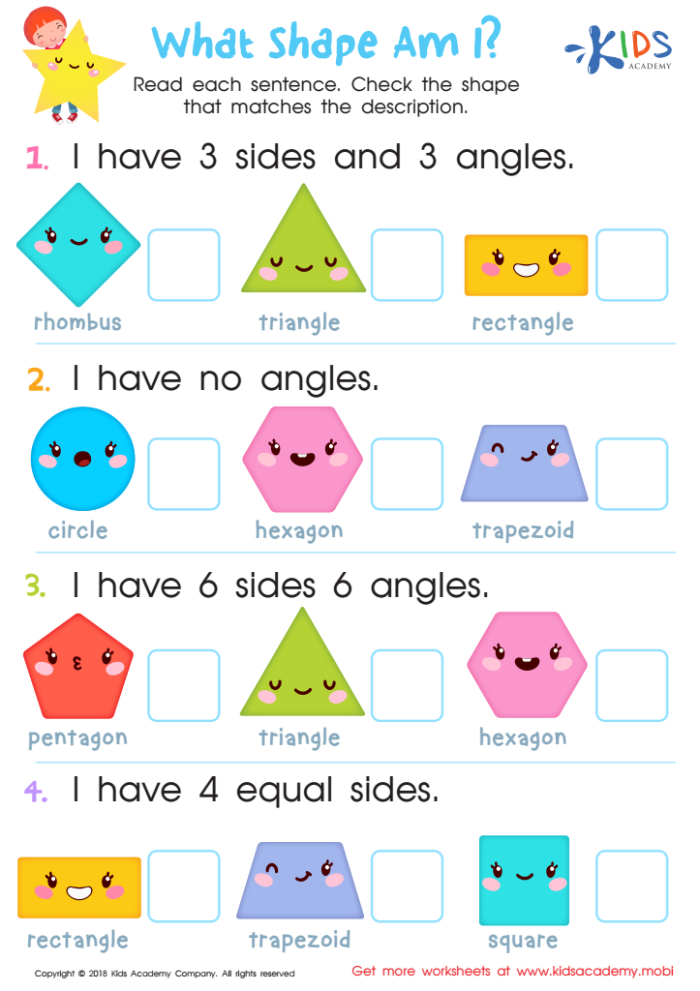
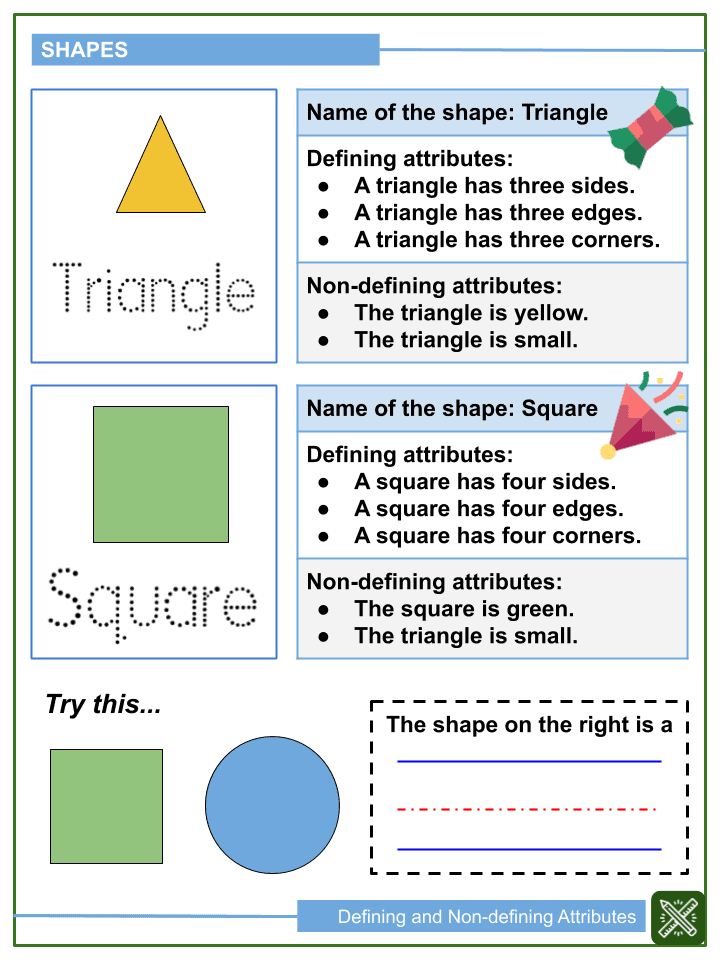
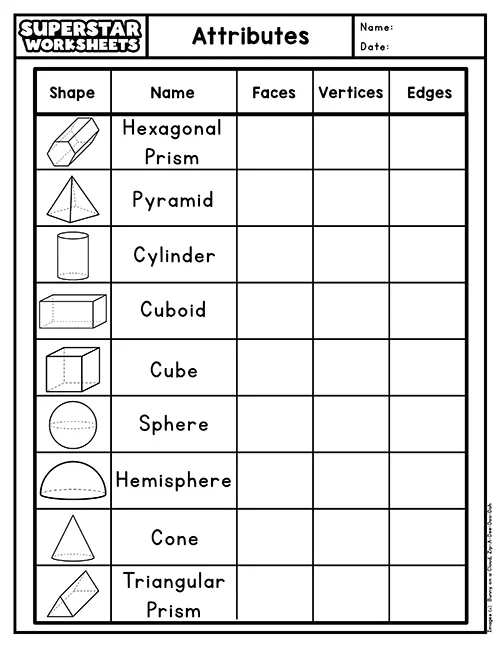
When third graders first encounter geometry, they often see shapes as simple pictures rather than objects with specific, measurable properties. This glossary bridges that gap by giving students the language they need to describe what makes a triangle different from a rectangle, or why a square is special among all quadrilaterals. Having precise vocabulary transforms how young learners think about shapes.
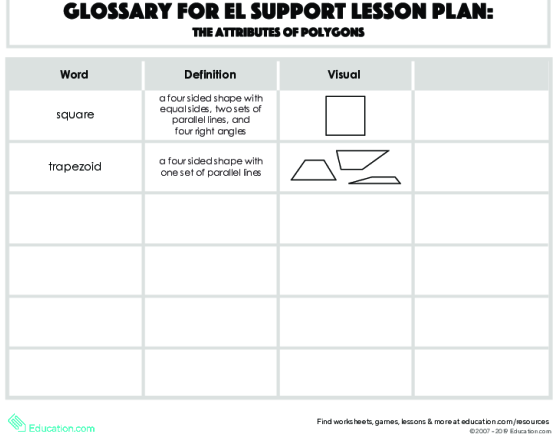
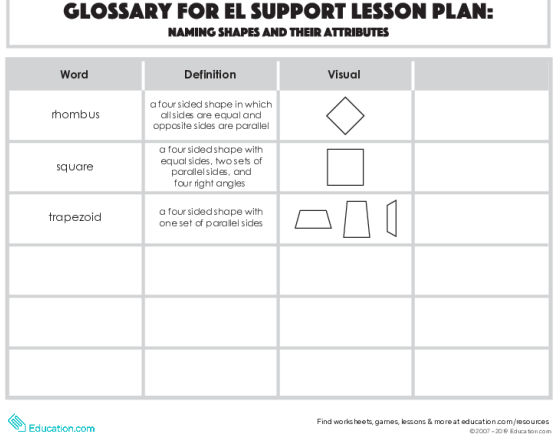
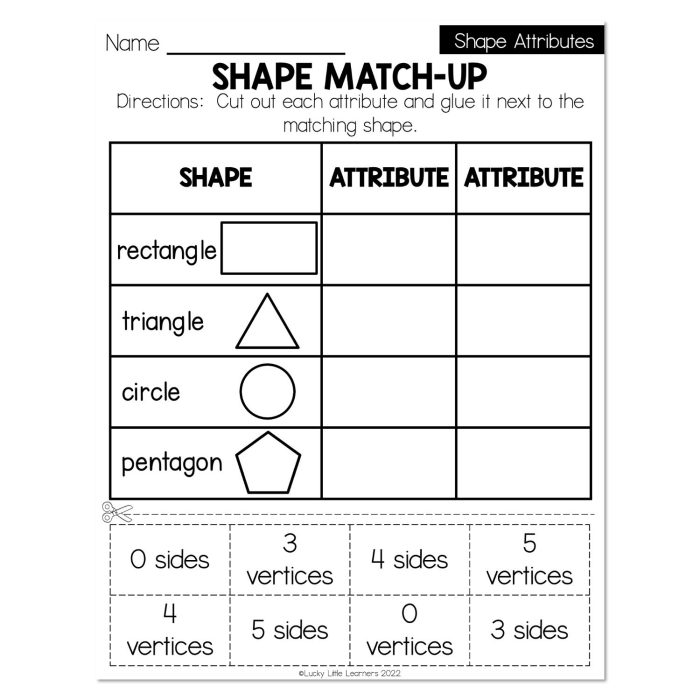
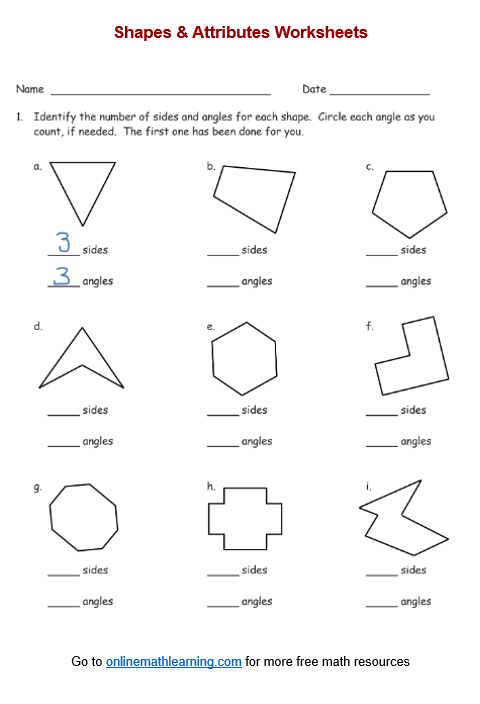
The glossary works best alongside the EL Support Lesson on naming shapes and their attributes. English learners especially benefit from seeing terms defined clearly while connecting words to visual examples. Rather than relying on memorization, students learn to identify and discuss features like the number of sides, the length of edges, and the types of angles present in each shape. This approach helps them build confidence when talking about geometry concepts in classroom discussions.
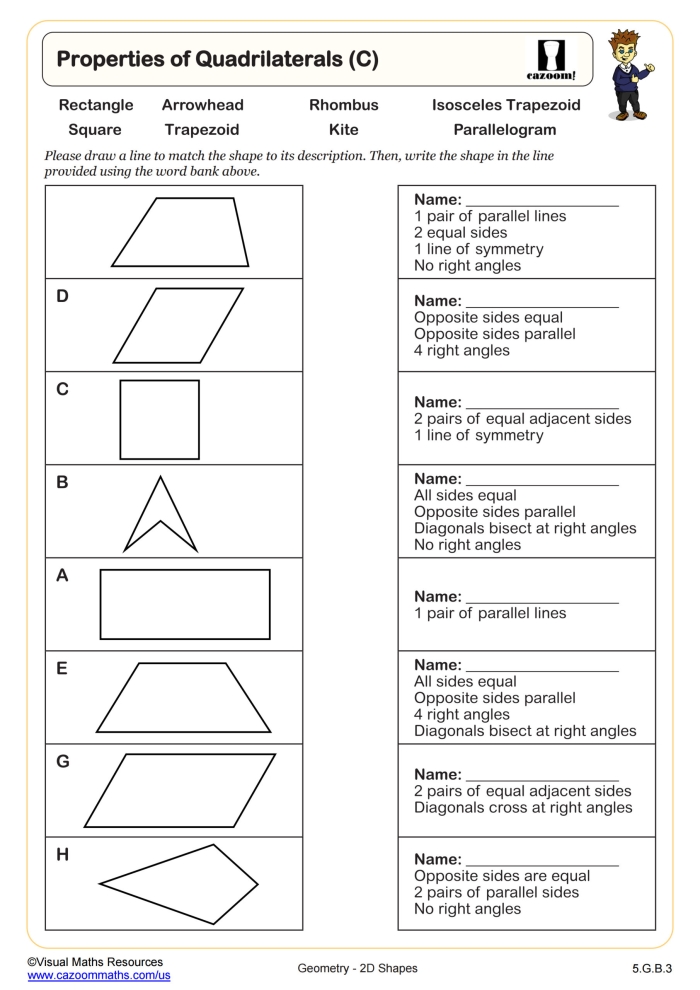
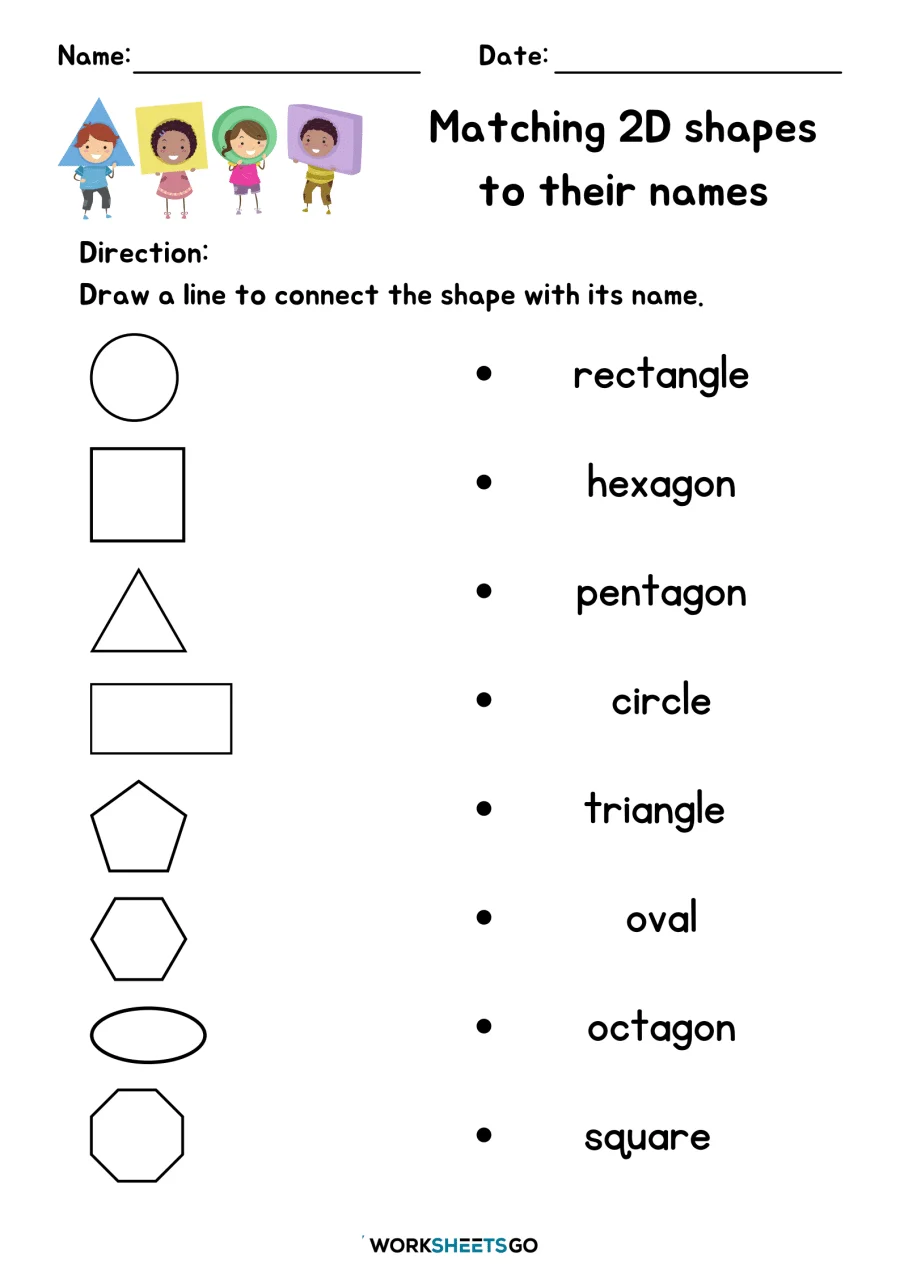
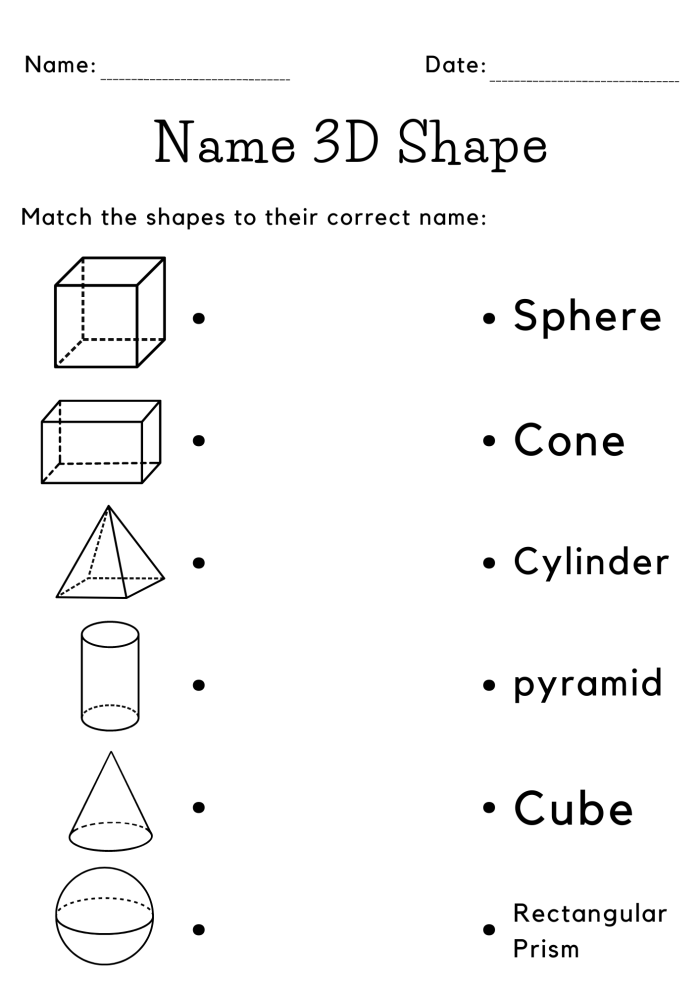
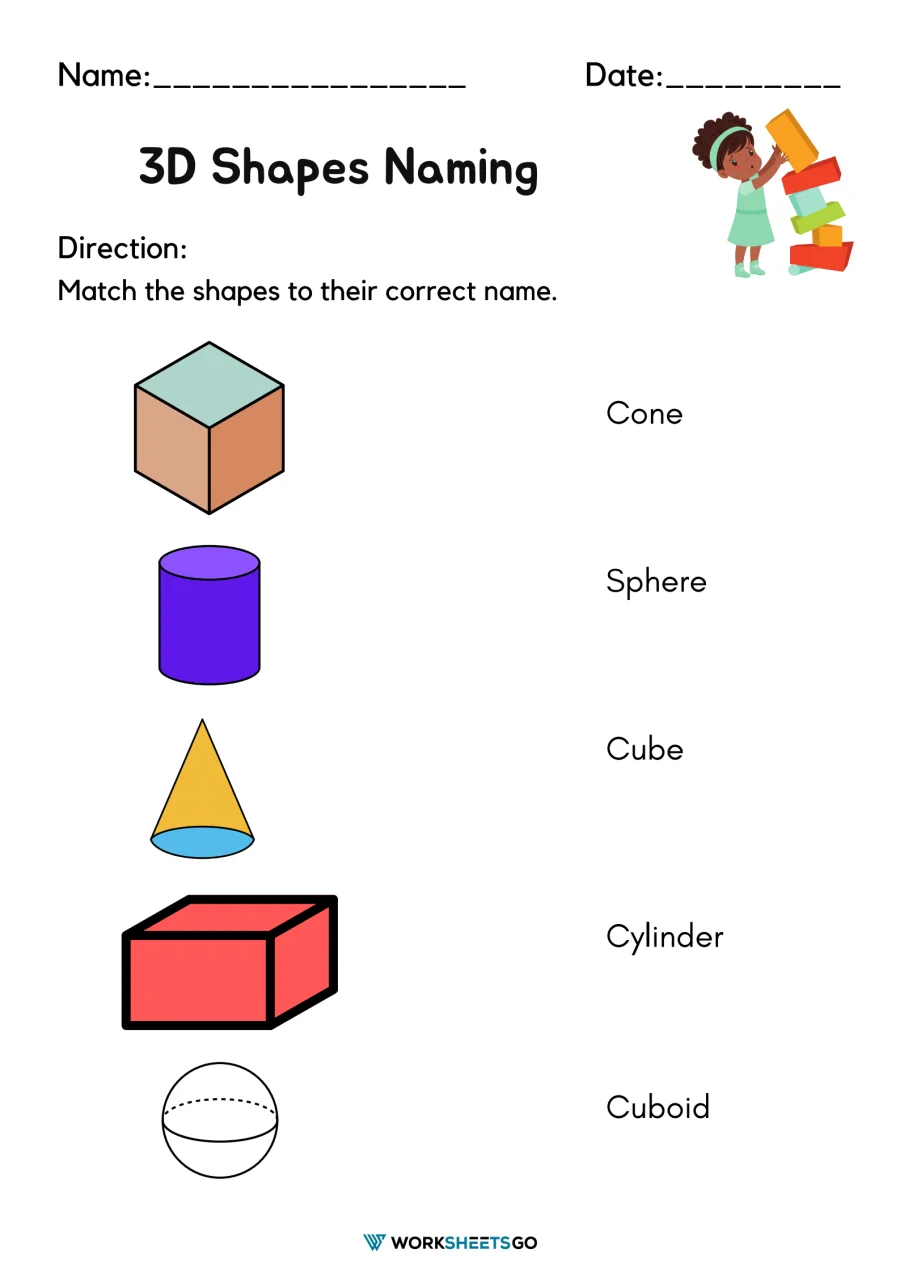
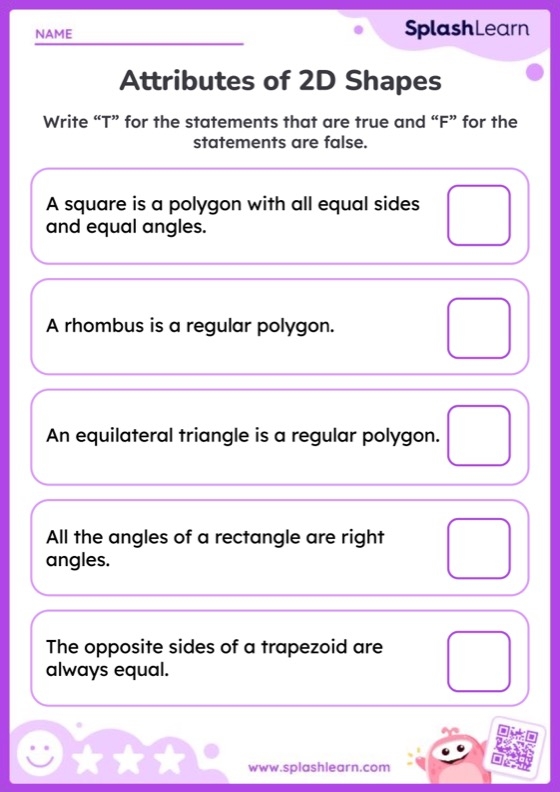
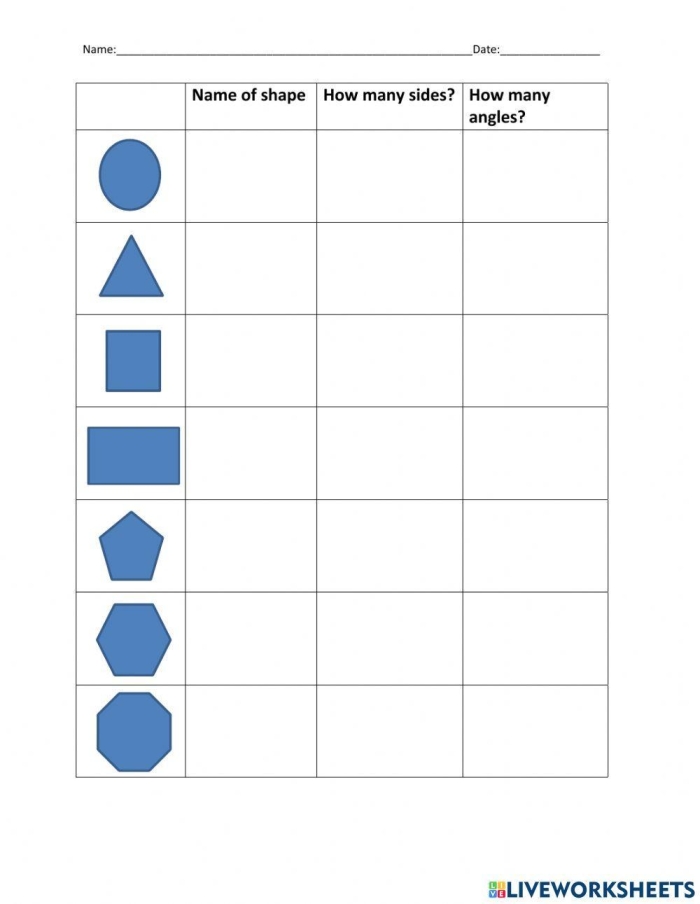
Third grade geometry instruction typically focuses on two-dimensional shapes like rectangles, squares, triangles, and circles, along with three-dimensional figures such as cubes and spheres. The glossary provides definitions for common terms students encounter during lessons. Understanding attributes means recognizing that all squares are rectangles, but not all rectangles are squares, a distinction that strengthens logical thinking. When students learn to sort shapes based on shared attributes, they’re developing classification skills that extend far beyond mathematics.
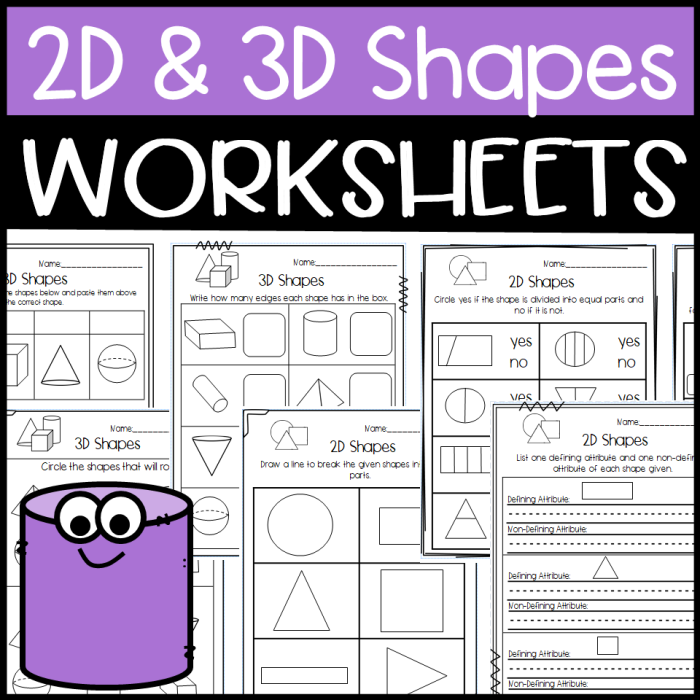
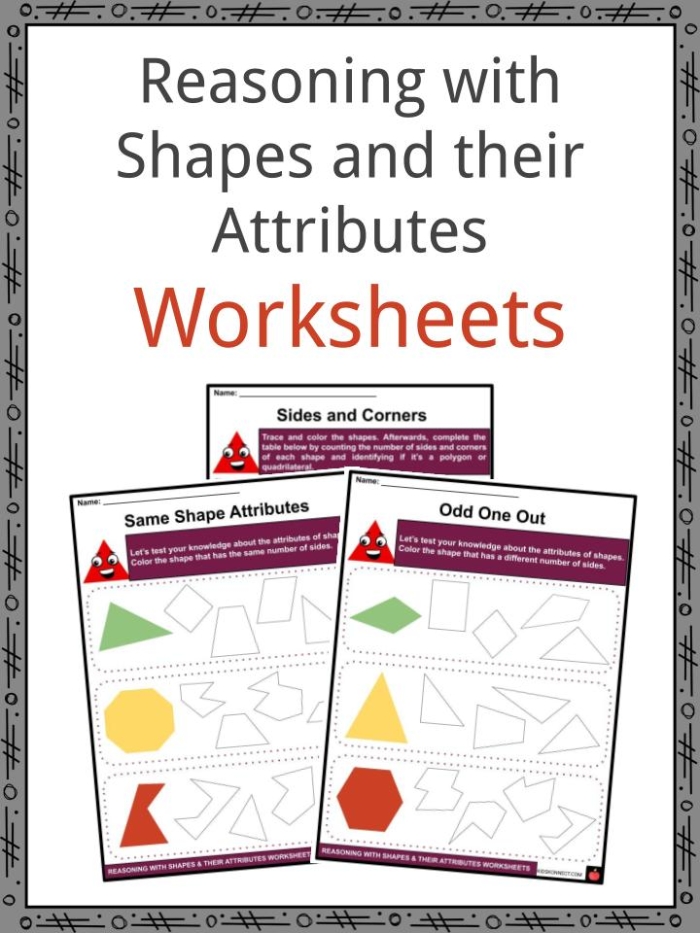
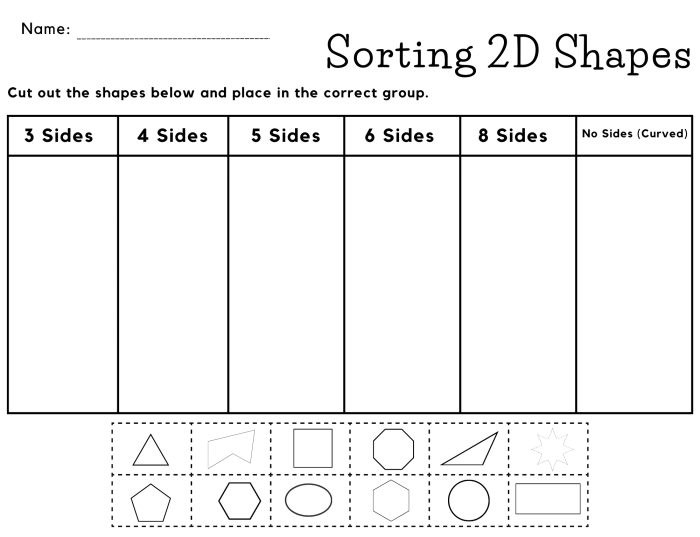
Teachers can use this resource to support vocabulary development across different learning levels. Pairing the glossary with hands-on activities, such as sorting activities found in resources like sorting worksheets, reinforces how attributes function in real applications. Students who struggle with shape recognition benefit from repeated exposure to the same terms in multiple contexts.
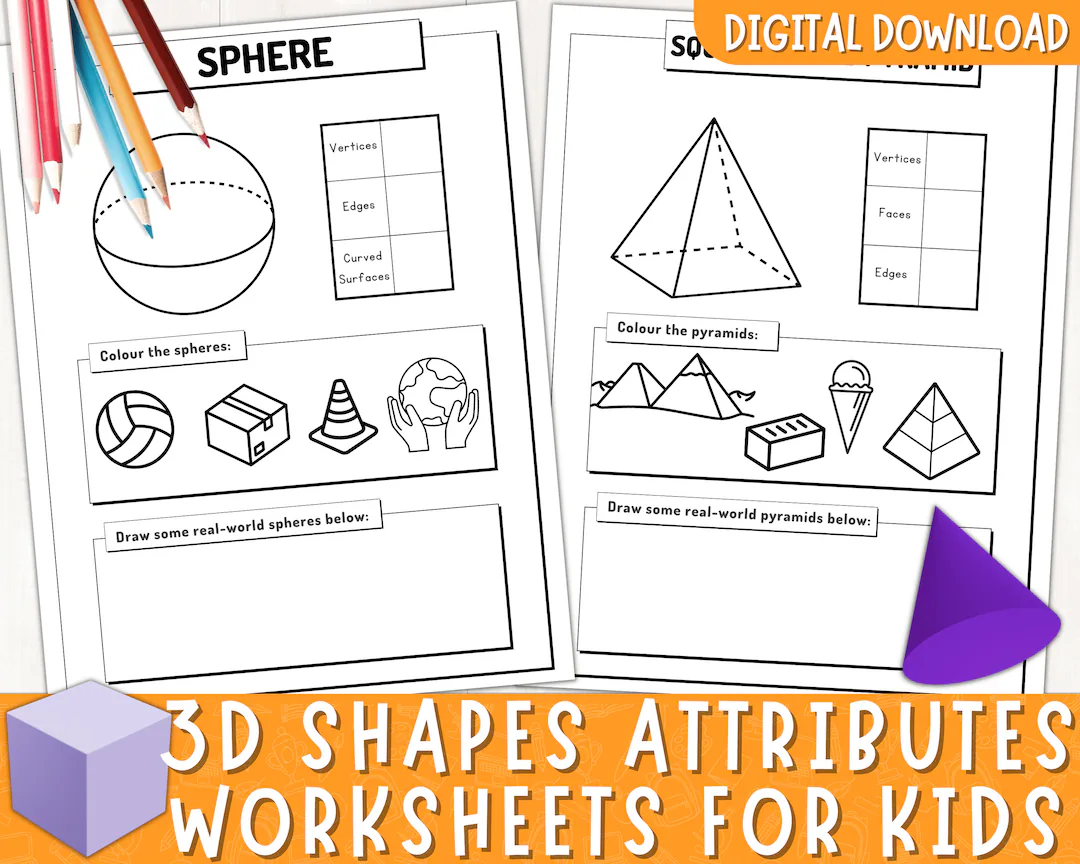
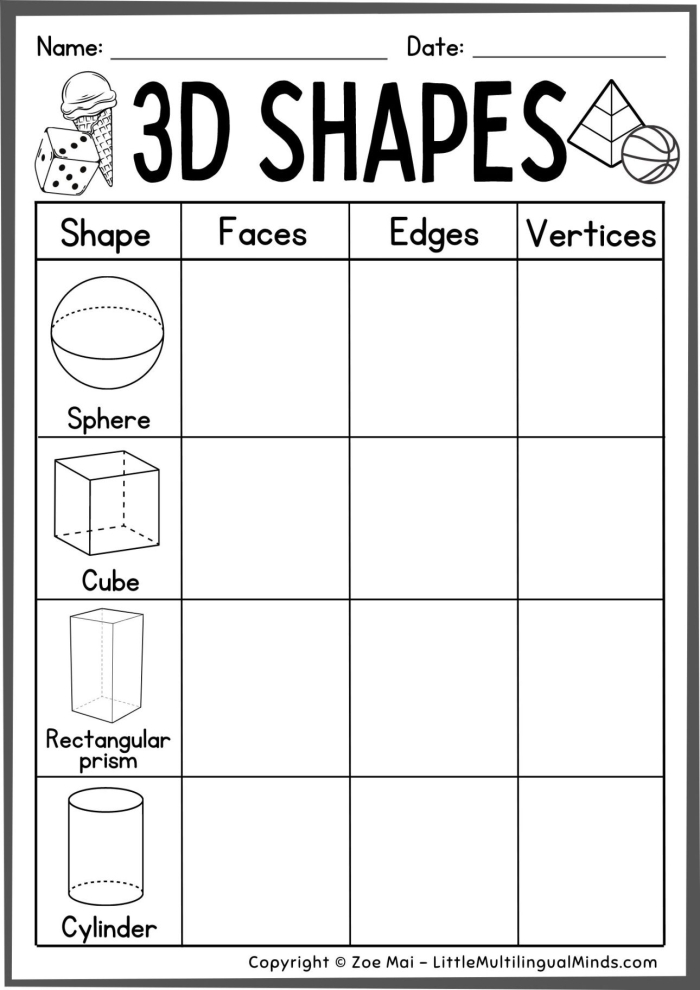
The glossary serves as a reference tool students can return to throughout the unit, reducing frustration when they forget what a vertex is or how many faces a cube has. Having this support readily available encourages independent learning and helps students feel more prepared during assessments.
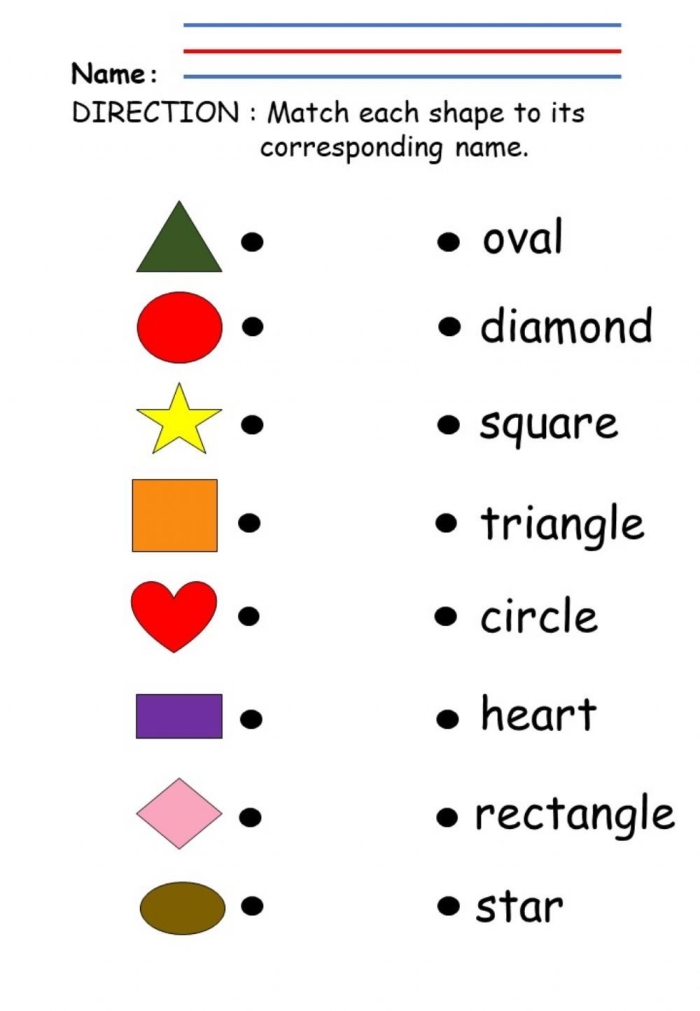
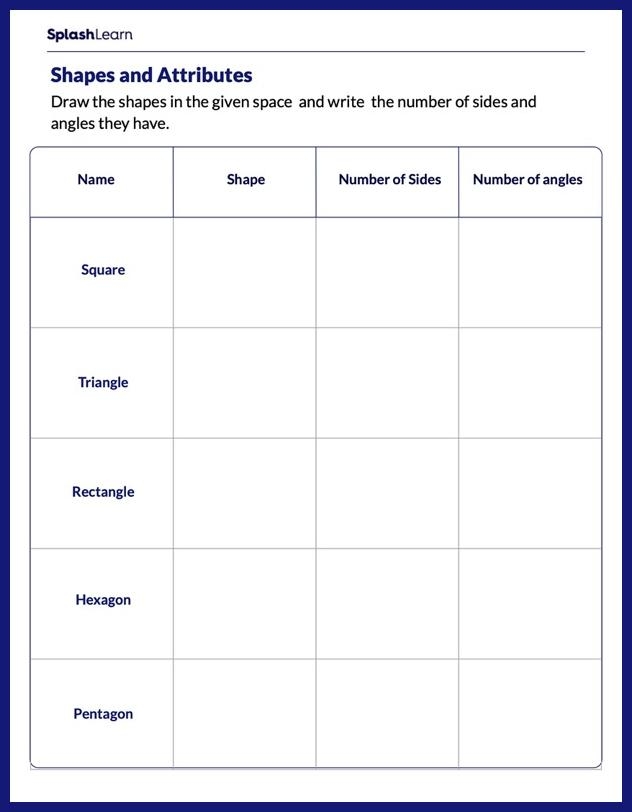
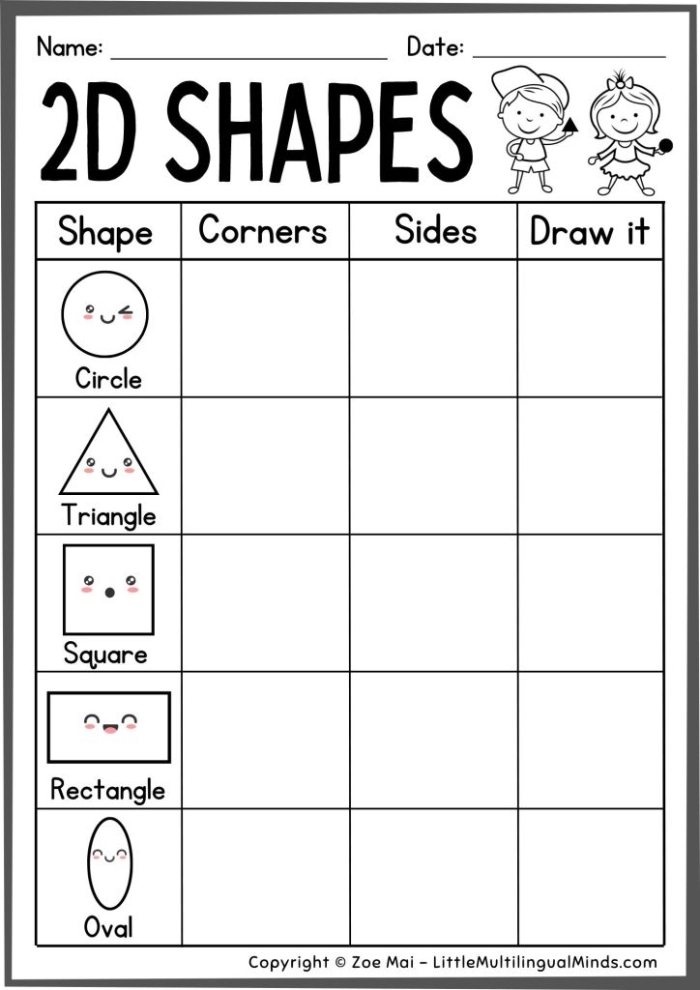
Printable Worksheets for Practice