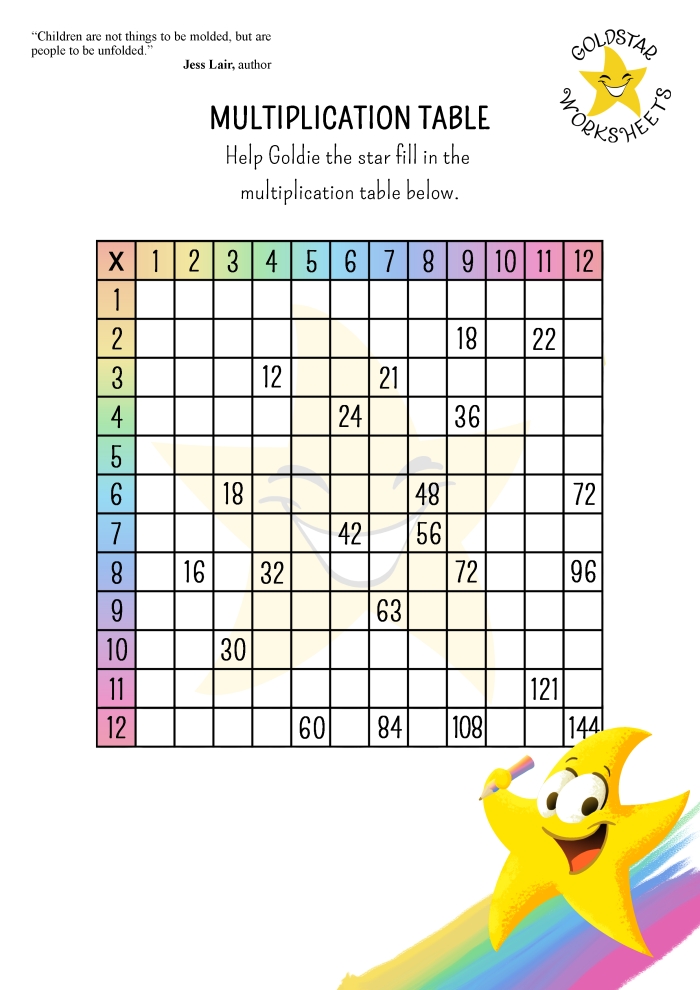
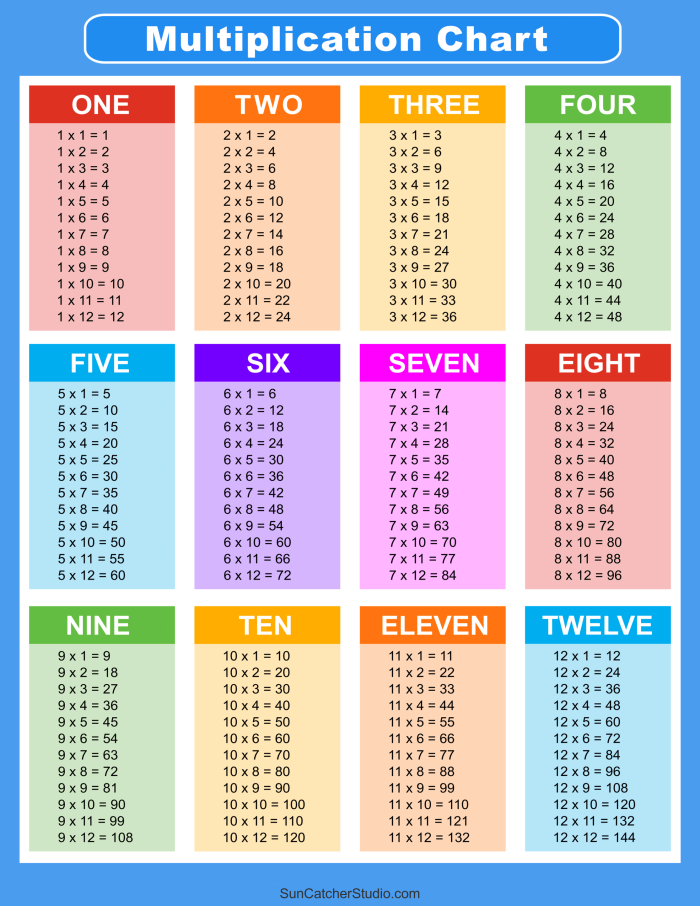
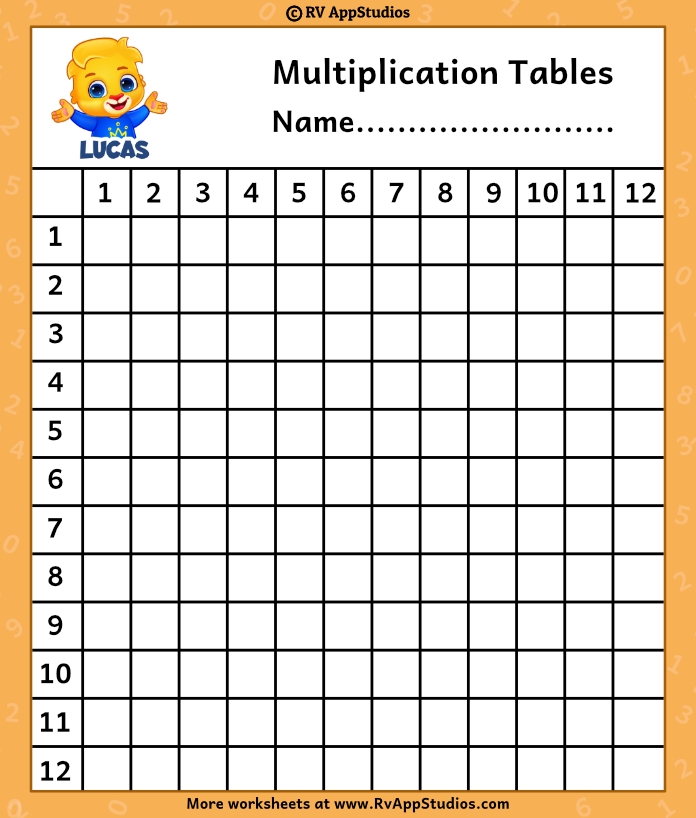
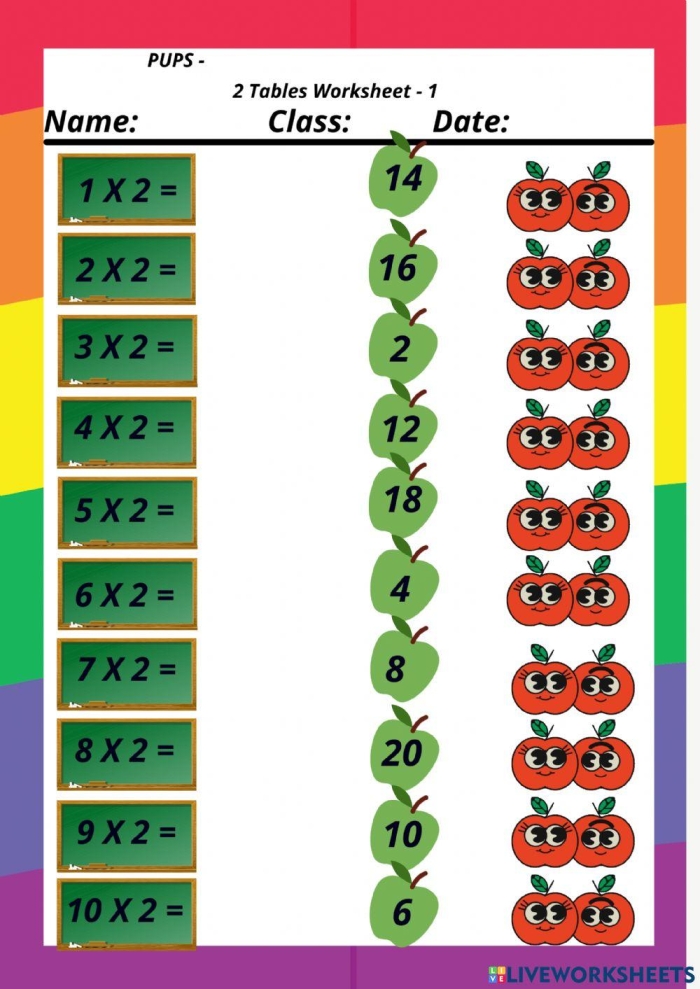
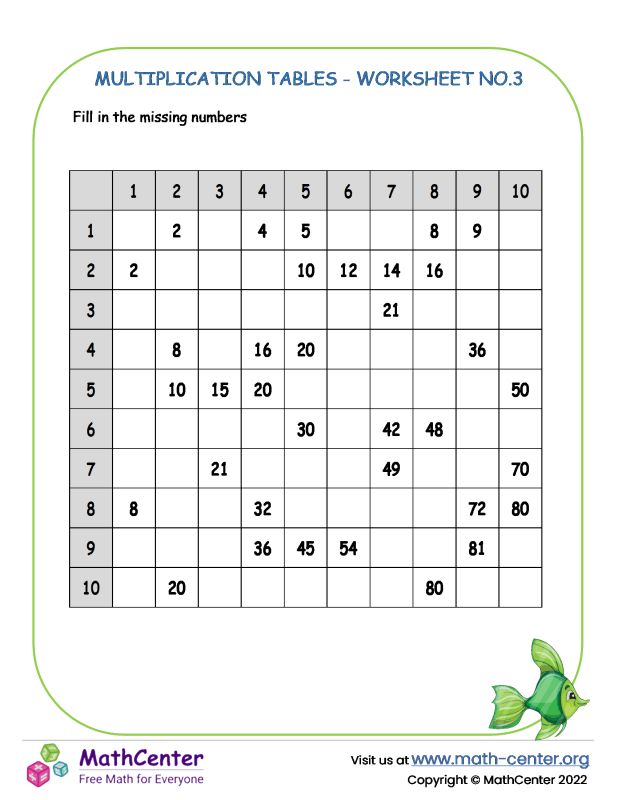
Reading a math table feels like cracking a code for second graders, and a farm-themed worksheet makes the process feel less intimidating. When kids encounter rows and columns for the first time, they need concrete practice with relatable content. A math farm table does exactly that by combining simple data with images and scenarios that second graders recognize from their everyday lives or classroom discussions.
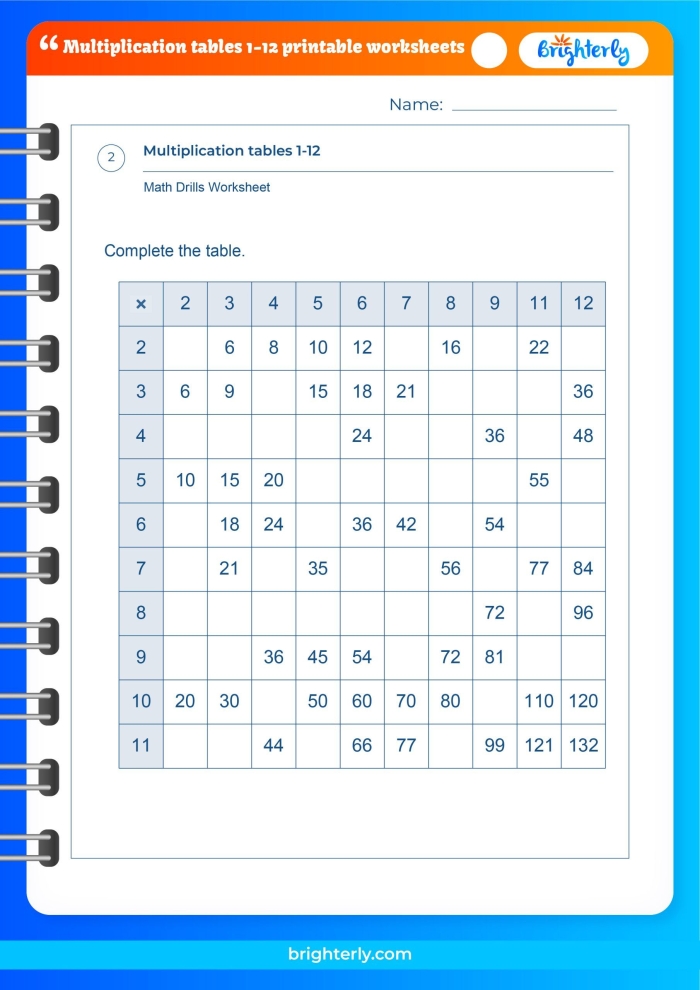
The structure of a farm table worksheet typically shows different animals, crops, or farm activities arranged in rows and columns. Students then answer questions like “How many chickens are in the red barn?” or “Which crop appears most often?” This format teaches children to locate information systematically rather than randomly scanning the page. They learn that tables organize information in predictable ways, a skill that connects directly to how historians and researchers organize historical data.
When second graders work through these worksheets, they develop several skills simultaneously. They practice reading left-to-right and top-to-bottom, they count and compare quantities, and they begin understanding that visual organization carries meaning. The farm setting keeps the activity engaging because children can visualize the scenario, making abstract table-reading feel purposeful.
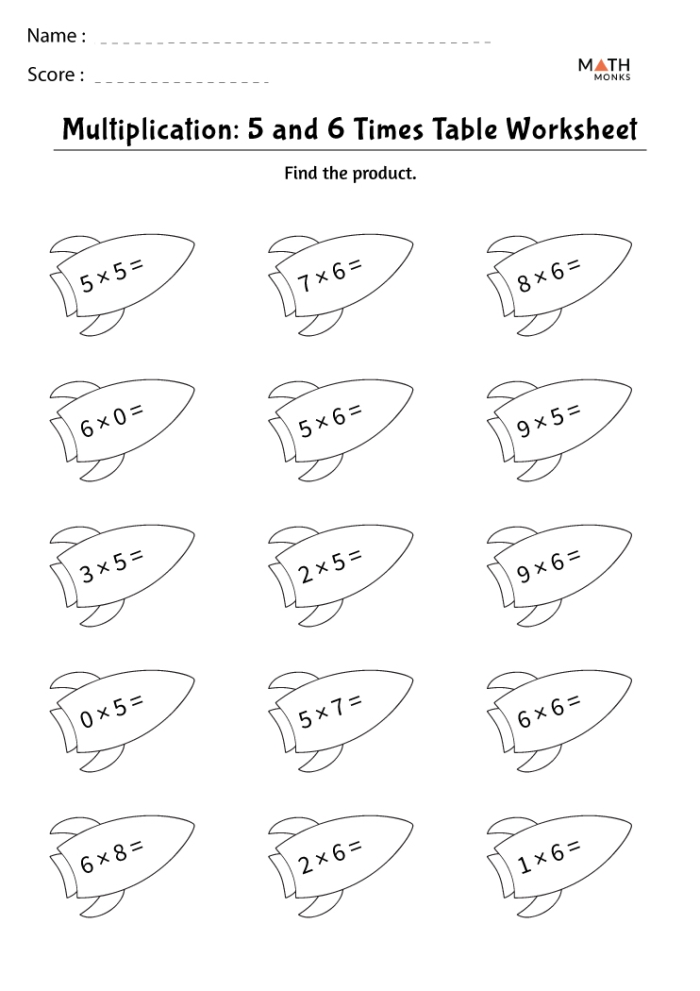
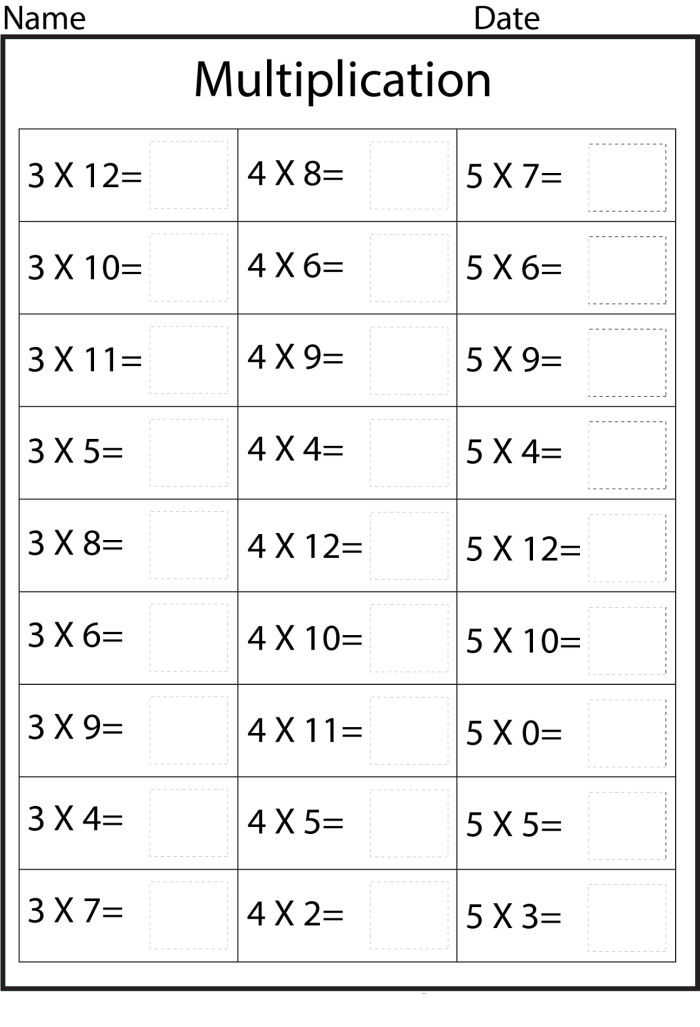
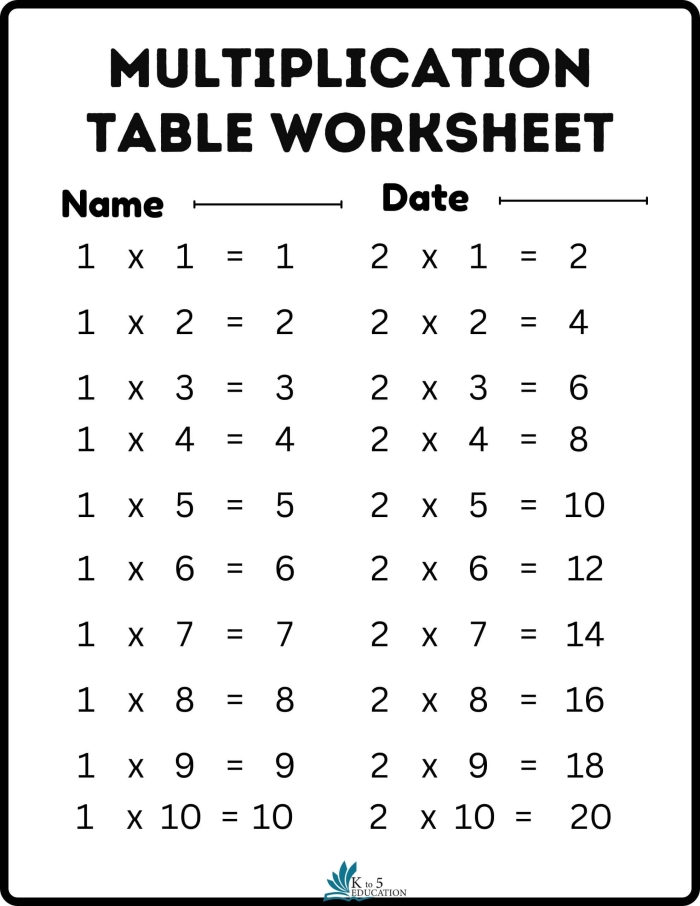
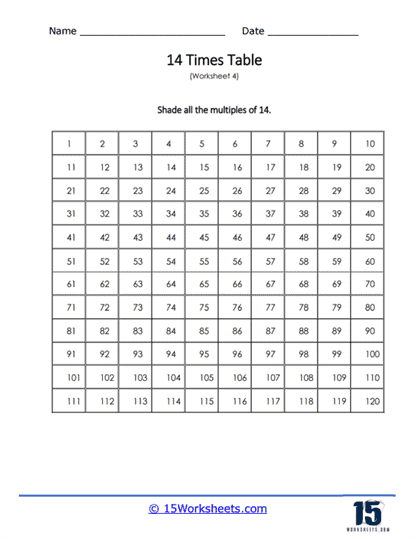
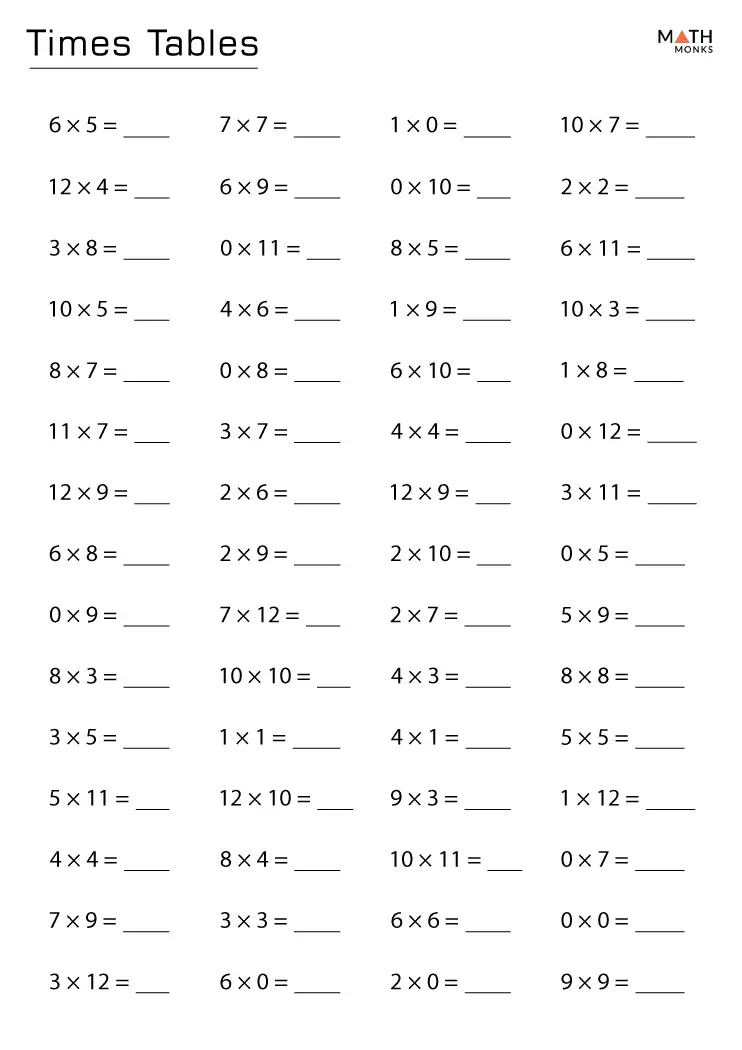
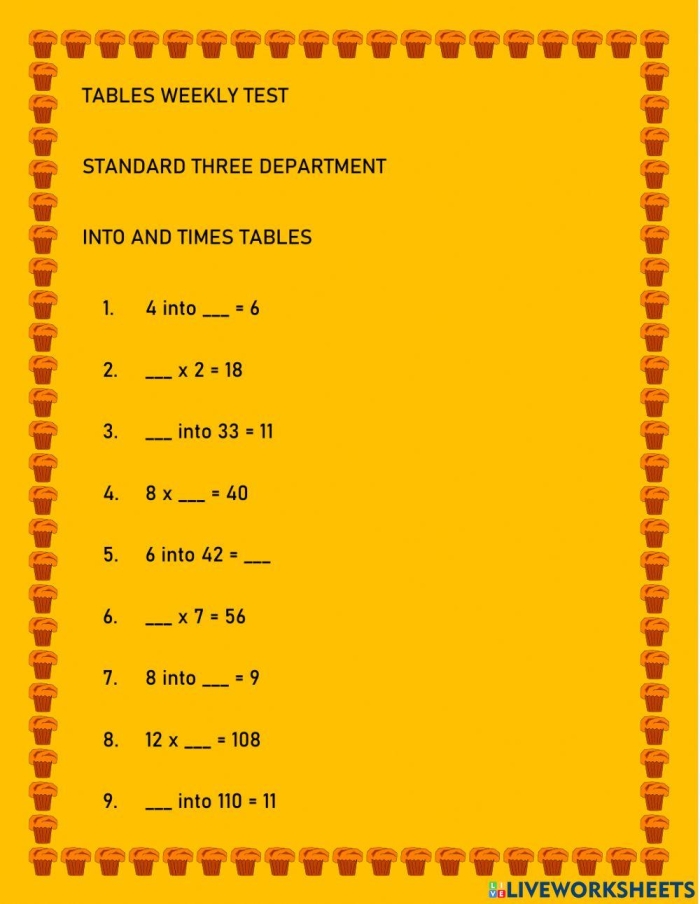
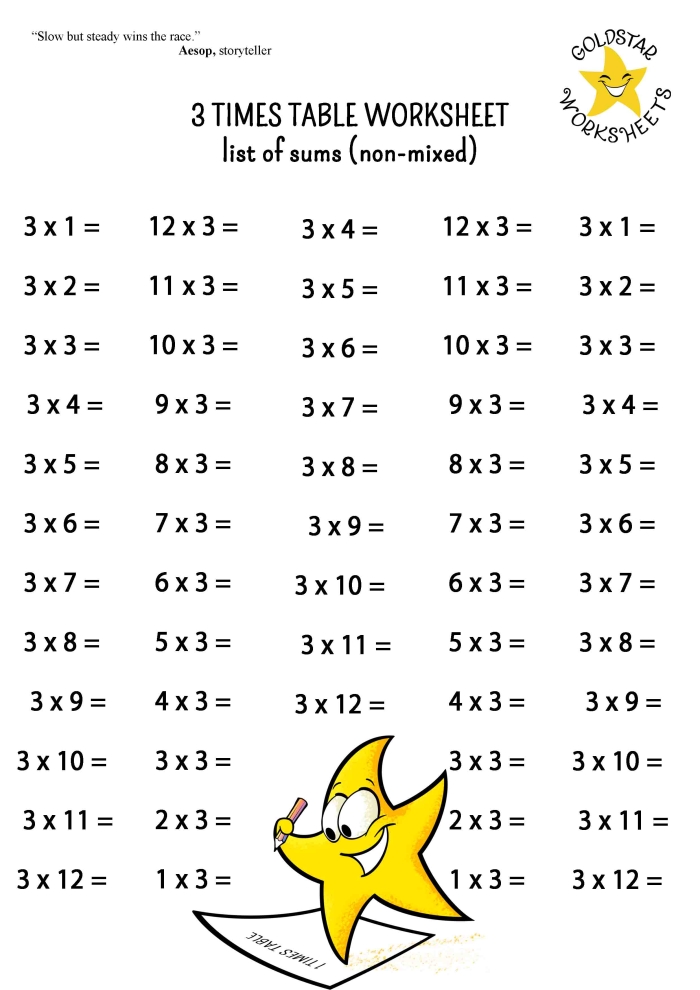
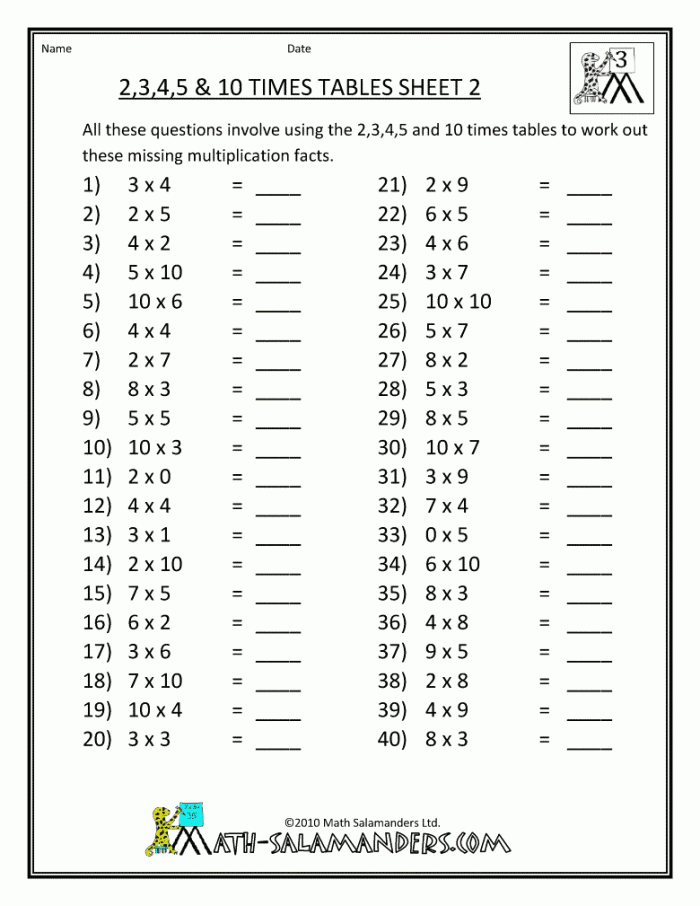
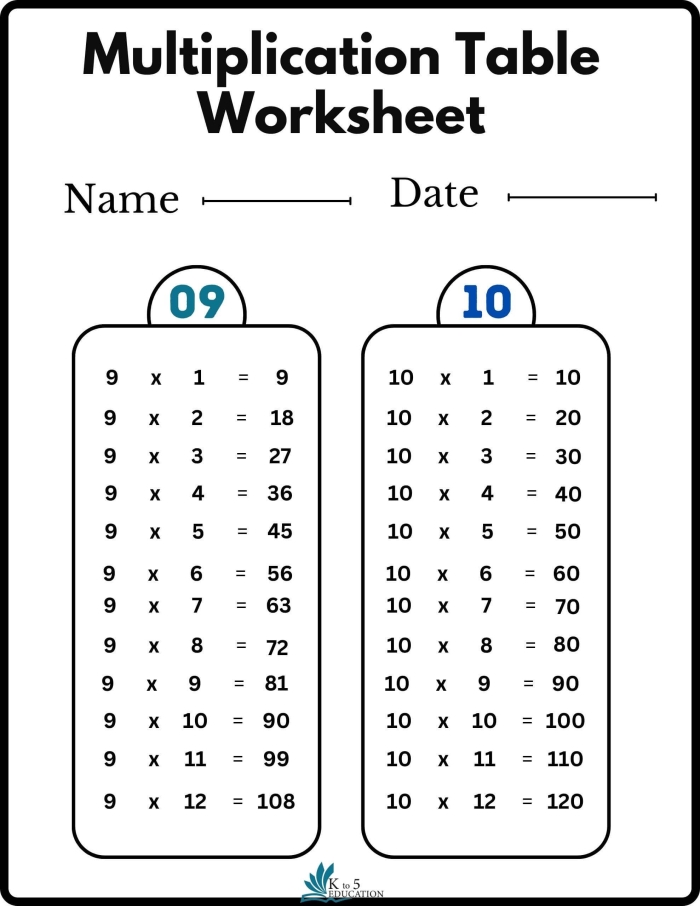
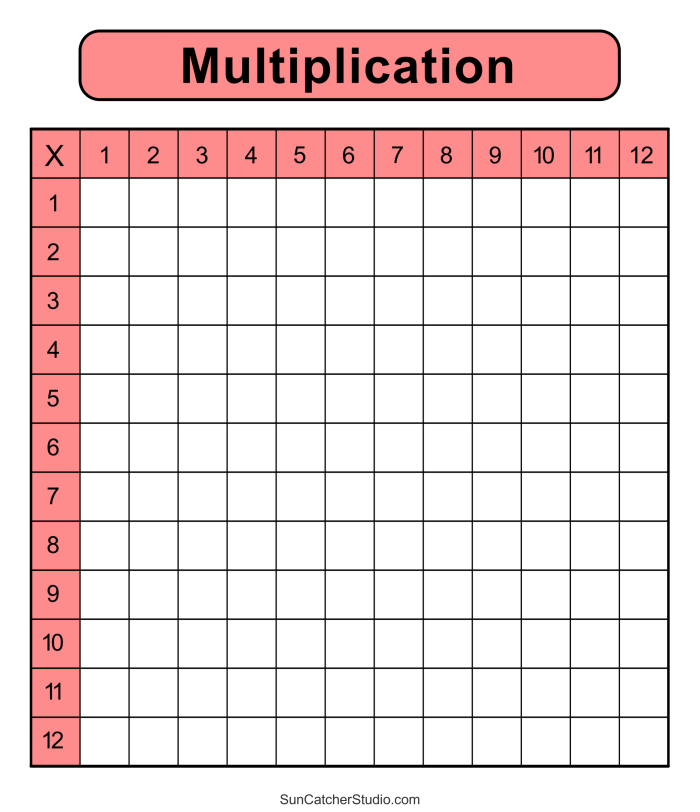
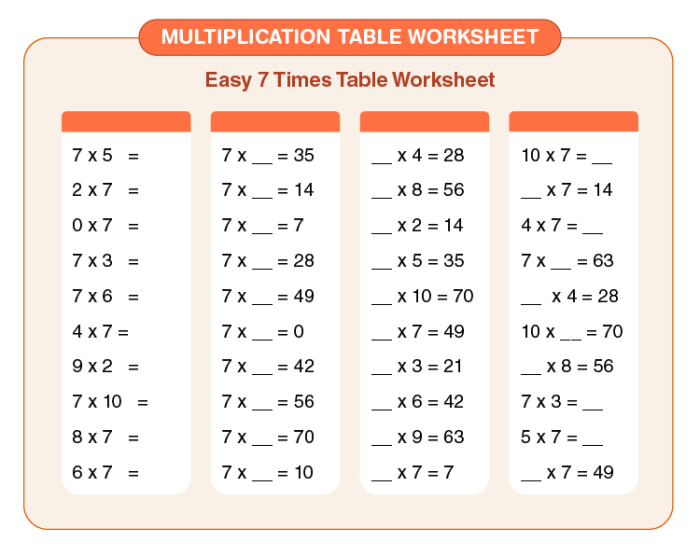
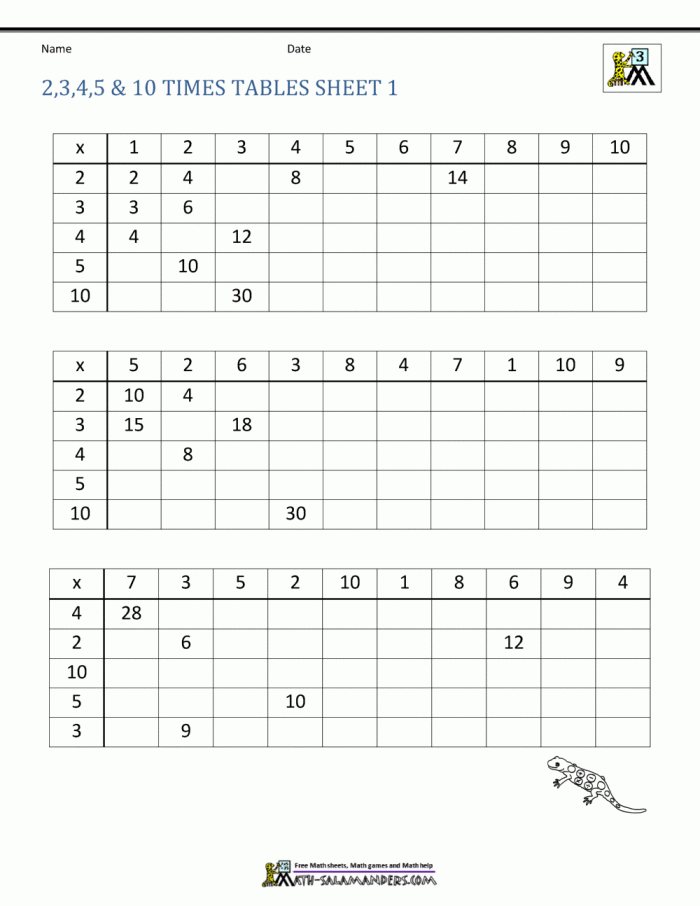
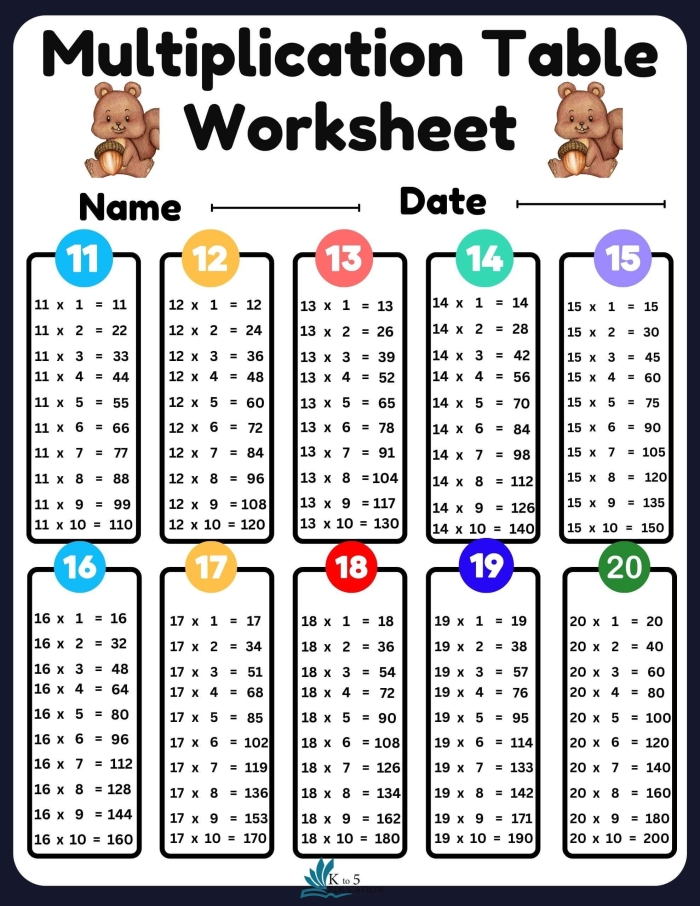
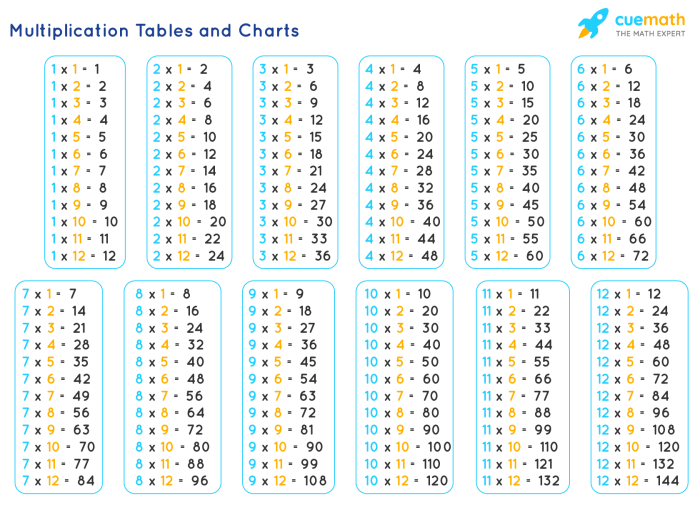
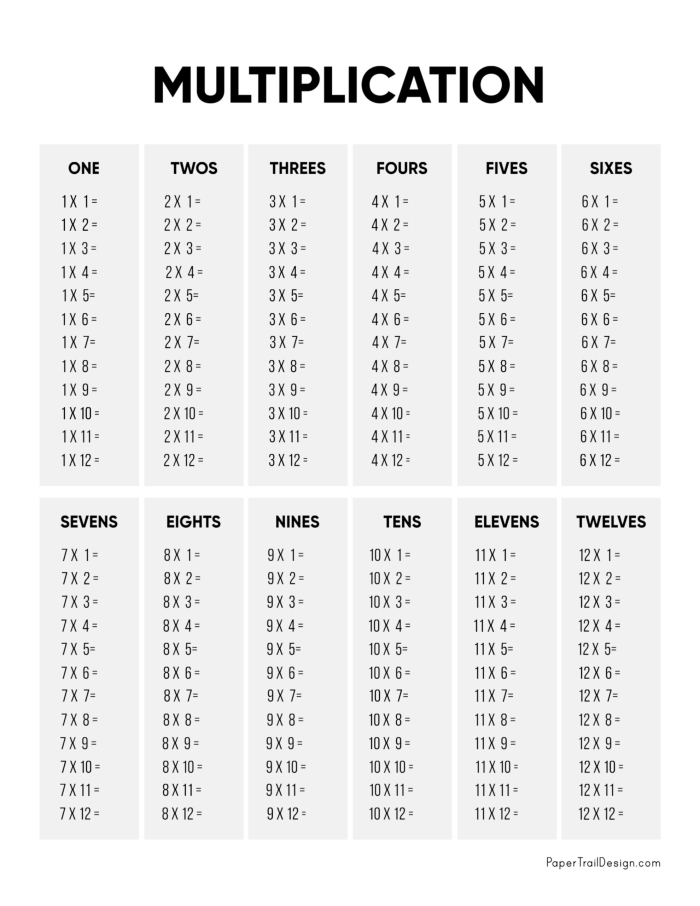
Starting with printable math table worksheets that feature familiar themes helps build confidence before moving to more complex data presentations. As students progress, they encounter tables in different contexts, from science observations to historical timelines. Building this foundation early means that by the time they reach upper grades, reading a table feels automatic rather than overwhelming.
The beauty of using a farm table for this instruction is that it bridges multiple subjects. While practicing math skills, students also engage with concepts about agriculture and rural life, which naturally connects to history and community studies. This kind of integrated learning helps second graders see how different subjects relate to one another, making their education feel more cohesive and meaningful.
Printable Worksheets for Practice