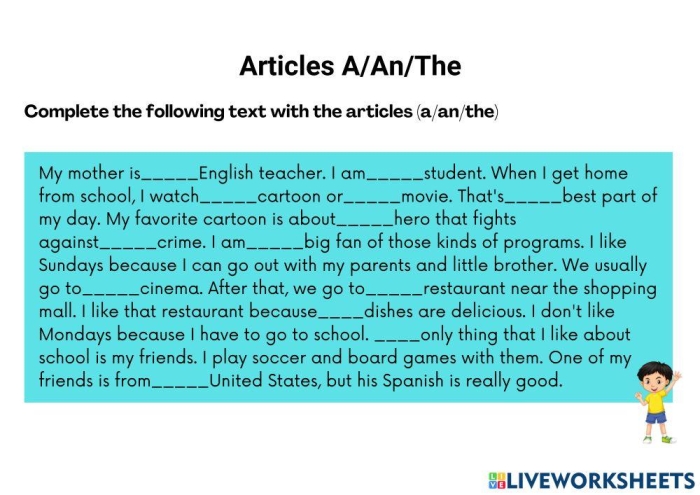
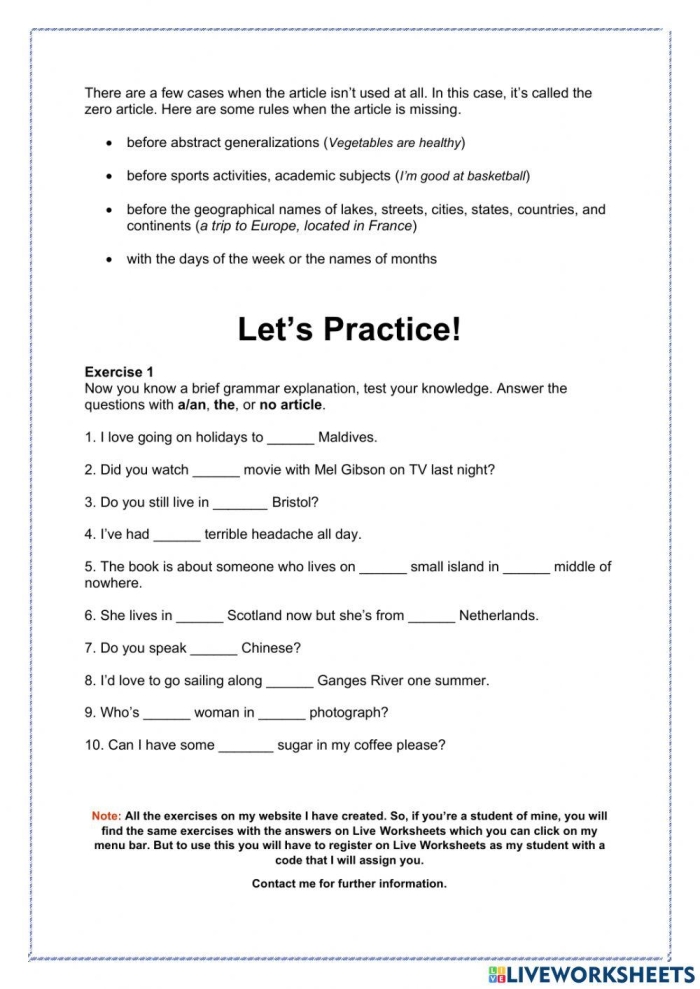
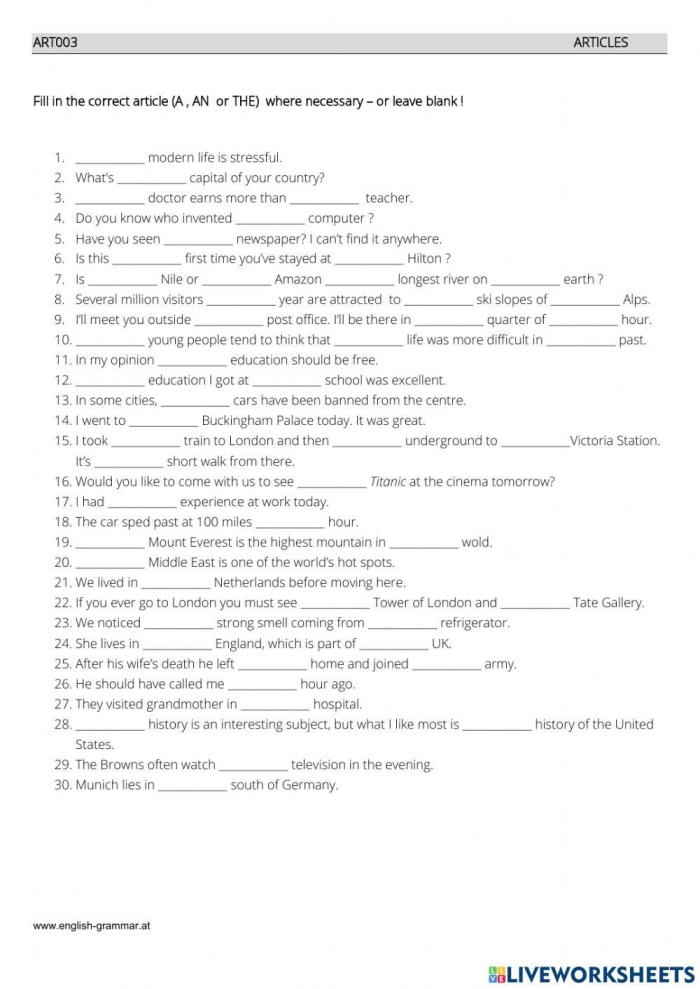
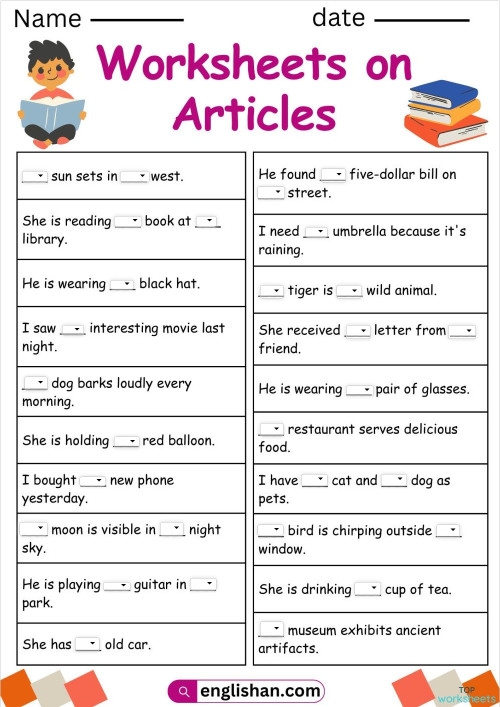
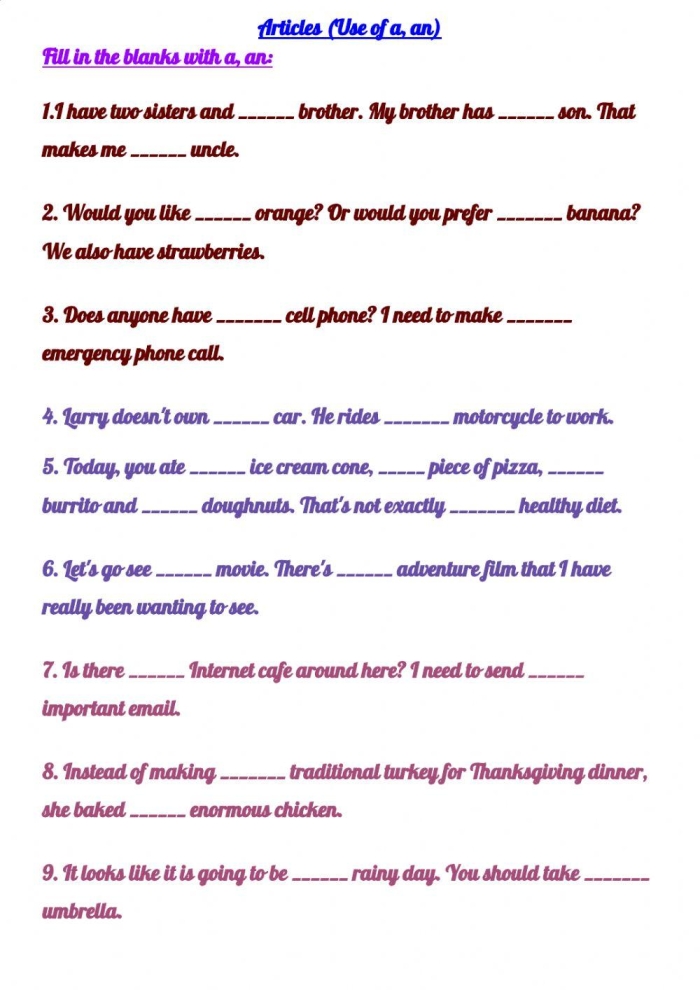
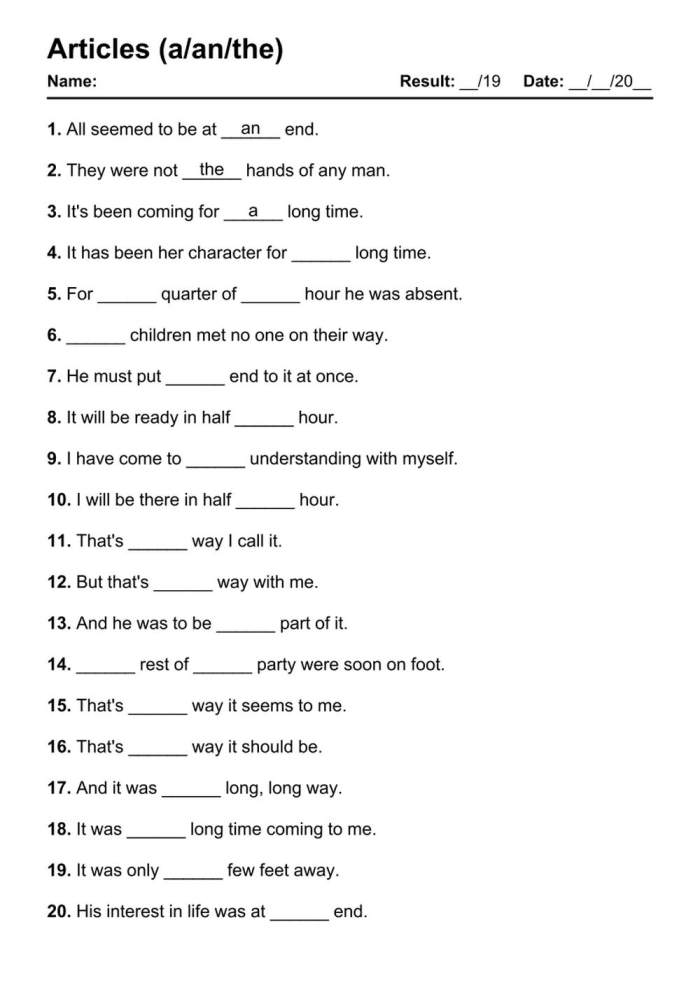
Most fourth grade students skip right over articles without thinking twice. These tiny words—a, an, and the—seem so insignificant that teachers often find students circling them as an afterthought during grammar lessons. Yet articles actually shape how readers understand sentences and which nouns matter most in a story.
Christopher Paul Curtis’s novel Bud, Not Buddy offers perfect examples for exploring articles in action. The book tells the story of a ten-year-old boy navigating life during the Great Depression, and Curtis uses articles naturally throughout the narrative. When you circle the articles in quotes from this novel, you start noticing patterns. Curtis writes “the suitcase” and “a blanket” and “an old man”—each article choice signals something specific about whether he’s introducing something new or referring back to something already mentioned.
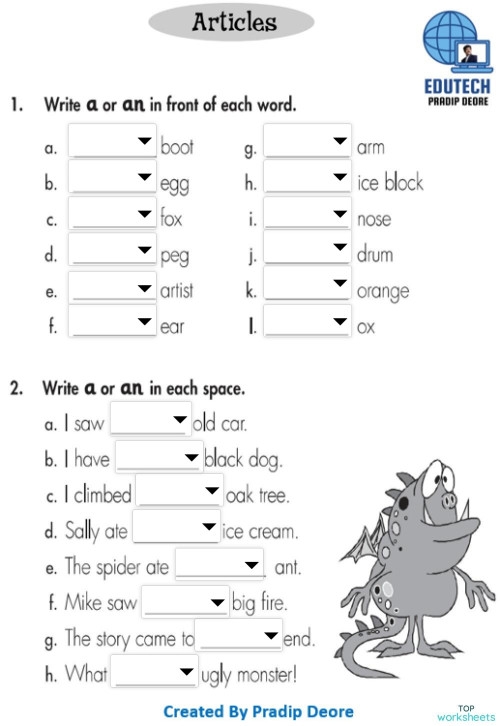
Understanding articles matters because they’re among the most frequently used words in English. A fourth grade student might encounter them dozens of times on a single page of text. When students learn to identify articles, they develop stronger reading comprehension skills. They begin seeing how writers distinguish between “I found a penny” and “I found the penny”—the first suggests any penny, while the second implies a specific one already discussed.
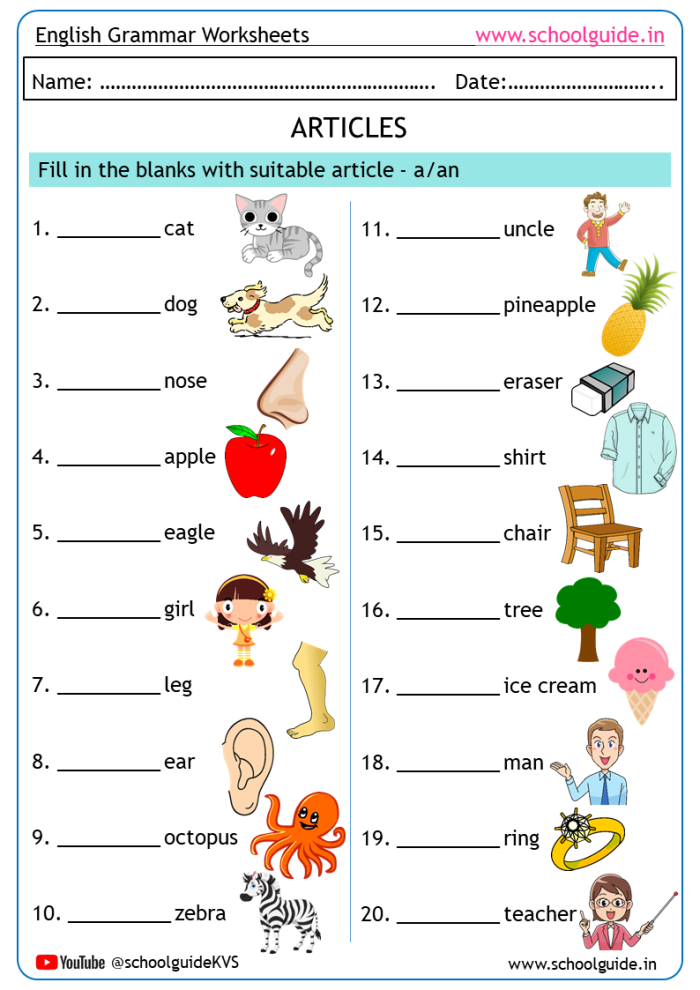
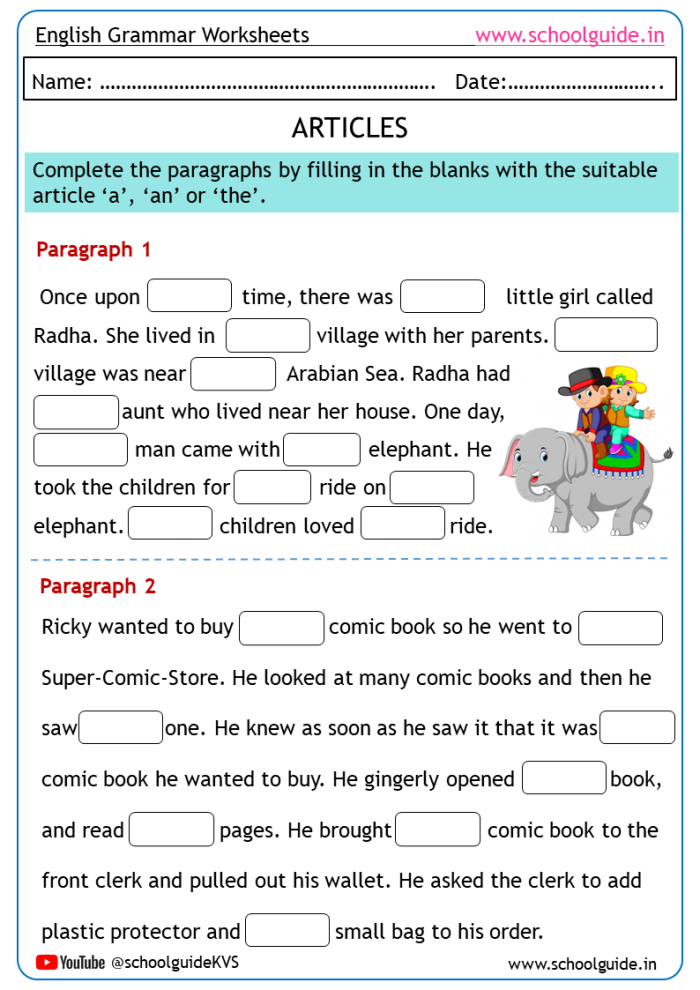
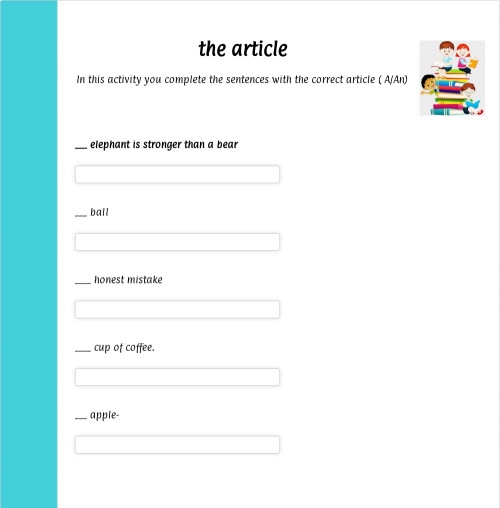
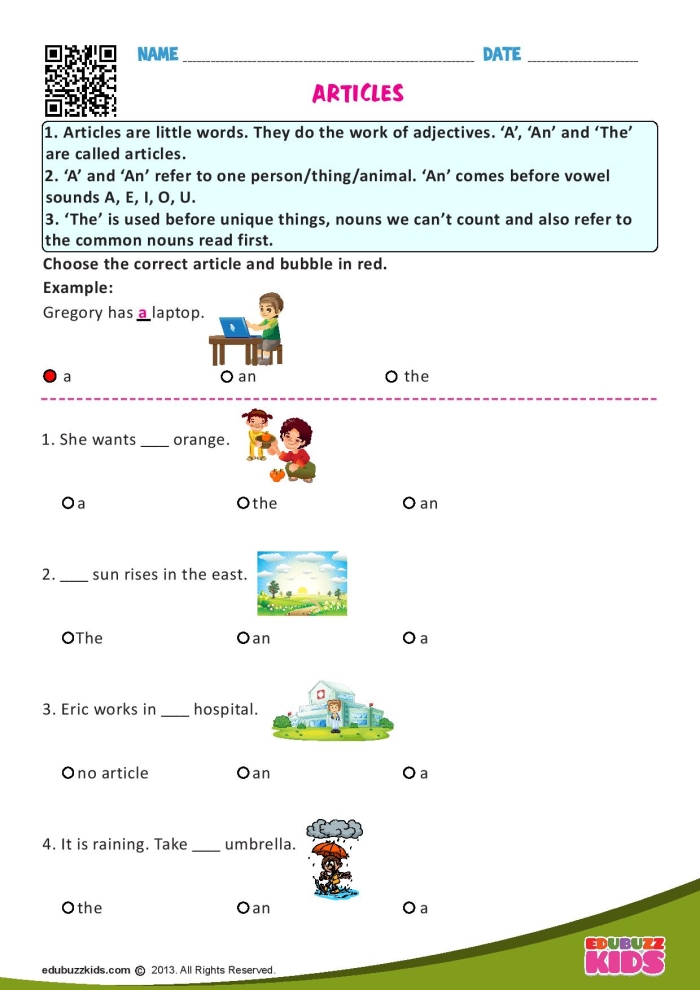
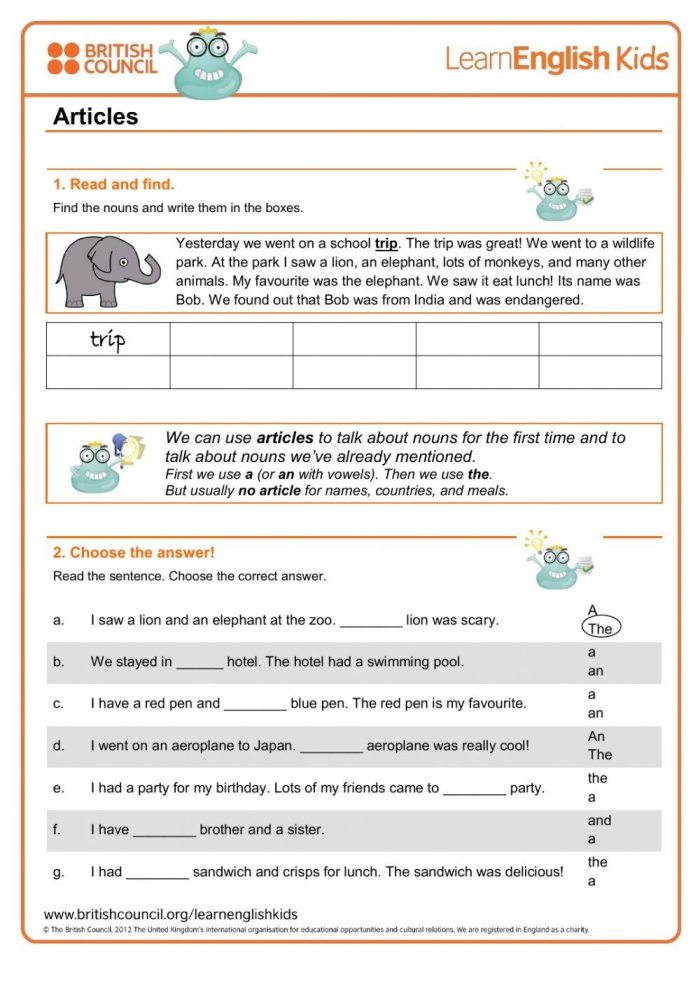
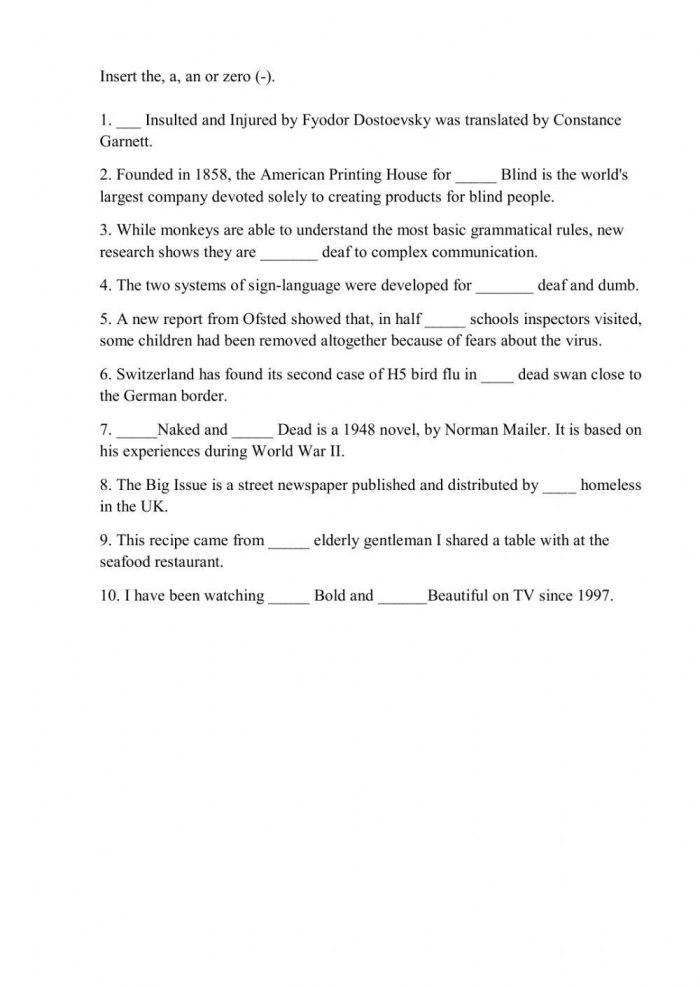
Teaching articles through literature works better than abstract grammar rules. Using passages from Bud, Not Buddy connects articles to real storytelling rather than worksheets about time and money concepts. When you ask students to circle articles in meaningful text, they see these words serving a purpose beyond classroom exercises.
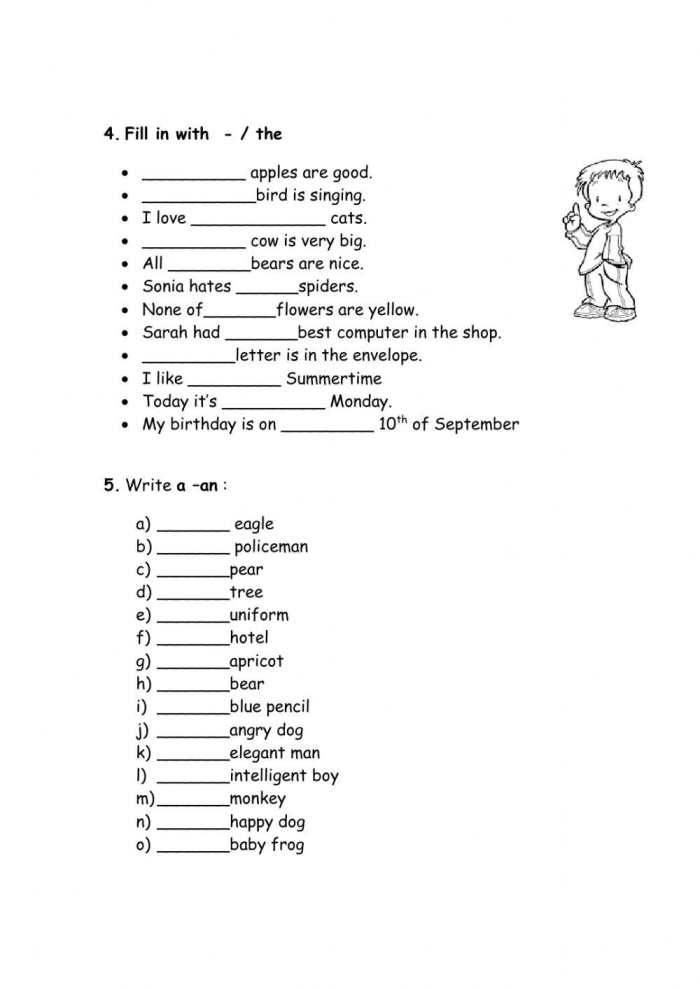
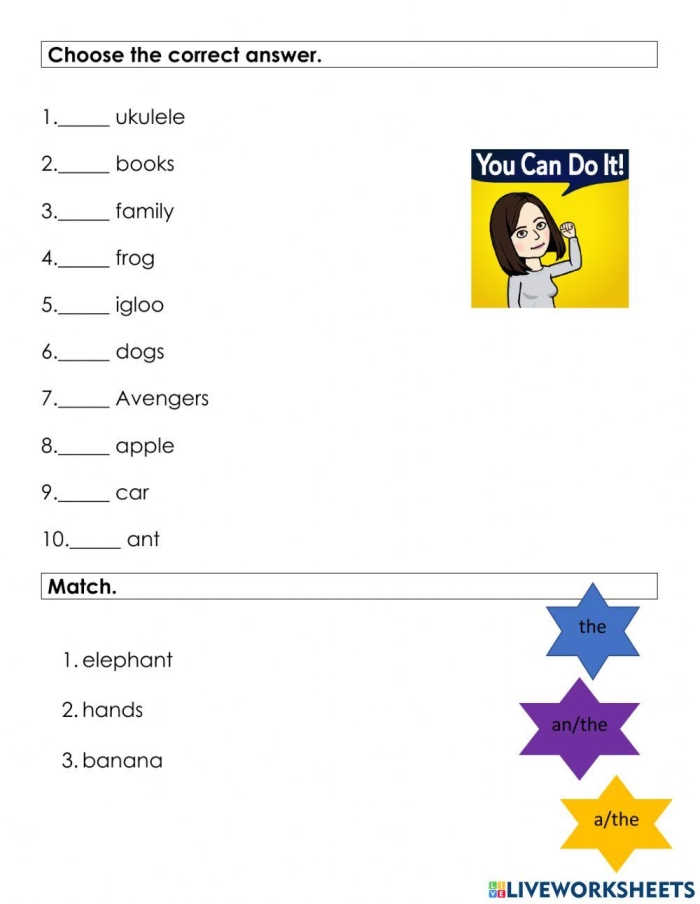
Practicing article recognition builds foundational skills that support reading comprehension and writing clarity. Students who master articles write with greater precision and read with deeper understanding of what authors intend.
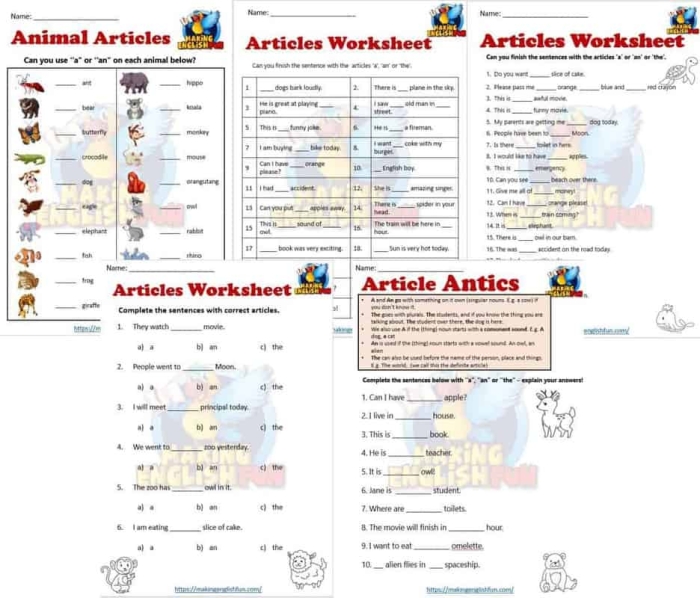
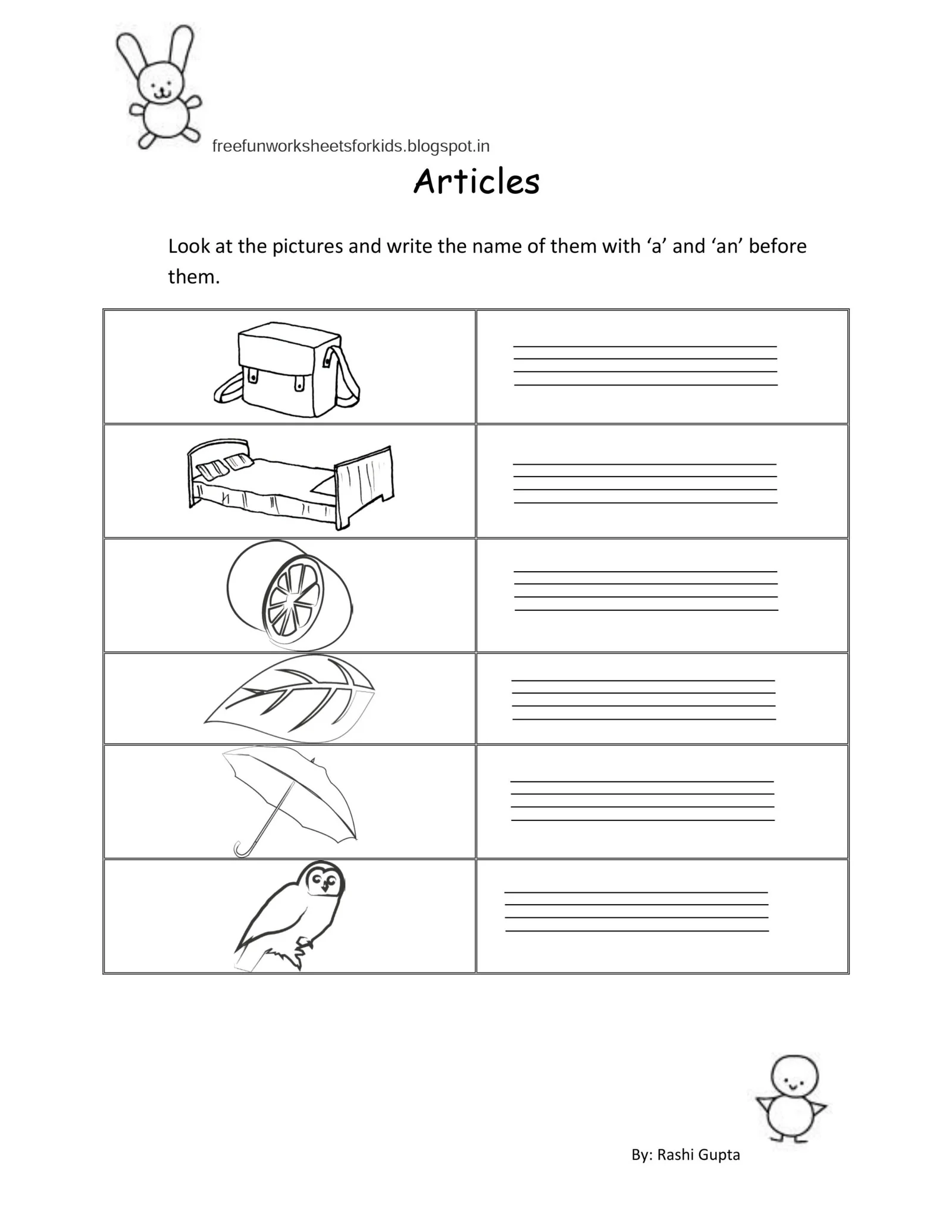
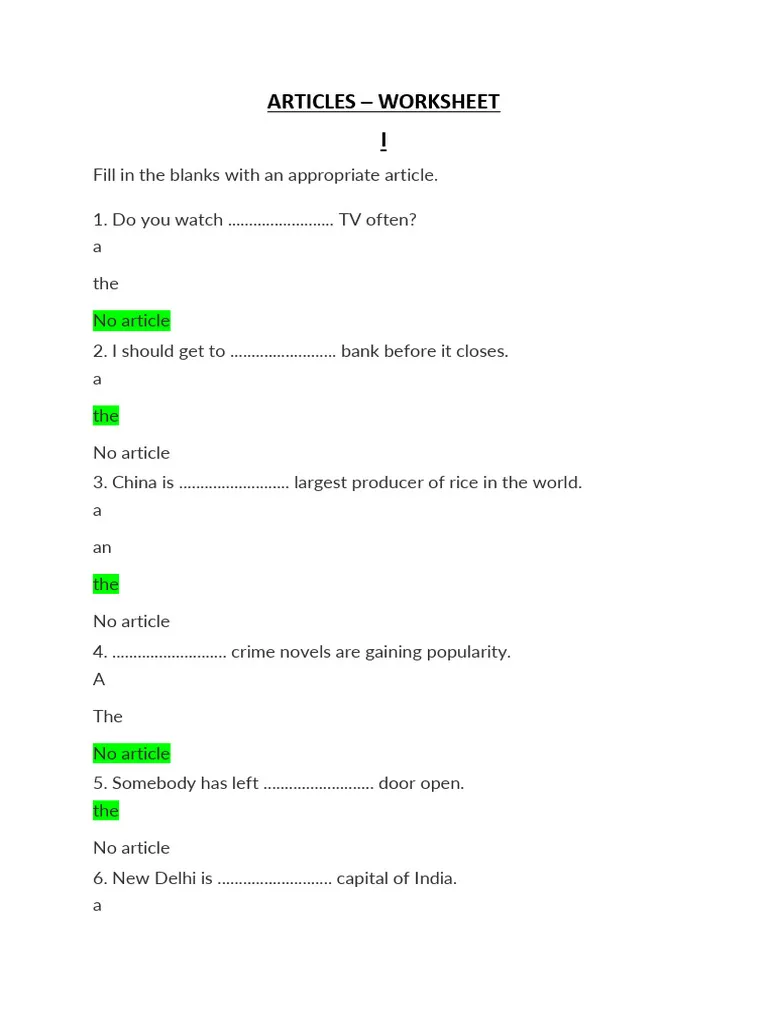
Boost Skills with These Worksheets