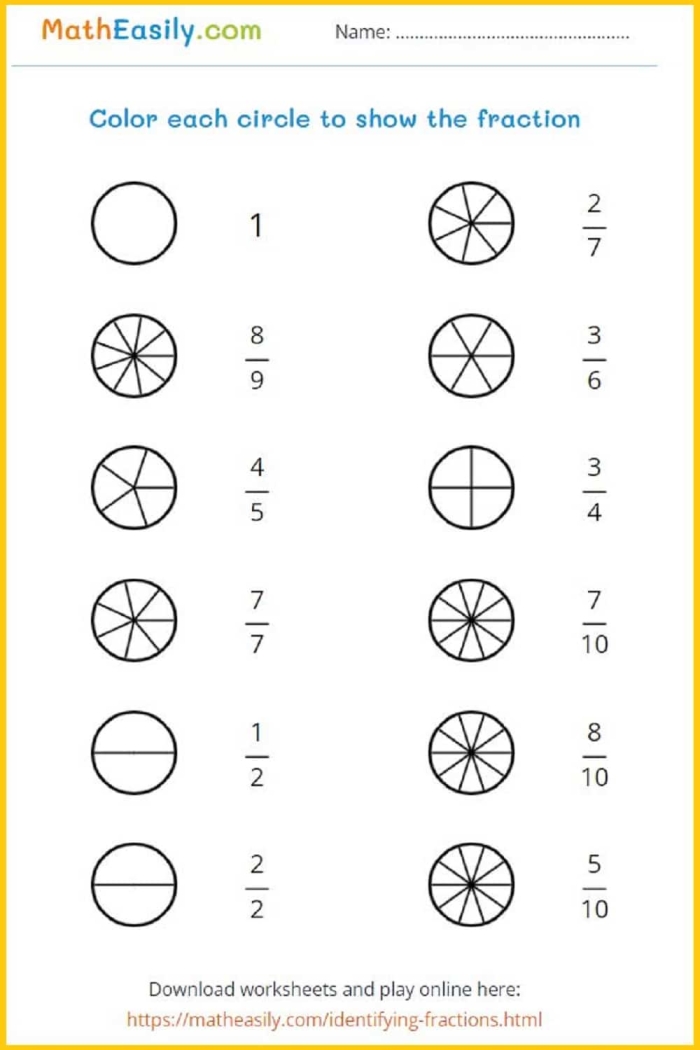
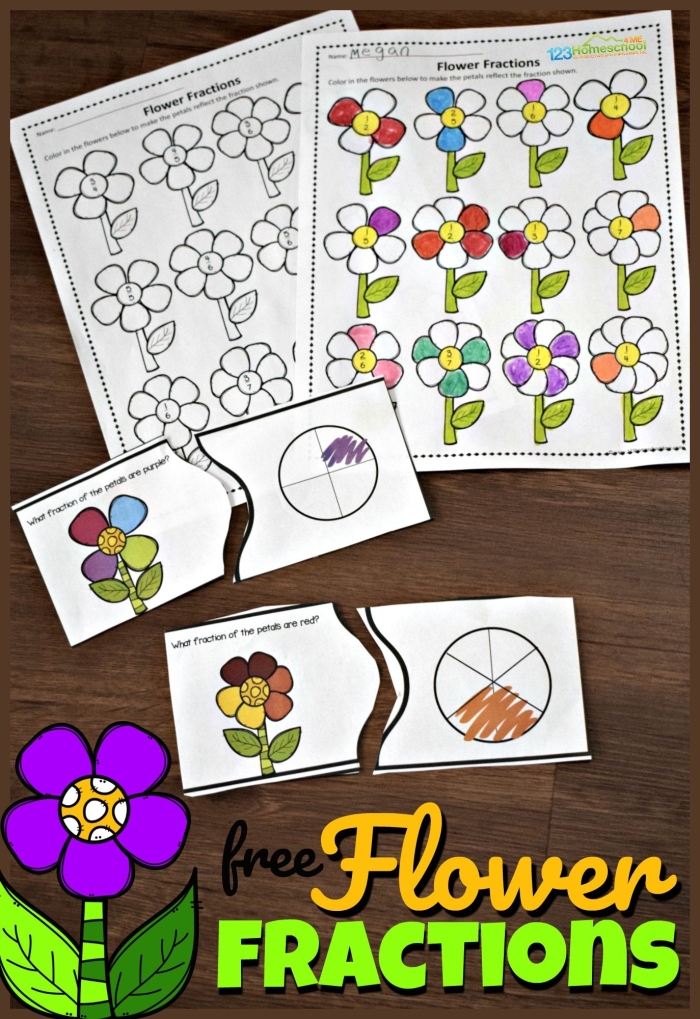
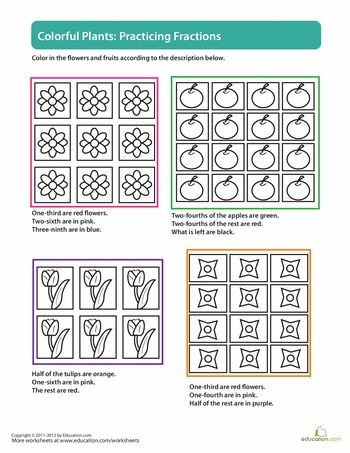
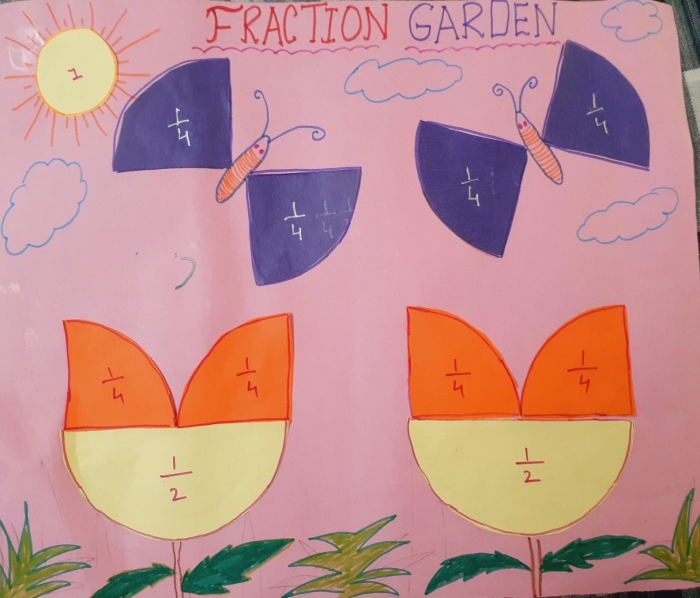
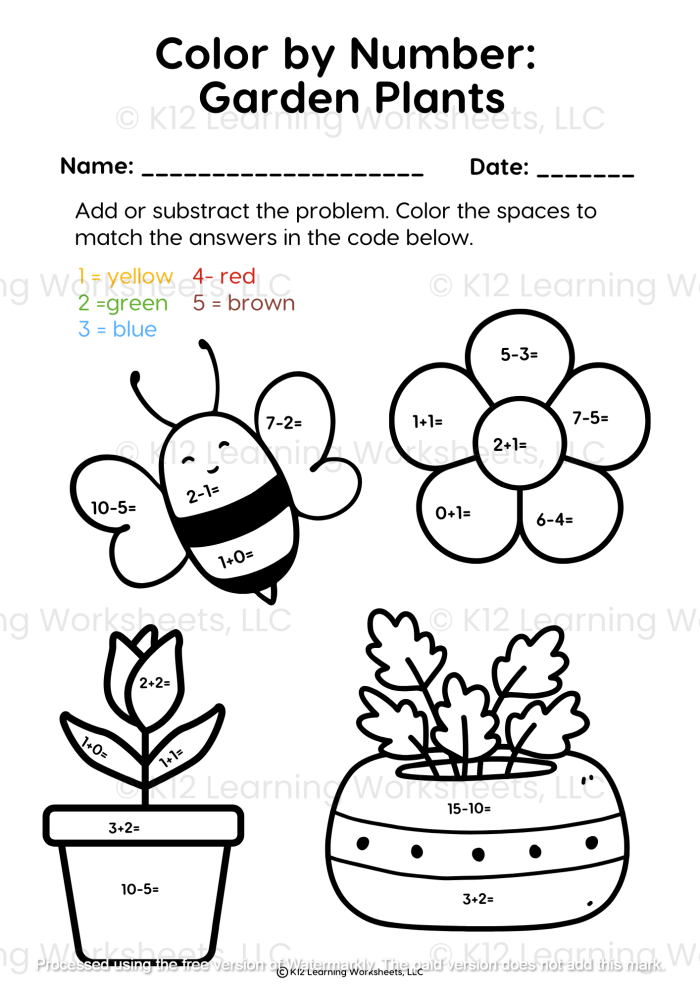
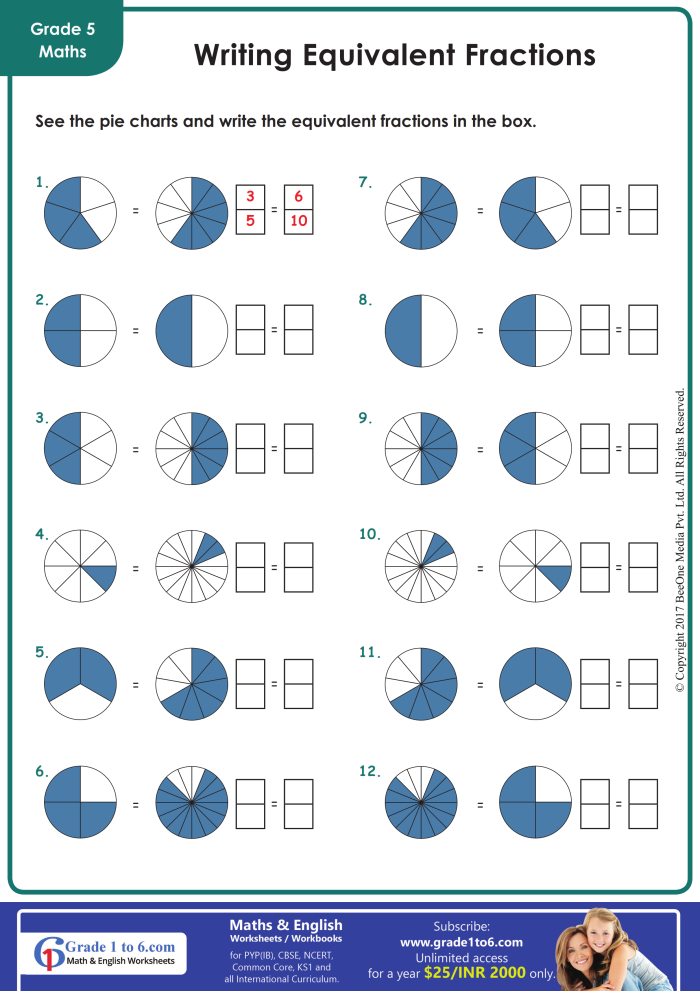
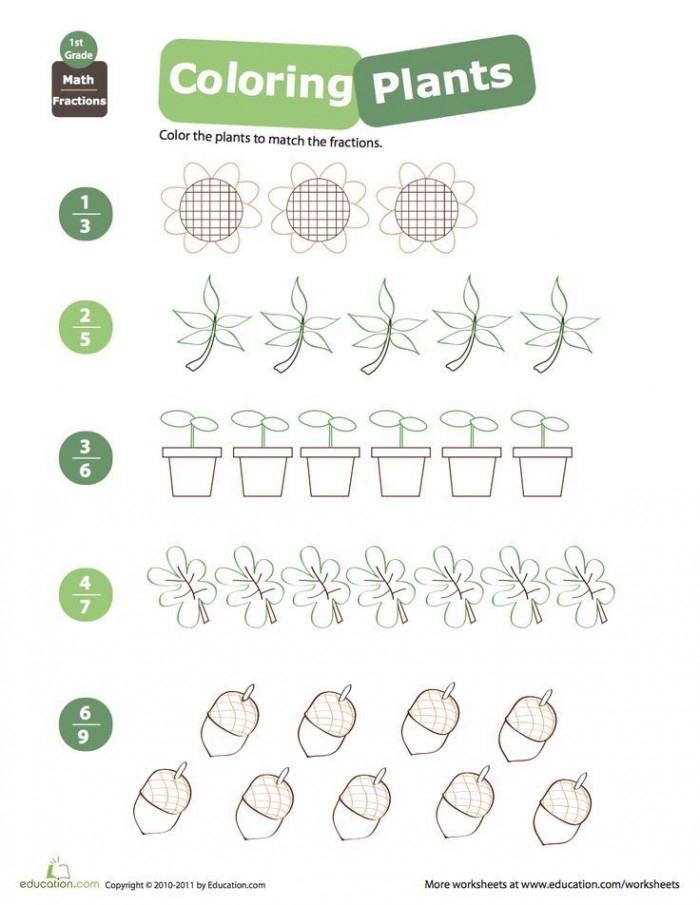
Fractions become real when your third grader sees them growing in a garden. This worksheet combines two things kids naturally enjoy: coloring and plants, while building solid fraction skills that often feel abstract in traditional math lessons. The activity asks students to reduce fractions as they color different plant plots, which means they’re working with simplification in a concrete, visual way.
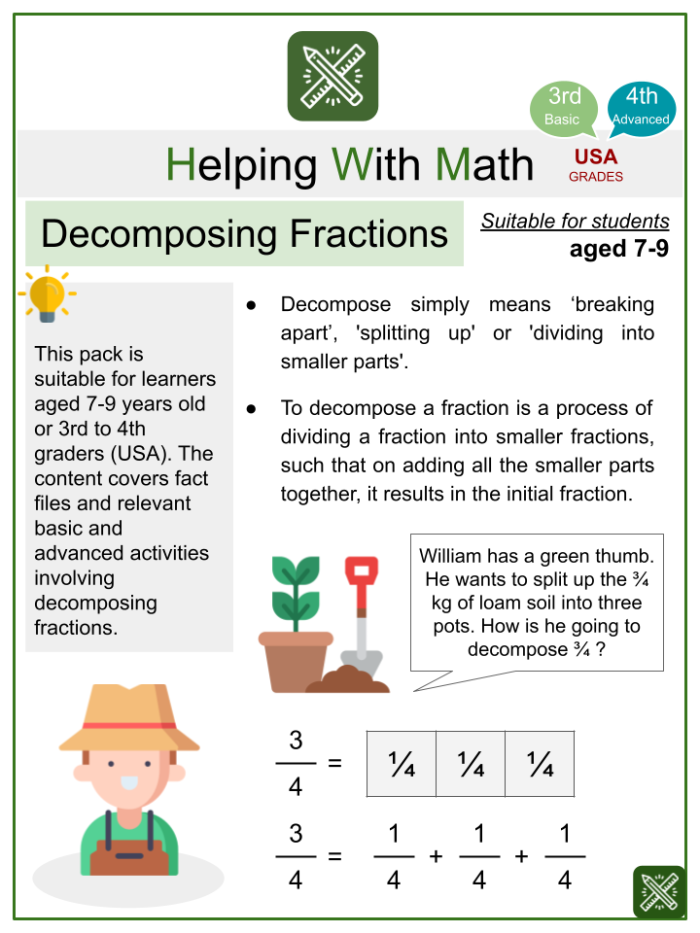
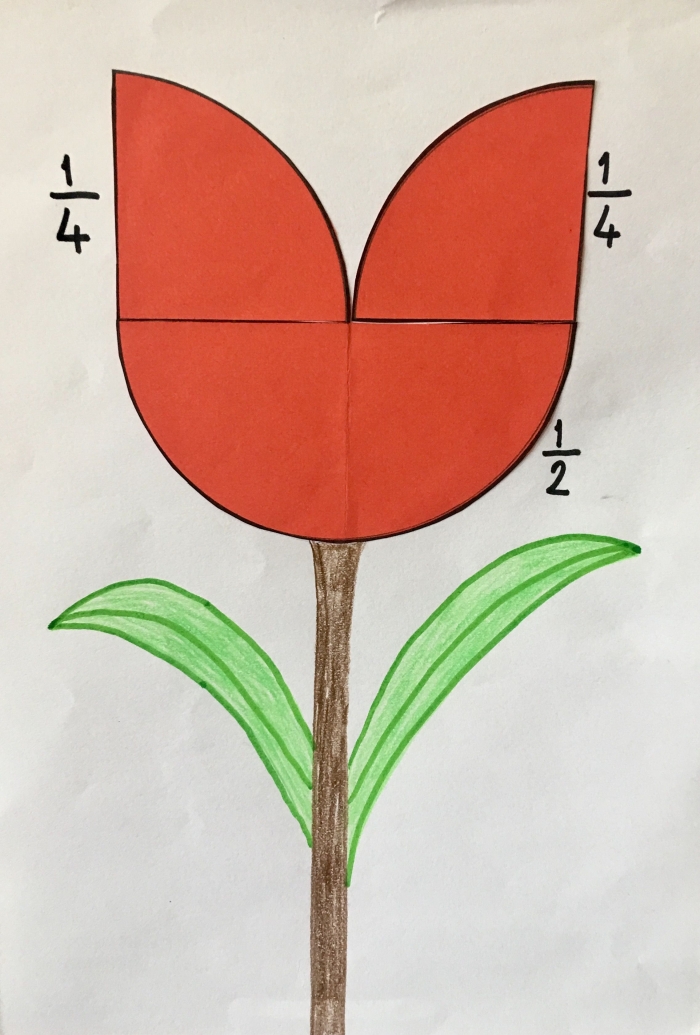
The beauty of this approach lies in how it connects fractions to something tangible. When a child colors three-quarters of a vegetable patch or one-half of a flower bed, they’re not just manipulating numbers on a page. They’re seeing how fractions represent real portions of space. This matters for third graders who are still building mental models of what fractions actually mean.
Reducing fractions, also called simplifying, asks students to find the smallest way to express a fraction. For example, four-eighths becomes one-half. In this worksheet, the coloring task reinforces why this matters. A student might realize that coloring two-fourths of a plot looks identical to coloring one-half of it, which makes the concept click in a way that pure computation sometimes doesn’t.
The worksheet structure works because it layers skills naturally. Students follow specific directions for each plant plot, which builds reading comprehension alongside math practice. They’re not just reducing fractions in isolation. They’re reading, understanding, calculating, and creating something visual all at once.
This type of activity pairs well with other third-grade math work. You might combine it with word problems about perimeter to explore how fractions apply to measurement, or use it before tackling pictograph reading where fractions often represent data portions. The gardening theme also opens doors to cross-curricular learning that keeps math from feeling isolated.
Download These Worksheets for Practice