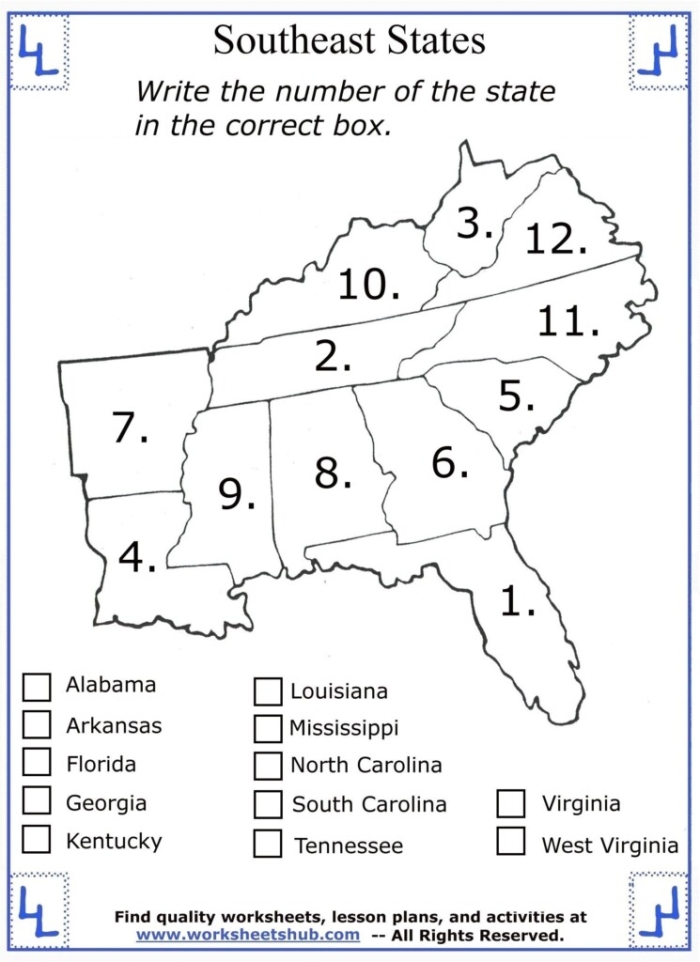
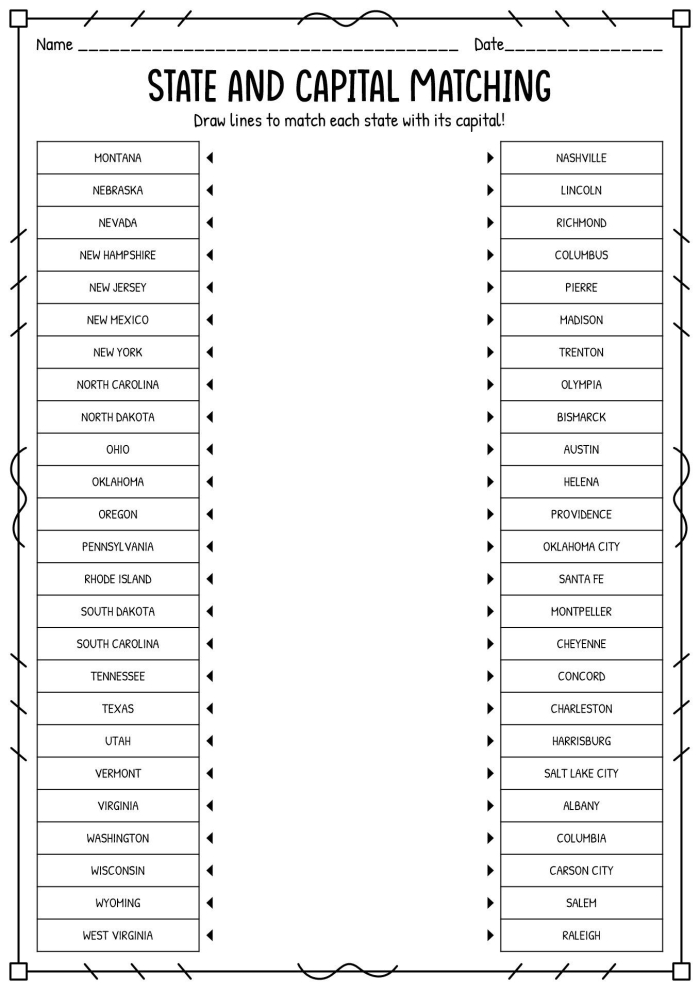
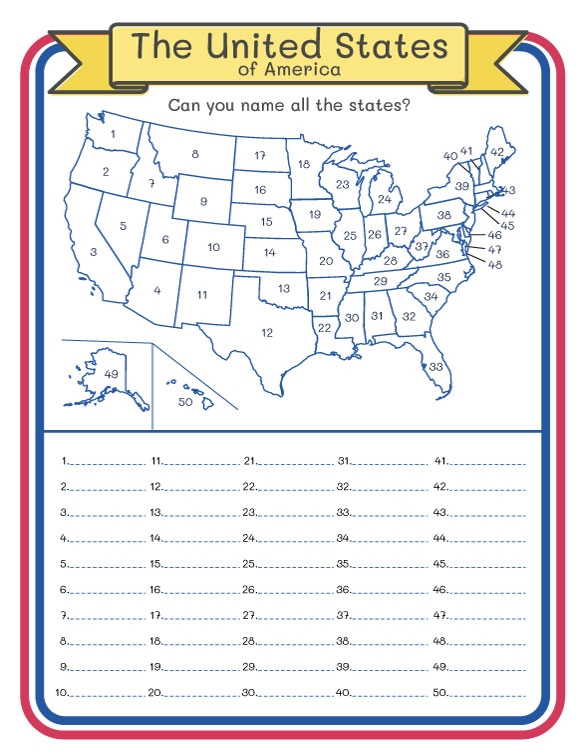
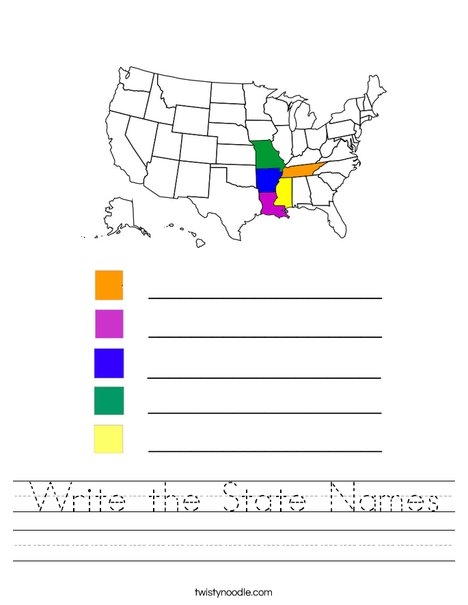
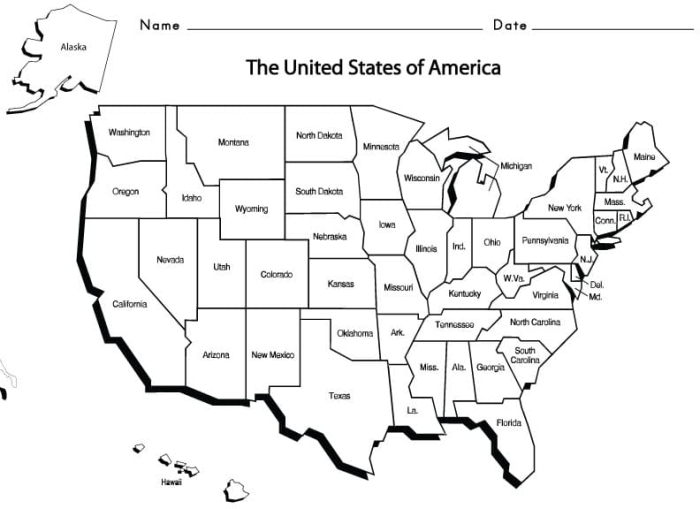
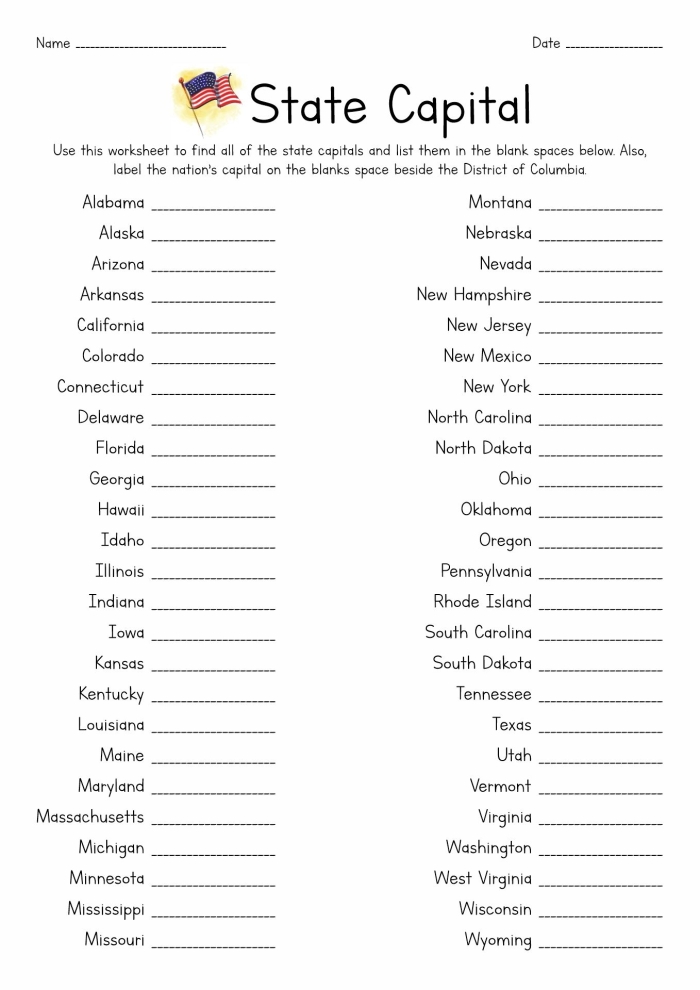
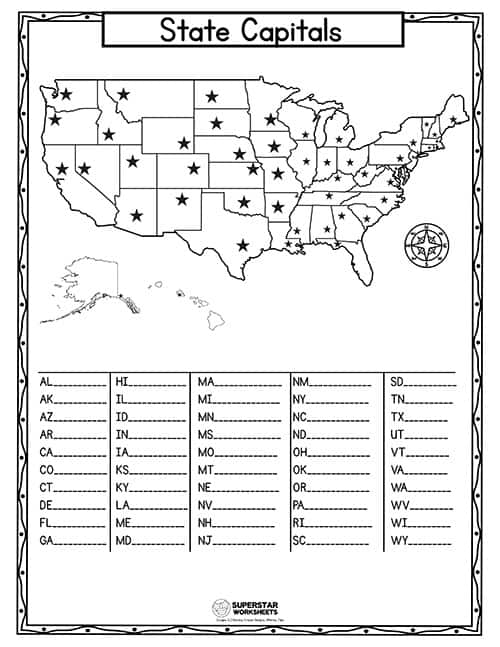
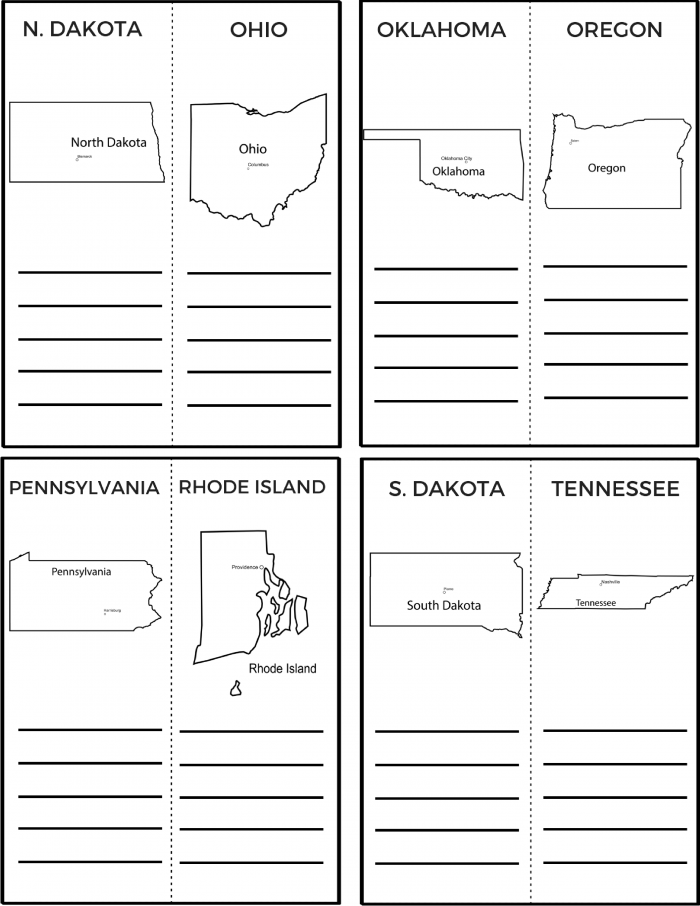
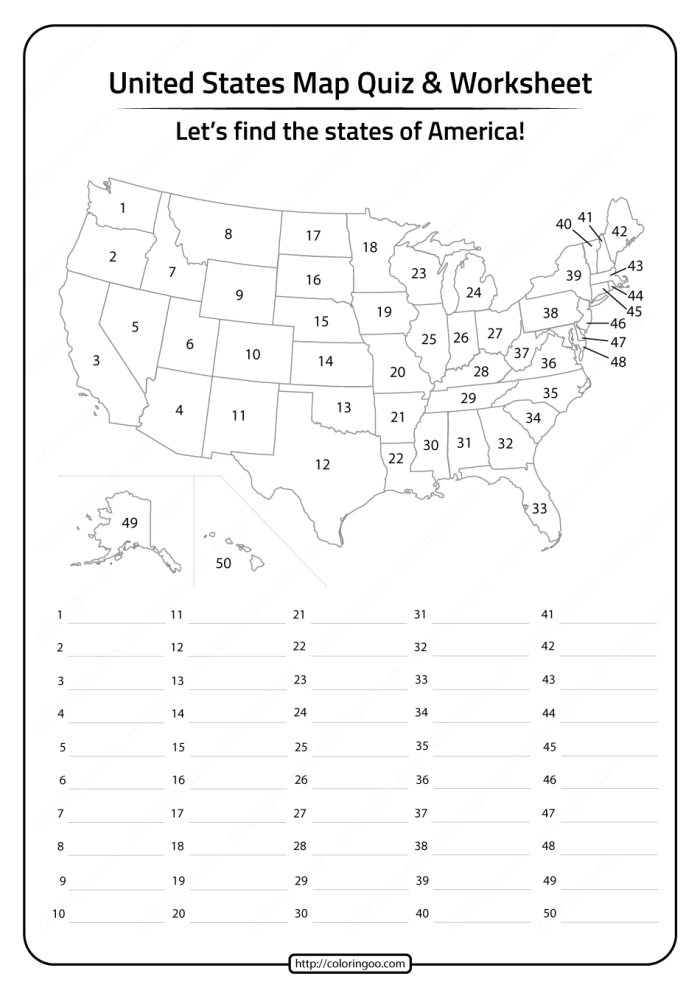
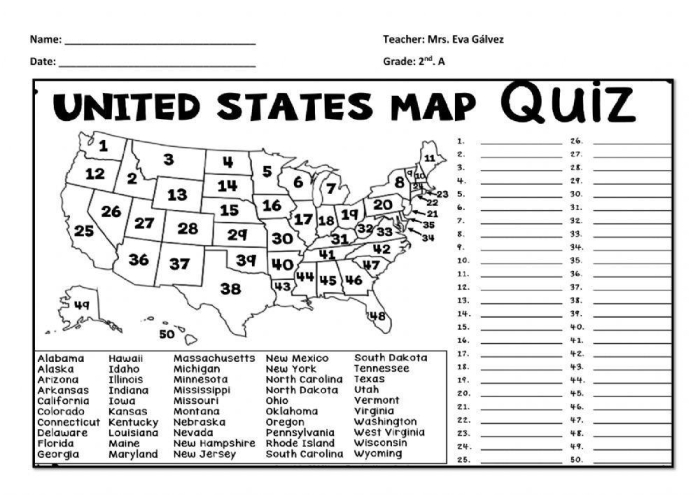
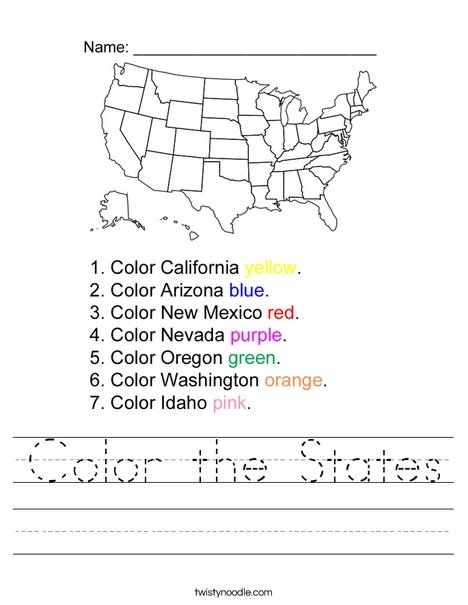
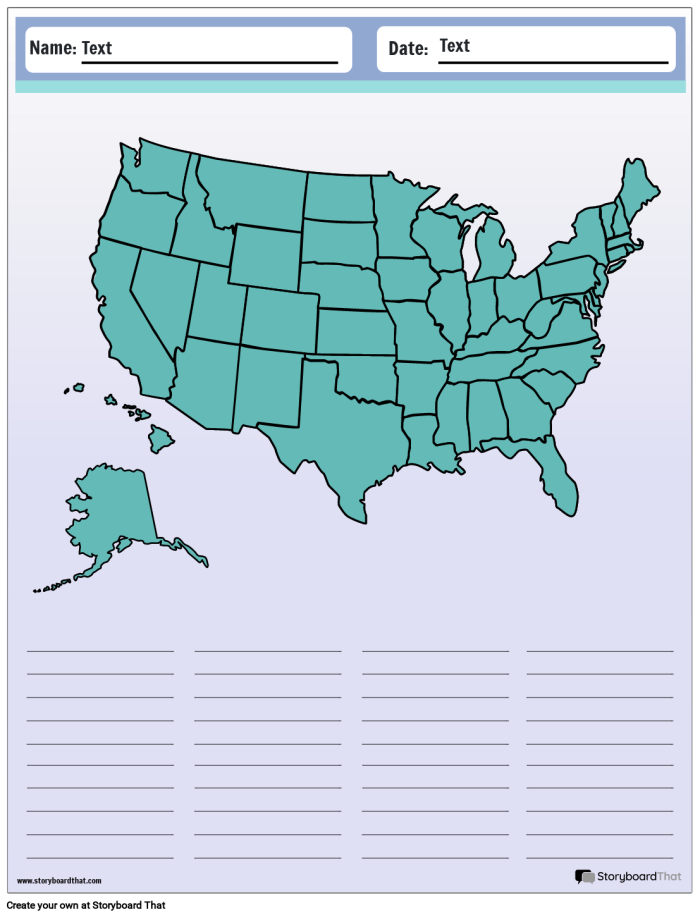
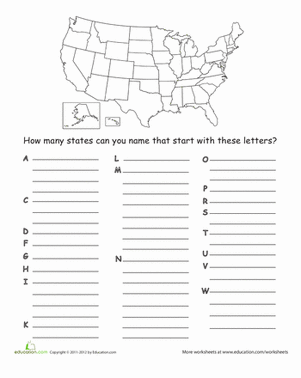
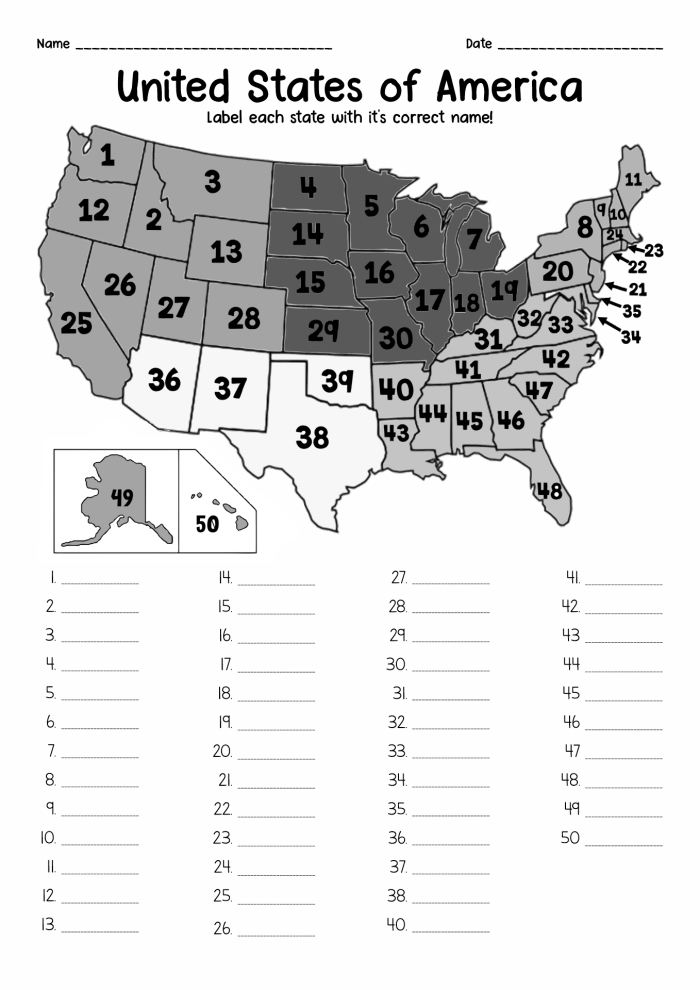
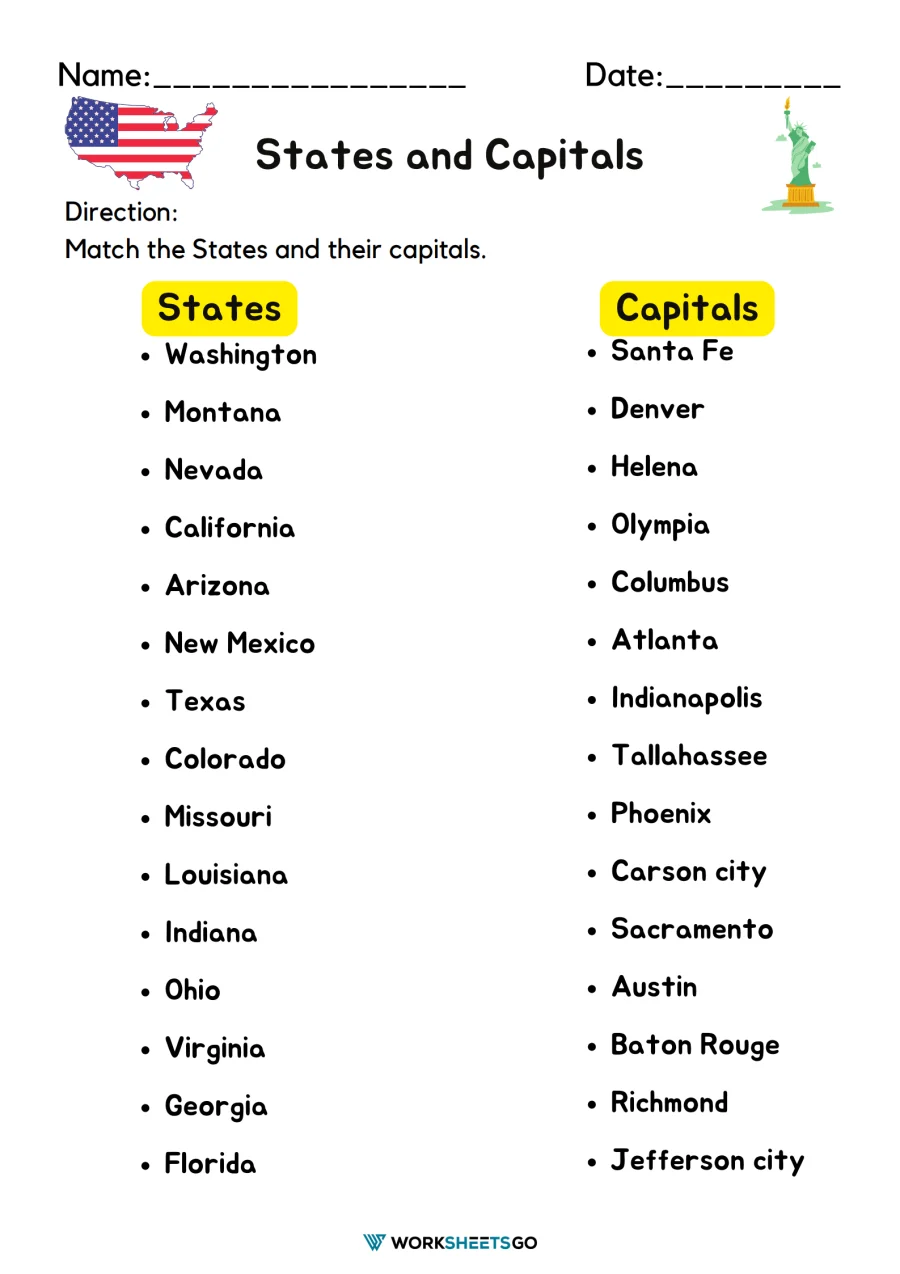
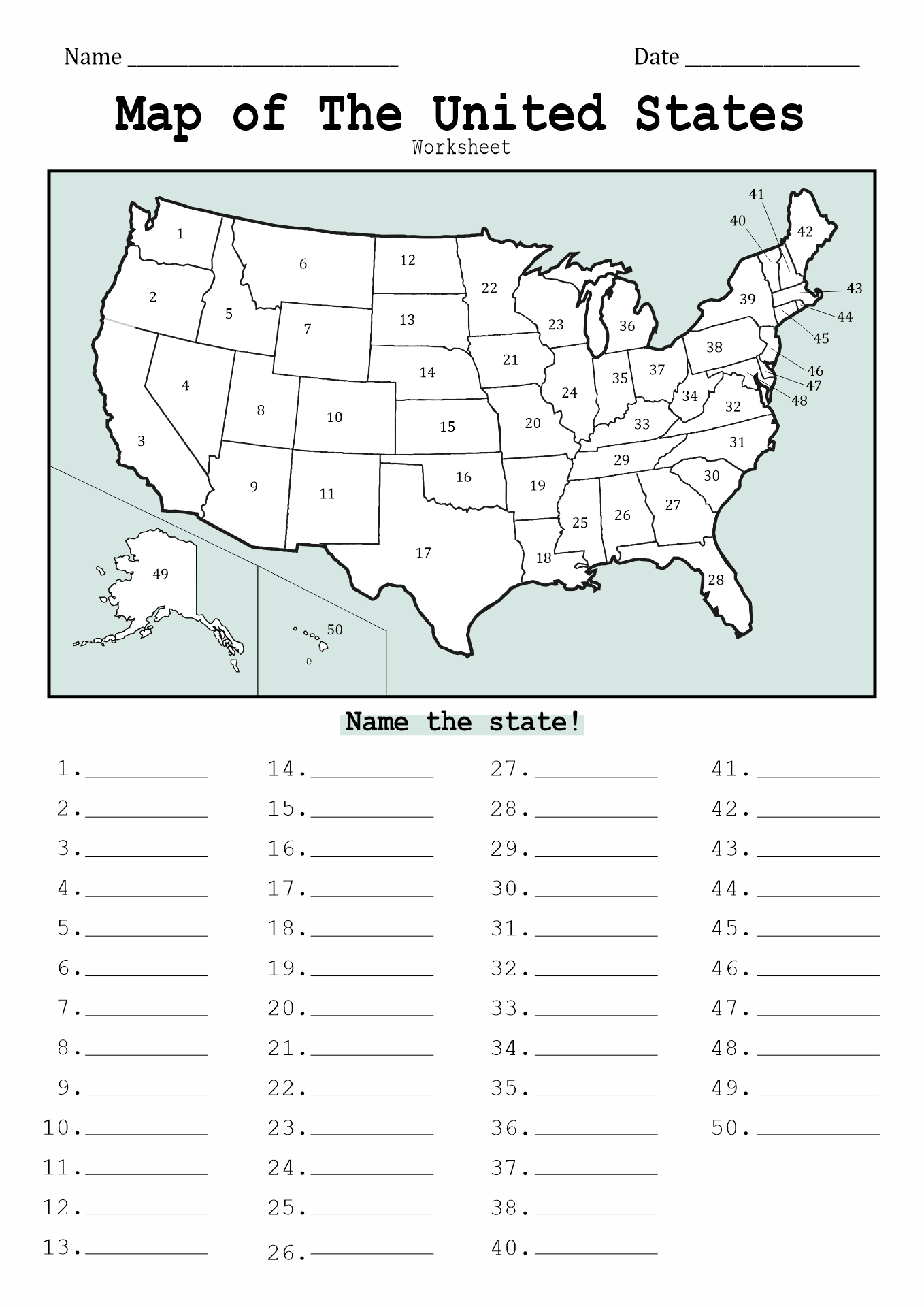
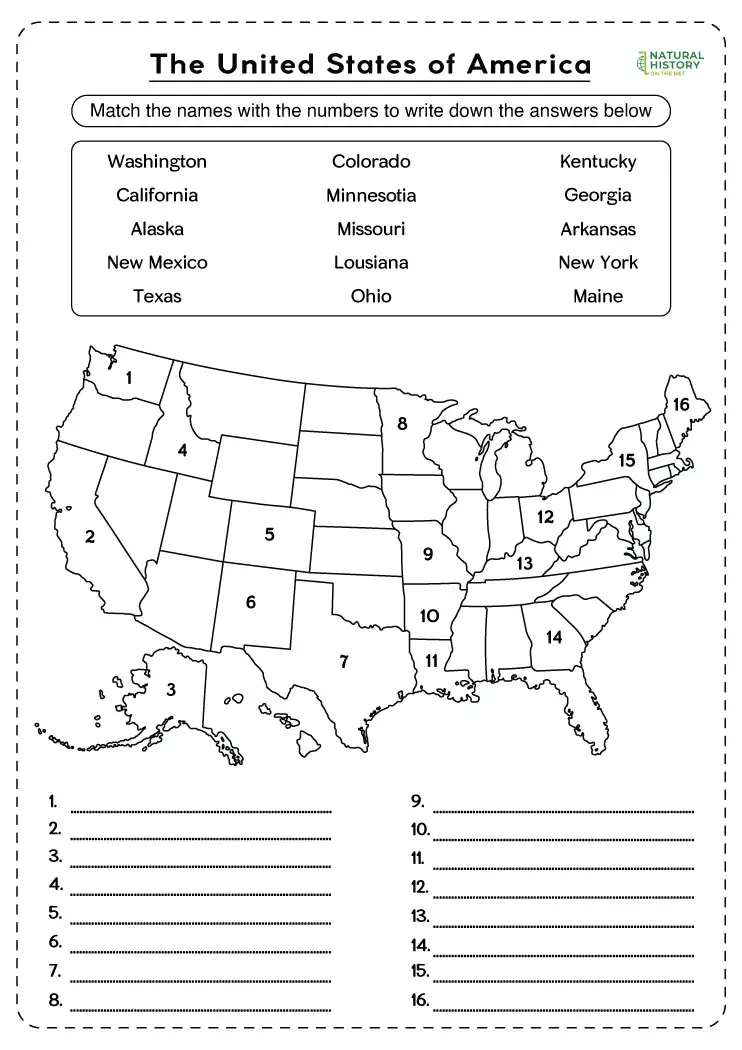
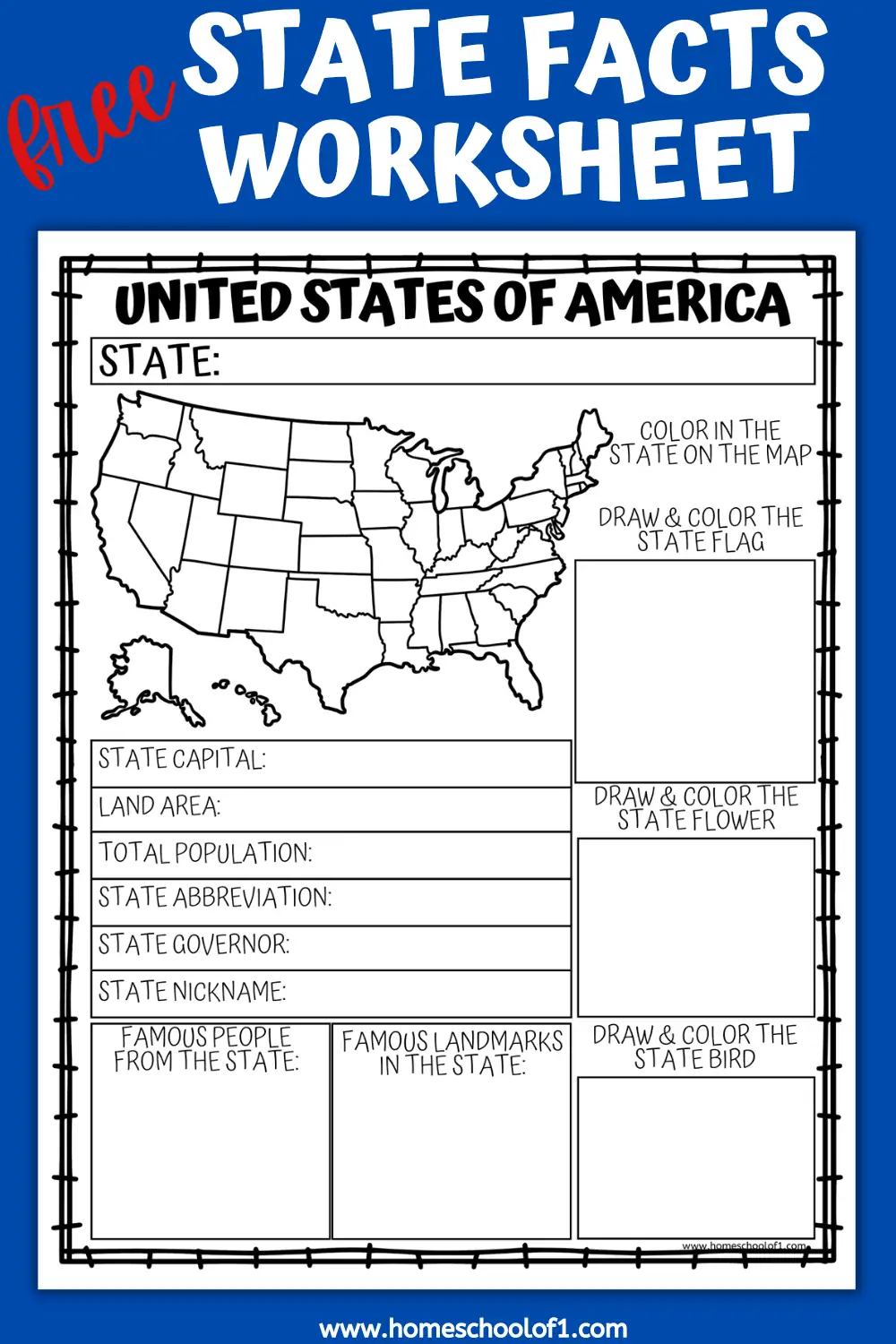
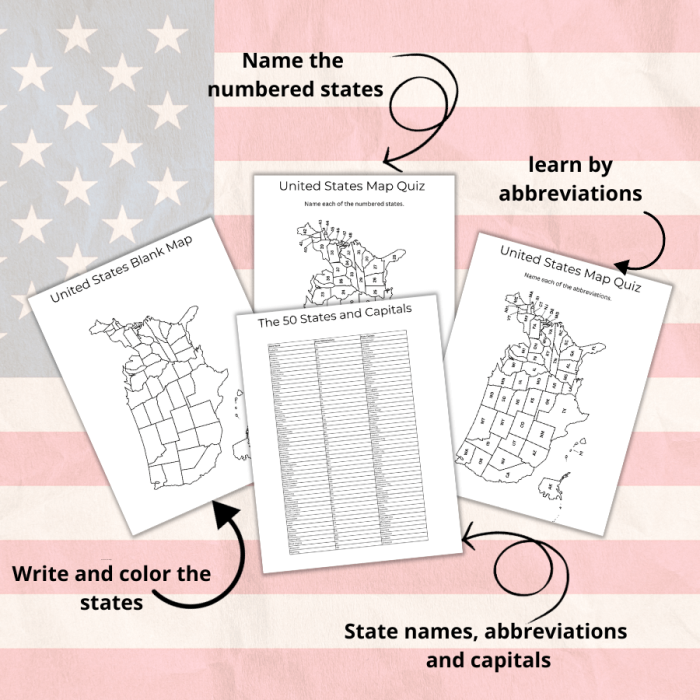
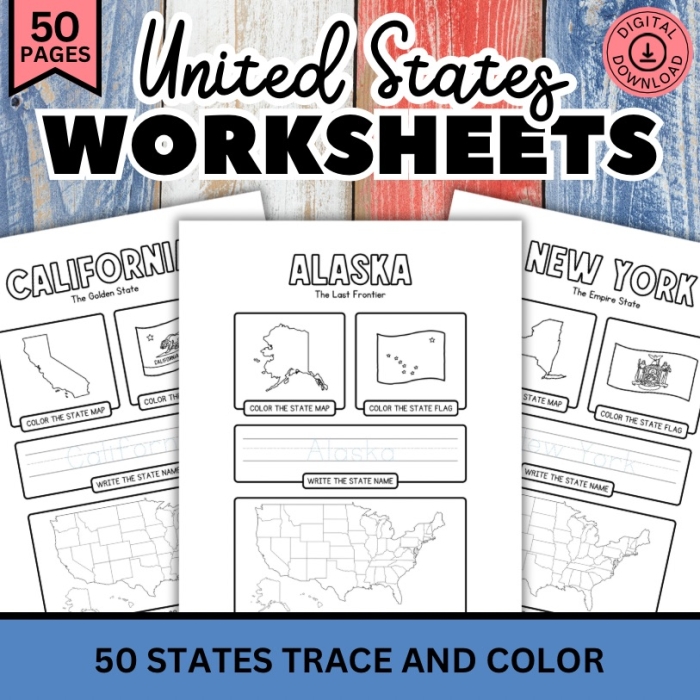
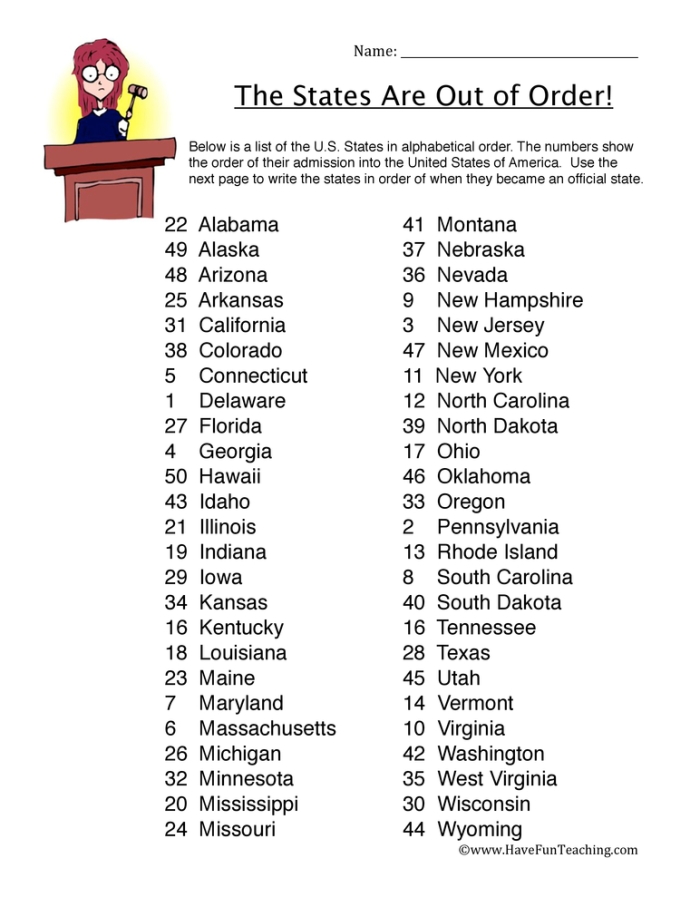
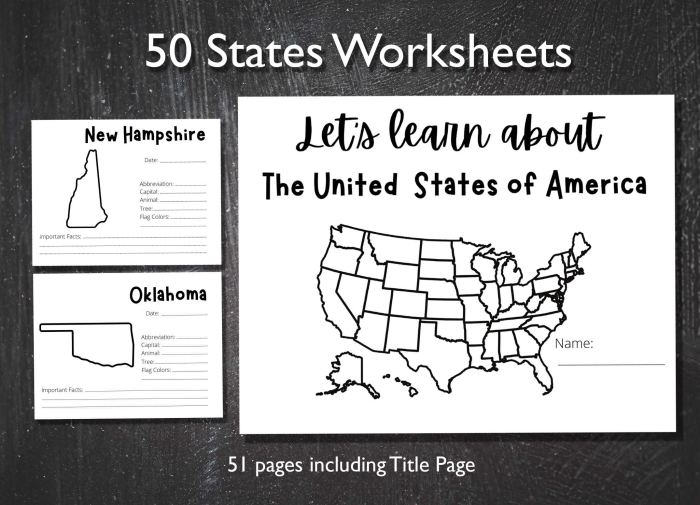
Most third graders can name the capital of their home state, but ask them to locate New York or Illinois on a blank map, and you’ll often get a blank stare. This worksheet addresses that exact gap by having students match state names to unmarked regions on a U.S. map, turning geography from abstract memorization into spatial reasoning.
The exercise works by presenting your child with a list of state names alongside a map with numbered or lettered outlines. Your child then draws lines connecting each state name to its corresponding location. This matching format removes the pressure of free recall while still requiring genuine geographic knowledge. They can’t guess randomly and succeed, because the visual layout forces them to think about where each state actually sits relative to others.
What makes this approach effective for third graders is that it builds on their existing skills in spatial reasoning and pattern recognition. By this grade level, most children can identify shapes, understand relative positions, and follow multi-step instructions. Matching activities leverage these abilities while introducing new content.
The specific states included matter too. New York sits in the Northeast, Illinois in the Midwest, and South Carolina in the Southeast, so they’re spread across different regions. This prevents your child from solving the puzzle through elimination alone and ensures they’re actually learning distinct geographic locations rather than just completing a task.
Beyond the worksheet itself, this type of practice supports broader learning. When children understand where states are located, they can better comprehend geography and problem-solving concepts taught in social studies. They start connecting physical locations to historical events, climate zones, and cultural differences they learn about throughout the year.
For parents using this at home, the worksheet works best when followed up with a globe or interactive map where your child can explore further. Let them find where they live, where grandparents live, or places they’ve visited. That connection between the worksheet and real geography makes the learning stick.
Boost Skills with These Worksheets