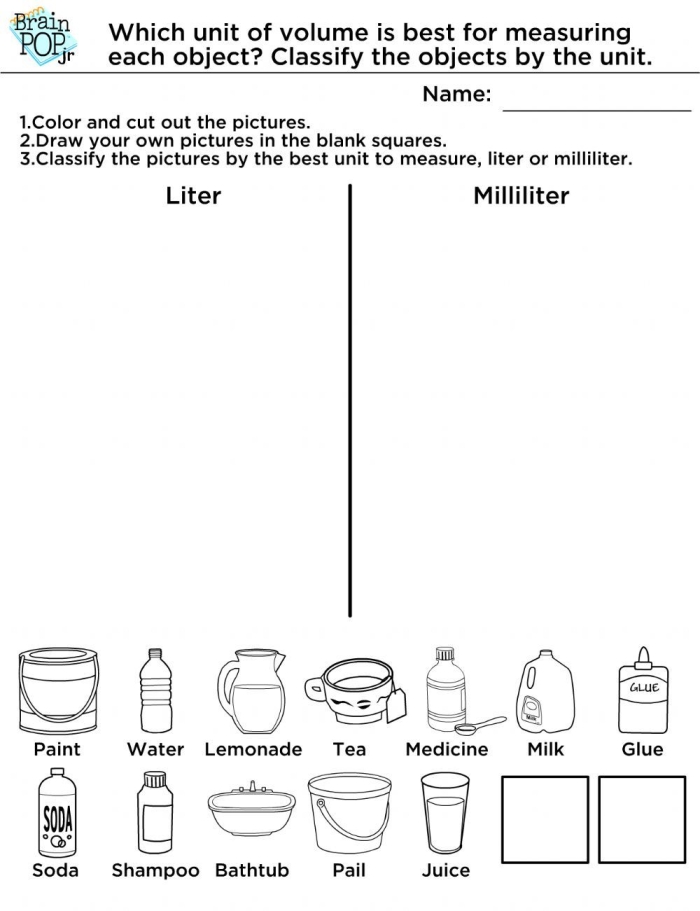
Your second grader has probably mastered counting coins and telling time, but liquid measurement often feels abstract and confusing. A weight guessing game changes that completely. Instead of staring at a worksheet, kids physically interact with containers and make predictions, turning an otherwise dry math lesson into something they actually want to do.
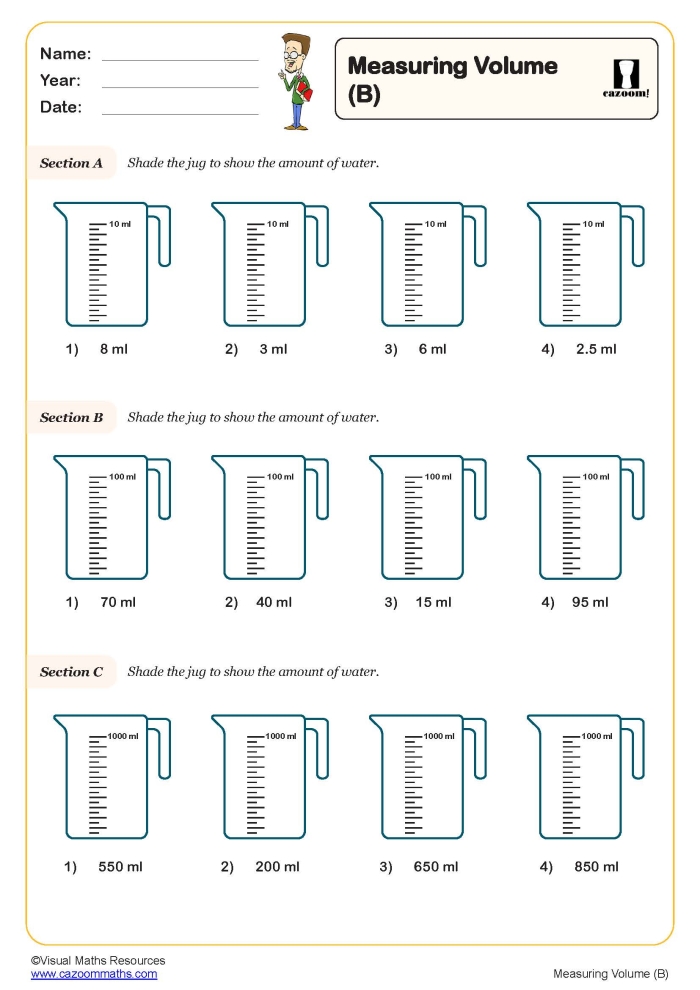
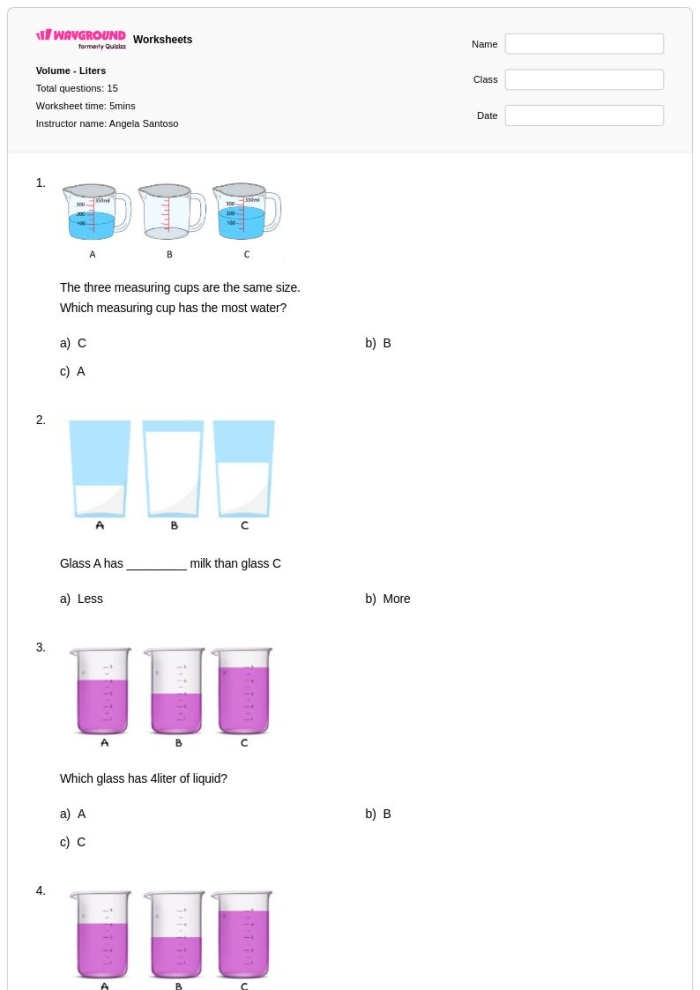
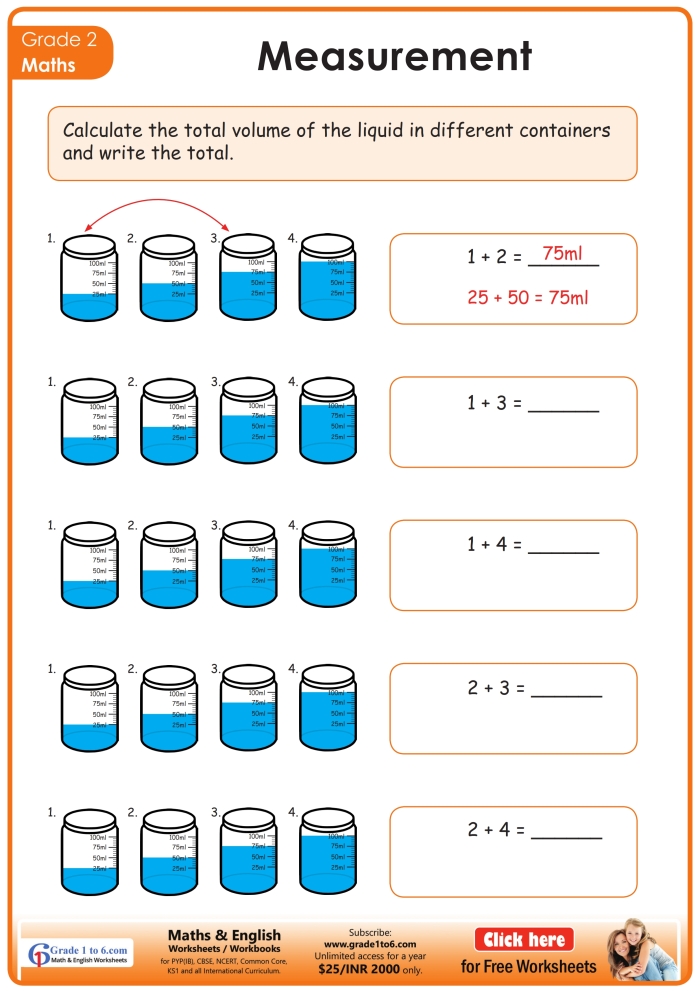
Here’s how it works: gather several clear containers of different sizes and fill them with water, sand, or rice to different levels. Ask your child to guess which container holds more, which holds less, and by how much. Start simple with obvious differences, then gradually introduce containers that are close in volume. This forces them to think carefully rather than relying on visual shortcuts.
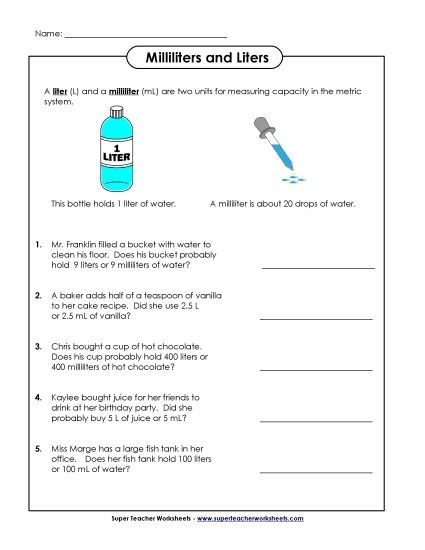
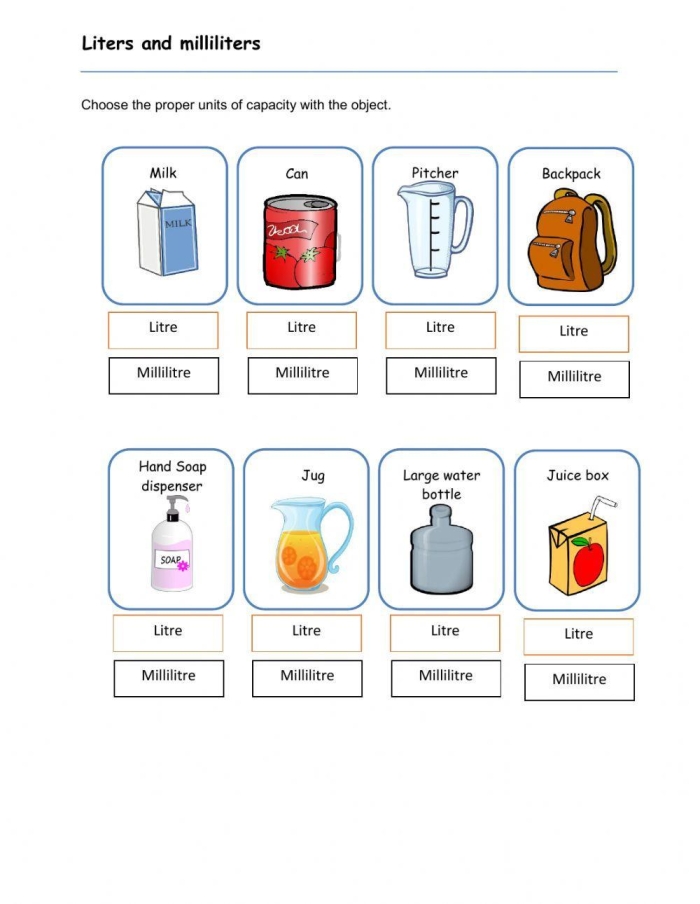
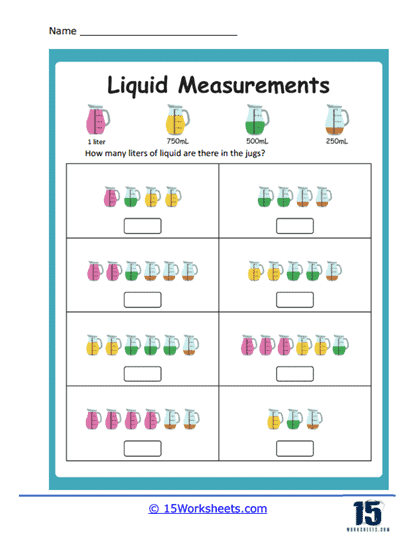
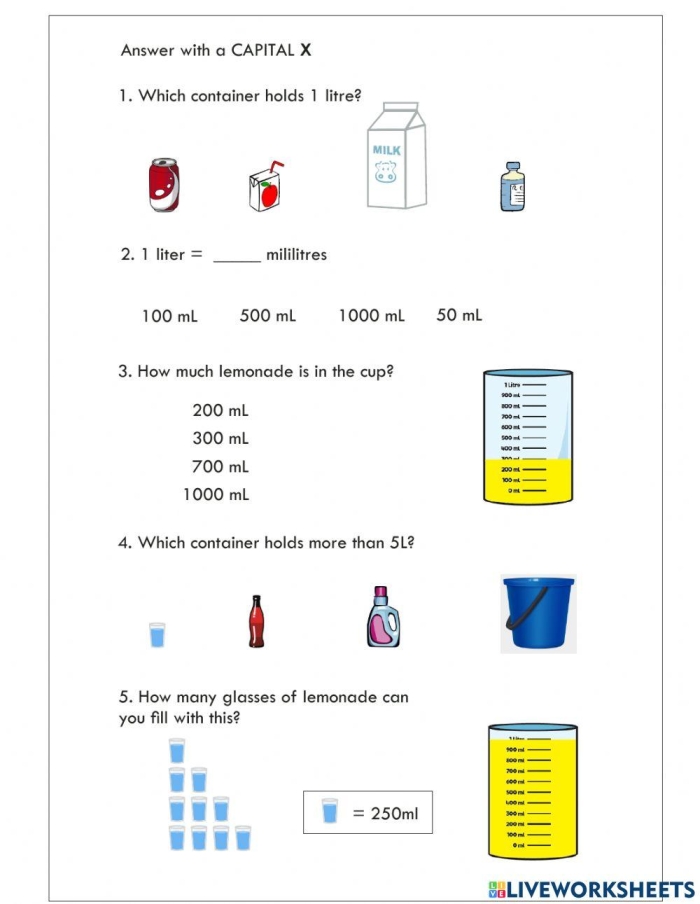
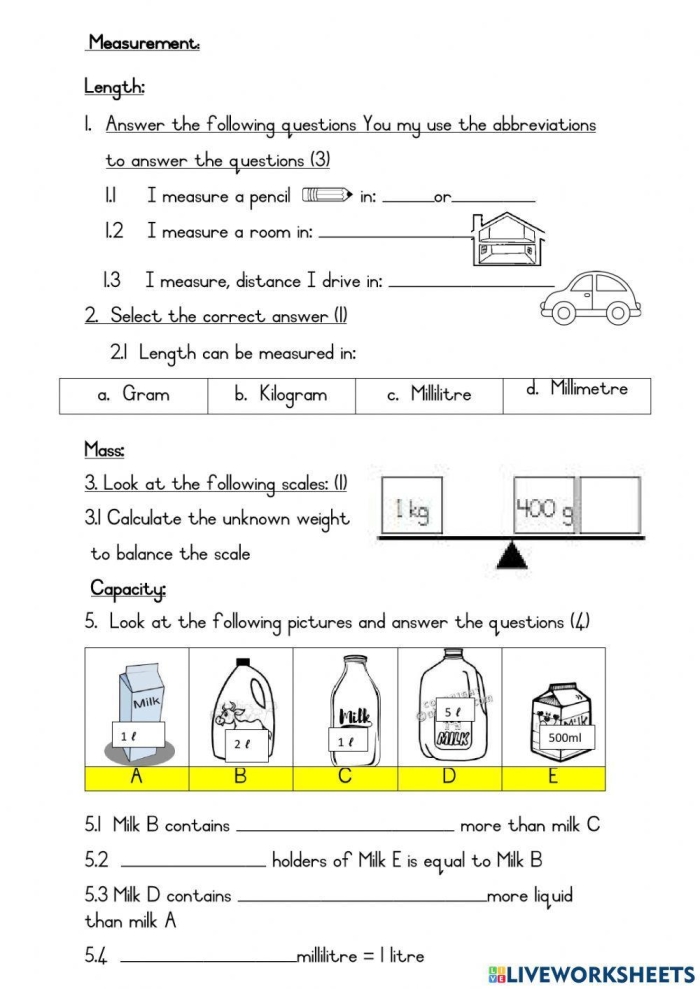
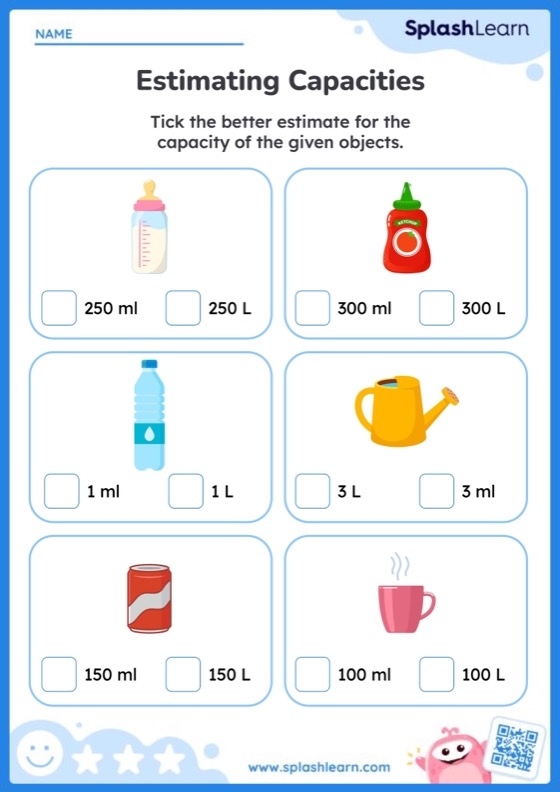
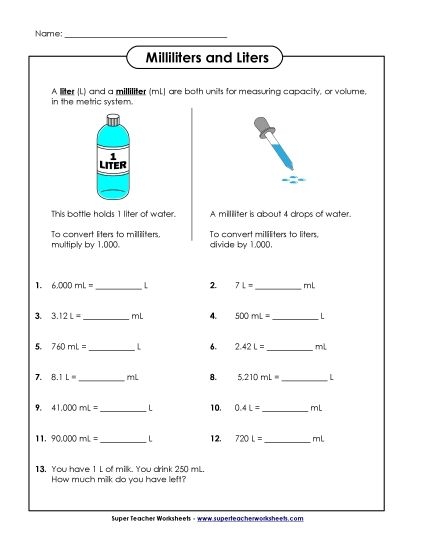
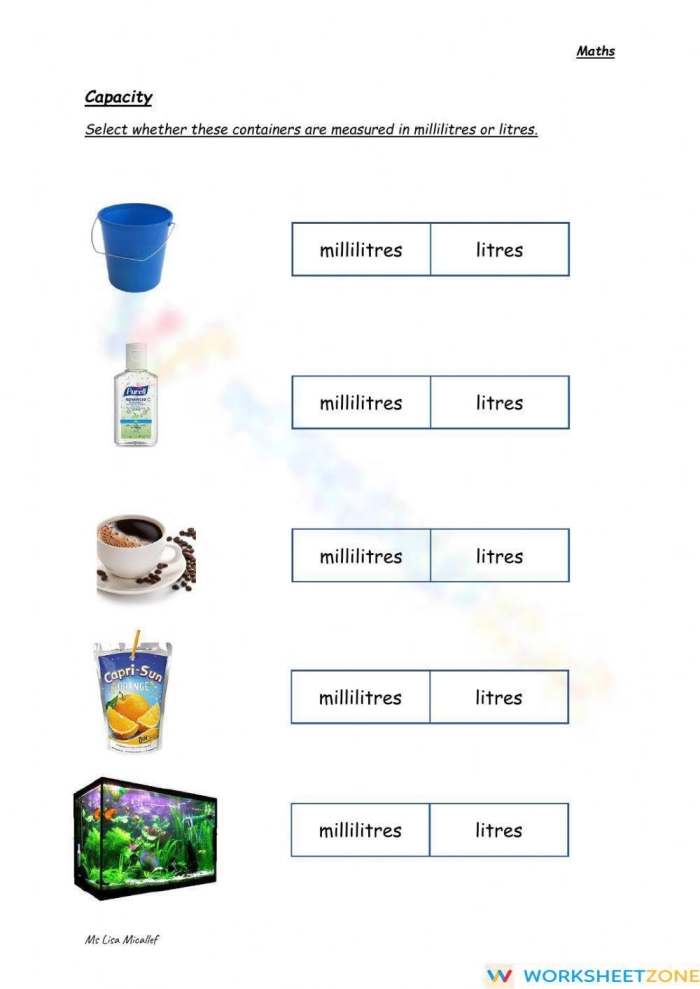
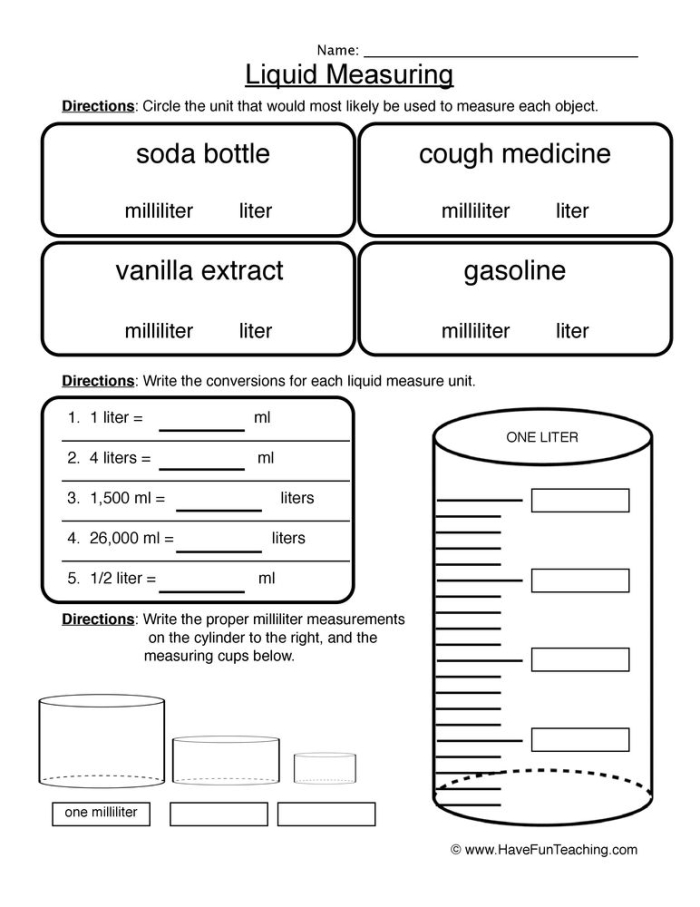
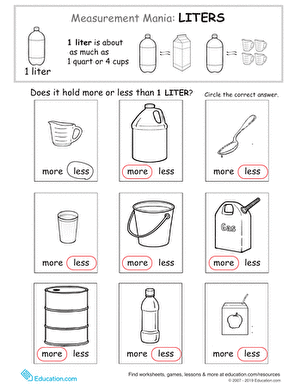
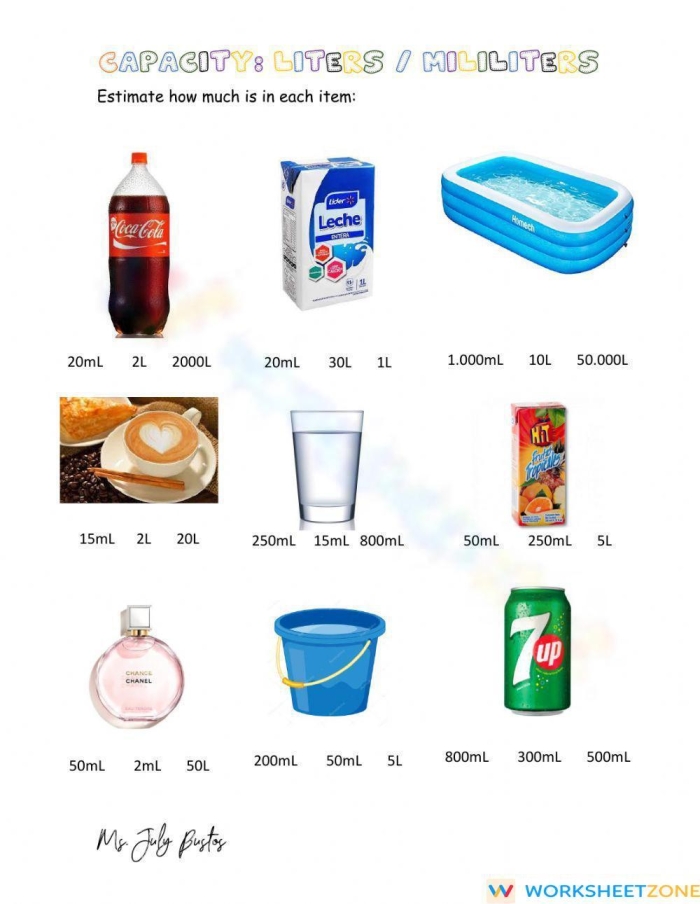
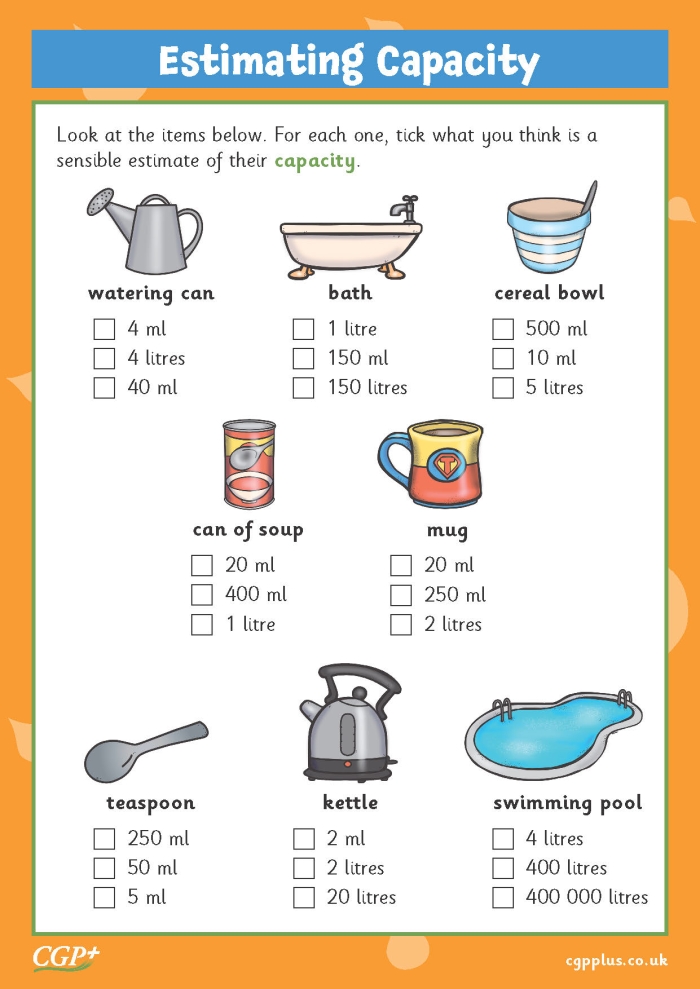
The real learning happens when you introduce liters as the measurement unit. Show your child a one-liter bottle (most milk jugs are close to this size) and use it as a reference point. Can the container hold more than one liter or less? Is it about half a liter? These comparisons build intuition about what a liter actually means in physical terms.
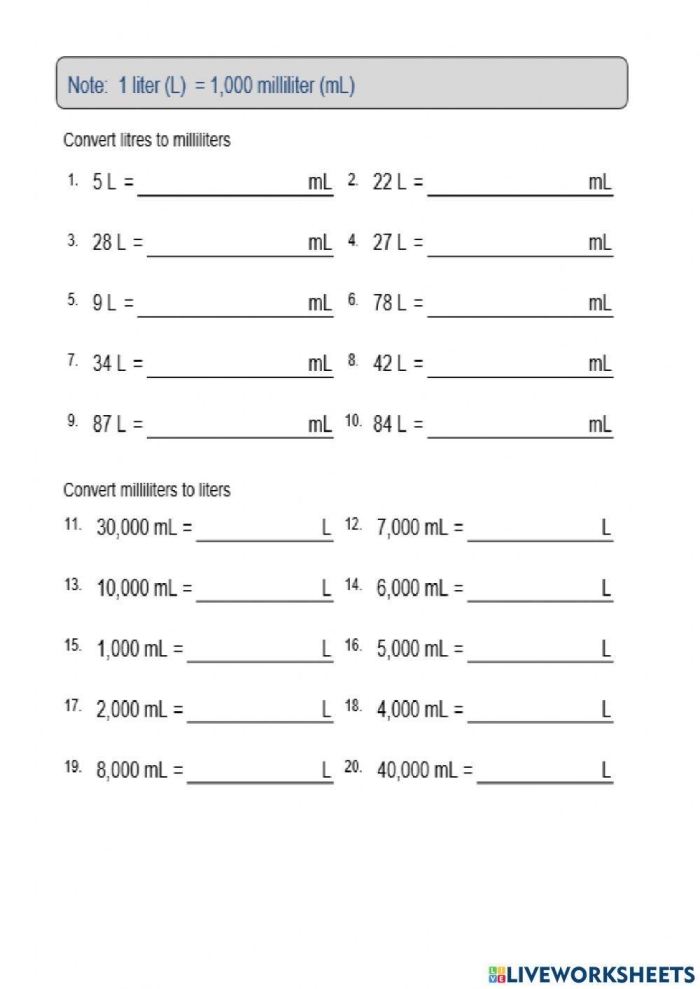
Second graders benefit from this hands-on approach because place value becomes tangible. Understanding that 1,000 milliliters equals one liter makes more sense when they’ve held both amounts. This foundation supports their later work with larger measurement conversions.
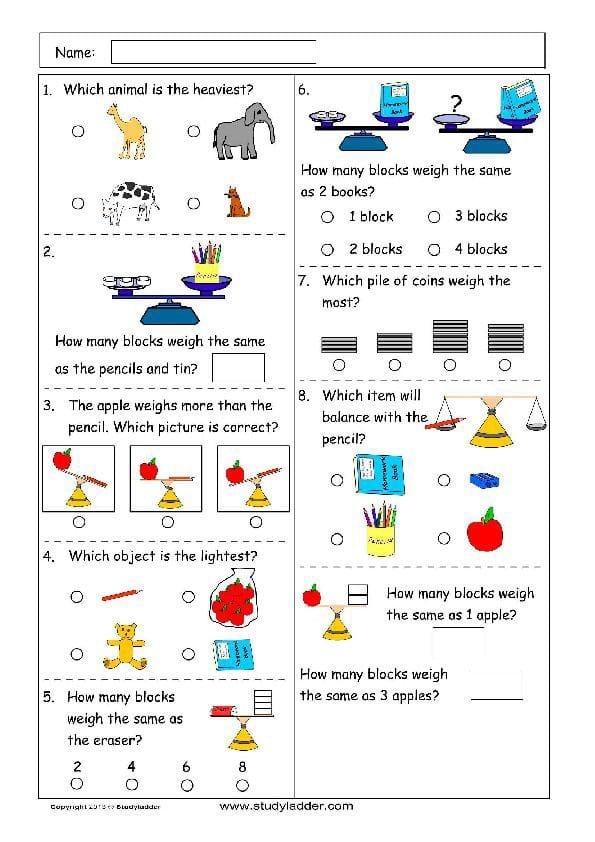
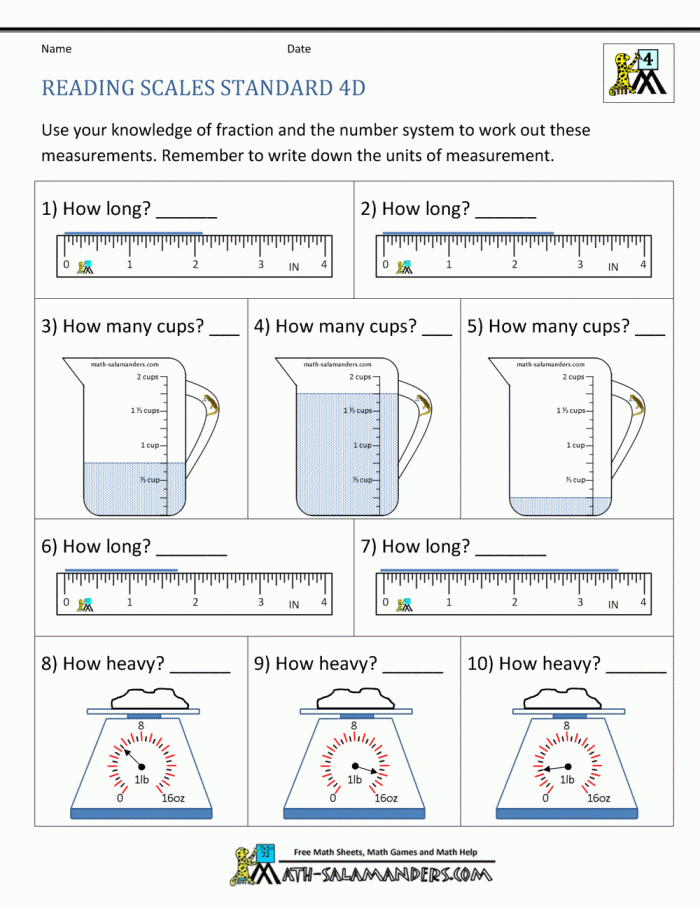
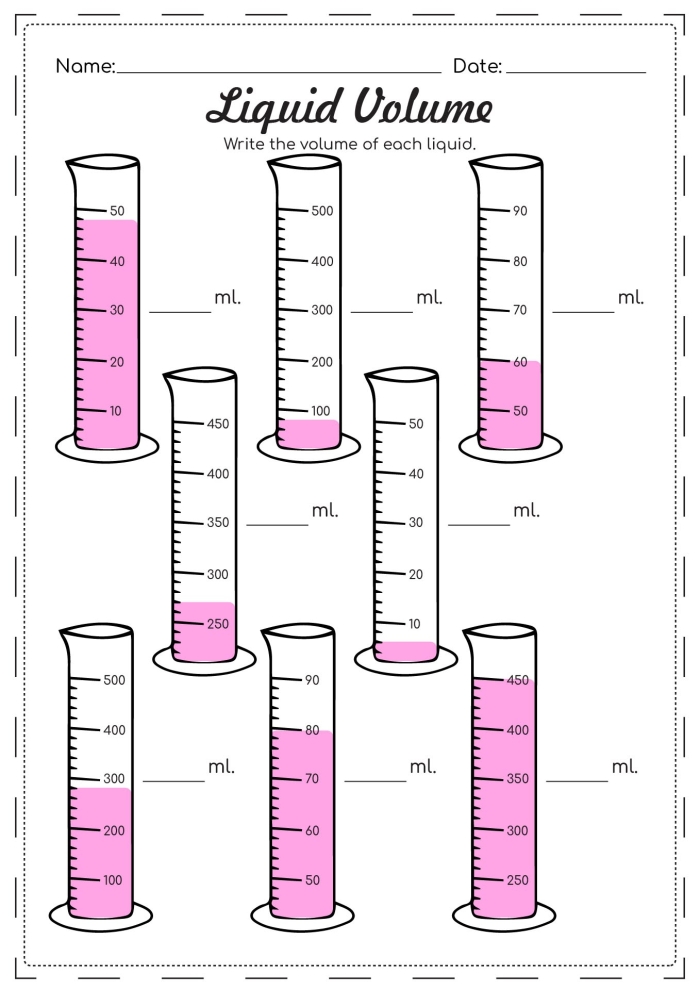
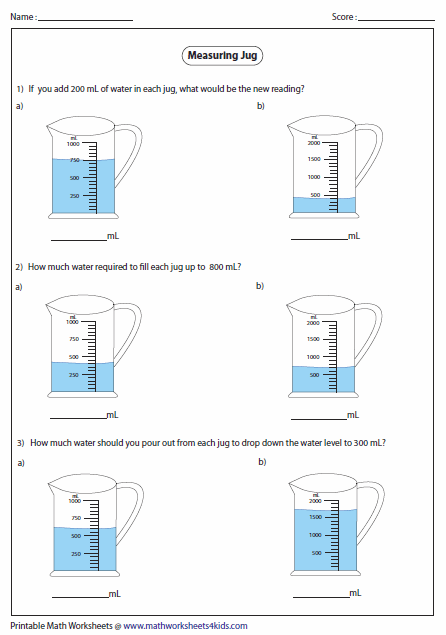
Pair this game with written practice to reinforce the concept. Activities like counting change and working with time and money develop similar estimation skills, while reading logs and graphing exercises help kids organize their findings. The combination of guessing games and structured worksheets keeps measurement practice engaging without feeling repetitive.
Try These Printable Worksheets