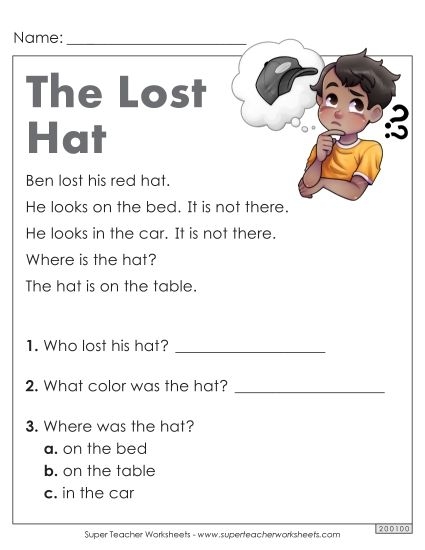
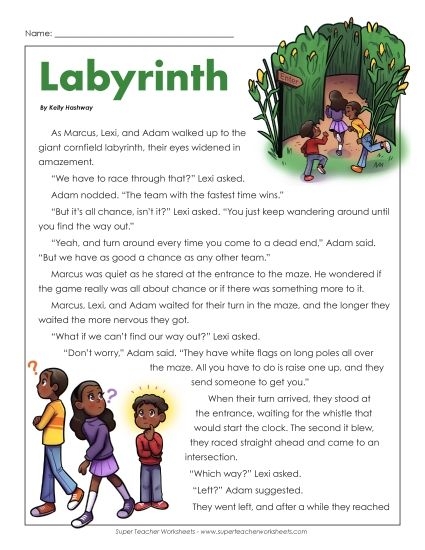
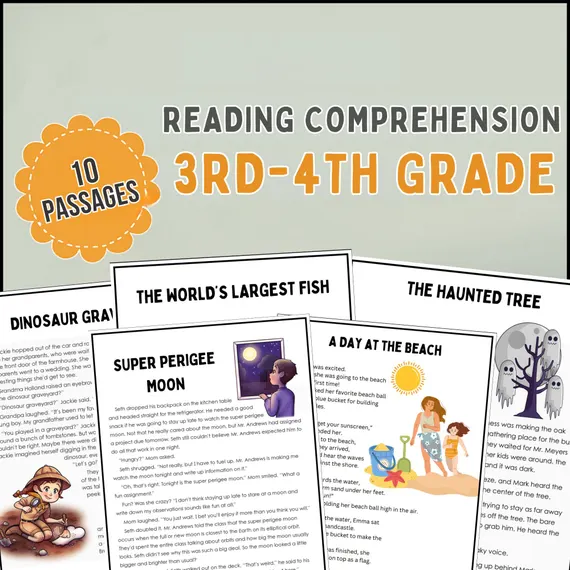
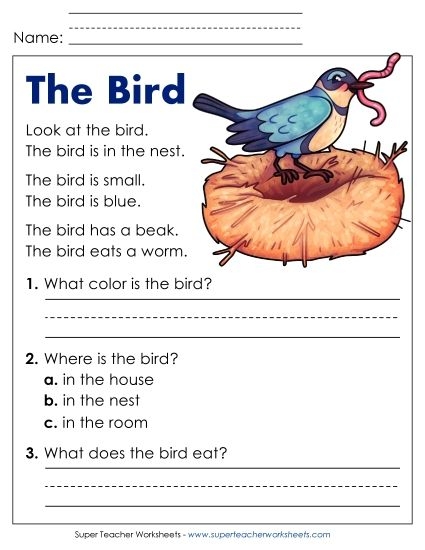
When first graders encounter a page filled with pictures instead of dense paragraphs, something shifts. The anxiety that often comes with “reading” disappears, replaced by curiosity. Picture comprehension works because it removes the barrier of decoding words while keeping the essential skill intact: understanding what’s happening in a story or scenario.
At the first grade level, children are still building foundational skills across multiple areas. They’re learning letter sounds, beginning to blend words, and developing the confidence that comes with early literacy success. Picture comprehension fits perfectly into this stage because it lets kids demonstrate understanding without getting stuck on difficult words. A child who struggles with phonics can still tell you what the cat is doing in the image, what the weather looks like, or how many objects appear in the scene.
The beauty of this approach is that it naturally bridges visual learning and language development. When you ask a child to identify what’s happening in a picture, you’re asking them to observe details, make connections, and communicate their thoughts. These are the same cognitive processes required for reading comprehension, just without the decoding demands.
Picture comprehension worksheets work particularly well when combined with other foundational learning. For instance, pairing visual activities with picture comprehension and place value exercises helps children see how different skills connect. You might show a picture with groups of objects and ask both “What do you see?” and “How many are there?” simultaneously.
Teachers and parents often notice that children who start with picture-based activities gain confidence faster. They’re willing to participate, eager to share their observations, and less afraid of making mistakes. This positive early experience with comprehension tasks sets the stage for tackling more complex reading challenges later on.
Printable Worksheets for Practice