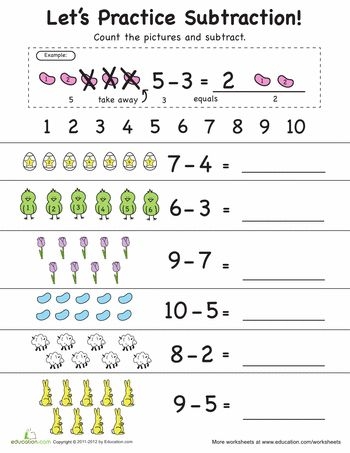
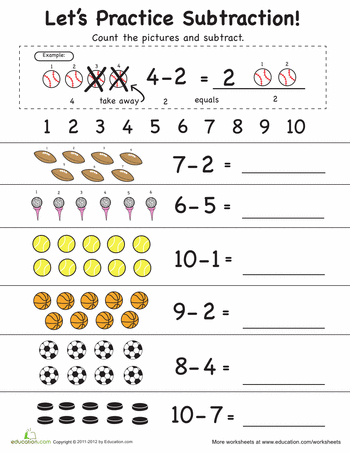
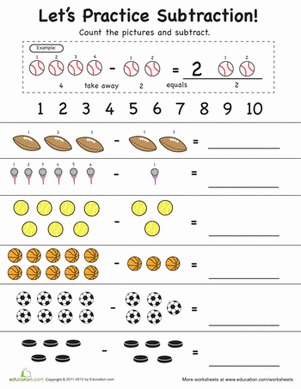
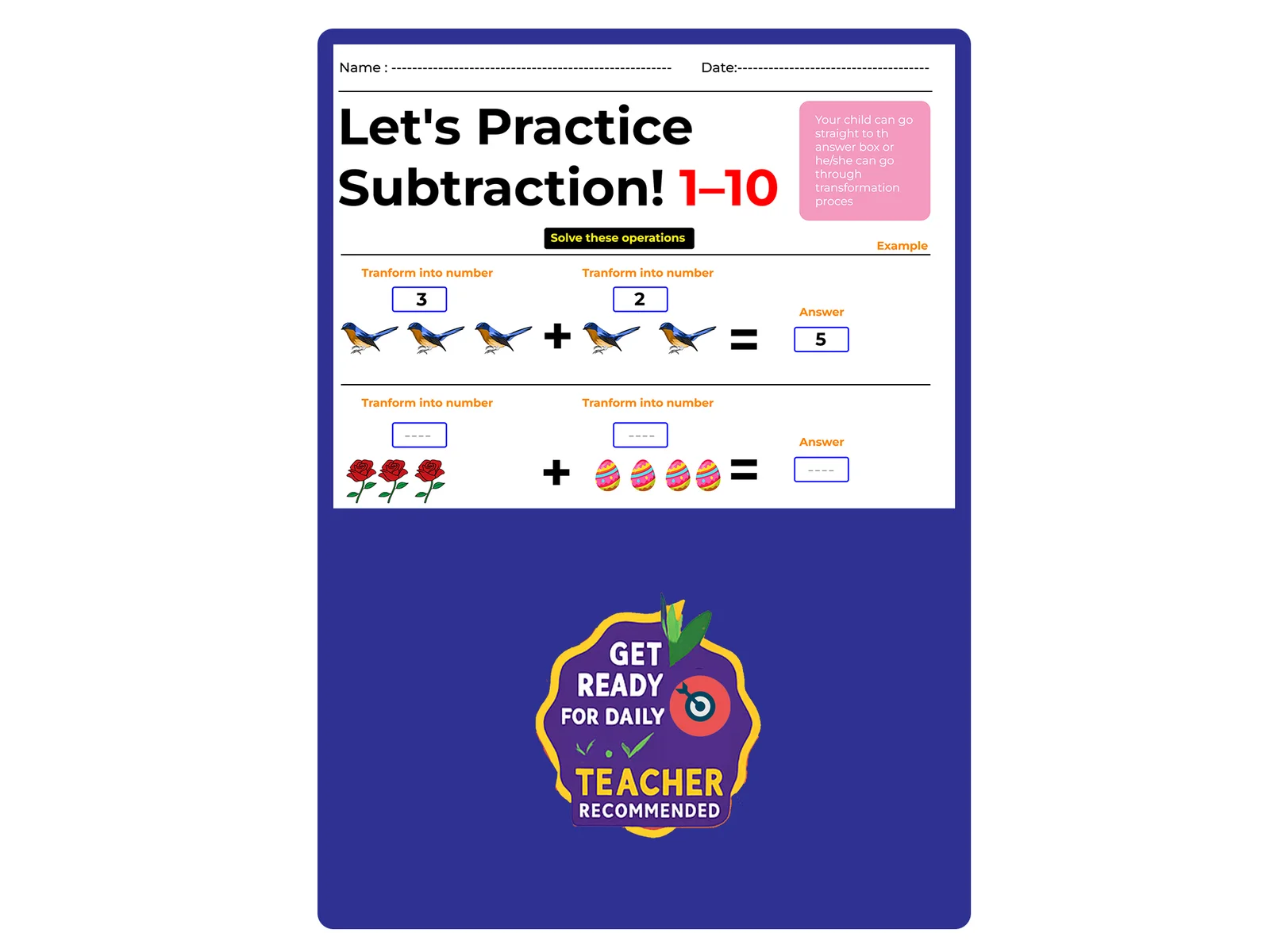
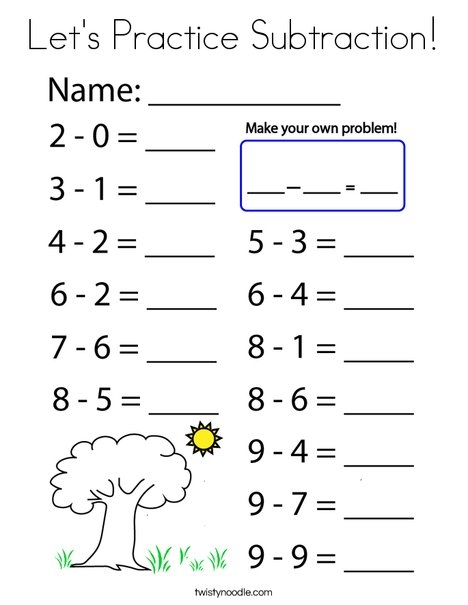
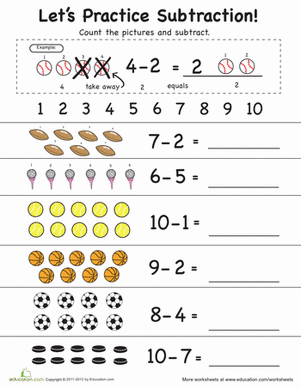
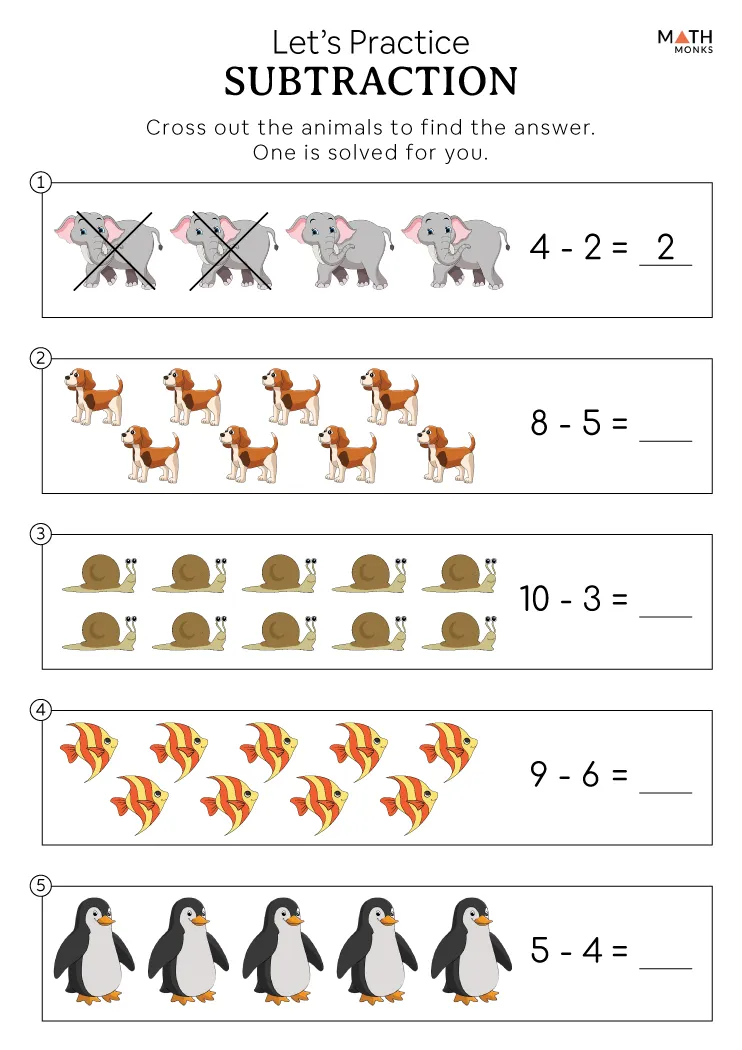
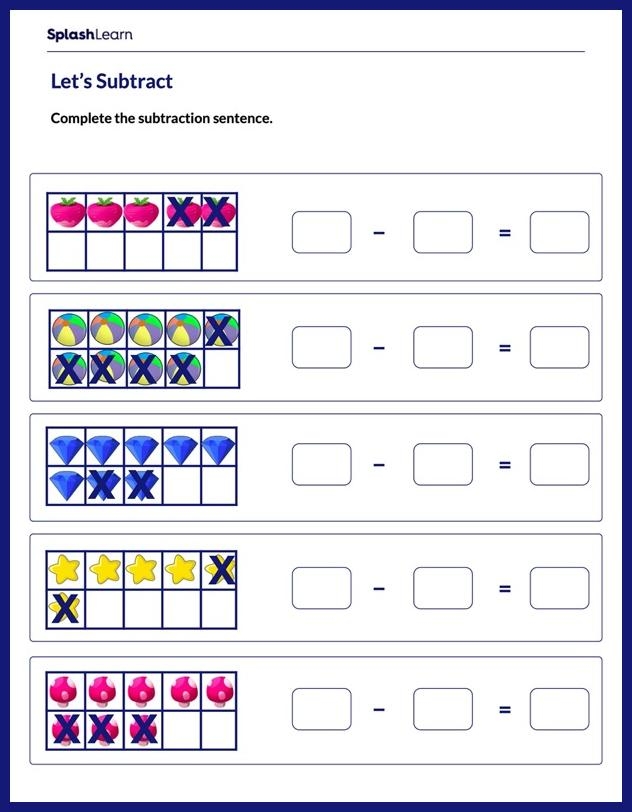
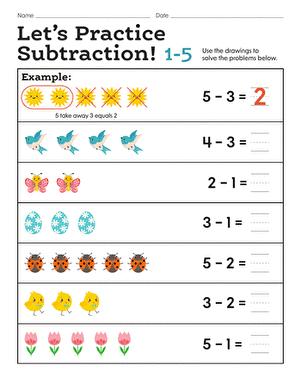
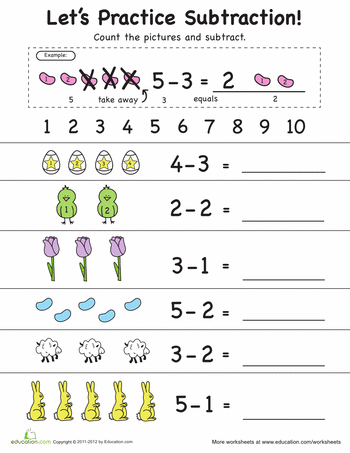
Spring arrives with more than just warmer weather and blooming flowers. It brings a perfect opportunity to introduce subtraction in ways that actually capture young learners’ attention. A spring-themed math worksheet lets children subtract bees, hens, daffodils, and other seasonal imagery, turning abstract number concepts into something they can visualize and relate to their own experiences.
For Pre-K students, subtraction can feel intimidating when presented as bare numbers on a page. Concrete visual contexts change everything. When a child sees five bees and removes two, they’re not just manipulating symbols. They’re watching something happen. This makes the math tangible and memorable in ways that pure numerals cannot achieve.
The beauty of spring-themed materials lies in their natural appeal to young learners. Children already notice flowers blooming, insects returning, and animals becoming active again. By anchoring subtraction practice within these observations, educators tap into what kids already find interesting. A worksheet featuring daffodils or hens connects math to the child’s actual world rather than existing in isolation.
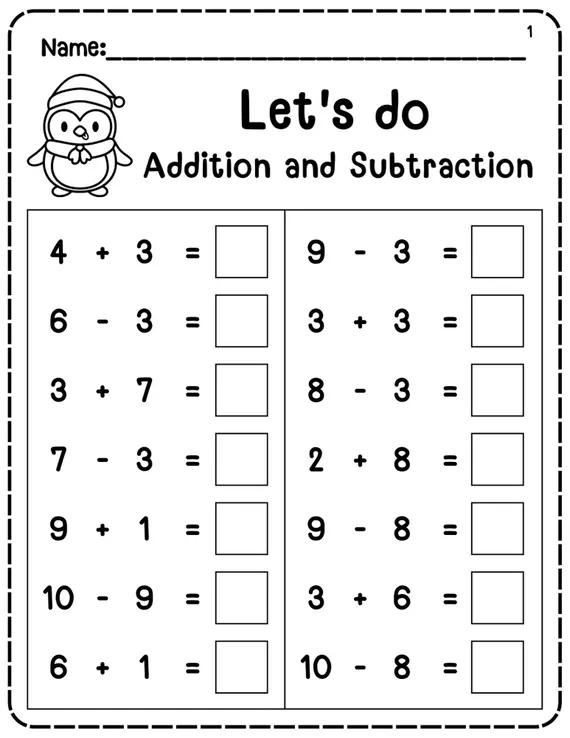
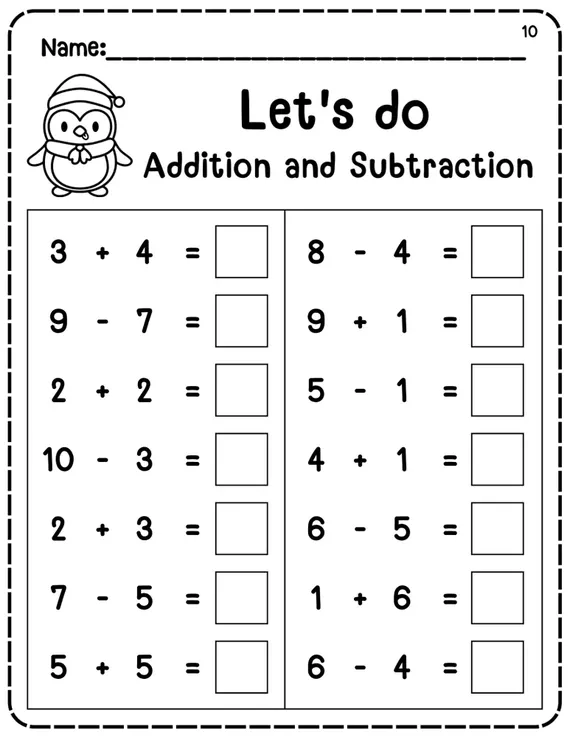
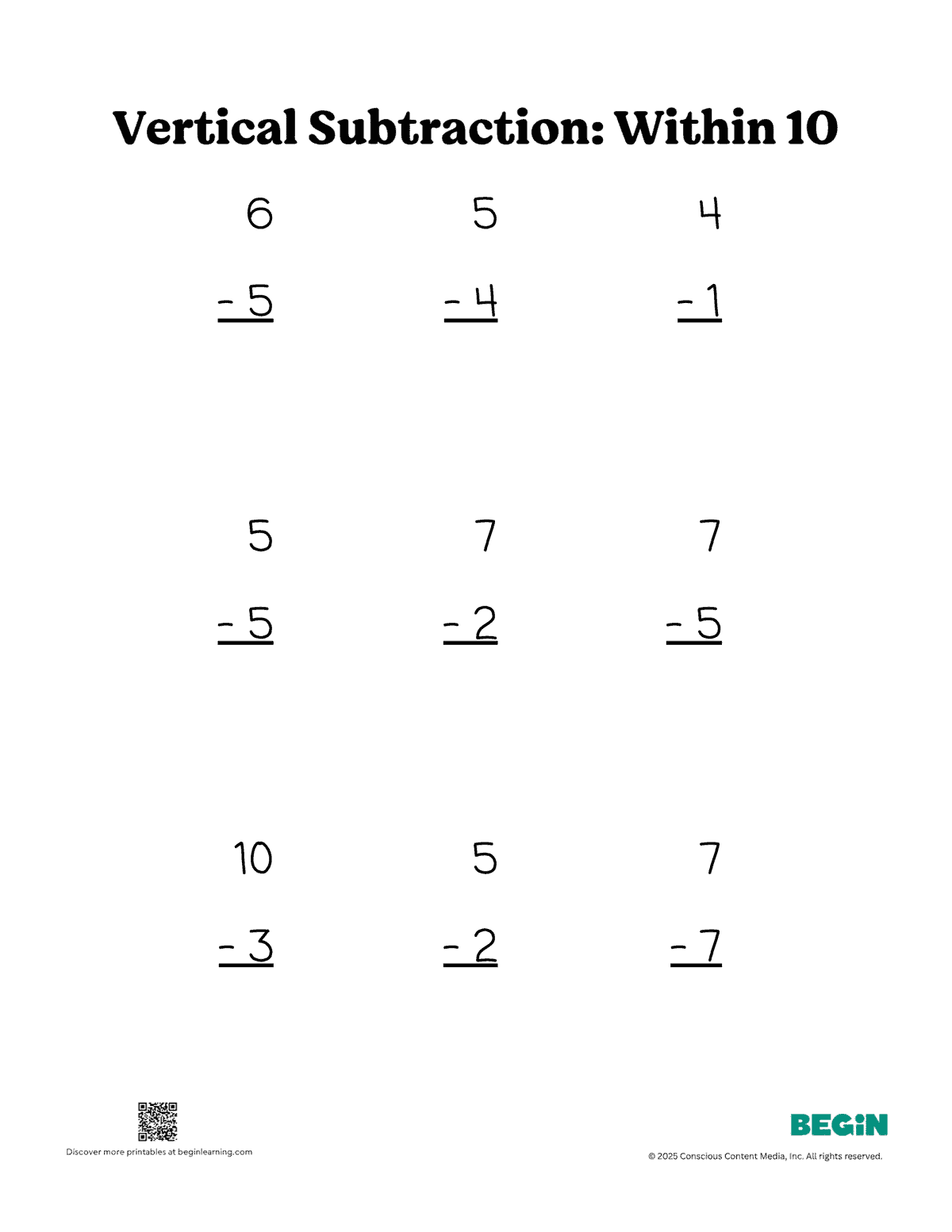
These worksheets typically focus on subtraction within the 1-10 range, which aligns with Pre-K and early kindergarten standards. The visual nature of spring imagery helps children develop number sense while practicing basic facts. When working through mixed operations activities, learners build confidence handling different problem types simultaneously.
Pairing spring-themed subtraction with other learning approaches strengthens retention. Children who work with living things in mixed operations activities develop stronger connections between math and their environment. Similarly, combining subtraction practice with alphabet work or size recognition reinforces multiple skills at once.
The seasonal nature of these materials means they remain fresh and engaging year after year. Teachers can pull them out each spring, knowing that bees, hens, and daffodils will continue to capture young imaginations while building essential math foundations.
Download These Worksheets for Practice