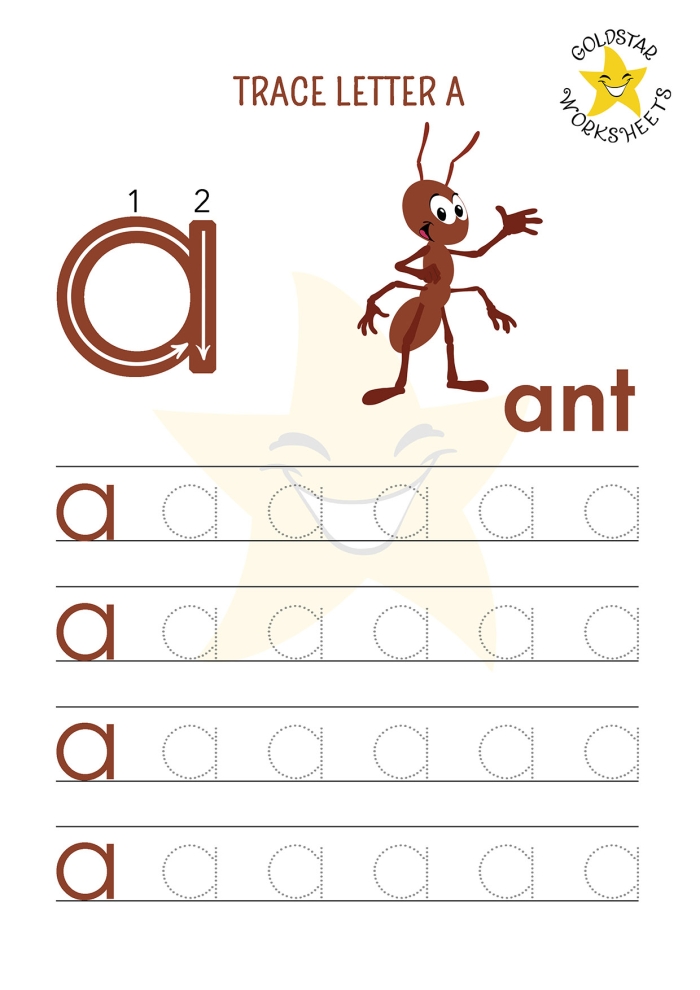
Helping your little one develop handwriting skills early on can make a real difference in their confidence and ability to express themselves. When children learn to write, it’s not just about making letters—it’s about understanding the specific motions needed to form each stroke. For Pre-K learners, practicing these movements slowly and deliberately helps build the muscle memory essential for neat, efficient handwriting.
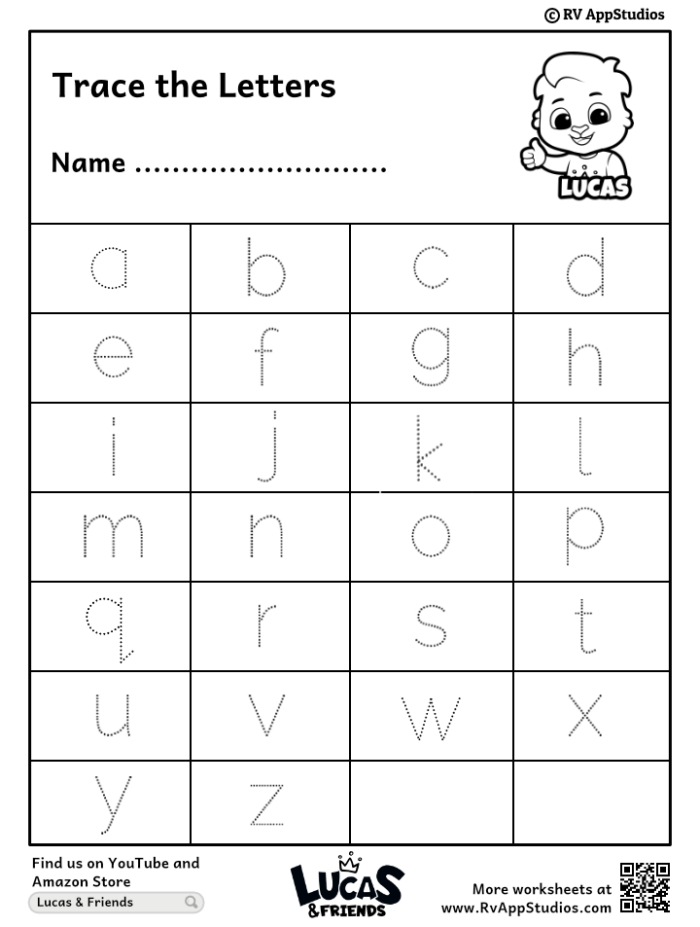
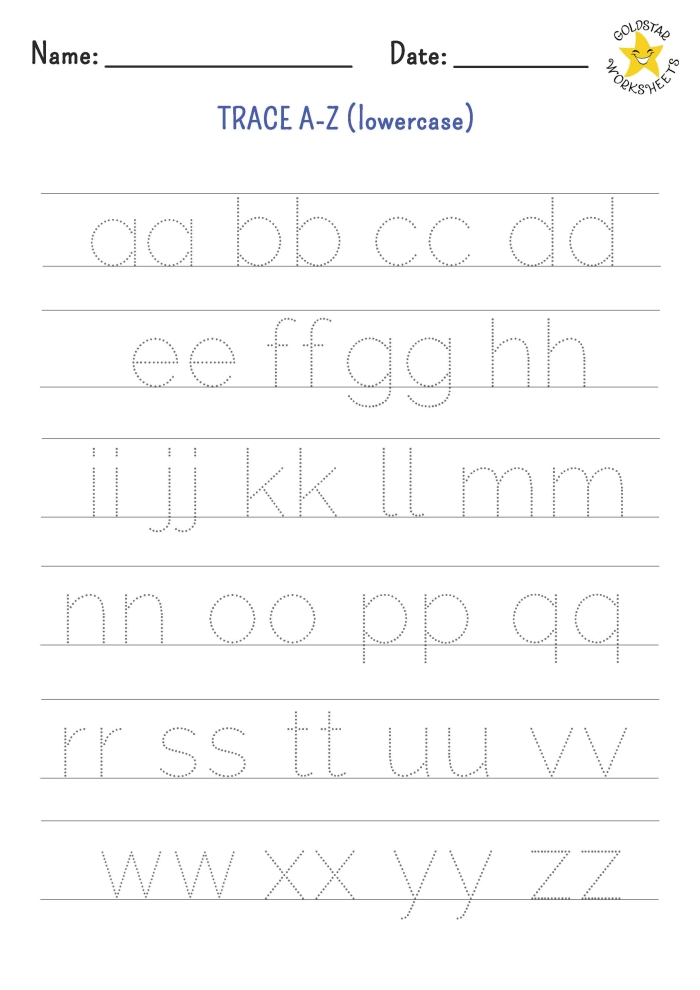
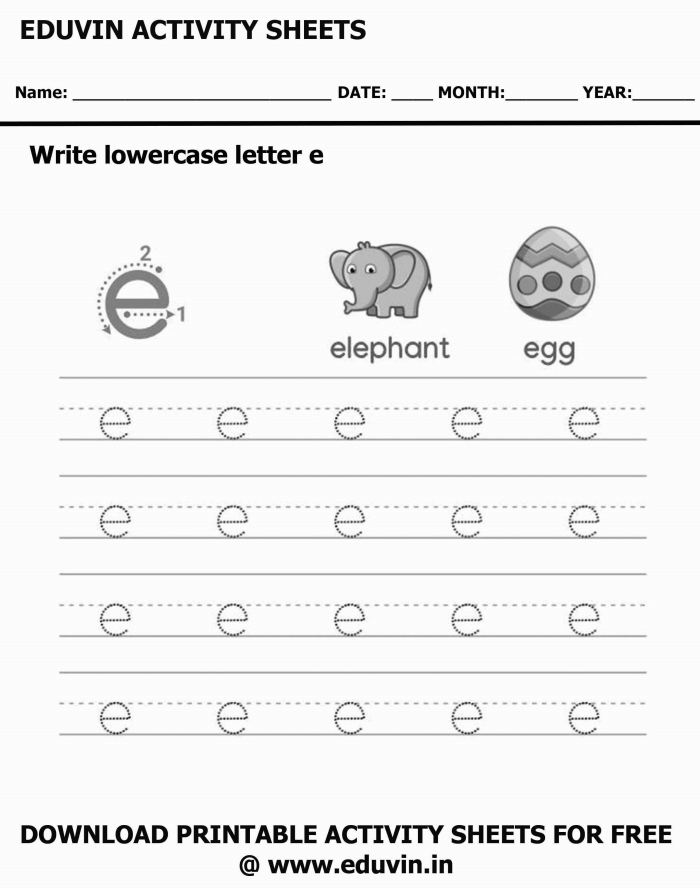
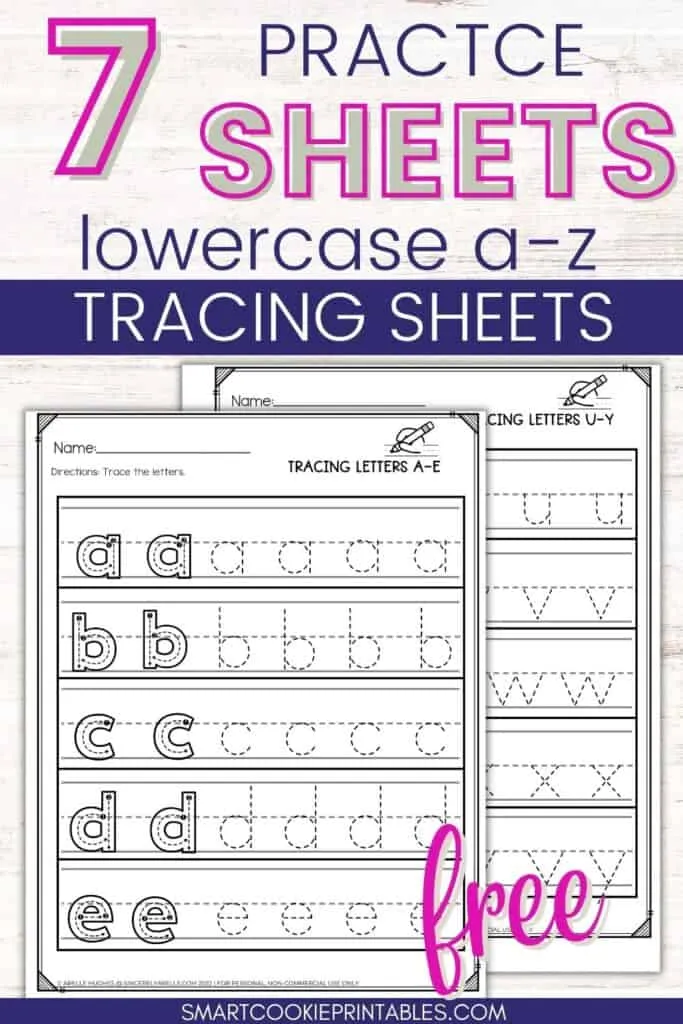
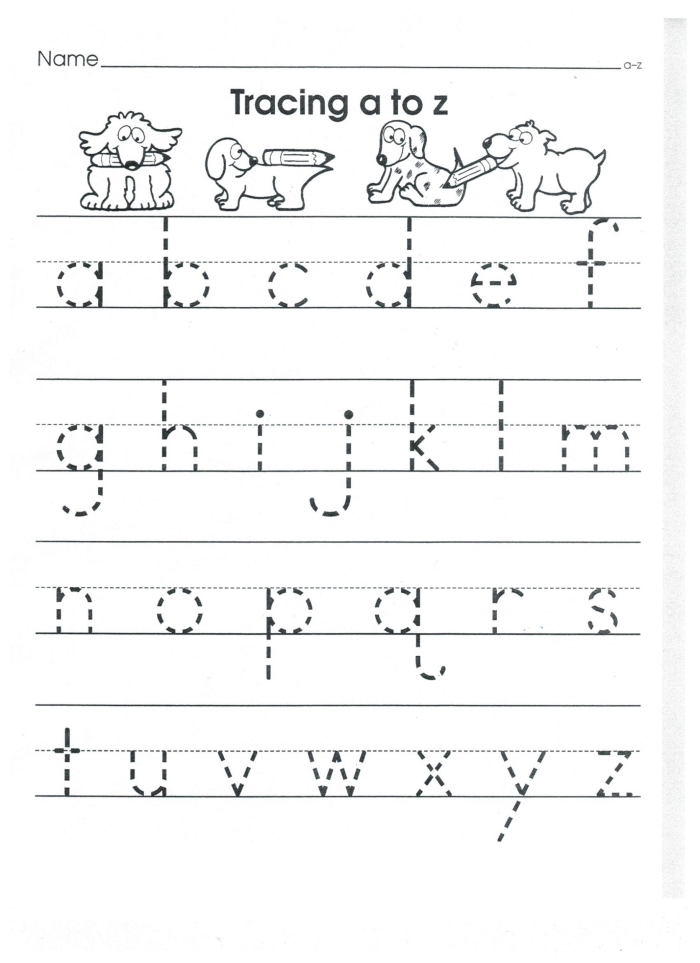
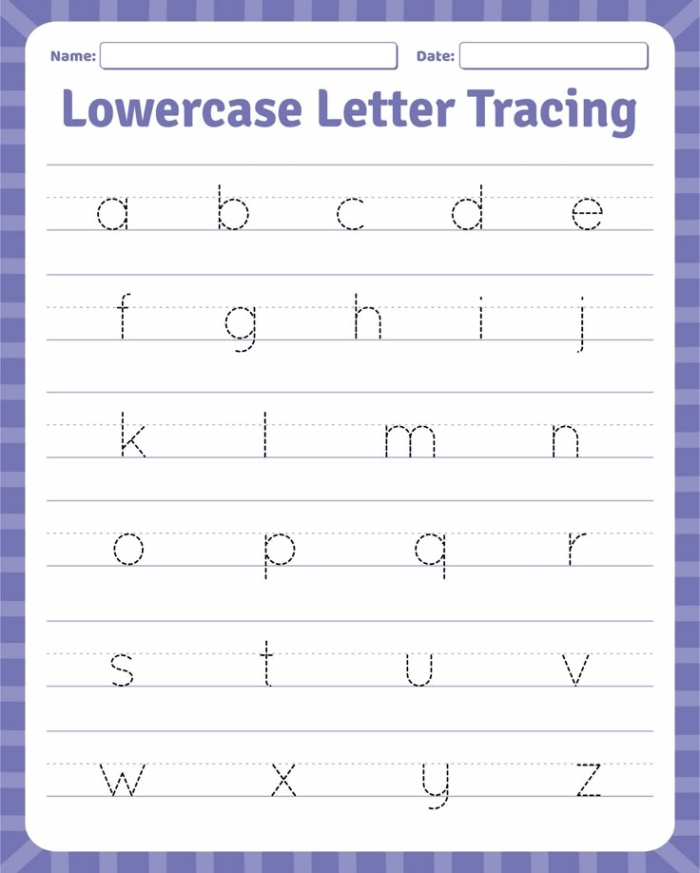
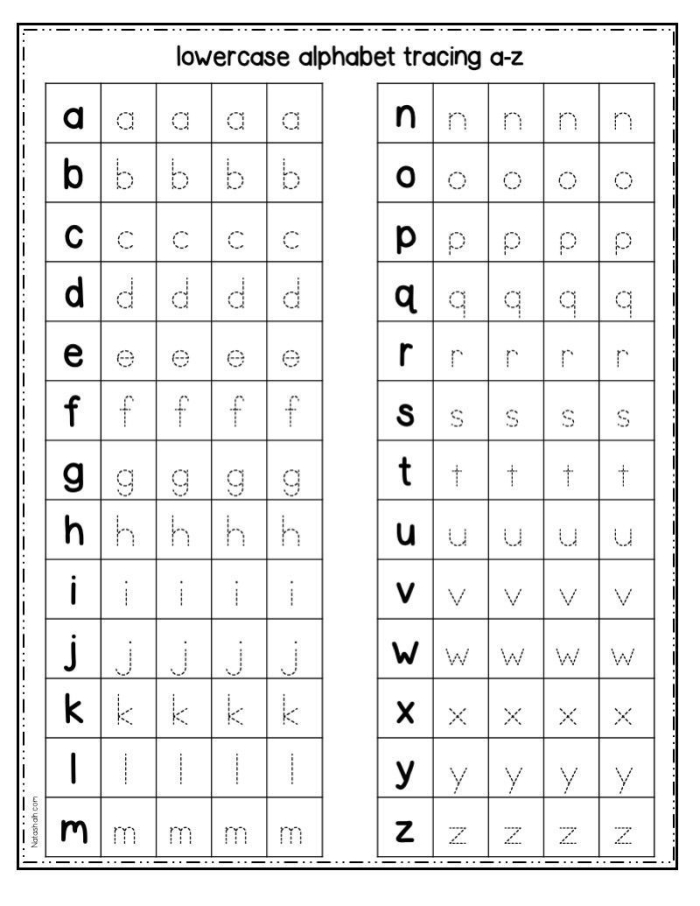
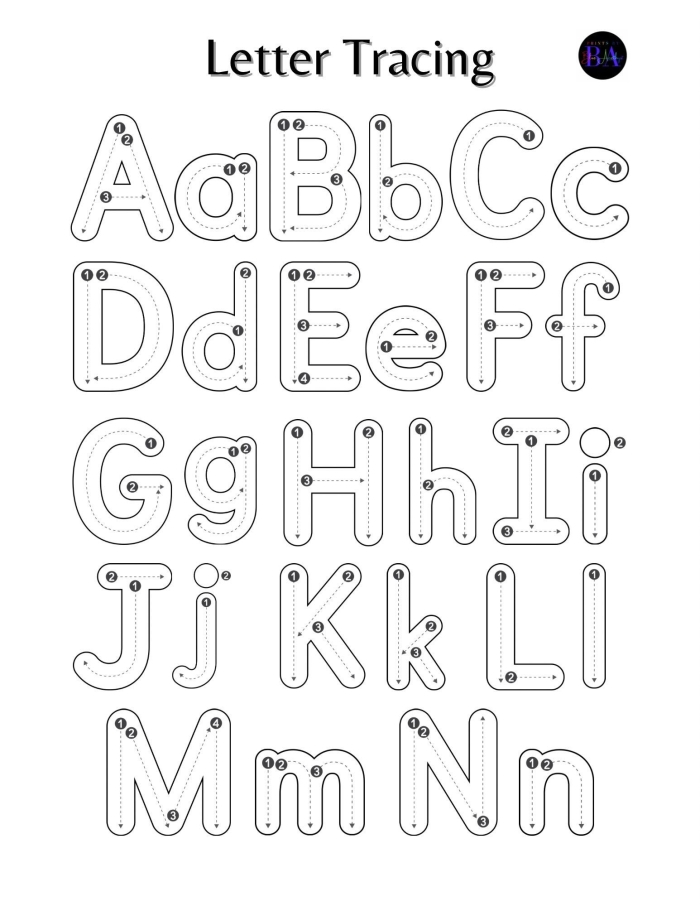
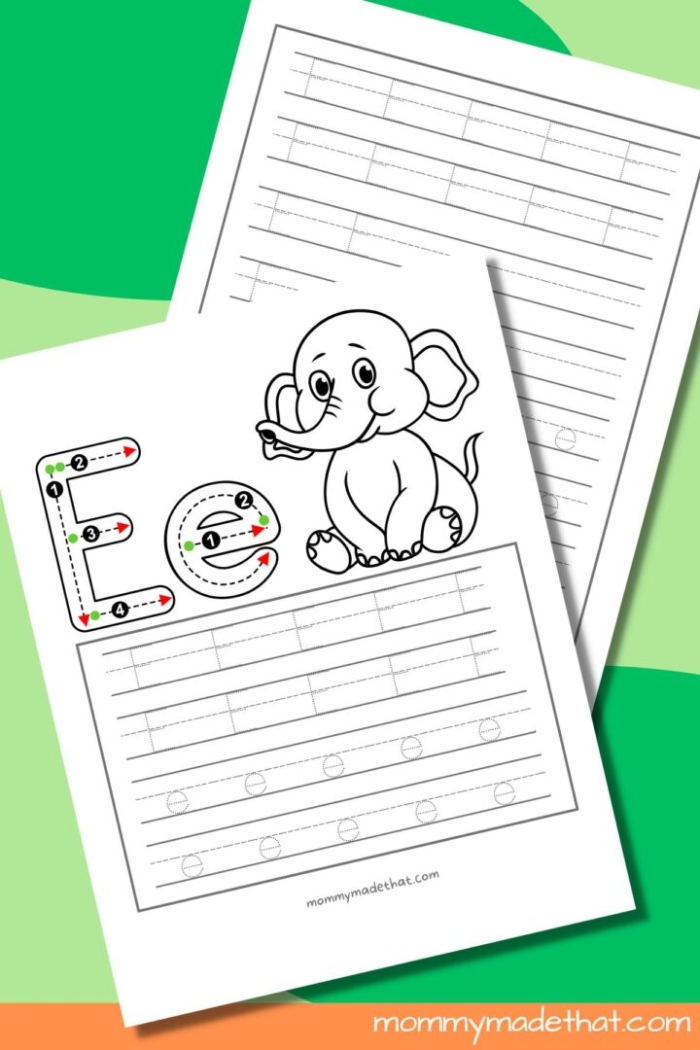
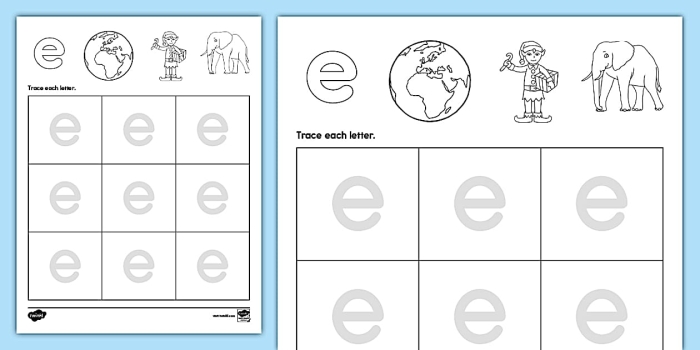
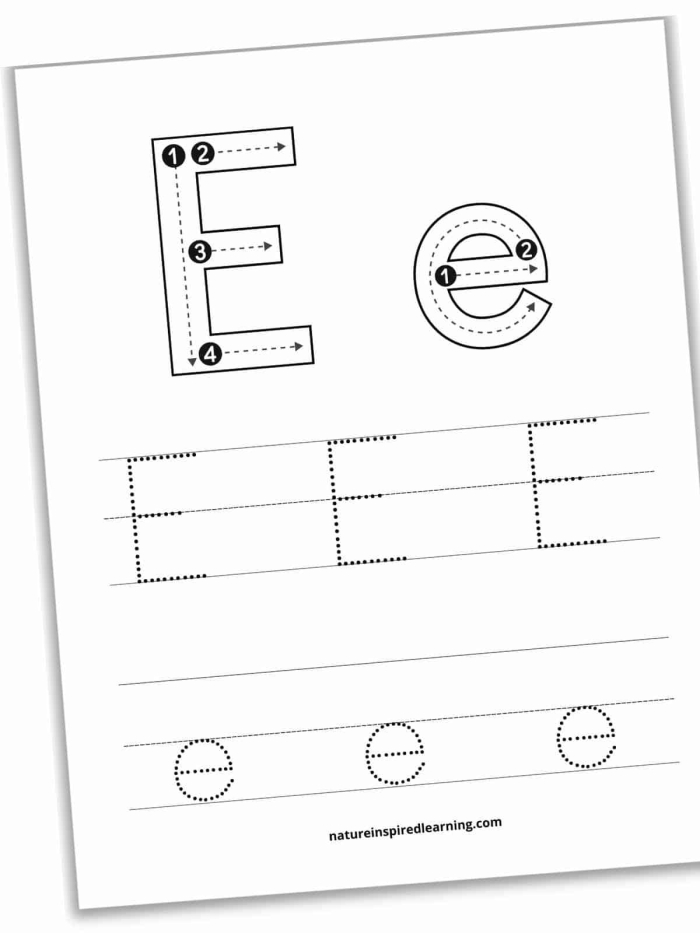
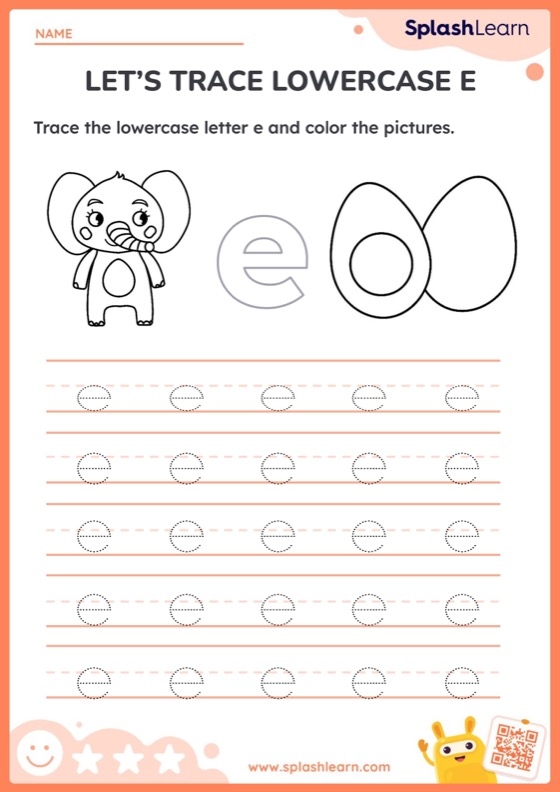
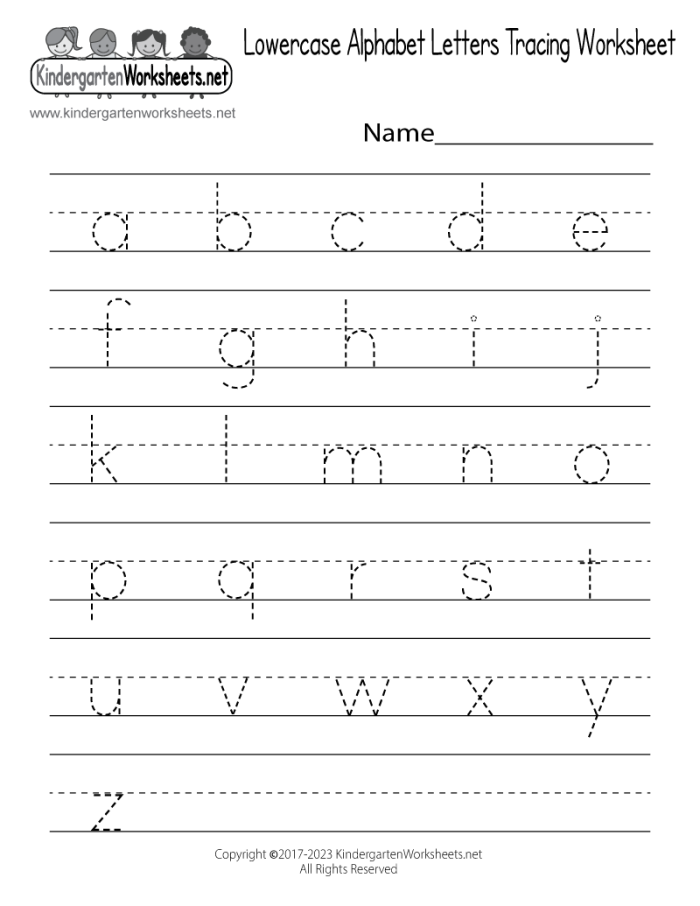
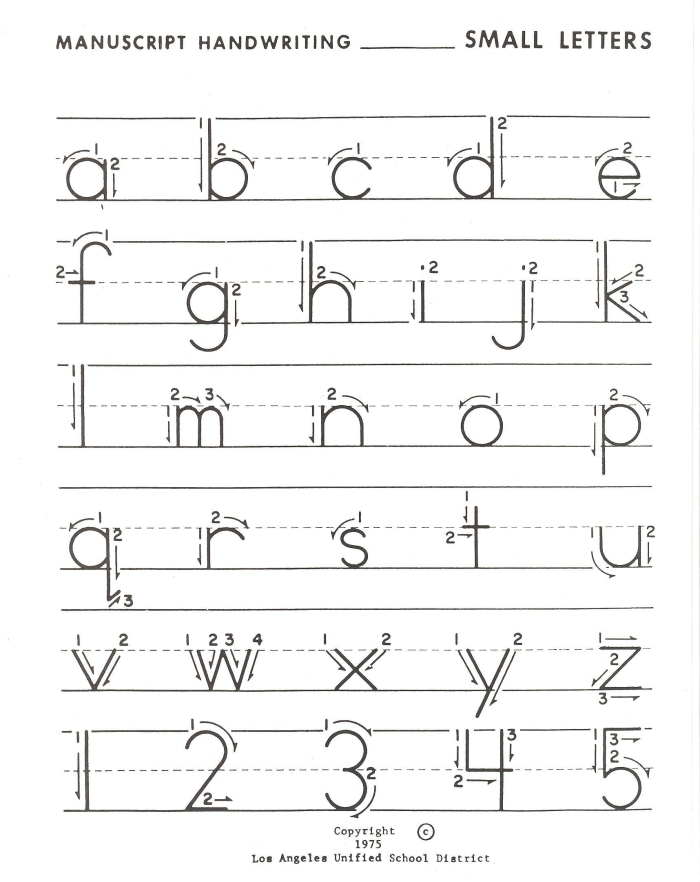
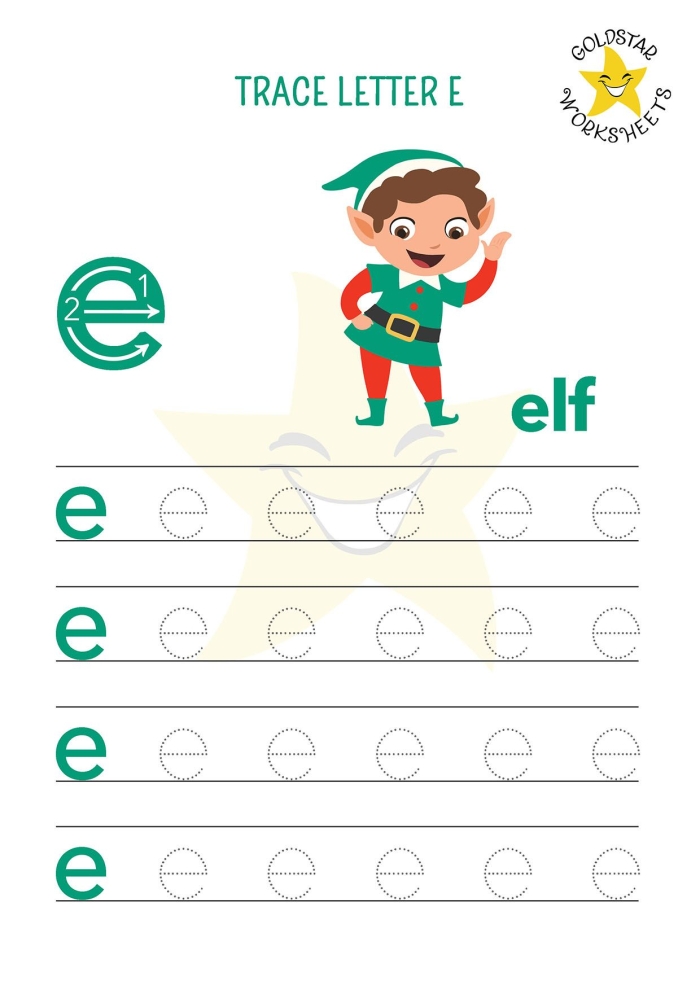
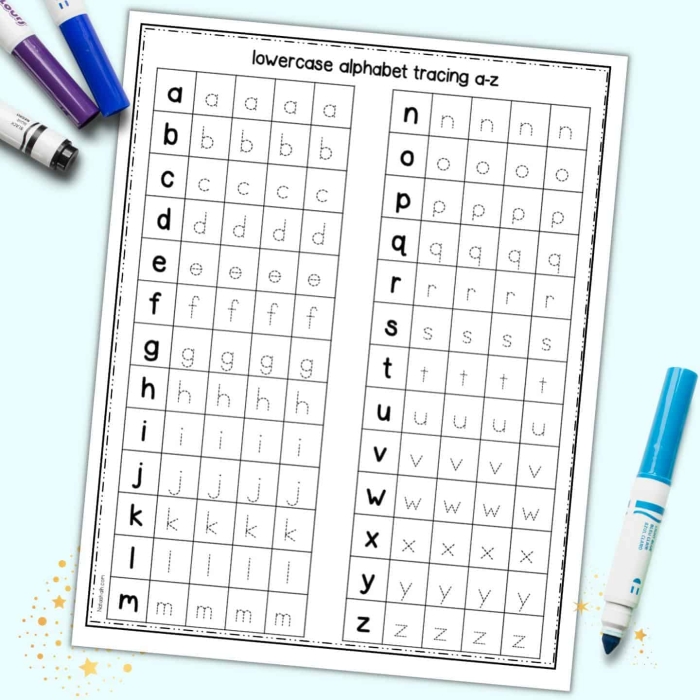
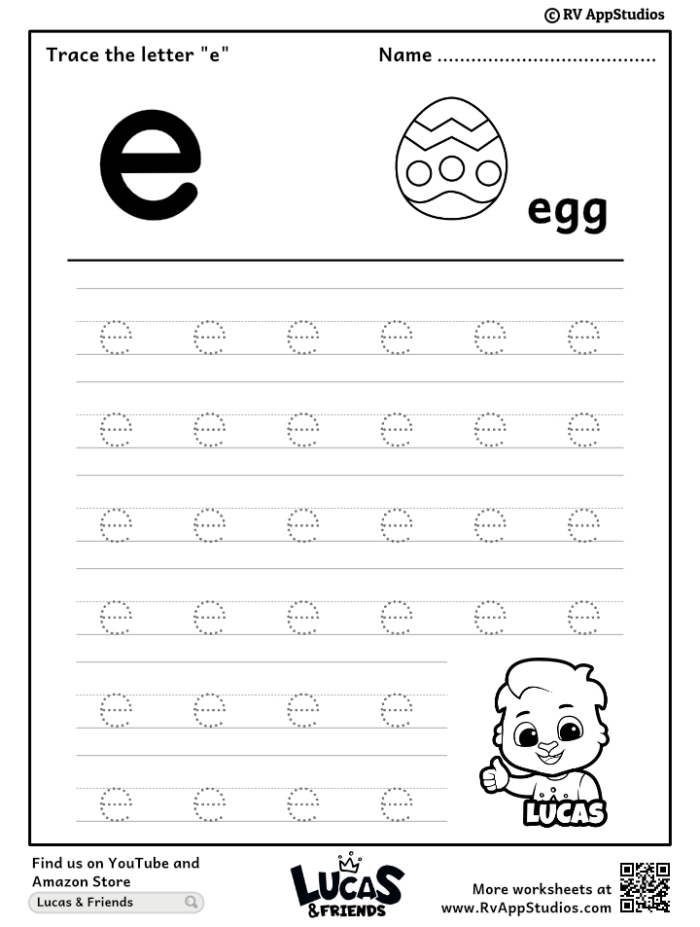
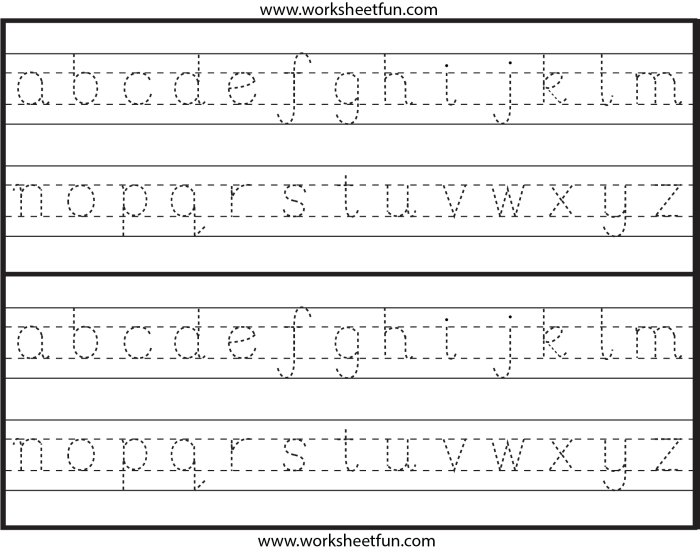
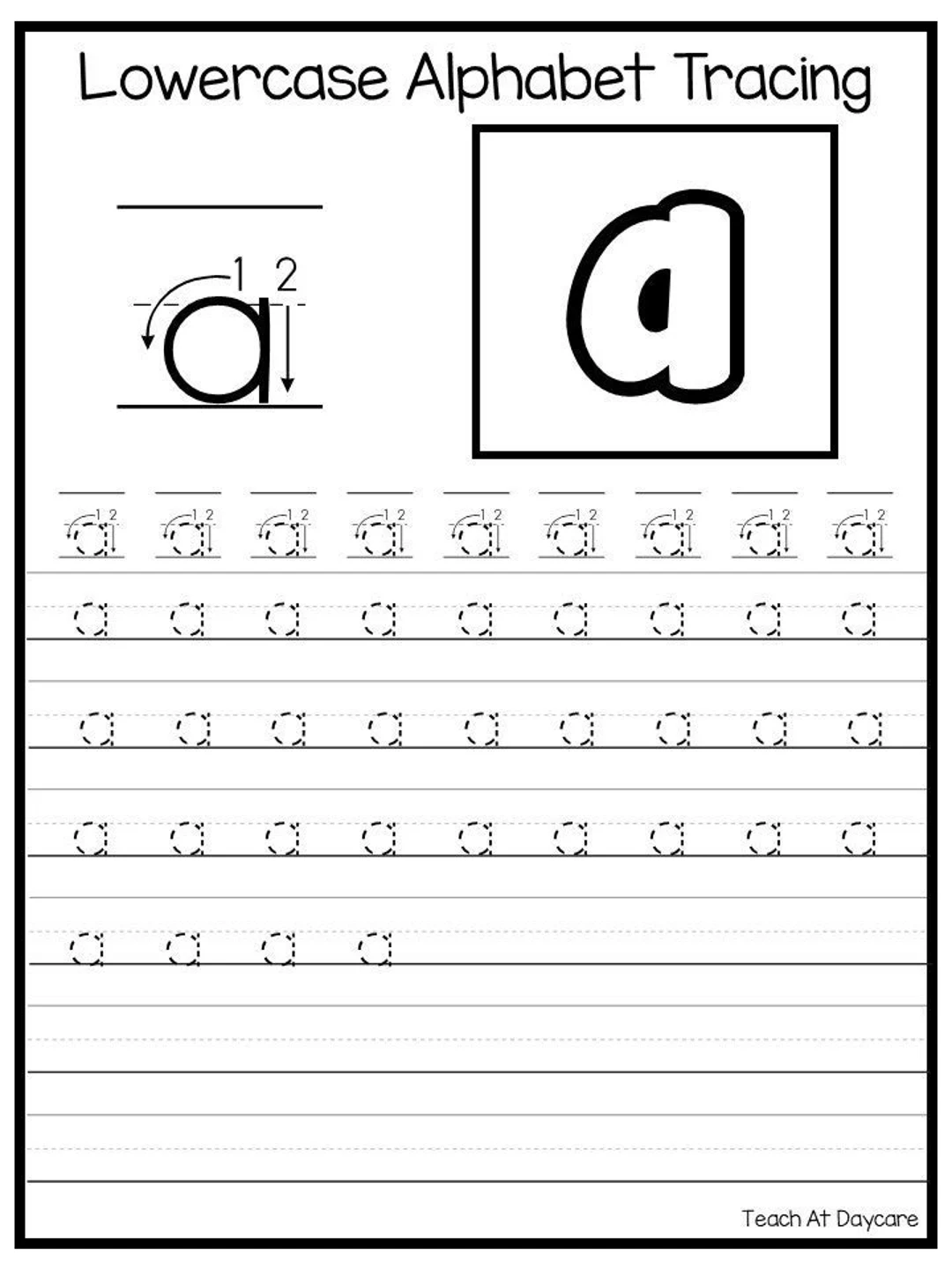
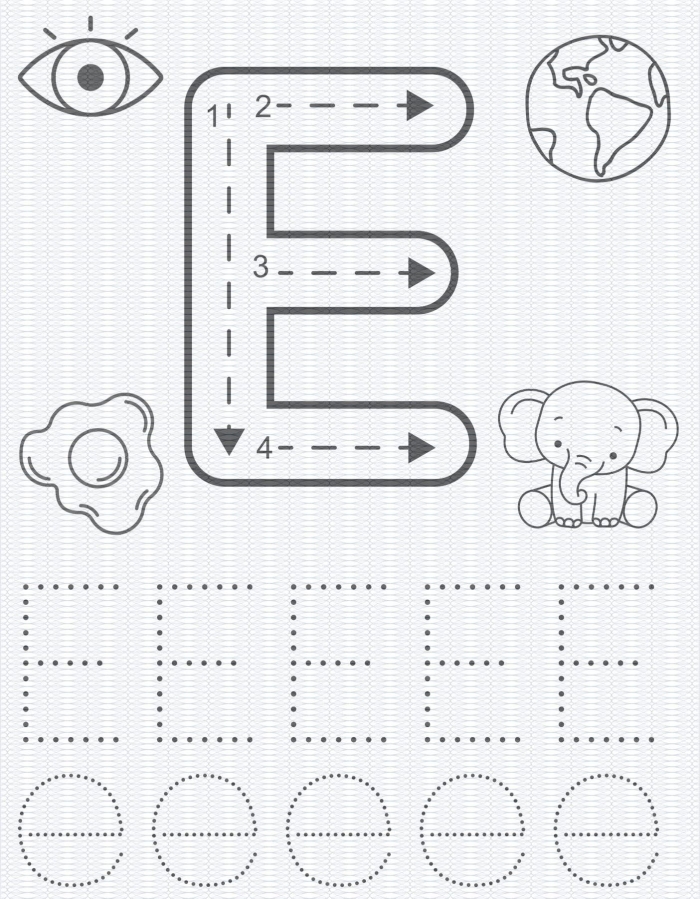
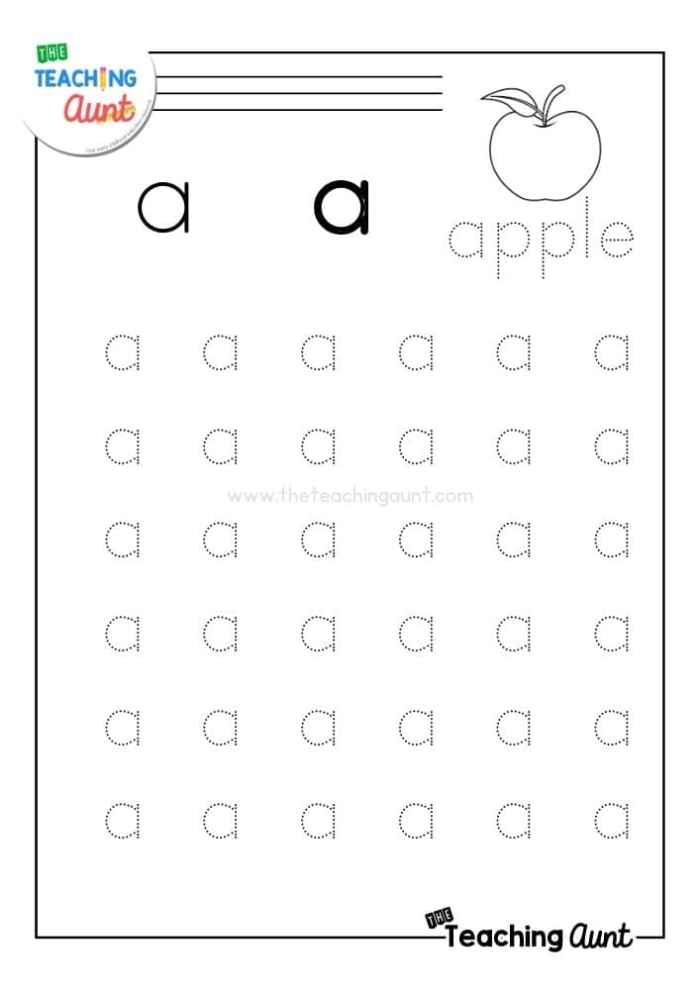
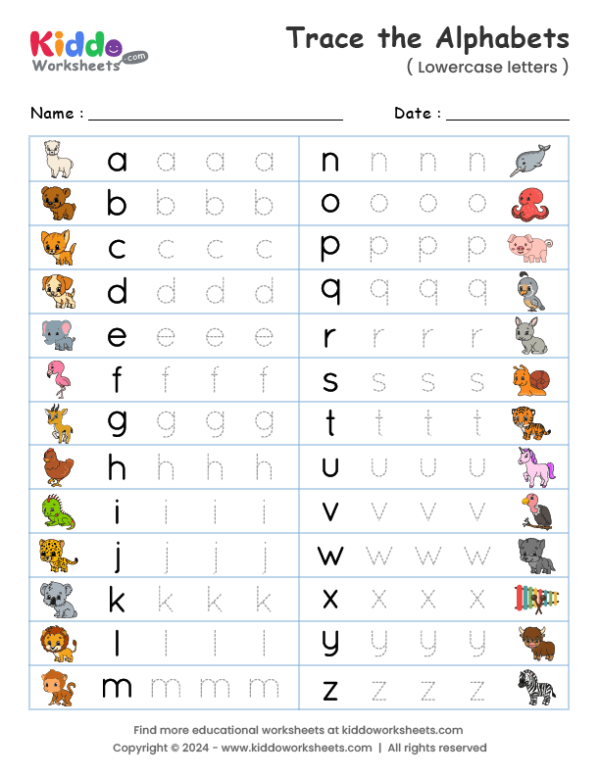
Tracing lowercase letters like e and s is a great way to introduce these fine motor skills. These particular letters require controlled curves and loops, which can be challenging for small hands. By working with printable tracing lowercase letters e,s worksheets, children get to practice each part of the letter in a structured way. This step-by-step tracing helps them see how the letter is made stroke by stroke rather than just copying a shape. It’s the difference between memorizing a form and understanding the flow needed to write it independently.
One benefit of using worksheets designed specifically for Pre-K handwriting is that they guide young learners through motion patterns that align with natural hand movements. For example, the letter e starts with a small horizontal line followed by a rounded curve, which encourages wrist flexibility and hand-eye coordination. The letter s involves smooth, continuous curves that promote fluid motion rather than stiff, segmented writing.
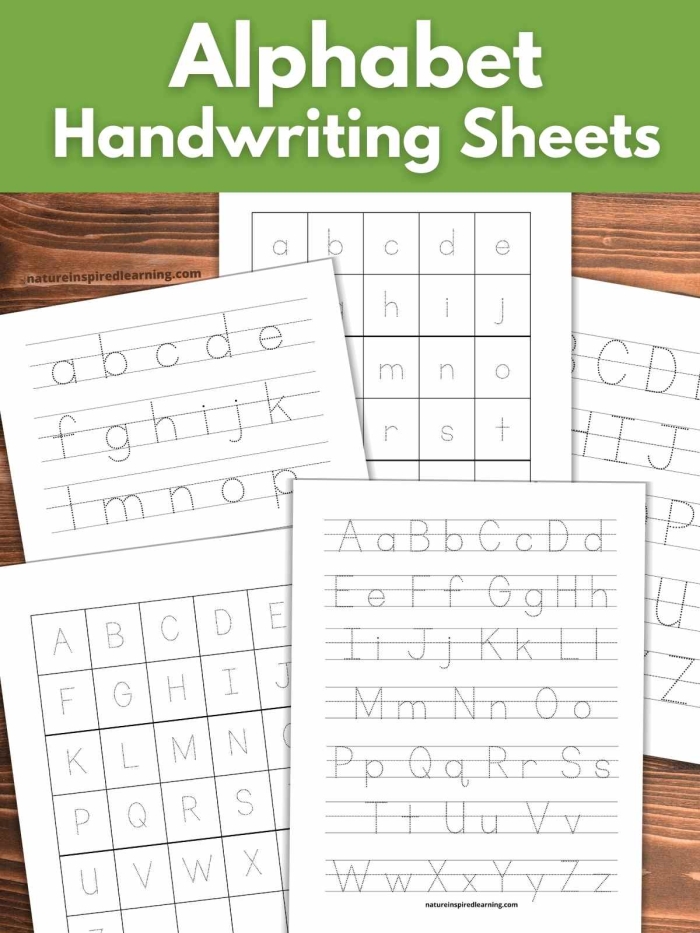
Integrating these tracing exercises into daily practice can make handwriting feel less intimidating and more like a fun game. Worksheets that include visual cues and simple instructions give children clear goals to achieve, boosting their motivation. You might also want to explore other resources like alphabet blocks that trace uppercase letters, which complement lowercase practice and build a comprehensive handwriting foundation.
Starting with these printable tracing lowercase letters e,s worksheets not only supports early handwriting skills but also prepares kids for reading readiness. The connection between writing and reading is strong, as recognizing letter shapes and sounds go hand in hand. For additional engaging activities, you can find worksheets that focus on letter-related word patterns or tracing simple shapes linked to science and nature topics, all tailored for Pre-K learners.
Practice with These Worksheets