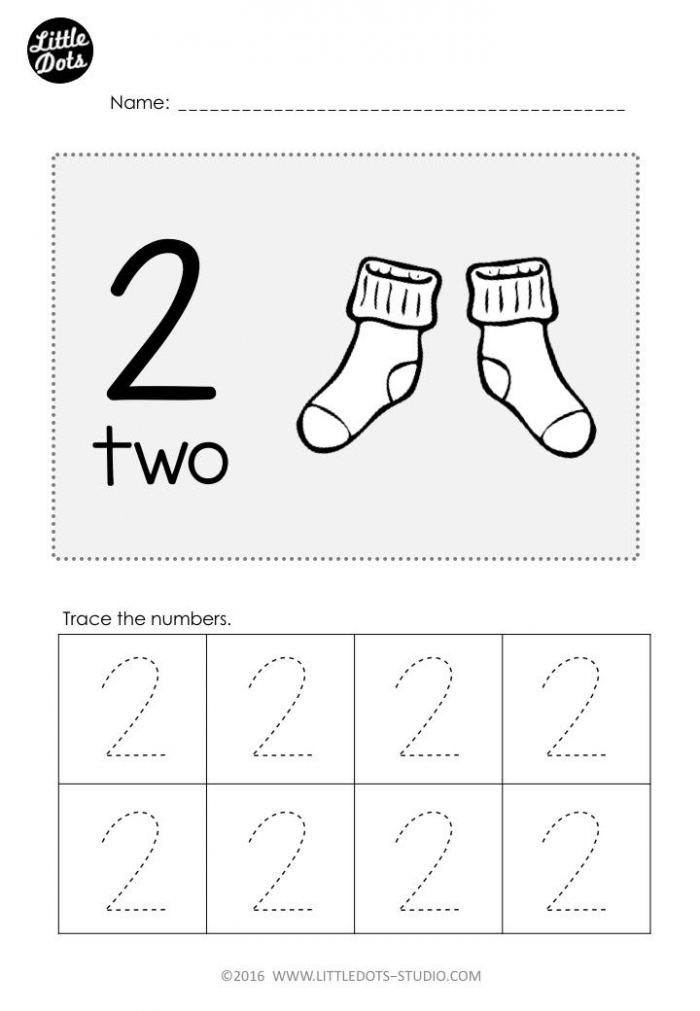
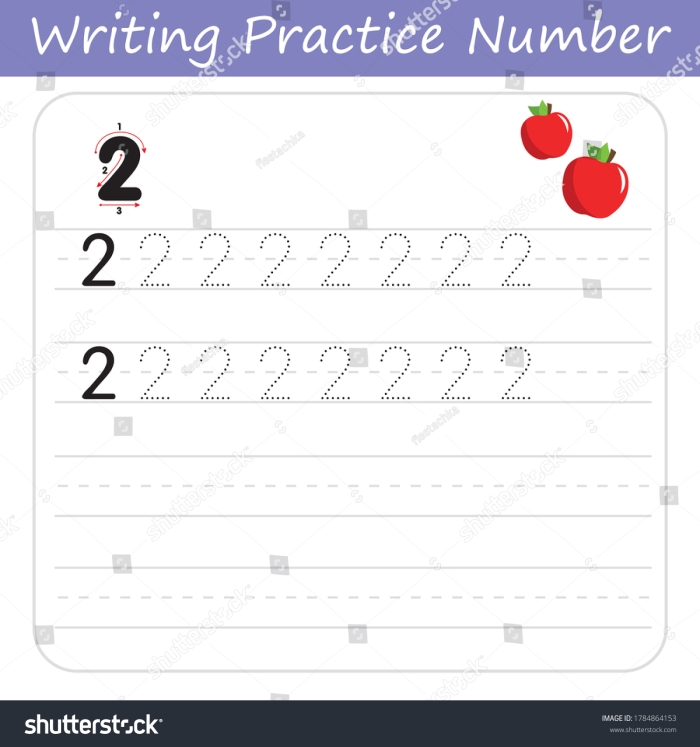
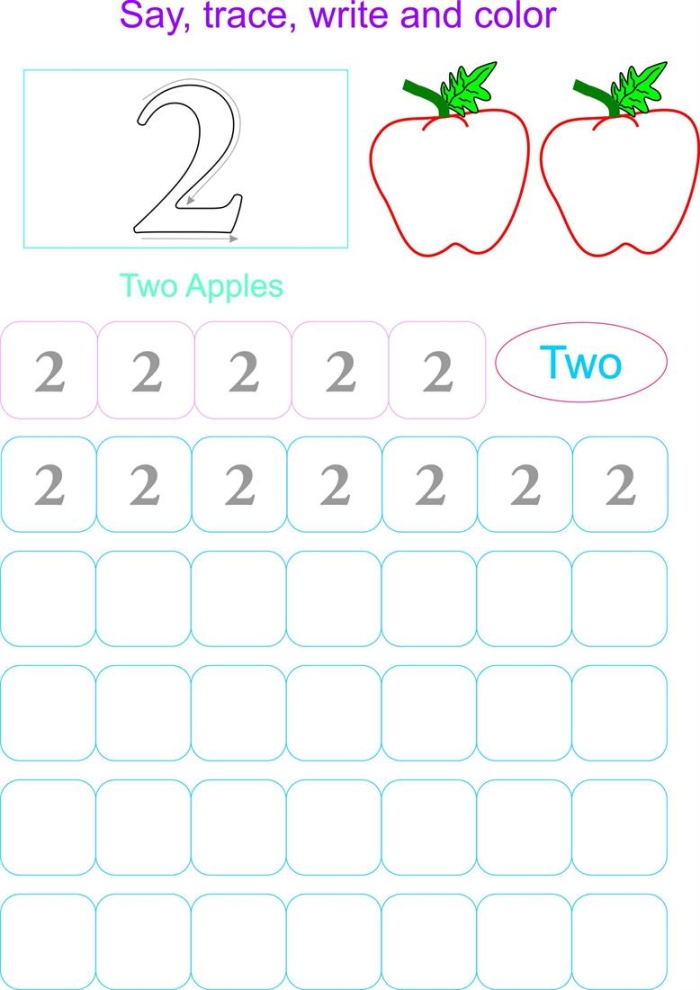
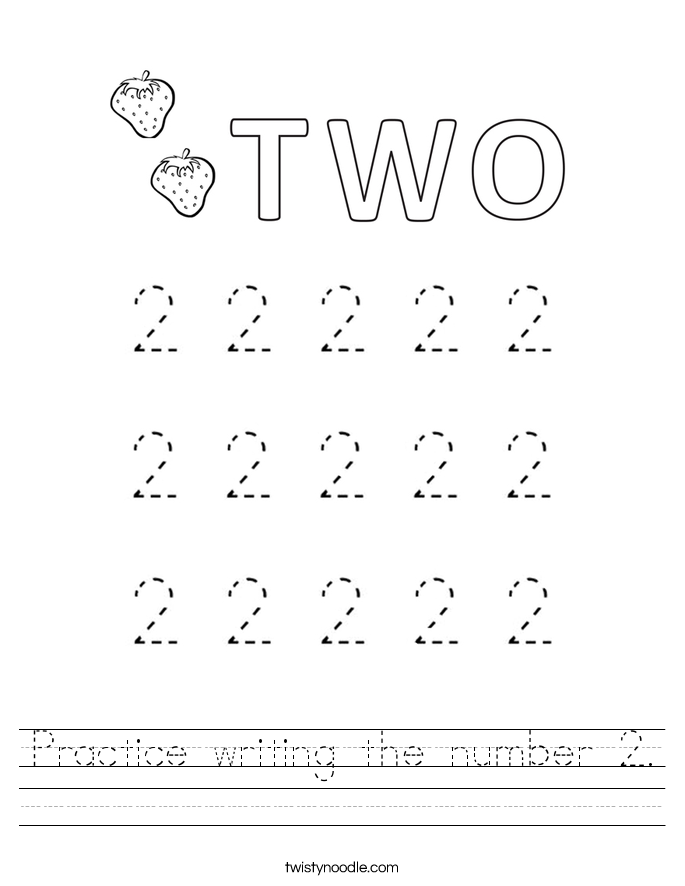
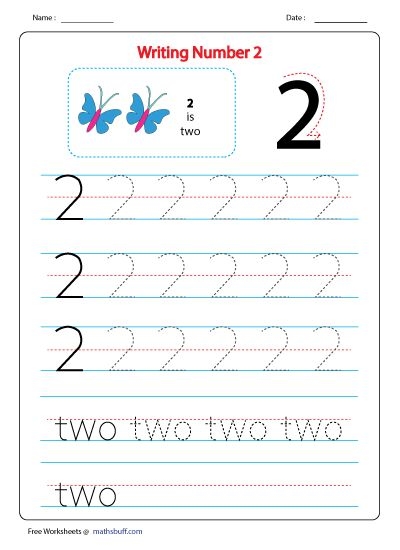
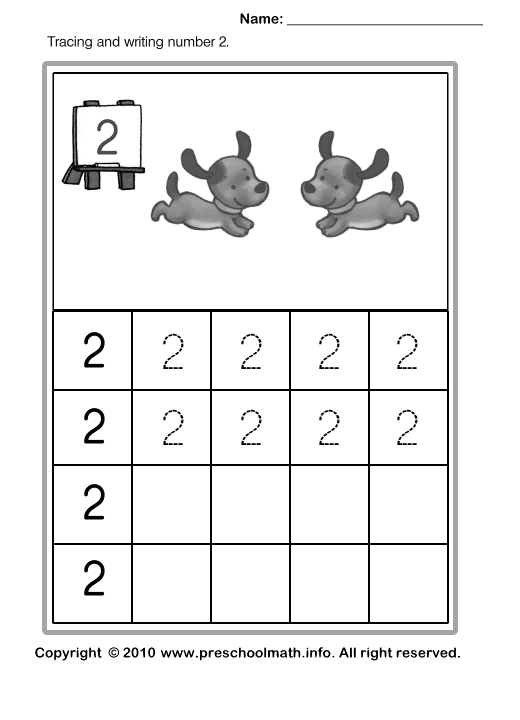
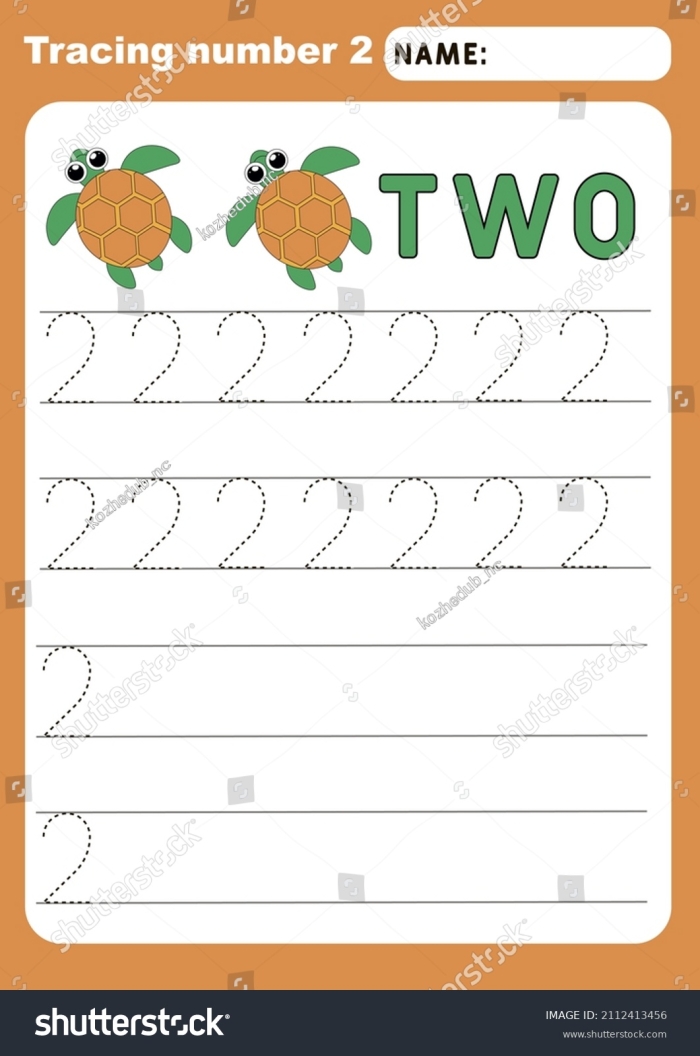
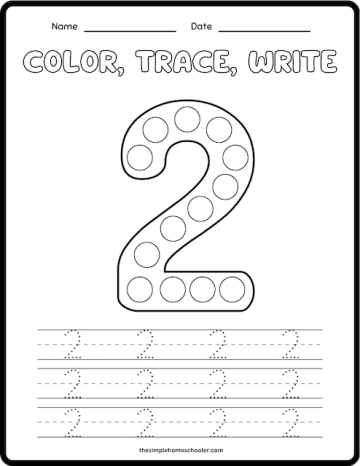
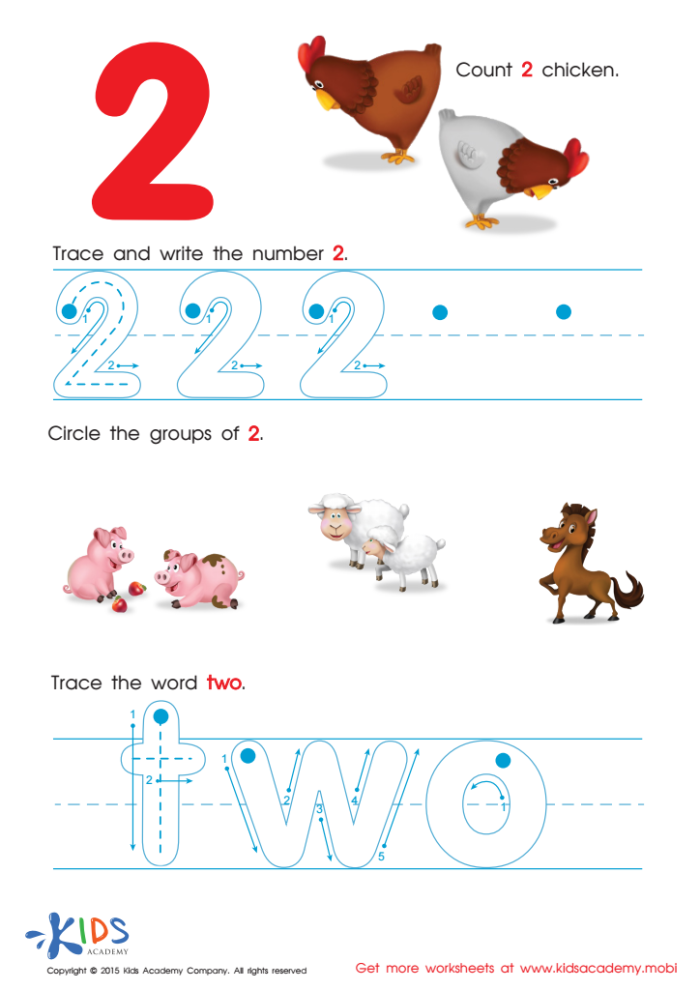
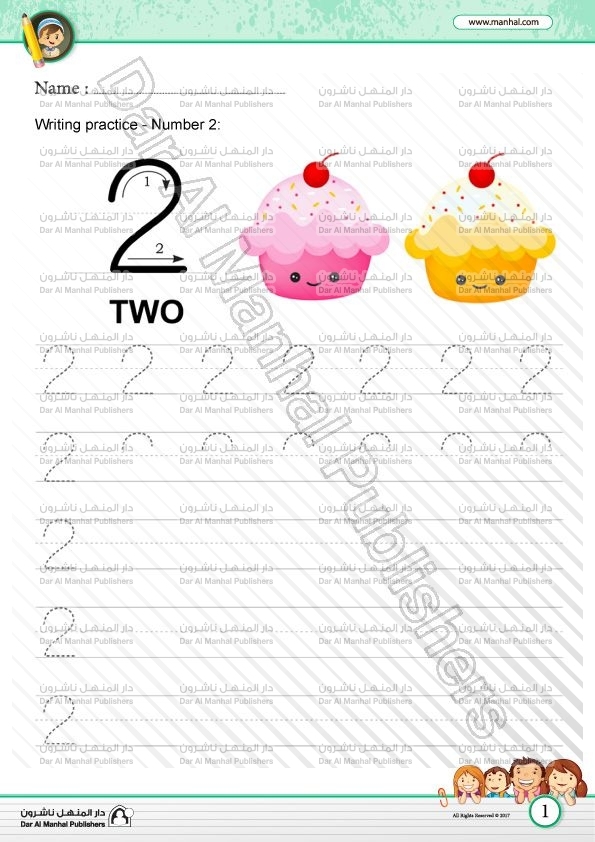
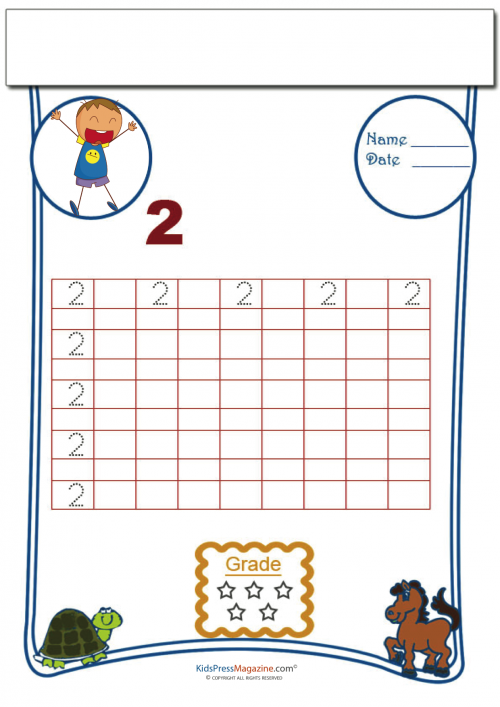
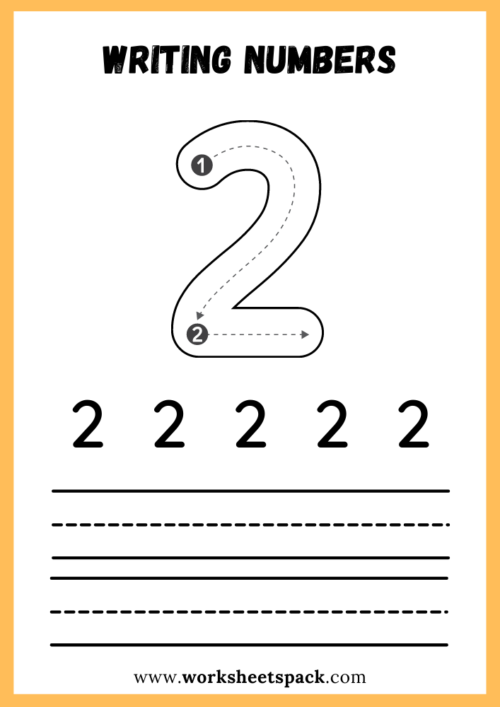
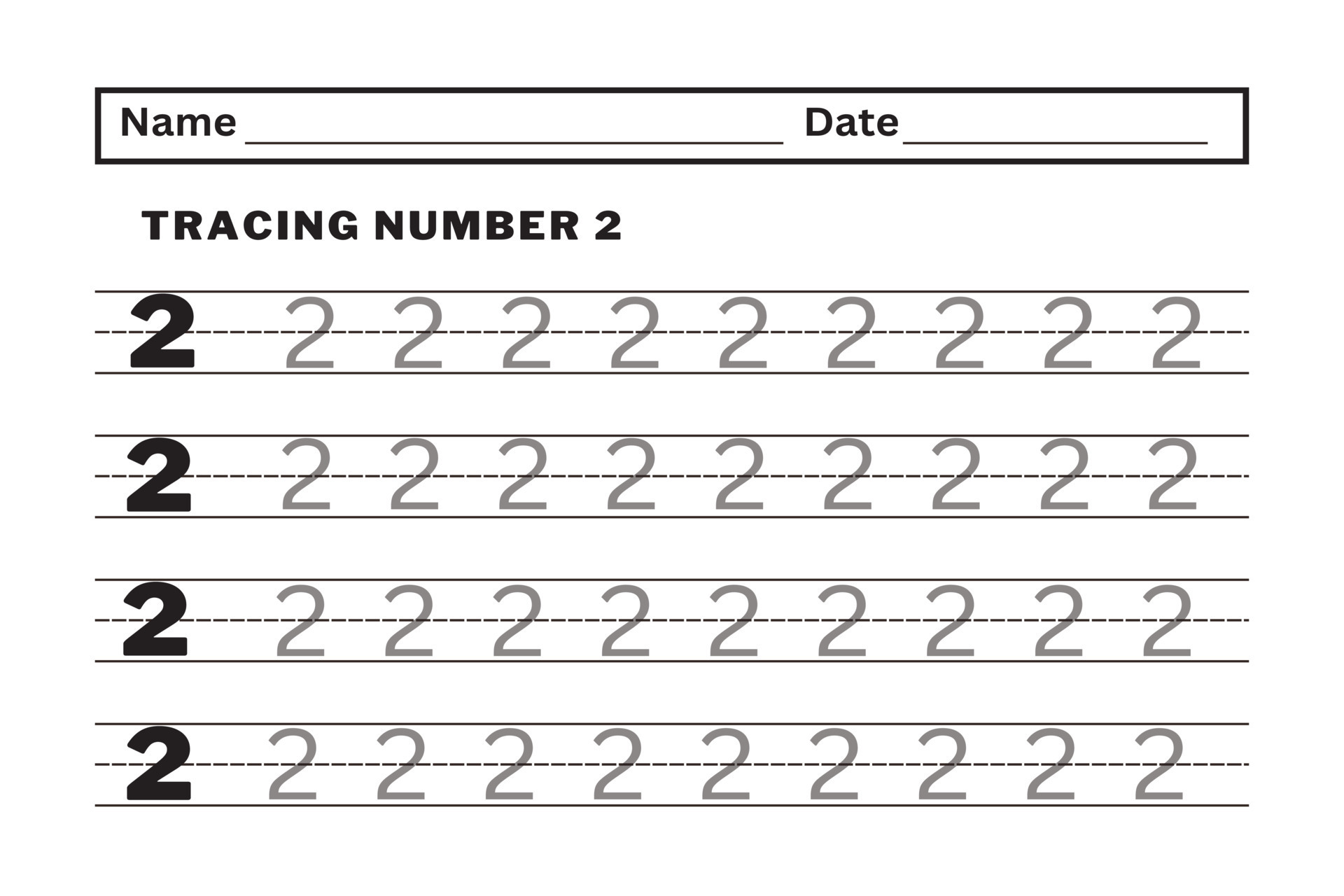
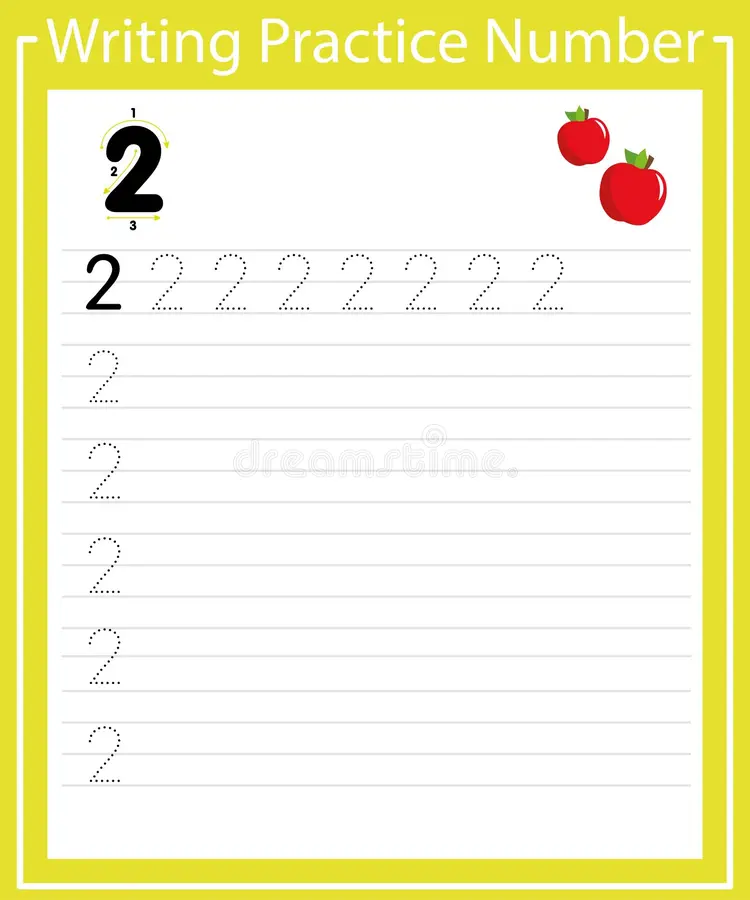
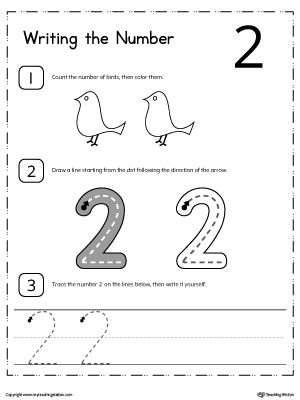
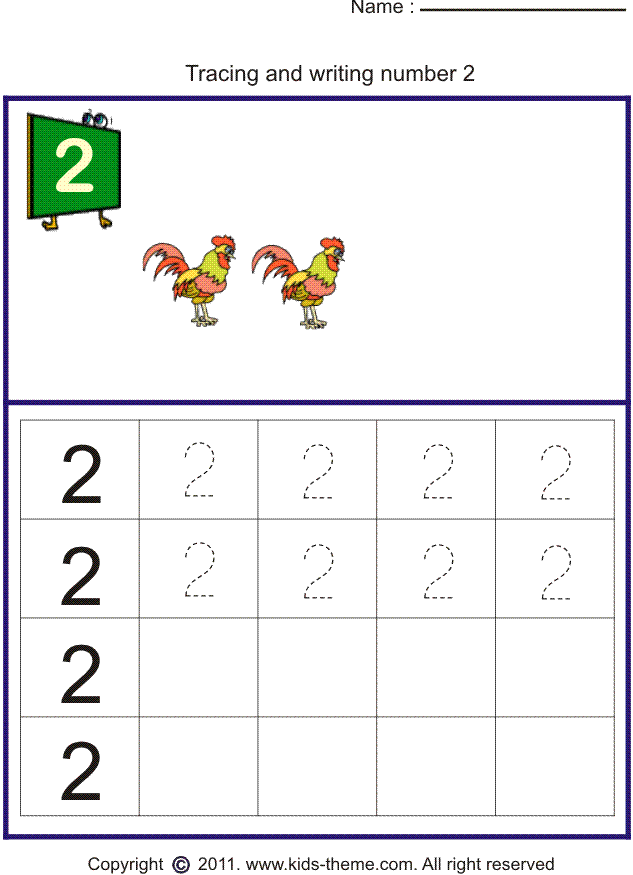
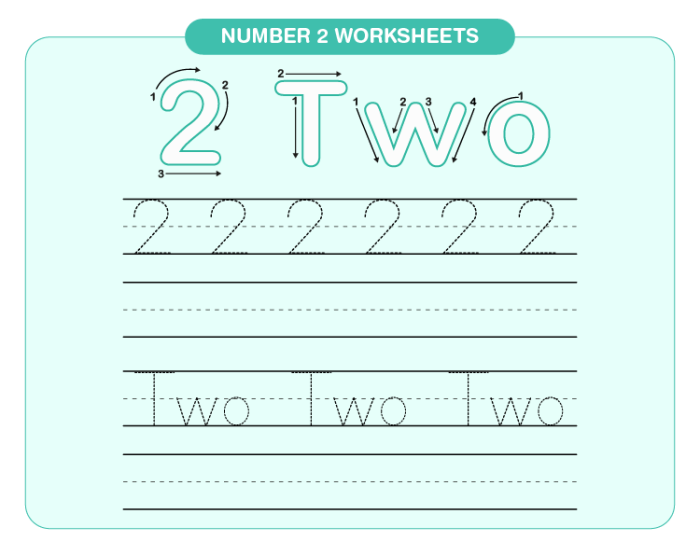
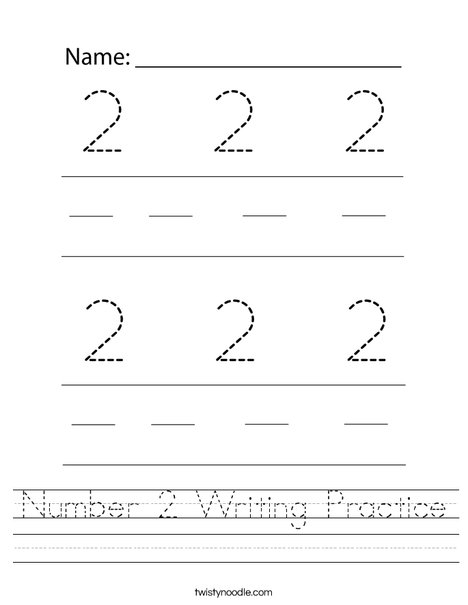
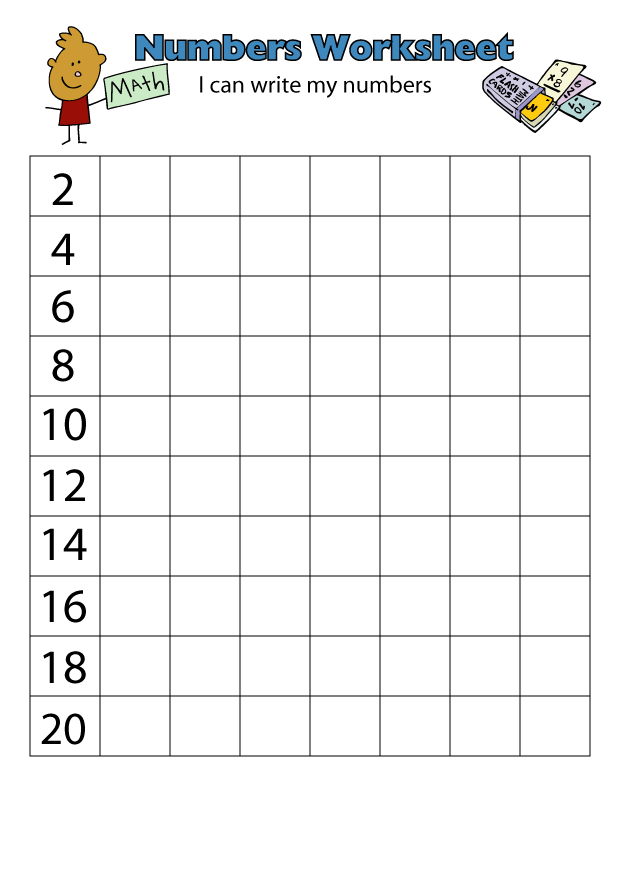
Counting and writing numbers is a crucial step in early childhood education, especially for Pre-K learners who are just beginning to explore math concepts. One of the effective ways to introduce the number two is through a worksheet specifically designed for this purpose. This kind of worksheet combines counting practice with writing exercises, helping children to solidify their understanding of the number two in a hands-on way.
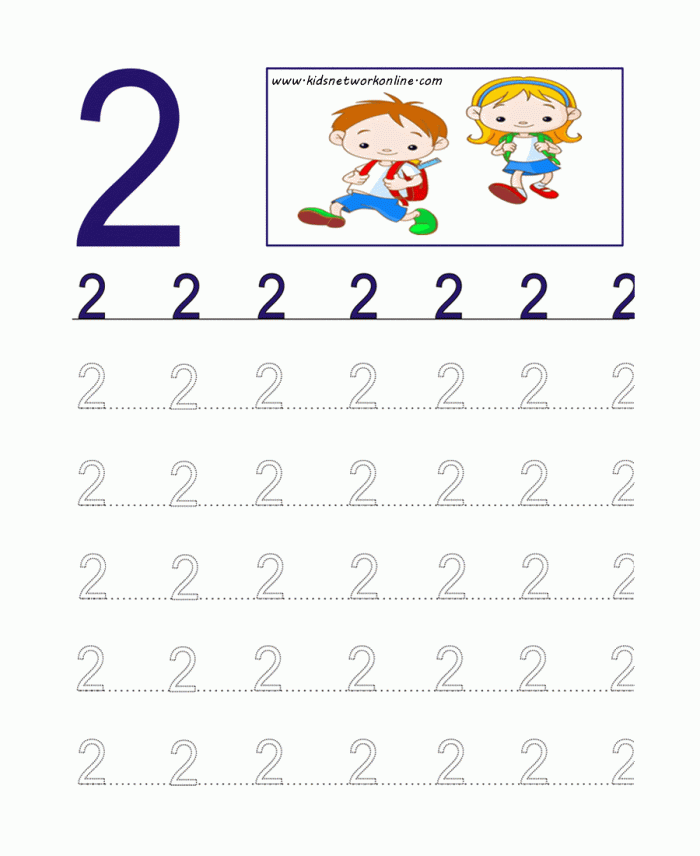
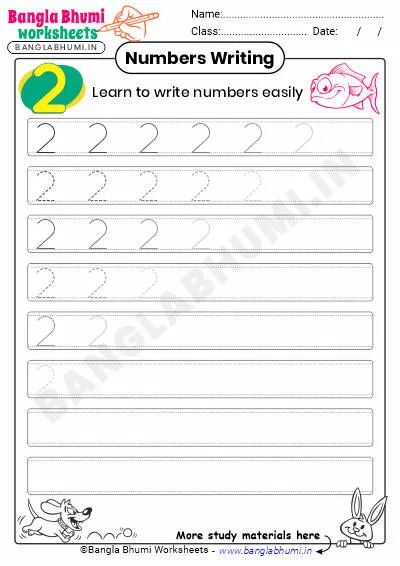
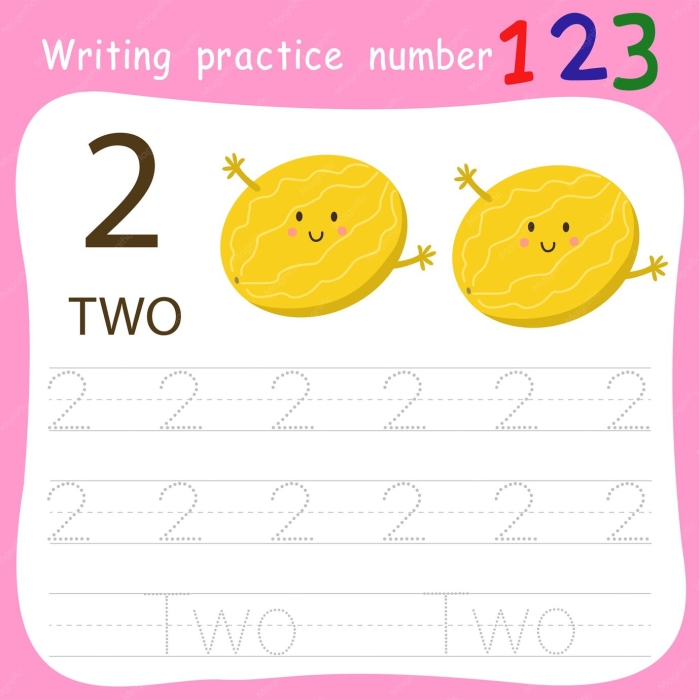
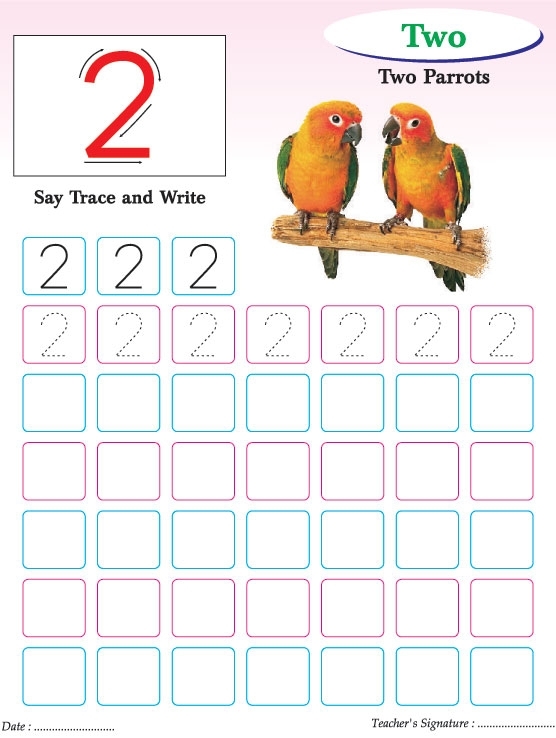
In a typical worksheet focused on practicing writing the number 2, children are first encouraged to count objects grouped in sets of two. For example, they might see two apples, two butterflies, or two leaves—images often drawn from life science themes. This connection to real-life items not only makes counting more relatable but also nurtures early observational skills about the natural world. After counting, the worksheet guides children to trace and then write the number 2 themselves, reinforcing fine motor skills alongside numerical recognition.
One practical benefit of printable practice writing the number 2 worksheets is that they provide structured repetition without becoming tedious. By offering different illustrations and writing formats, these worksheets keep children engaged while they build confidence in their number skills. Research in early childhood education highlights that multisensory approaches—such as seeing, counting, and writing—improve retention and understanding more than passive activities.
Integrating life science themes in these worksheets can further enrich a Pre-K curriculum. For instance, using images of animals or plants familiar to children helps link math learning with their growing knowledge of the environment. This approach aligns well with resources like the coloring pages that blend ABCs and life science or worksheets that focus on letters and numbers together, such as tracing letters alongside early math skills.
Parents and educators looking to support young learners will find that these worksheets are a simple yet effective tool. They create a structured opportunity for children to practice not just counting, but also the fine motor skills needed to write numbers clearly. For those interested in extending this learning, resources that pair number writing with letter recognition, like writing numbers in various styles, offer a comprehensive way to build foundational skills.
Download These Worksheets for Practice