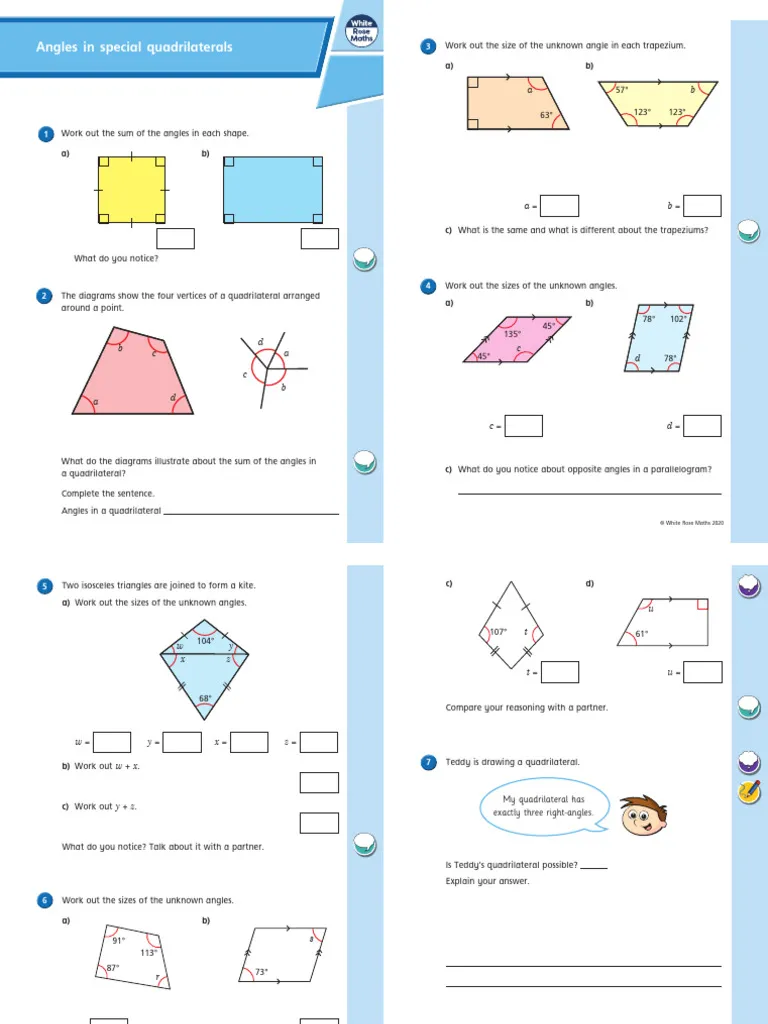
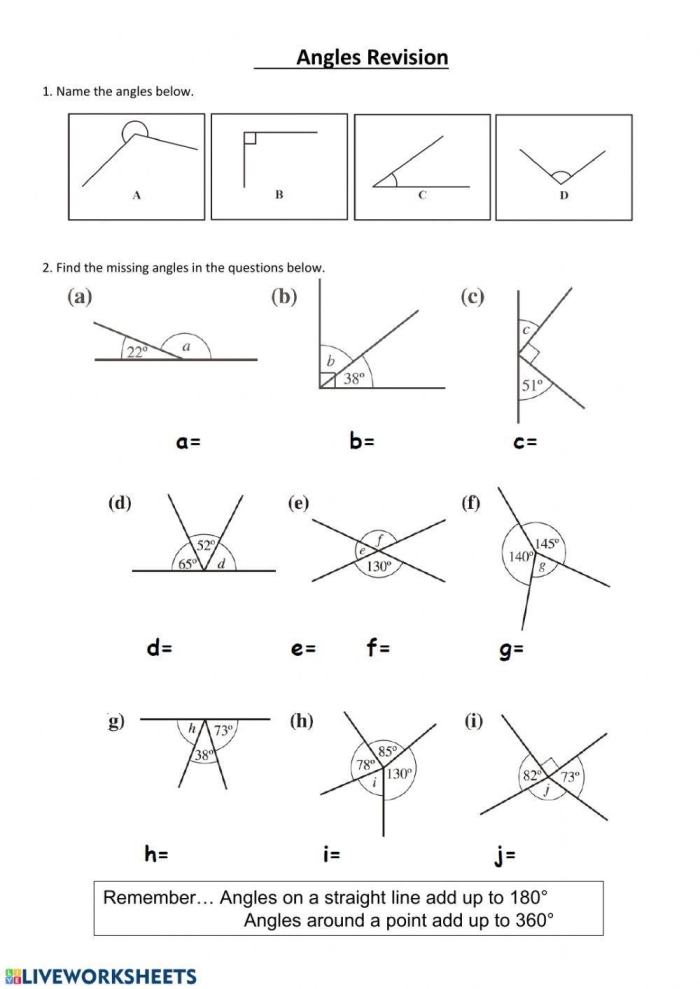
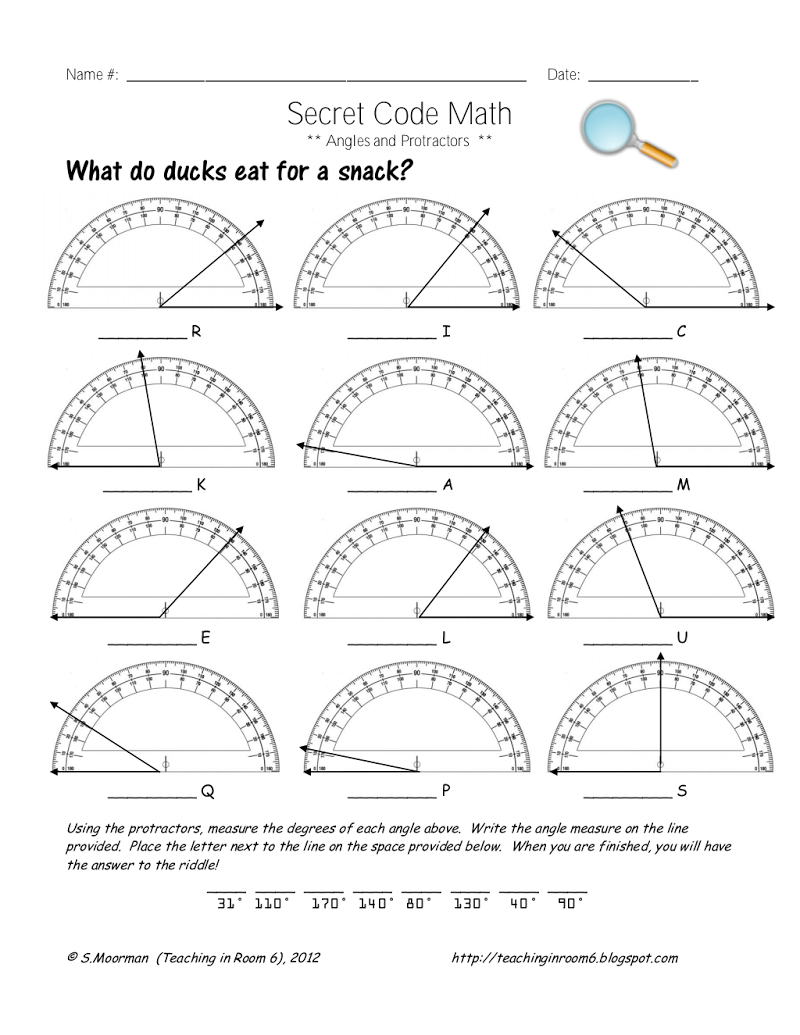
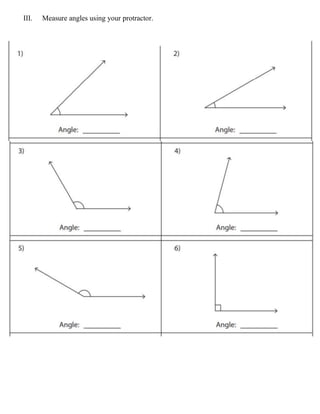
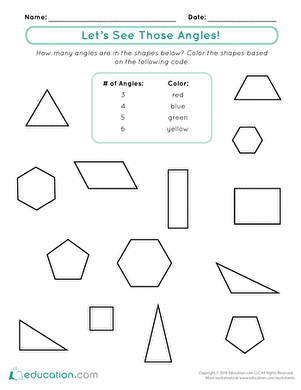
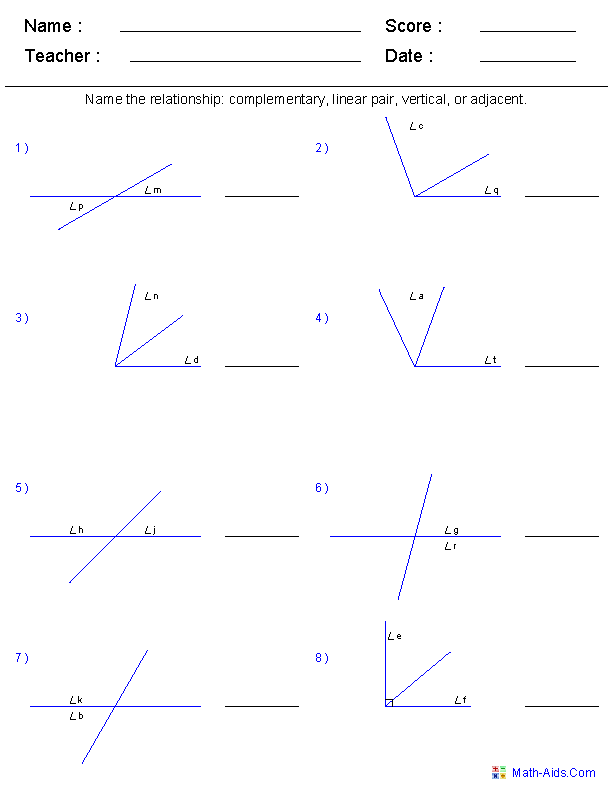
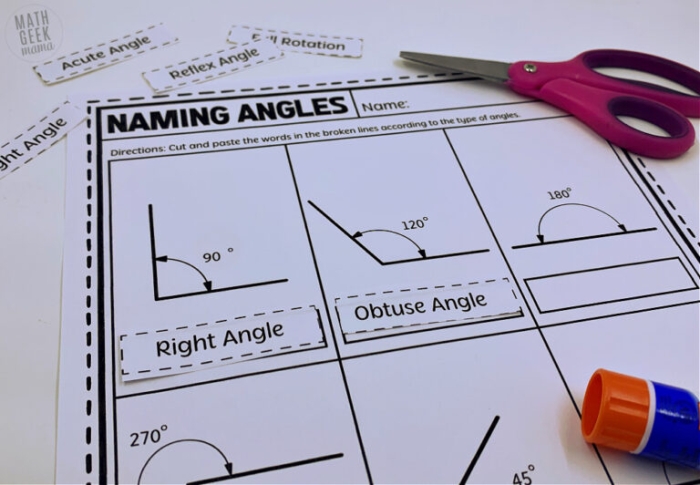
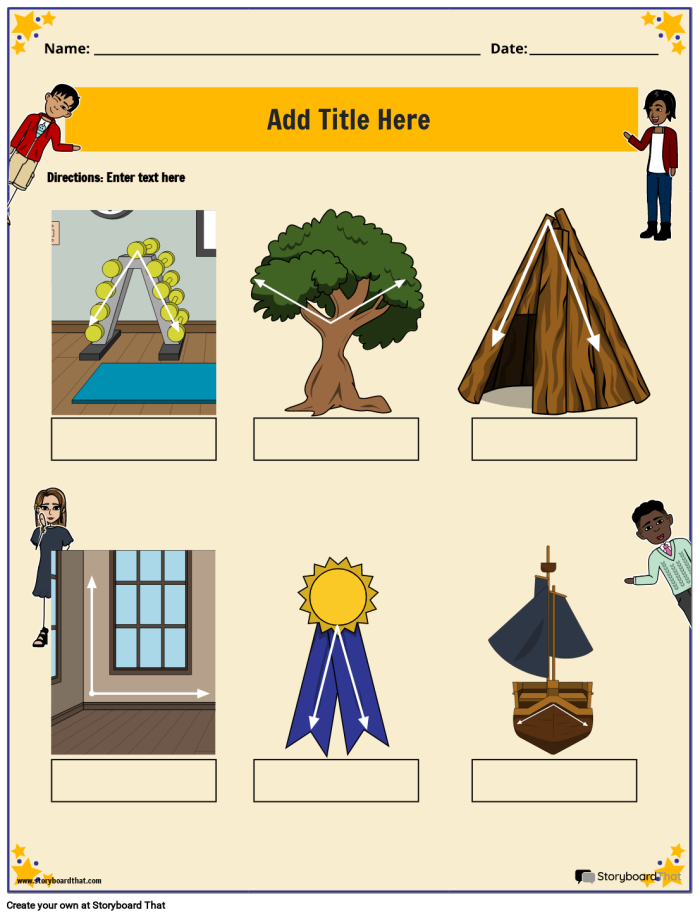
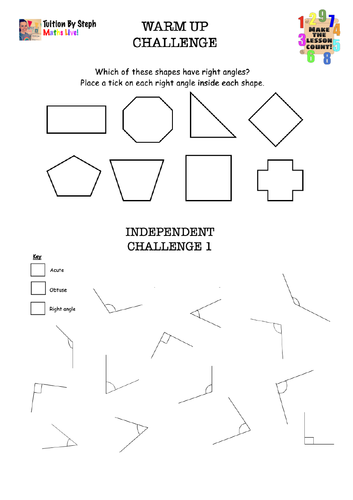
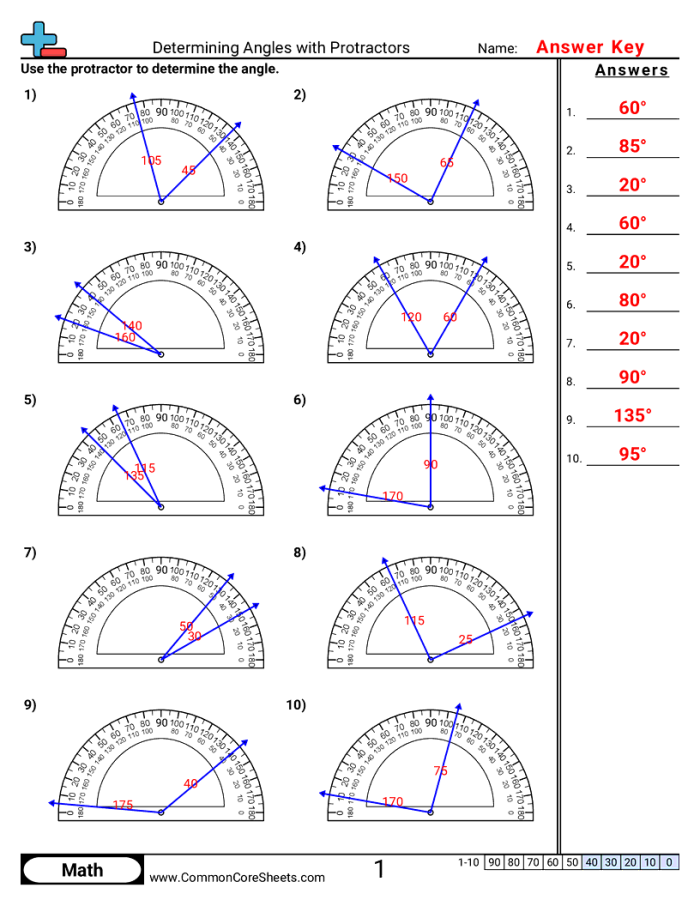
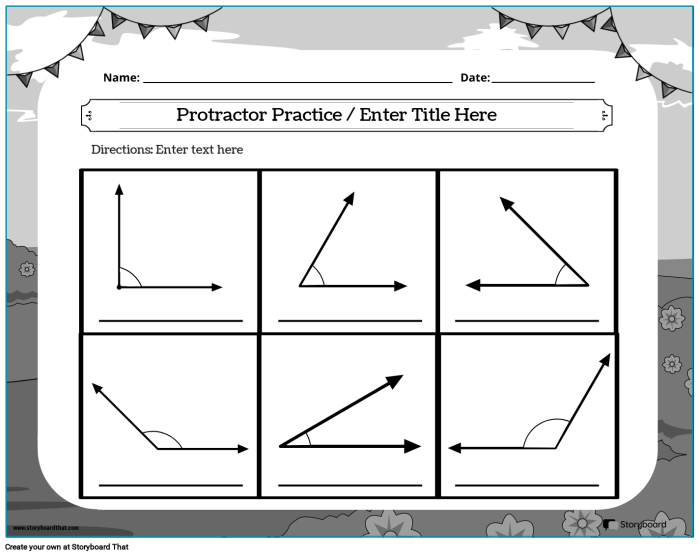
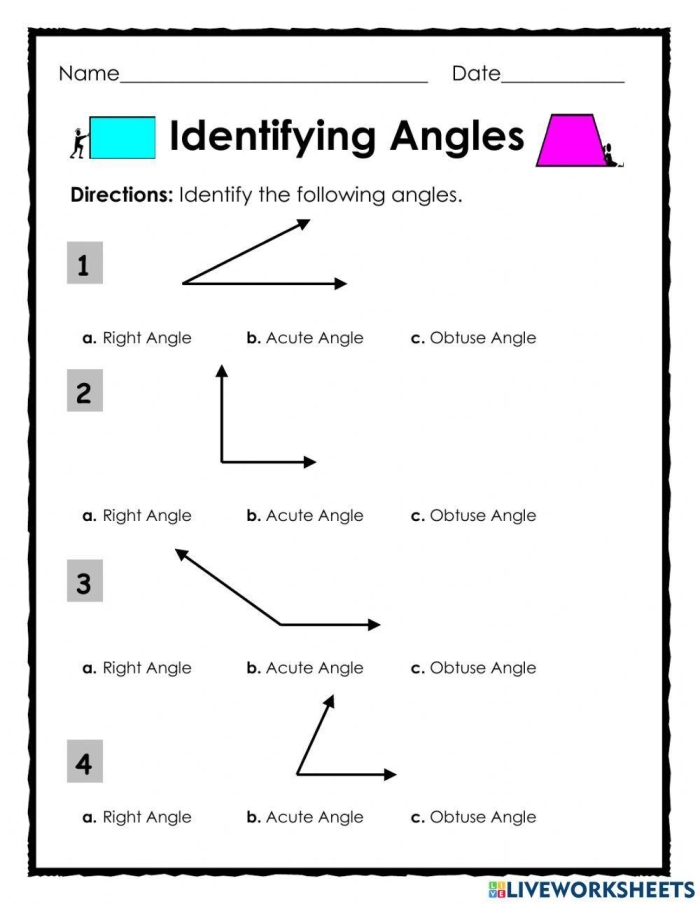
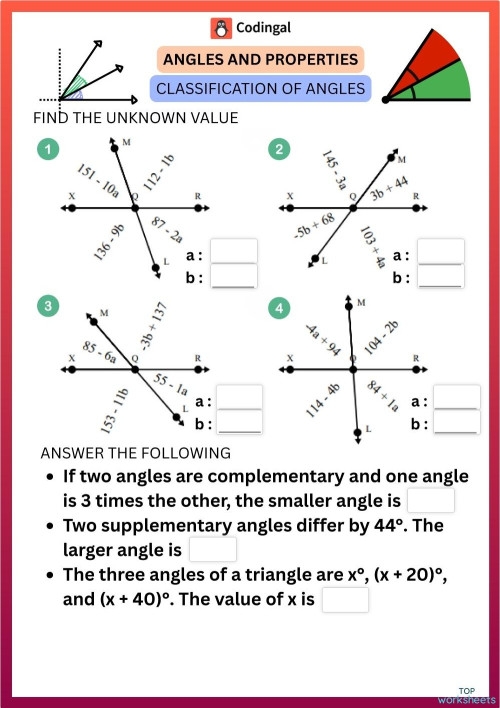
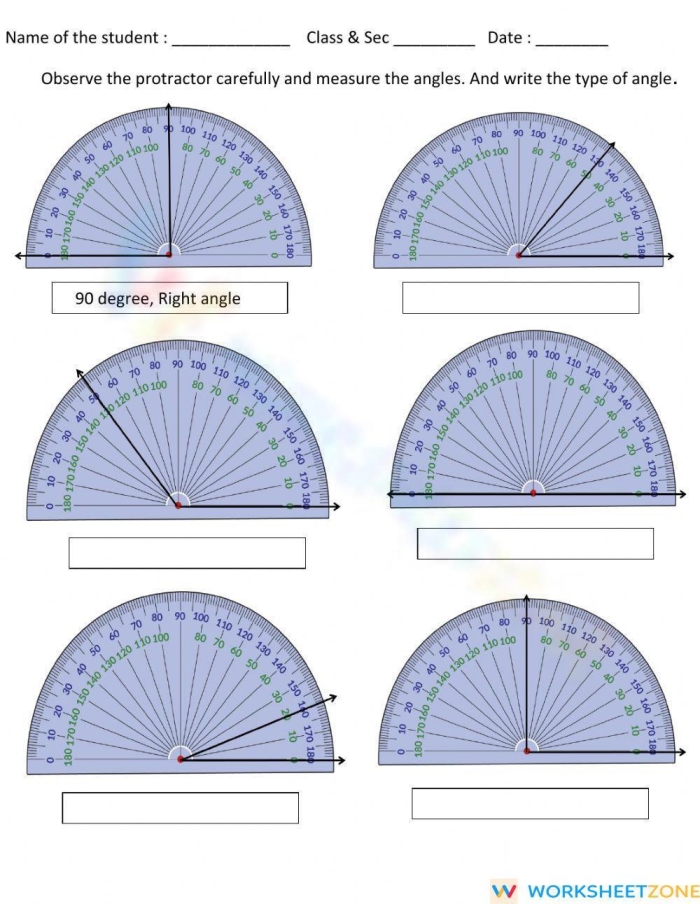
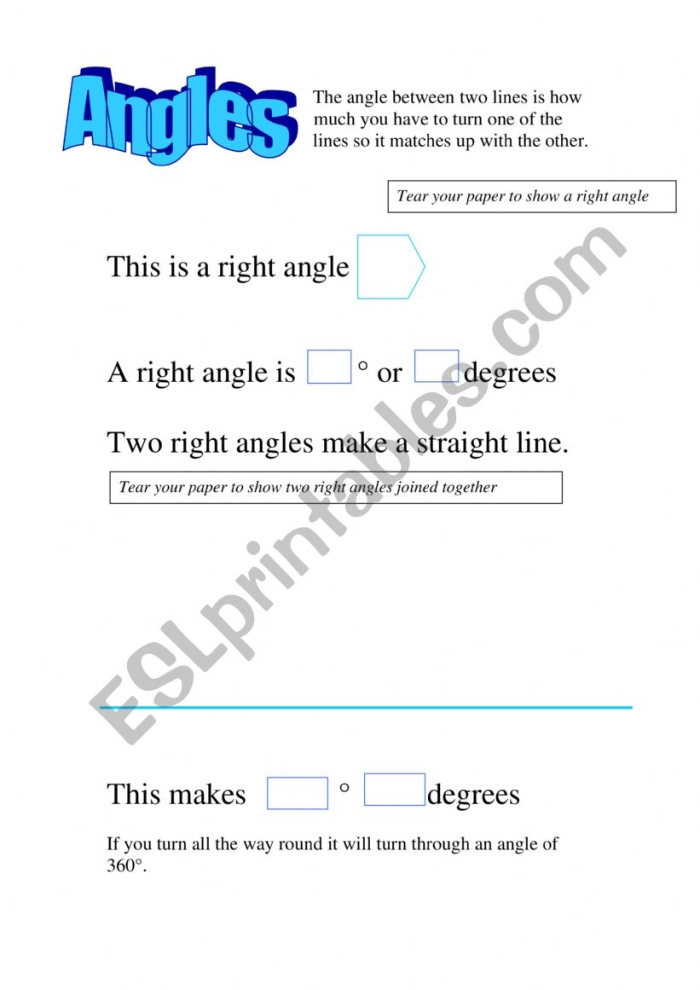
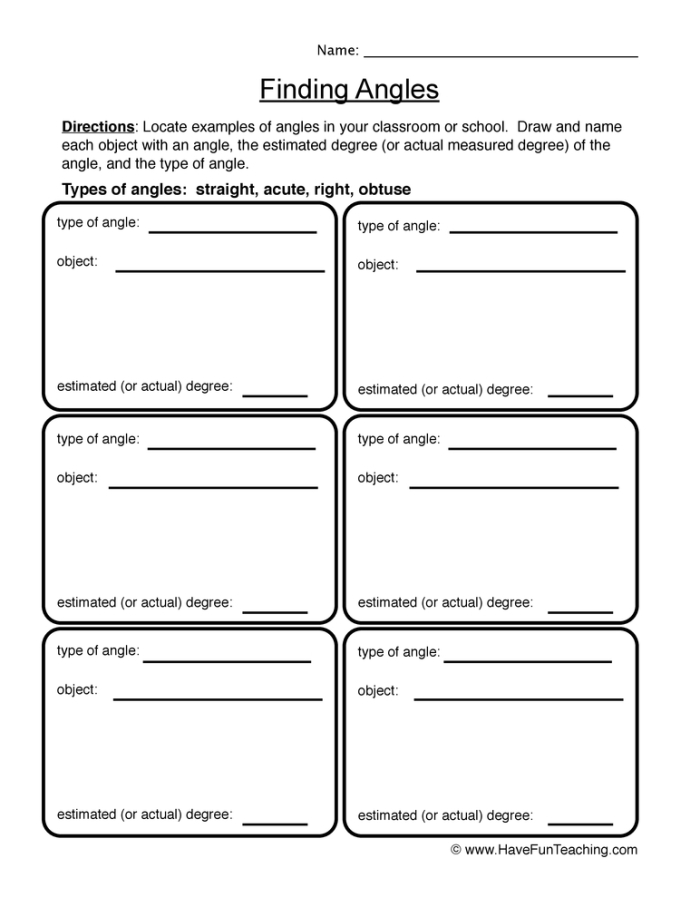
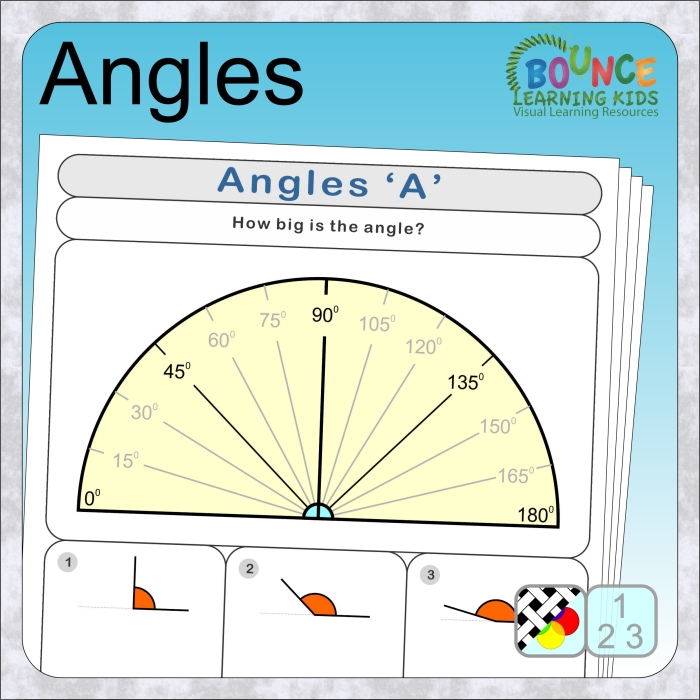
Angles are everywhere, and teaching first grade students to spot them can be both fun and educational. The Let’s See Those Angles! worksheet offers a hands-on way for young learners to recognize and count angles within a variety of shapes. By examining each figure carefully, students begin to understand what makes an angle and how to identify them in different contexts.
One key aspect of this activity is helping children distinguish between shapes based on their number of angles. For example, a triangle always has three angles, while a rectangle has four right angles. Encouraging students to count these angles sharpens their observation skills and lays a foundation for geometry concepts they will explore later. This kind of practice also supports grammar and mechanics skills when students describe shapes and their properties using appropriate language.
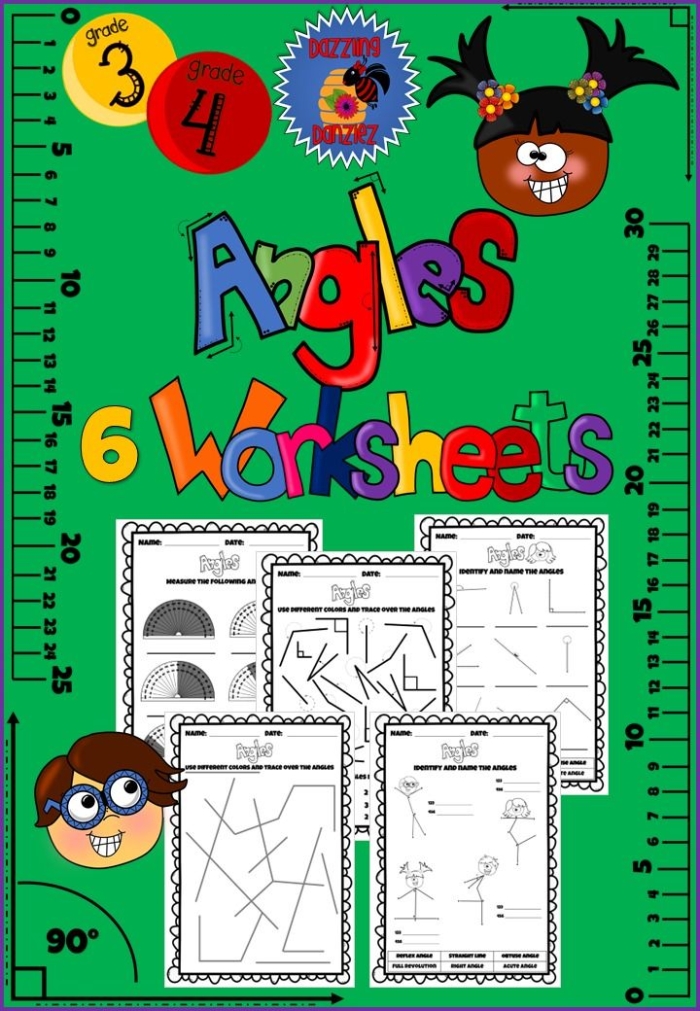
Using printable Let’s See Those Angles! worksheets tailored for first grade gives teachers a structured yet engaging resource. These worksheets often include a mix of familiar and novel shapes, making it easier for children to apply their angle-counting skills in different situations. Alongside recognizing angles, students also practice sorting and classifying shapes, which reinforces critical thinking.
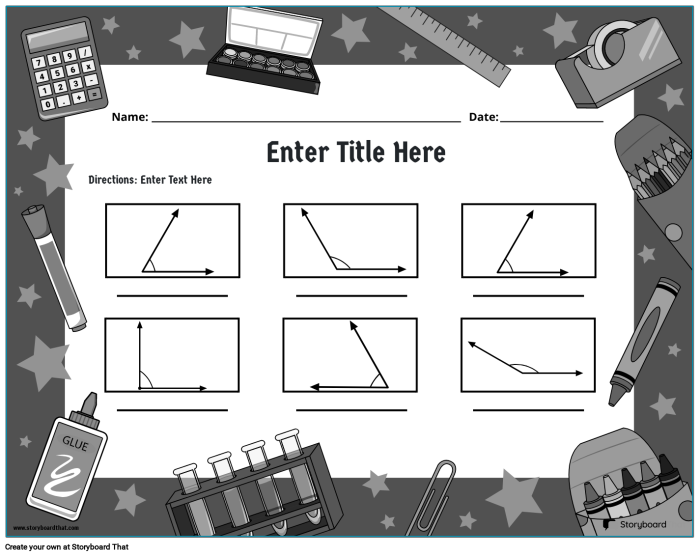
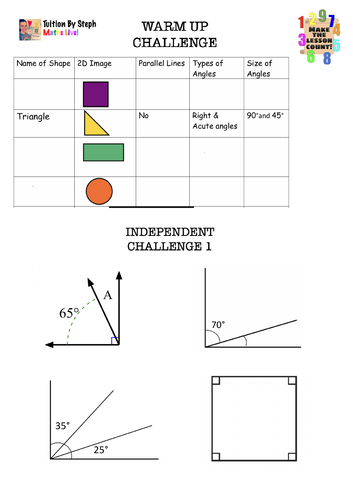
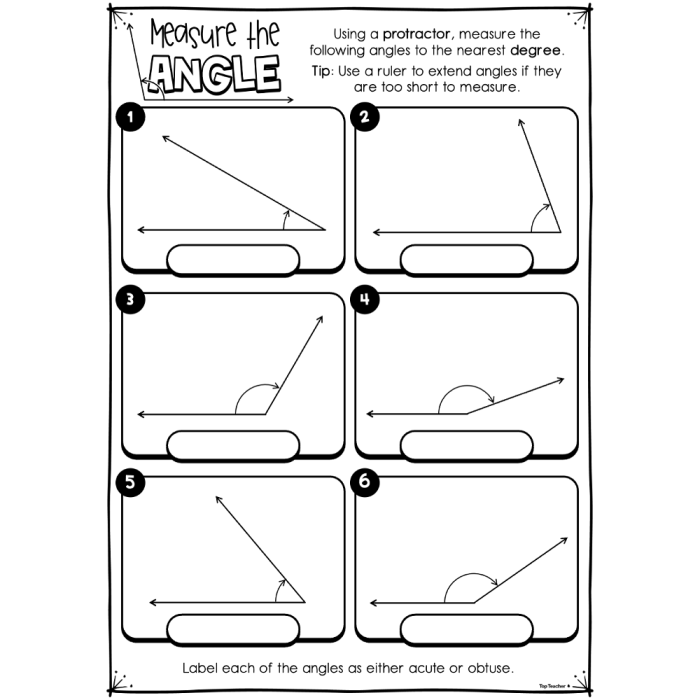
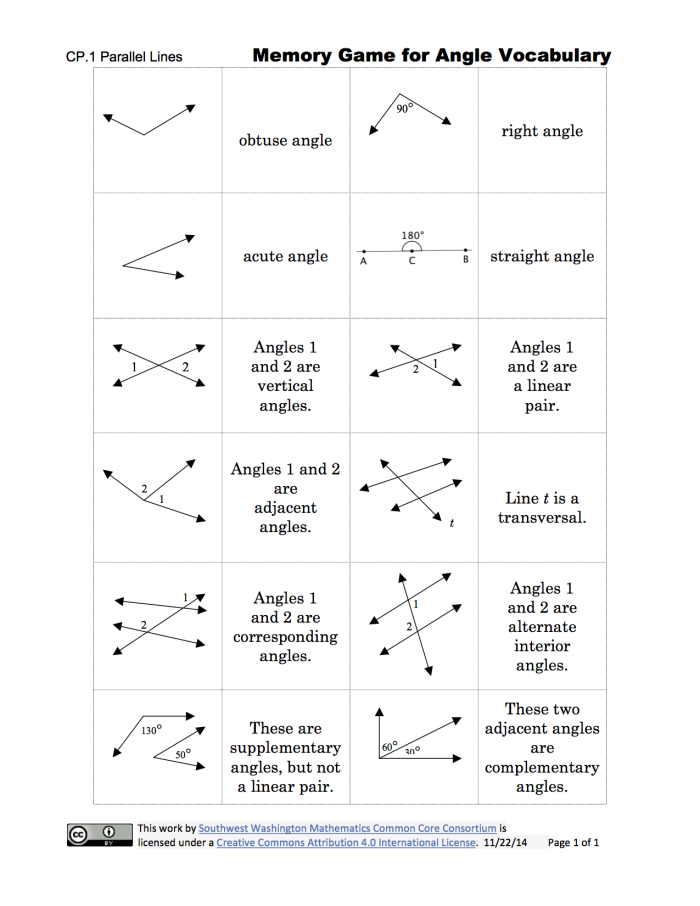
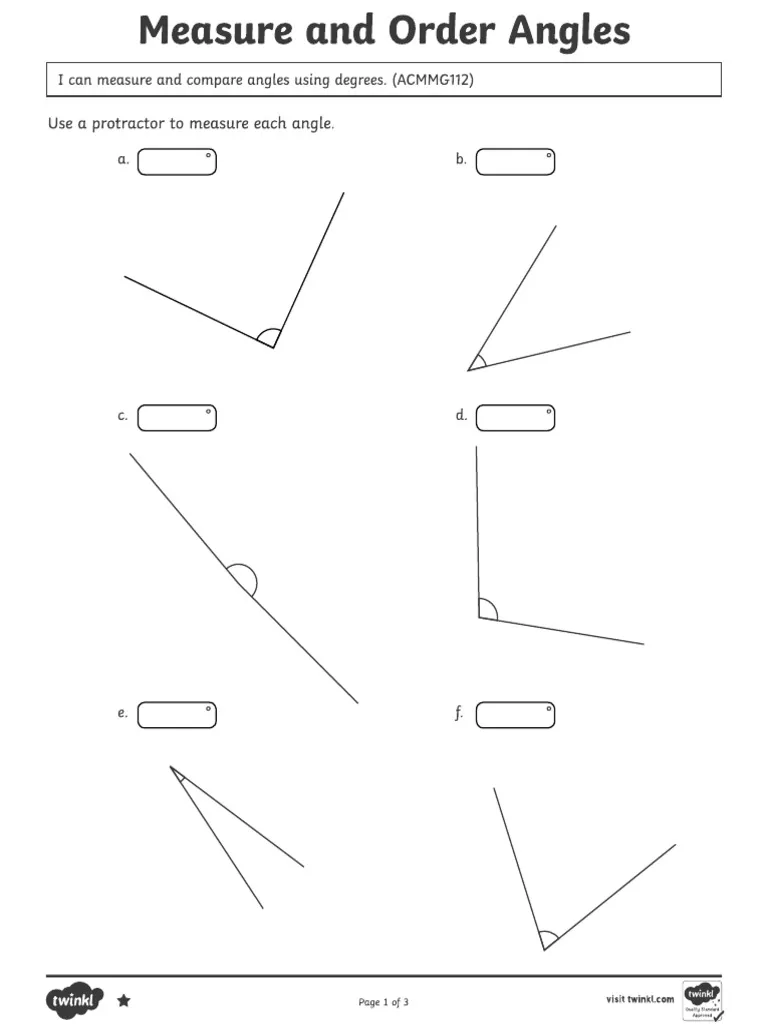
It’s interesting to note that most angles students will encounter at this level are either acute, right, or obtuse angles. Understanding these basic categories helps deepen their angle knowledge. For instance, pointing out that a right angle looks like the corner of a square makes the concept more relatable. Visual and tactile learning through worksheets complements verbal explanations, helping diverse learners grasp the idea better.
Integrating angle recognition into the first grade curriculum supports broader educational goals. It connects geometry to language development, as children use descriptive terms and compare shapes. For additional practice with language skills, resources like vocabulary-building worksheets can be paired with geometry lessons to enhance understanding and retention.
Use These Worksheets Today