Storms and other weather events have a wide range of effects that can impact both the environment and human communities. When teaching fifth grade students about these weather effects in life science, it’s helpful to encourage them to visualize the cause-and-effect relationships through flow charts. This method not only clarifies how a single weather event can lead to multiple outcomes but also strengthens critical thinking skills.
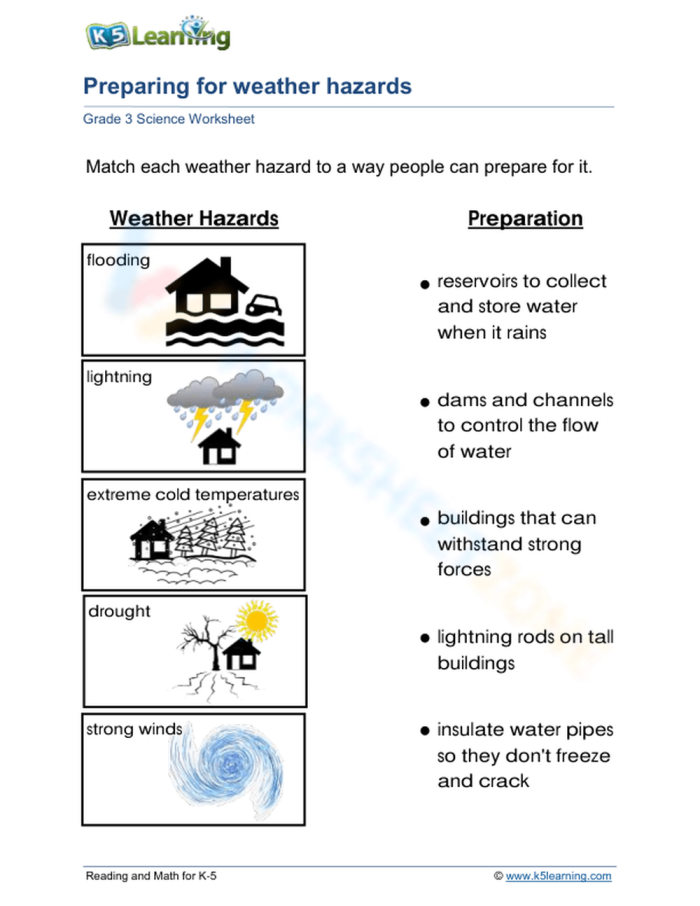
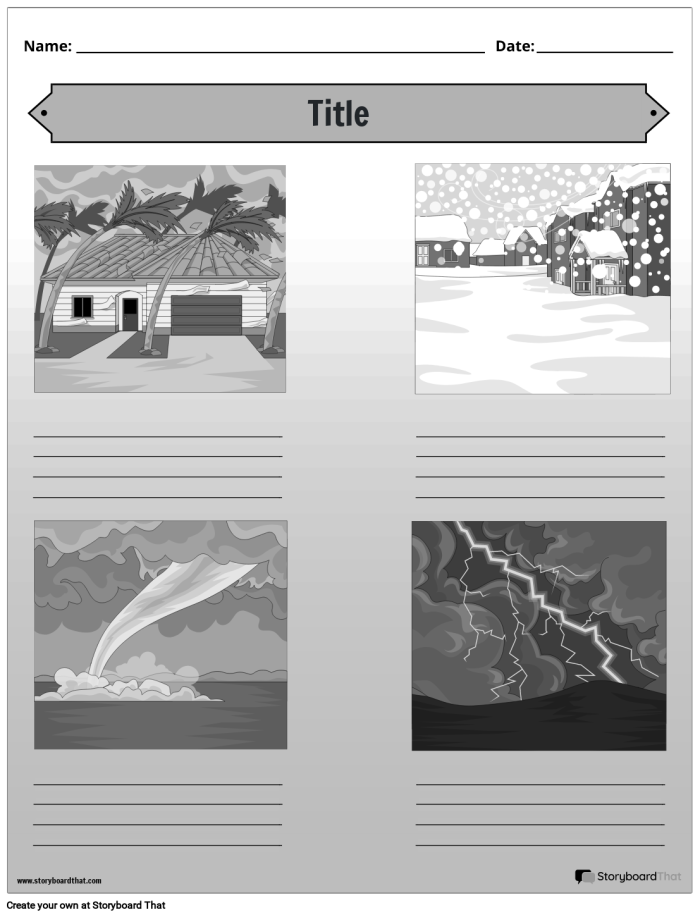
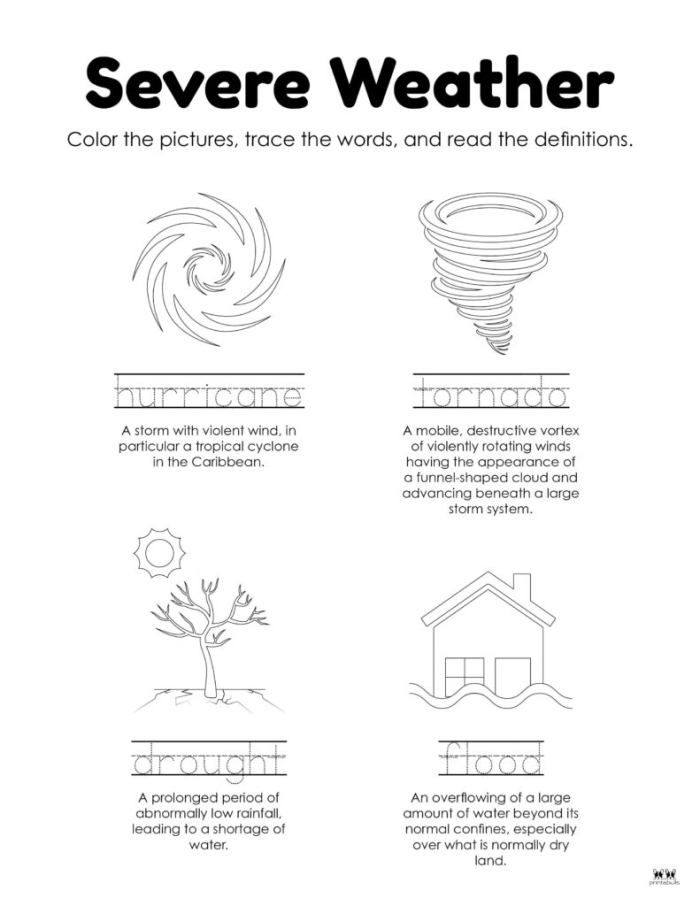
For instance, consider a hurricane. The immediate cause is the intense low-pressure system over warm ocean waters, but the effects branch out in various directions. Students can map out how heavy winds may cause structural damage to buildings, while flooding from storm surges can lead to water contamination and displacement of people. Additionally, the disruption to local ecosystems, such as fallen trees and altered habitats, can be noted in another branch of the flow chart.
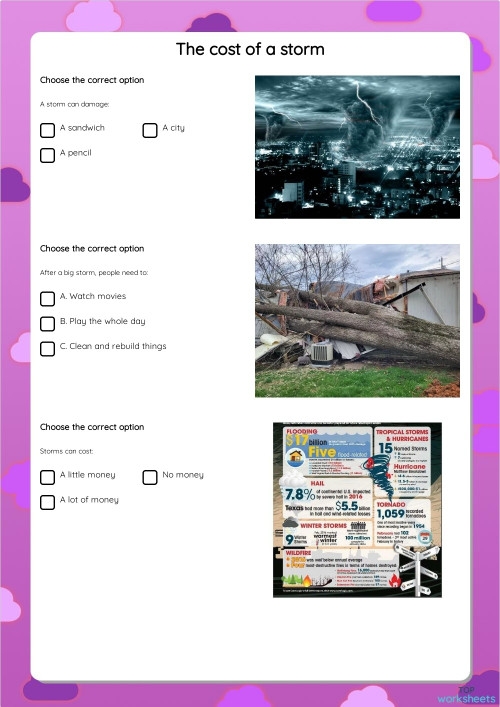
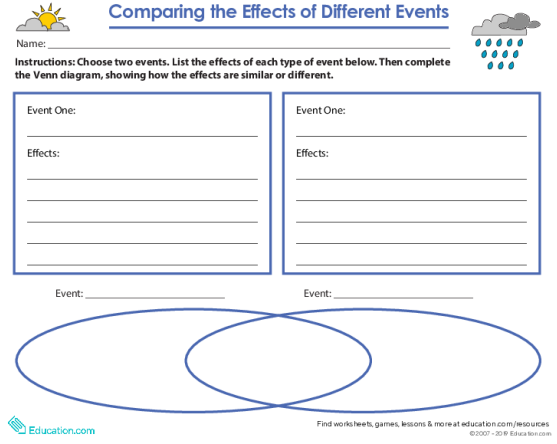
Creating these visual representations helps students understand that weather effects are interconnected rather than isolated incidents. It’s practical to include examples like thunderstorms leading to lightning strikes, which might start wildfires, or tornadoes causing both physical destruction and long-term economic challenges for affected communities.
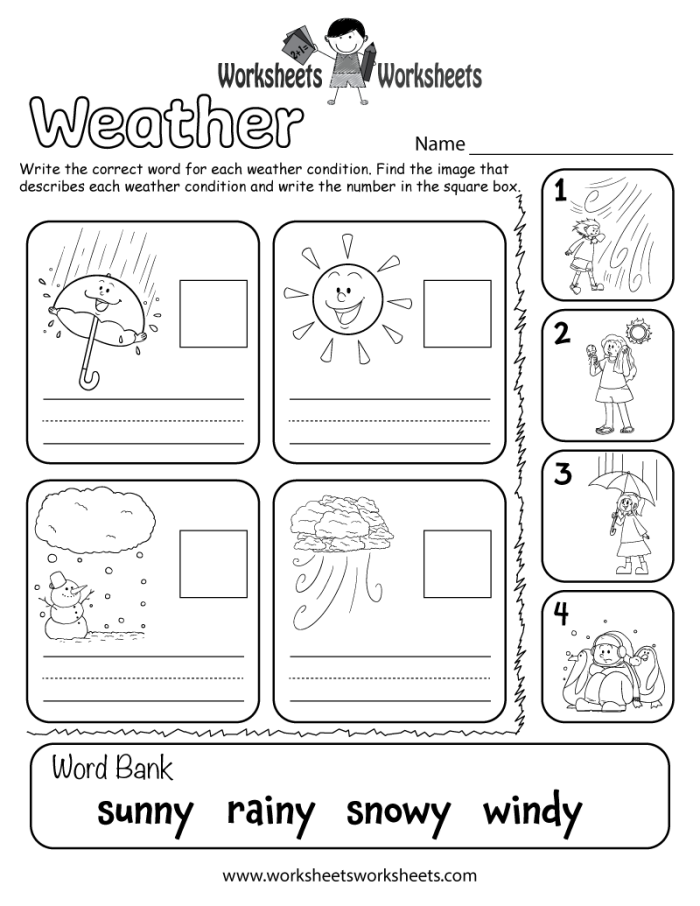
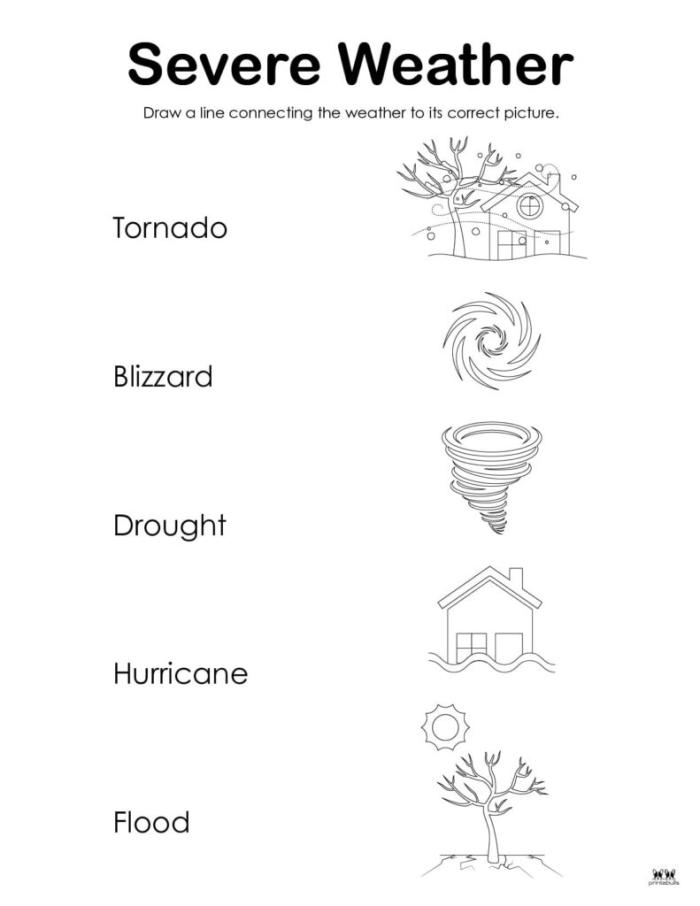
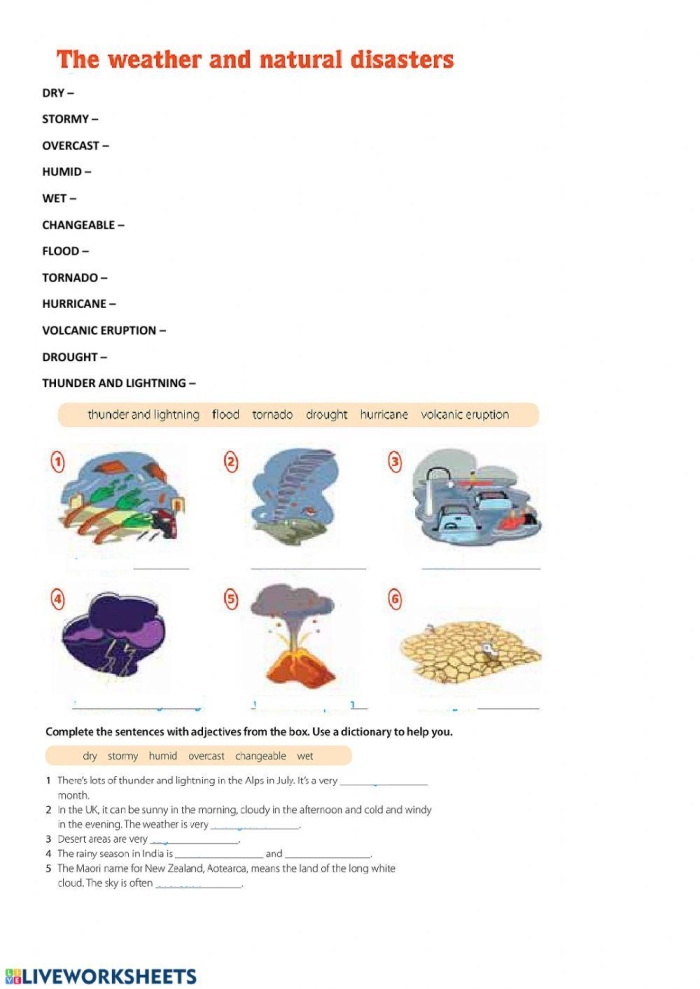
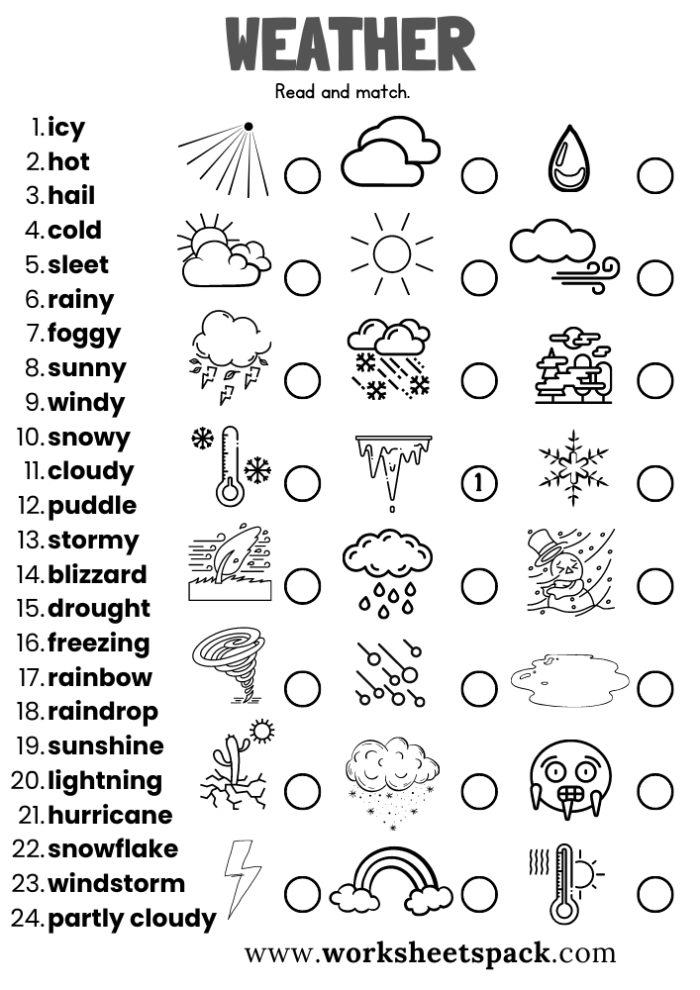
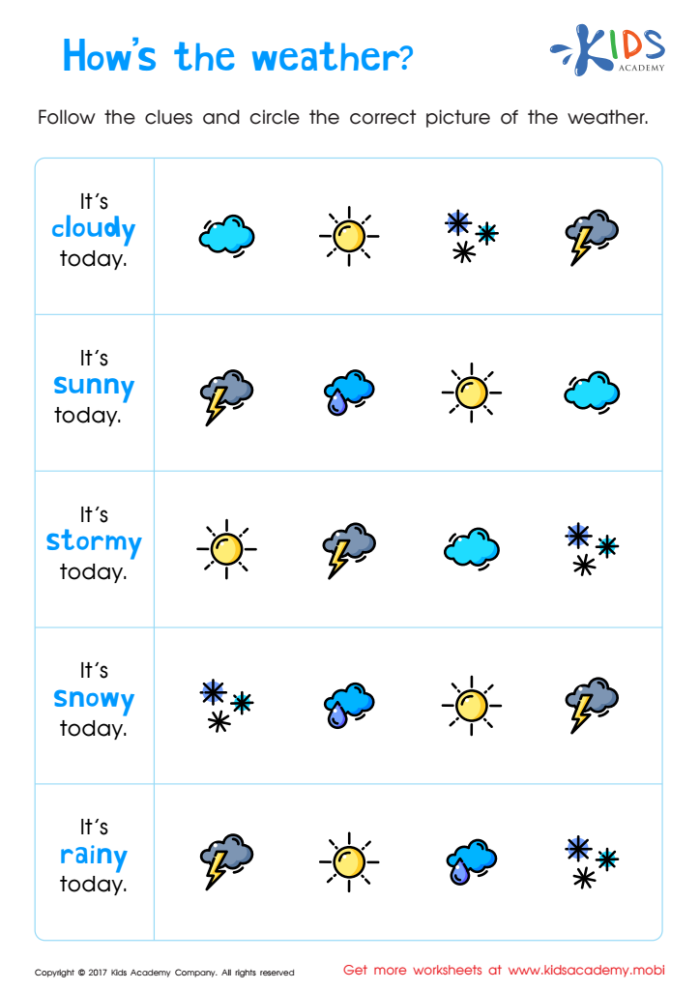
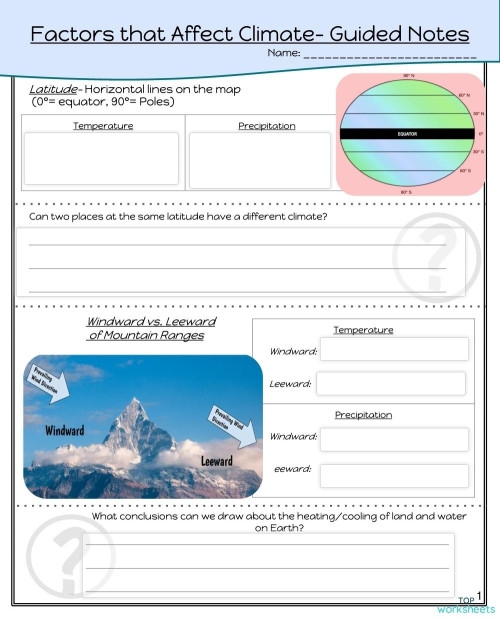
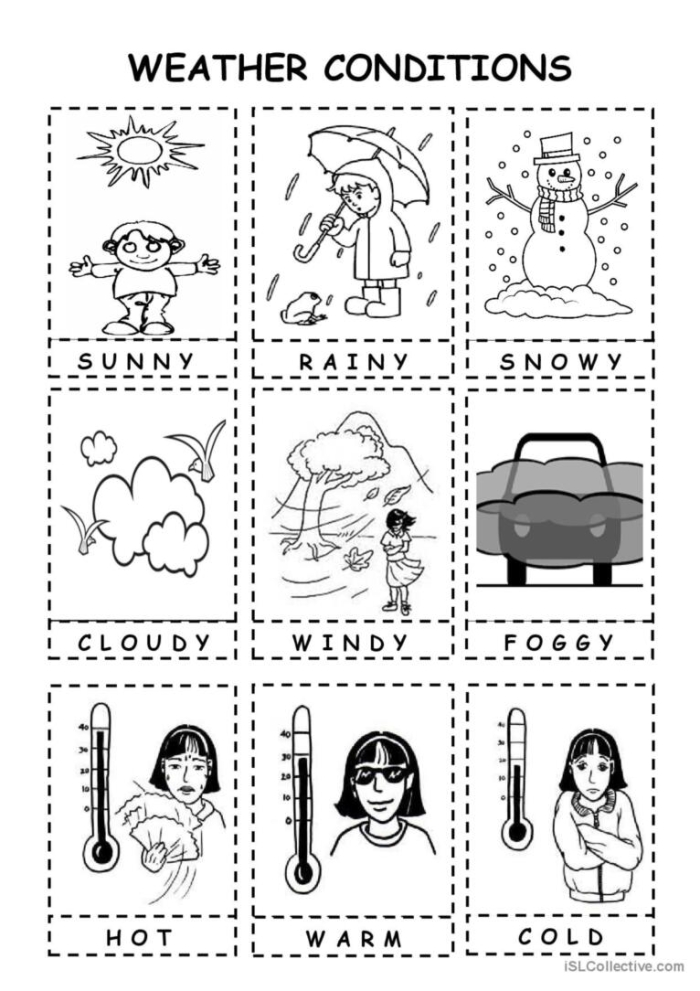
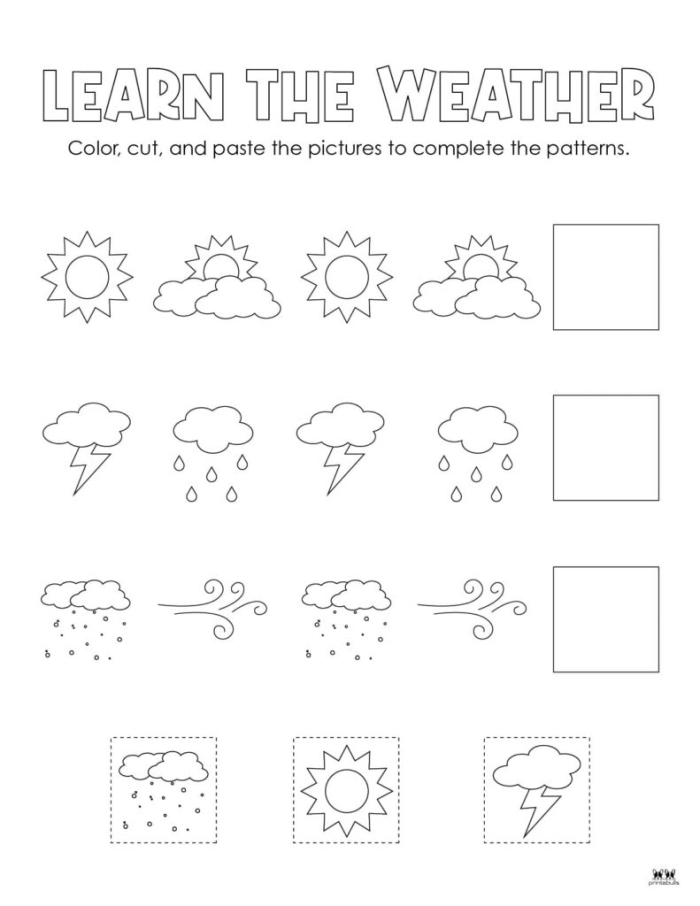
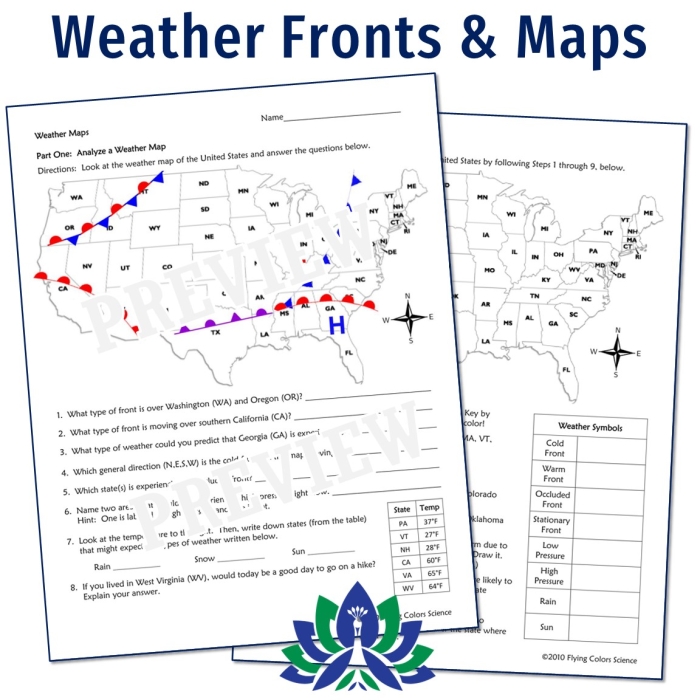
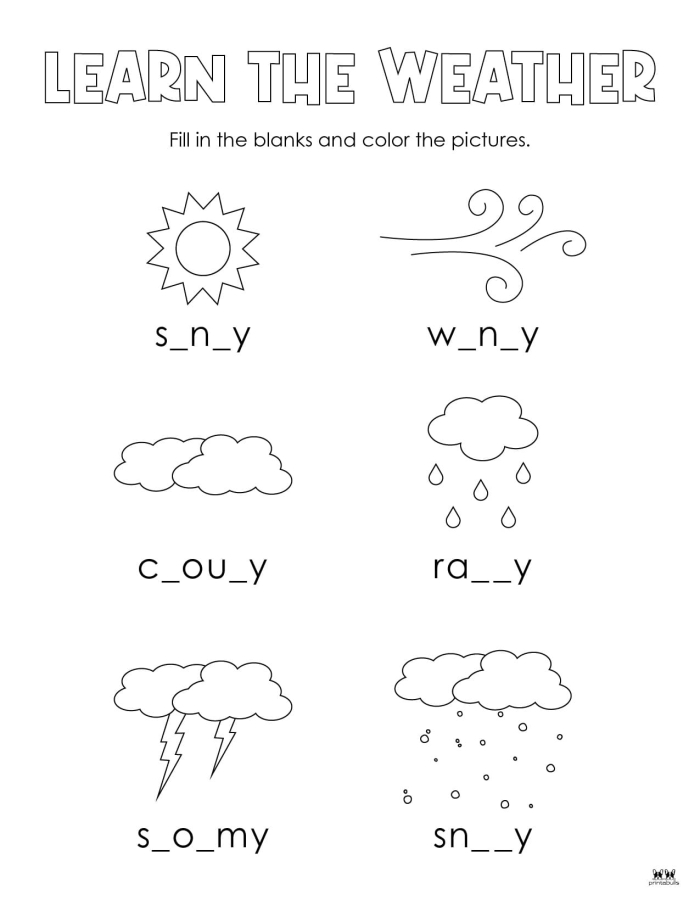
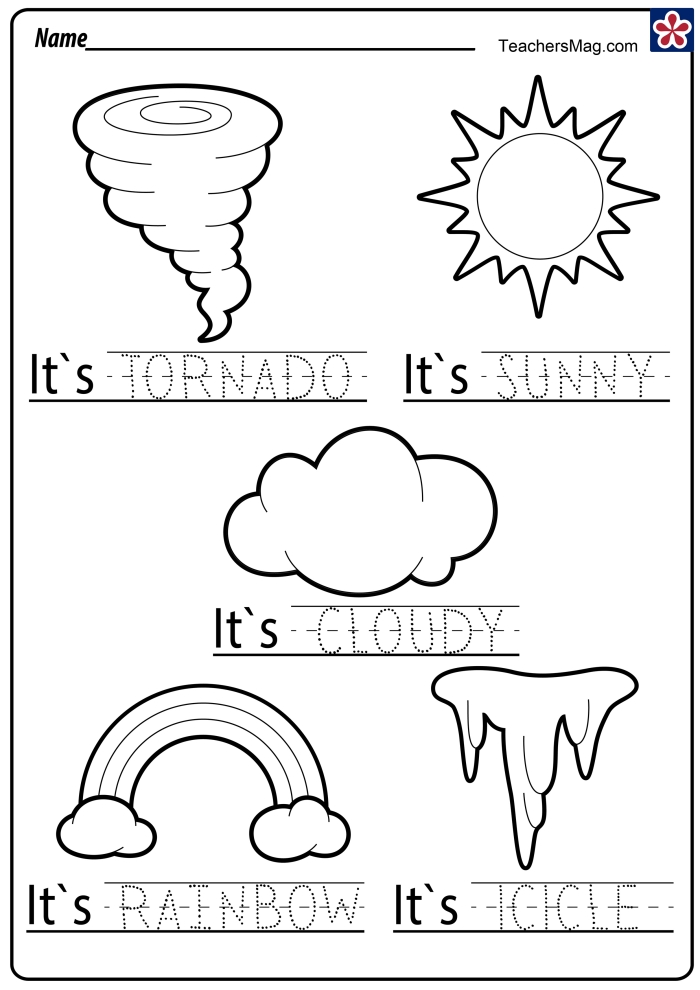
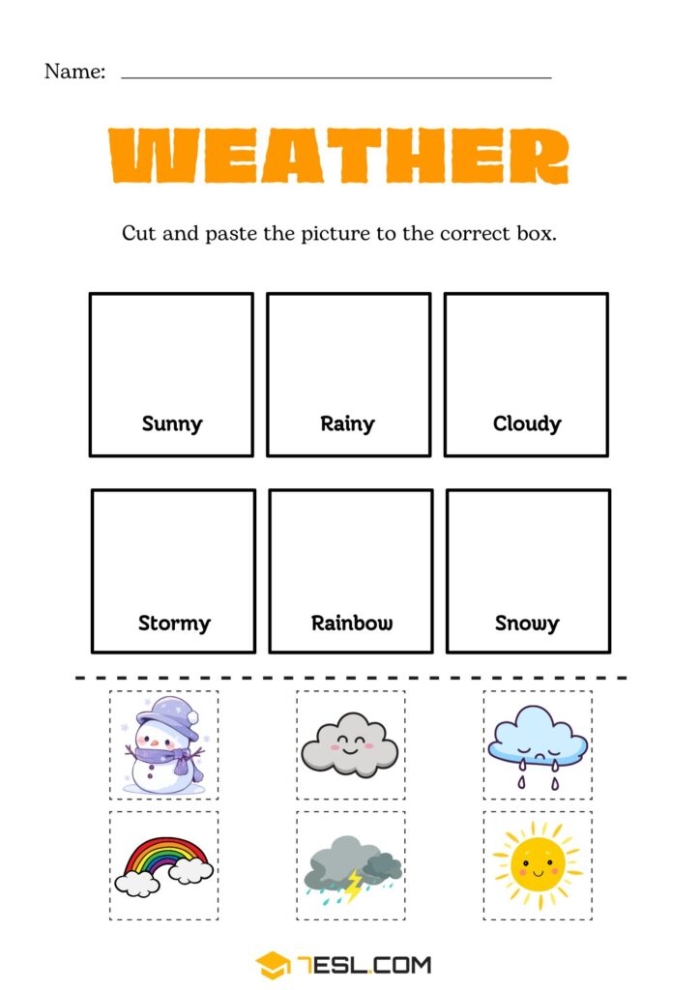
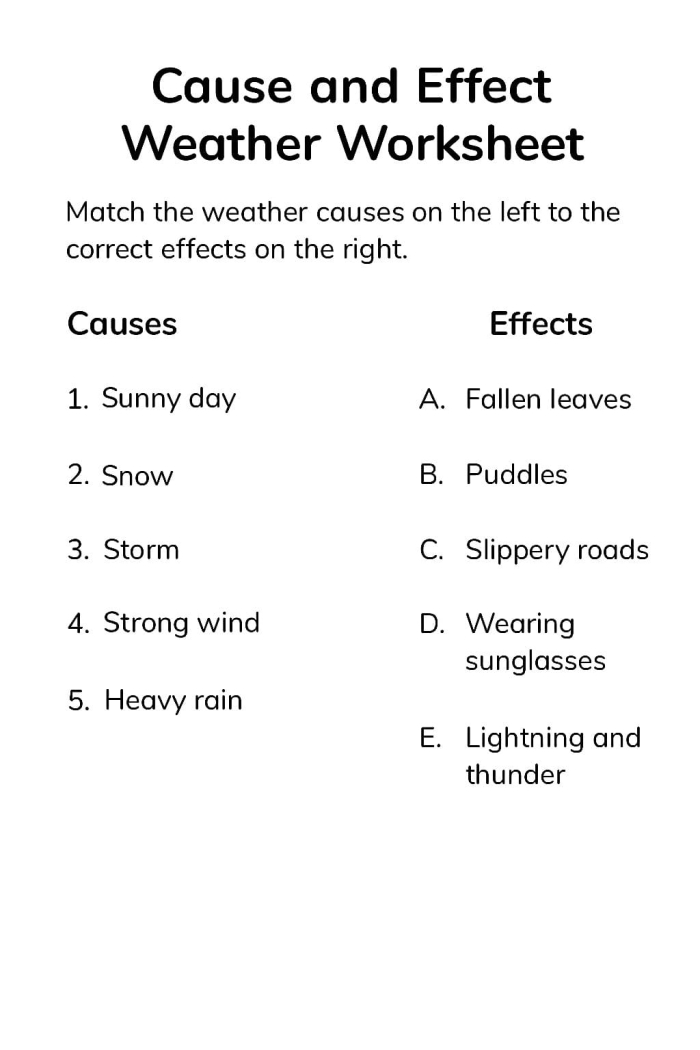
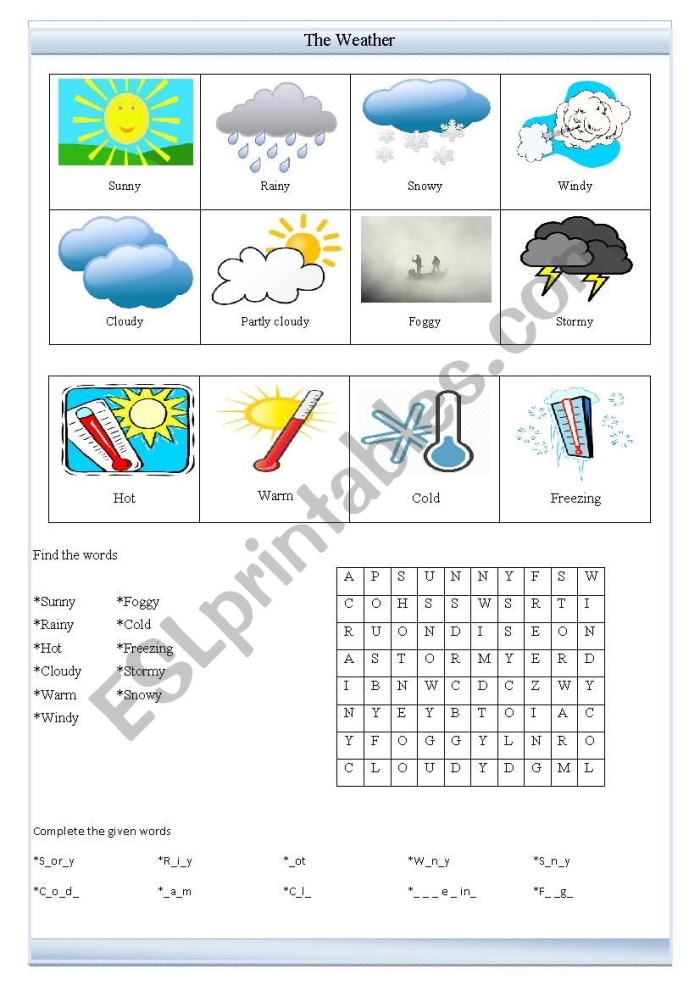
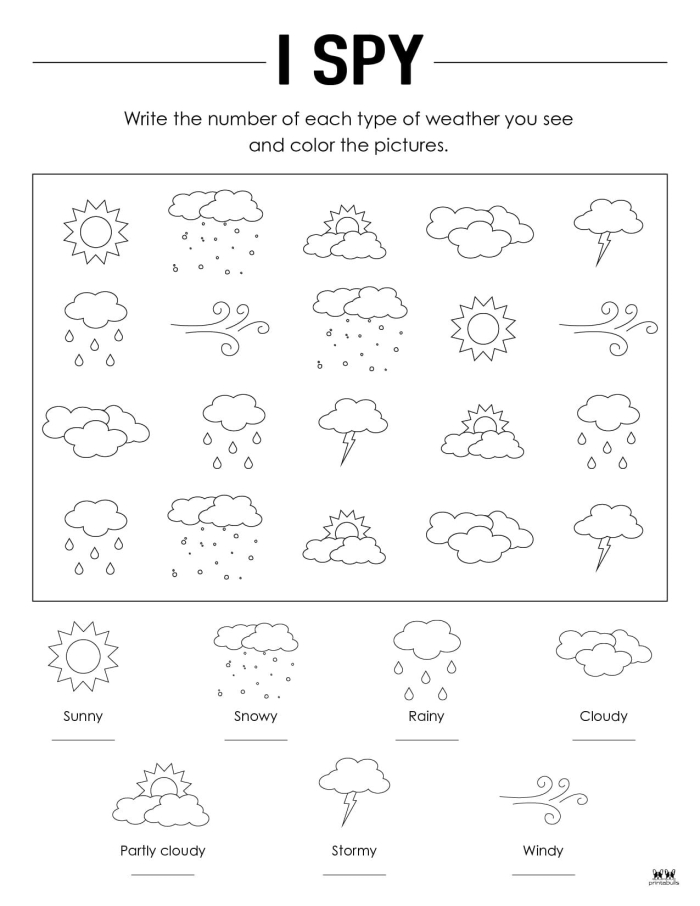
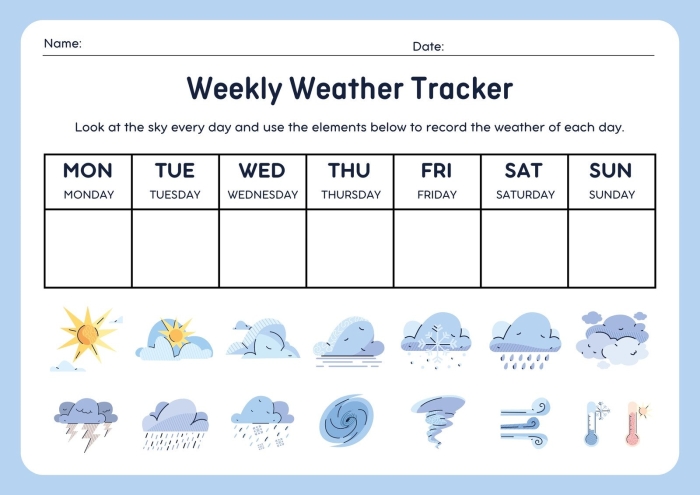
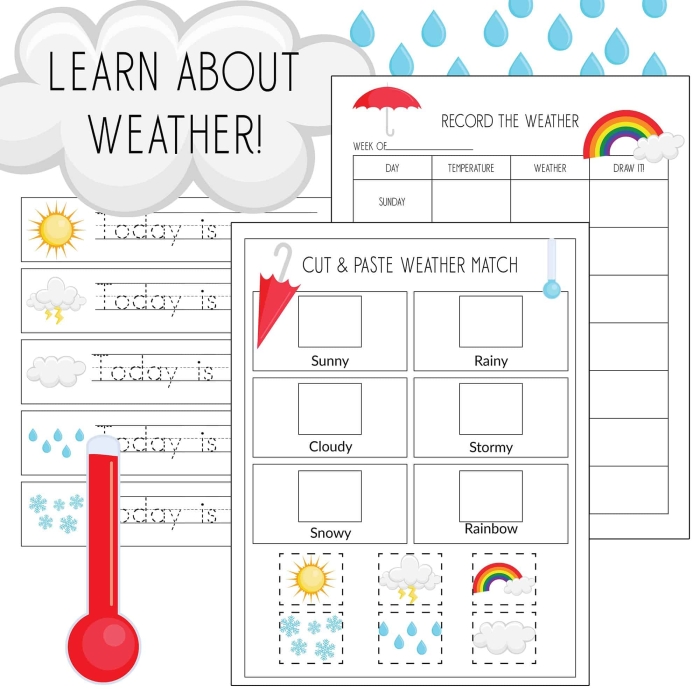
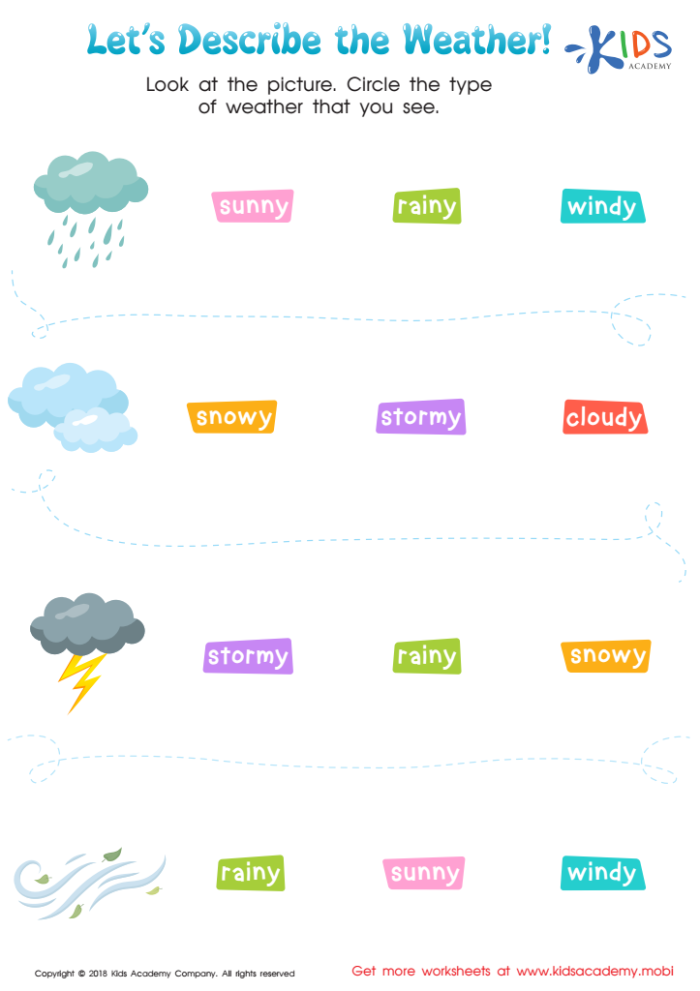
This approach also makes a complex topic more accessible. Printable weather effects worksheets designed for fifth grade can guide students step-by-step through identifying causes and tracing their effects systematically. Engaging with such materials supports deeper comprehension than memorizing facts alone. For example, a worksheet that integrates reading comprehension about beekeeping and weather impacts can show how changing weather patterns influence pollinator behavior, adding a real-world dimension to the lesson.
By focusing on cause-and-effect flow charts, students gain a clearer picture of how storms influence both natural and human systems. This not only aligns with life science curriculum goals but also encourages learners to think analytically about environmental events they might experience in their own communities.
Boost Skills with These Worksheets