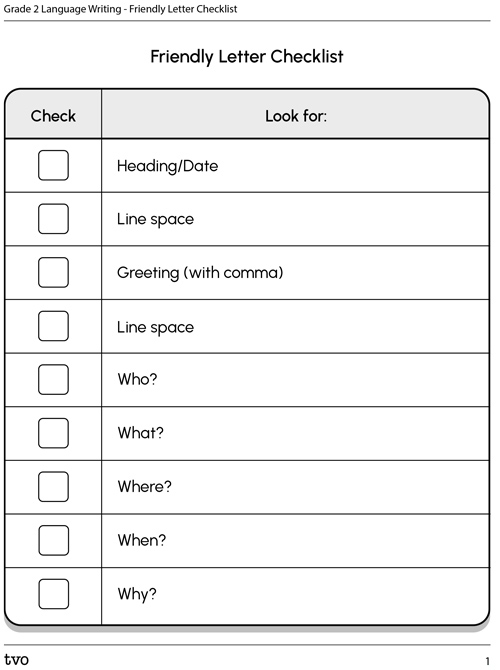
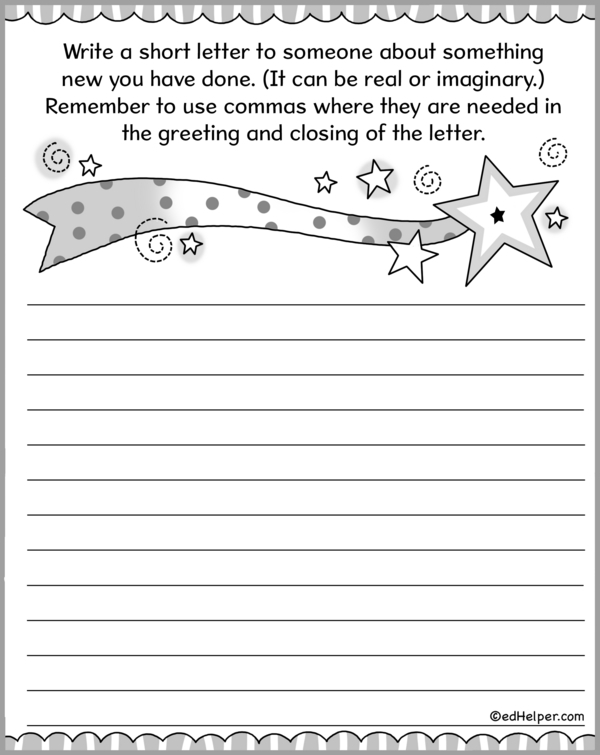
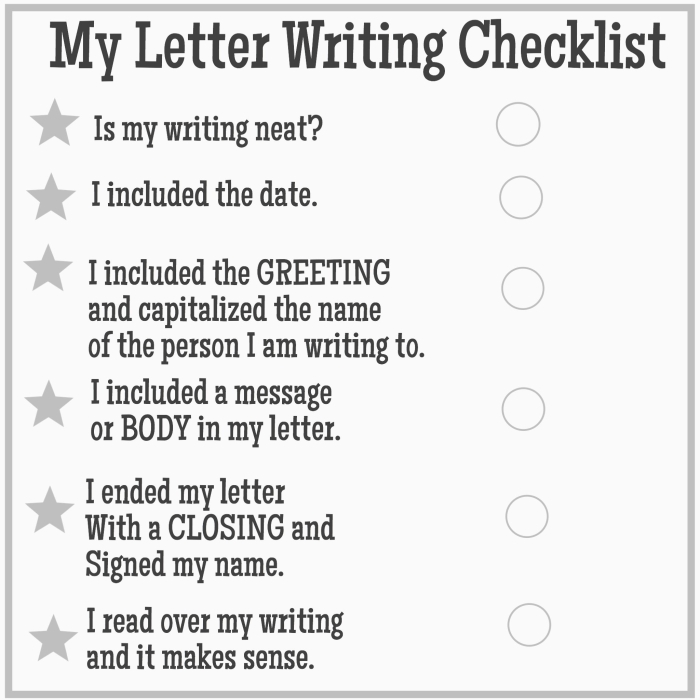
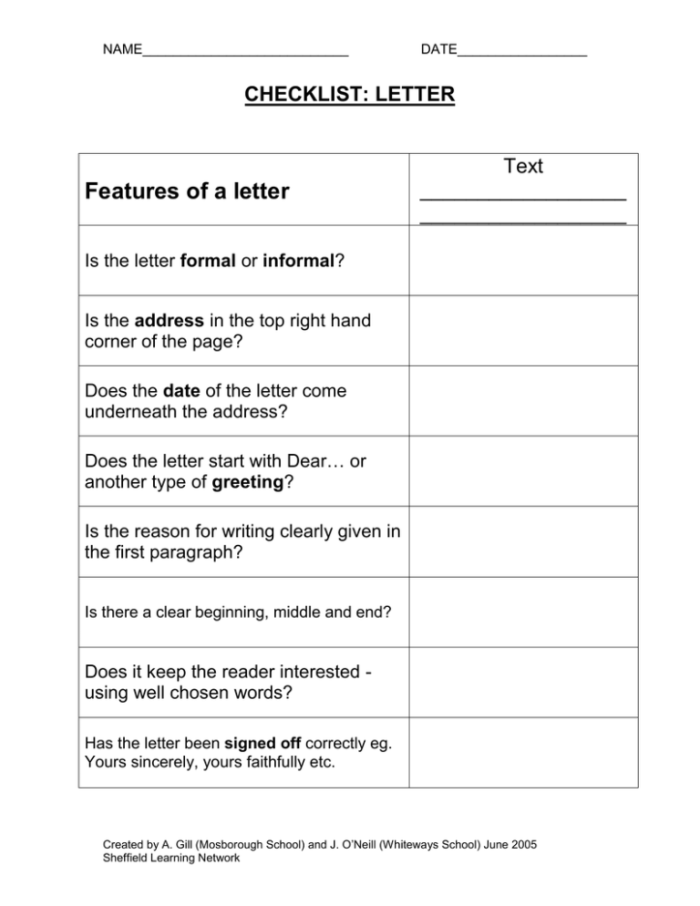
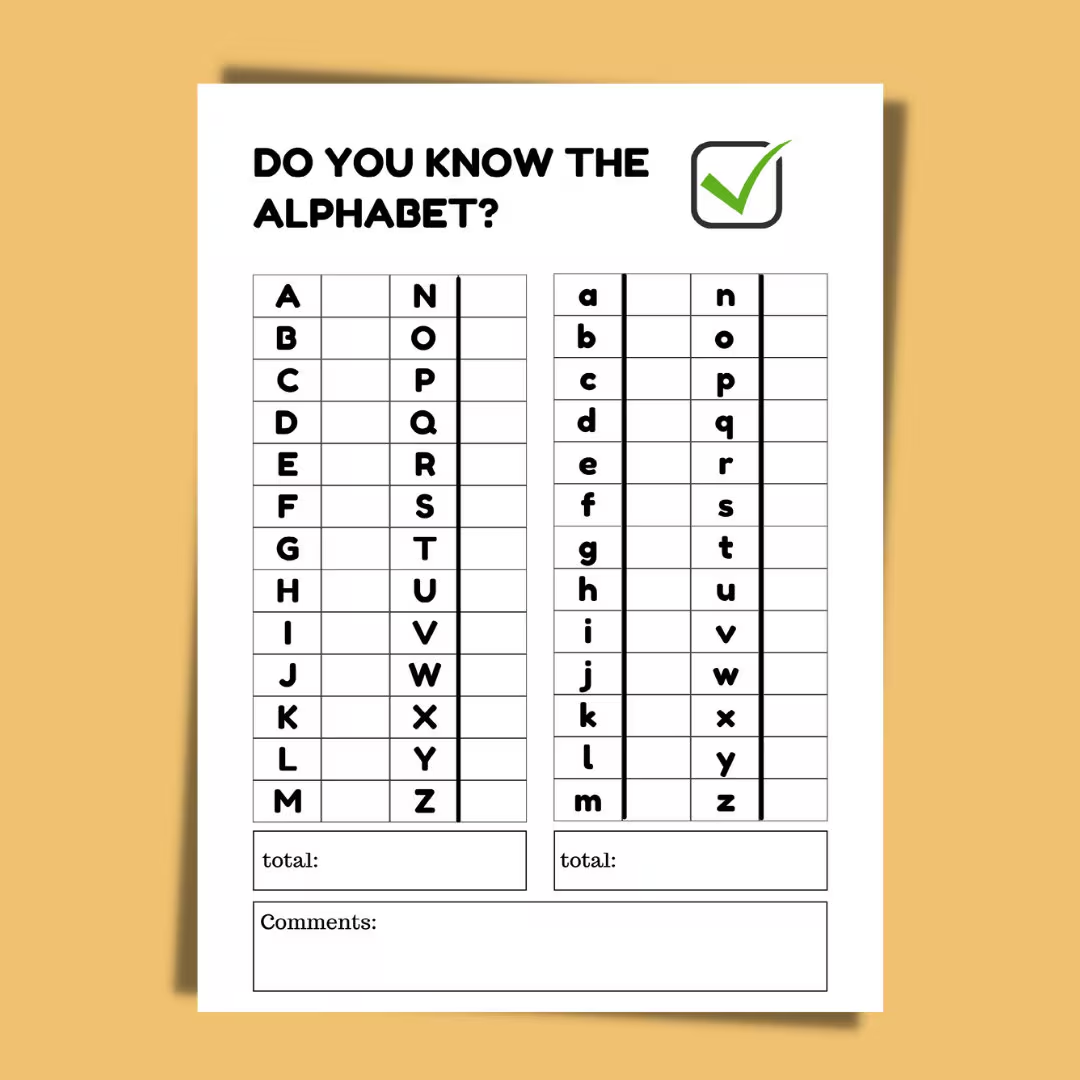
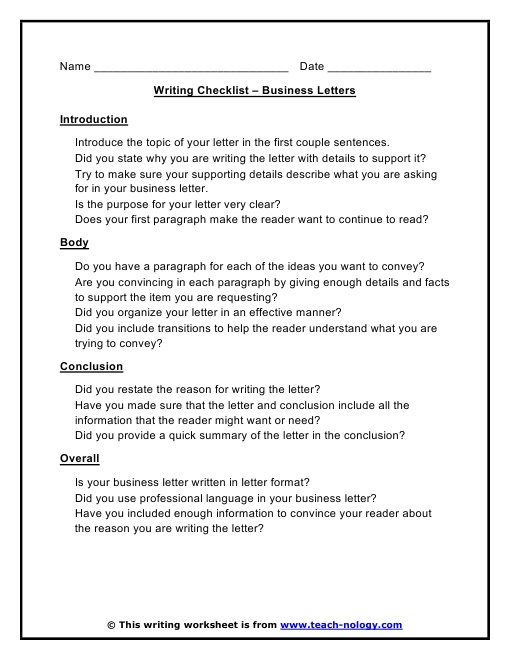
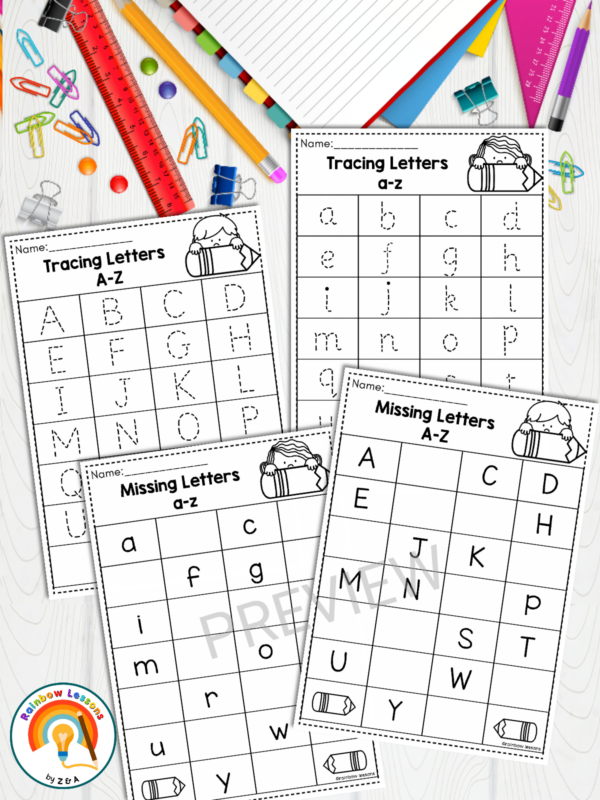
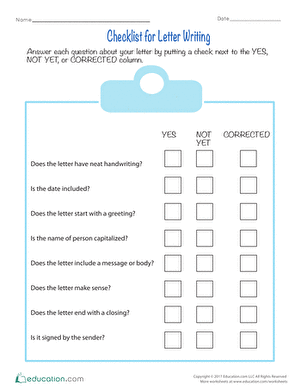
Writing a letter may seem simple, but it actually involves several essential parts that work together to create a clear and respectful message. For fourth grade students learning the alphabet and developing their writing skills, having a letter checklist can be incredibly helpful. This checklist guides them through the main components of a letter, ensuring nothing important is left out.
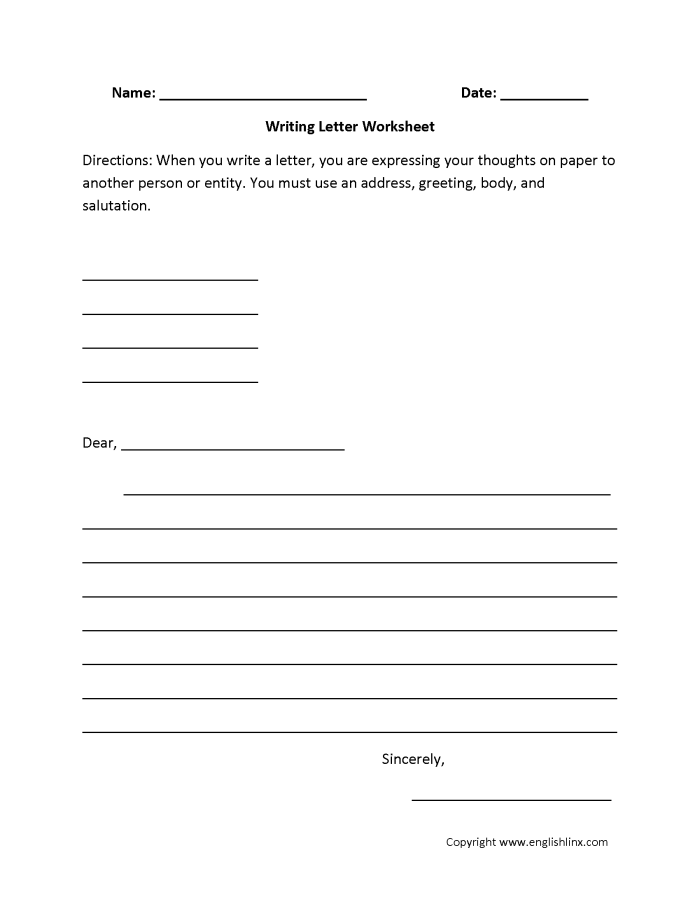
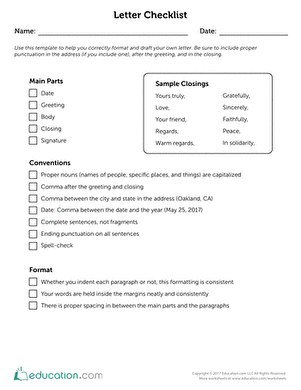
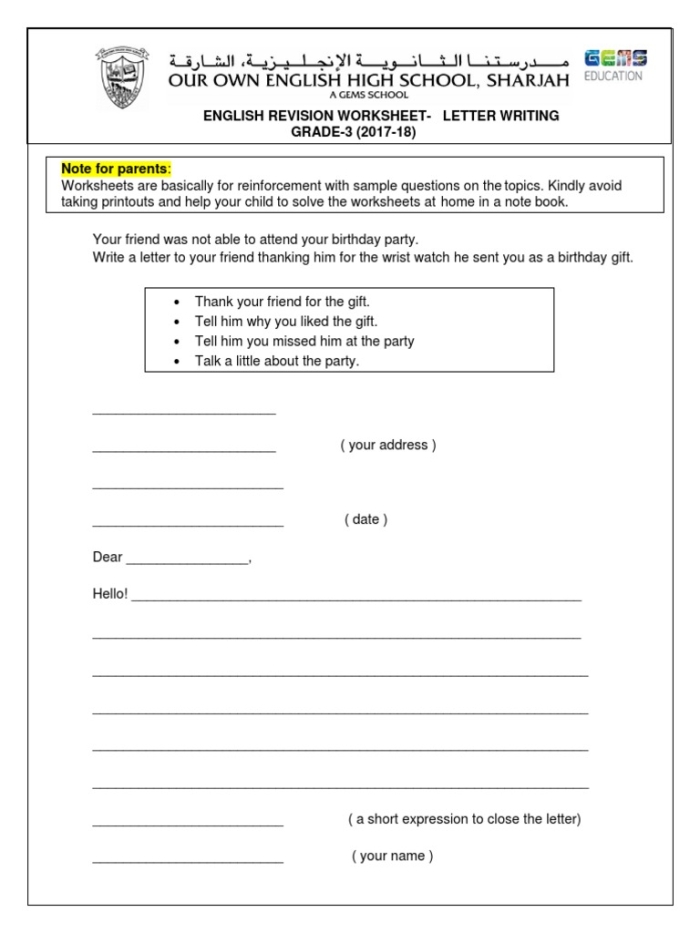
At its core, a letter includes a heading, greeting, body, closing, and signature. Each part plays a specific role: the heading shows the sender’s address and date; the greeting opens the letter politely; the body delivers the message; the closing wraps things up; and the signature identifies who wrote it. Following these conventions helps students practice proper communication, which is a key skill in both school and everyday life.
Format is another critical aspect covered in a good letter checklist. For instance, students learn to align the heading to the right or left, leave spaces between paragraphs, and use an appropriate font size and style. These details might seem small, but they make the letter easier to read and more professional. When fourth graders pay attention to format, they not only improve their writing but also build confidence in organizing information.
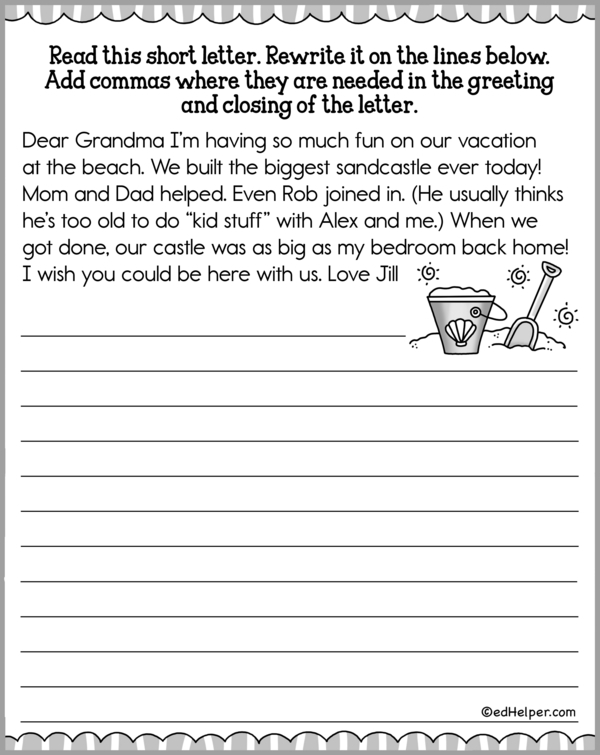
One of the trickier parts for young writers is choosing the right closing. The checklist often includes tips on selecting a closing that matches the letter’s tone and purpose. For example, “Sincerely” works well for formal letters, while “Best wishes” suits friendly notes. Teaching students this nuance helps them understand that writing is not just about words but also about expressing respect and intention.
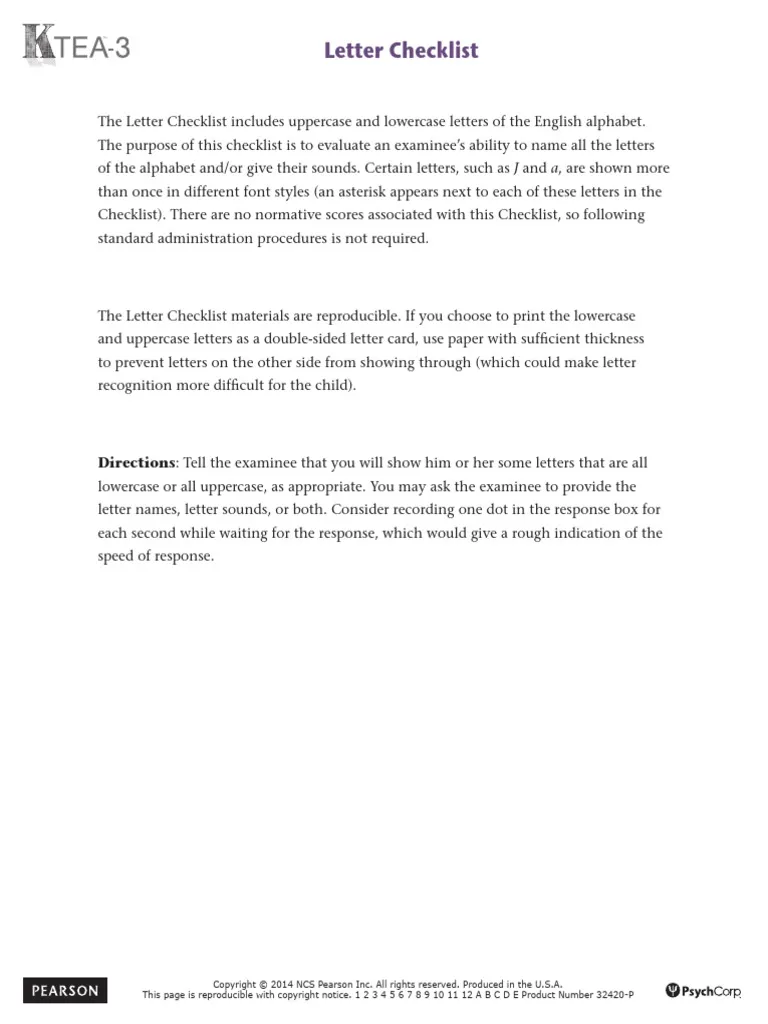
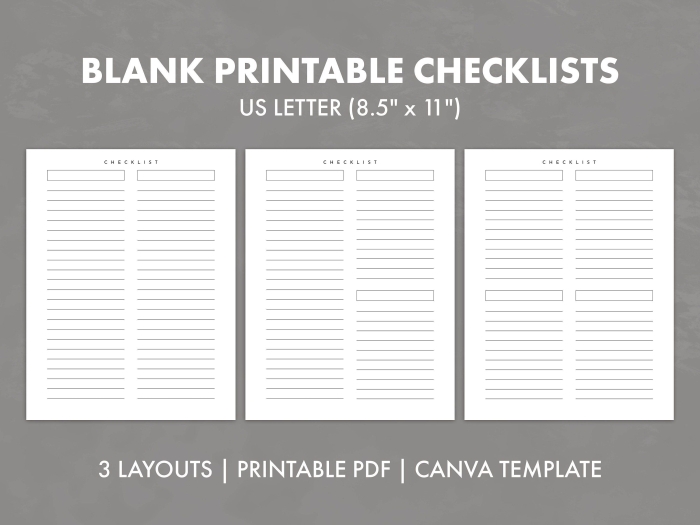
Printable letter checklist worksheets designed for the alphabet and fourth grade make this learning process interactive and clear. These worksheets break down each element step-by-step, allowing students to practice and self-check their work before sharing it. Using these resources alongside related materials on topics like poetry or fractions can enrich their overall literacy and critical thinking skills, making the writing experience more engaging and effective.
Start Practicing with These Worksheets