Drawing conclusions from what we read is a crucial skill for second grade students developing their reading comprehension. This ability, often called making inferences, means going beyond the words on the page to understand the meaning behind them. For young learners, practicing this skill with clear and simple sentences helps build confidence and deepens their engagement with text.
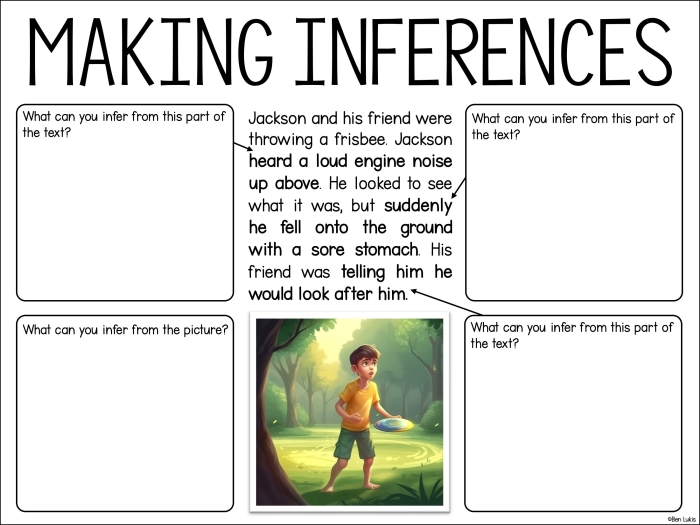
When students learn to make their own inferences, they connect clues in the story or passage with what they already know. For example, if a sentence says, “Lily wore her raincoat and carried an umbrella,” students can infer that it might be raining outside, even if the text doesn’t say so directly. This active thinking encourages them to become more thoughtful readers, rather than just passively decoding words.
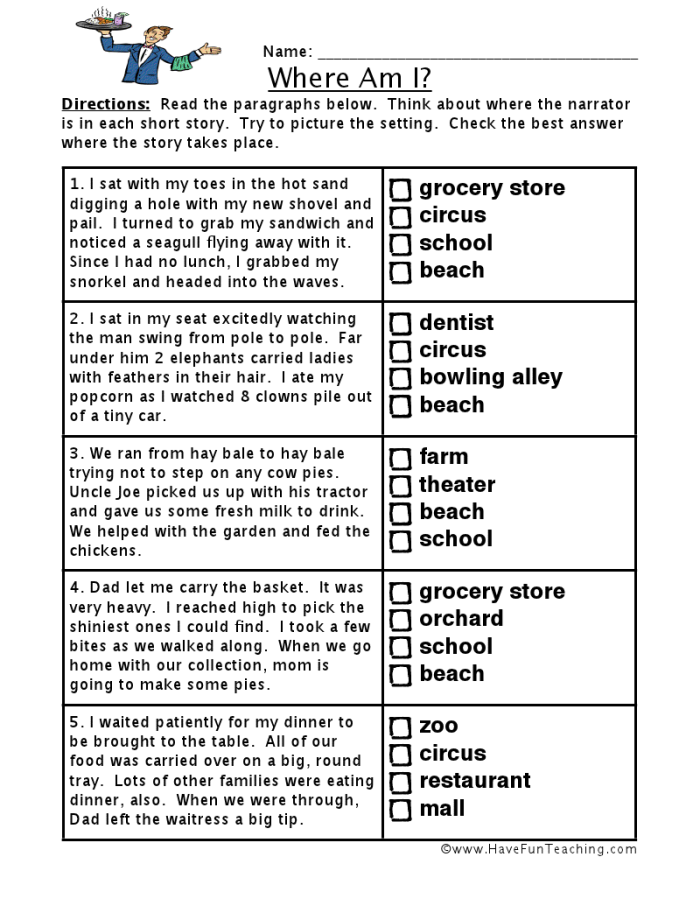
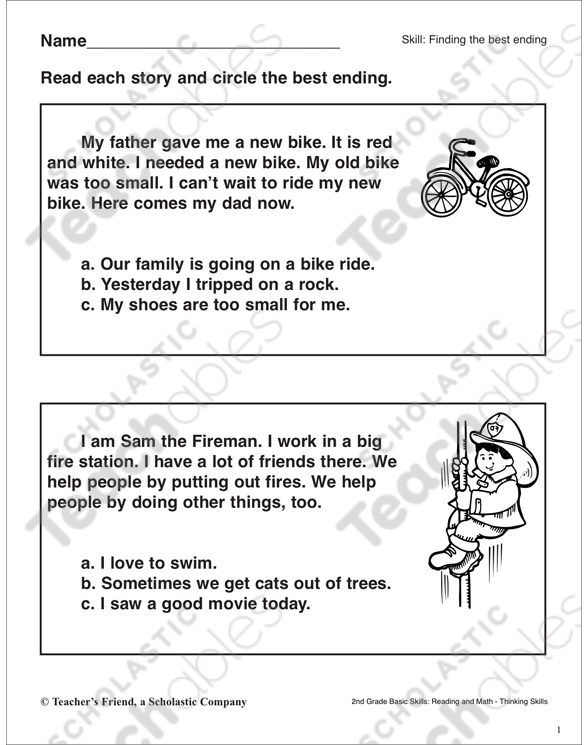
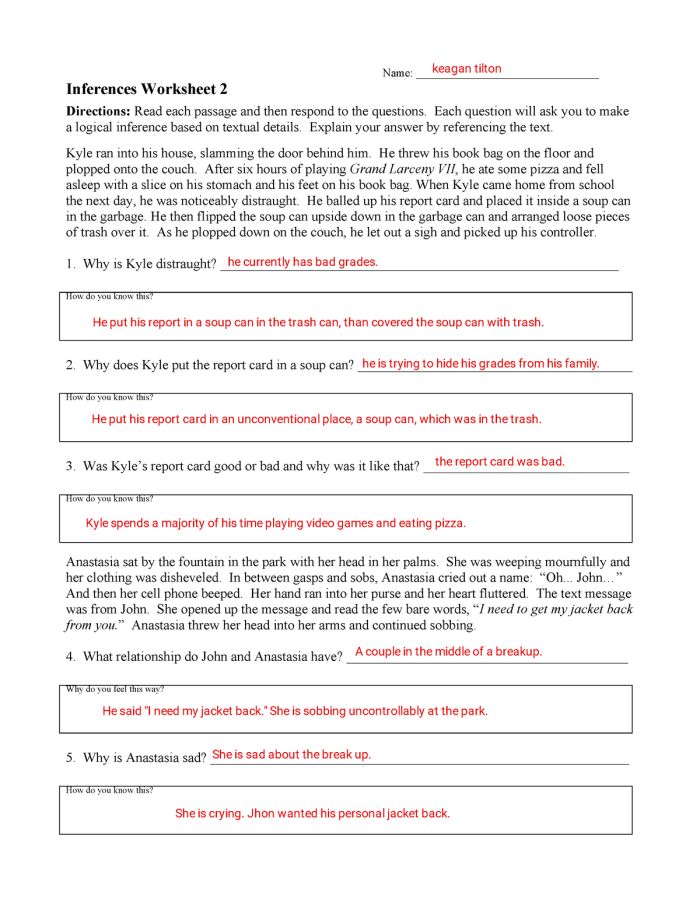
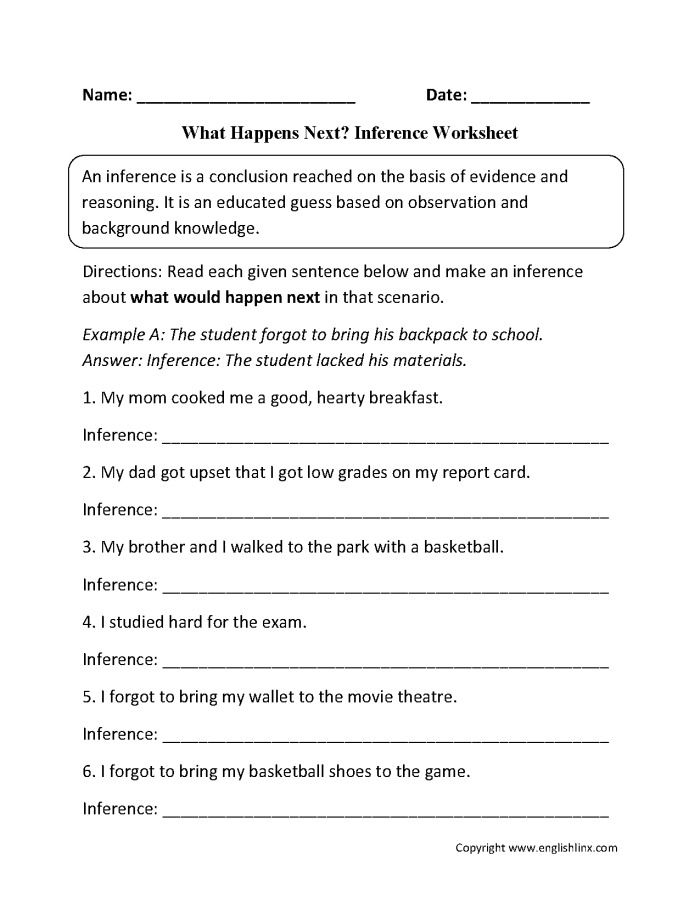
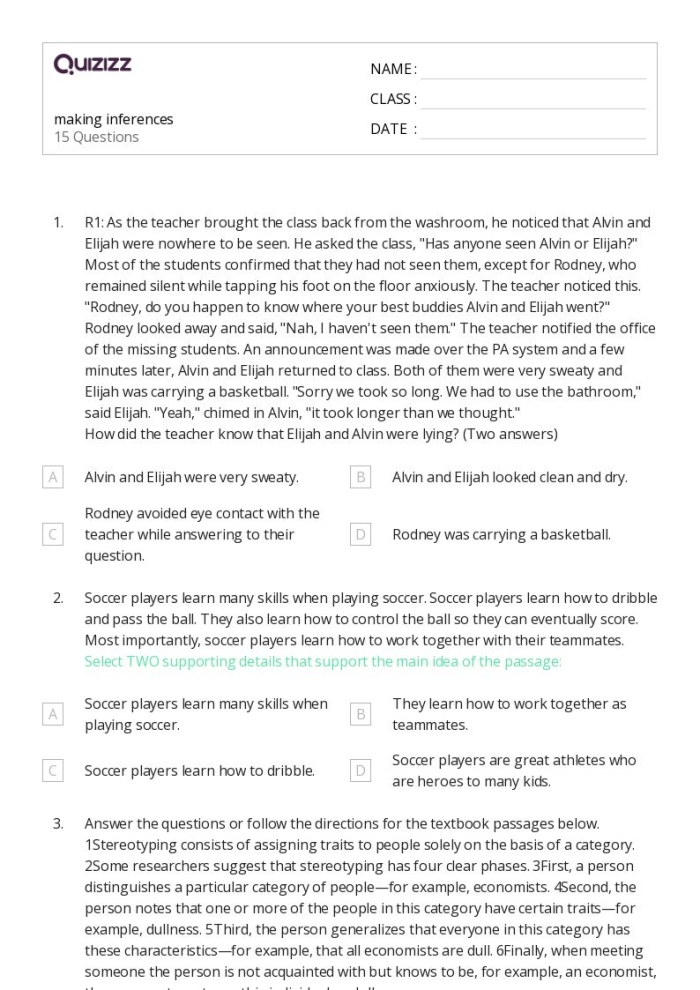
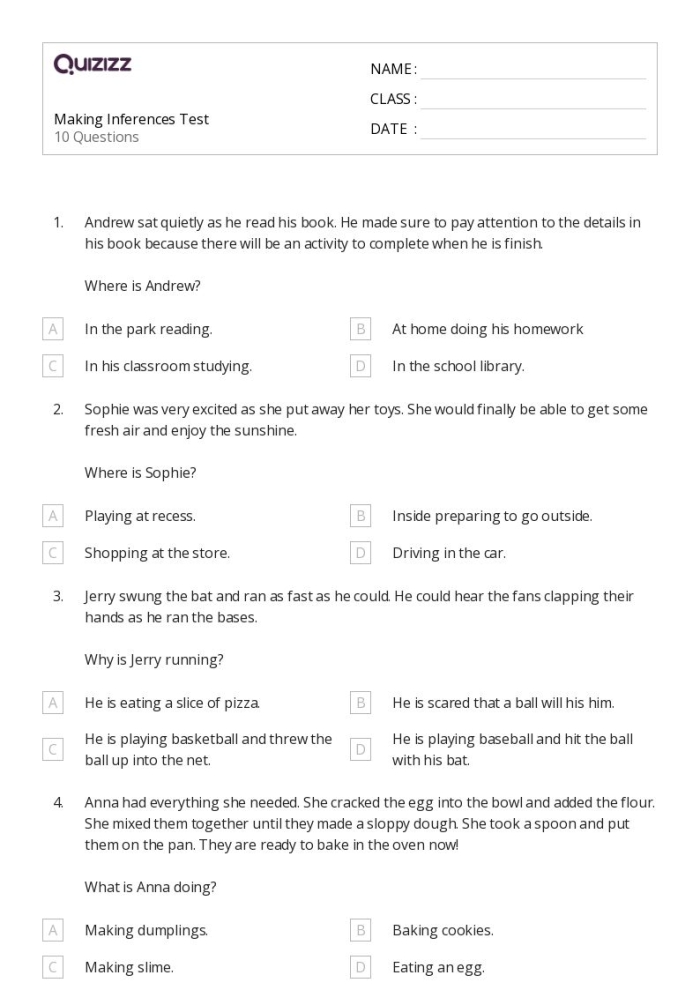
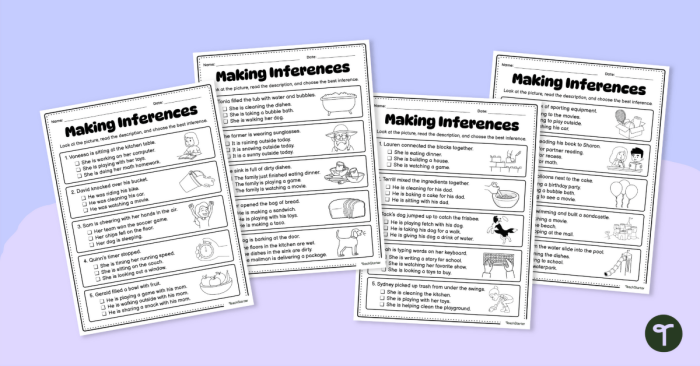
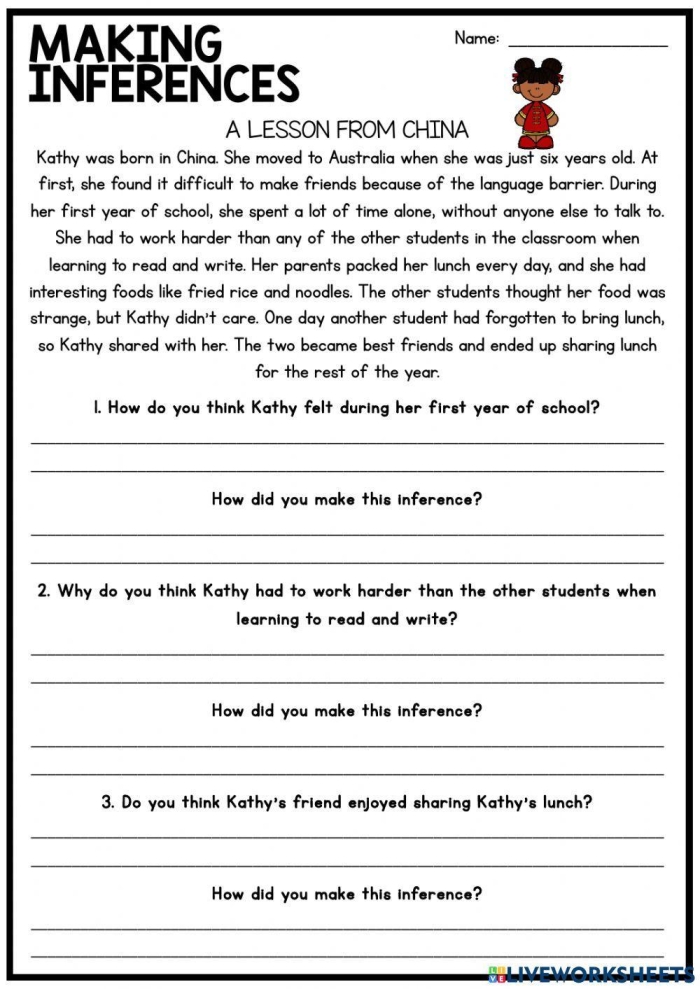
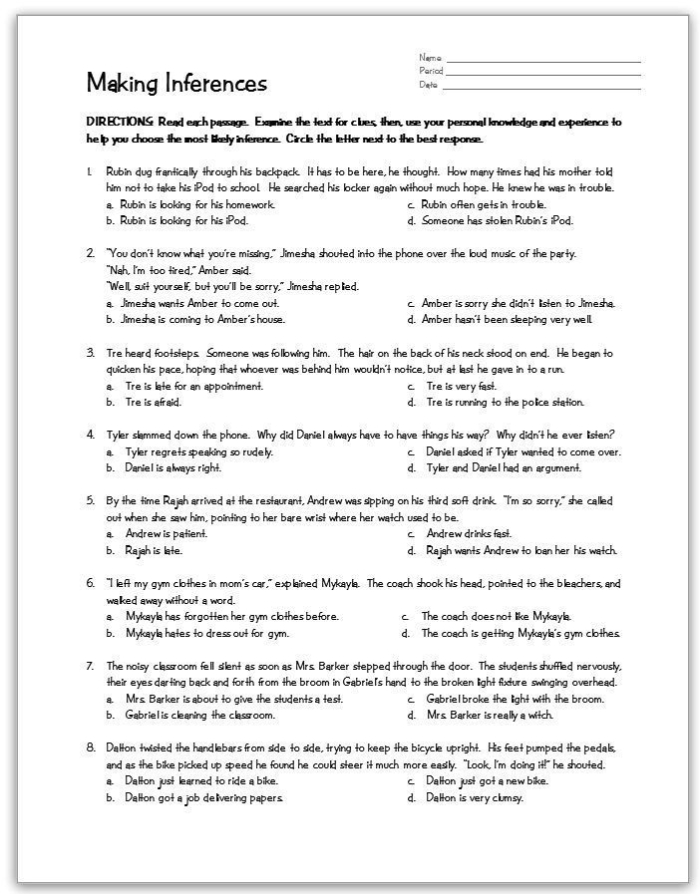
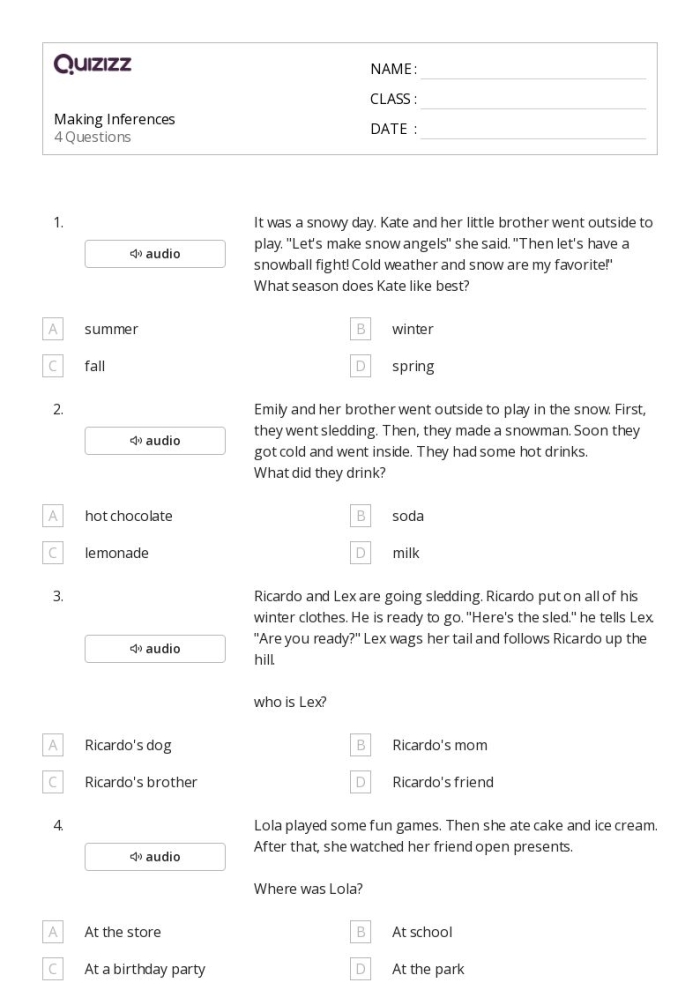
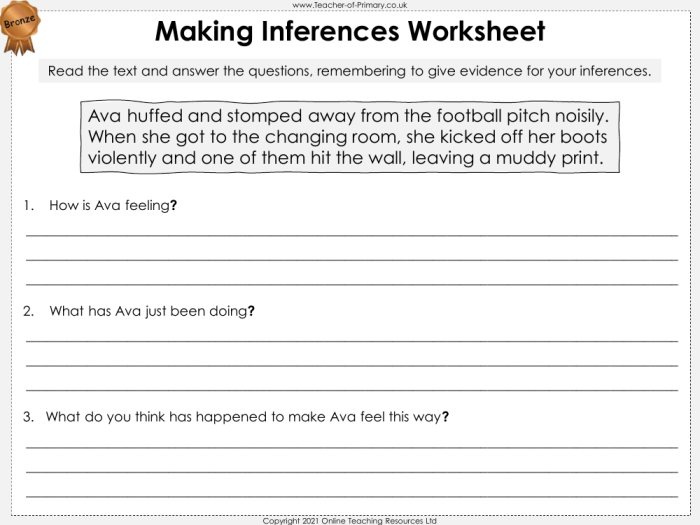
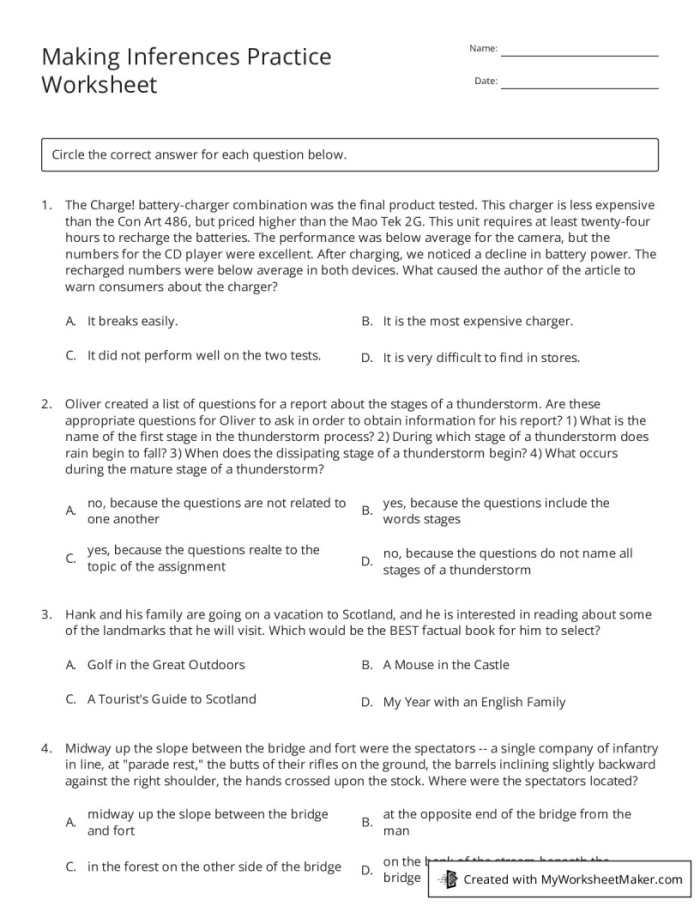
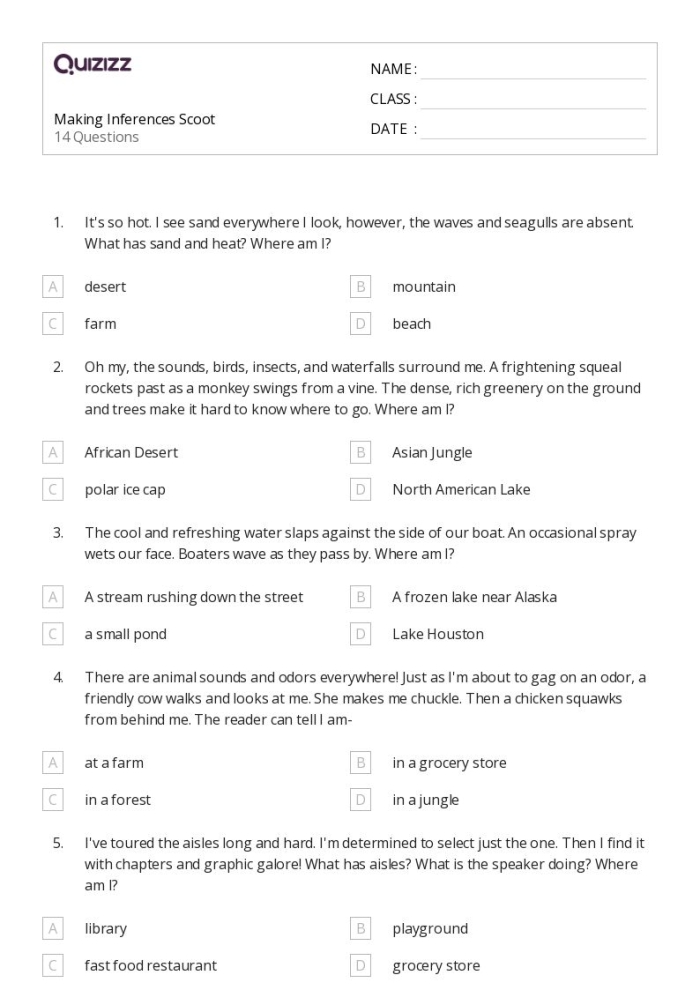
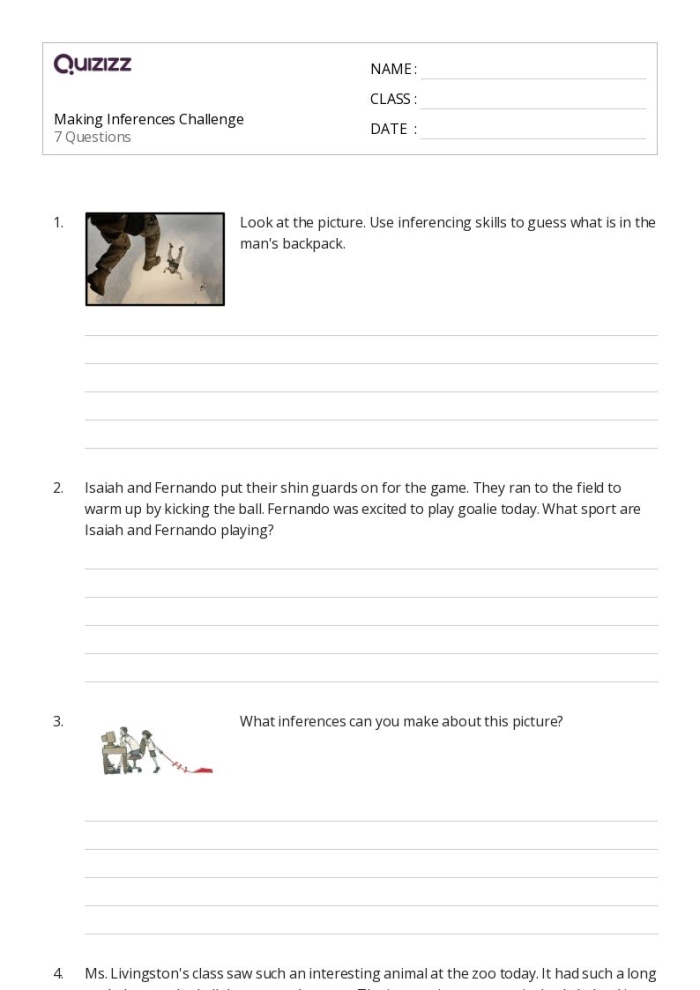
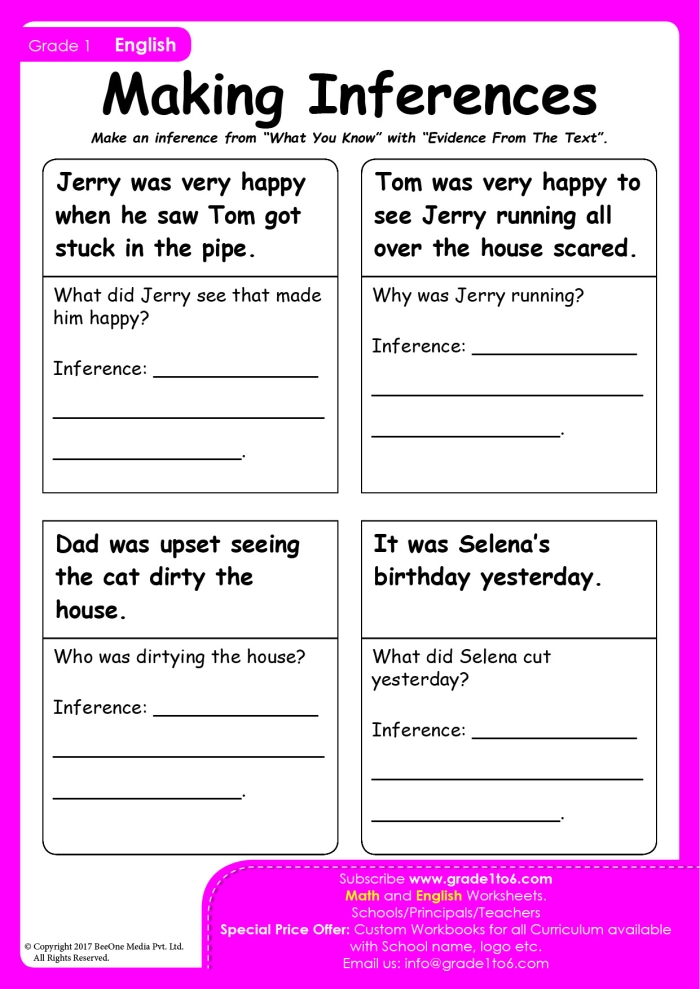
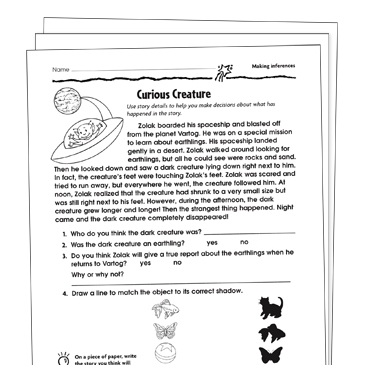
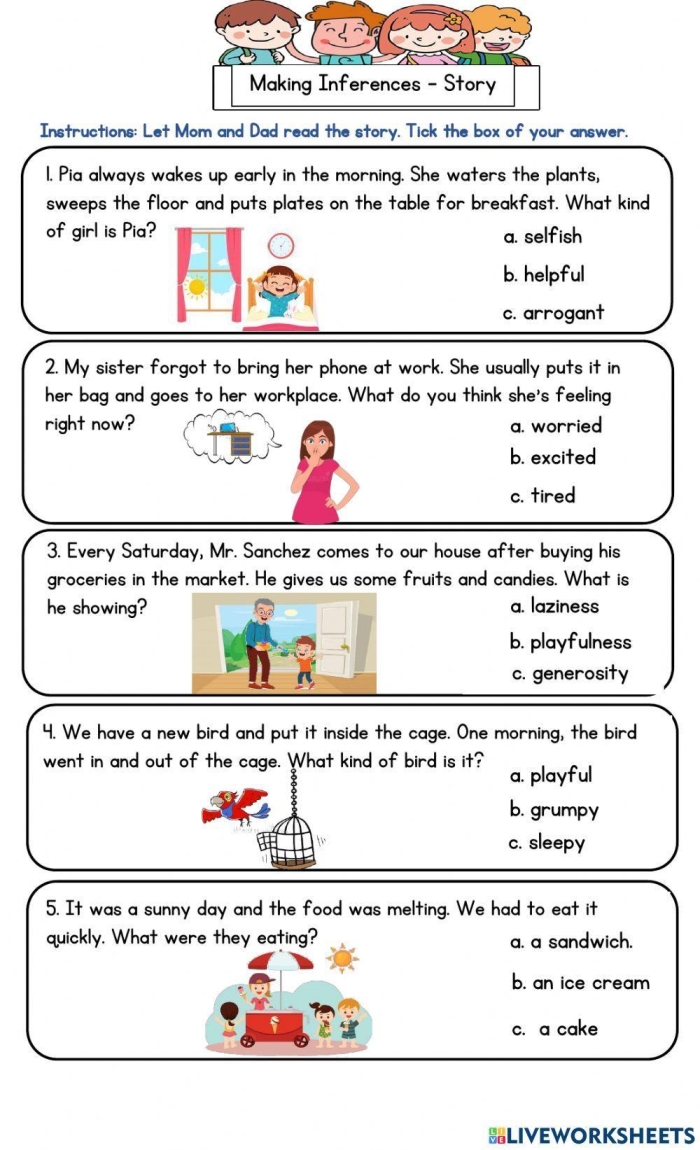
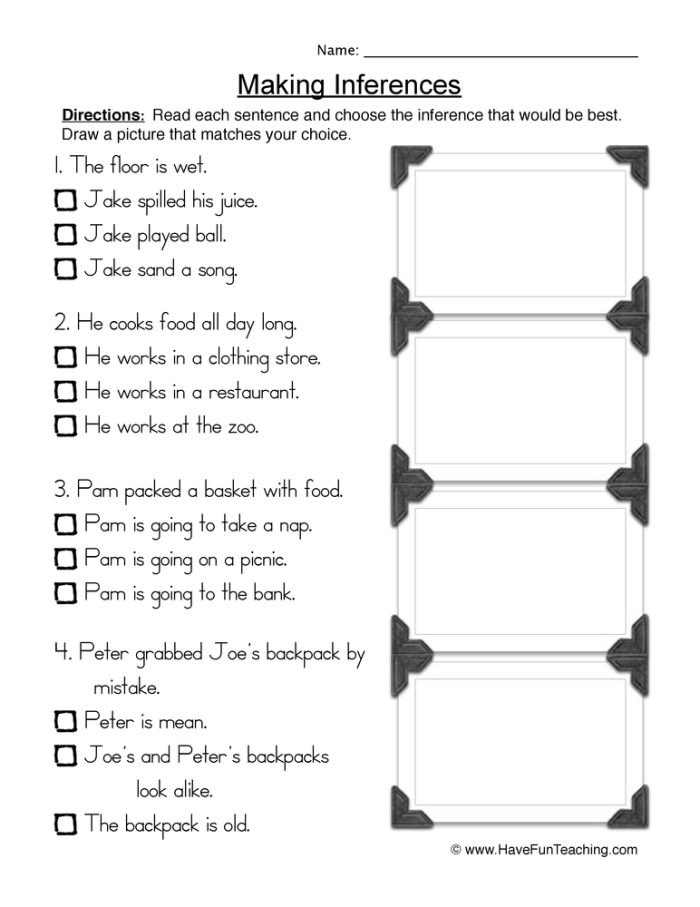
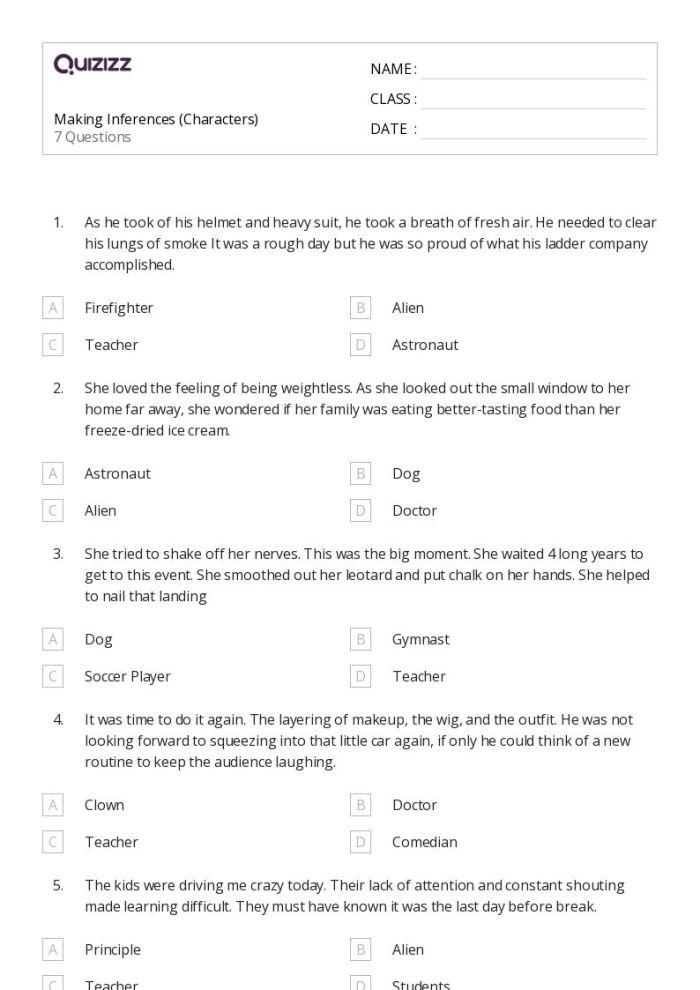
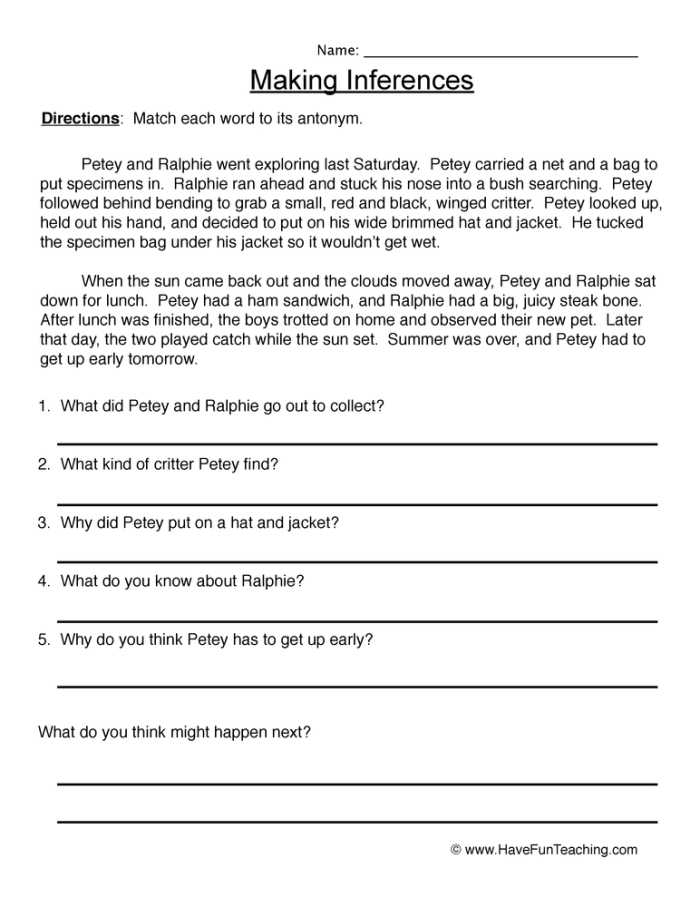
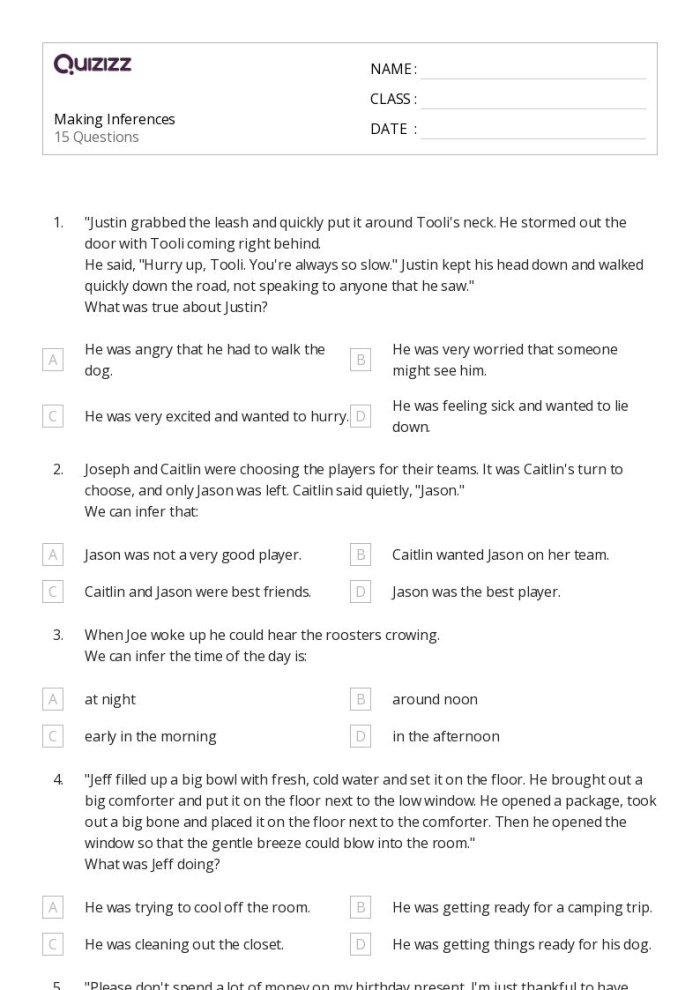
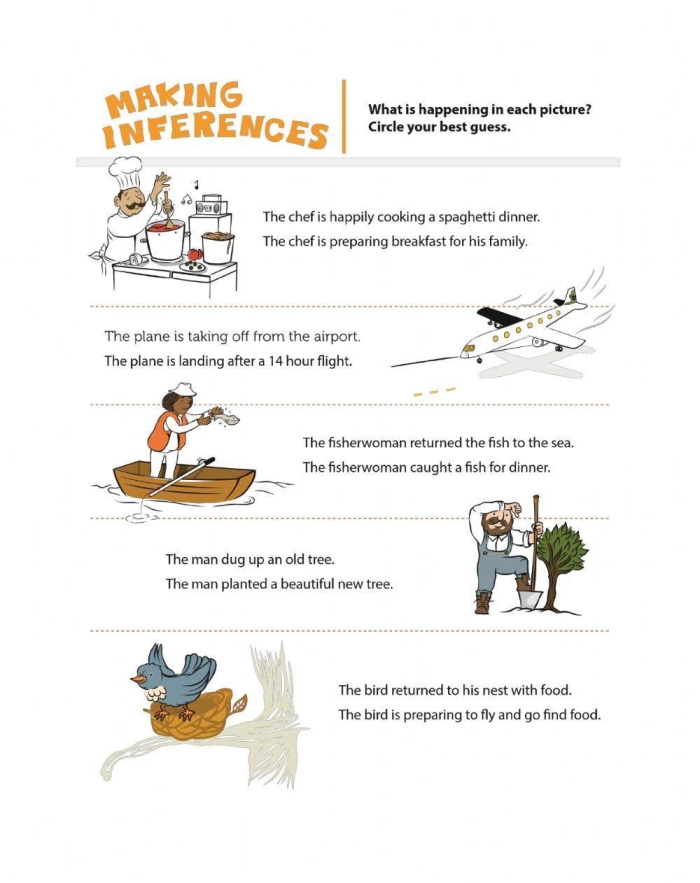
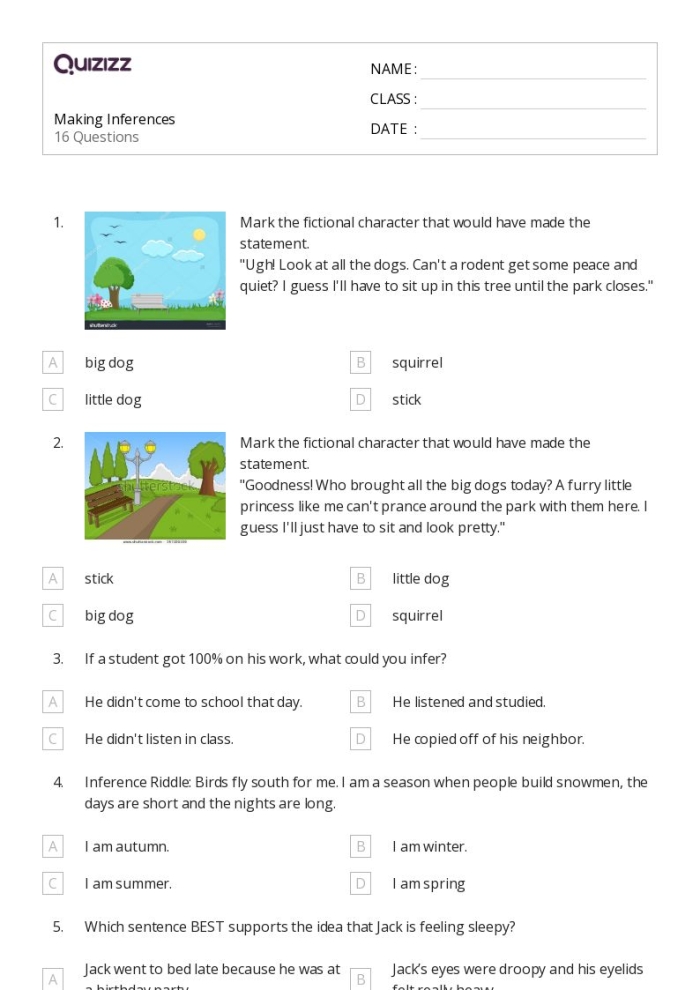
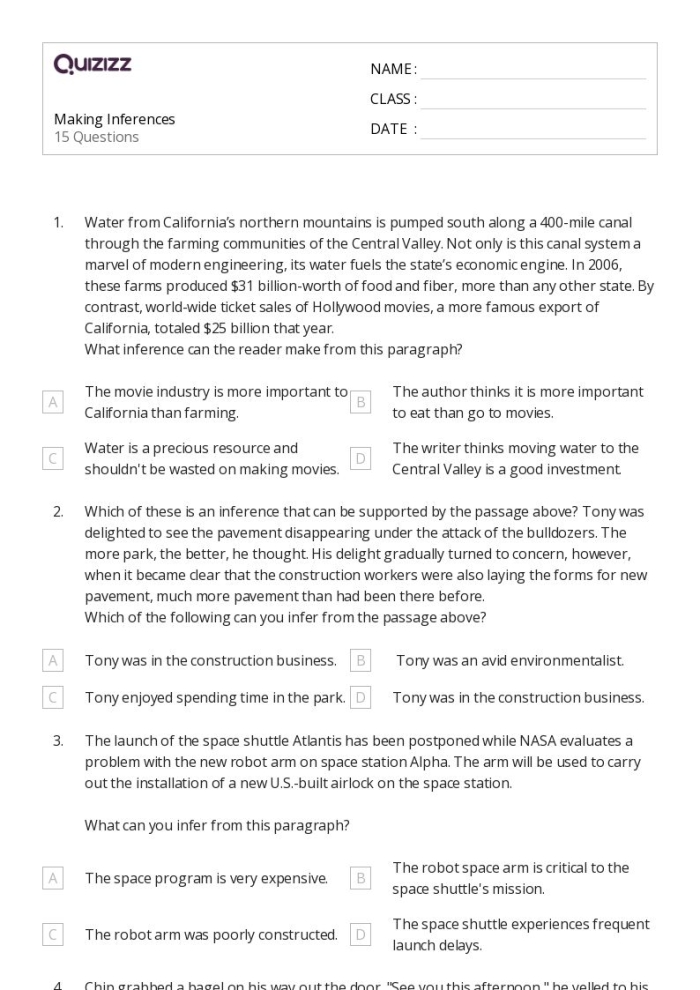
In writing instruction for second grade, offering targeted practice with printable materials can make a big difference. One valuable resource includes worksheets designed specifically for making inferences from short, straightforward sentences. These worksheets guide students to notice key details and think critically about what those details suggest.
Using resources like these not only supports reading comprehension but also enhances writing skills. When children understand how to pick up on subtle hints in text, they can apply this awareness to their own writing, making their stories and explanations clearer and more engaging. This connection between reading and writing is essential for young learners building their language abilities.
For teachers looking to reinforce other foundational skills alongside inference practice, integrating materials that cover related topics can be helpful. For instance, combining inference exercises with resources that explore vocabulary or math word problems can create a richer learning experience. You might find it useful to explore worksheets that focus on word problem strategies or science-related vocabulary to broaden students’ critical thinking skills in various contexts.
Encouraging second graders to practice making inferences early on helps them become more independent readers and thinkers. Printable Make Your Own Inferences 2 worksheets offer an effective way to support this development with clear, manageable tasks that keep students engaged and challenged at the right level.
Start Practicing with These Worksheets