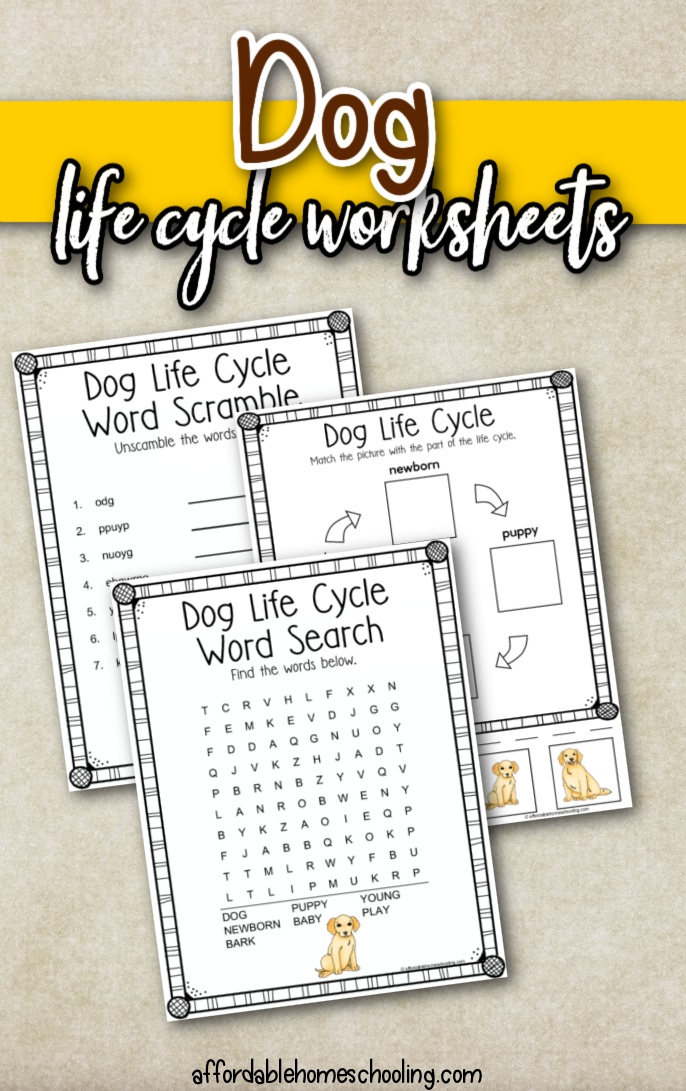
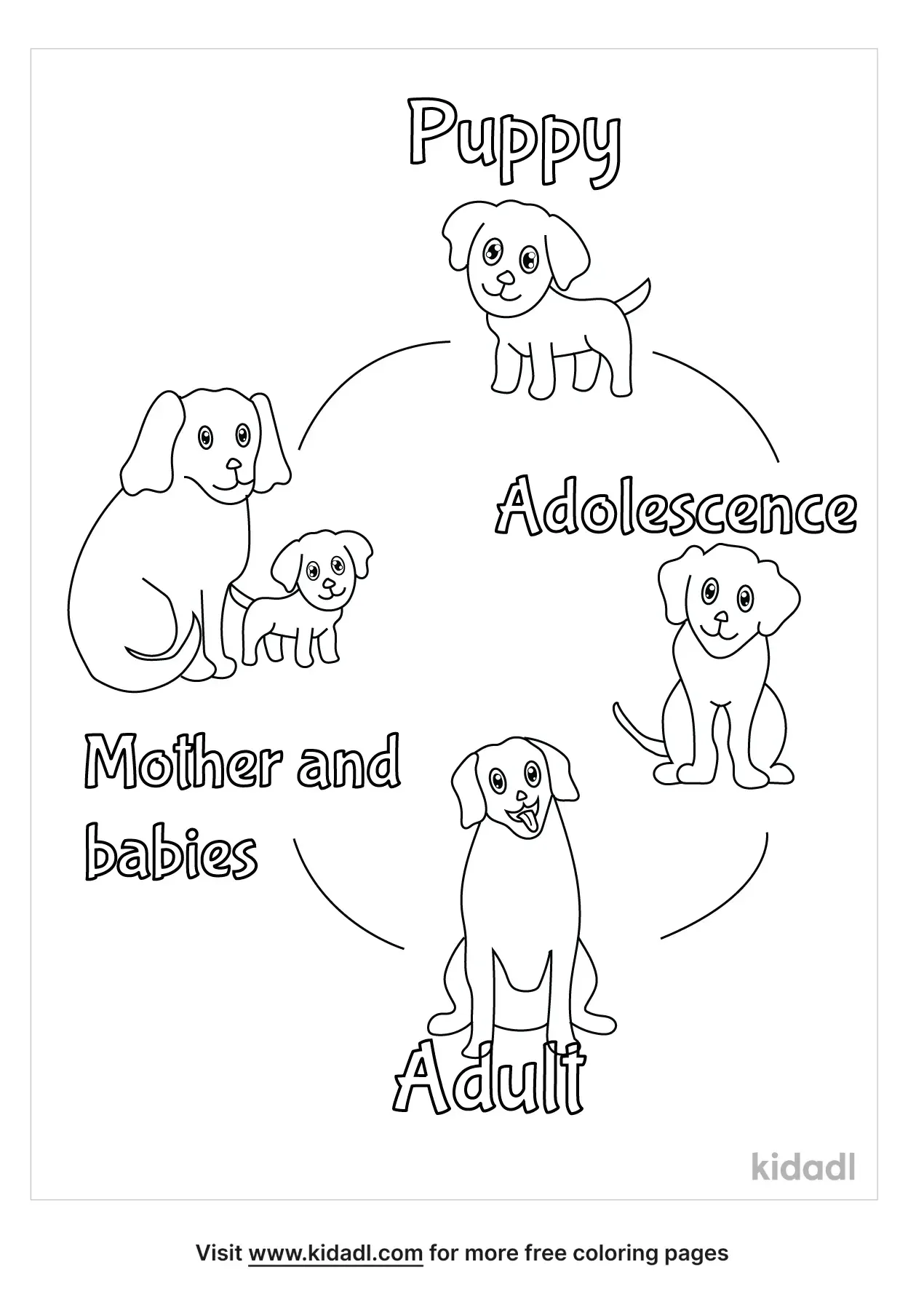
Coloring can be a powerful tool for learning, especially when it involves something as familiar and relatable as a dog’s life cycle. Using a Color the Life Cycle: Dog worksheet, first grade students not only enjoy the creative process but also absorb important biological concepts in a hands-on way. This approach brings a tangible connection to the abstract idea of life stages, making it easier for young learners to grasp.
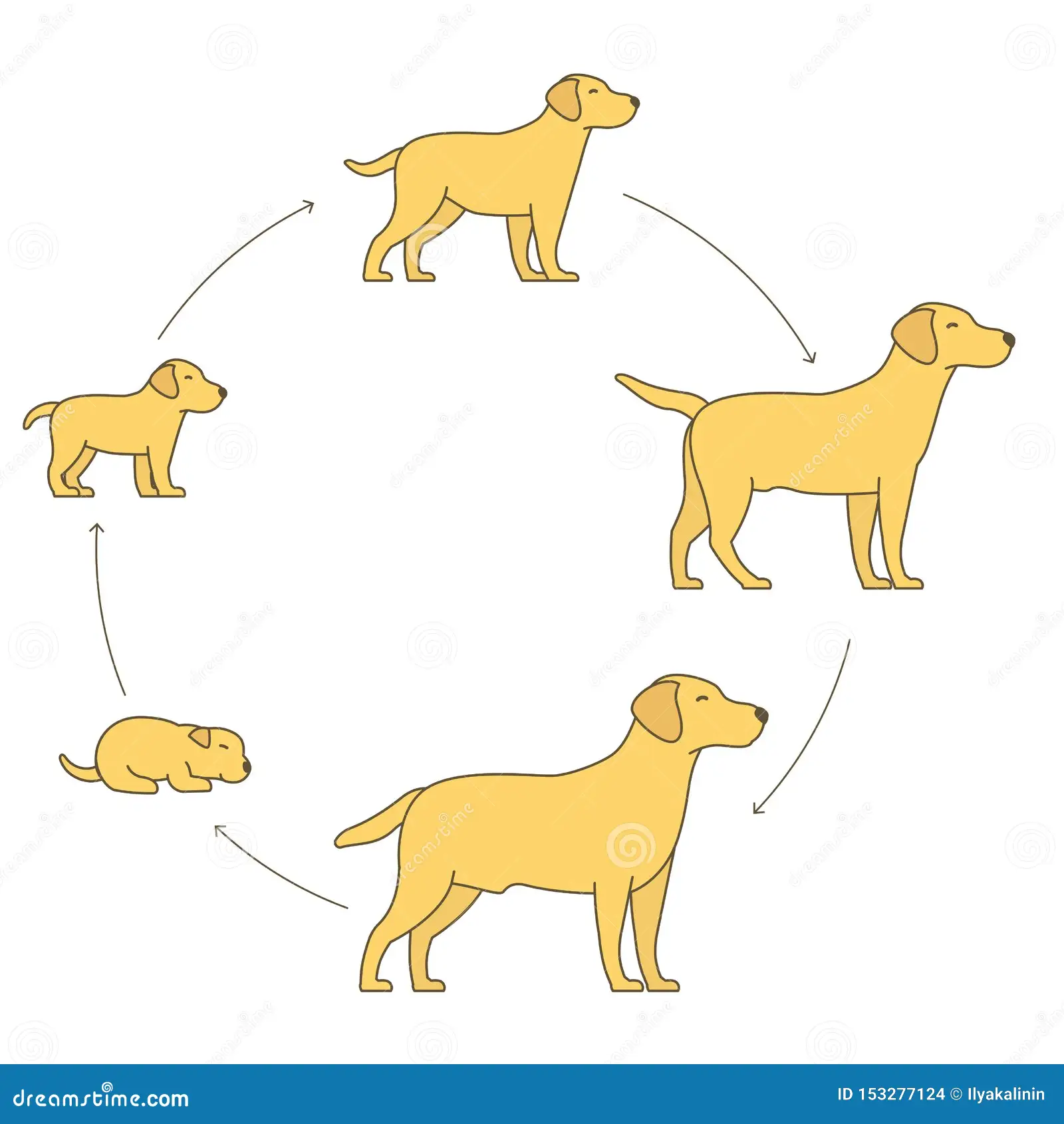
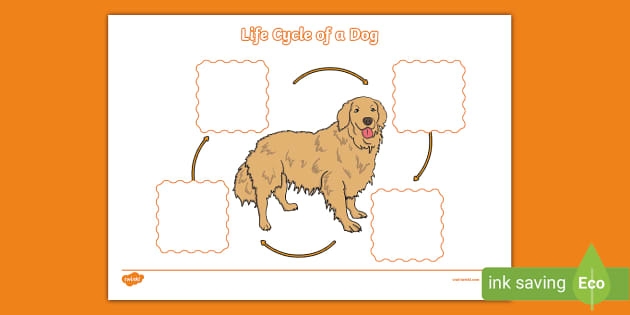
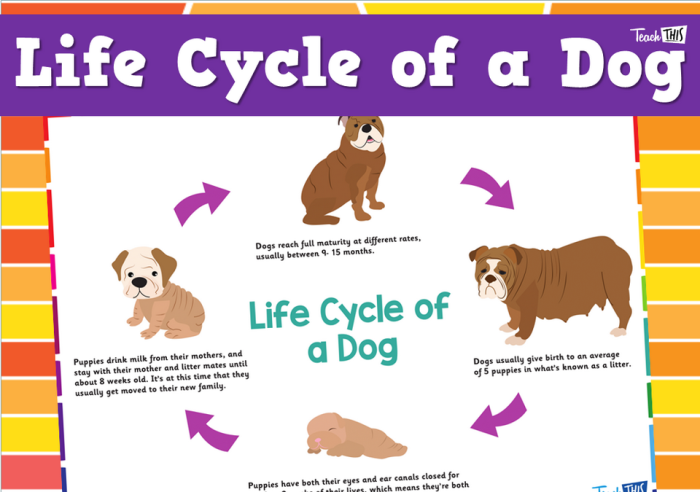
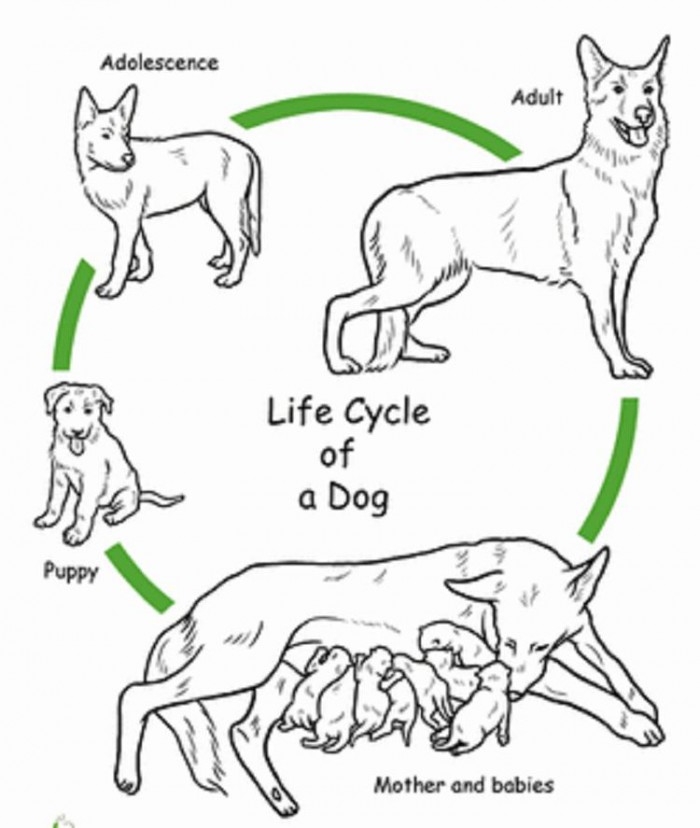
The worksheet breaks down the dog’s life into clear stages: puppy, adolescent, adult, and senior. Each stage is accompanied by simple illustrations that children can color while associating the images with the correct terms. This method naturally supports vocabulary building alongside fine motor skills. Since first graders are also beginning to understand basic multiplication, pairing this activity with counting the number of legs, spots, or other features on each dog stage can subtly reinforce those math concepts. For example, asking how many legs two puppies have together lets students practice simple multiplication in a context they find meaningful.
One interesting fact to include while coloring is that dogs typically reach adulthood around one to two years of age, which varies by breed. This detail can spark curiosity and lead to questions, opening the door for further discussion or research. Additionally, printable coloring and math worksheets for first grade can complement this learning by offering thematic exercises that blend science and arithmetic.
Using a Printable Color the Life Cycle: Dog Worksheet allows educators and parents to provide a multisensory experience that enhances retention. Children connect the stages visually and kinesthetically while practicing reading and writing the stage names. This activity fits well within a broader curriculum that might include other engaging topics, such as exploring basic data with bar graphs related to favorite sports or cultural traditions found in community and culture lessons.
Overall, coloring the life cycle of a dog offers a simple yet effective way to combine creativity, literacy, and early science learning. It encourages curiosity and sets a foundation for understanding growth and change, all while supporting skills essential for first grade students.
Grab These Worksheets Now