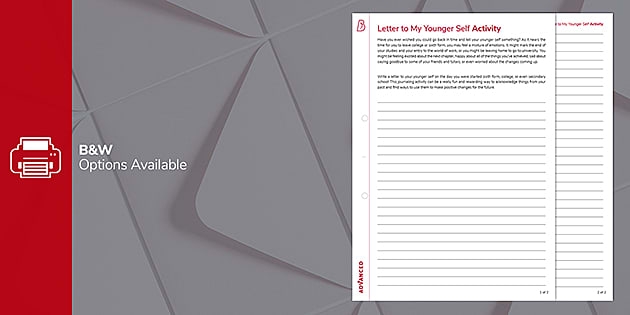
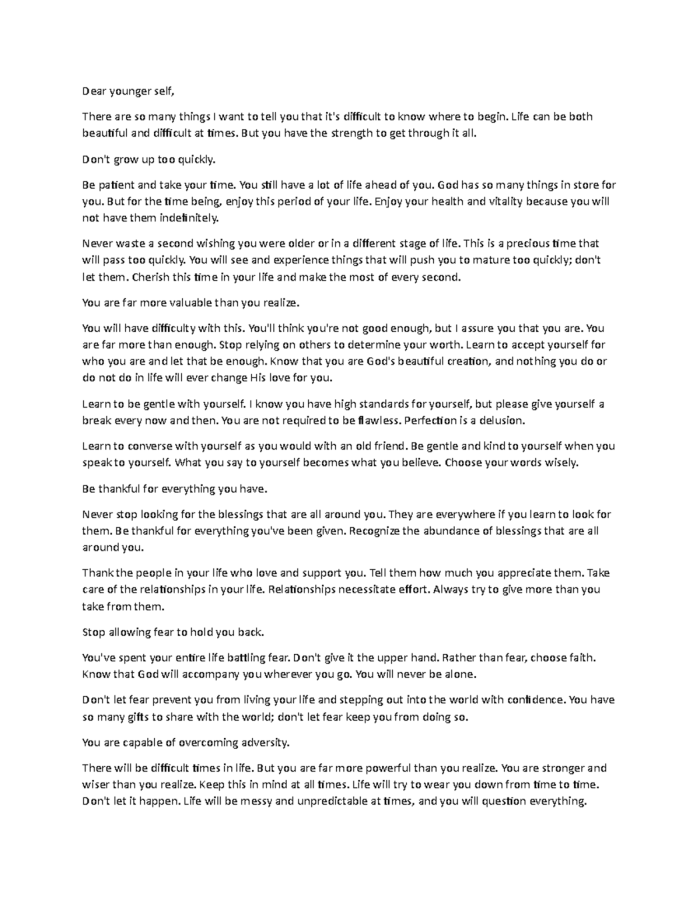
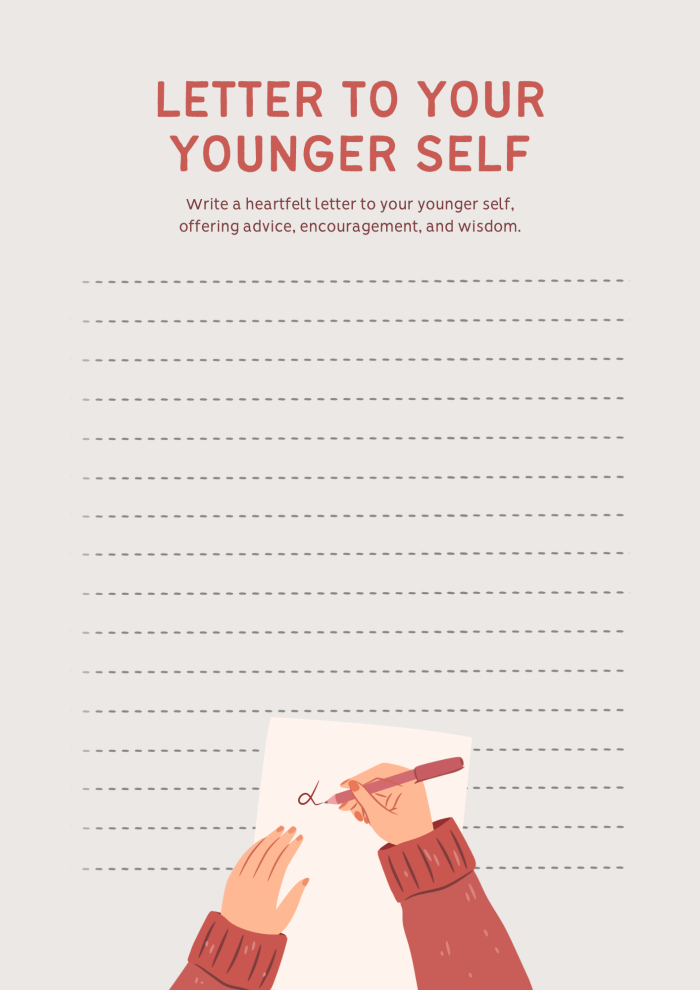
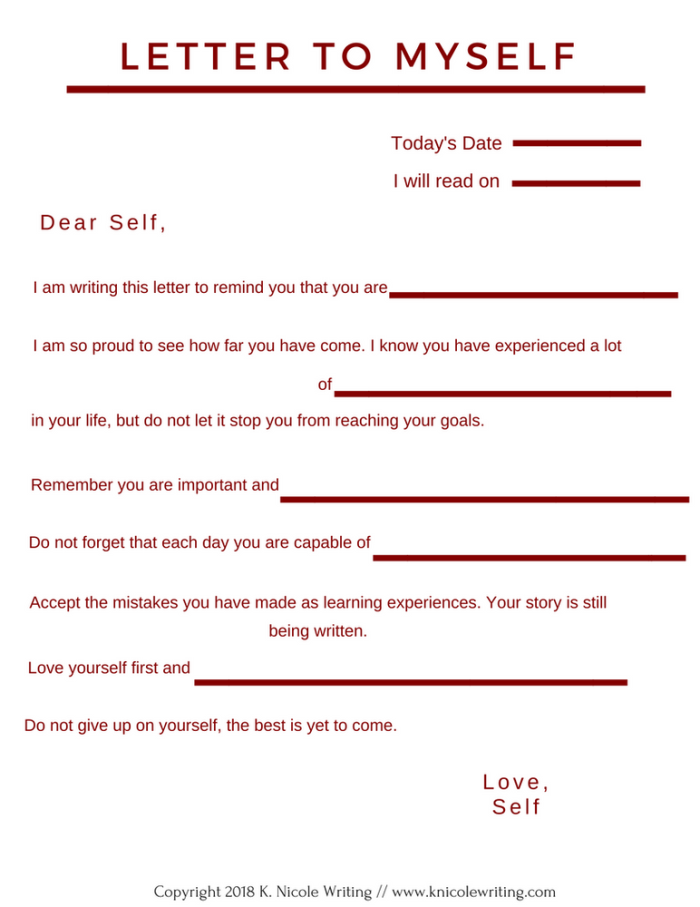
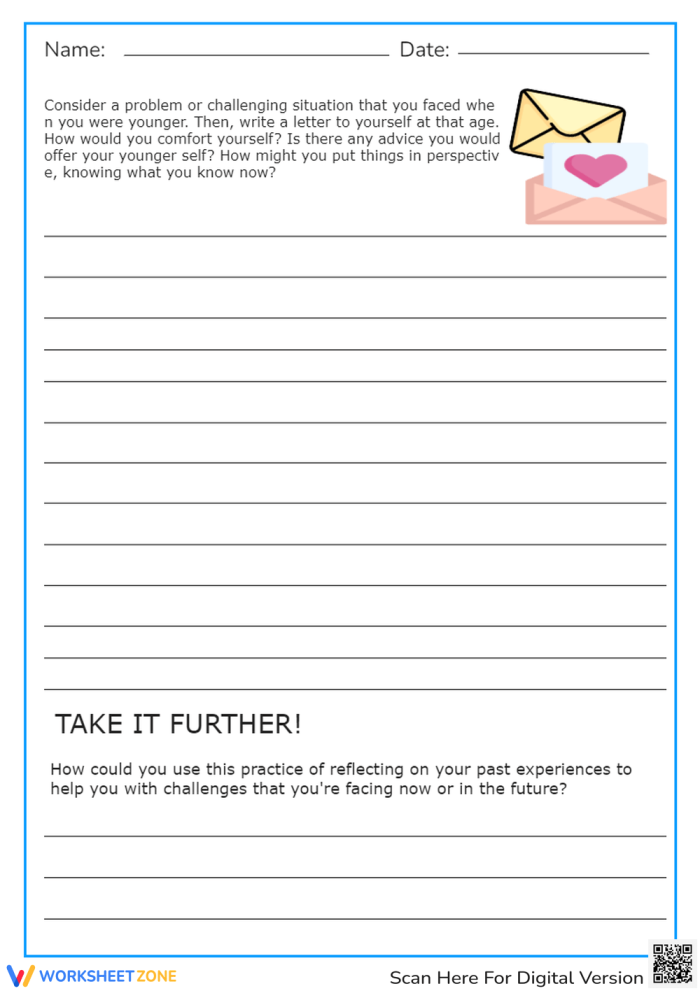
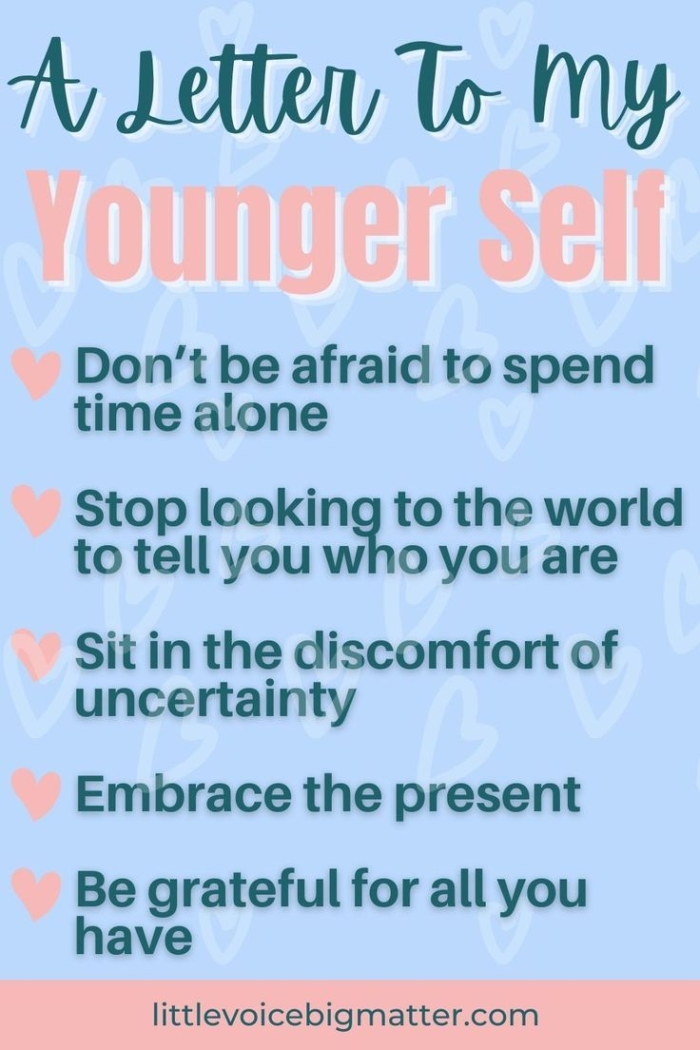
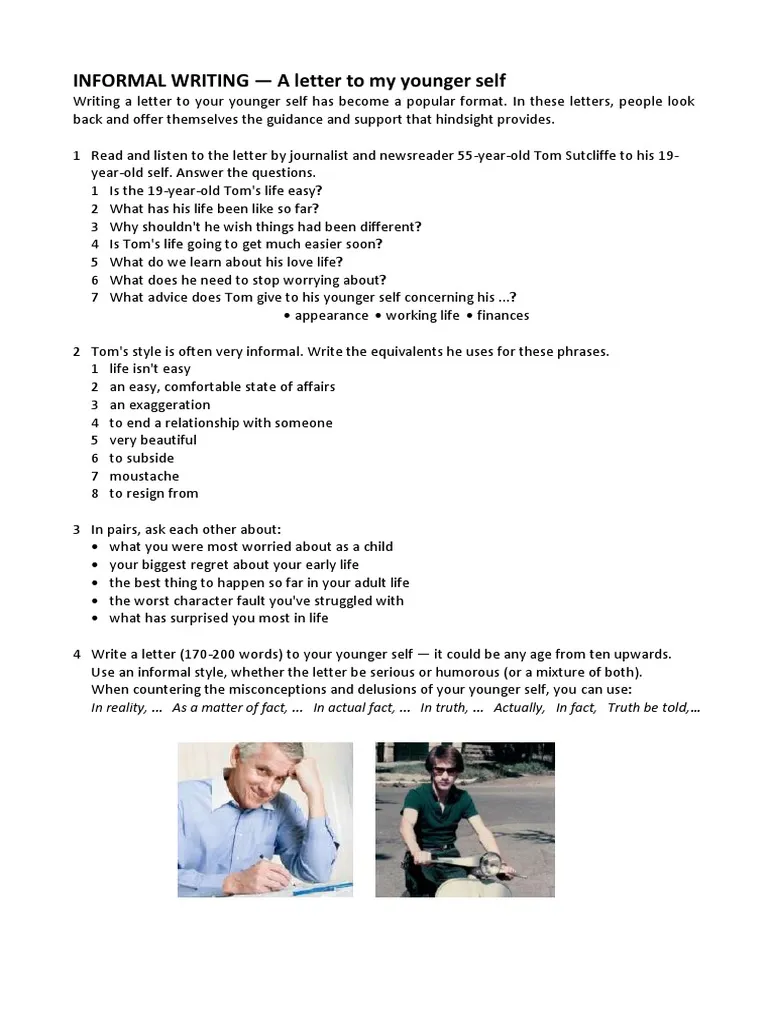
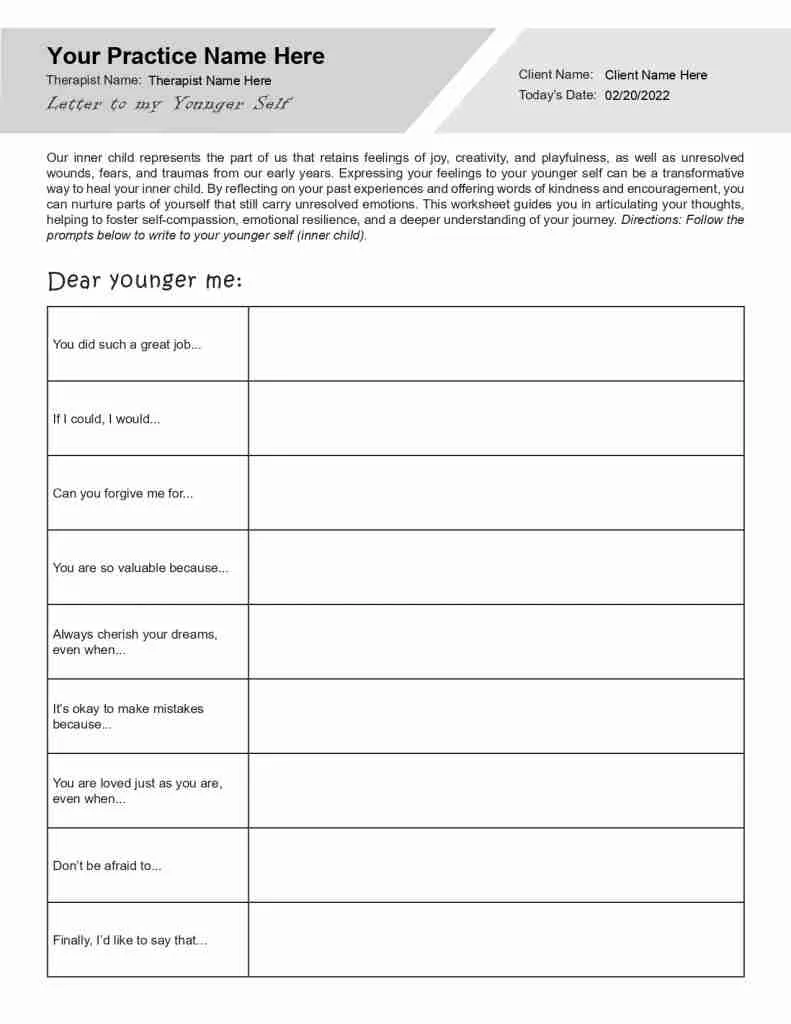
Writing a letter to a younger self is a powerful way for sixth grade students to reflect on their experiences, especially when paired with concepts from Numbers and Counting. This activity encourages learners to think about what they have learned so far, the challenges they have faced, and the advice they would offer if given the chance to speak to their past. It goes beyond simple storytelling by inviting students to connect their personal growth with the skills they are developing in math and other subjects.
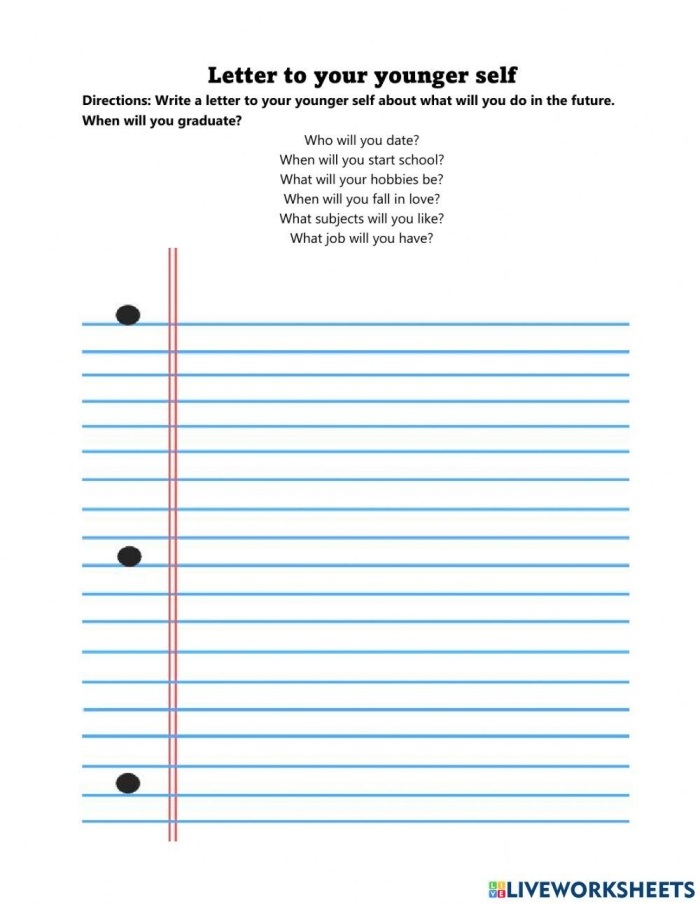
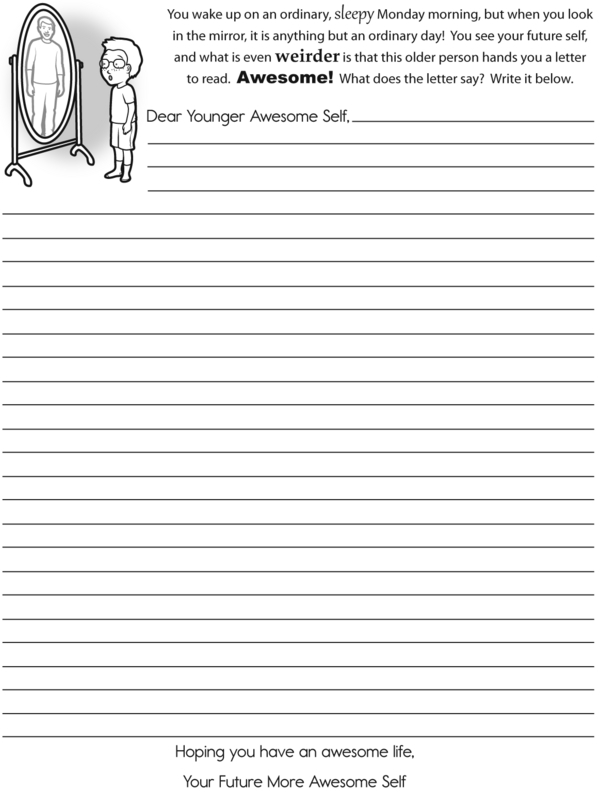
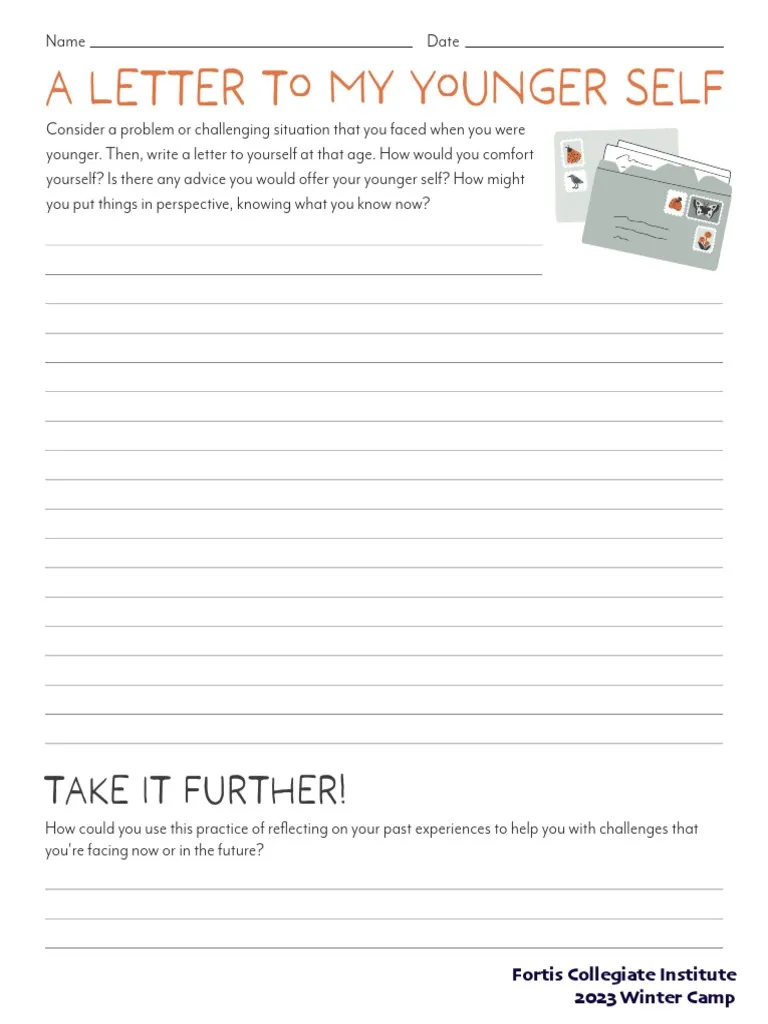
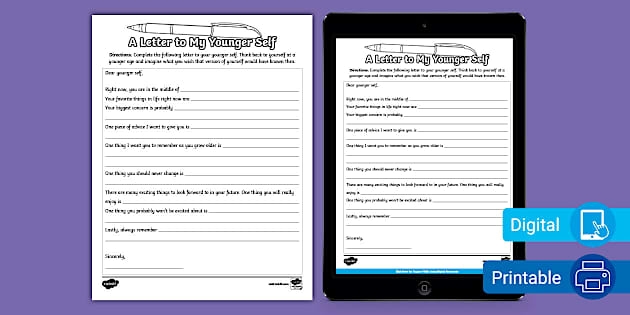
One practical benefit of this reflective writing task is that it helps students organize their thoughts clearly. For example, while working on Printable A Letter to My Younger Self Worksheets, learners can practice sequencing events and ideas logically. This reinforces numerical order and counting skills in a natural context, bridging language arts and math in a meaningful way.
Additionally, the process of advising a younger self often involves recognizing patterns and learning from mistakes, much like identifying mean, median, and mode in data sets. Activities such as exploring mean, median, and mode practice can complement the letter-writing by showing students how to analyze their experiences quantitatively and qualitatively. This connection makes abstract math concepts more relatable and concrete.
The reflective writing also promotes emotional intelligence and self-awareness, skills that are just as important as academic ones. When students consider what advice they would give themselves, they practice empathy and forward-thinking. This kind of introspection can boost confidence and resilience, qualities that support success in both school and life.
Educators have found that using this activity alongside other math-focused worksheets, such as those for evaluating algebraic expressions, helps students see the real-world value of math. It’s not just about numbers; it’s about understanding processes, making decisions, and growing thoughtfully.
Hands-On Worksheet Activities