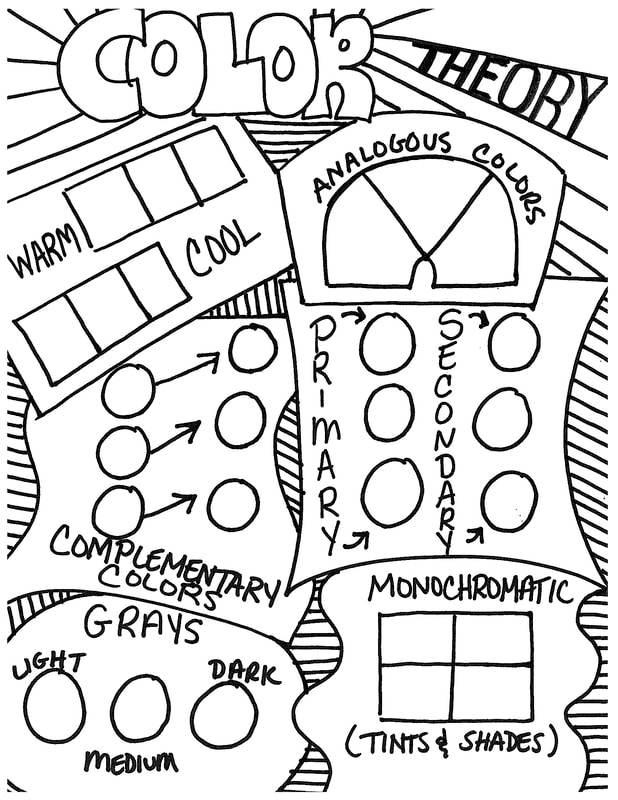
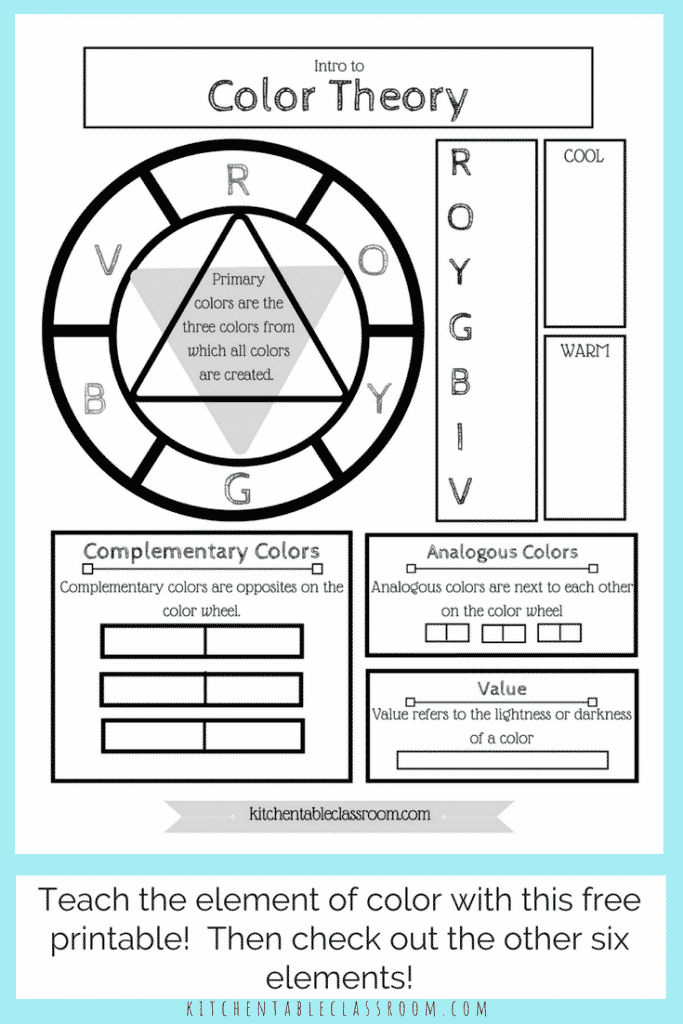
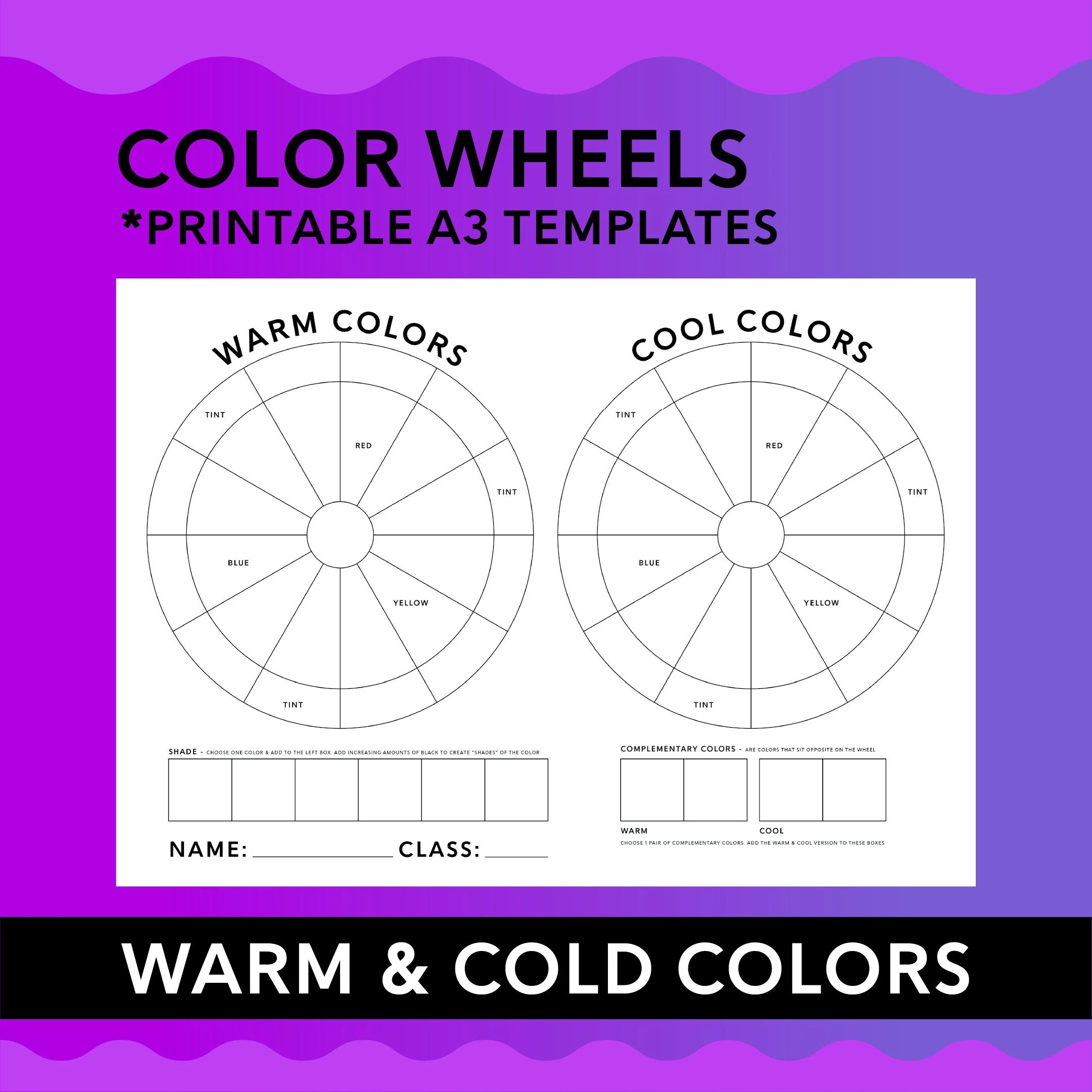
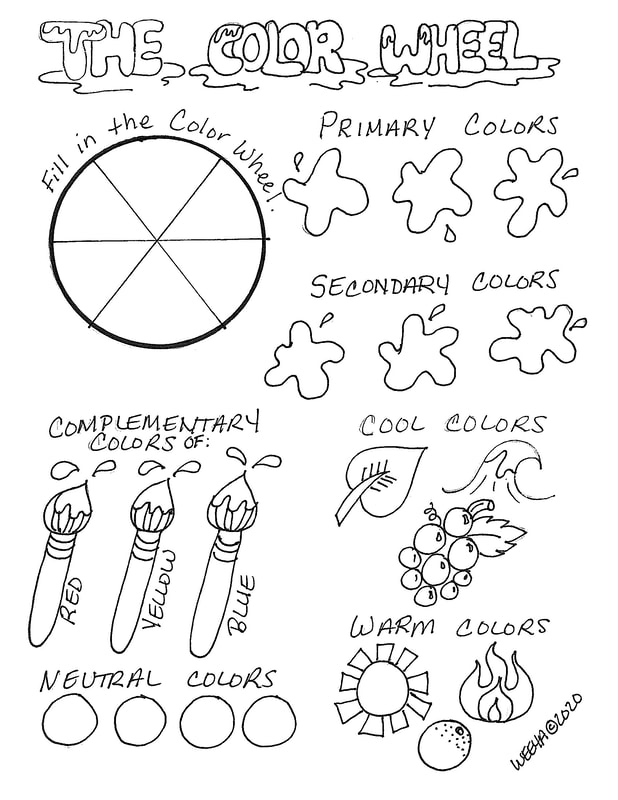
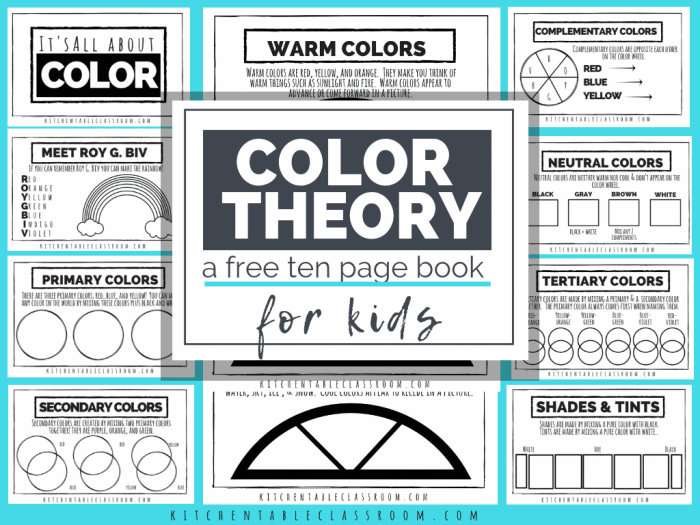
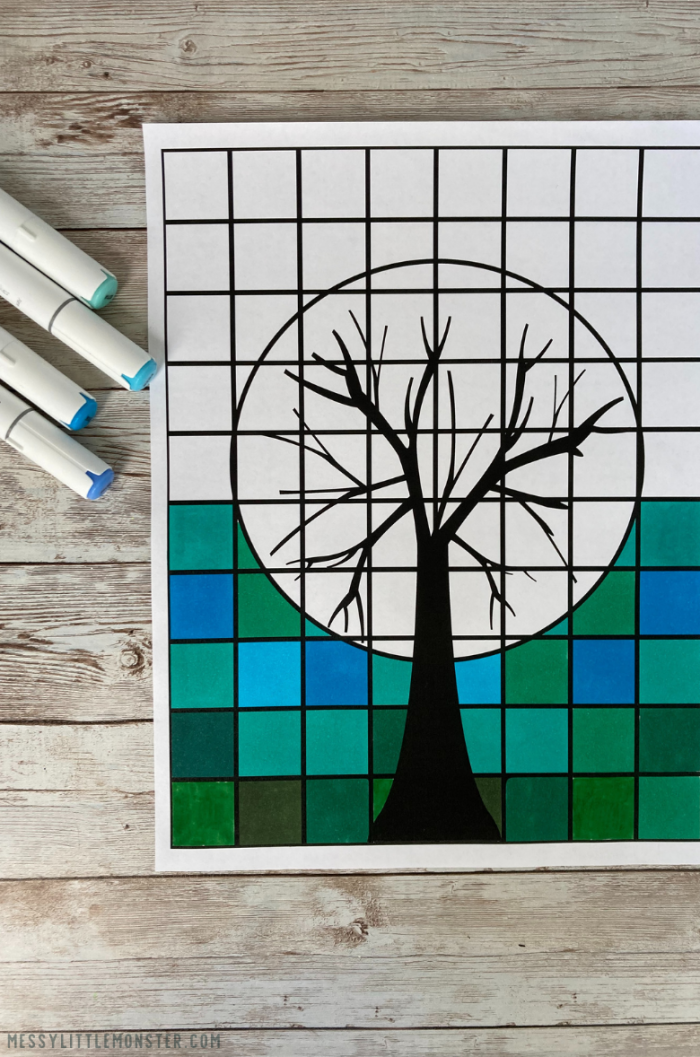
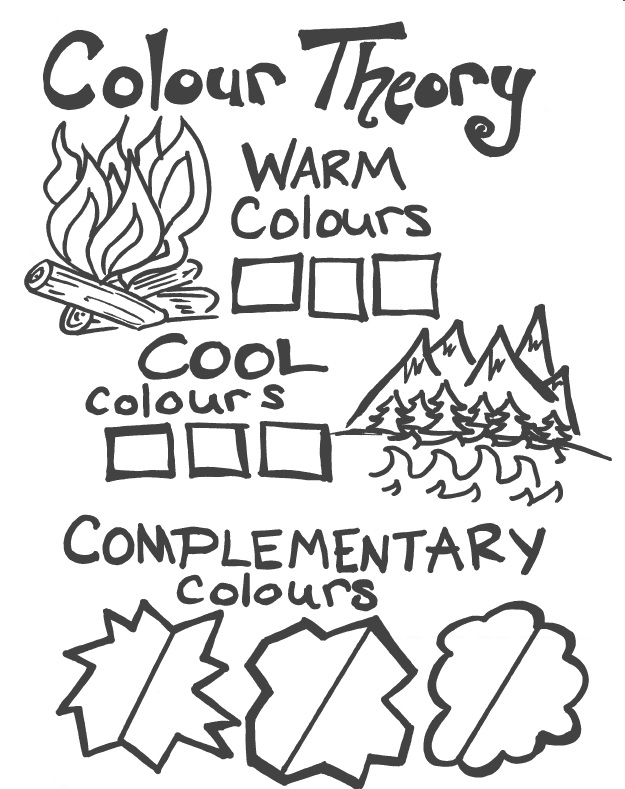
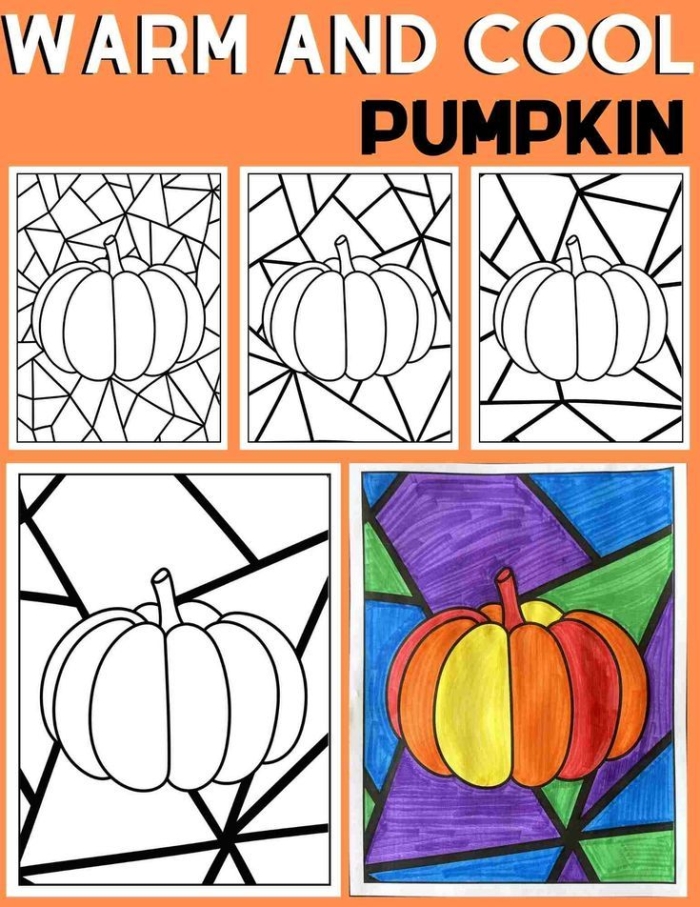
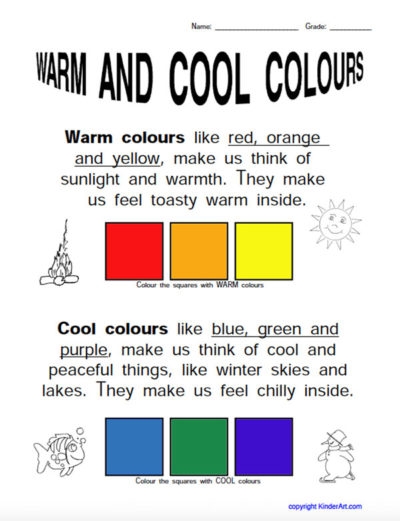
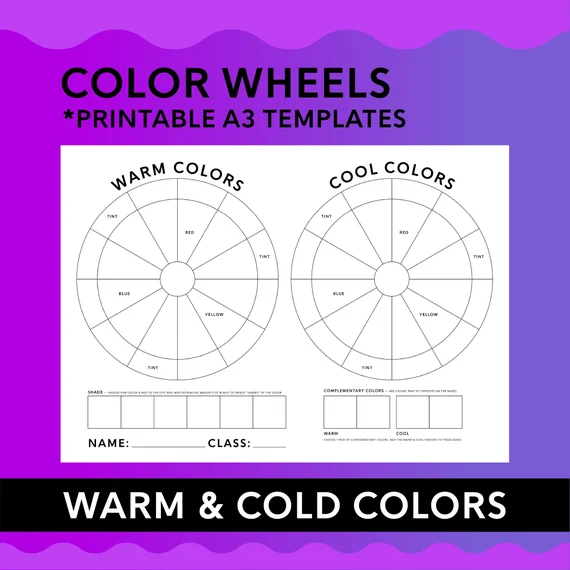
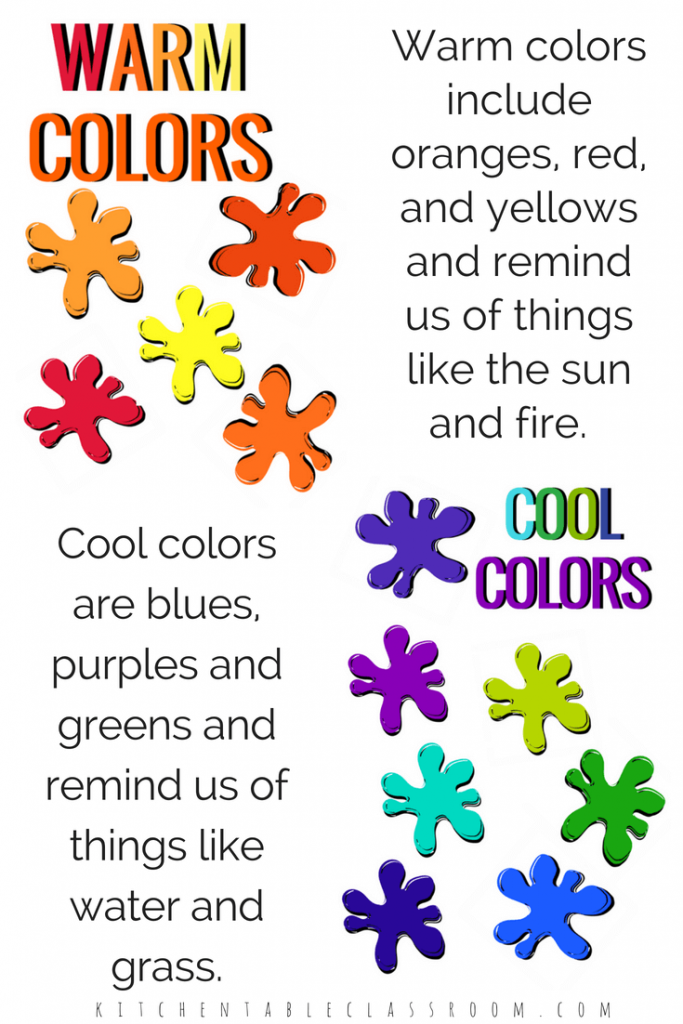
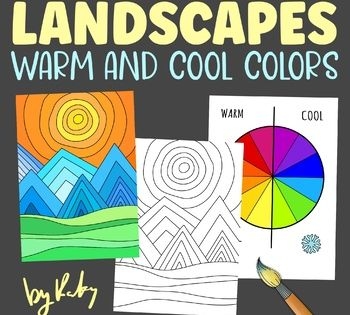
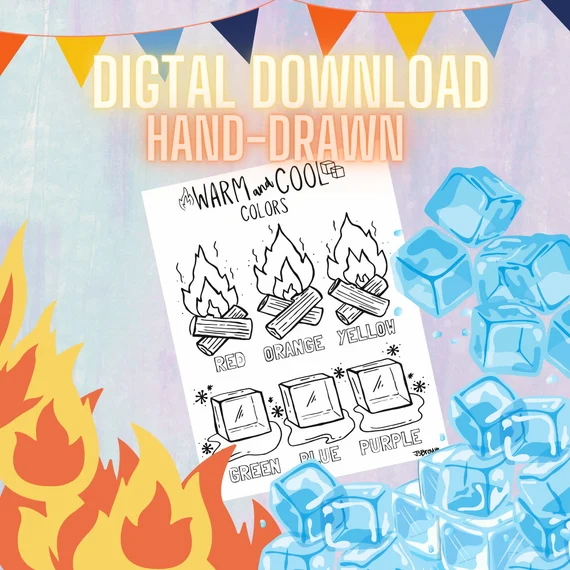
Beach-themed worksheets offer kindergarten students a natural entry point into understanding warm and cool colors. The ocean, sand, and sun create a visual landscape where children can easily spot which colors feel hot and which feel cold, making abstract concepts concrete and relatable.
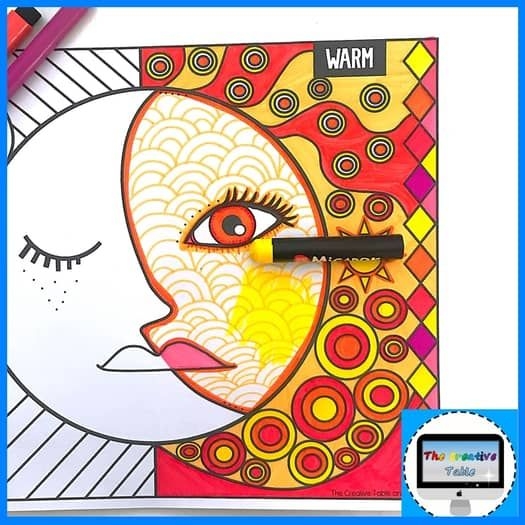
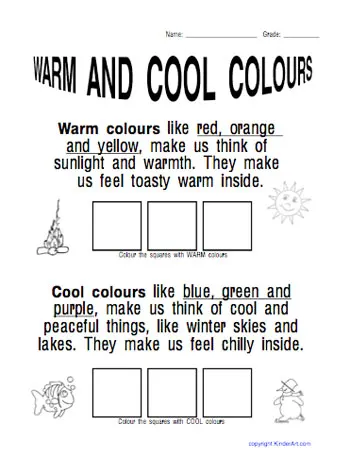
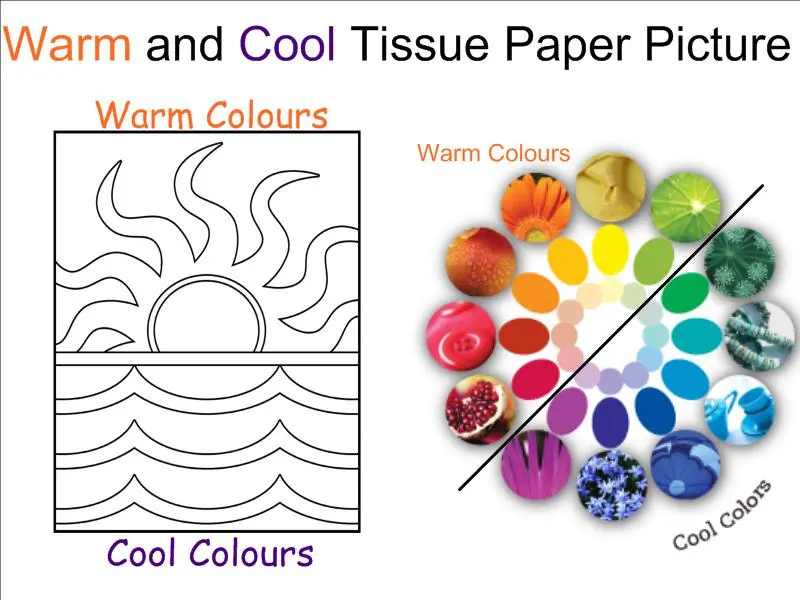
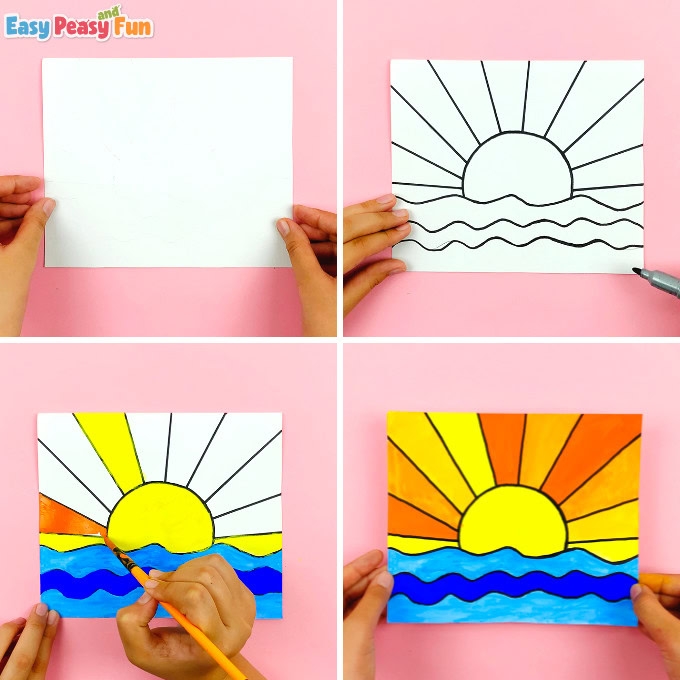
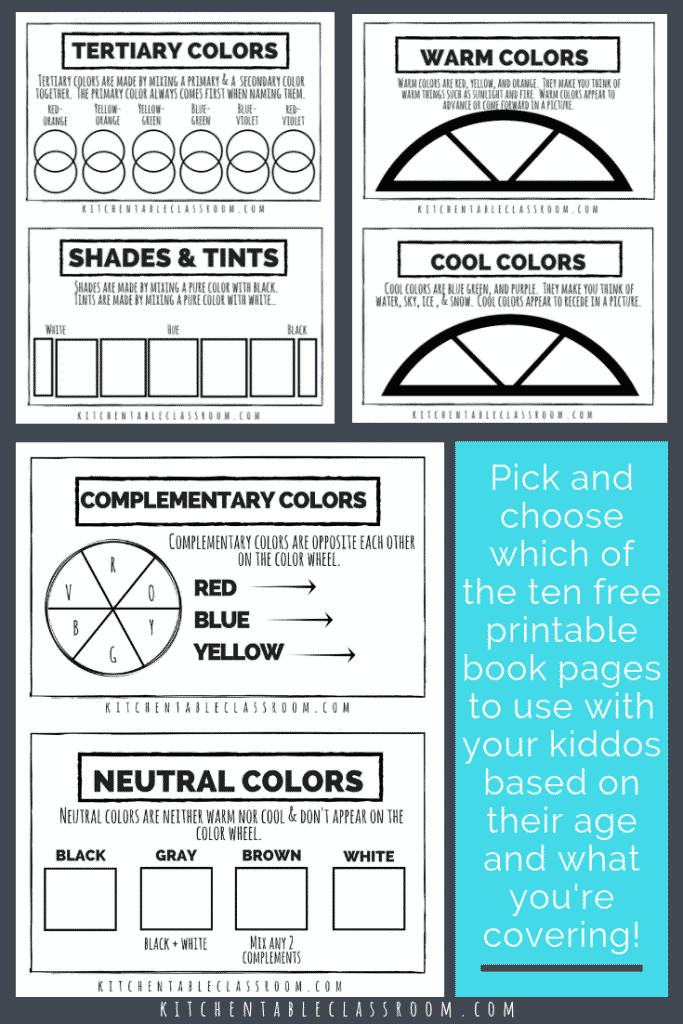
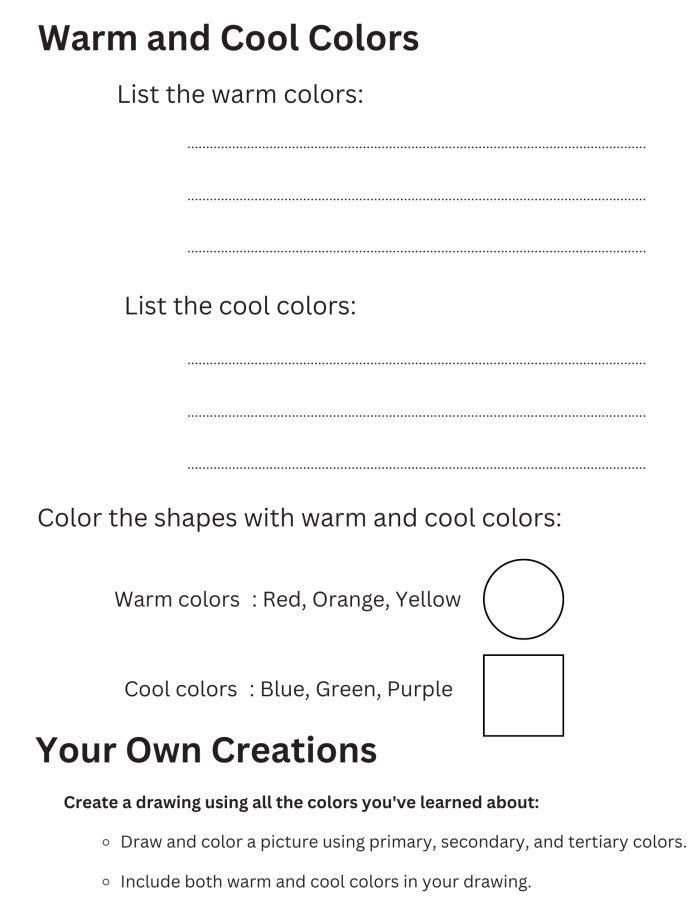
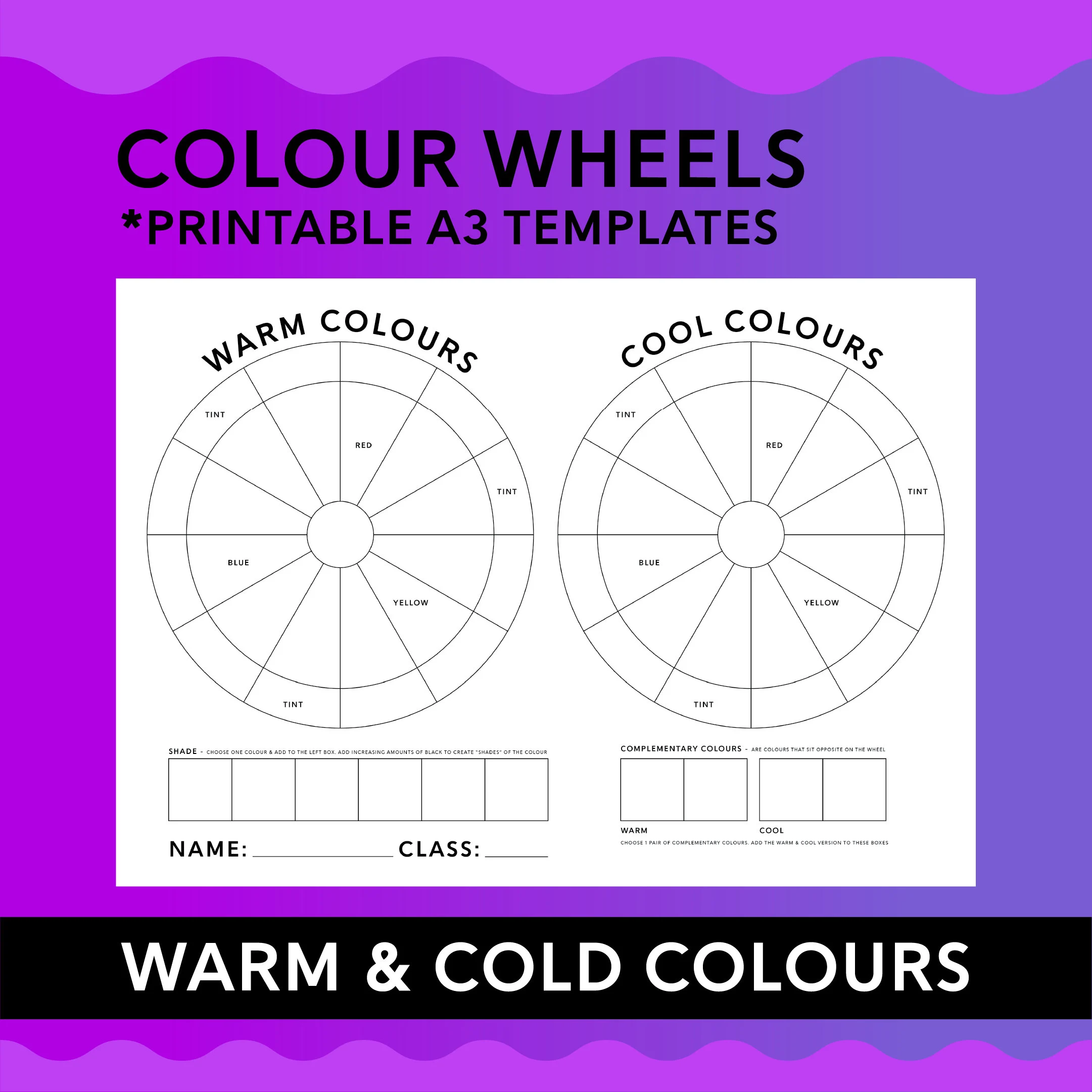
When young learners encounter a beach scene, they intuitively recognize that yellows, oranges, and reds represent the warmth of sunshine and sand. Blues, teals, and purples naturally read as cool because they appear in water and shadows. This connection between color and temperature happens almost automatically for children, which is why beach imagery works so well for physical science instruction at the kindergarten level.
The beauty of this approach lies in its simplicity. Rather than explaining color theory through definitions, children learn by observation and association. They color the sun in warm tones and the ocean in cool ones, reinforcing the concept through hands-on activity. This tactile learning method sticks with young students far better than verbal instruction alone.
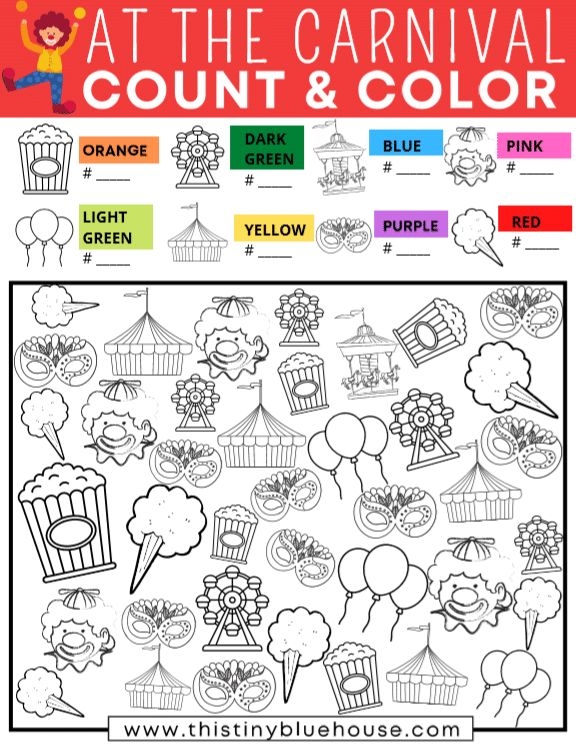
Beyond basic color recognition, these worksheets build foundational skills that connect to other learning areas. When children work through activities that combine colors with shapes, they strengthen pattern recognition. Similarly, pairing warm and cool color lessons with color and counting exercises reinforces both color vocabulary and numerical awareness simultaneously.
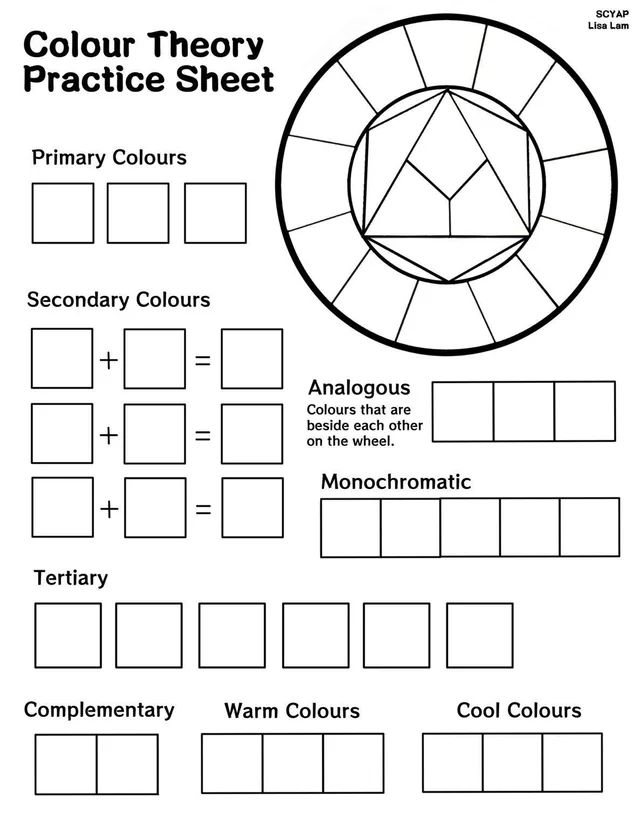
Kindergarten physical science doesn’t need to be complicated. A beach-themed worksheet accomplishes multiple learning goals at once: it introduces color temperature concepts, engages children through familiar imagery, and provides a foundation for more advanced color theory later. The beach setting removes any intimidation factor, allowing young learners to explore and discover these concepts through play rather than formal instruction.
Download These Worksheets for Practice