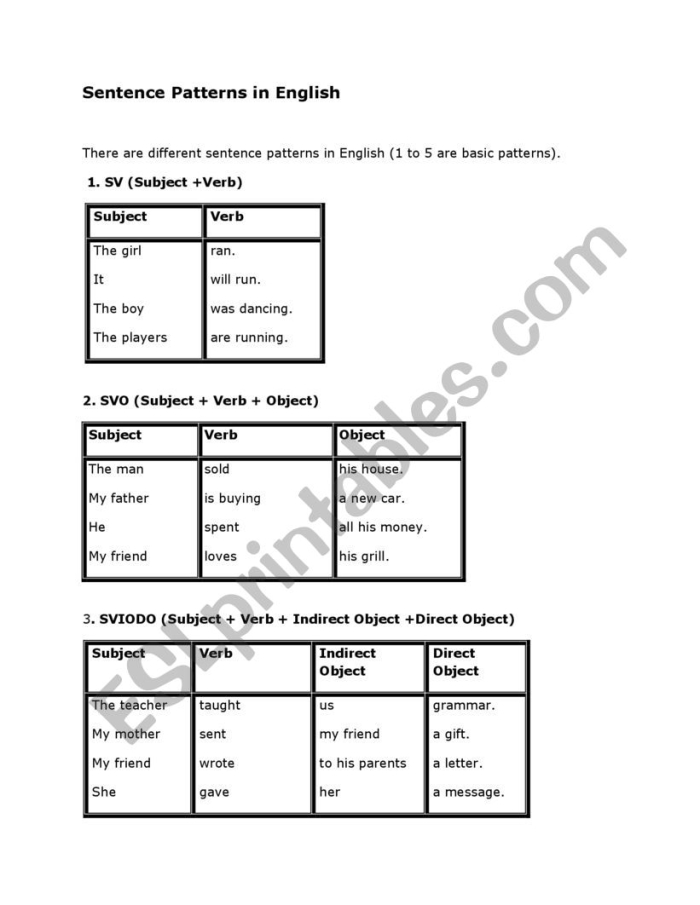
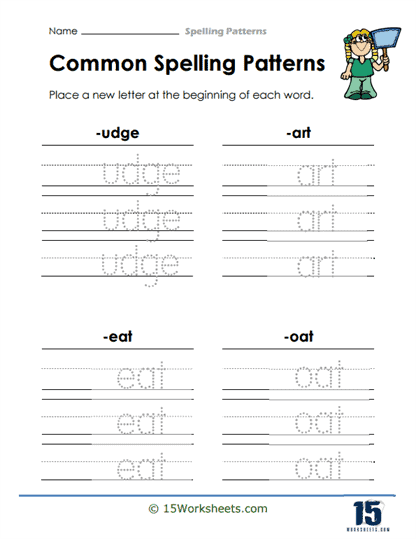
When third grade students work with word patterns in sentences, they are building a foundation that goes beyond simple reading. Understanding how word parts—such as prefixes, suffixes, and root words—combine to form meaning allows them to complete sentences more confidently and accurately. This skill is essential in phonics learning, where decoding and comprehension connect closely.
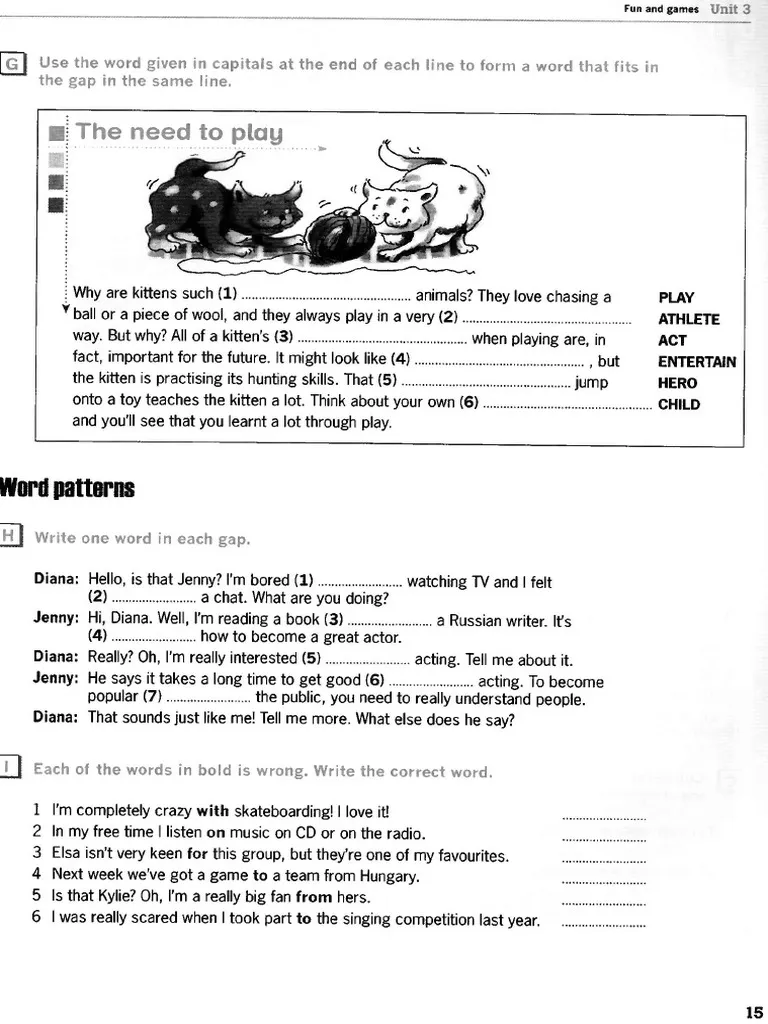
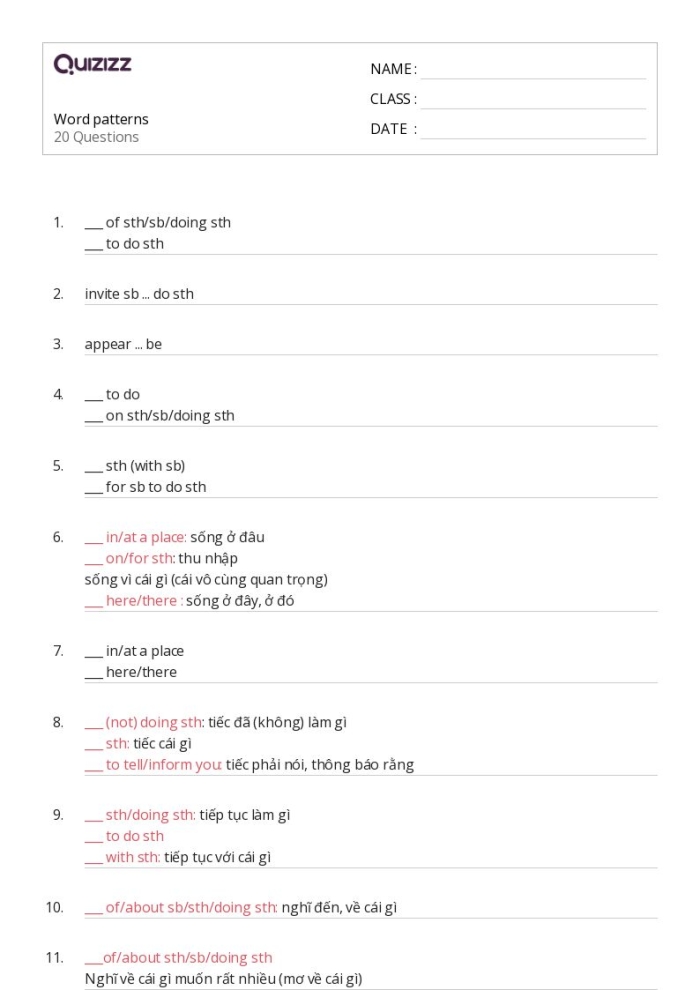
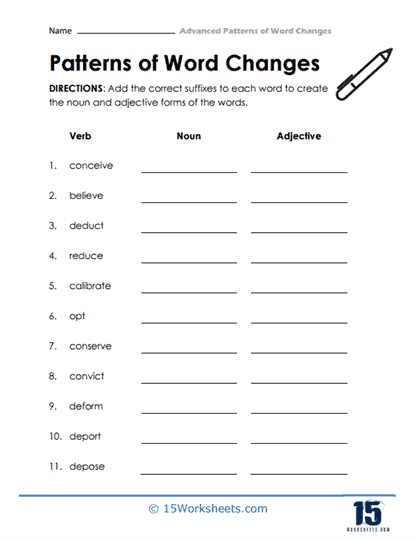
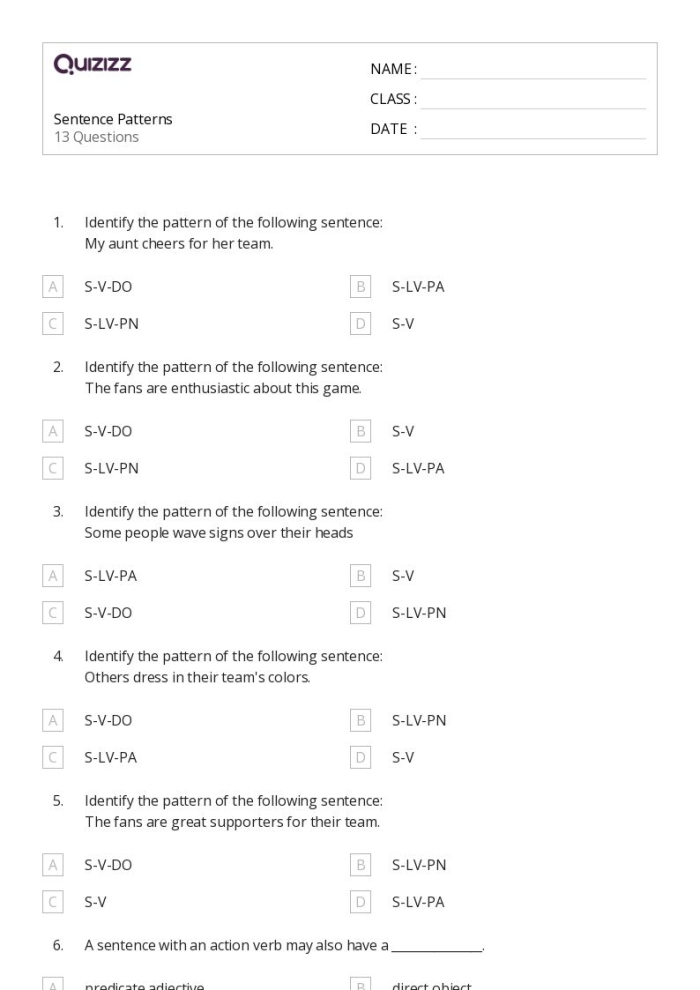
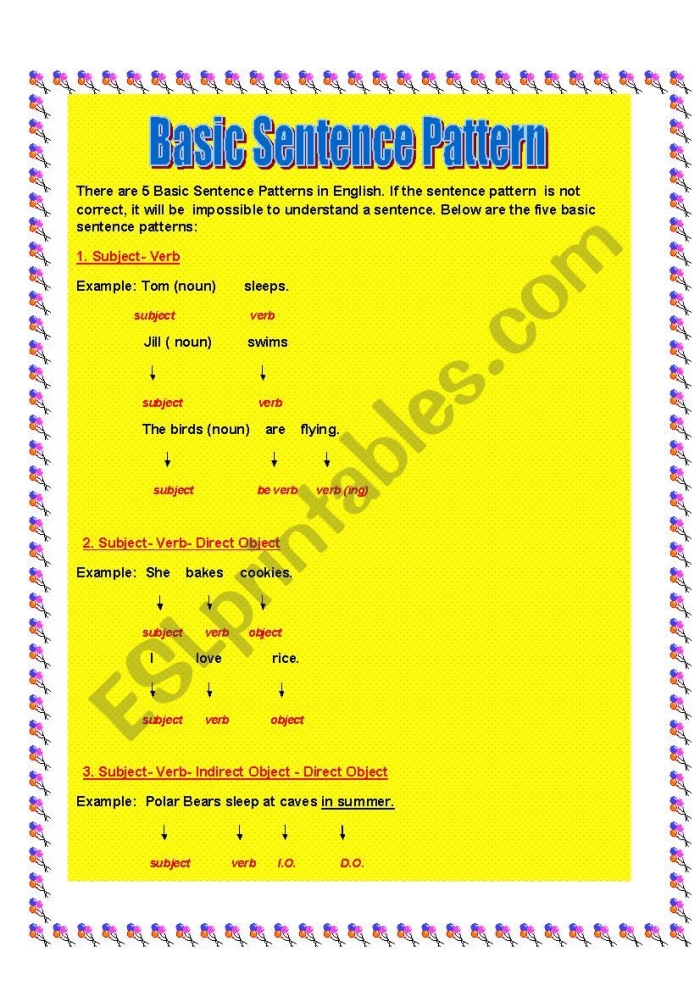
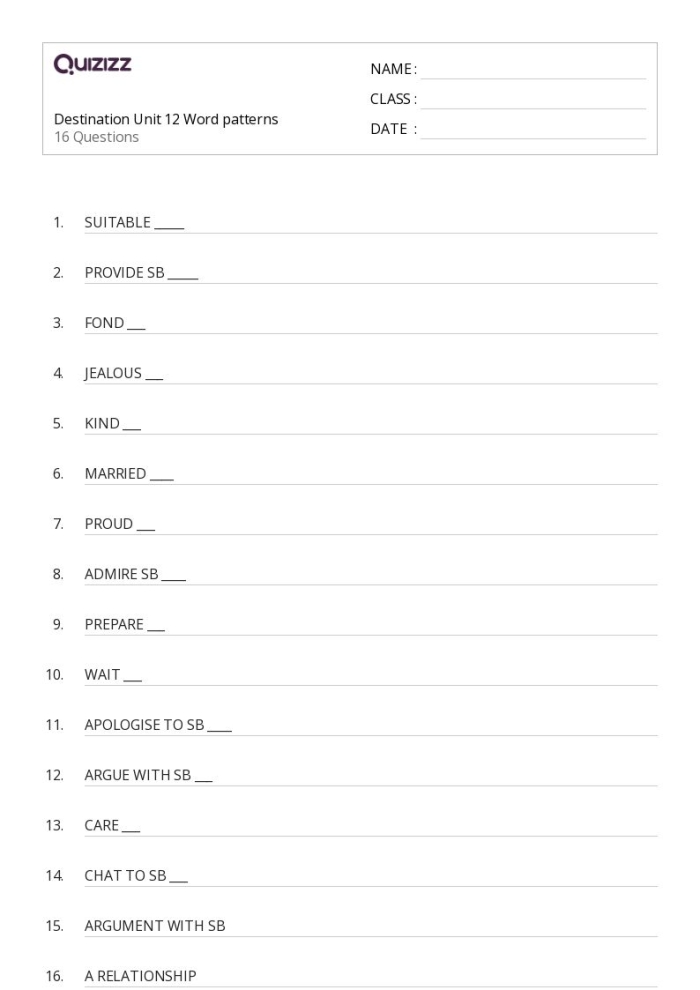
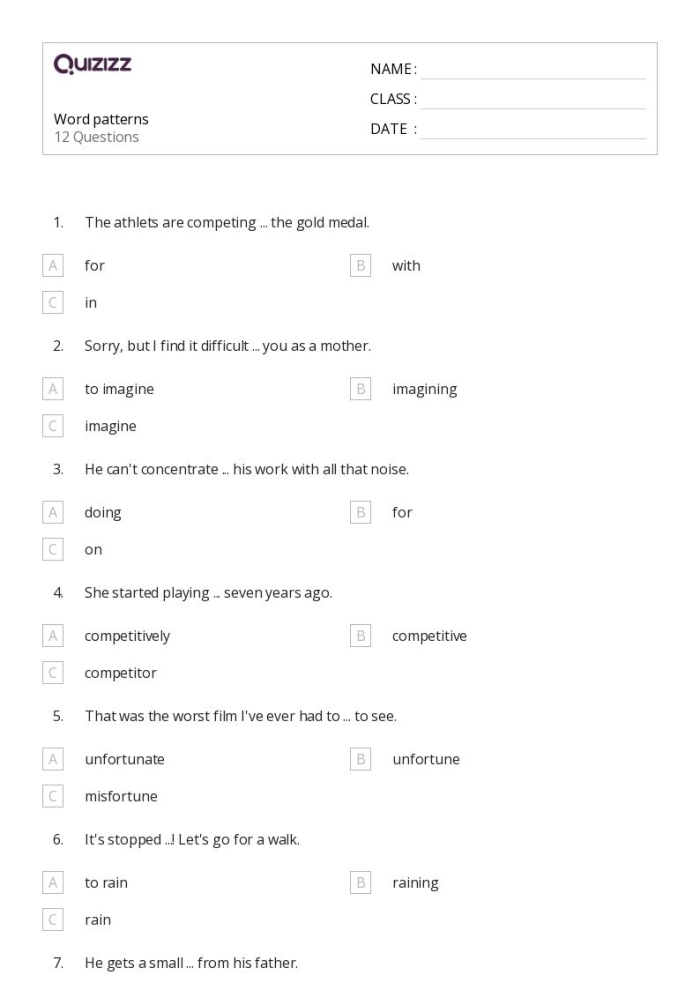
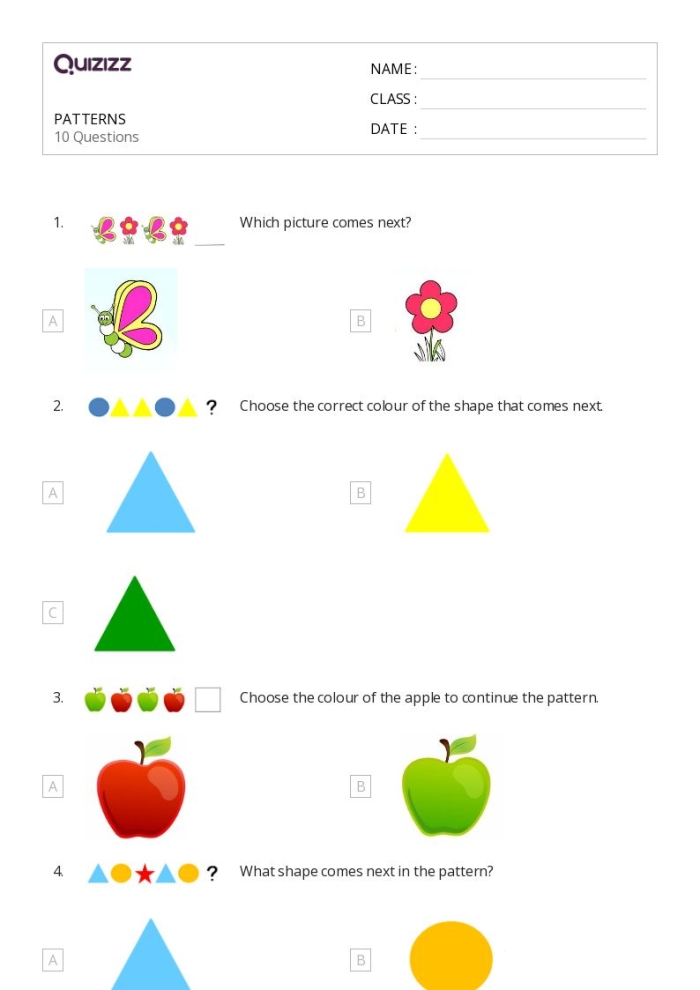
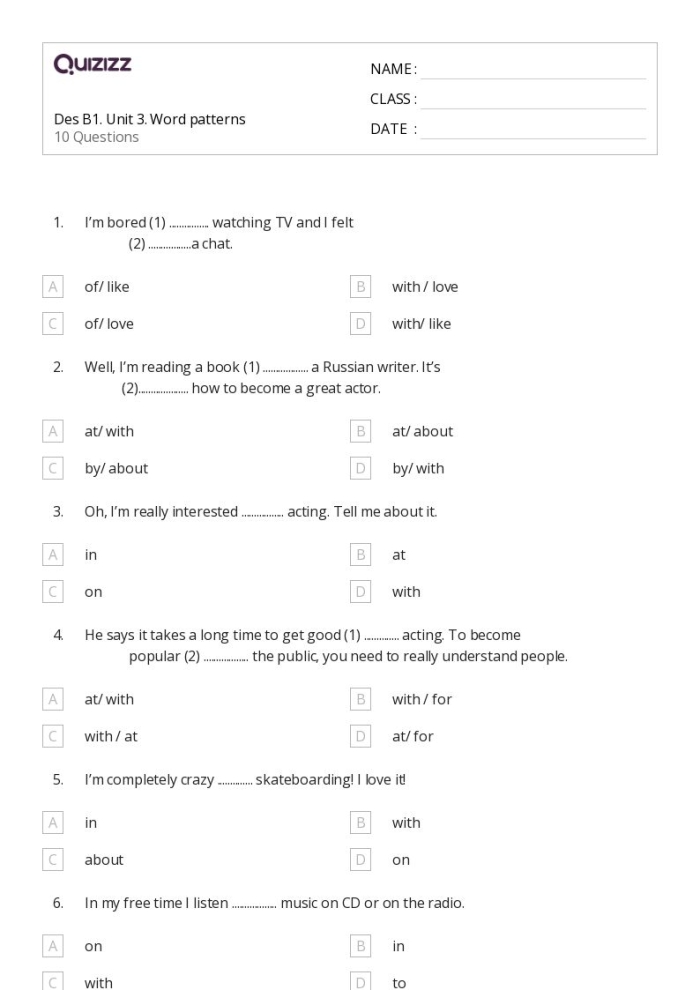
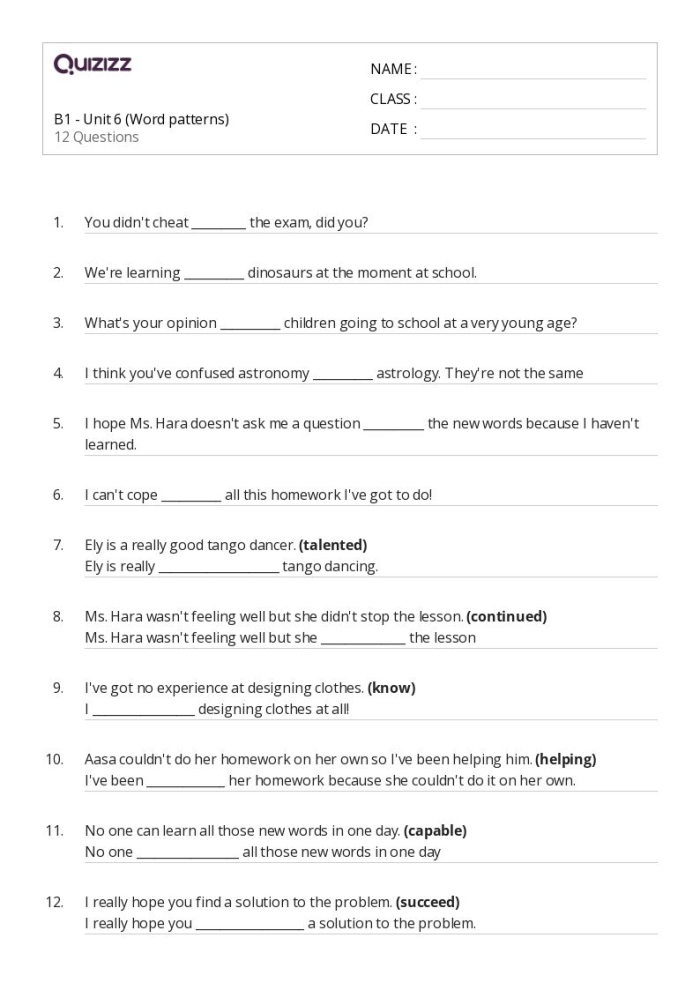
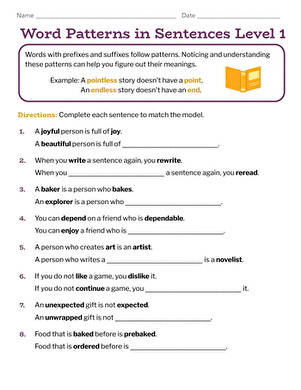
Printable Word Patterns in Sentences Level 1 worksheets focus specifically on this process. These worksheets encourage children to analyze words by breaking them down into familiar segments. For example, recognizing that the suffix “-ed” often indicates past tense helps students choose the correct form to complete a sentence. This approach makes grammar tangible rather than abstract.
One key benefit of these worksheets is that they promote active engagement with language. Instead of passively reading, students puzzle out the meaning of words based on their components. This can be especially helpful for third graders who are expanding their vocabulary and starting to encounter more complex sentence structures. When students understand that “un-” means “not,” or that “re-” often means “again,” they can predict meanings and use context clues effectively.
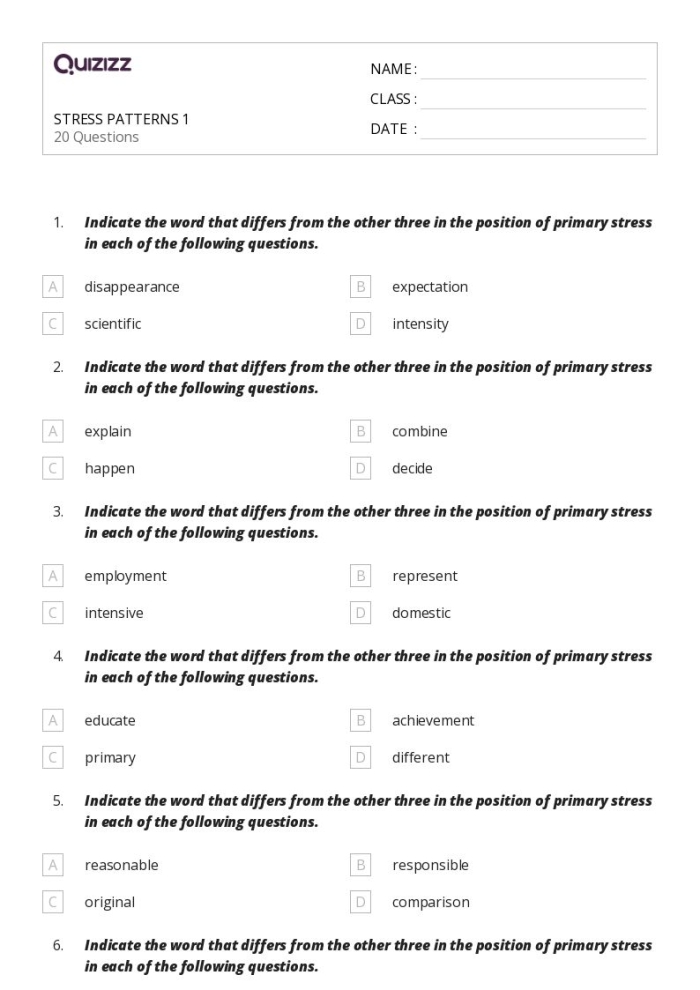
This method is supported by phonics teaching strategies, which emphasize the sounds and patterns within words. For example, children practicing with syllables and silent letters—like those found in syllable practice worksheets—gain a better grasp of pronunciation and spelling, which feeds directly into their ability to complete sentences correctly.
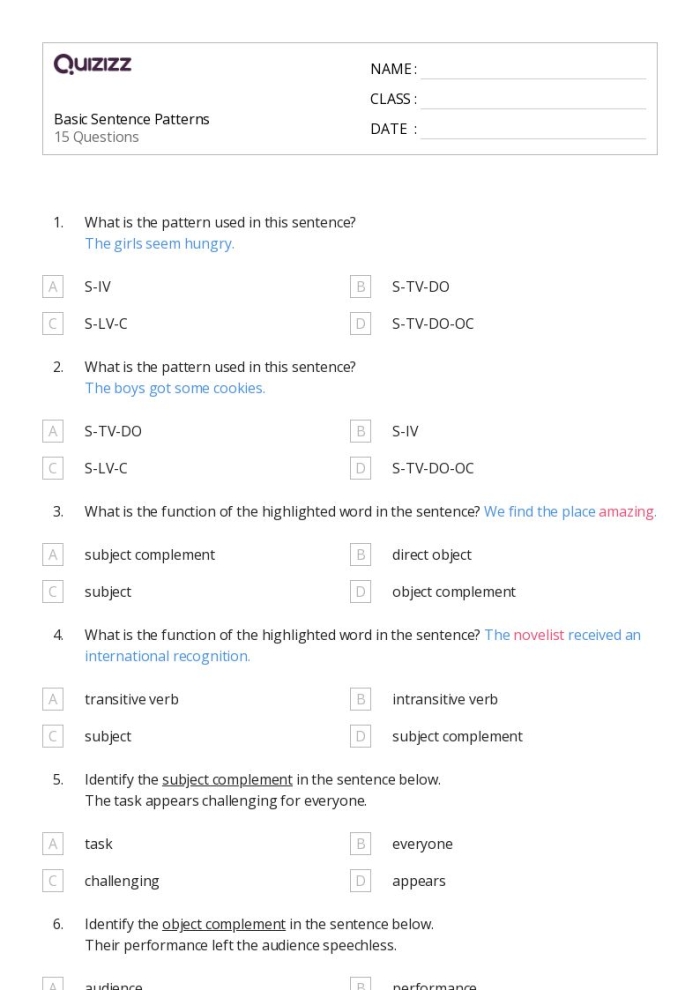
Additionally, these grammar worksheets often include exercises where students identify how word parts change sentence meaning. This kind of practice reinforces both grammar and comprehension: students learn not just to decode words, but to understand how those words function within sentences. That dual focus is what makes these worksheets a valuable tool in any third grade phonics curriculum.
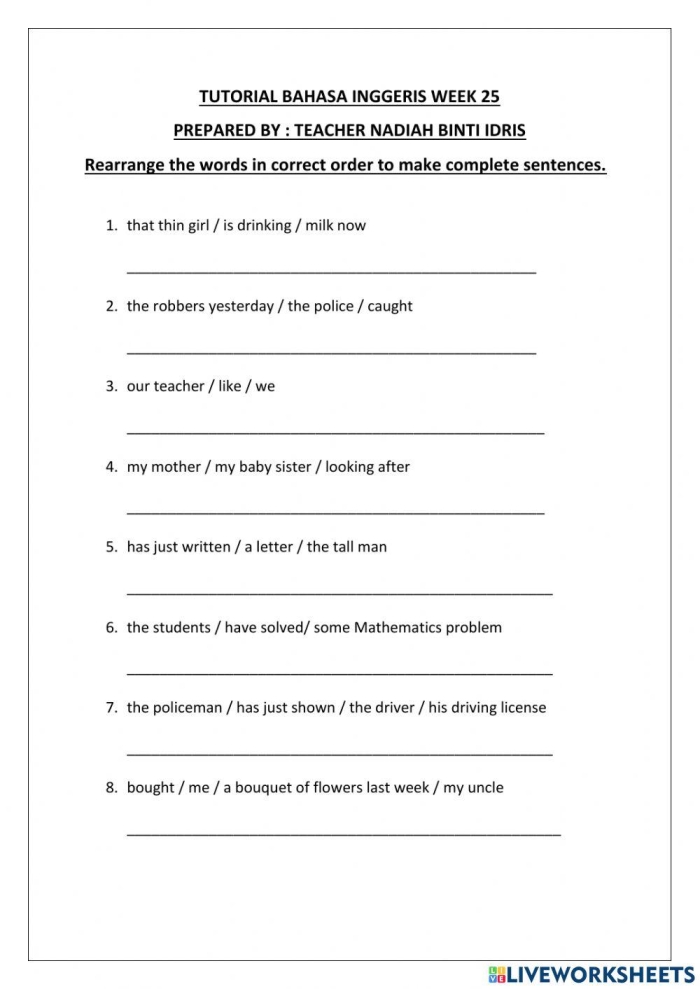
Working with word patterns in sentences also lays groundwork for more advanced reading and writing skills. It helps students recognize text features more easily, similar to the skills taught in nonfiction phonics worksheets, where understanding structure supports comprehension. By mastering word parts early on, students develop greater confidence in their literacy abilities, making future lessons smoother and more intuitive.
Download These Worksheets for Practice