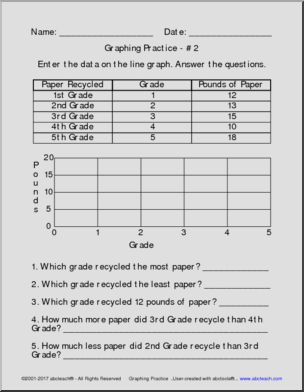
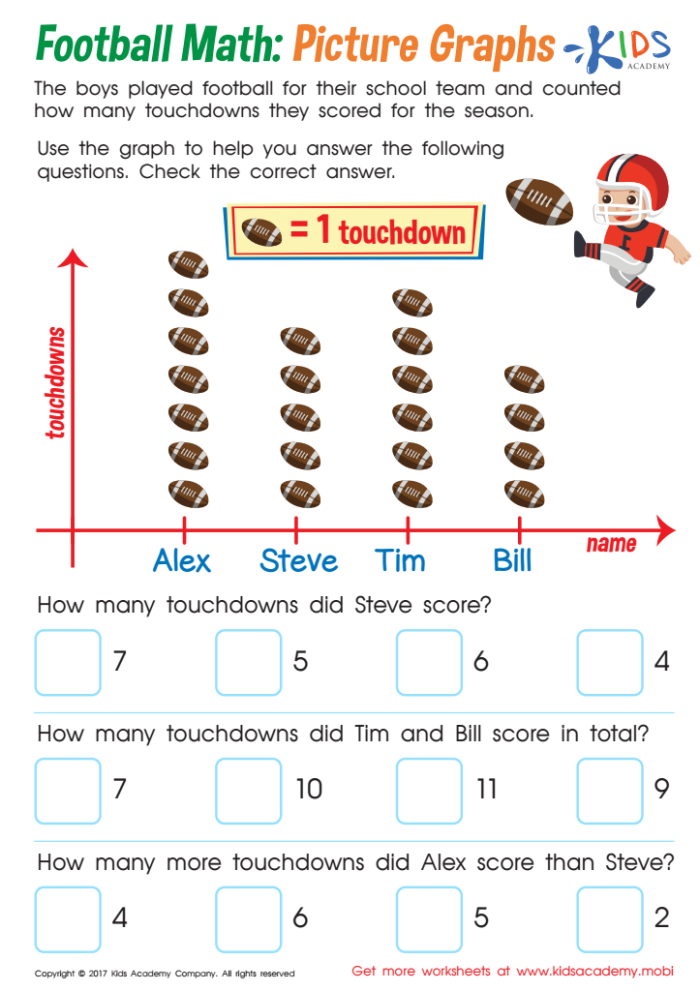
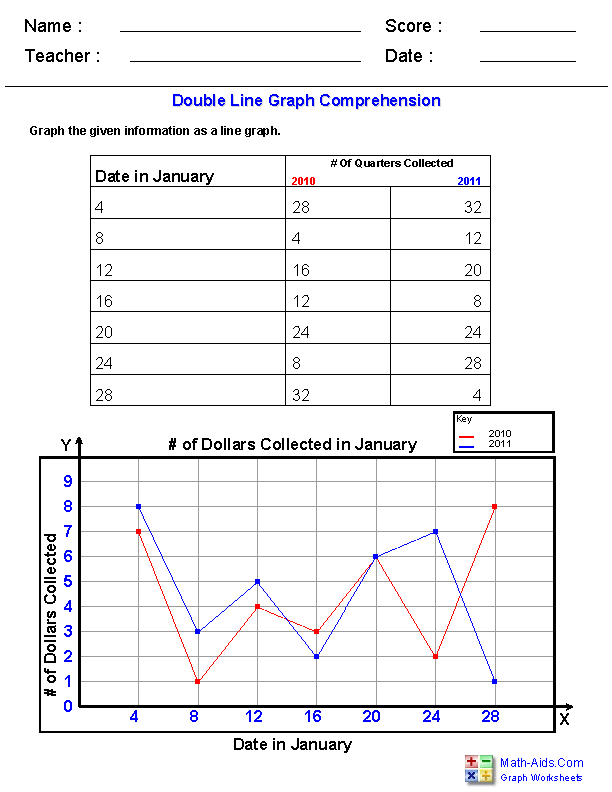
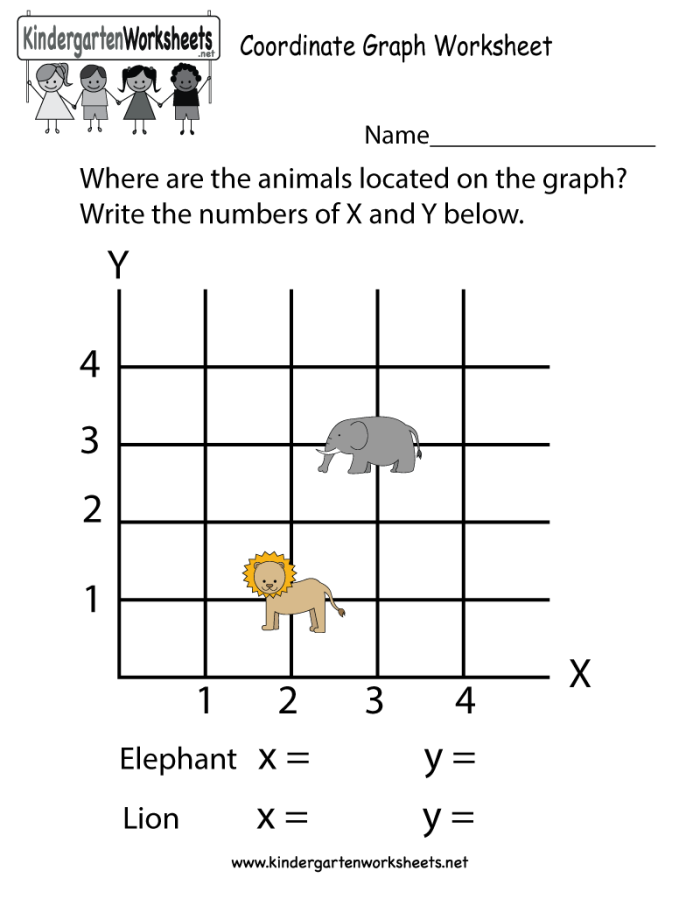
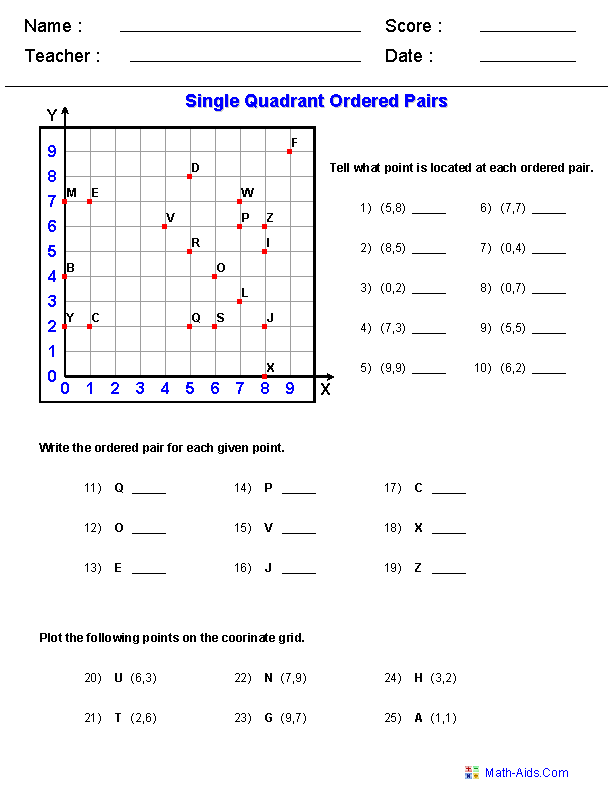
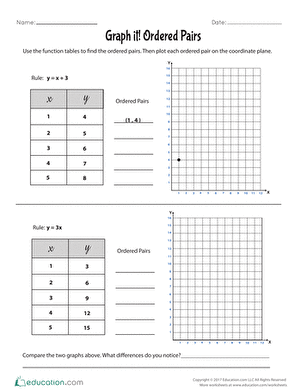
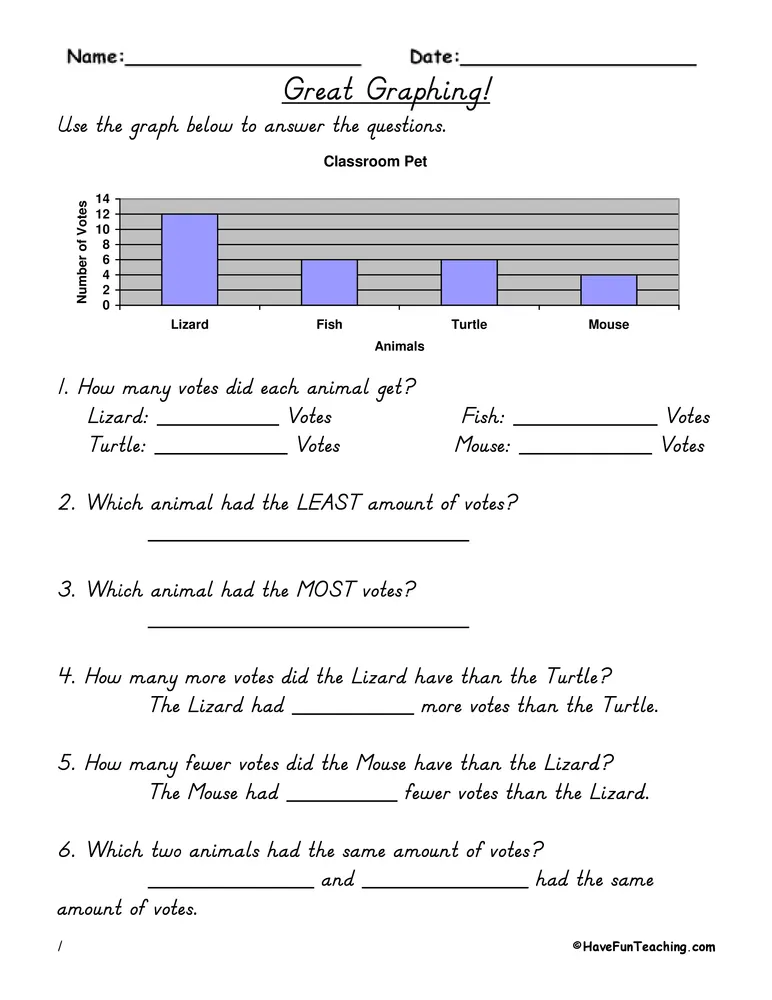
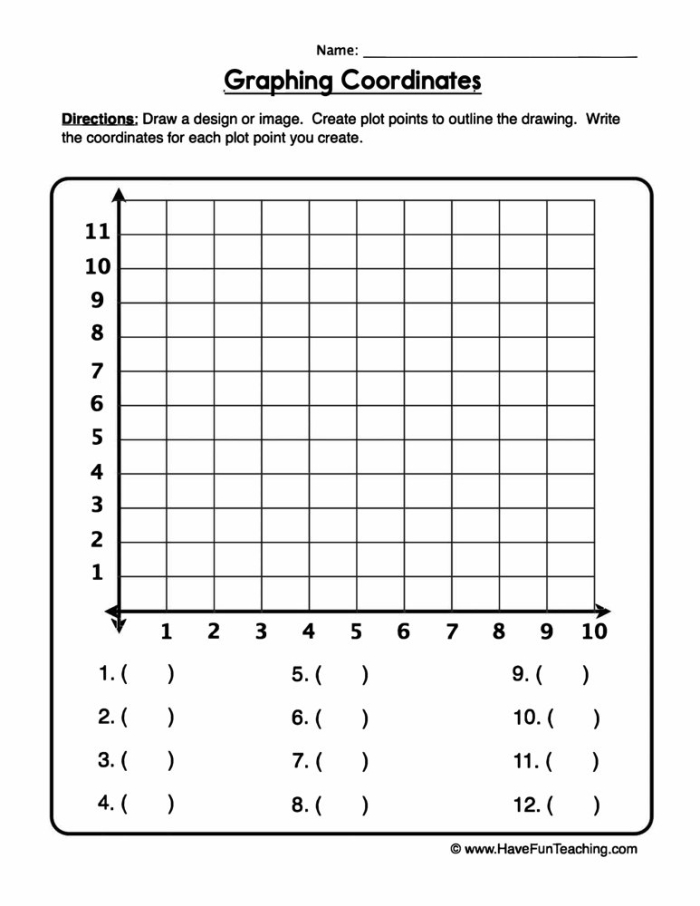
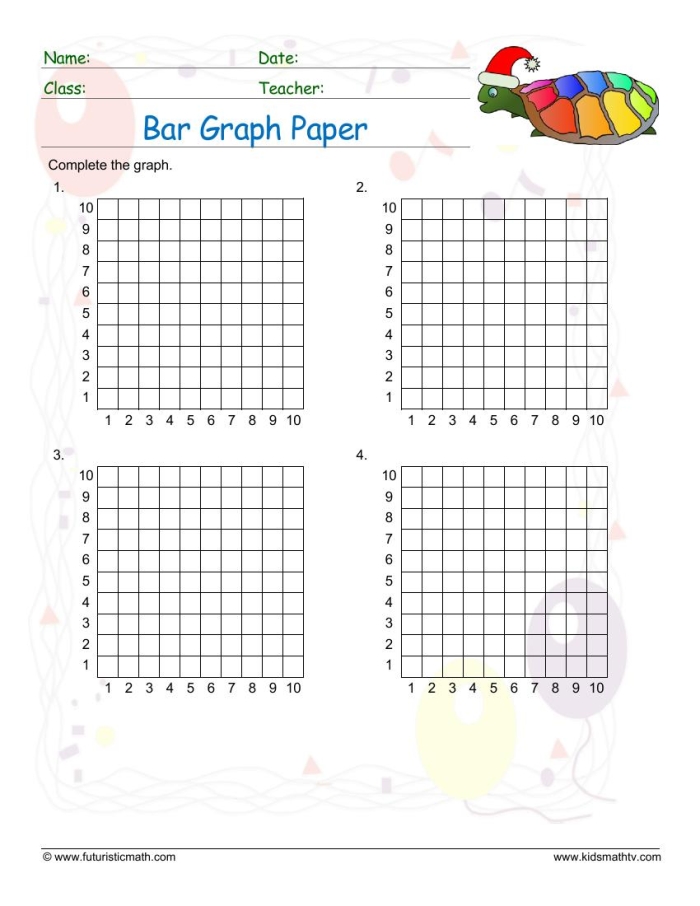
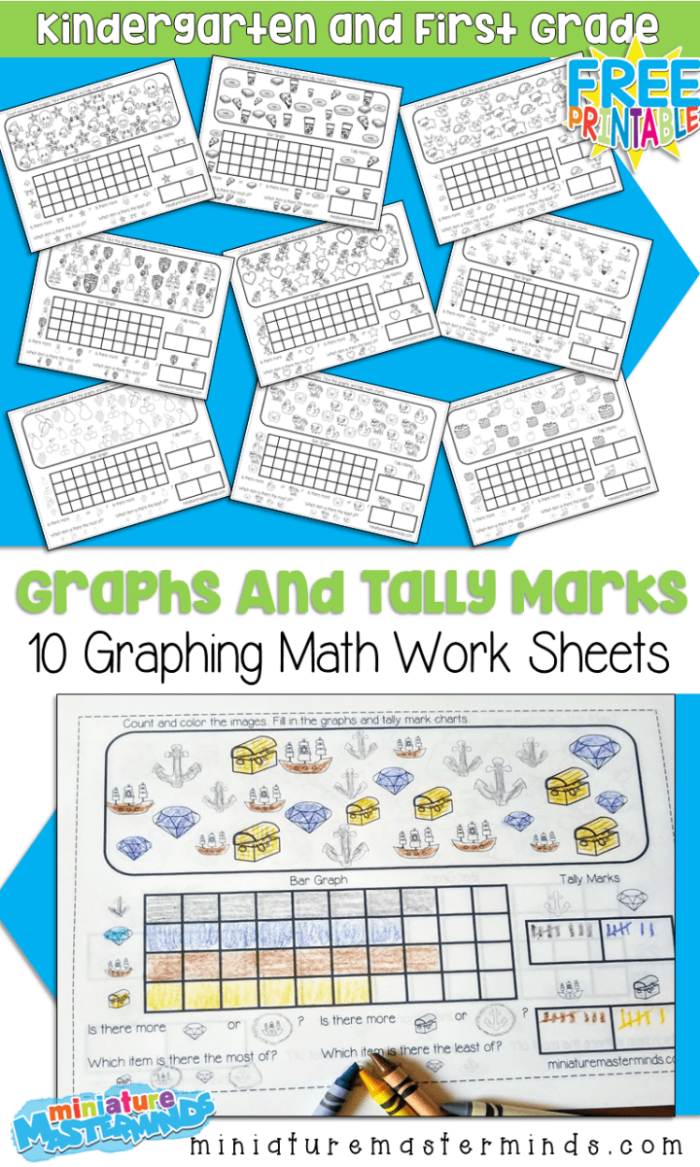
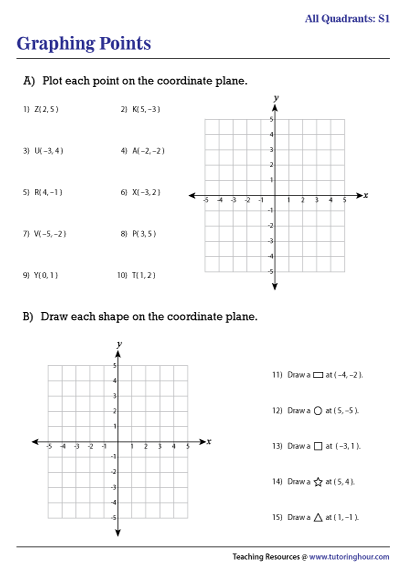
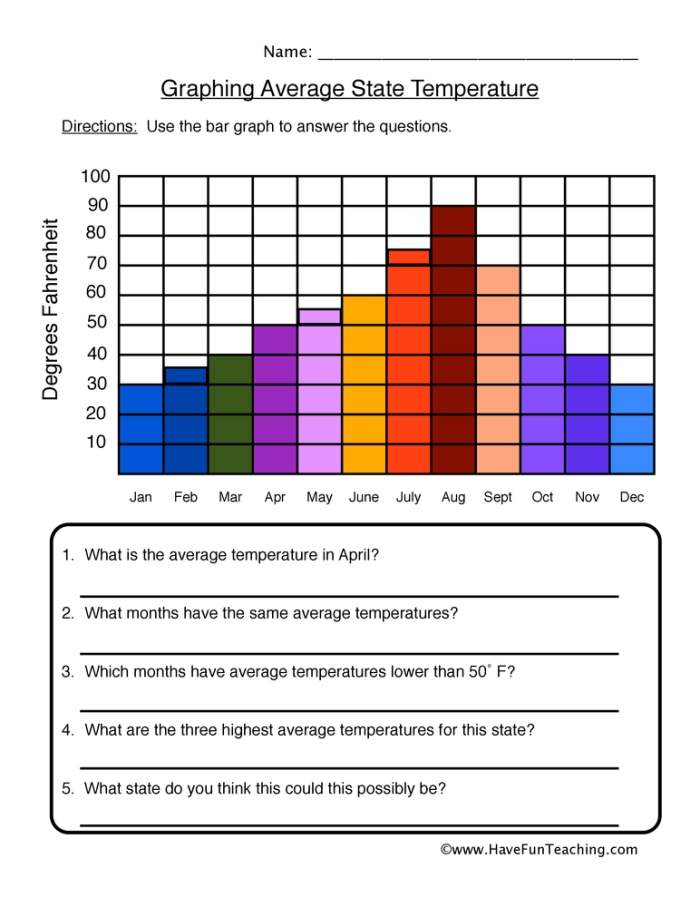
When fifth grade students move from simply filling out function tables to actually generating ordered pairs for graphing, they engage with math in a more hands-on and meaningful way. This shift helps them see the direct connection between numeric relationships and their visual representation on the coordinate plane. Instead of passively completing rows of numbers, students actively create a list of points, such as (2, 5) or (4, 9), which they then plot to reveal patterns or trends.
One practical example is using a function table where the rule might be “multiply the input by 3 and add 1.” Students calculate y-values for given x-values, write down the ordered pairs, and then graph these on the coordinate plane. This process solidifies their understanding that each pair corresponds to a specific point on the graph. It also prepares them for more advanced concepts like linear functions and slope, which are central to many fifth grade math curricula.
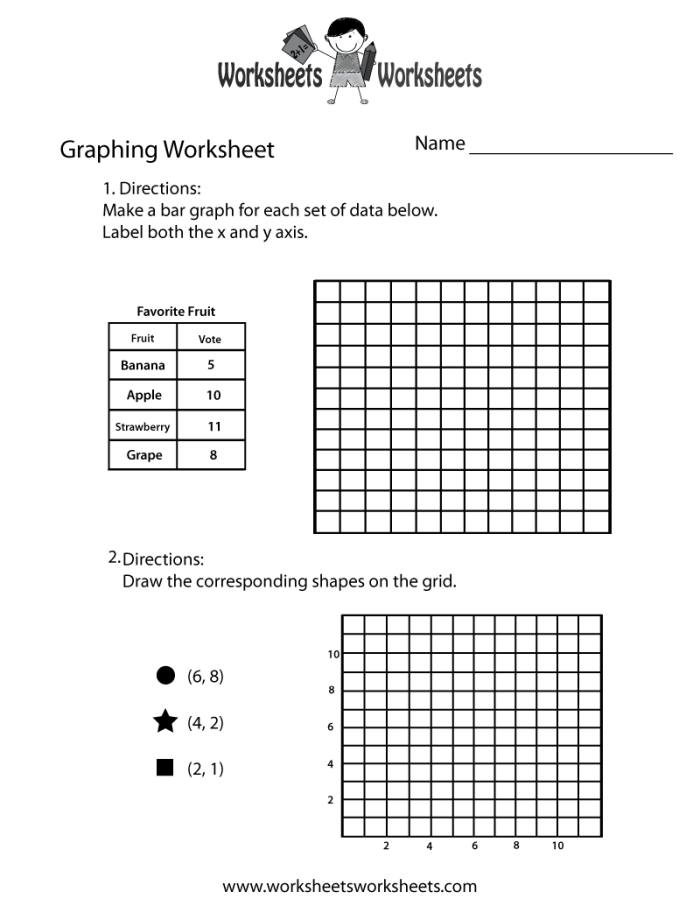
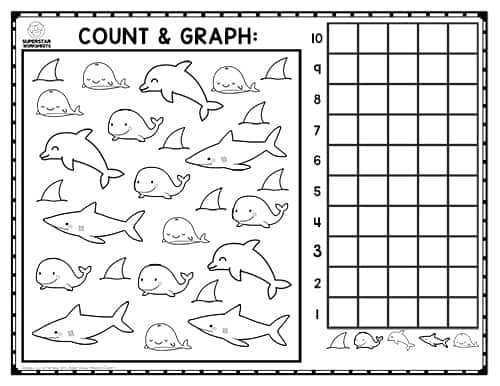
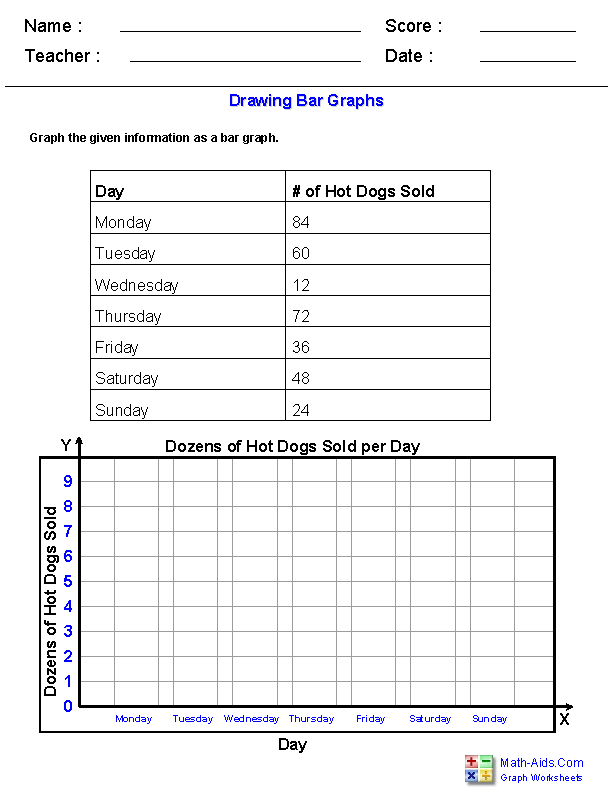
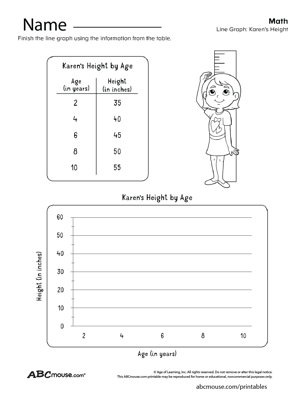
Encouraging students to generate their own ordered pairs rather than just reading them from a table enhances critical thinking and helps them build confidence in graphing. It also bridges math and reading skills, as they interpret problems that describe functional relationships in words before translating them into numbers and visuals. For educators looking to integrate this approach, using resources such as printable Level Up! Graphing Worksheets can provide structured practice that aligns well with fifth grade reading and math standards.
For students who benefit from contextual learning, combining graphing exercises with reading comprehension strategies can be especially effective. For instance, worksheets that include coordinate plane word problems can help learners apply both numerical and verbal reasoning. This kind of integrated activity supports a deeper understanding and makes the abstract concept of functions more accessible. You can find examples of these types of problems in collections like the coordinate plane word problems reading materials designed for this grade level.
Ultimately, when students take ownership of creating ordered pairs and graphing them, they gain a clearer, more concrete grasp of functions. This hands-on experience lays a solid foundation for future topics in algebra and geometry, while also enhancing their analytical reading skills. Linking graphing practice with reading tasks keeps the learning process dynamic and connected to real-world problem solving.
Try These Printable Worksheets