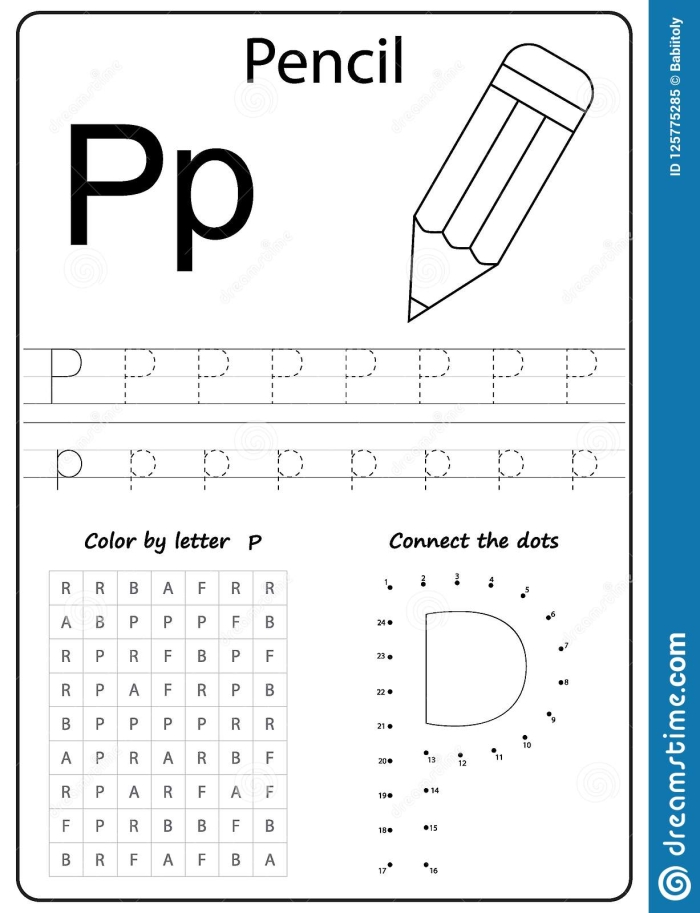
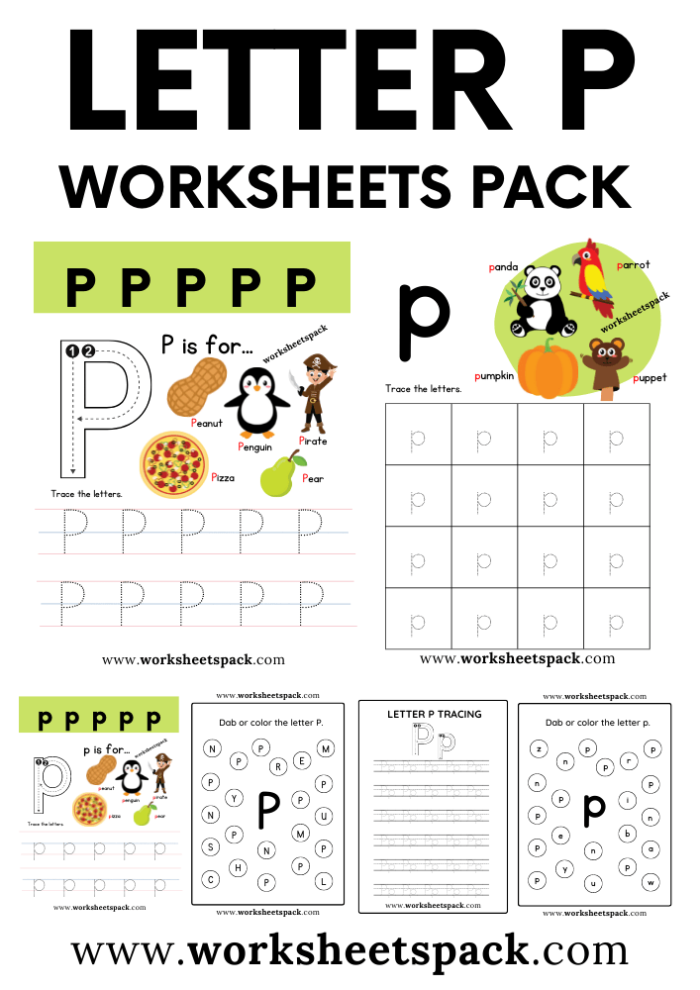
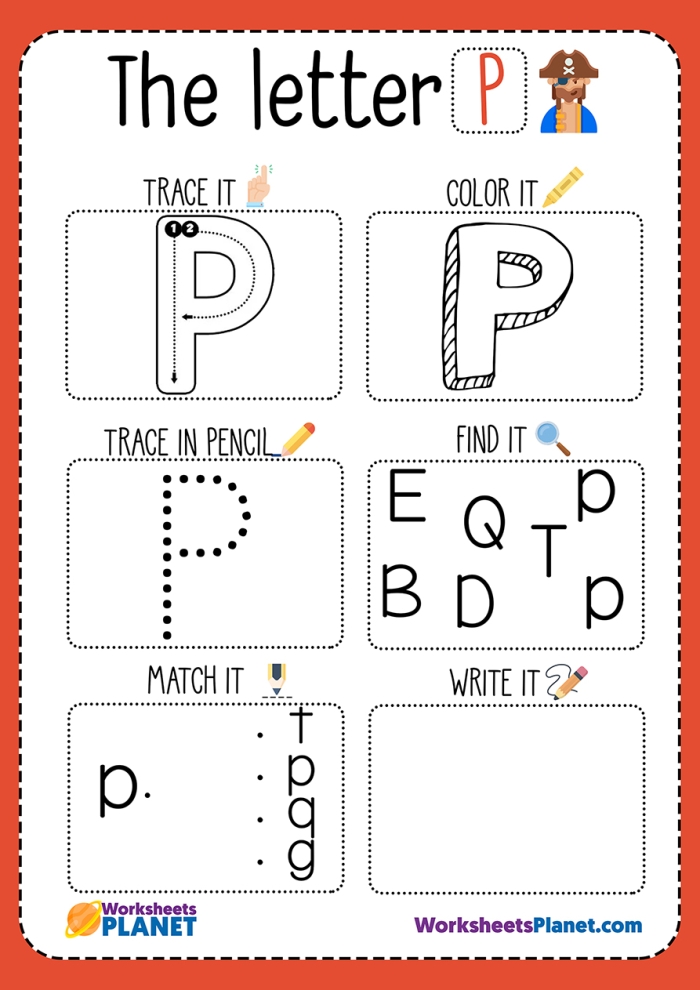
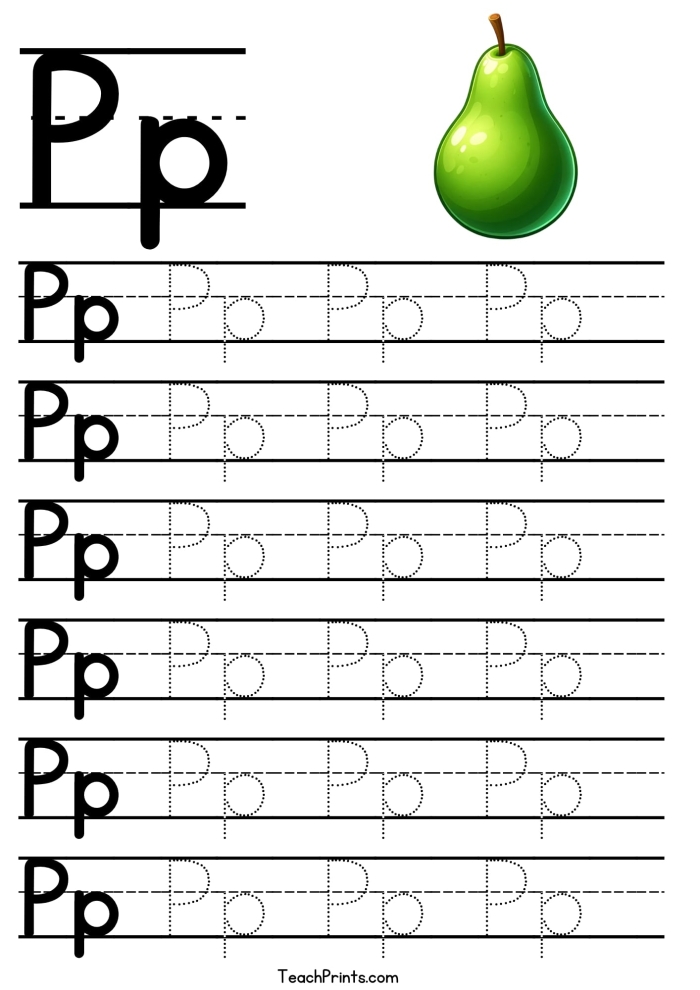
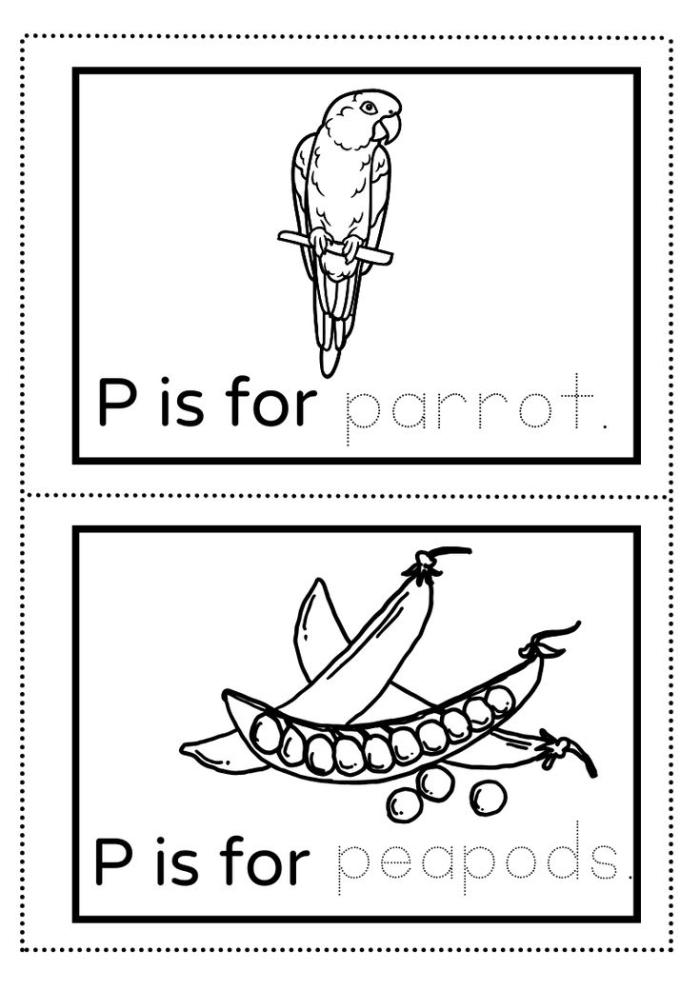
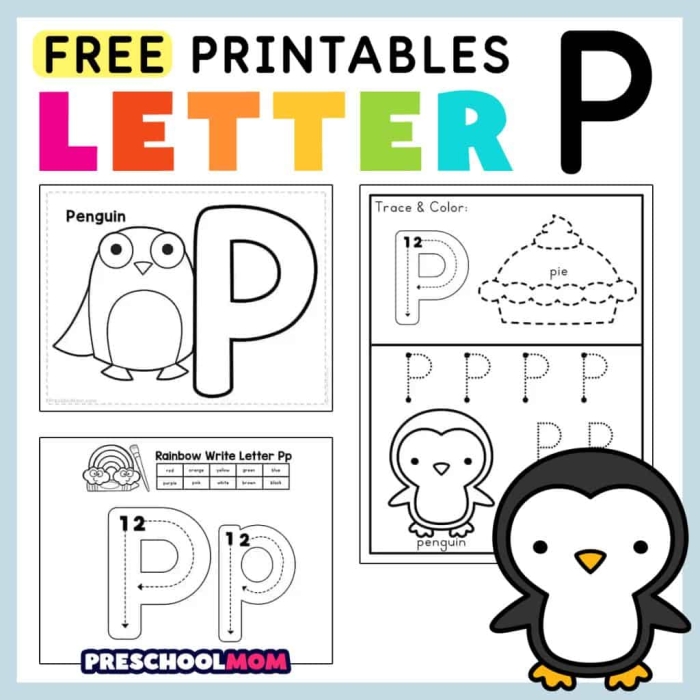
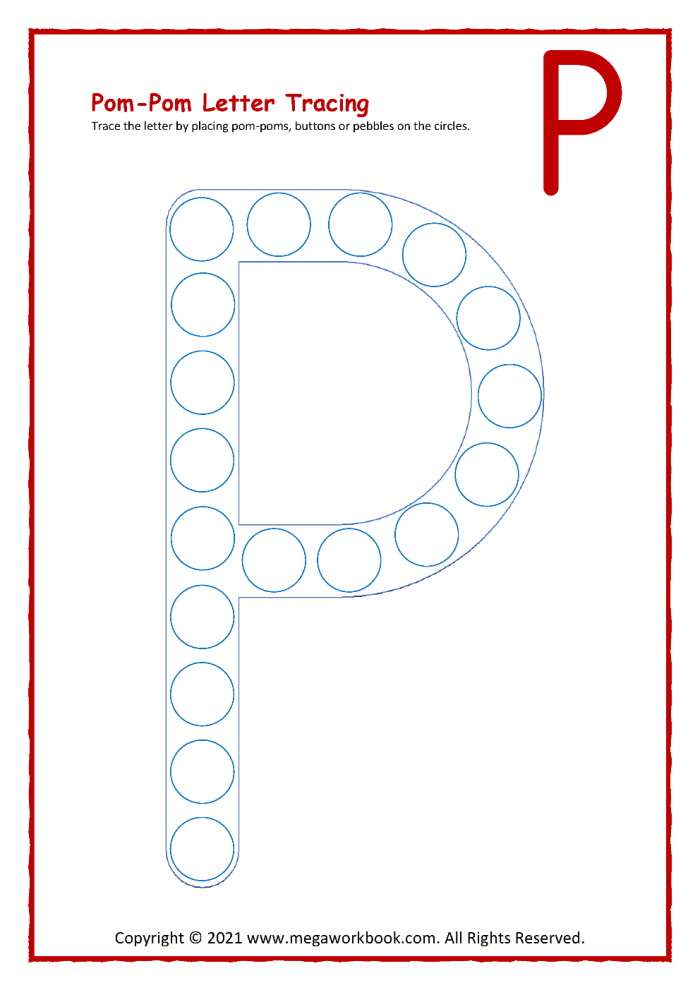
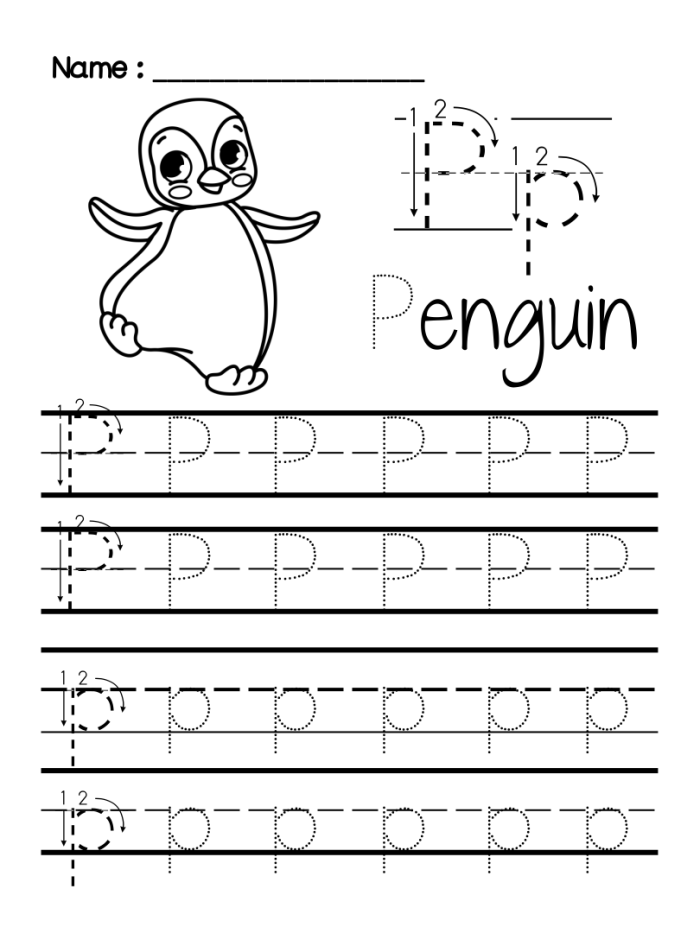
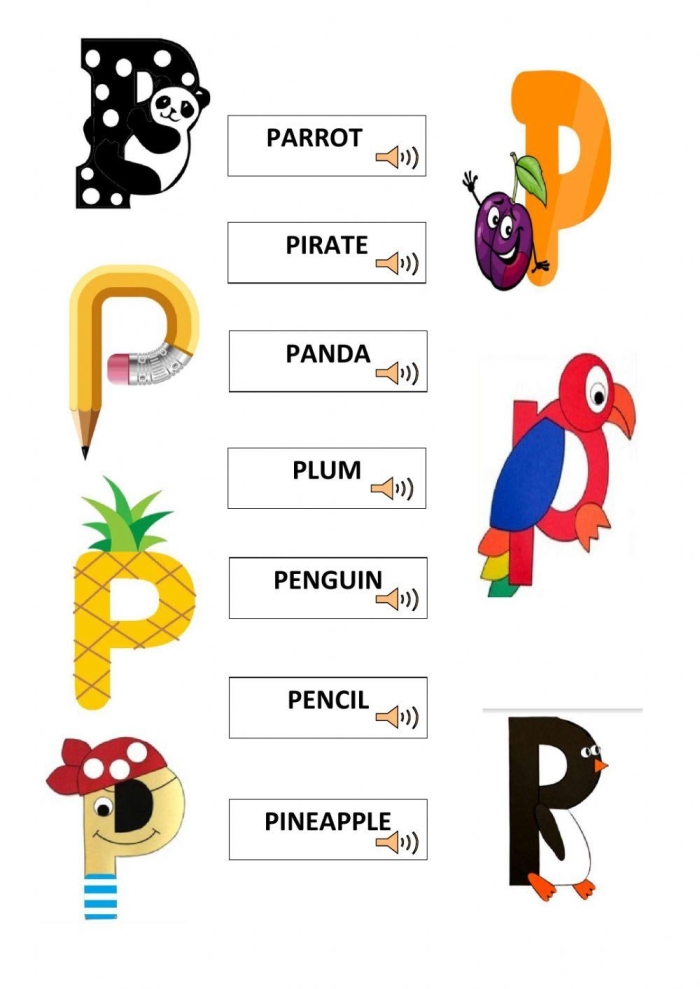
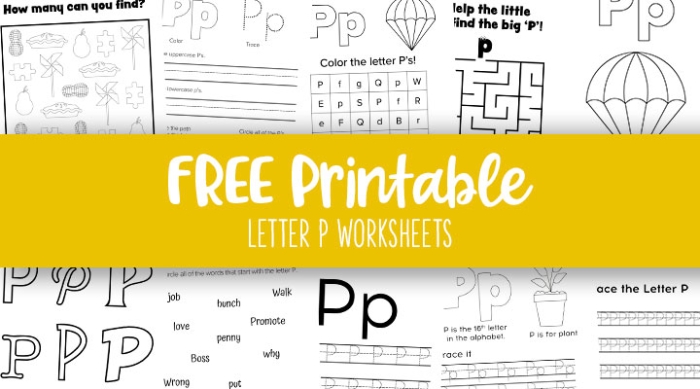
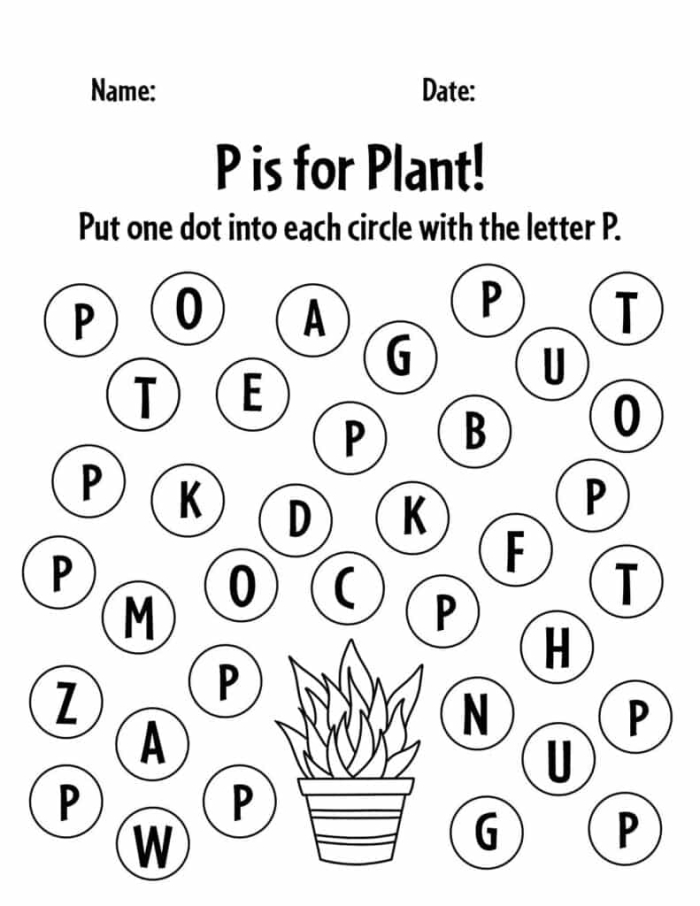
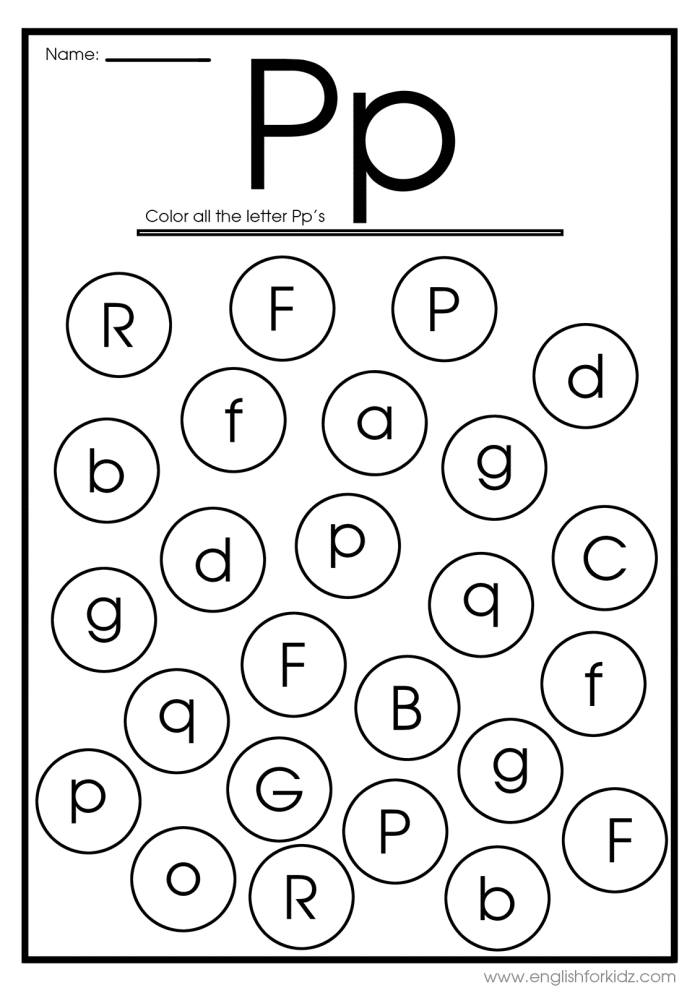
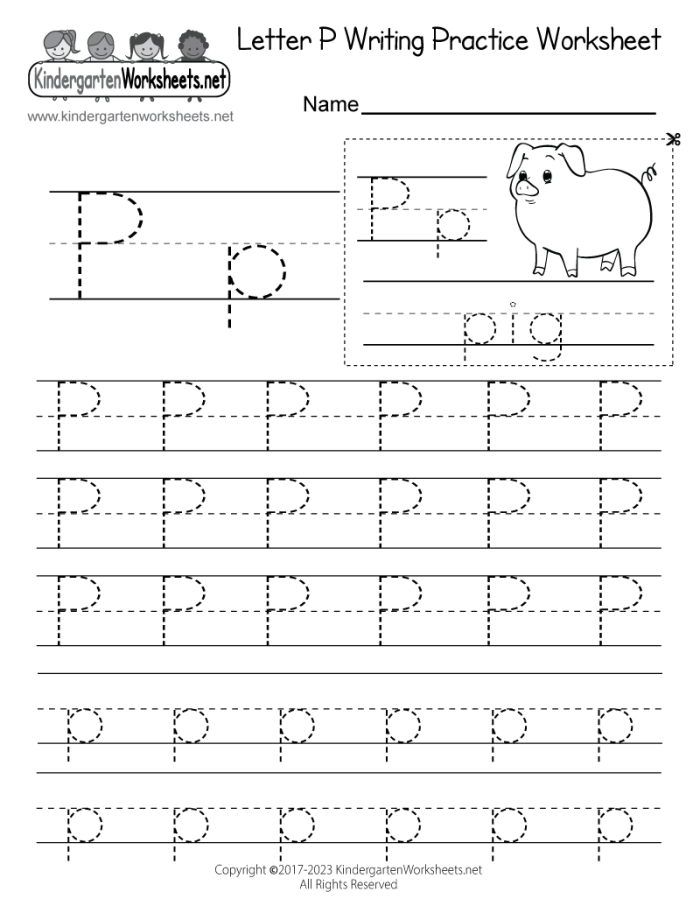
Introducing the alphabet to a preschooler can be a joyful experience, especially when focusing on a playful letter like P. Using printable P Is For… worksheets designed for Pre-K learners not only helps children recognize the letter but also encourages them to practice the unique sounds that P makes. These worksheets often combine early geometry concepts with letter learning, offering a dual benefit that supports both literacy and spatial awareness.
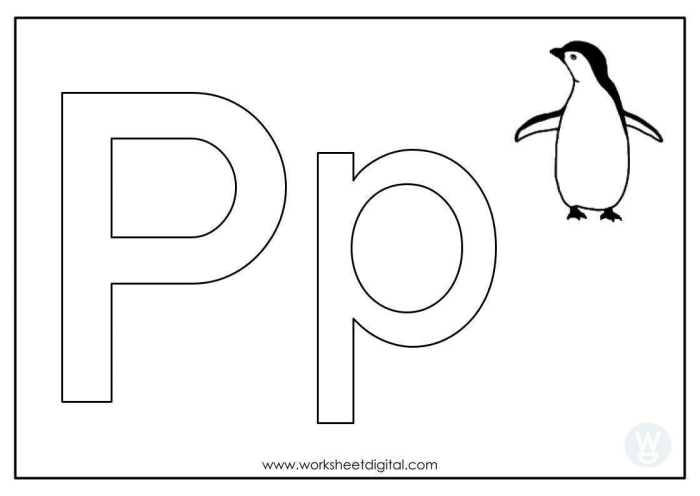
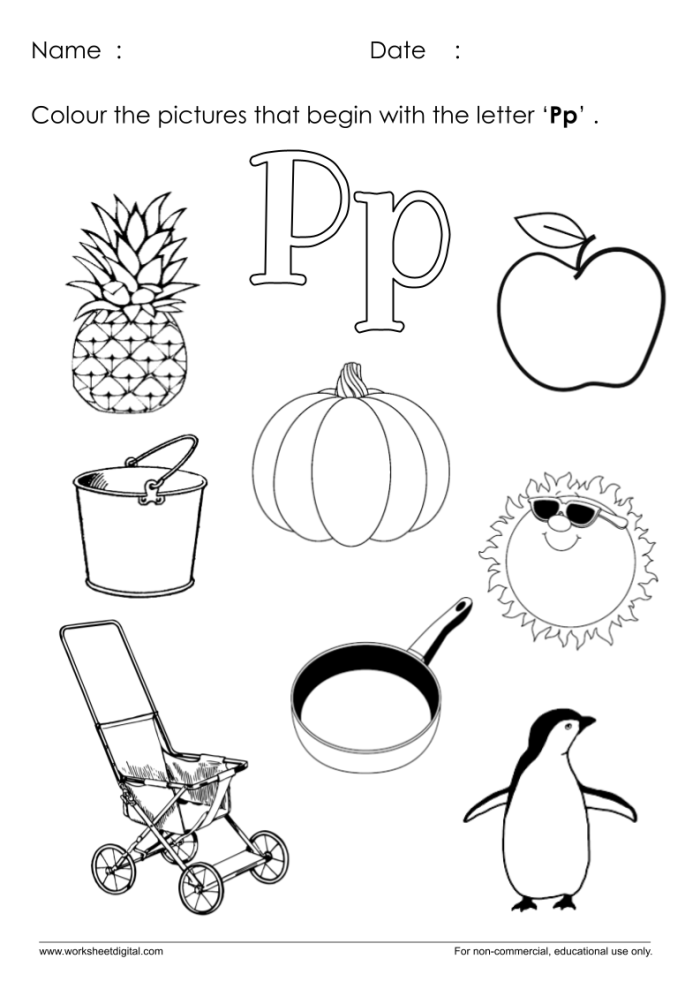
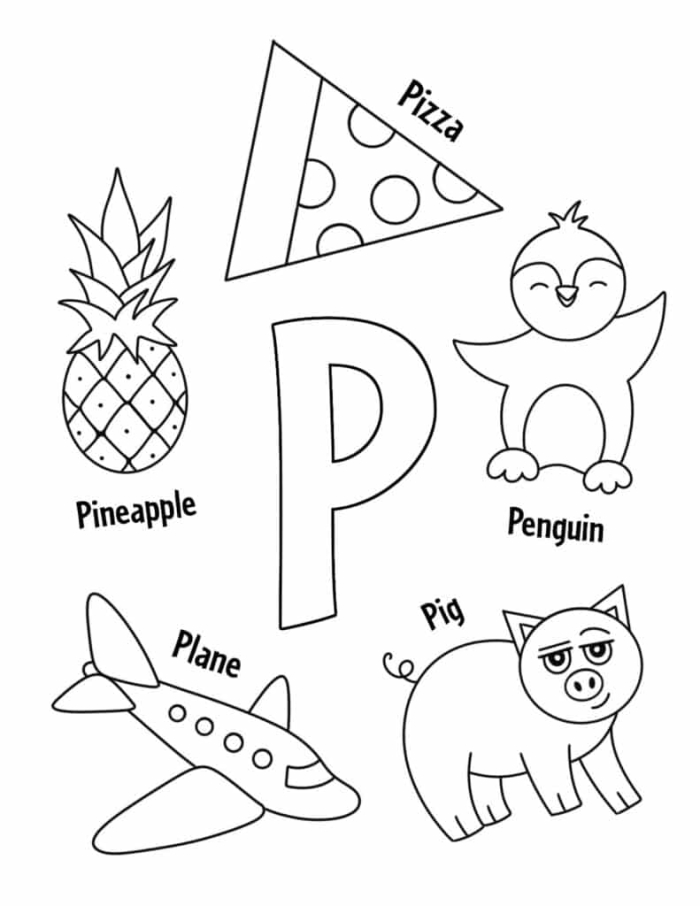
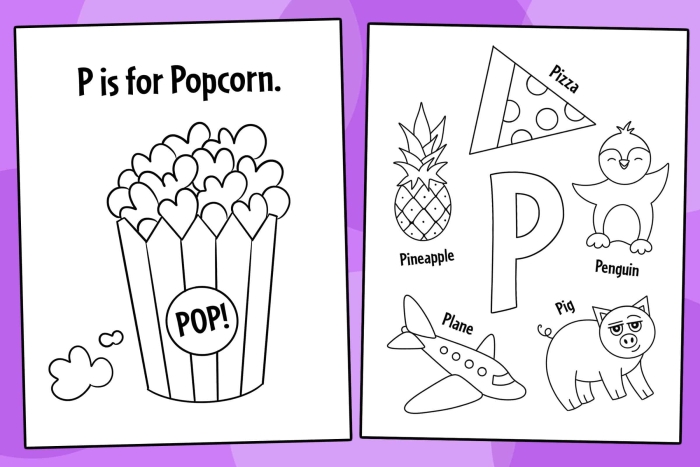
Coloring activities tied to the letter P keep young learners engaged. For example, coloring pictures of puppies, pumpkins, or pirate hats while saying the letter P sound out loud creates a multisensory learning moment. This approach strengthens memory because children connect the shape of the letter, the sound it makes, and the image they color. Engaging with these materials regularly can improve a child’s ability to distinguish letter sounds, an essential step toward reading readiness.
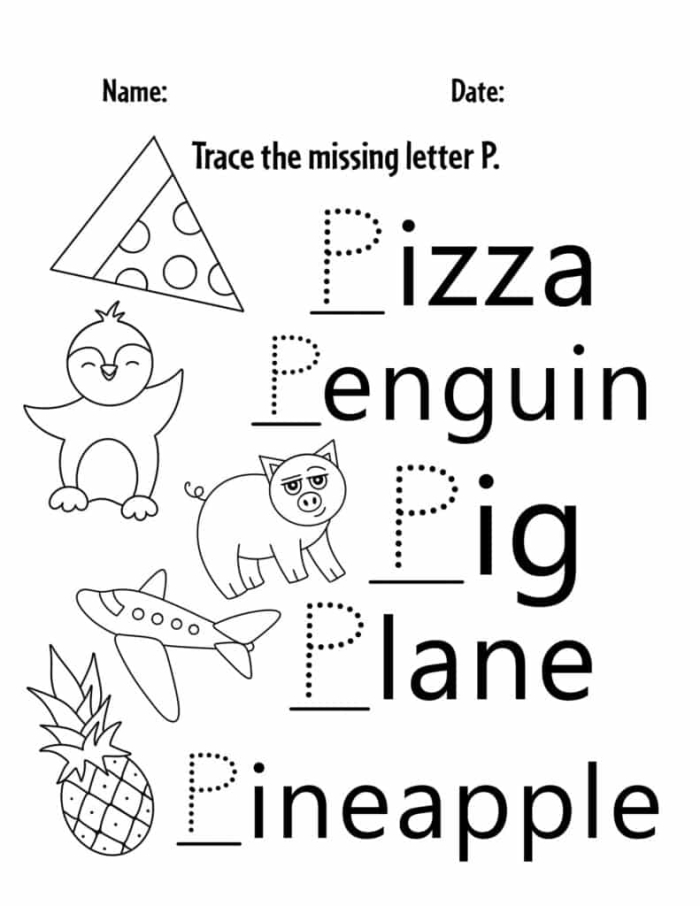
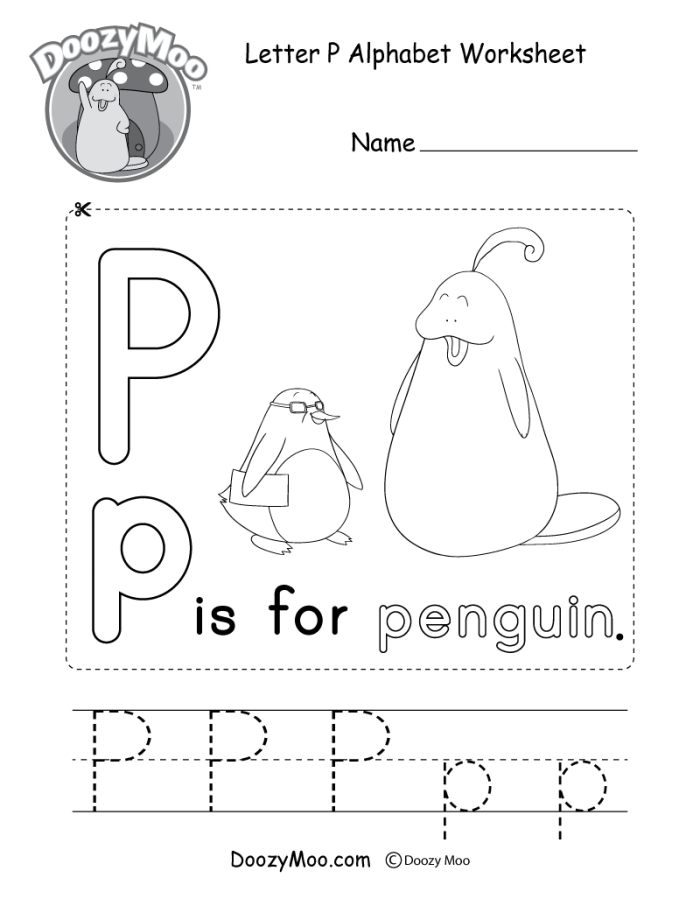
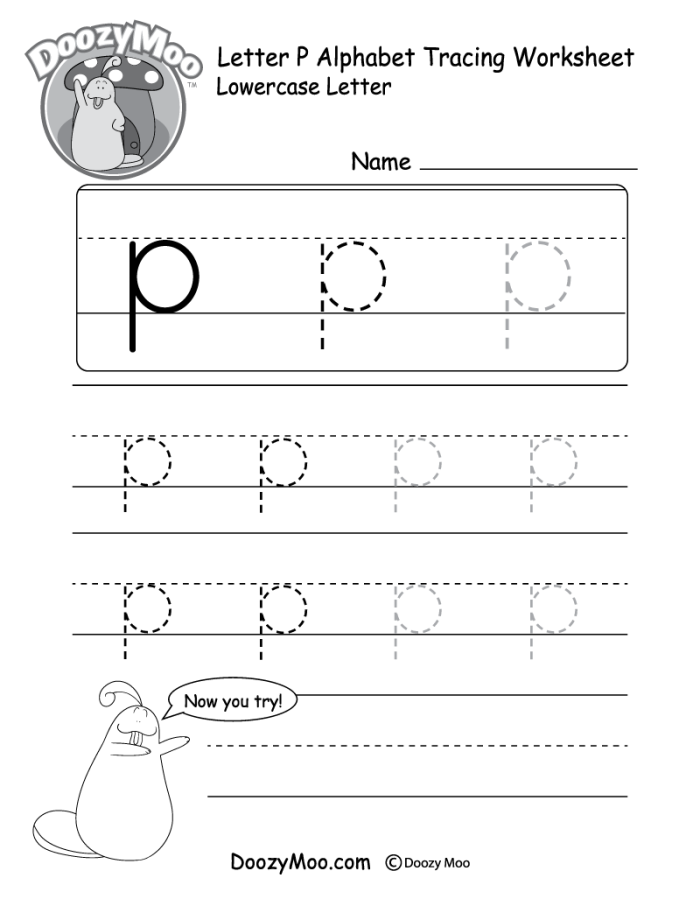
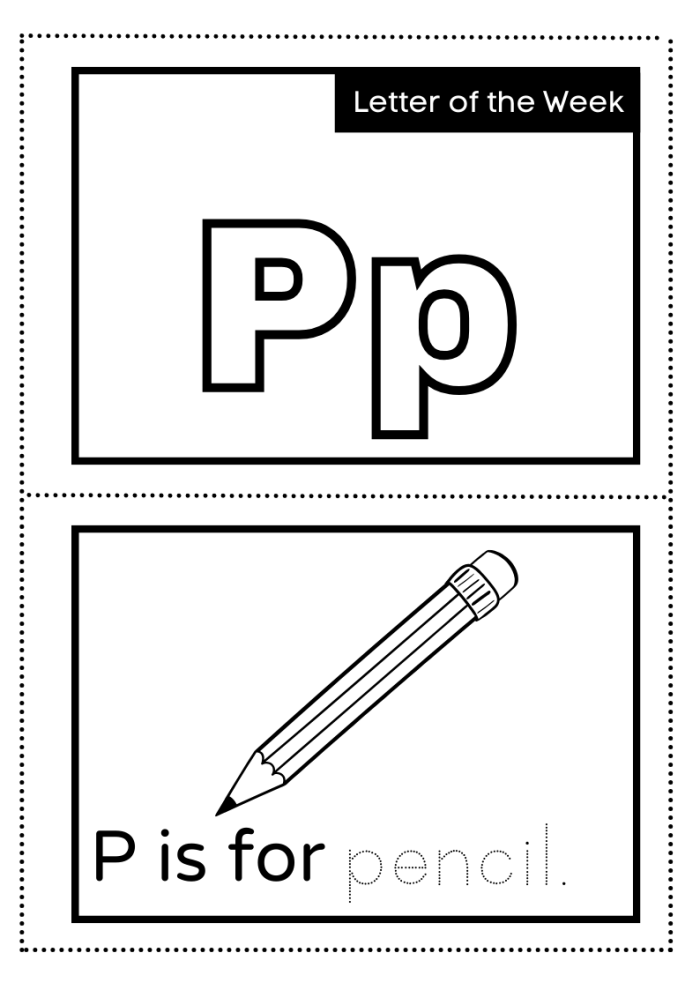
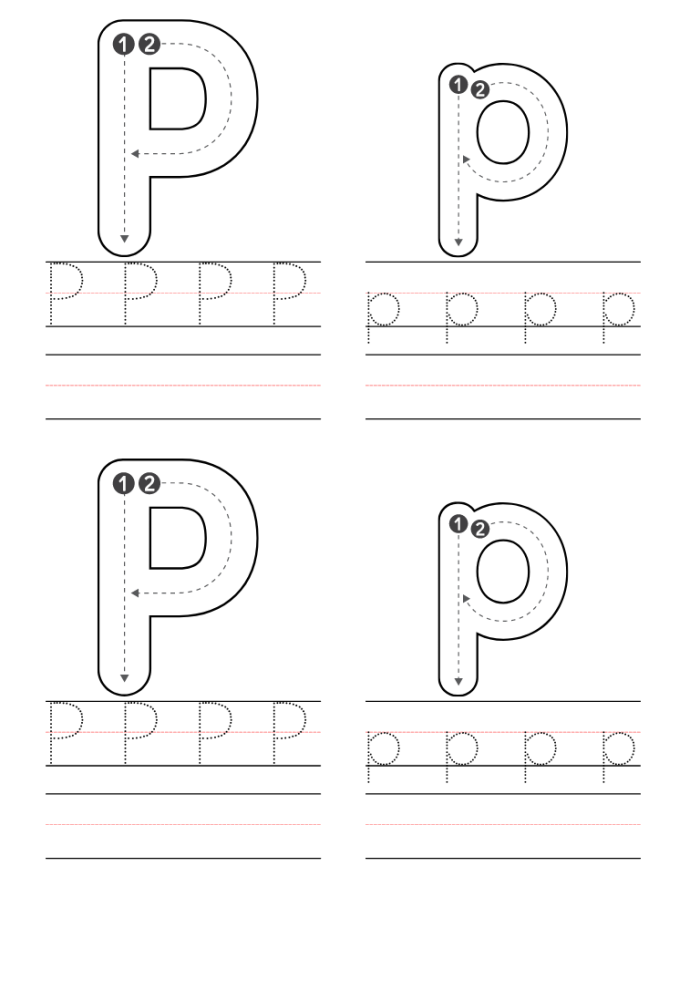
Many of these worksheets also incorporate simple geometry elements suitable for Pre-K, such as tracing lines or identifying shapes related to the letter P. This reinforces fine motor skills and an early understanding of spatial relationships. For instance, a worksheet that involves tracing lowercase letters while coloring objects starting with P helps children practice writing and recognize shapes at the same time. You can find helpful resources like tracing lowercase letters and line tracing activities that gently introduce geometry concepts while focusing on letter sounds.
One practical tip is to combine these activities with everyday conversations. Point out objects around the house that begin with P and encourage your preschooler to say the word and its initial sound. This real-world connection makes the letter more meaningful and memorable. Printable resources that mix coloring with simple geometry tasks provide a structured yet fun way for children to explore the letter P at their own pace.
For parents and educators looking to expand this approach, consider exploring related materials that focus on positioning and directions. These can further develop a child’s spatial awareness alongside alphabet learning. Worksheets that involve position words or number coloring tied to themes like Valentine’s Day offer additional opportunities to practice both geometry and language skills while keeping the activities lively and enjoyable.
Grab These Worksheets Now