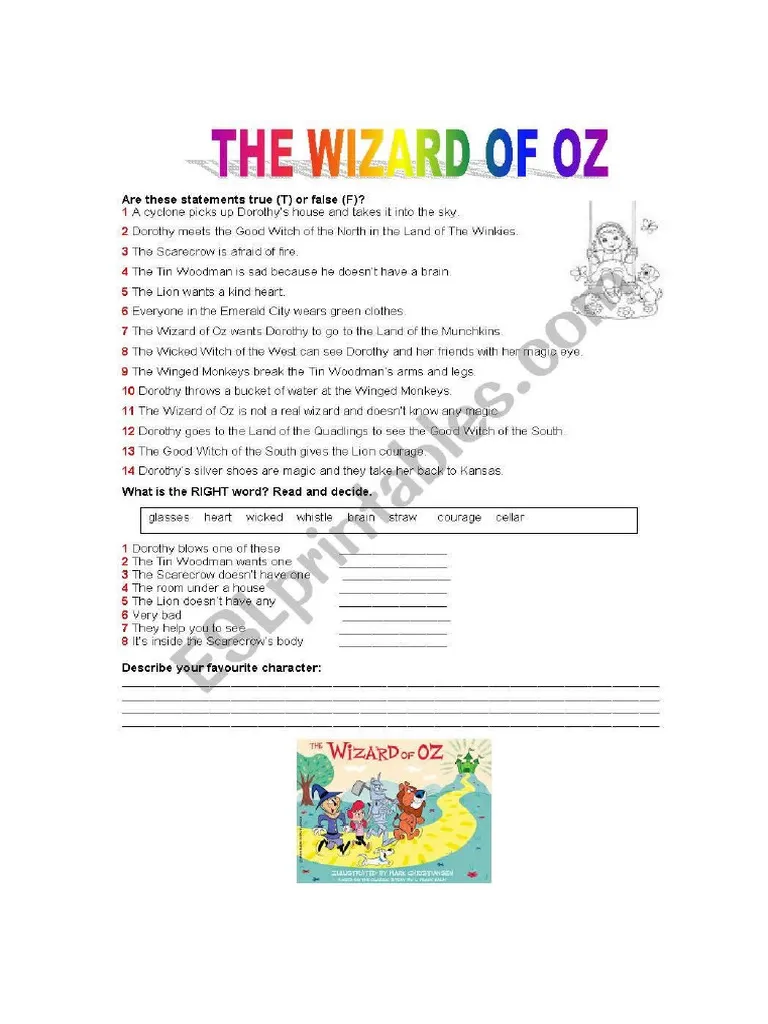
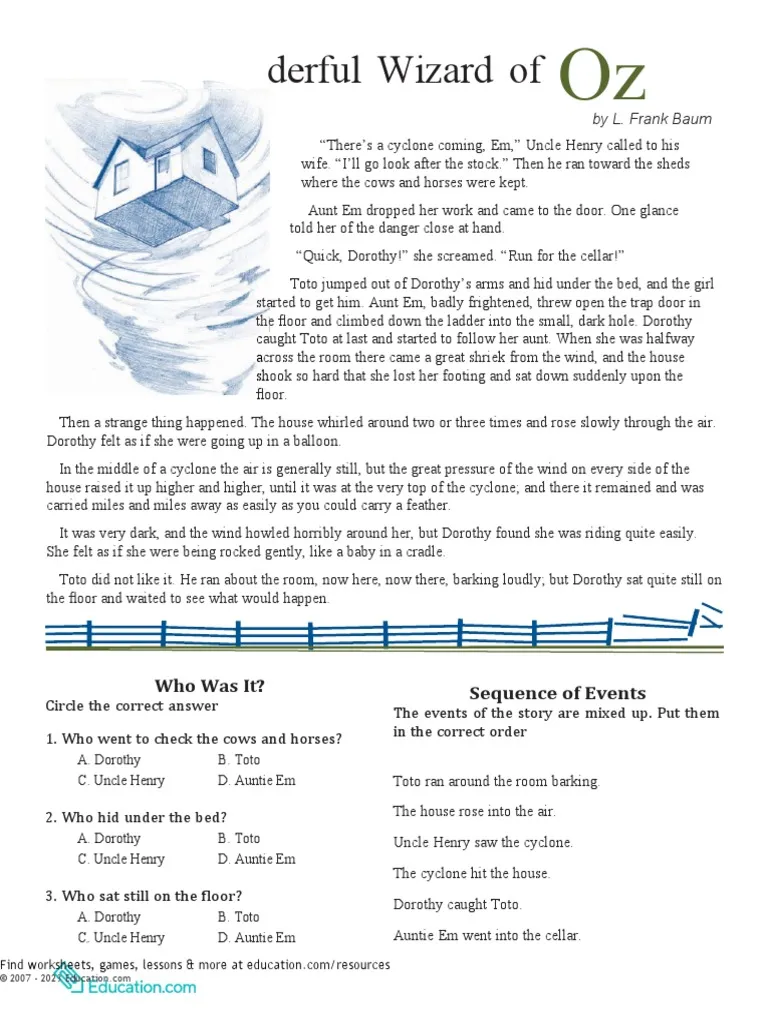
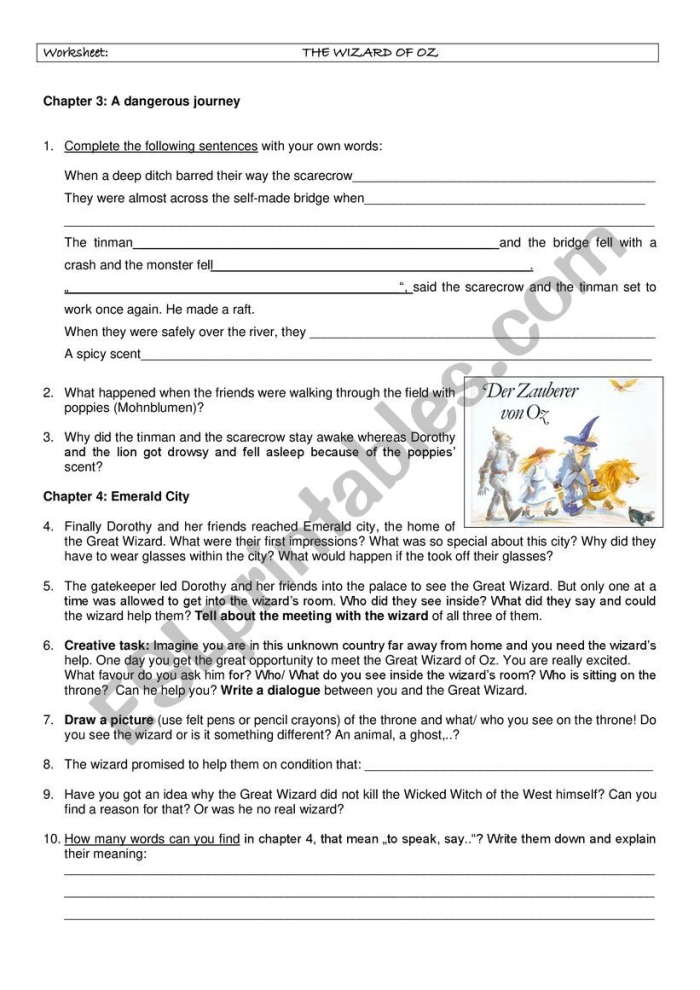
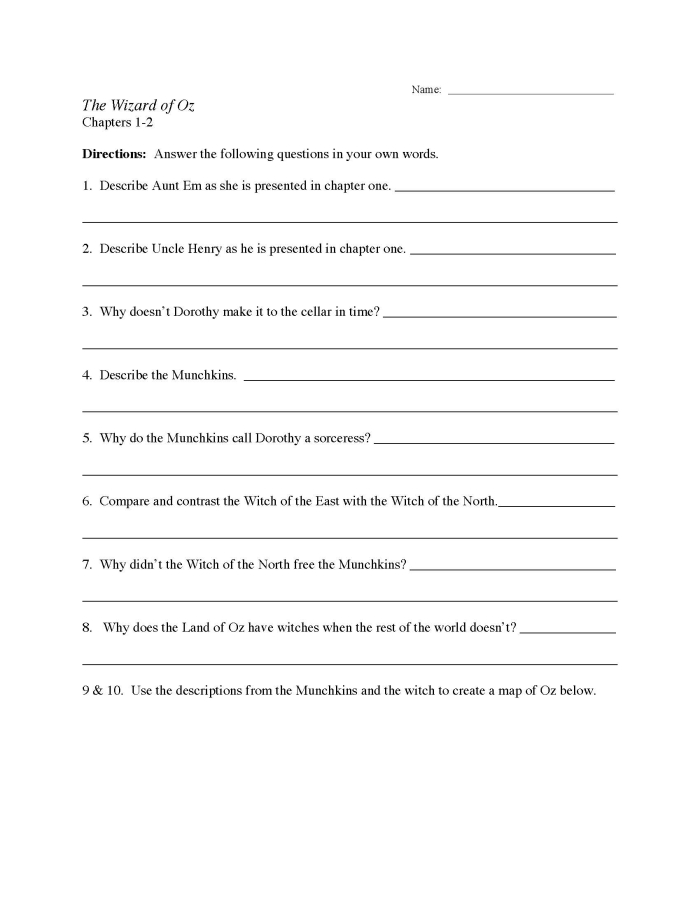
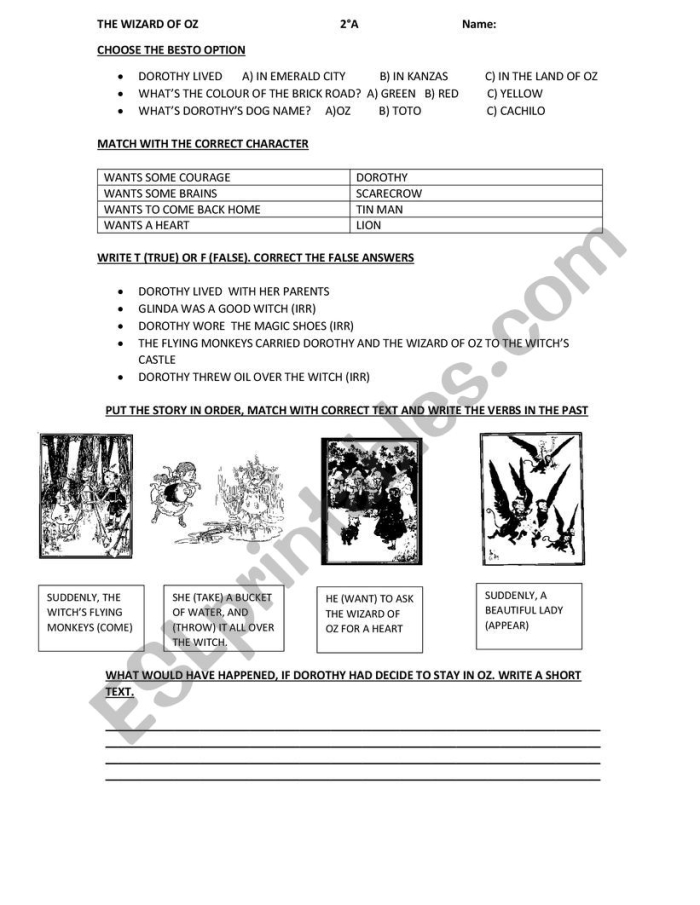
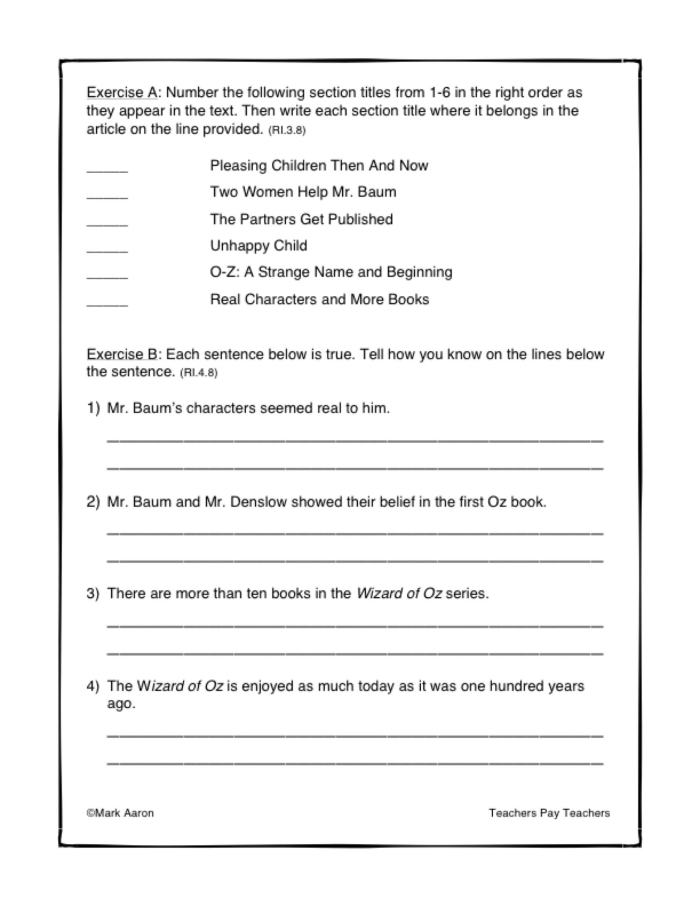
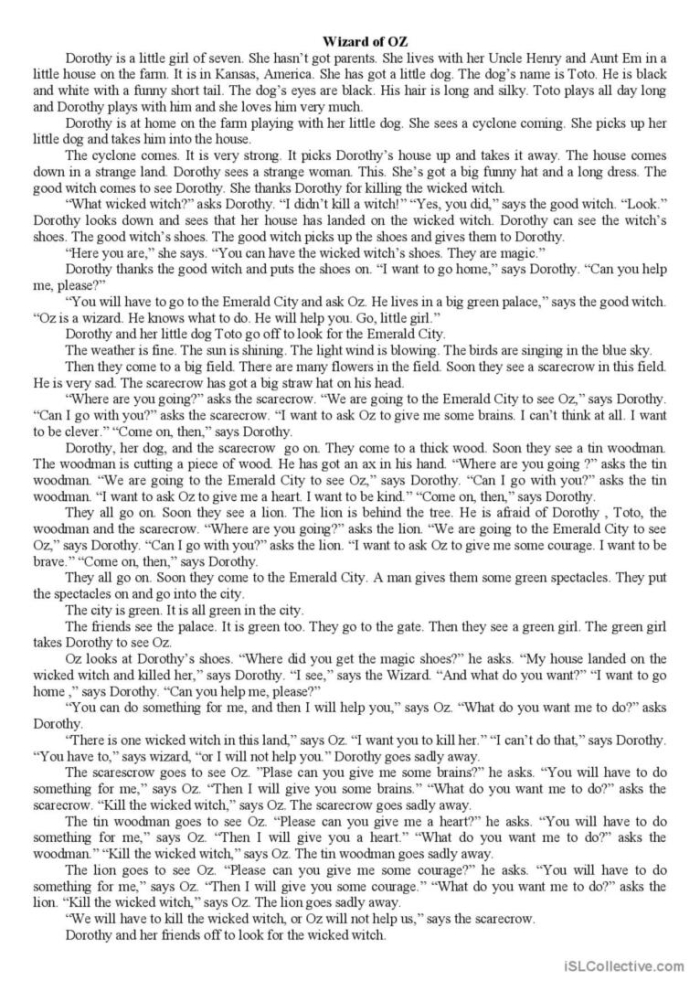
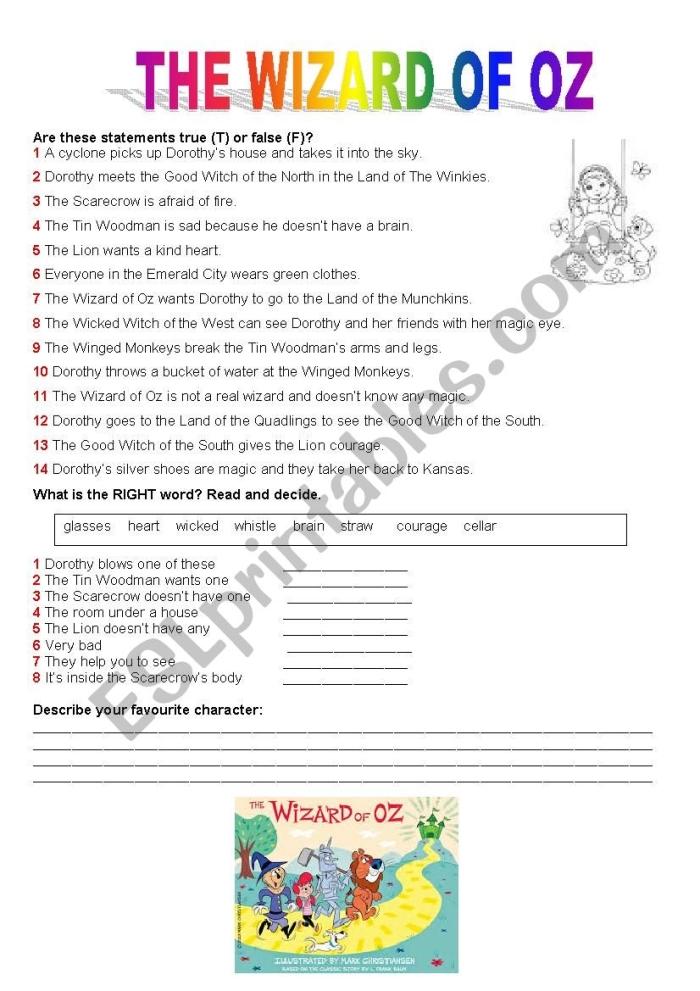
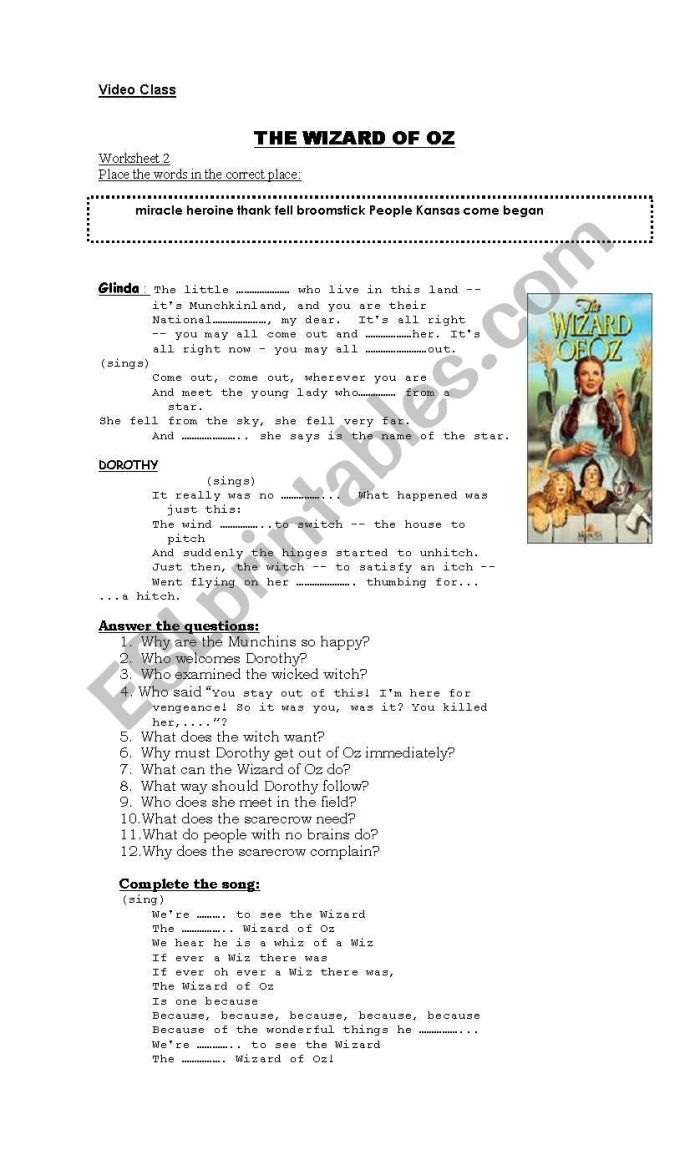
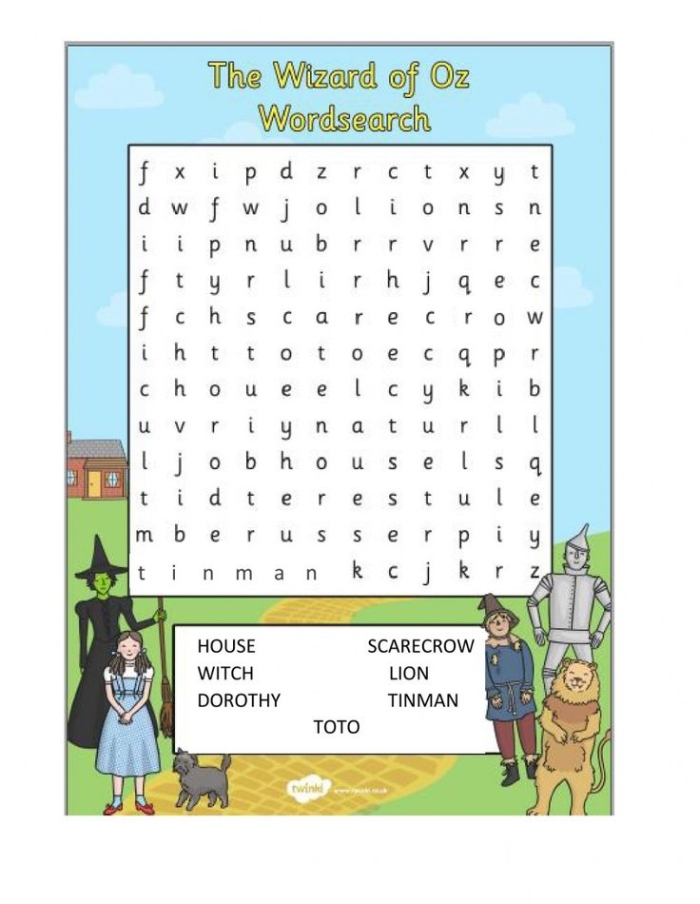
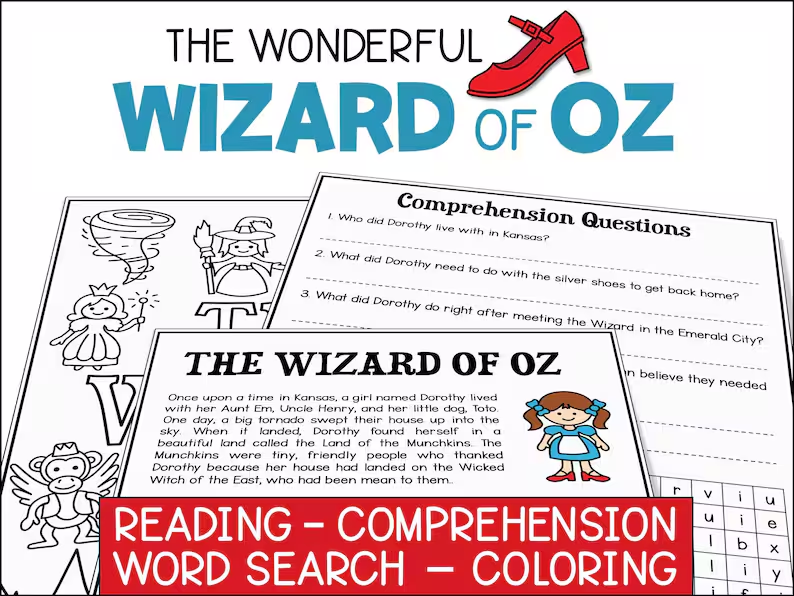
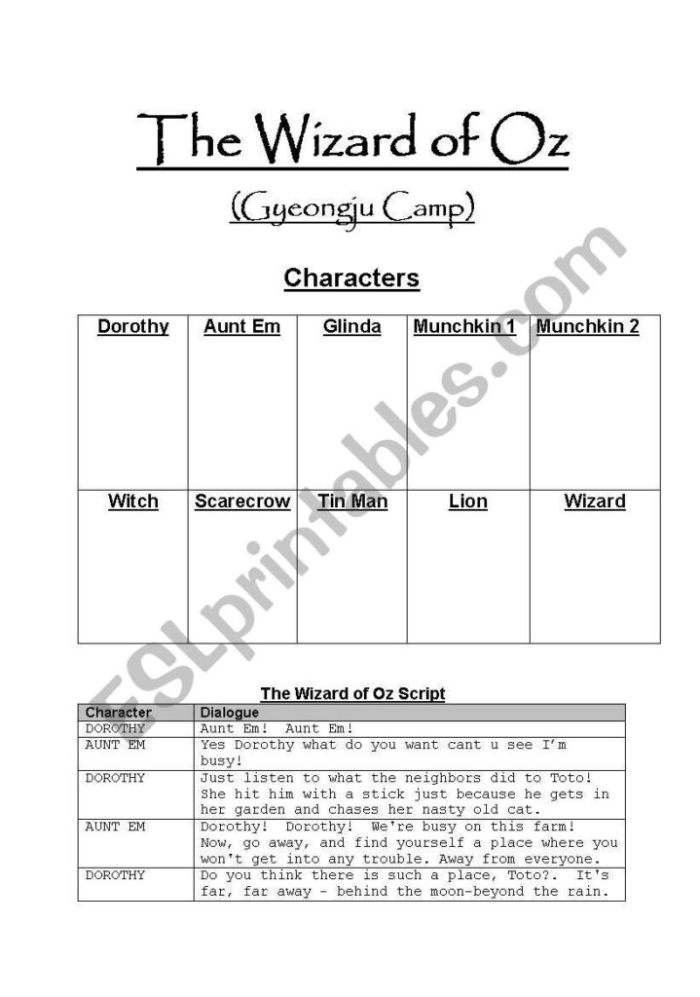
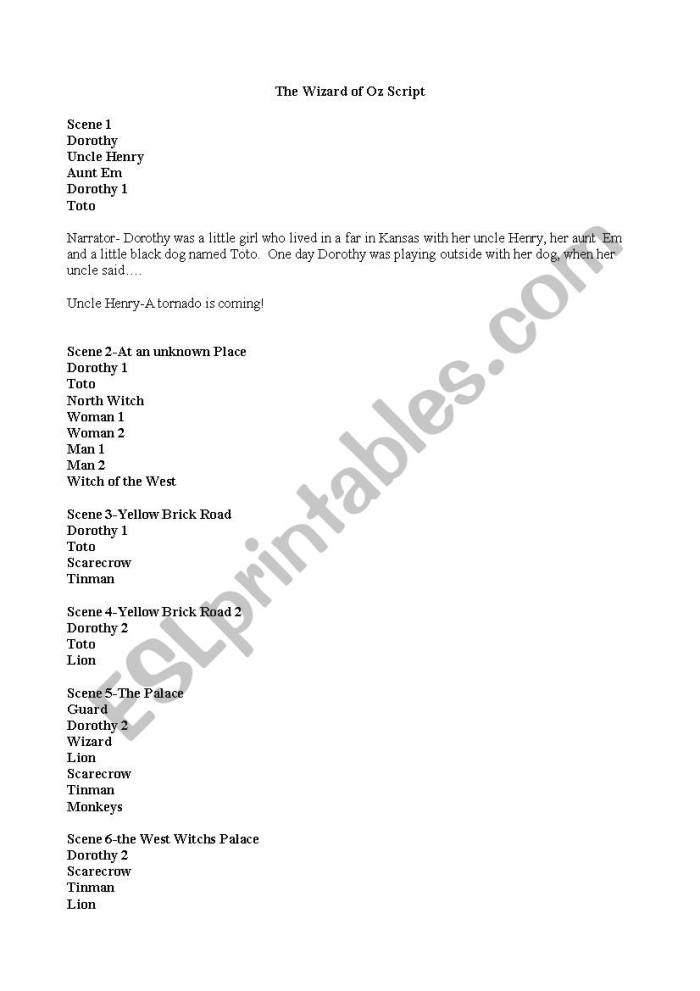
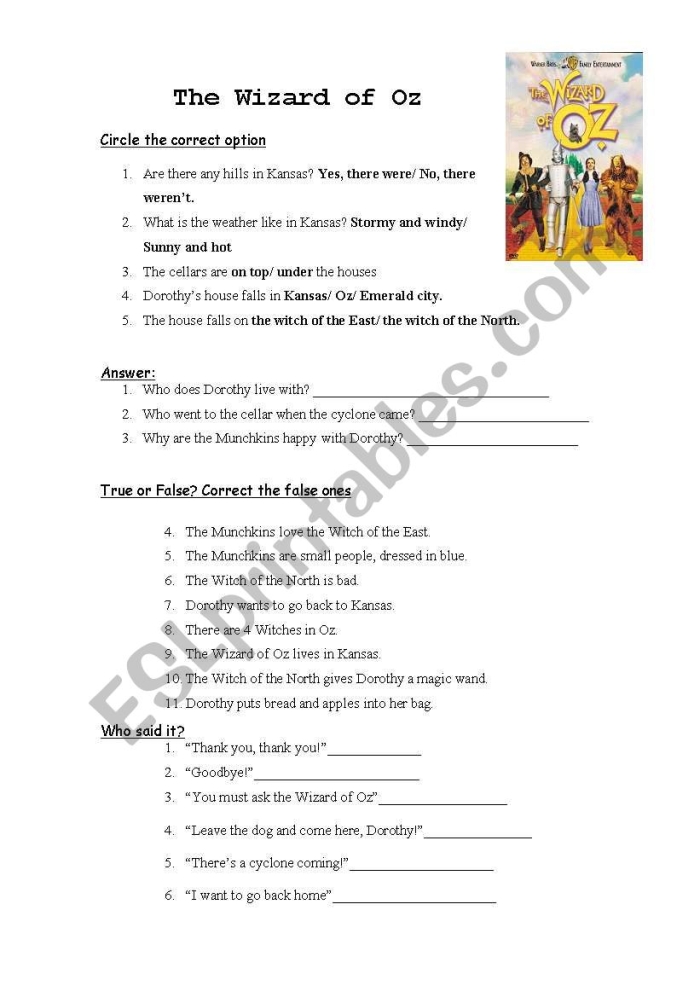
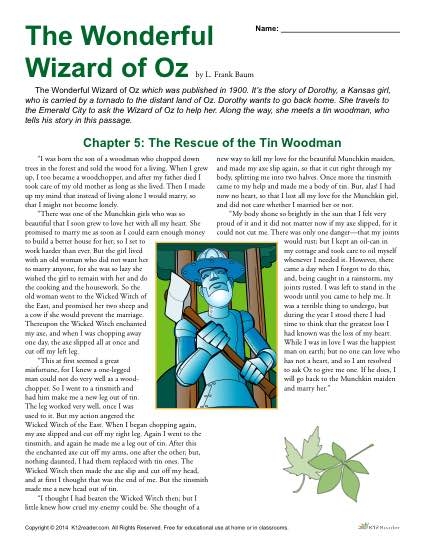
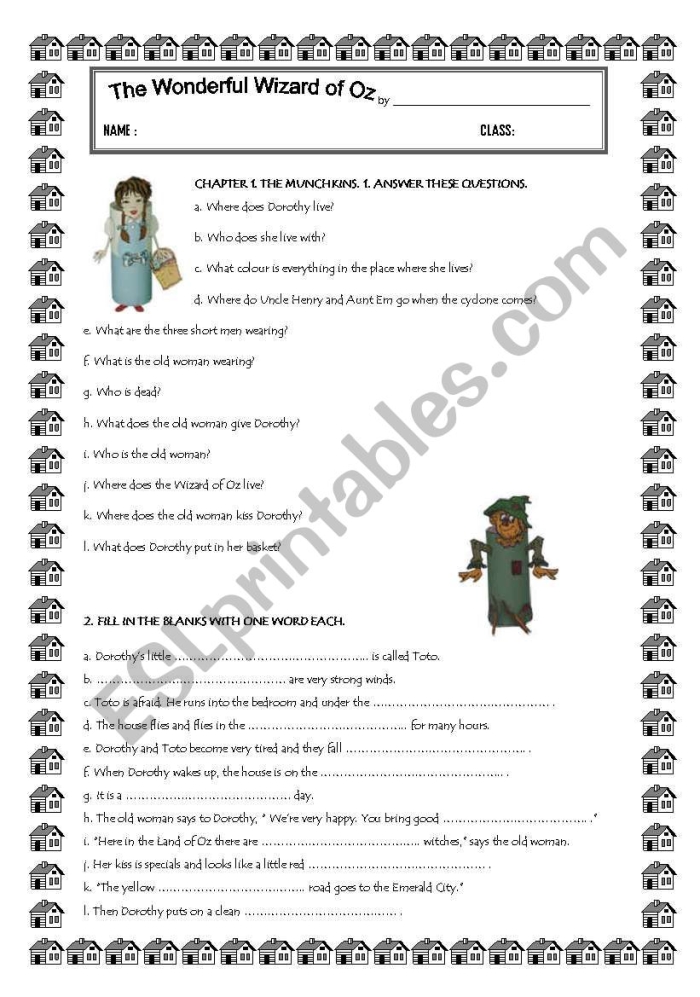
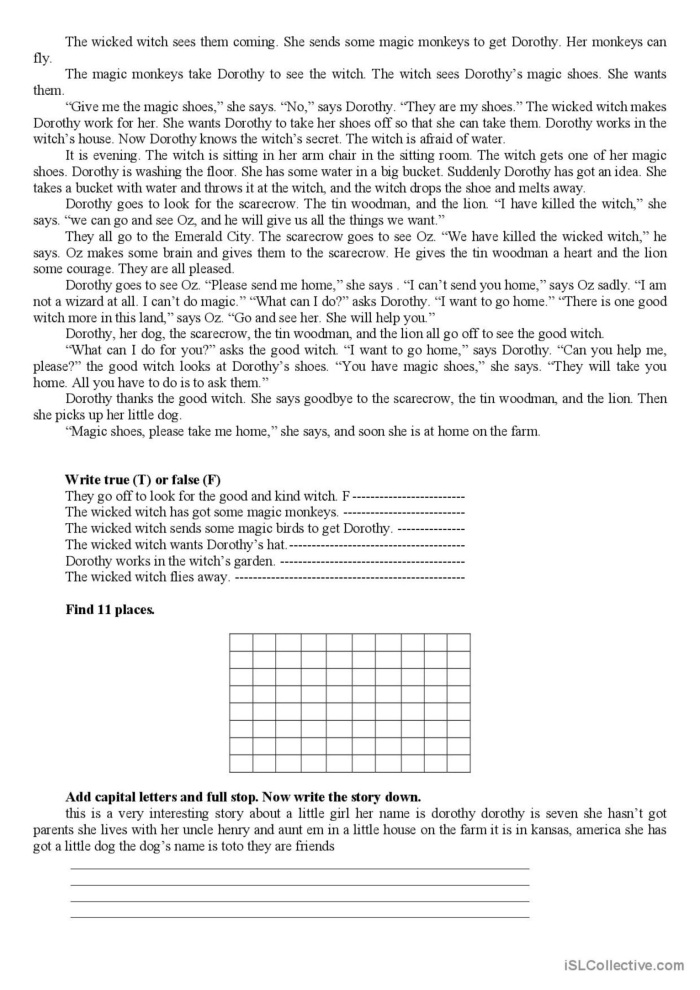
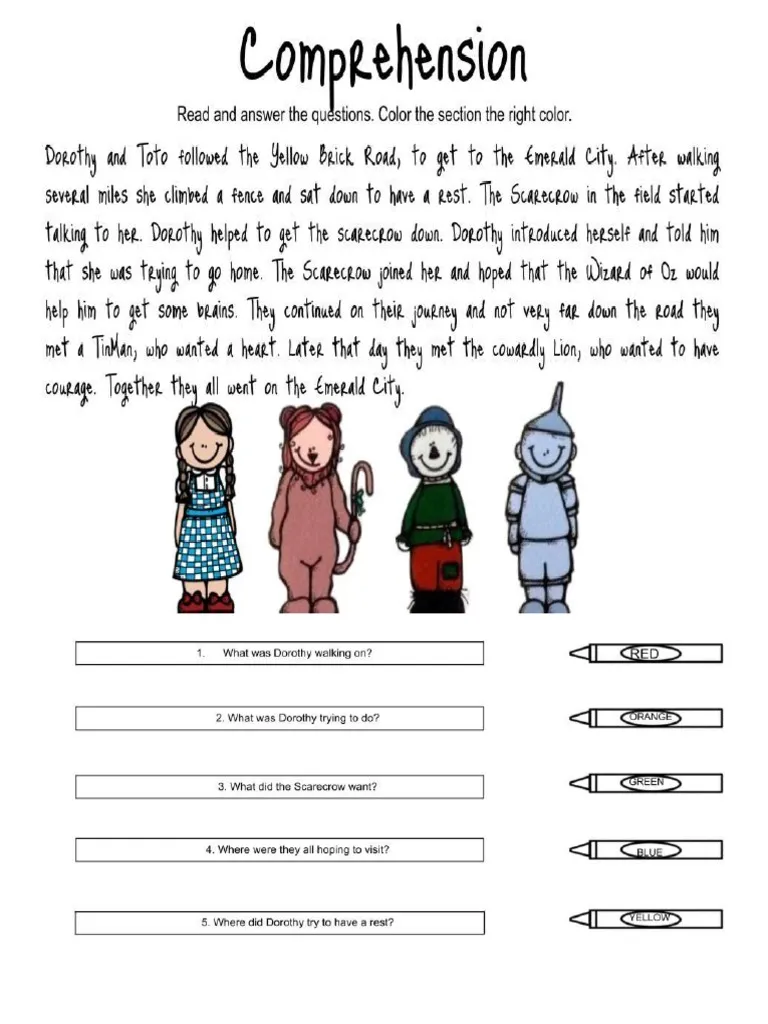
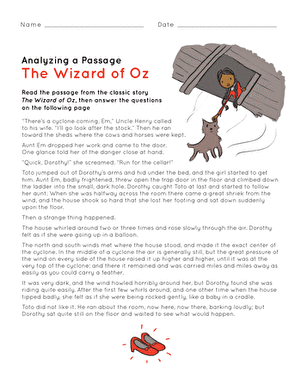
Reading comprehension worksheets built around L. Frank Baum’s The Wonderful Wizard of Oz give fifth grade students a chance to engage with one of America’s most beloved stories while strengthening their analytical skills. When children read a passage from this classic tale, then answer a series of questions, they’re doing more than just checking comprehension—they’re learning to extract meaning, identify key details, and think critically about narrative structure.
The beauty of using Oz for this work lies in its accessibility. Fifth graders already know Dorothy, the Scarecrow, and the Yellow Brick Road from cultural references, which means they can focus on the actual reading task rather than struggling with unfamiliar characters. A well-designed worksheet guides students through specific passages, asking them to recall what happened, explain why characters made certain choices, and sometimes predict what might come next.
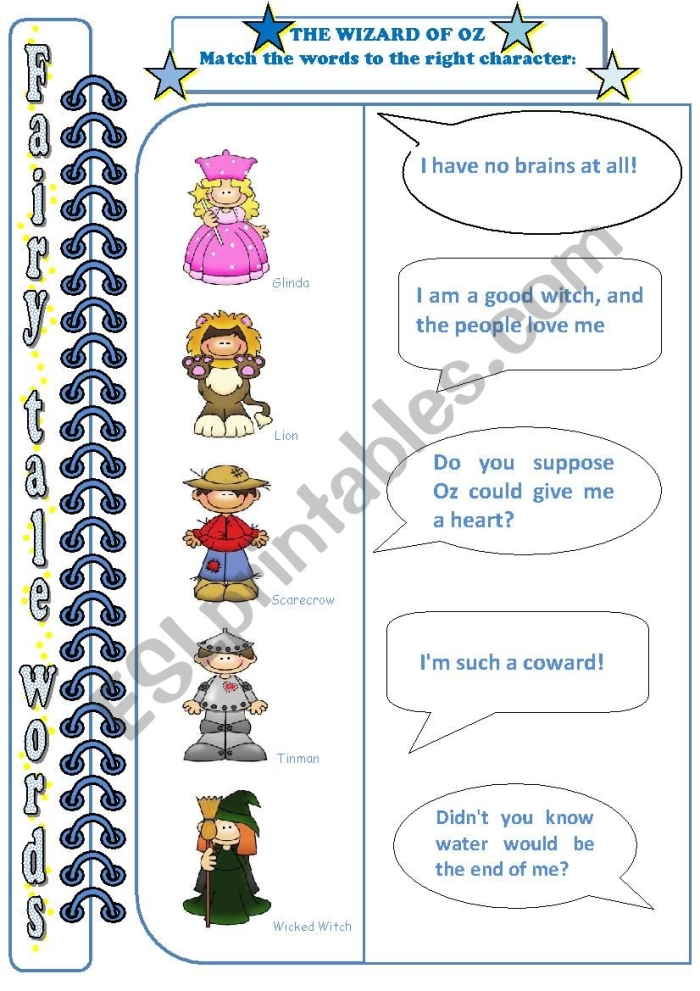
These worksheets typically include a range of question types. Some ask for straightforward recall, like identifying which character said a particular line. Others require inference, pushing students to read between the lines and understand character motivation. This variety keeps the work engaging and addresses different aspects of reading comprehension that matter at this grade level.
Fifth grade is when reading transitions from basic decoding to deeper understanding. Students at this stage benefit from structured practice with texts they find genuinely interesting. Since Oz contains adventure, humor, and emotional moments, passages pull naturally from the narrative without feeling forced or artificial.
Teachers often pair these passages with related activities. Some classrooms combine Oz comprehension work with lessons on westward expansion and American history, since the story reflects themes of journey and discovery. Others integrate them into broader literacy units. For variety in skill practice, students might work on practical writing skills in the same lesson block, creating a balanced instructional approach.
The printable format makes these worksheets practical for classrooms. Teachers can distribute them during independent reading time, use them for small group instruction, or send them home as homework. Having a tangible worksheet also helps students stay focused and gives them a record of their thinking to review later.
Grab These Worksheets Now