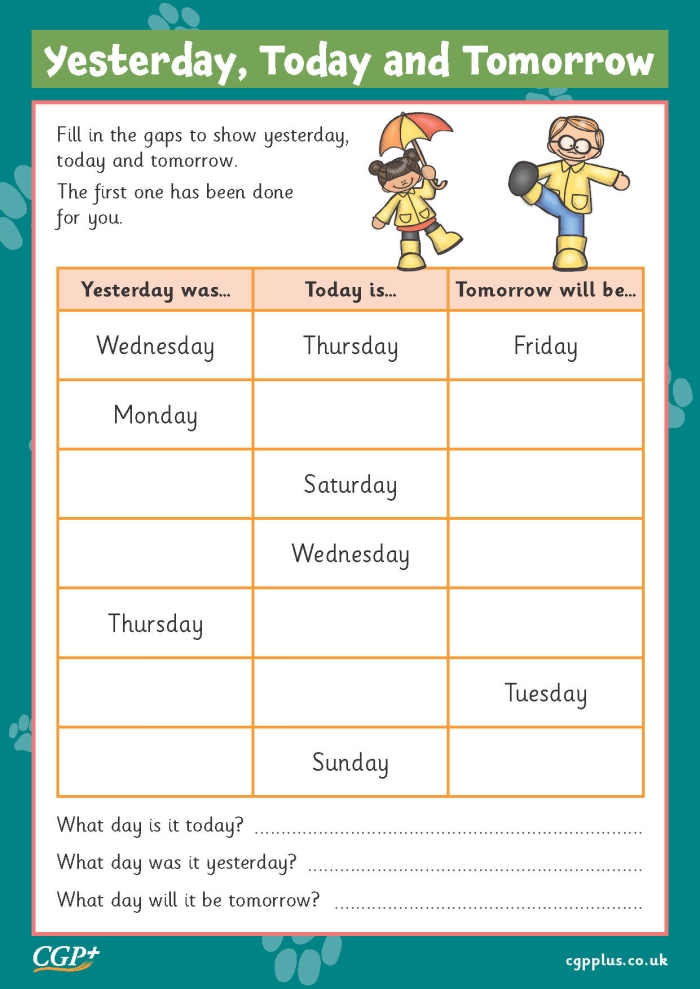
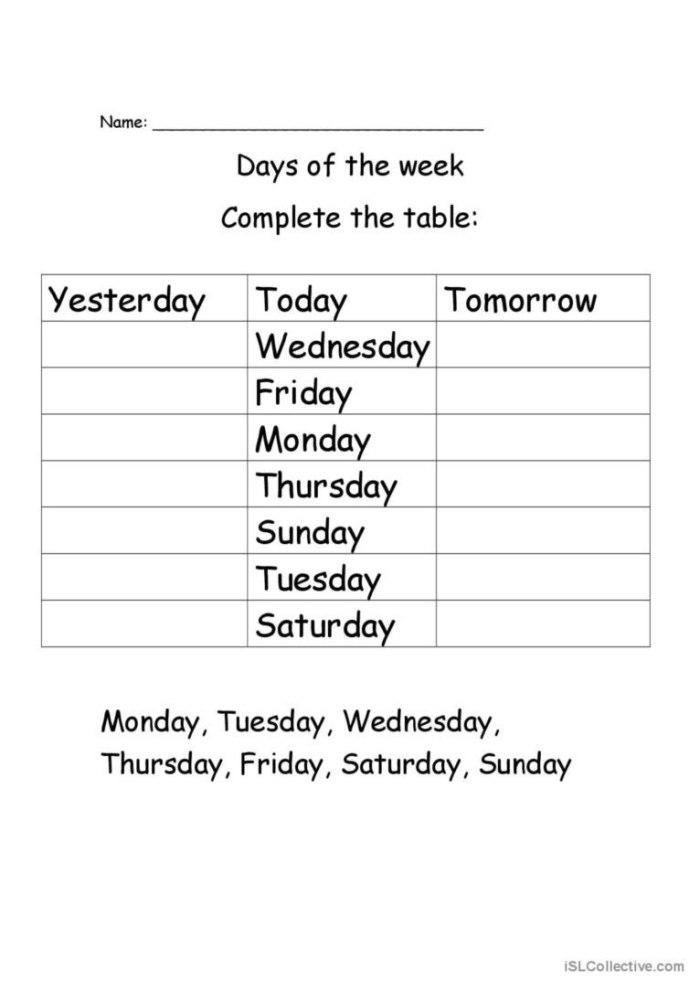
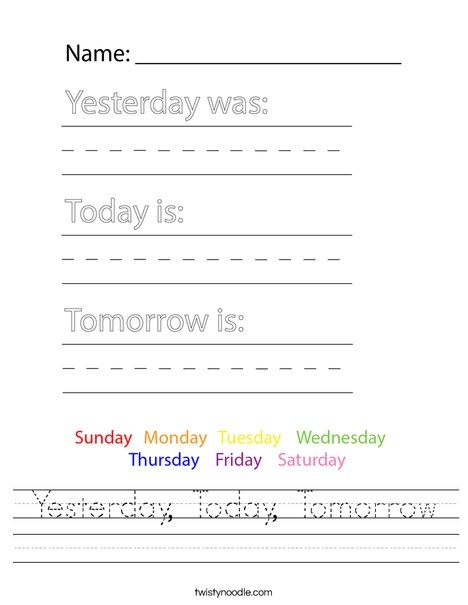
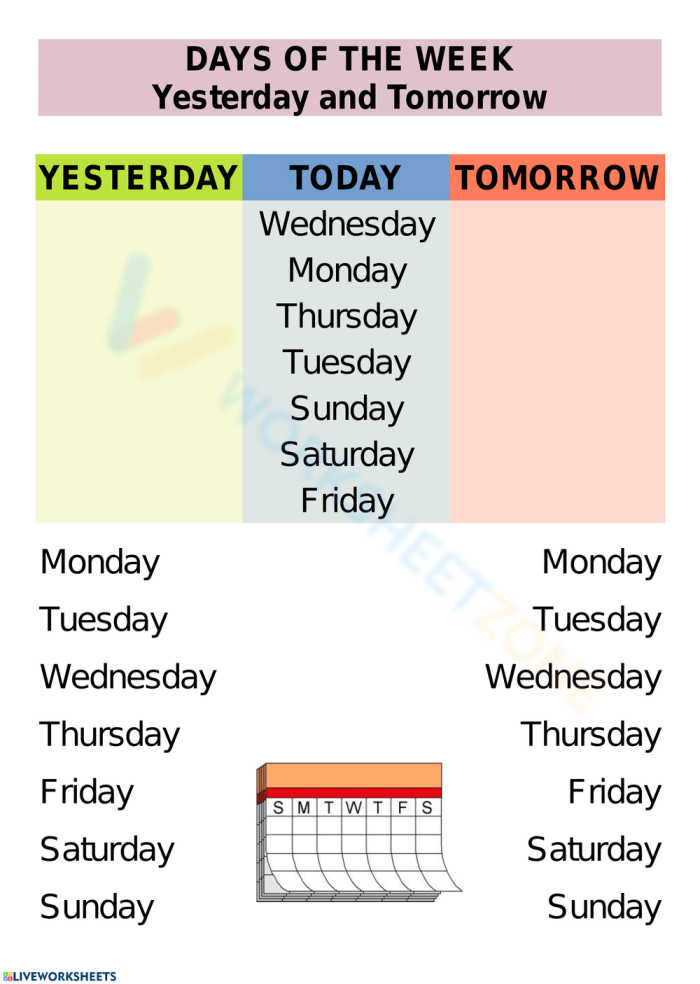
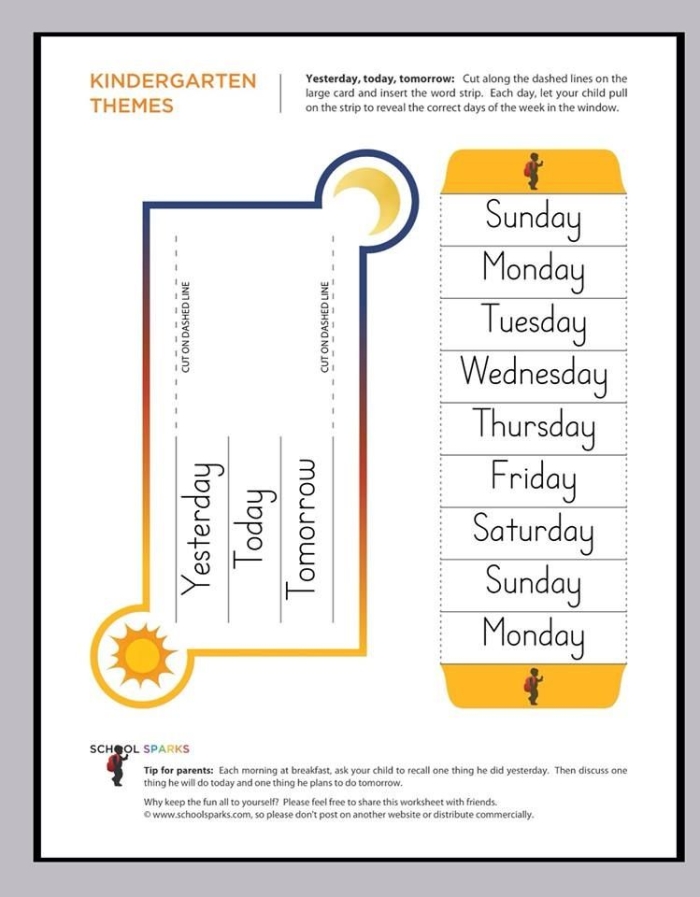
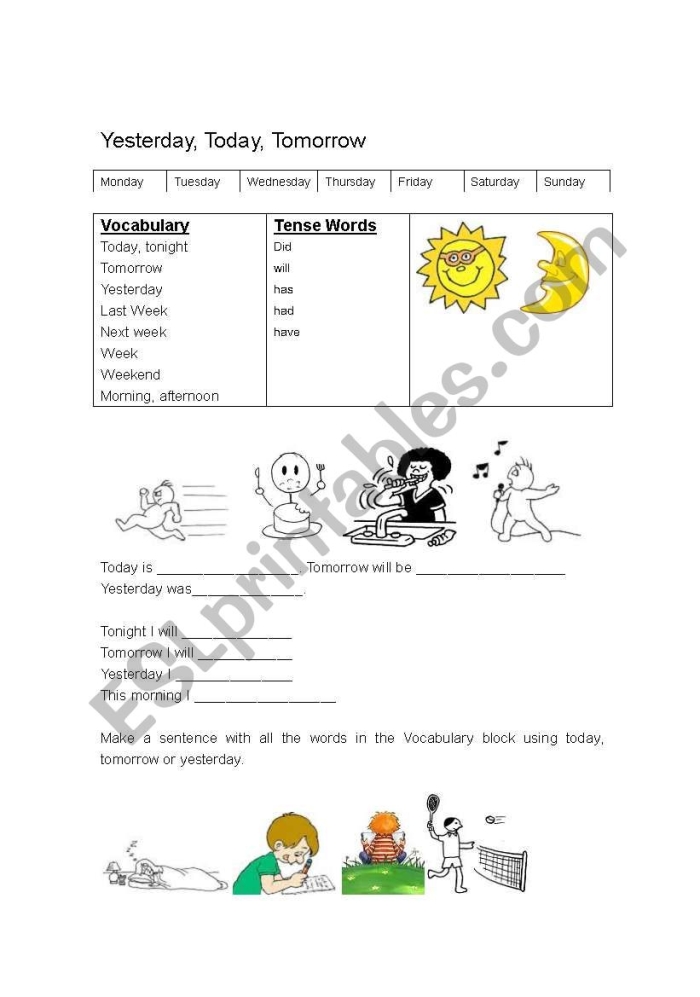
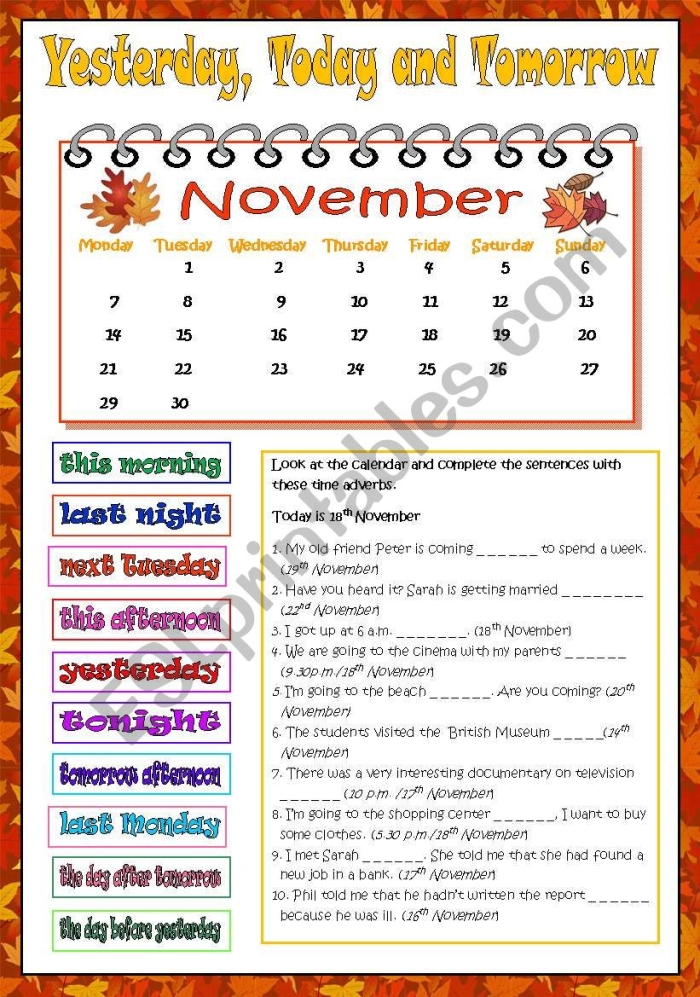
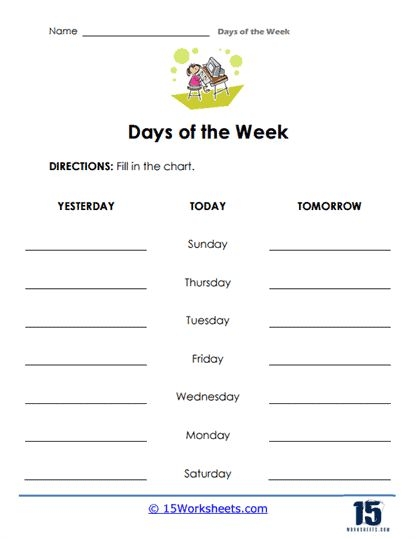
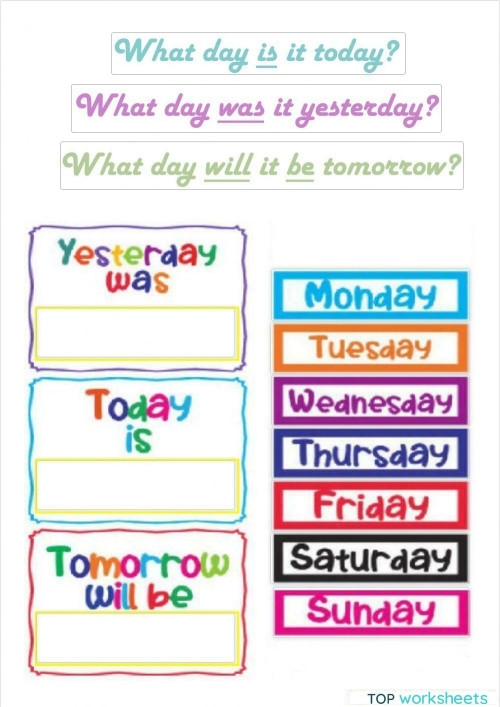
Preschoolers live almost entirely in the present moment, which makes understanding time concepts genuinely challenging for their developing brains. When you ask a Pre-K child what they did yesterday, you might get a blank stare or a story about something that happened last week. Teaching the difference between yesterday, today, and tomorrow requires concrete, visual strategies that anchor abstract time to real experiences.
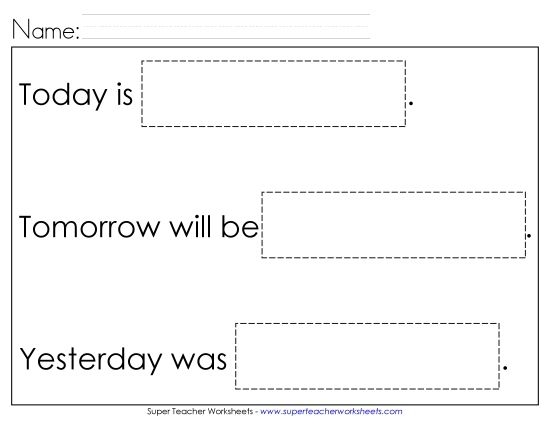
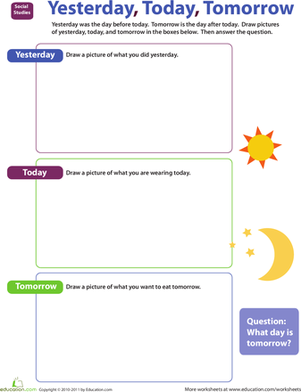
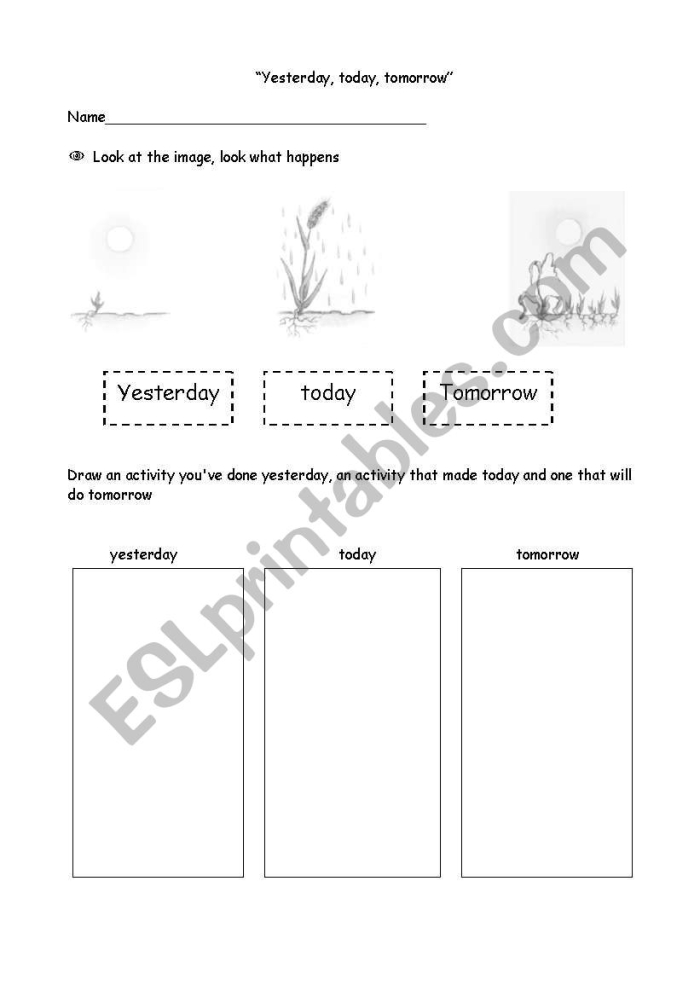
A drawing worksheet designed around these three time periods gives your child something tangible to work with. Rather than just hearing the words, they can draw pictures of what happened before, what’s happening now, and what might come next. This hands-on approach helps cement the concepts in ways that lectures or conversations alone cannot.
The way this works is straightforward. You present three sections on the worksheet, each labeled with one time period. Your child draws or colors pictures that represent each moment. For yesterday, they might sketch the breakfast they ate or a toy they played with. Today could show what they’re doing right now or something from this morning. Tomorrow becomes a space for imagination, where they can draw something they’re looking forward to, like a trip to the park or visiting grandma.
Repetition across multiple activities strengthens understanding. When you combine drawing worksheets with daily conversation about time, the concepts stick faster. Pointing out “that was yesterday” or “that will be tomorrow” during normal routines reinforces what they’re learning on paper.
For Pre-K learners working on numbers and counting skills, you can expand these worksheets to include counting elements. Your child might draw and count three apples they ate yesterday, or draw objects they see today. This integration helps build multiple skills simultaneously.
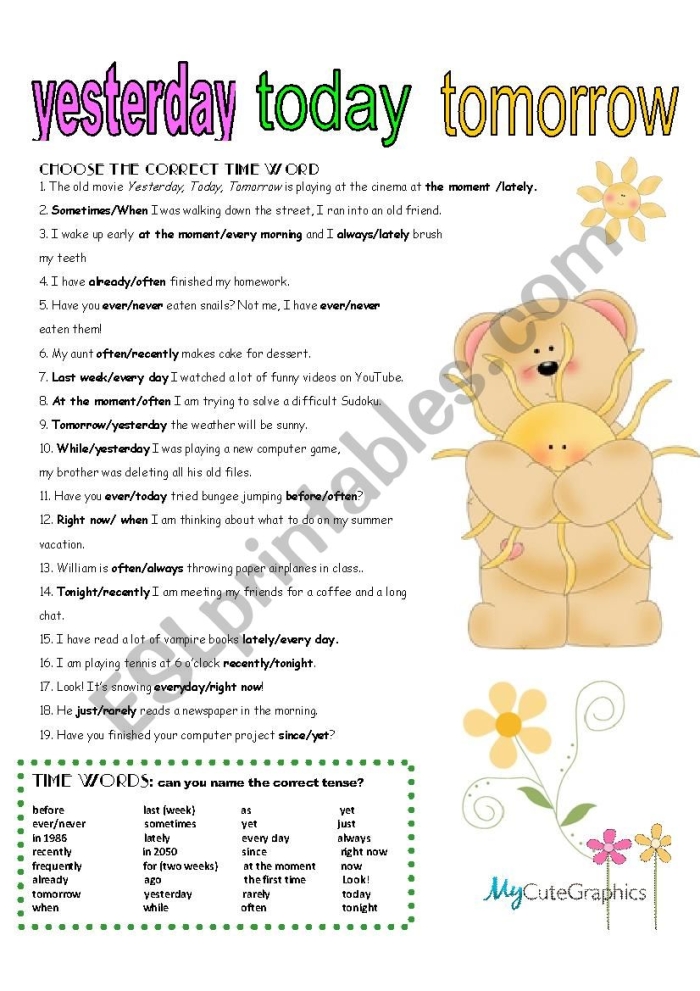
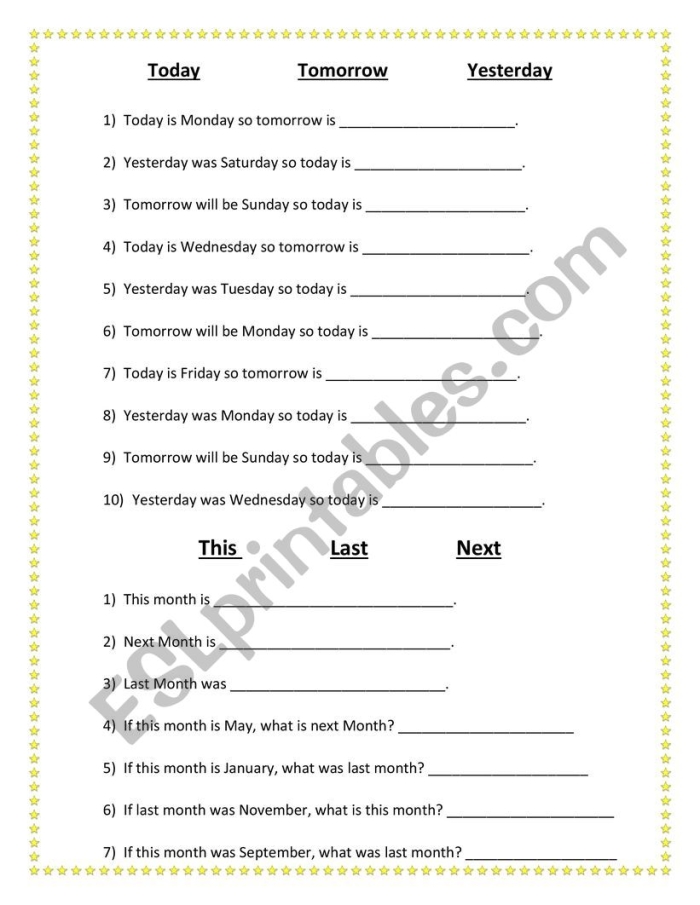
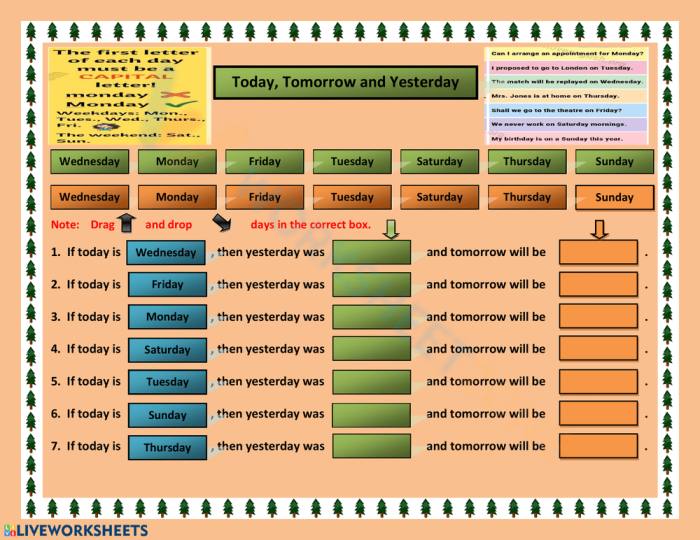
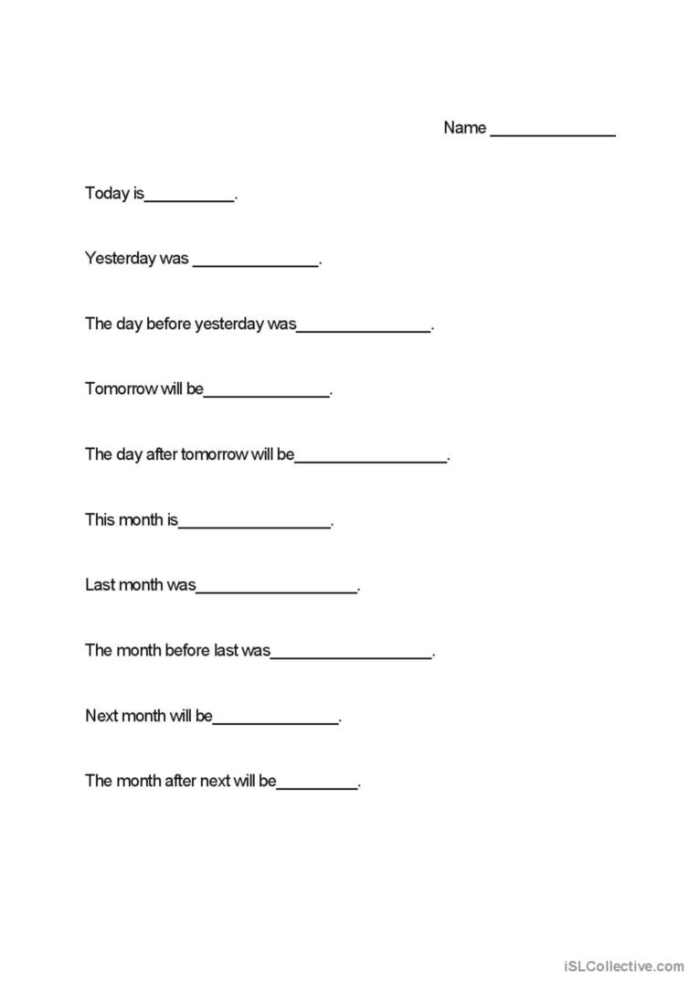
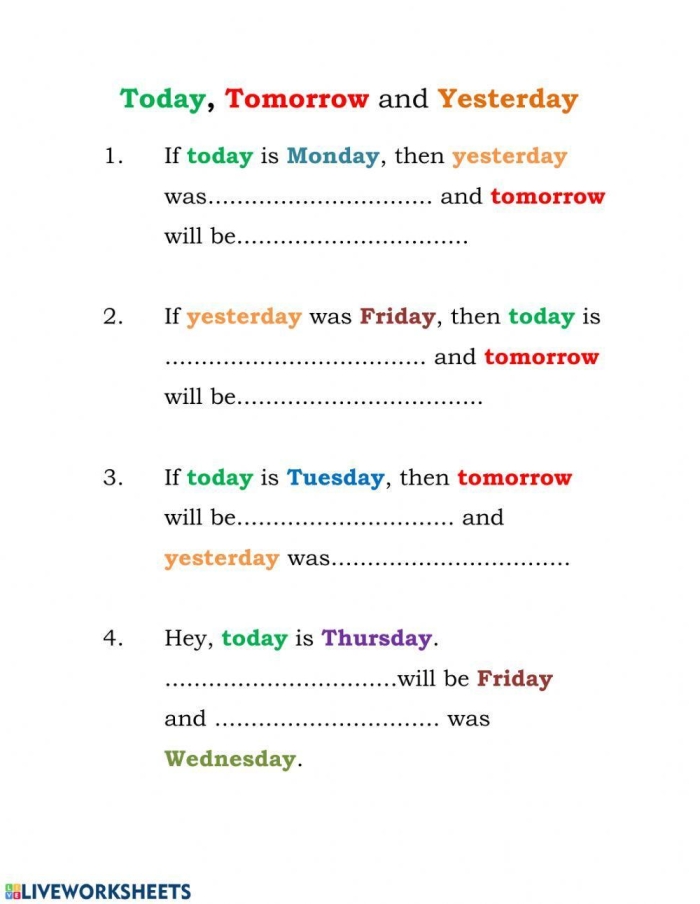
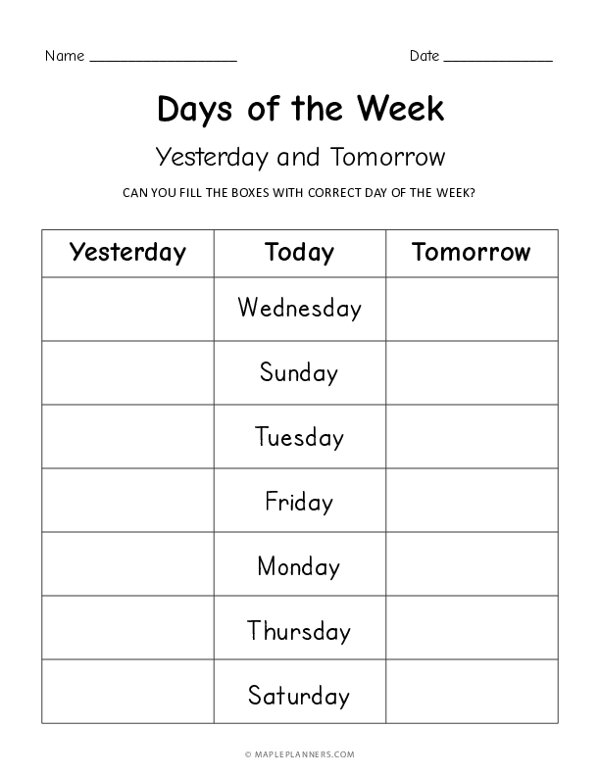
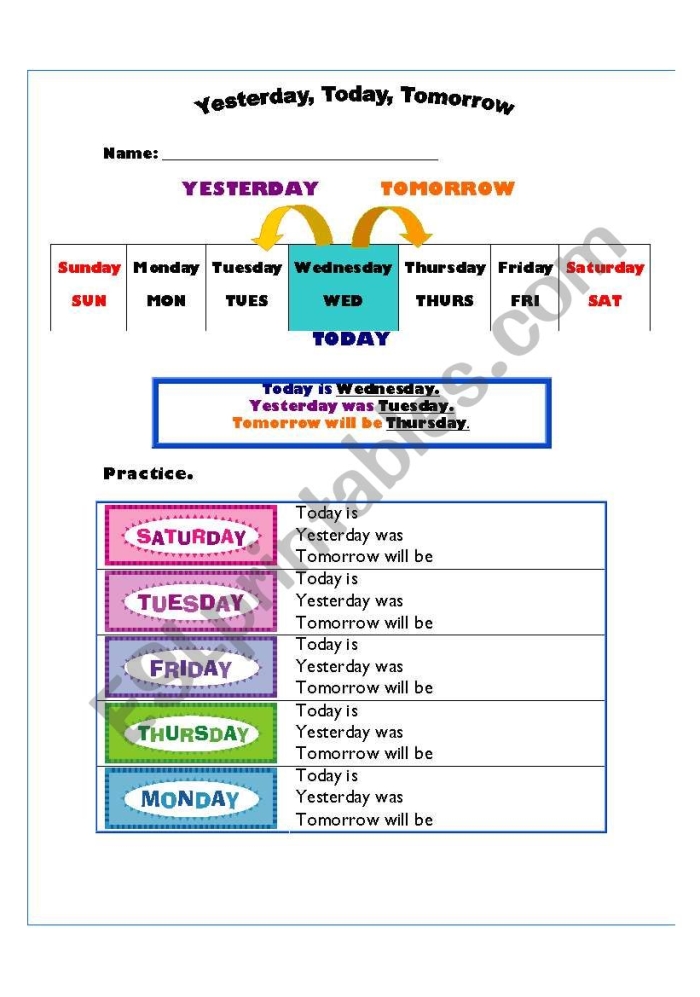
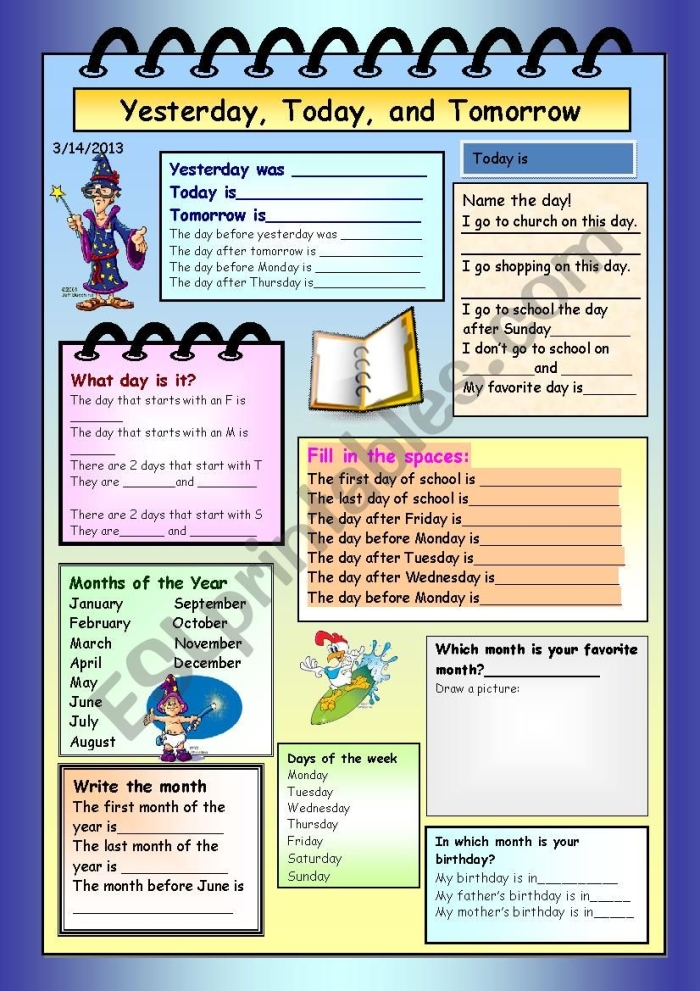
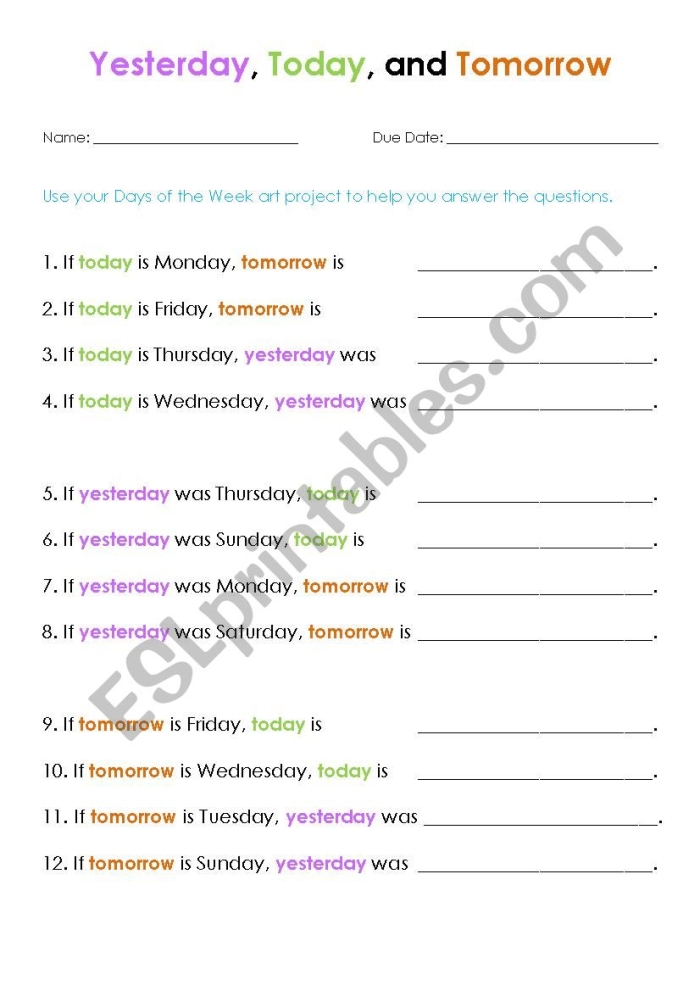
If you’re looking for structured practice materials, printable yesterday, today, tomorrow worksheets offer consistent formats that children recognize and respond well to. You can also explore how letter recognition activities complement time-based learning in Pre-K curriculums.
Worksheet Practice Section