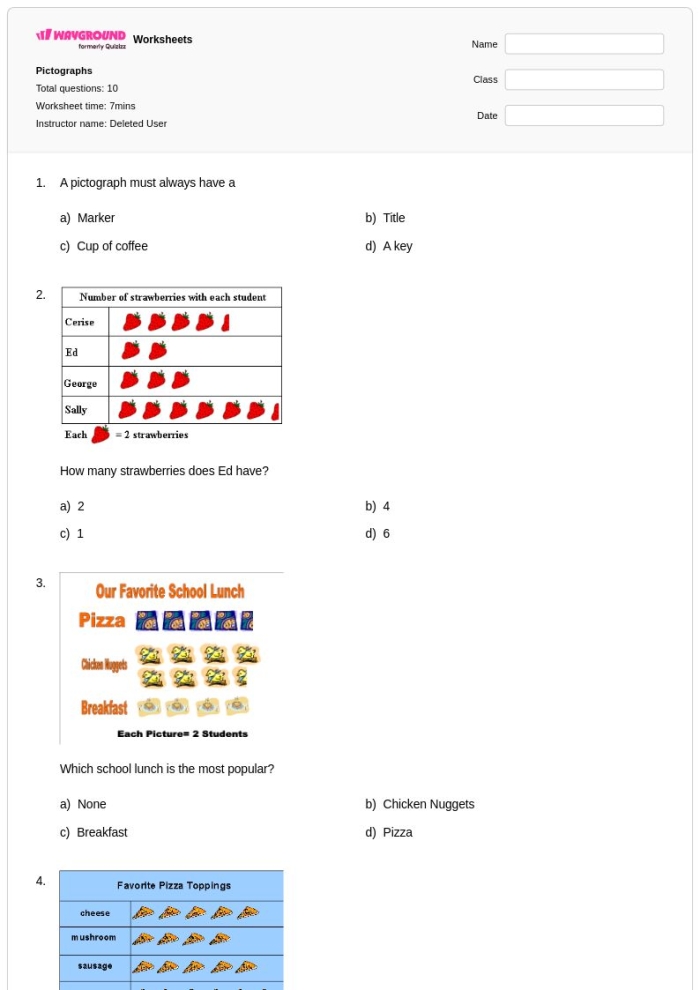
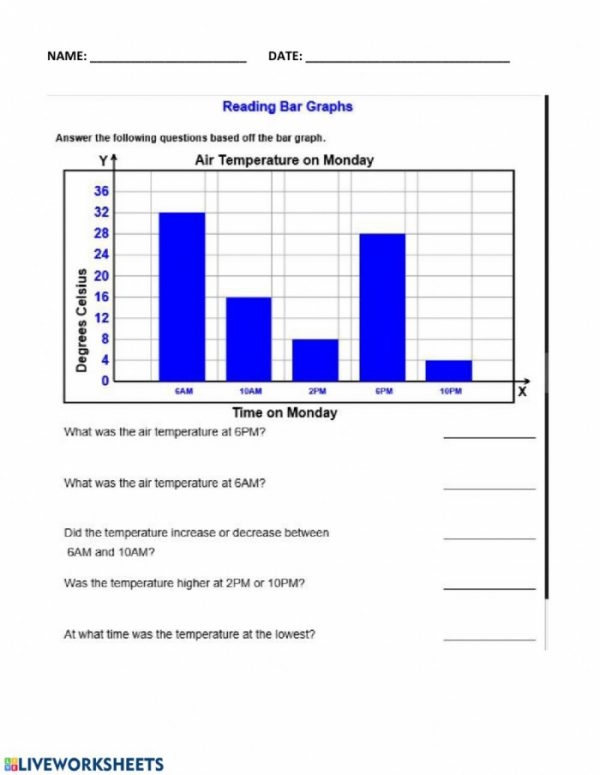
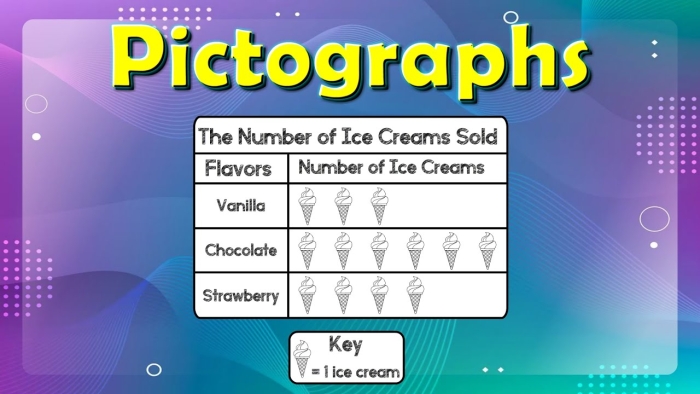
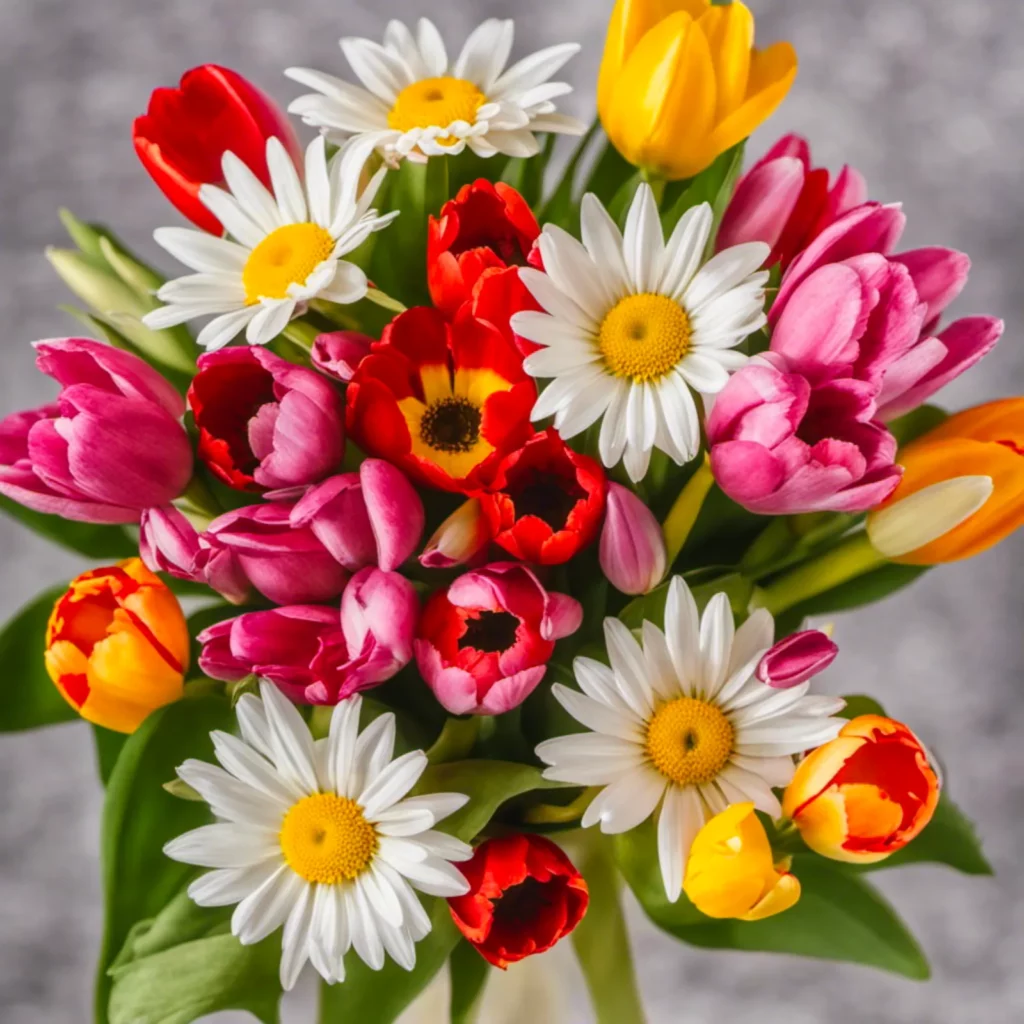
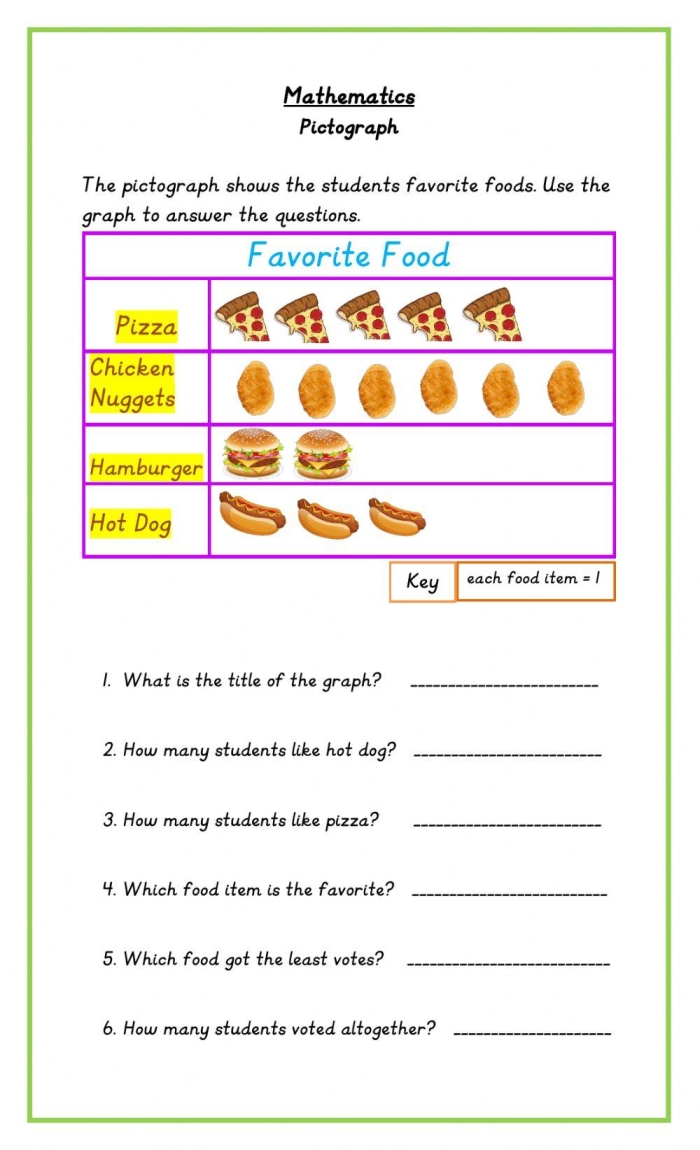
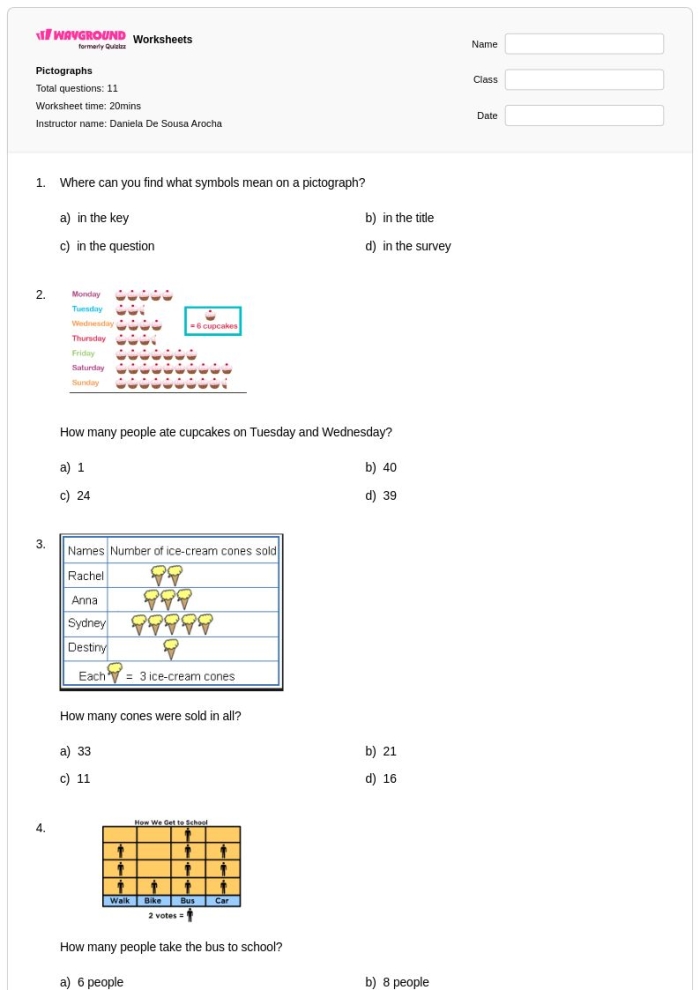
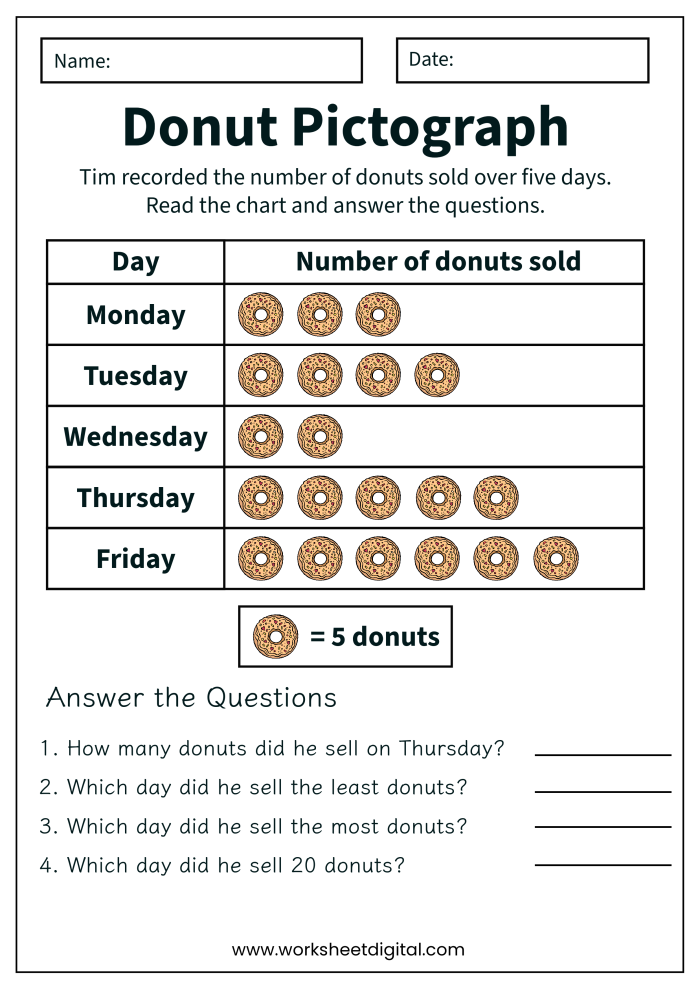
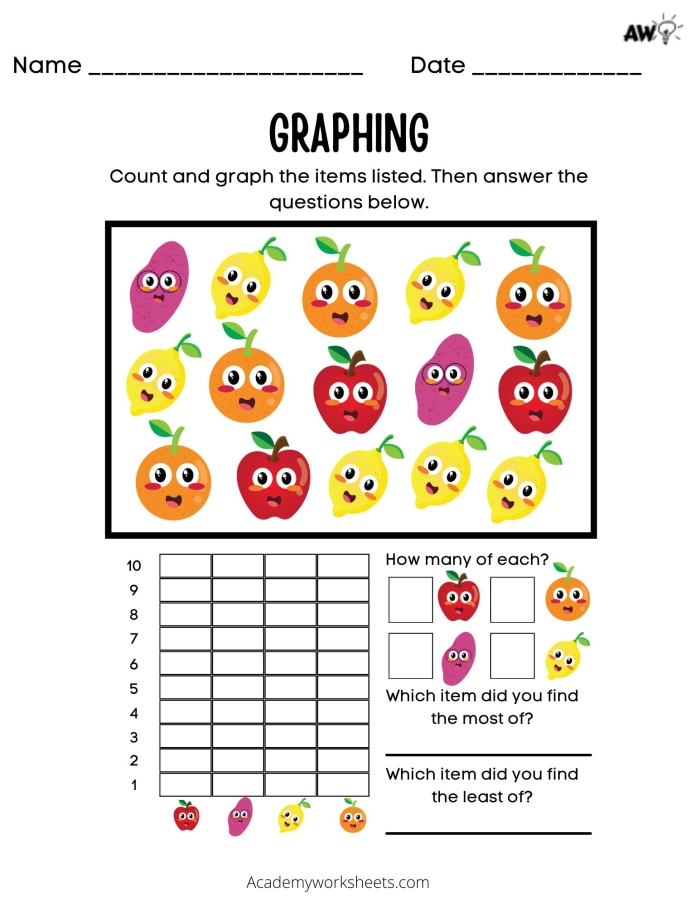
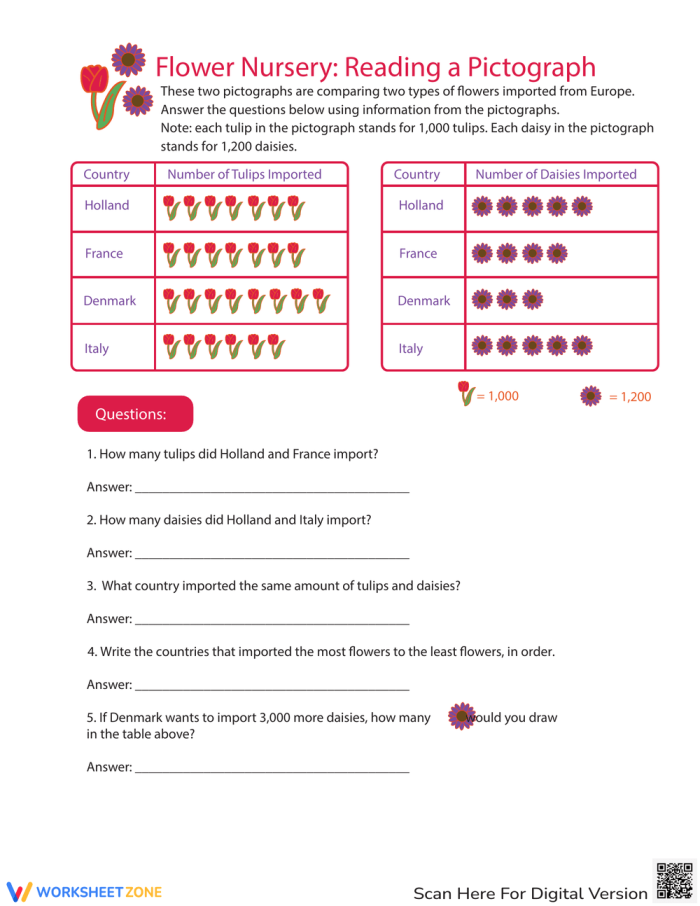
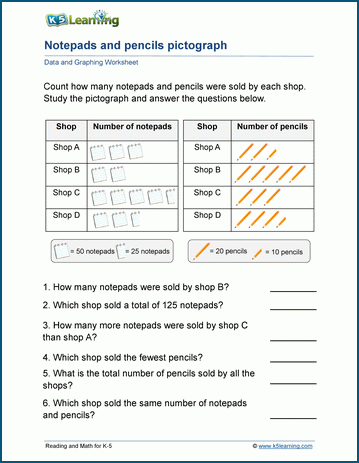
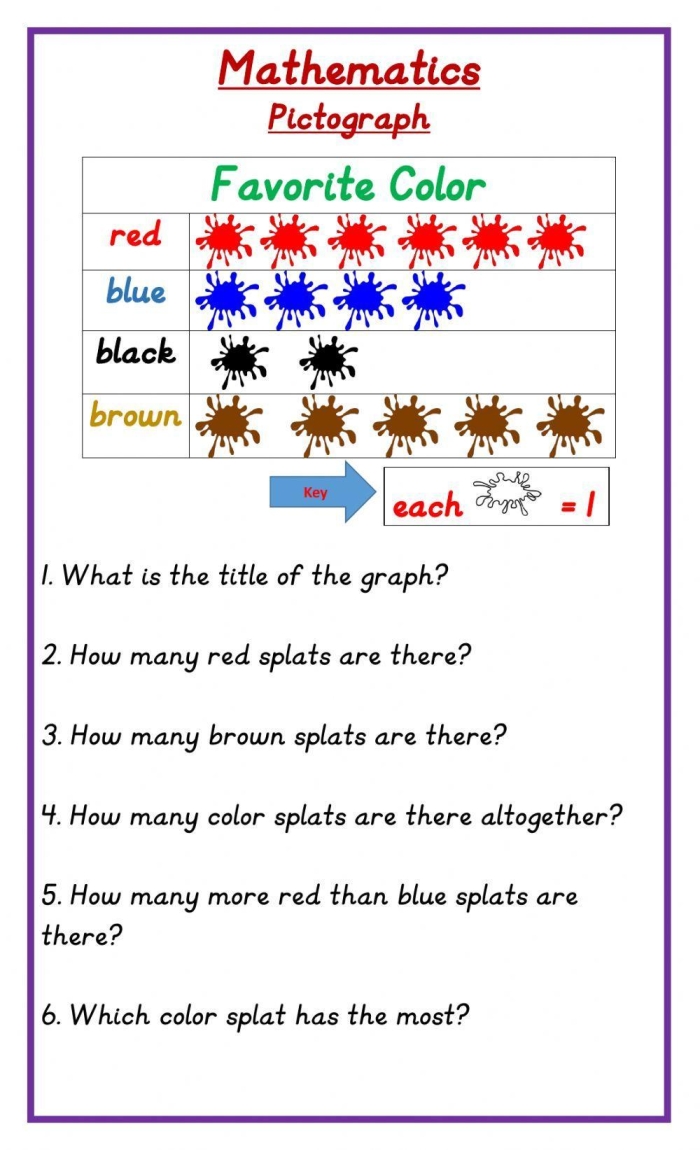
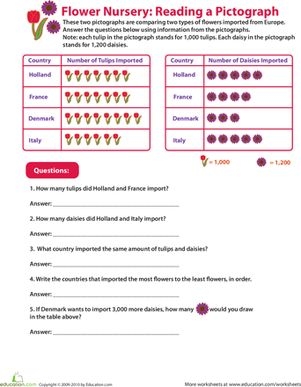
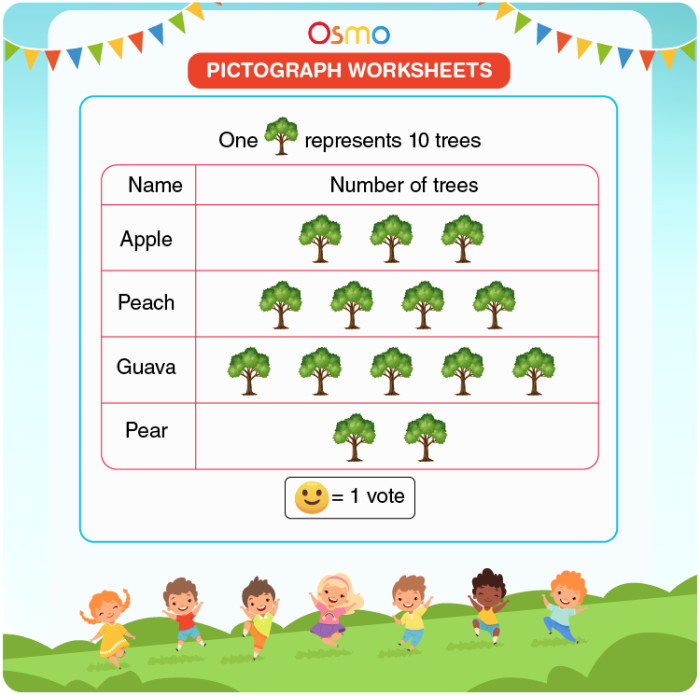
Pictographs offer second grade students a concrete way to understand data without needing advanced reading or math skills. When your child encounters two pictographs showing tulips and daisies imported from European countries, they’re not just looking at symbols on a page, they’re learning to extract real information and use it to solve problems.
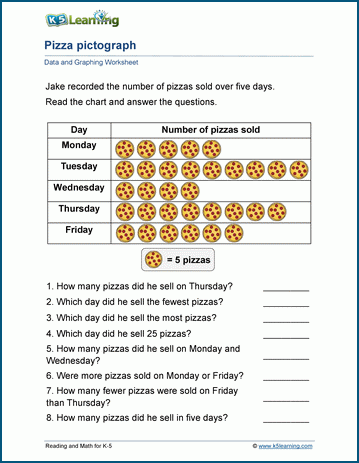
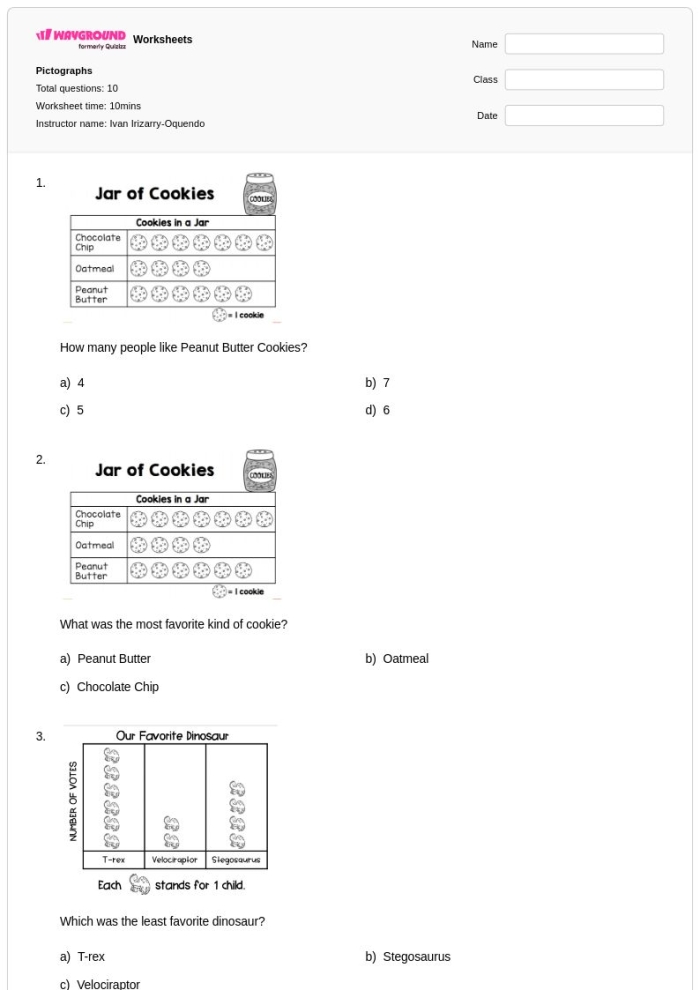
The beauty of pictographs lies in their simplicity. Each small picture or symbol represents a specific quantity, usually one or more items. Your second grader will count these symbols across both pictographs, then compare the totals to answer word problems. For example, a problem might ask: “Which flower was imported more often?” or “How many more daisies came from France than from the Netherlands?” These questions require your child to read the pictograph, understand what each symbol means, and perform basic addition or subtraction.
This type of activity strengthens multiple skills at once. Your child develops data literacy, which means they can interpret visual information and draw conclusions from it. They also practice number sense and basic computation in a real-world context. The European flower import theme adds a geography element that makes the math feel less abstract and more connected to the world around them.
As your second grader works through comparing pictographs with tulips and daisies, they’re building foundational skills for later math work. Understanding how to read and compare data sets prepares them for more complex ratio and proportion work they’ll encounter in upper grades. If your child enjoys this type of visual learning, you might explore resources on equivalent ratios or proportional relationships as they progress.
Encourage your child to explain their thinking as they solve each problem. Asking them to describe which flower appears more often and why helps solidify their understanding of the pictograph format.
Start Practicing with These Worksheets