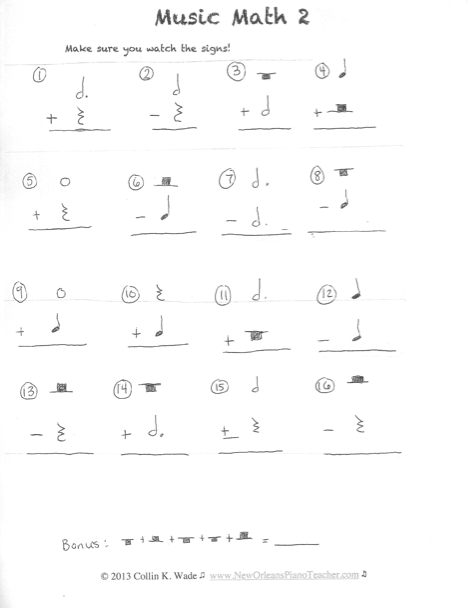
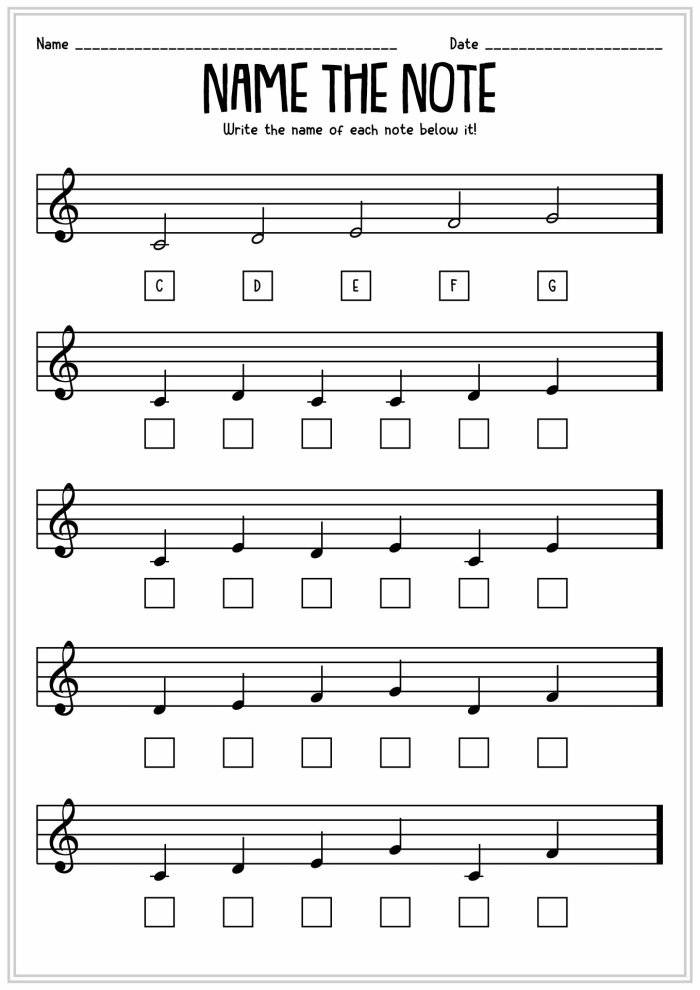
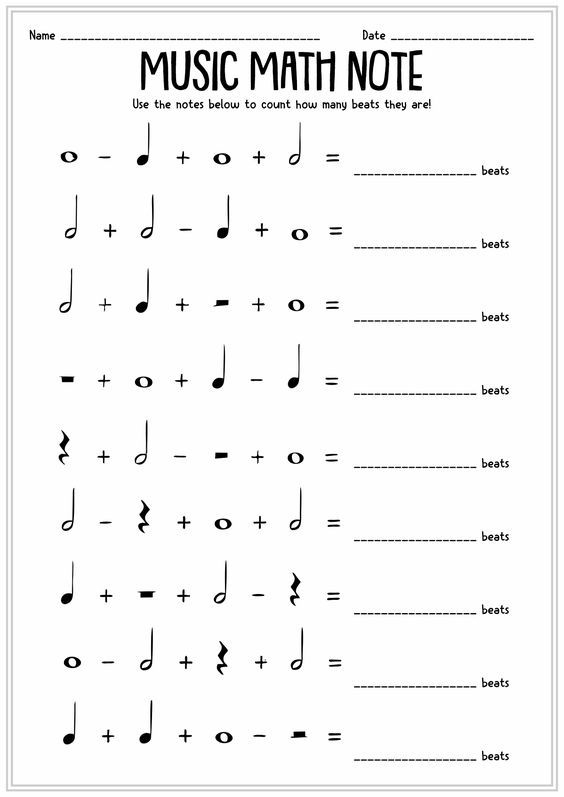
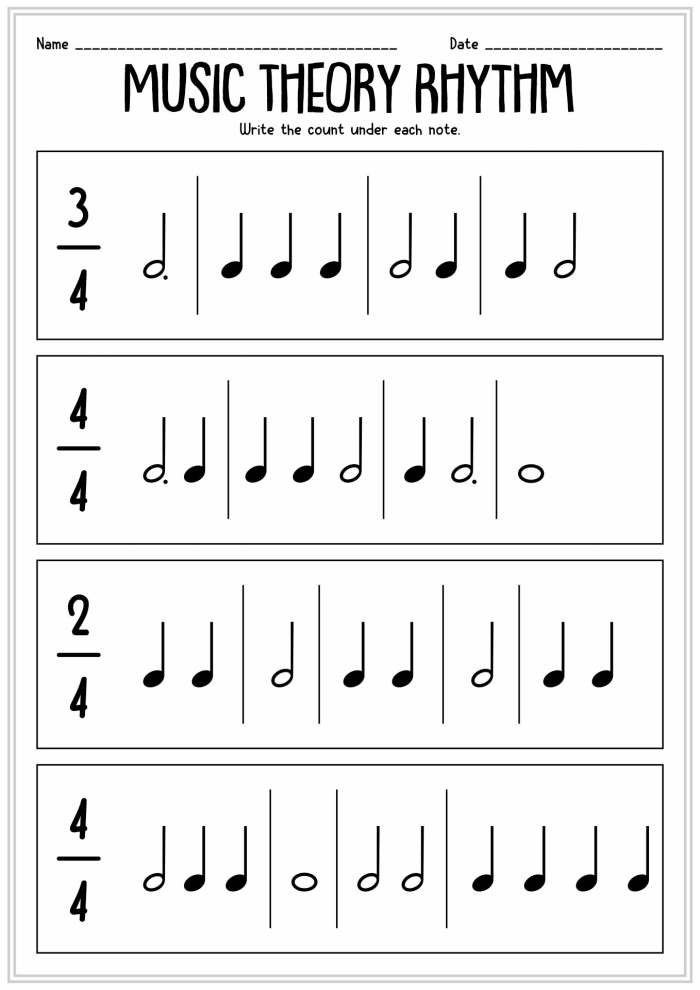
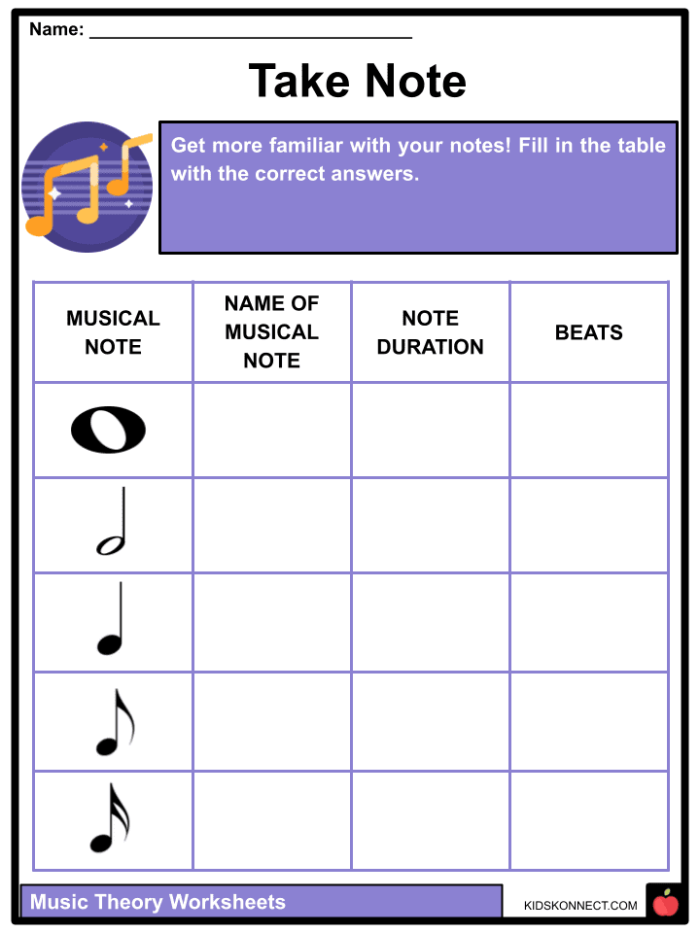
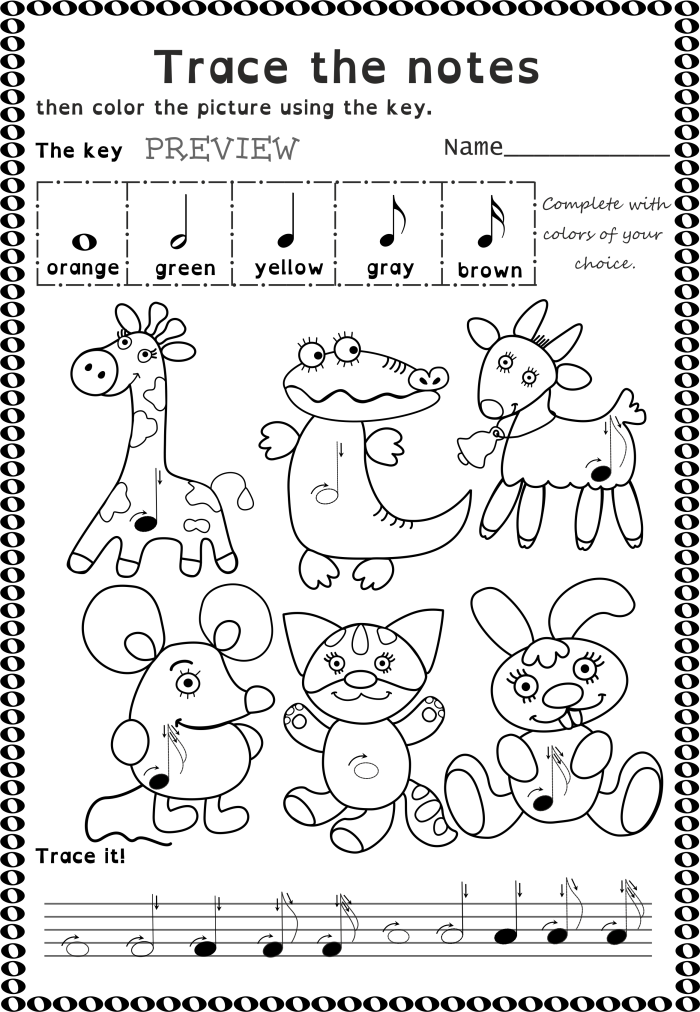
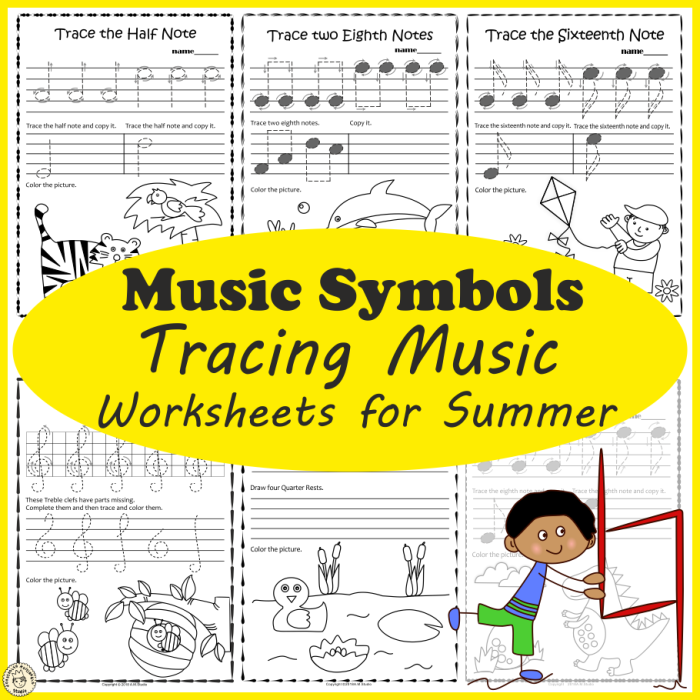
Pattern recognition sits at the heart of early learning, and music notes offer a surprisingly effective tool for building this skill. When young learners encounter a worksheet where musical notes repeat in logical sequences, they’re doing far more than identifying shapes. They’re training their brains to spot relationships, predict outcomes, and think systematically about how information organizes itself.
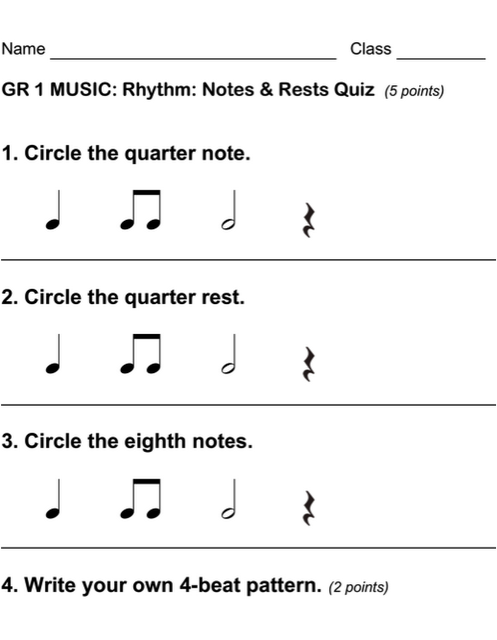
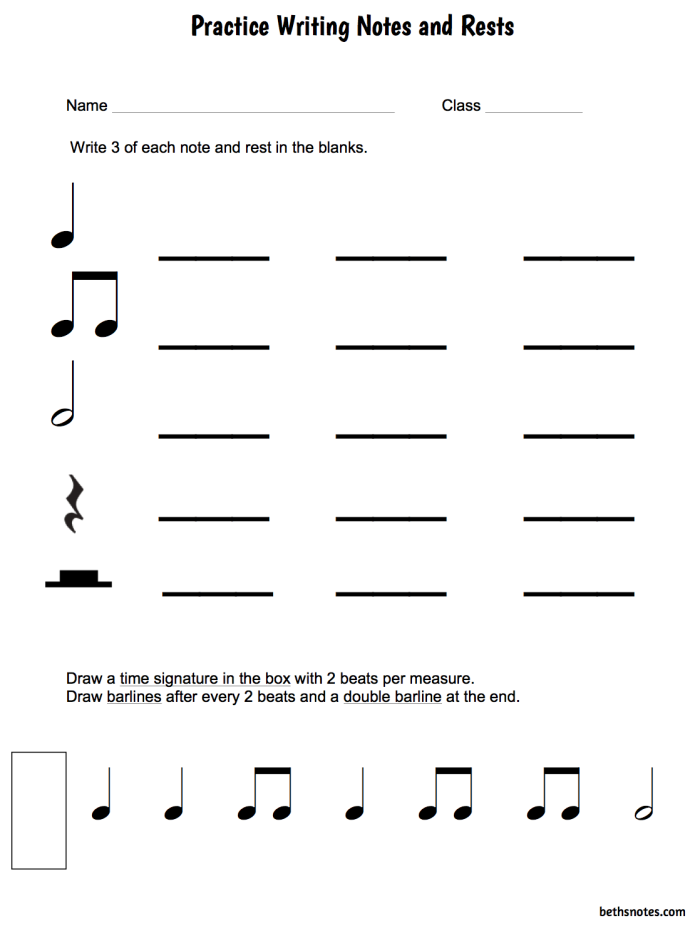
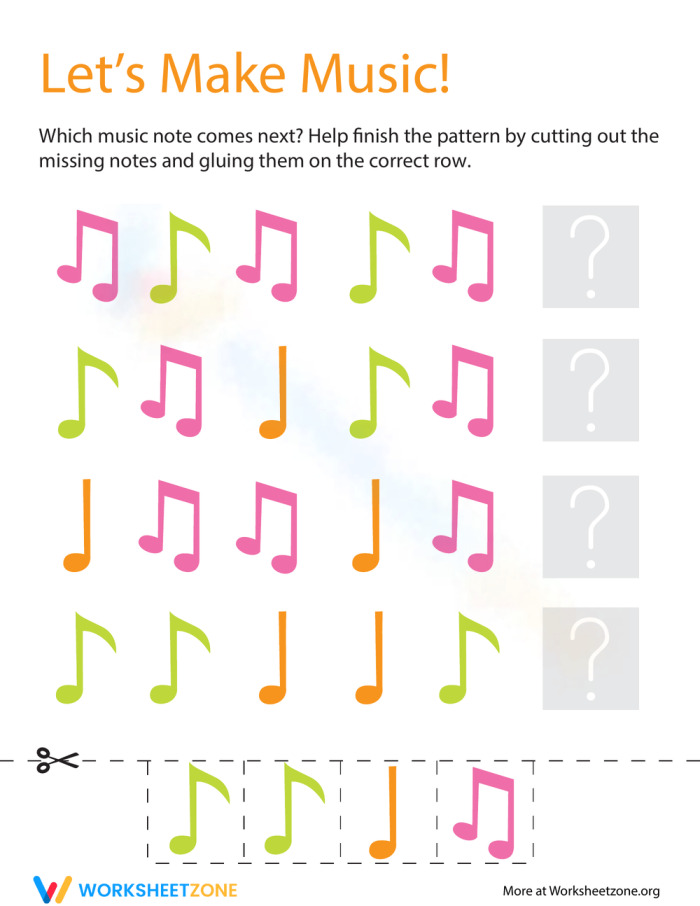
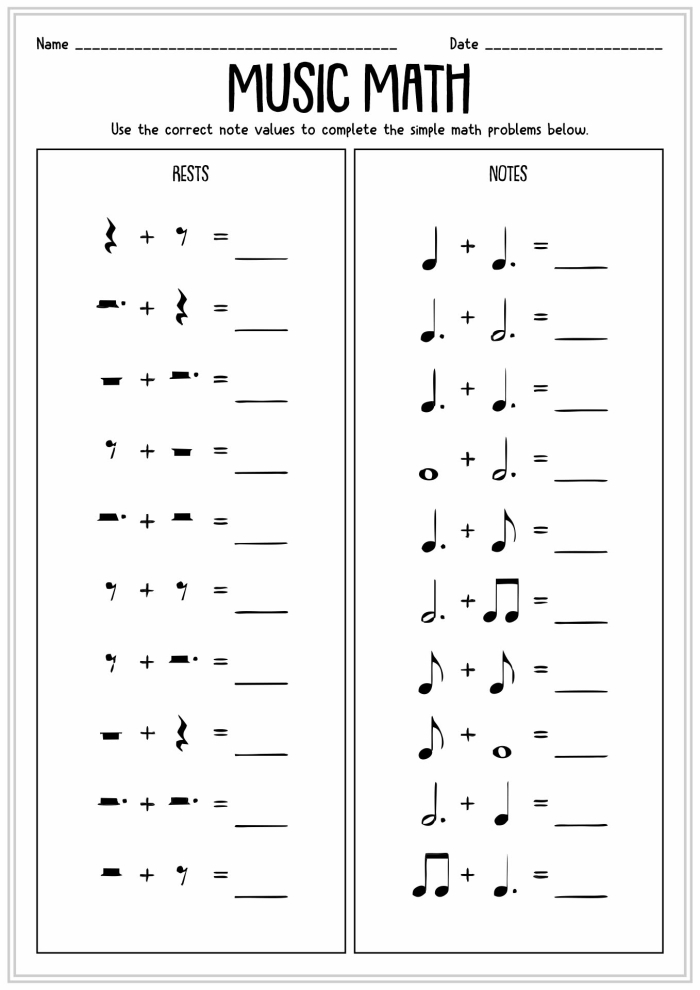
In a Pre-K writing and math context, these worksheets ask children to examine a series of notes and figure out what comes next. A pattern might show a quarter note, followed by two eighth notes, then a quarter note again. The child studies this sequence and determines whether the missing note should be a quarter note or something different. This type of cognitive work strengthens both logical reasoning and visual discrimination skills that support later academic success.
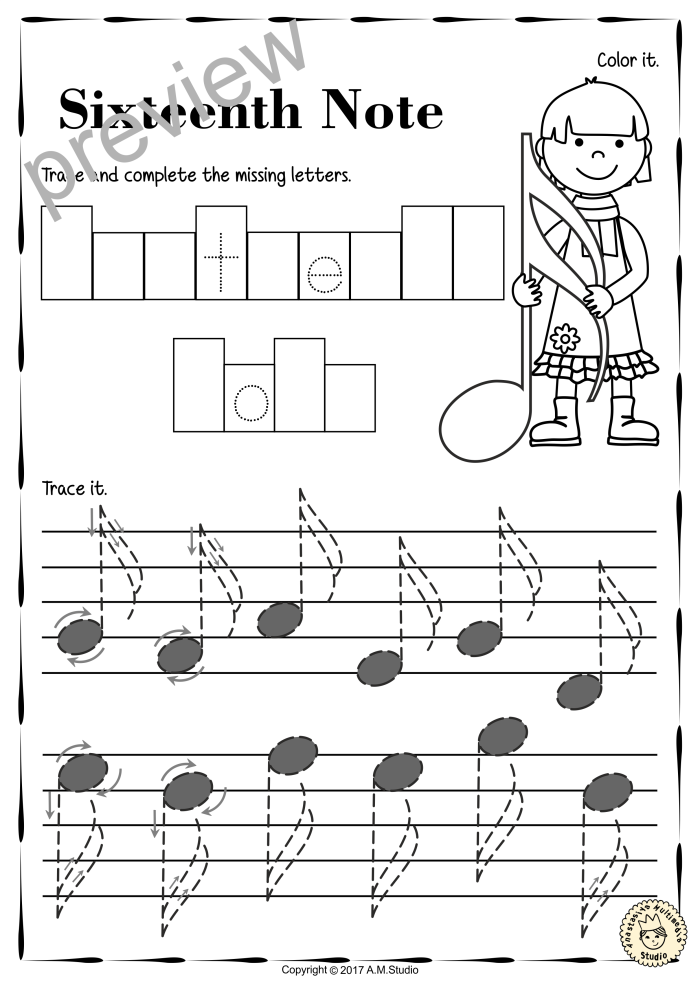
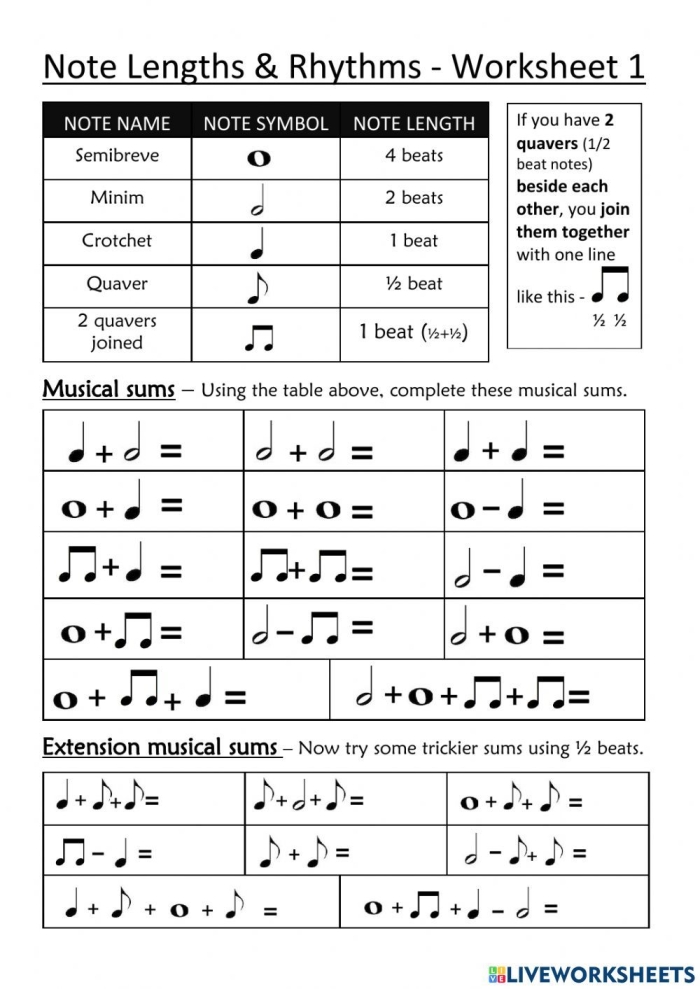
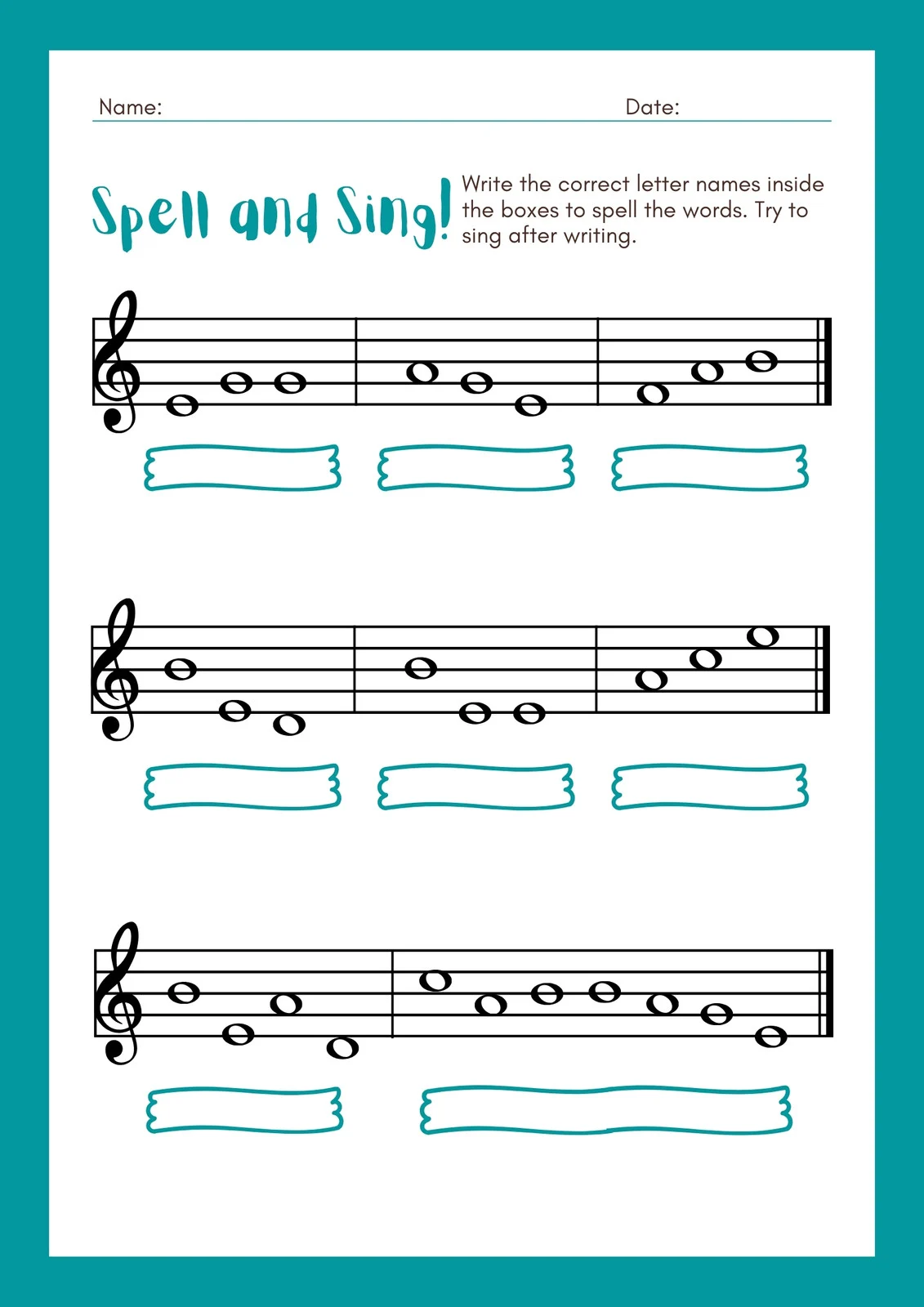
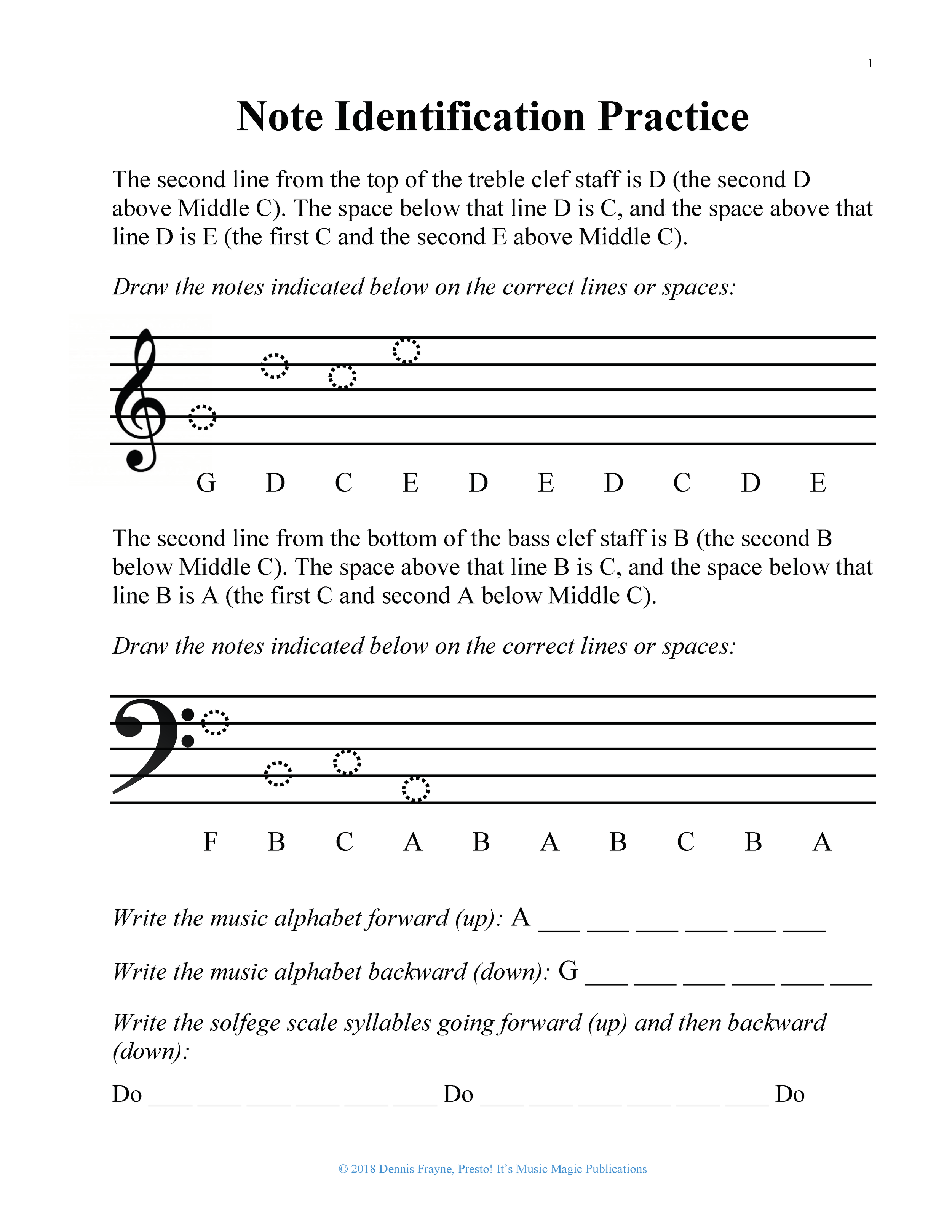
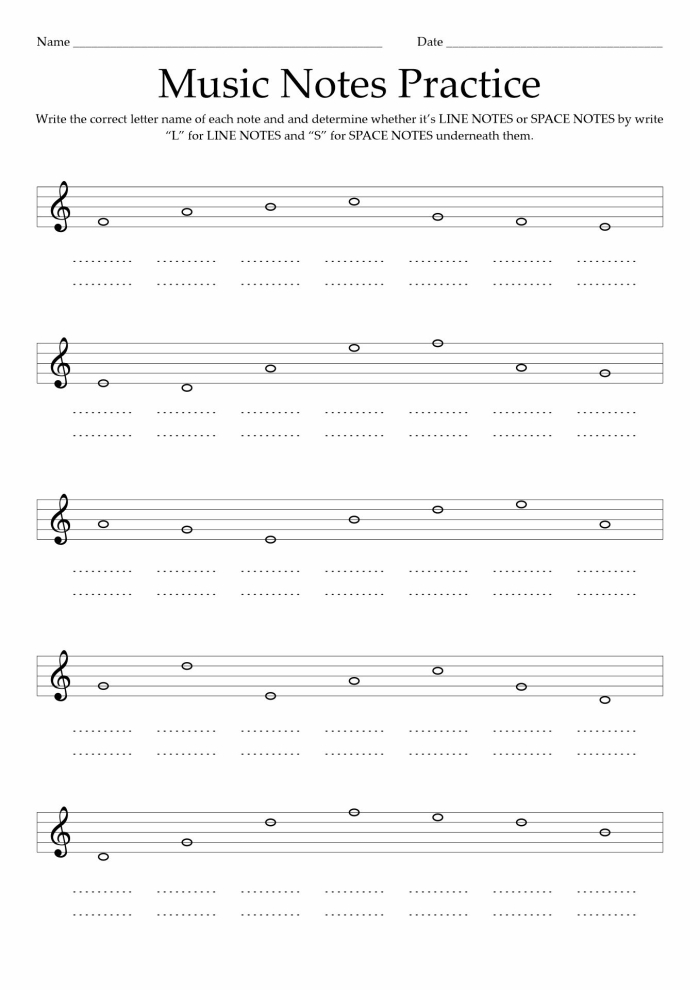
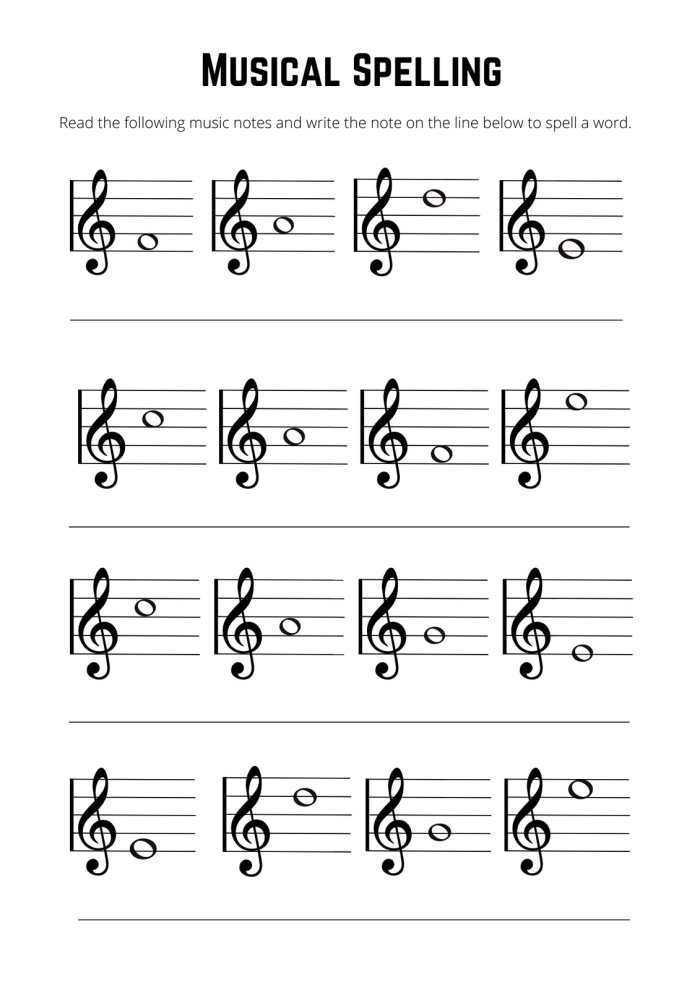
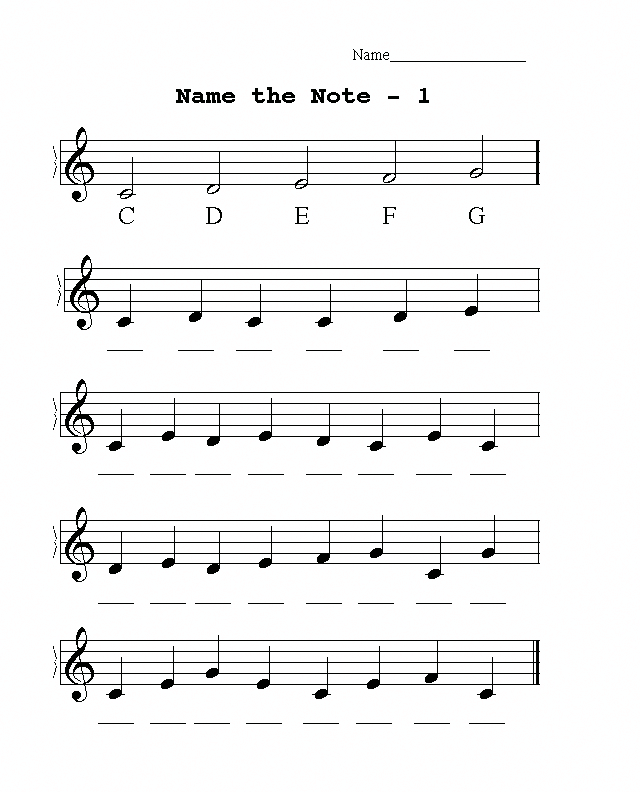
The beauty of using music notation for pattern practice is that it introduces children to musical literacy without requiring them to play an instrument. They become familiar with how notes look, how they differ from one another, and how they can be organized systematically. This foundation helps when they eventually learn to read actual music or engage in more formal music education.
Teachers often pair these worksheets with other Pre-K learning tools to create a well-rounded curriculum. For instance, combining pattern work with sight words and graphing activities helps children develop multiple cognitive pathways. Similarly, incorporating phonics exercises alongside pattern recognition reinforces how different skills connect.
The repetitive nature of pattern worksheets also builds confidence. When children complete one sequence successfully, they feel motivated to tackle the next challenge. This positive reinforcement makes learning feel less like work and more like solving an enjoyable puzzle.
Use These Worksheets Today