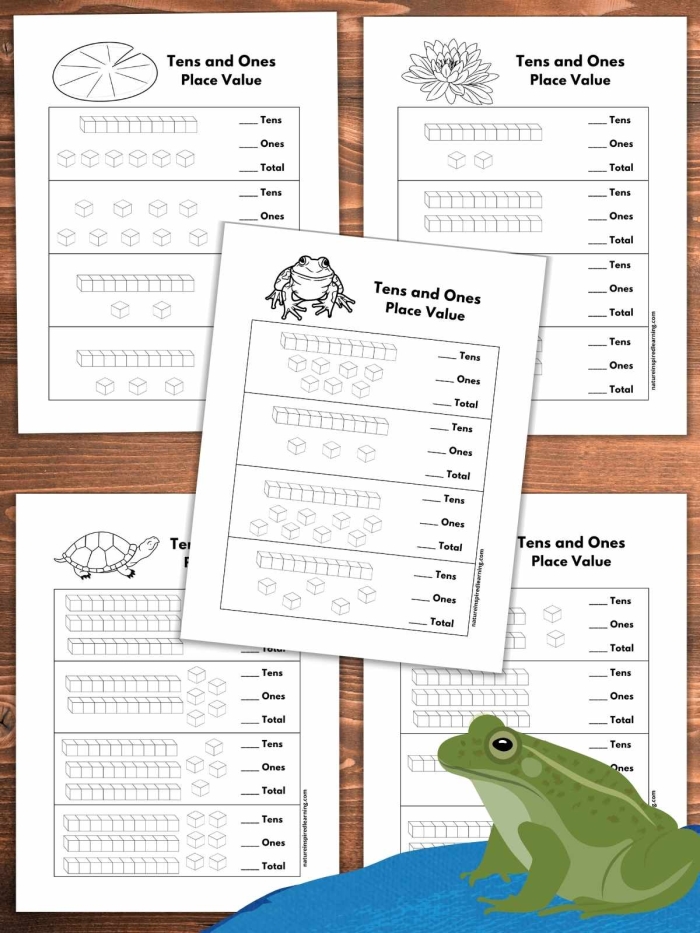
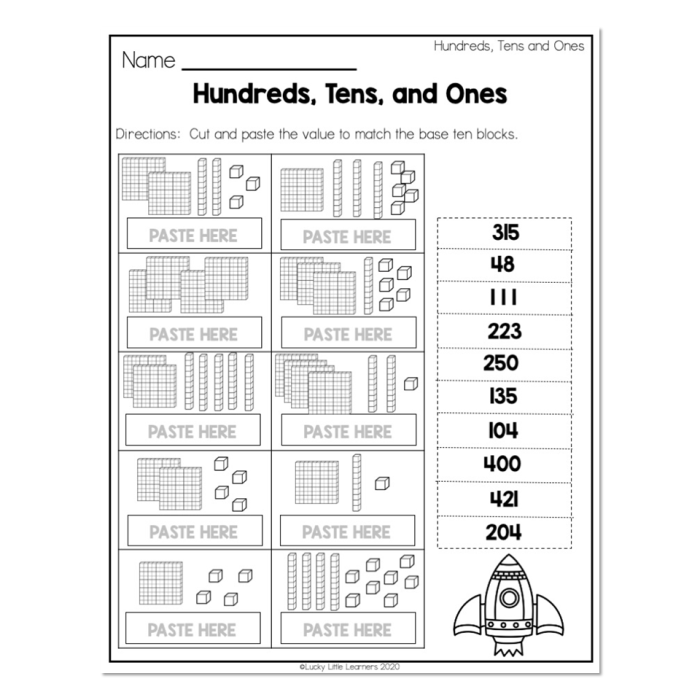
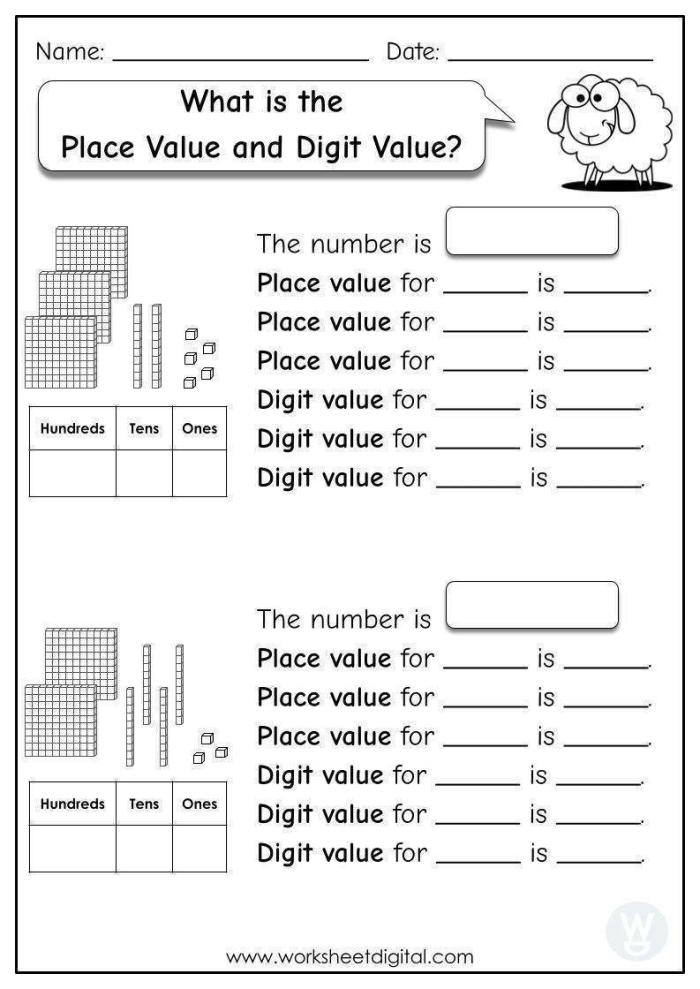
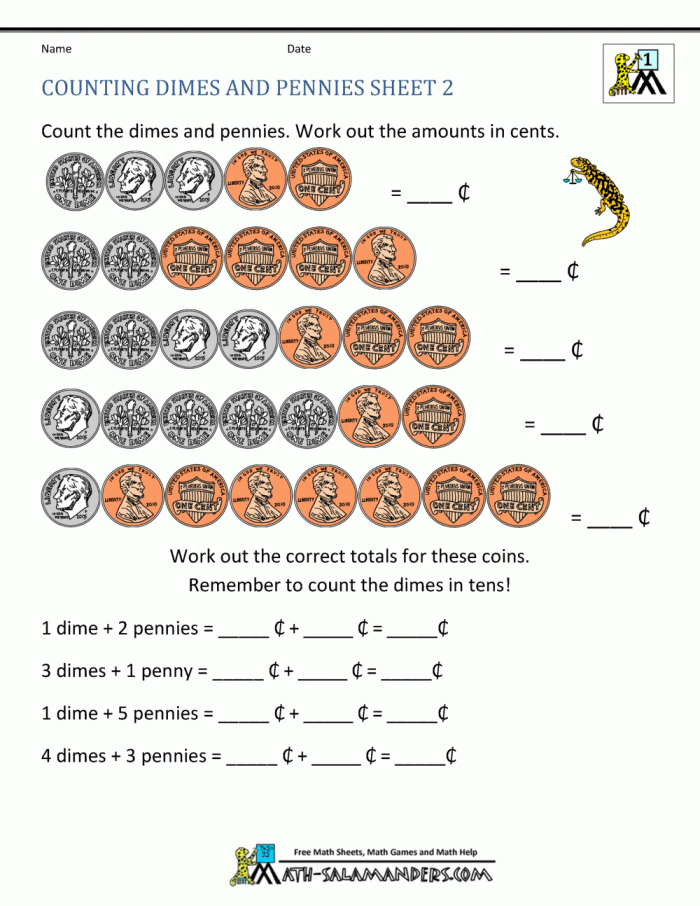
Kids light up when money enters the classroom. There’s something about real-world currency that makes abstract math concepts suddenly click. When second grade students handle worksheets featuring actual U.S. bills, they’re not just solving problems on paper—they’re connecting numbers to something tangible they’ll use their entire lives.
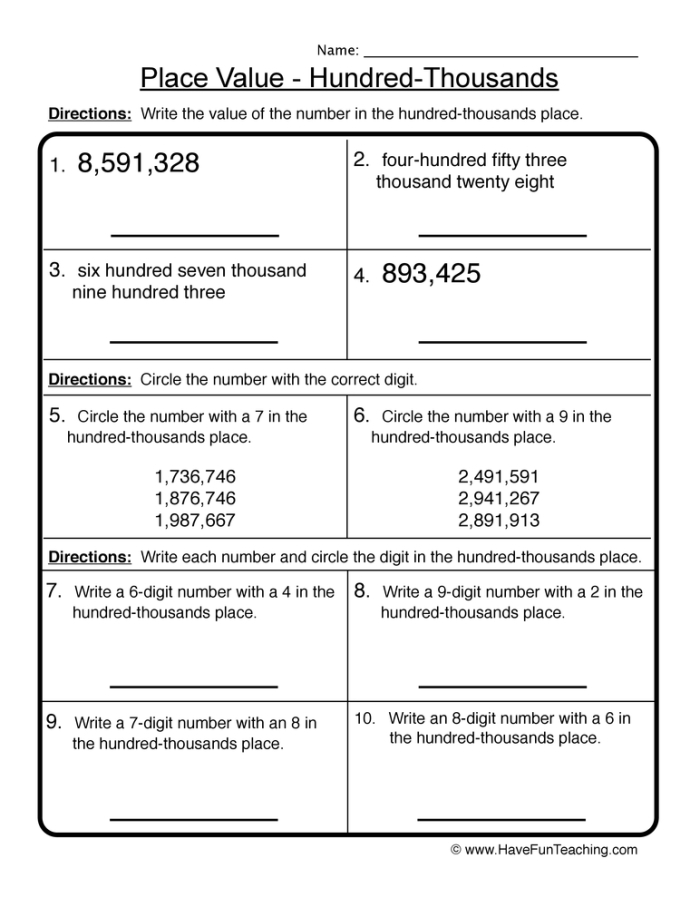
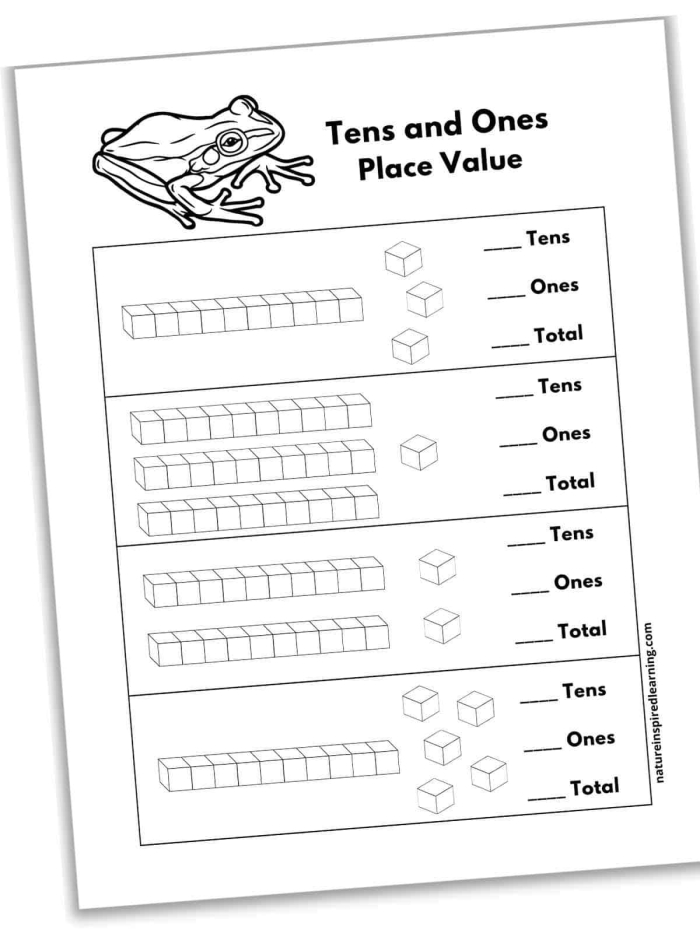
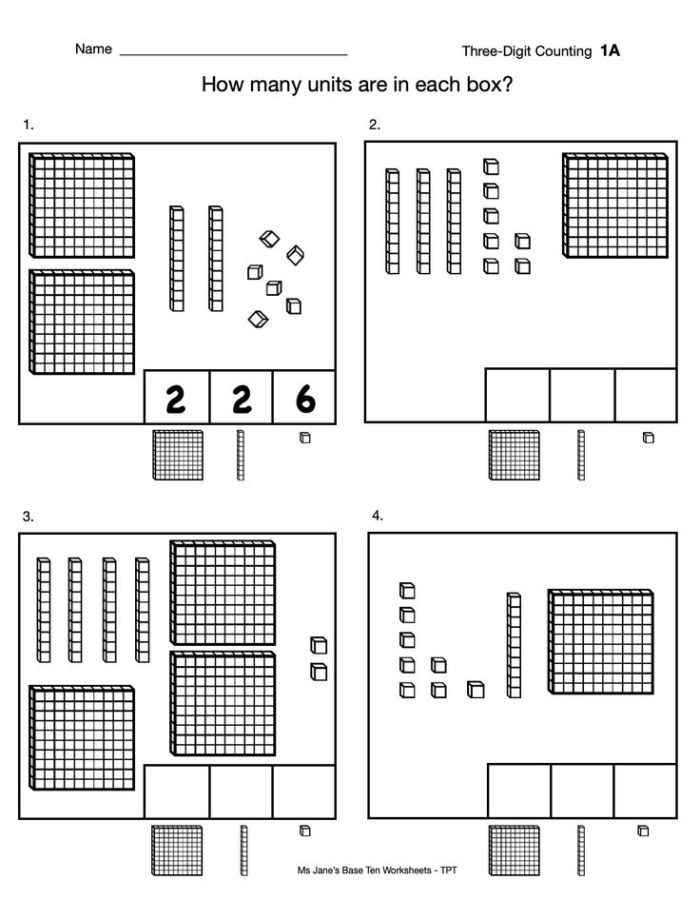
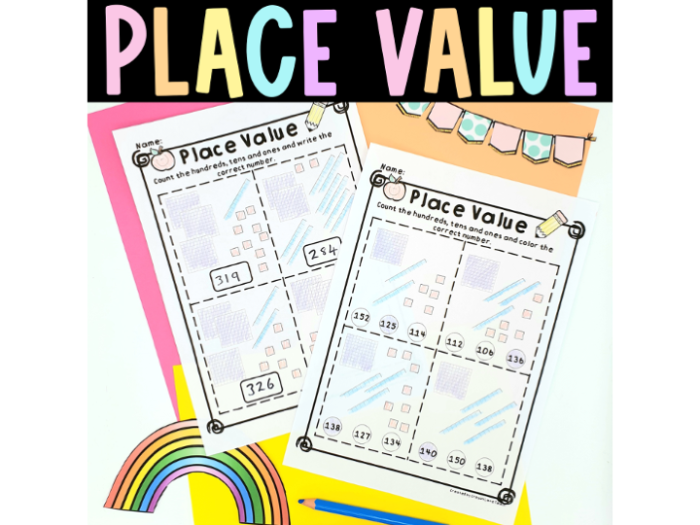
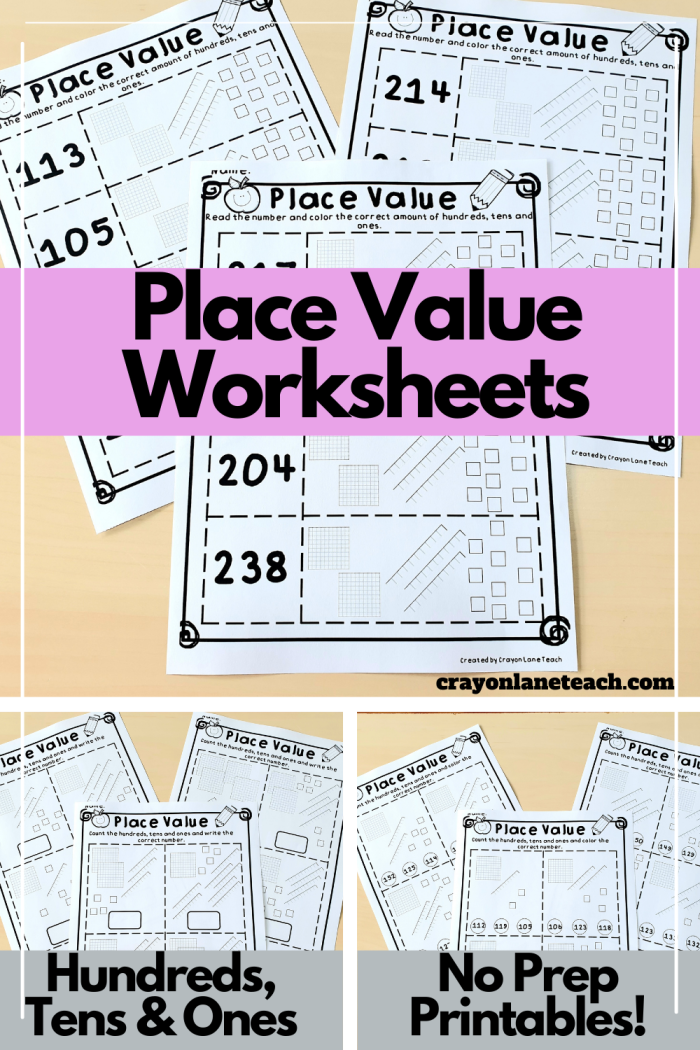
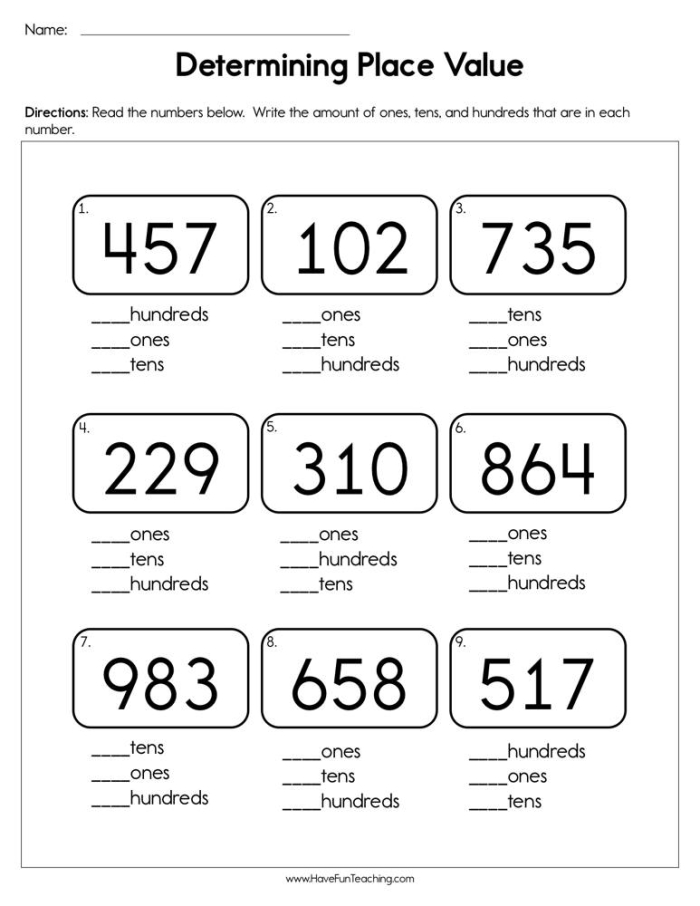
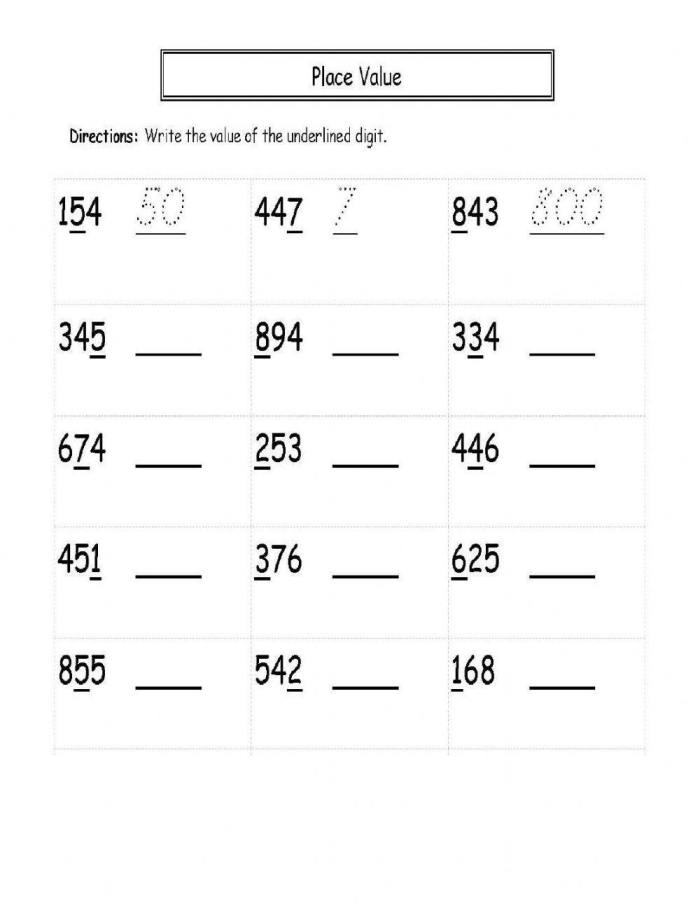
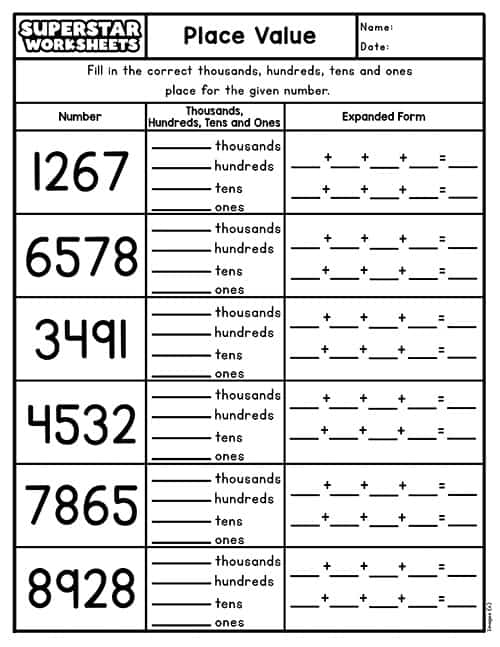
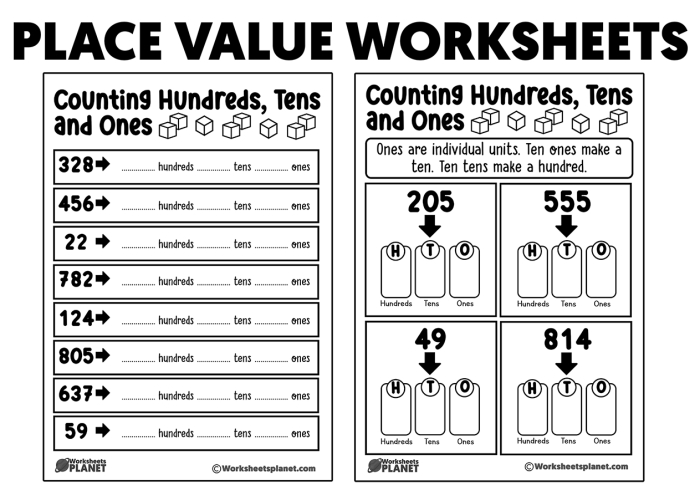
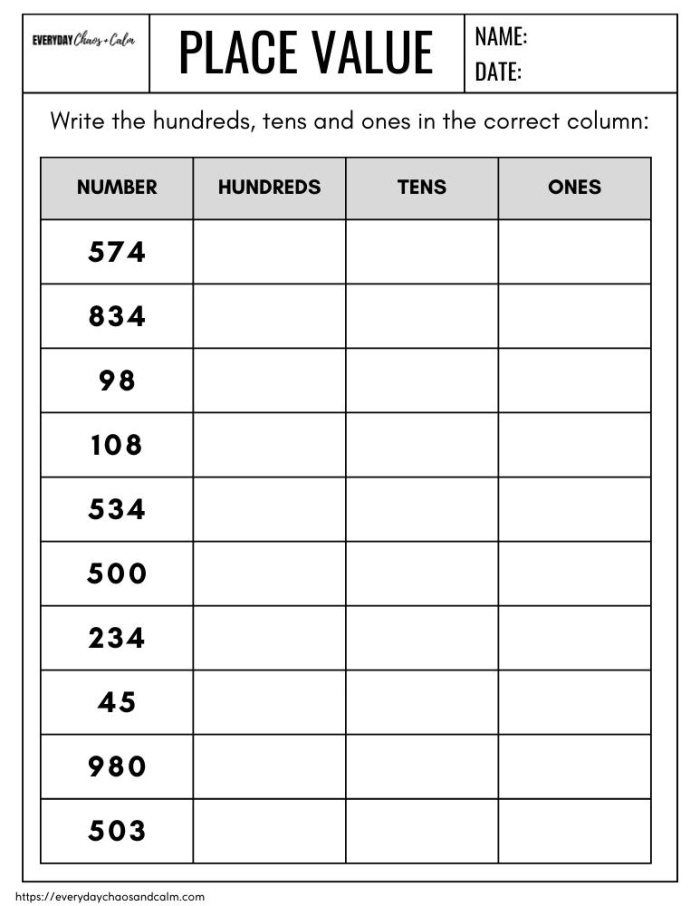
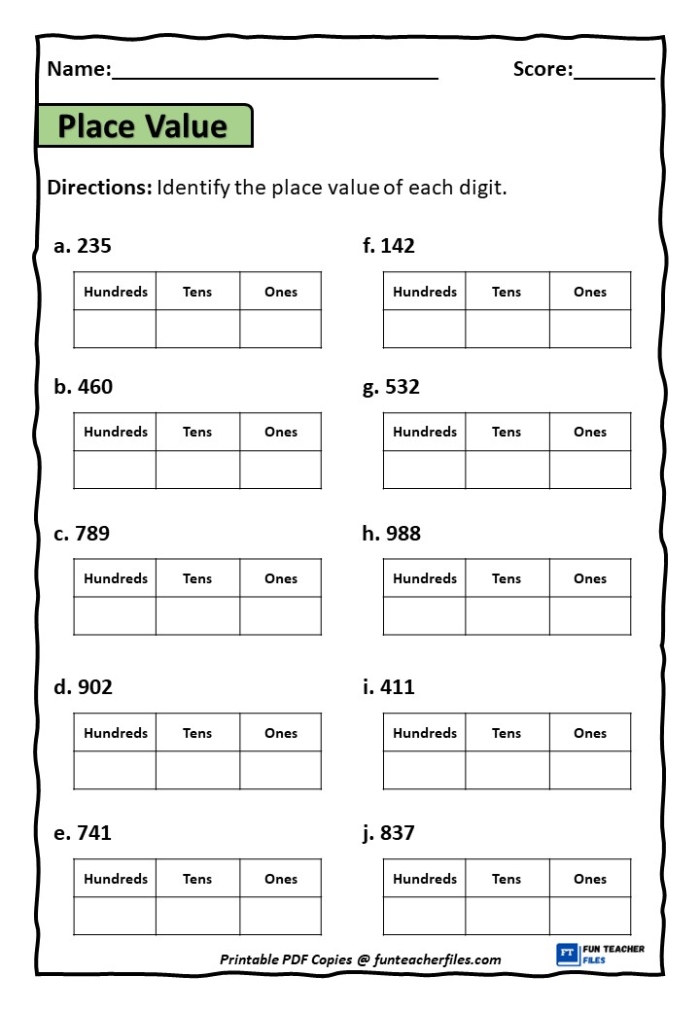
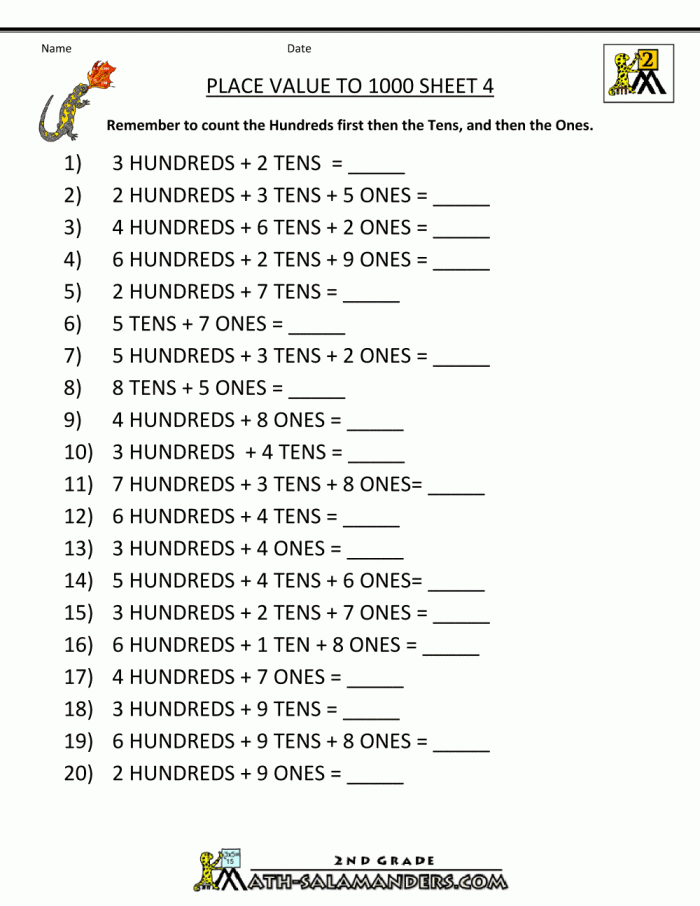
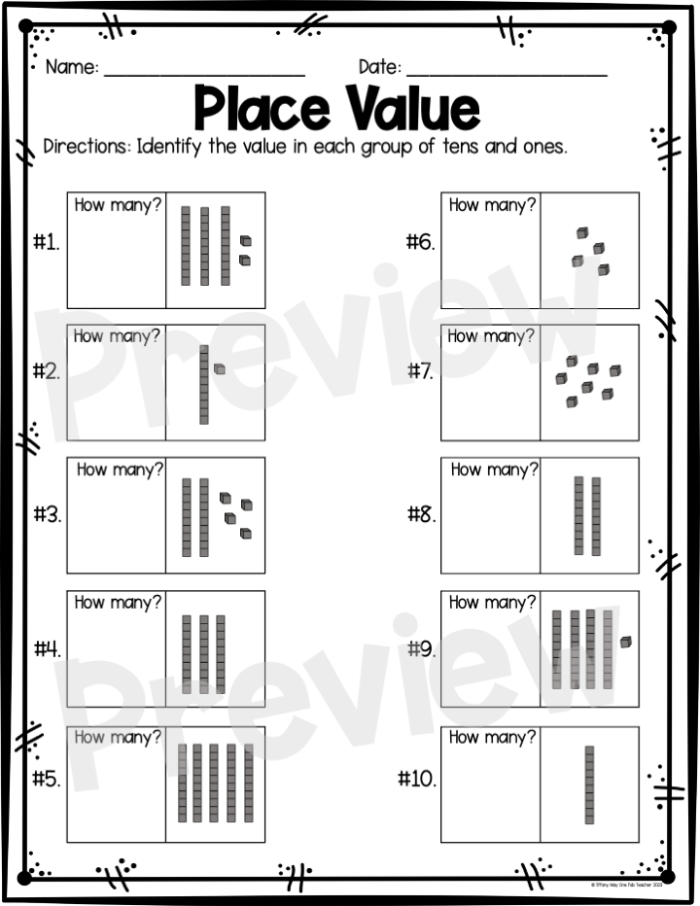
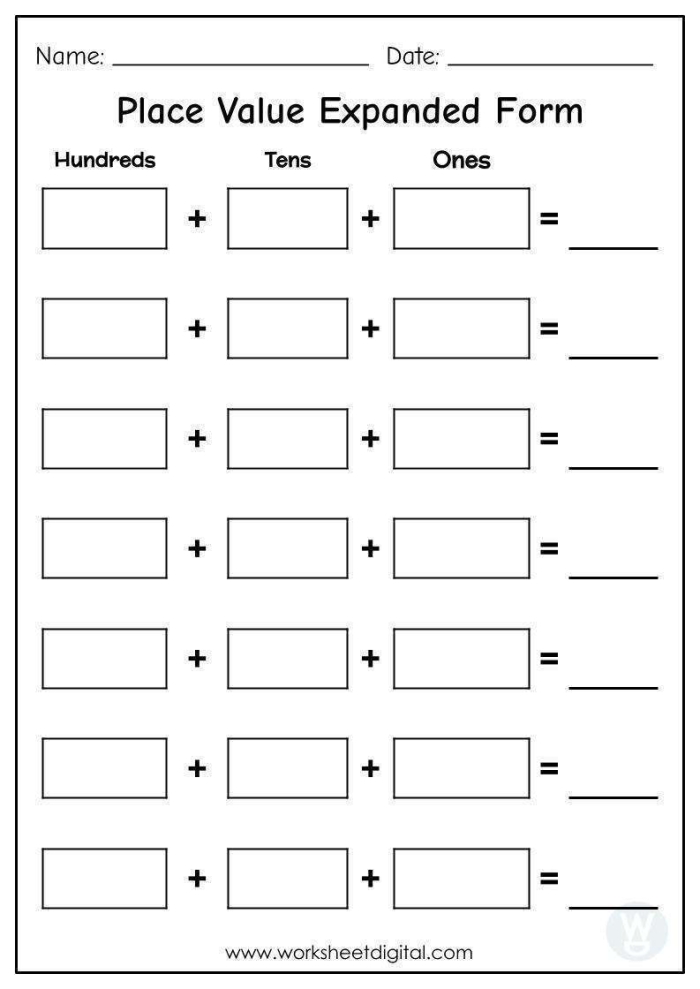
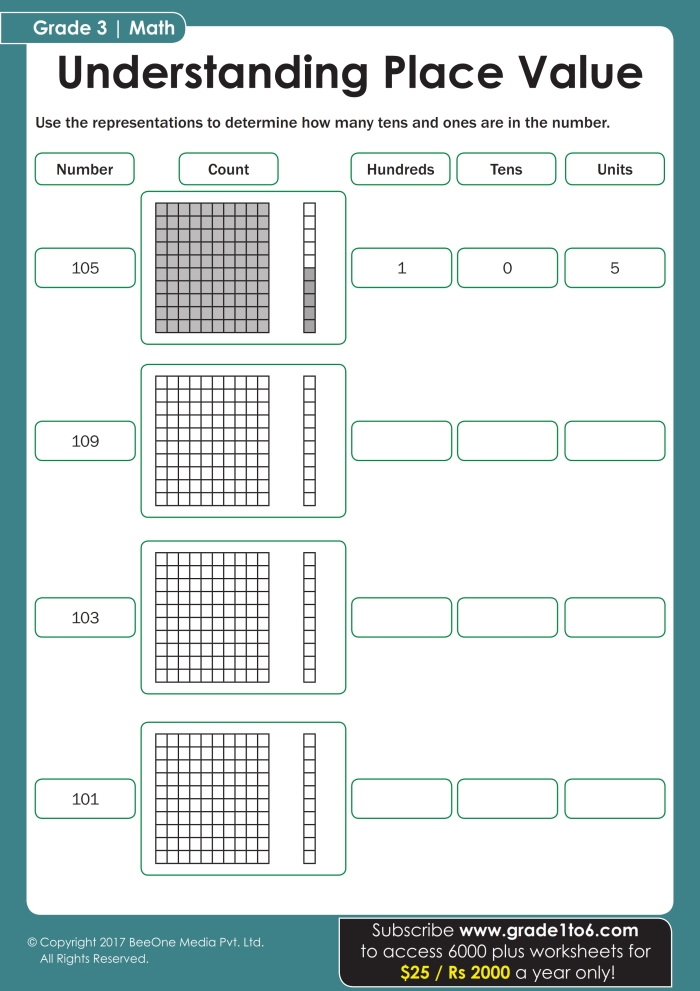
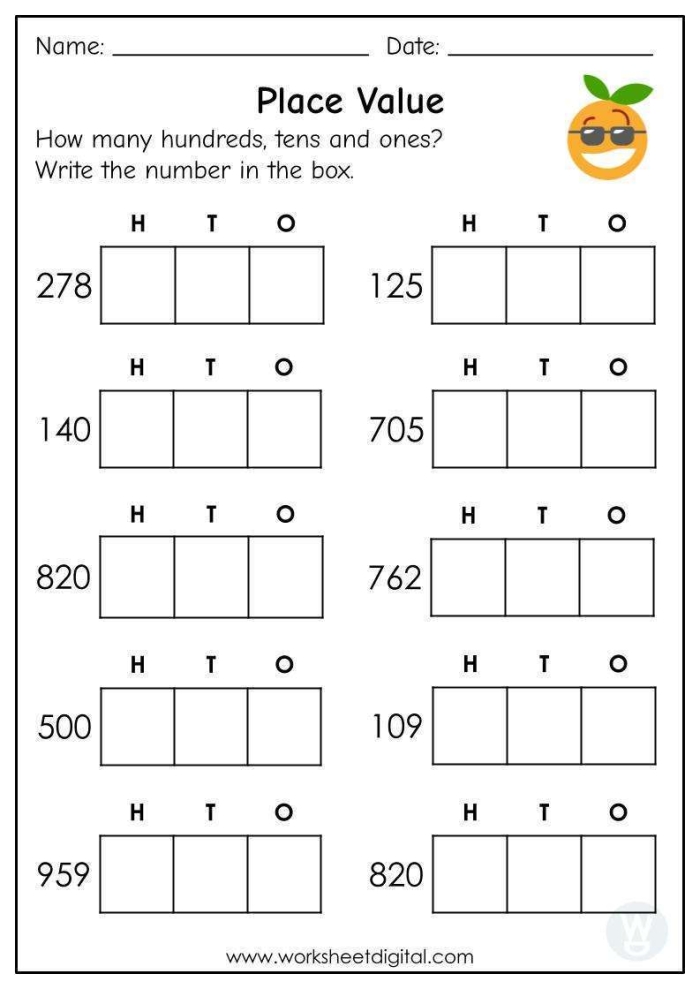
Place value forms the foundation of all number sense. Understanding that a ten-dollar bill represents ten ones, or that a hundred-dollar bill equals ten tens, bridges the gap between concrete and abstract thinking. A double-sided worksheet that focuses on money gives students multiple opportunities to practice this critical skill without the repetition feeling tedious.
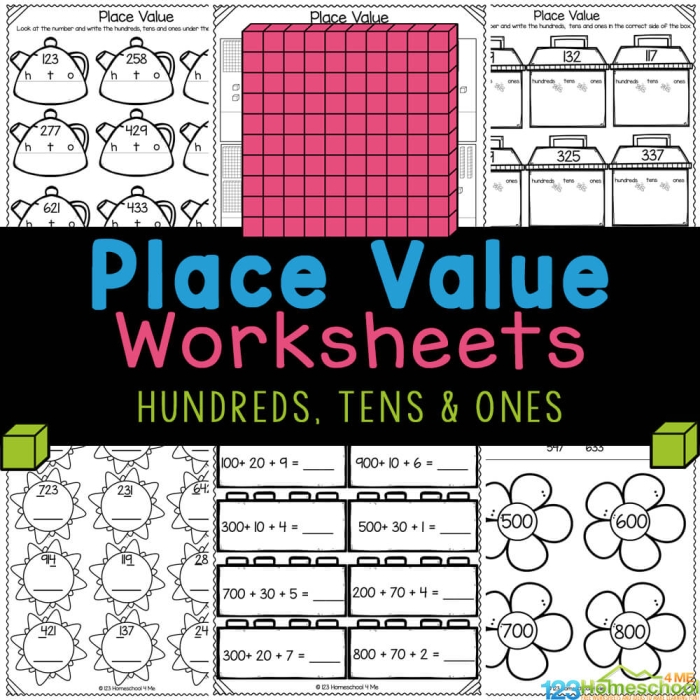
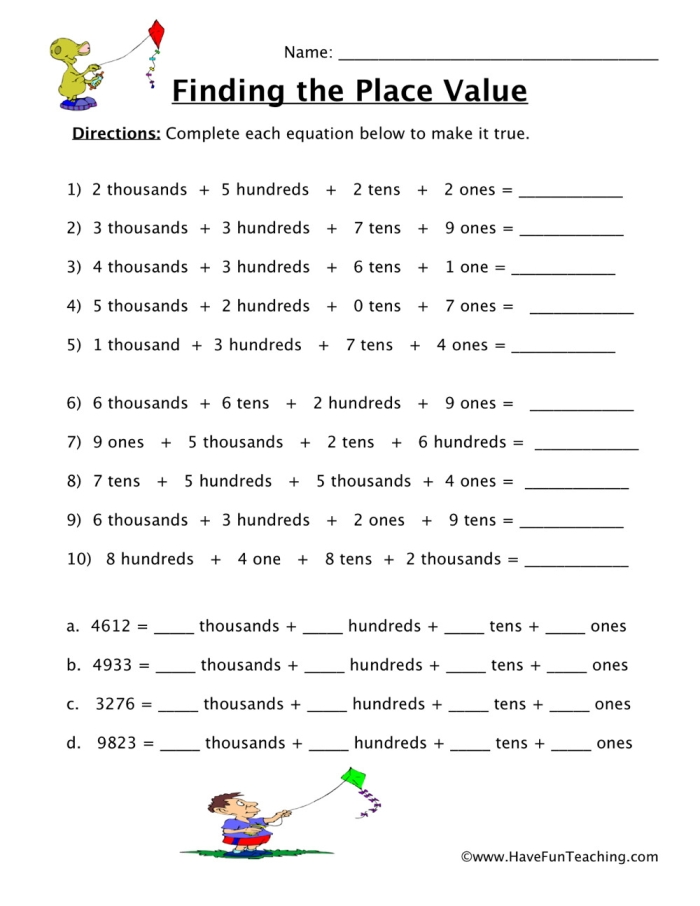
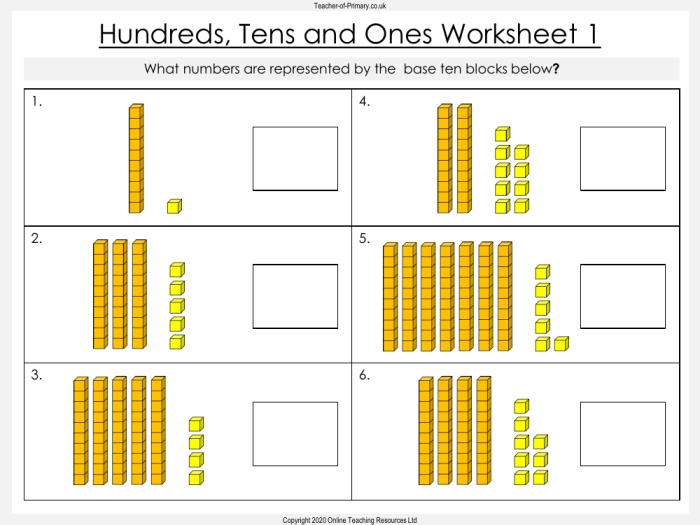
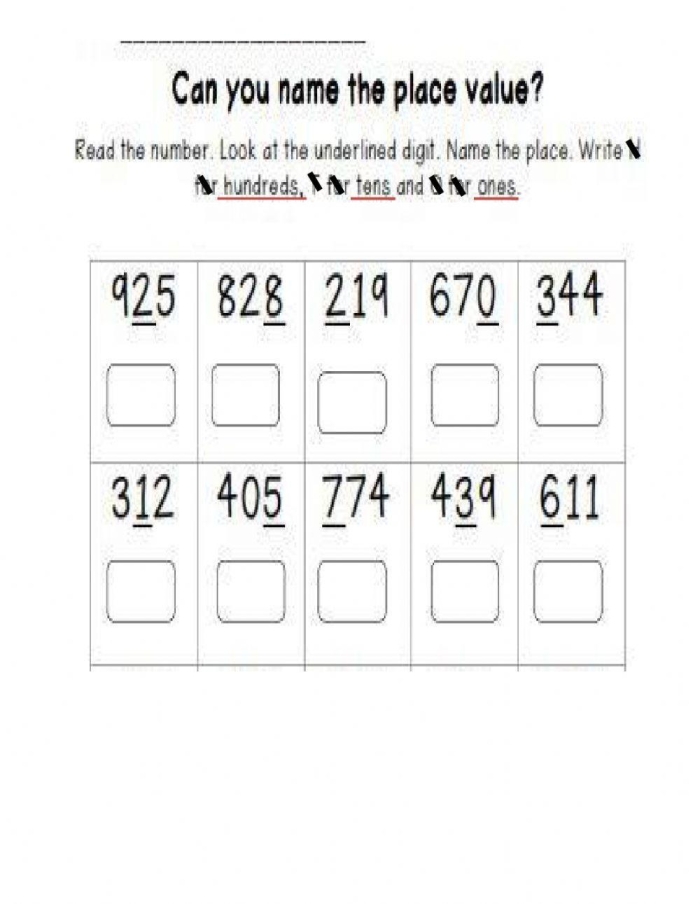
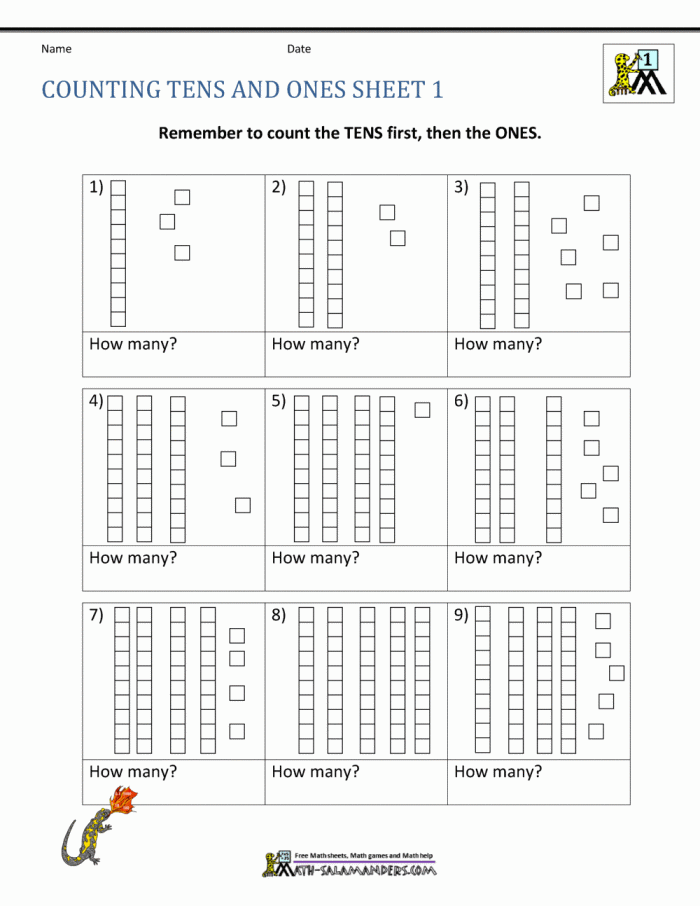
The beauty of using U.S. bills as teaching tools lies in their standardized design and consistent value. Second graders can physically see the difference between denominations while learning that 100 pennies equal one dollar, or that three tens and five ones make 35. These worksheets typically ask students to identify bills, count combinations, and solve simple word problems that require understanding place value with hundreds, tens, and ones.
When you incorporate money into math instruction, you’re also teaching financial literacy basics early. Students begin recognizing that different bills have different values, that combinations matter, and that counting accurately has real consequences. This foundation supports later work with addition, subtraction, and even early multiplication concepts.
Double-sided worksheets maximize learning time while reducing paper waste. One side might focus on identifying bills and their values, while the reverse could present scenarios where students count mixed denominations or make change. This variety keeps engagement high across a full lesson.
For teachers working through patterns and number relationships, money-based activities offer concrete examples. When exploring subtraction with second grade worksheets, bills provide a meaningful context. Similarly, connecting time concepts with reading clocks and related math skills becomes easier when students understand place value deeply.
Hands-On Worksheet Activities