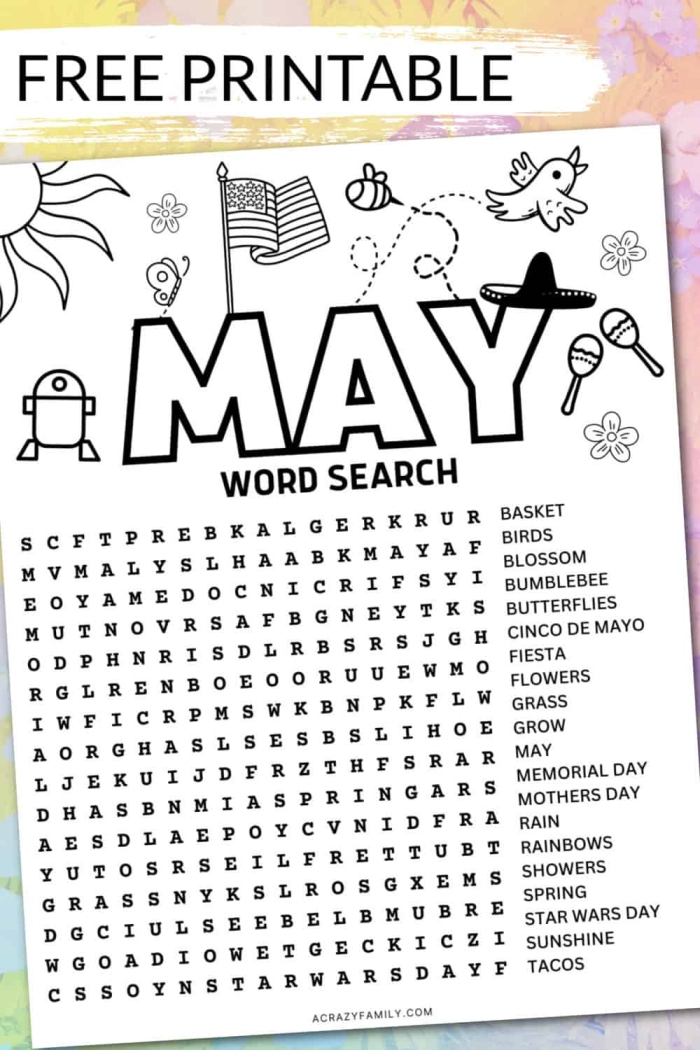
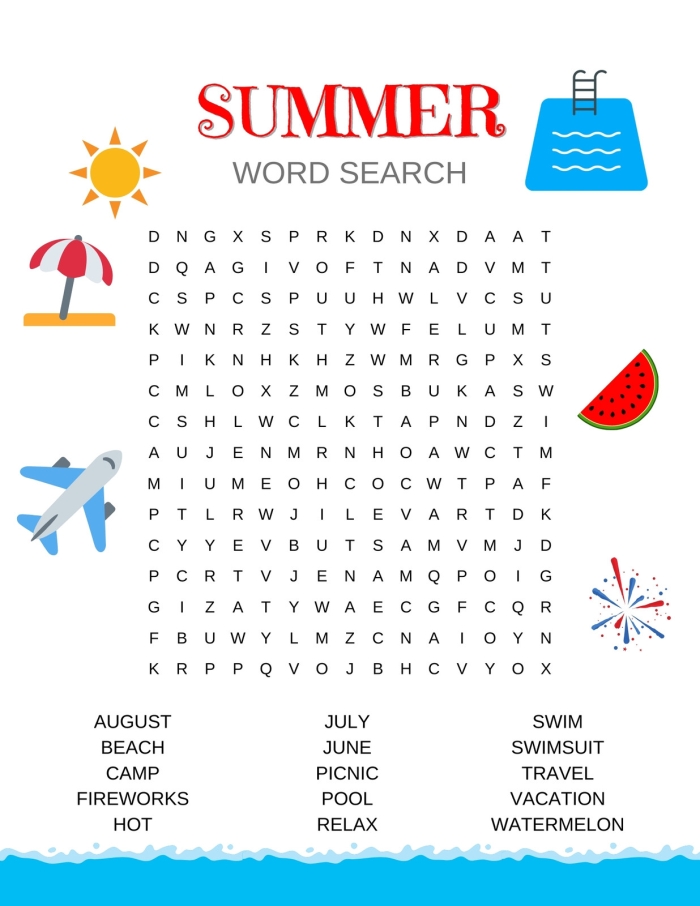
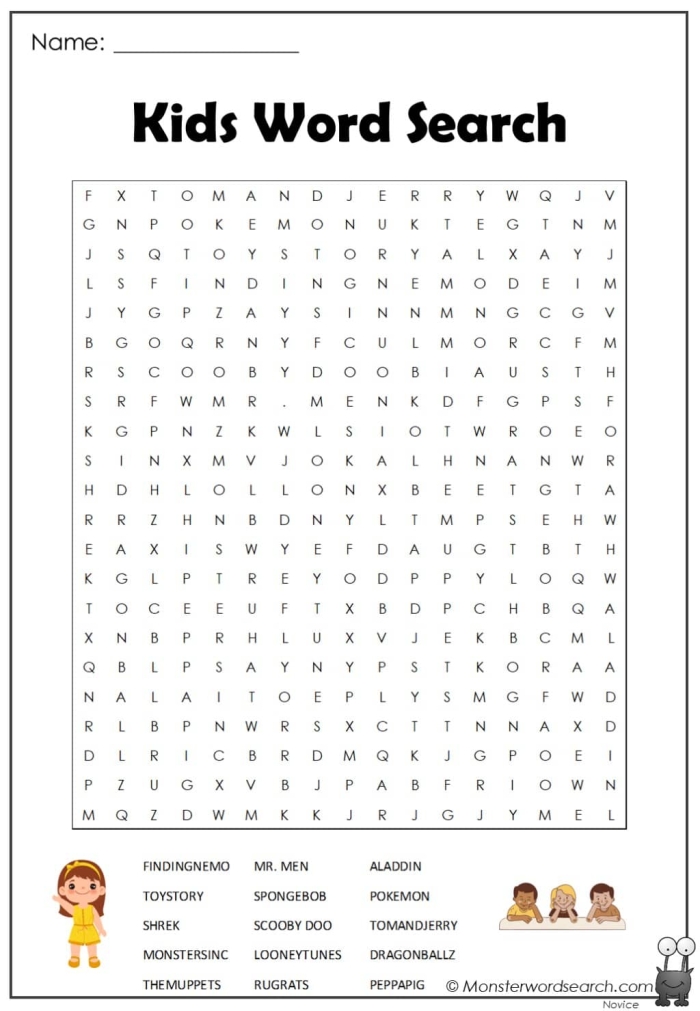
Word searches have a way of making spelling practice feel less like work and more like a puzzle to solve. When you’re teaching second grade students, finding activities that hold their attention while building core skills is half the battle. A well-designed word search does exactly that, turning what could be a tedious drill into something students actually want to complete.
The beauty of word searches lies in their simplicity. Students scan through a grid of letters looking for hidden words, which means they’re reinforcing letter recognition, spelling patterns, and vocabulary all at once. For second graders specifically, this approach works because it combines visual scanning with the satisfaction of finding something hidden. There’s a genuine sense of accomplishment when a child circles the last letter of a word they’ve been hunting for.
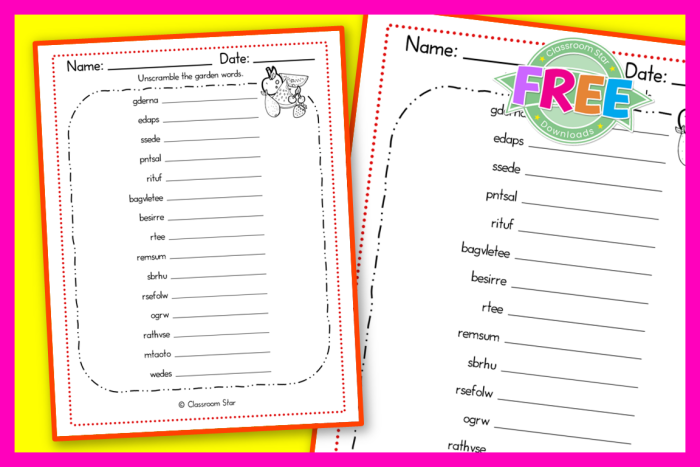
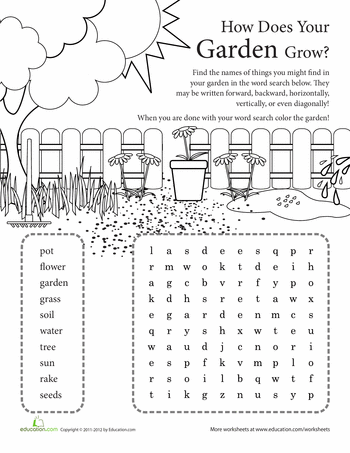
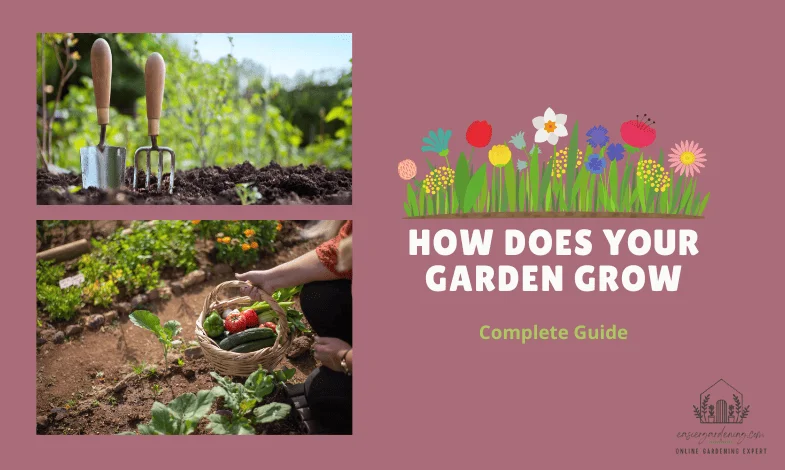
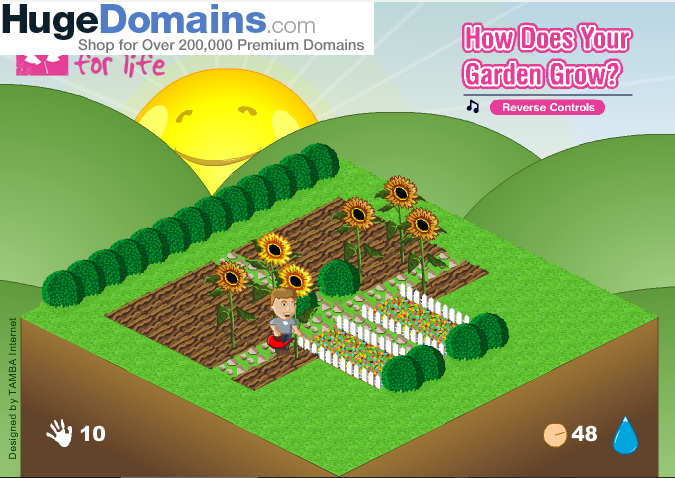
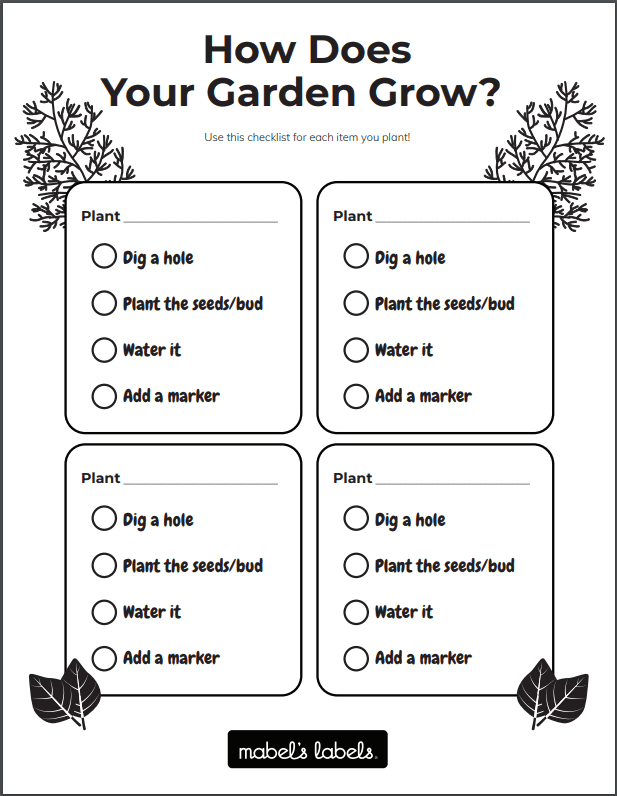
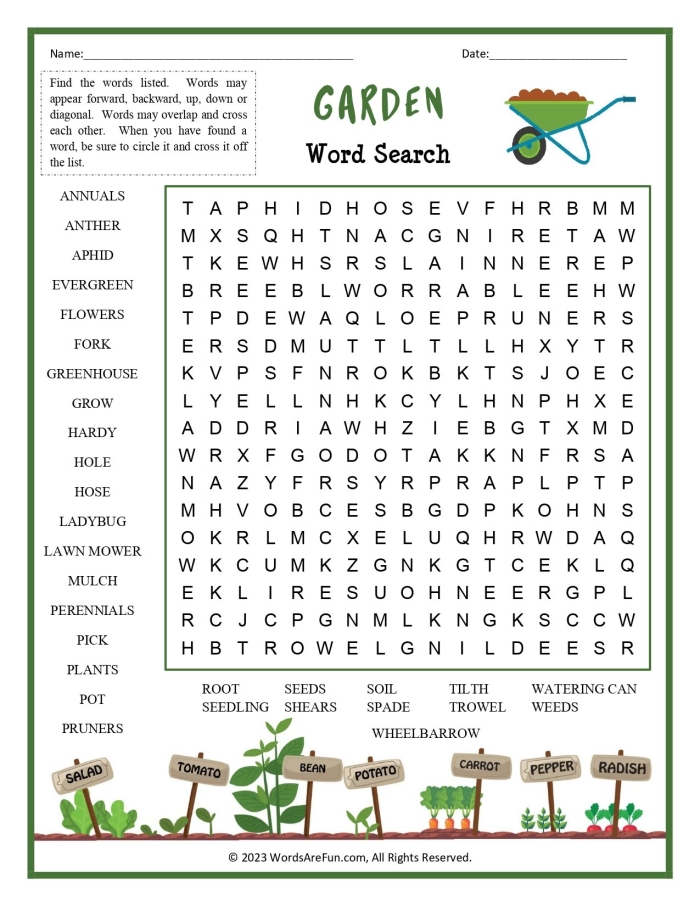
Word searches fit naturally into a broader learning strategy. You might pair a garden-themed word search with lessons on plant growth, or connect it to activities like those found in food word search exercises that explore where our meals come from. These connections help students see spelling as something relevant to their world, not isolated from it.
The multiplication skills that second graders develop benefit from the same game-like approach. While word searches focus on spelling, similar puzzle formats can reinforce math concepts. Activities that blend different subjects, like reading comprehension combined with mixed operations, show students how learning areas connect.
What makes word searches particularly effective is that they require minimal setup and work equally well for independent practice or group activities. Students can work at their own pace, and there’s no pressure to rush. The format also naturally differentiates itself, since harder words can be mixed with easier ones to challenge different learners within the same classroom.
Use These Worksheets Today