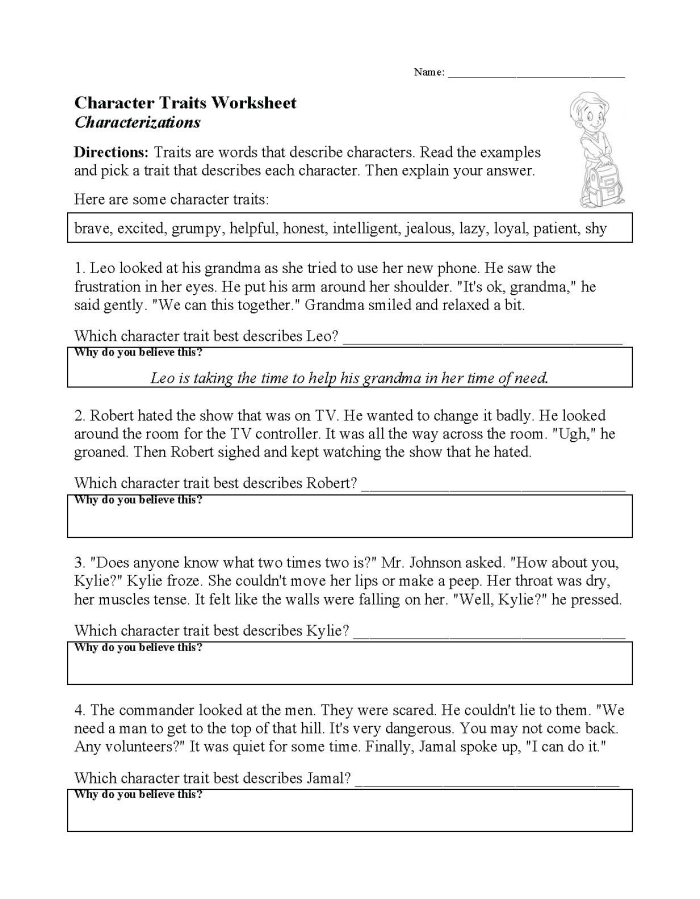
Teaching second graders to track how characters feel throughout a story is one of the most rewarding parts of early literacy instruction. When students can follow emotional shifts, they begin to understand motivation, cause and effect, and the deeper layers of storytelling.
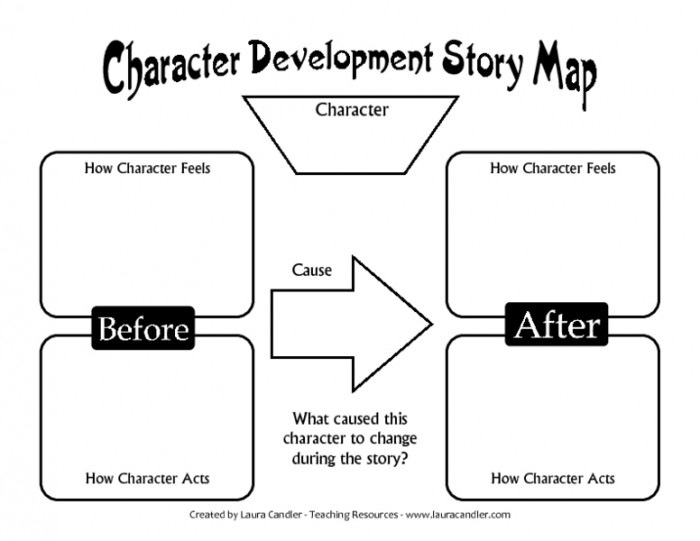
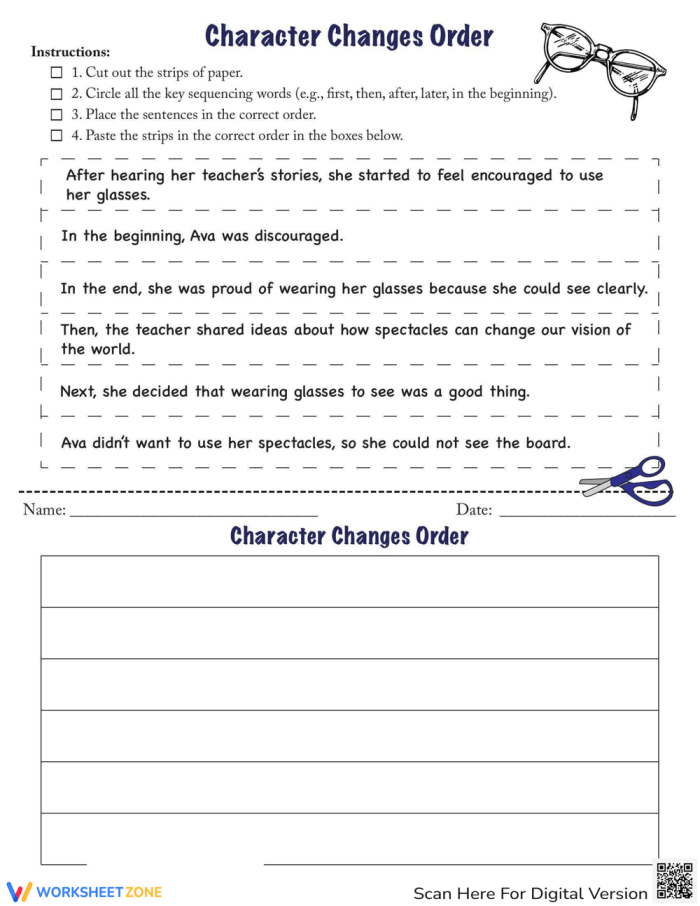
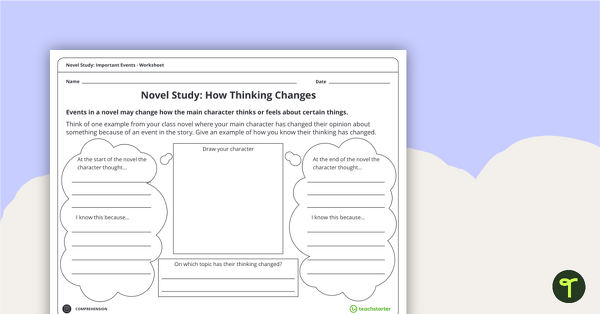
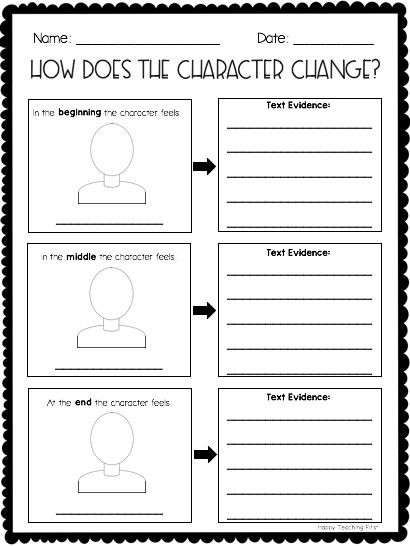
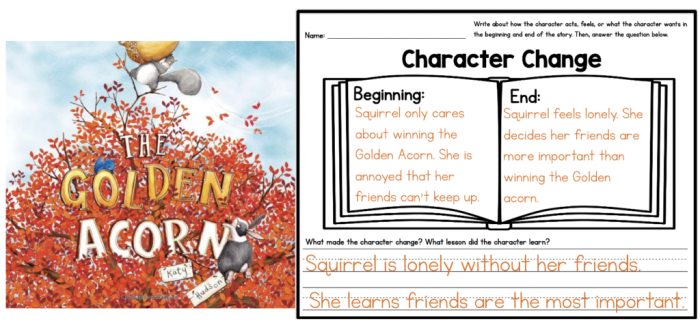
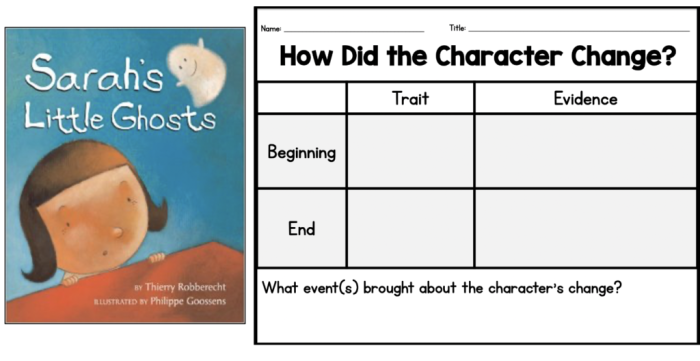
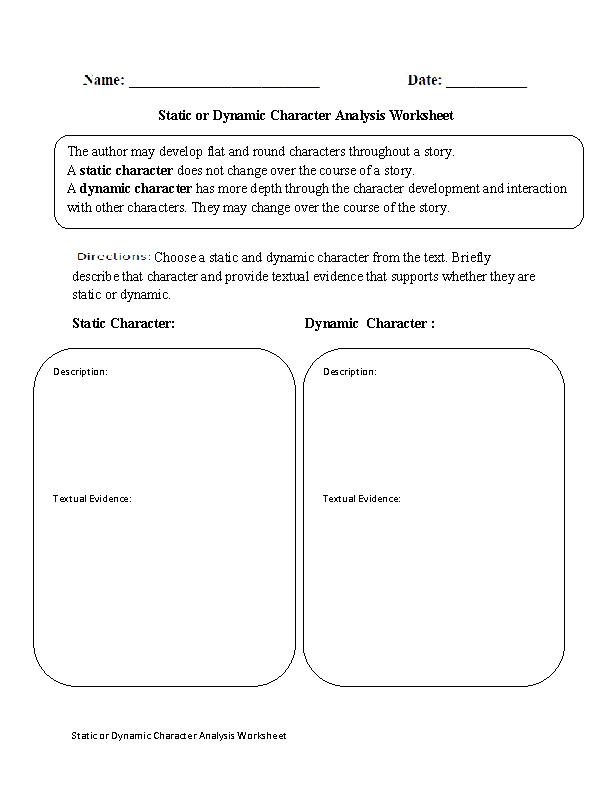
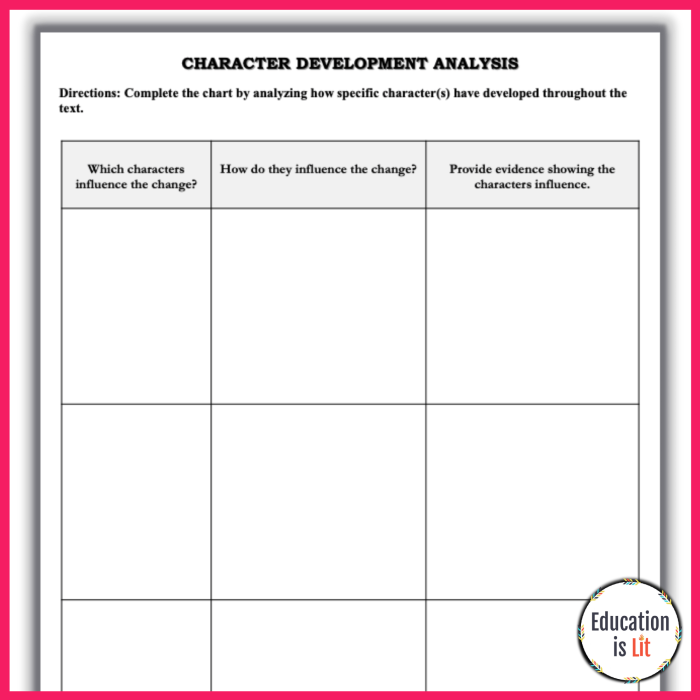
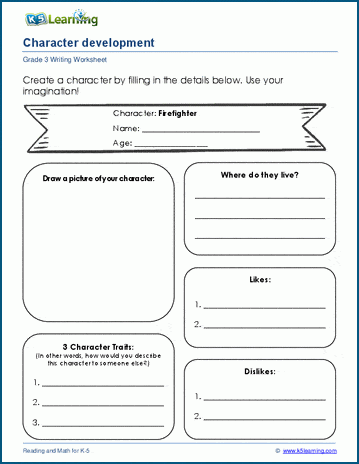
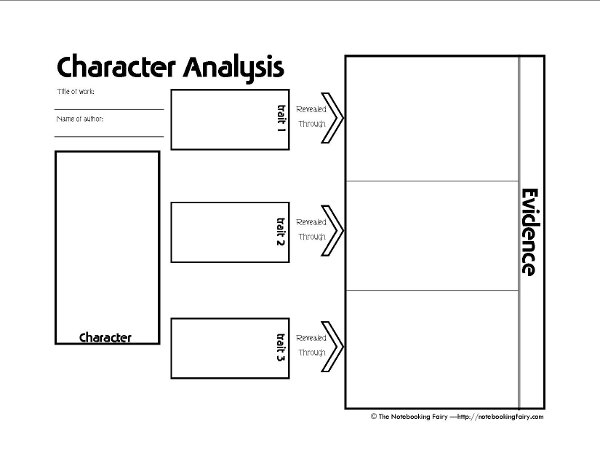
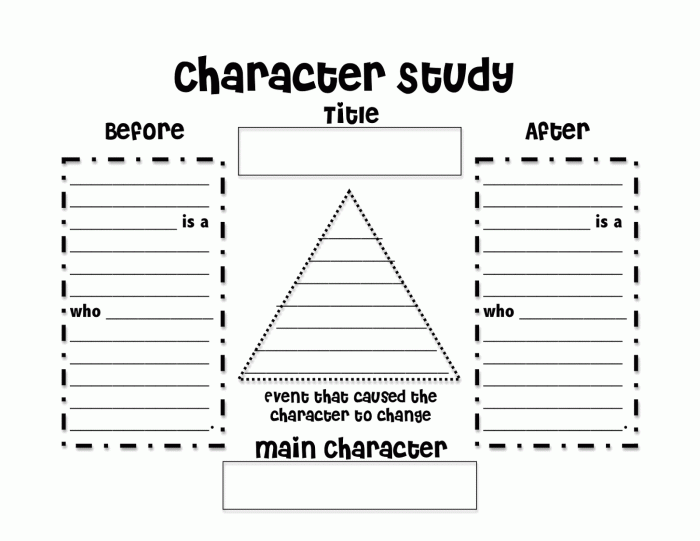
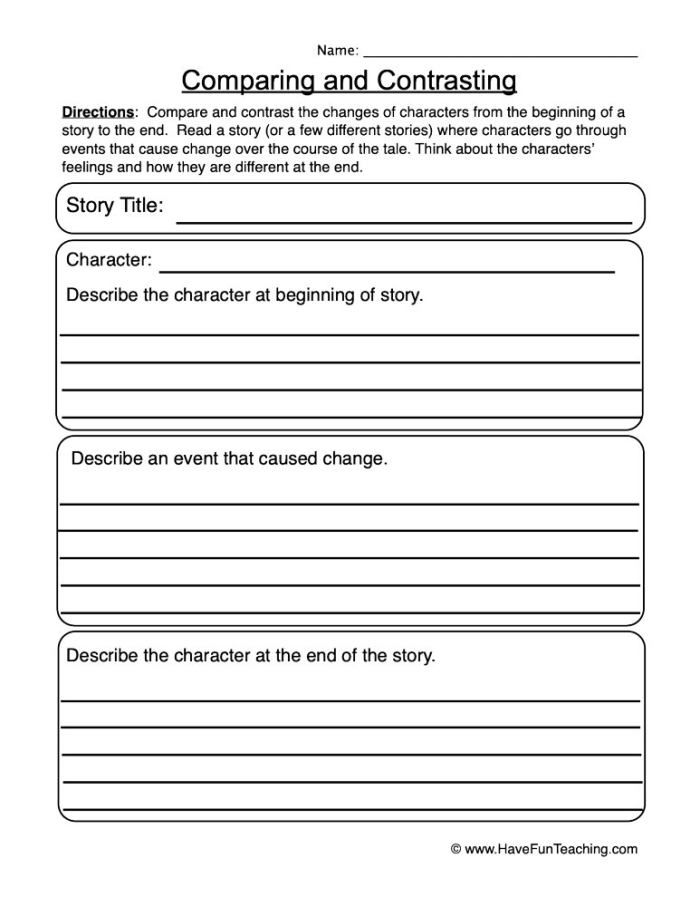
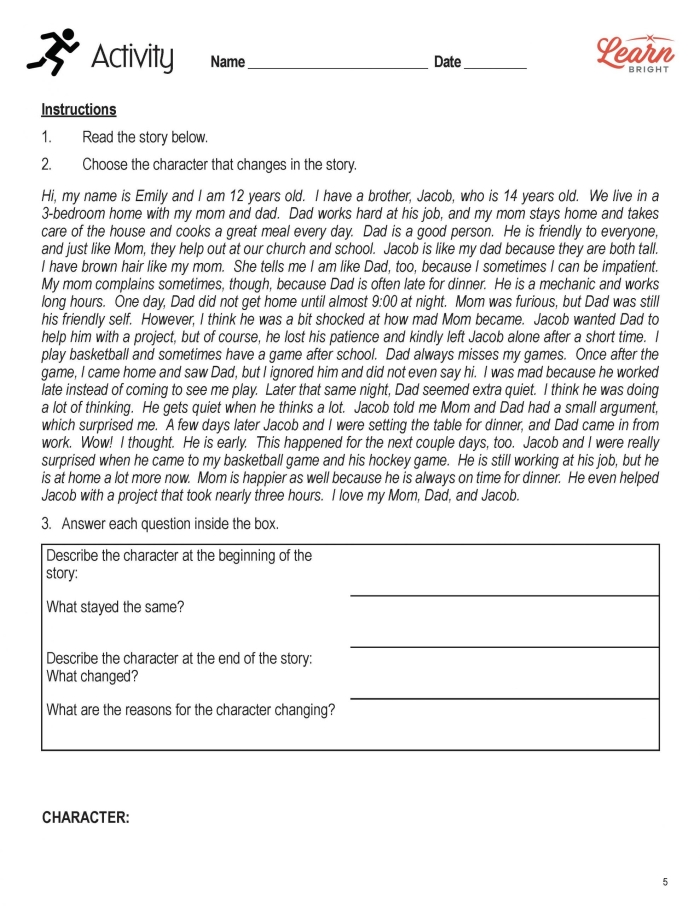
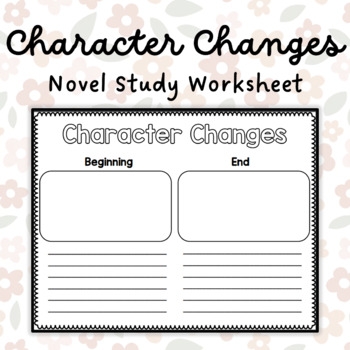
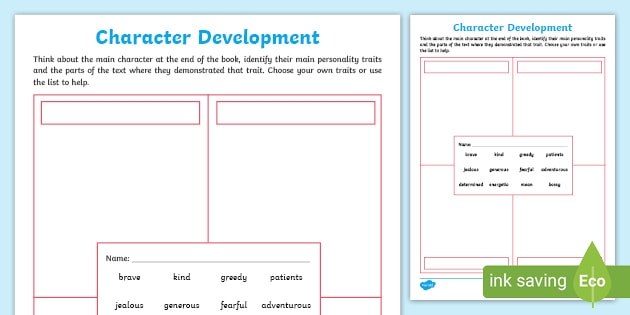
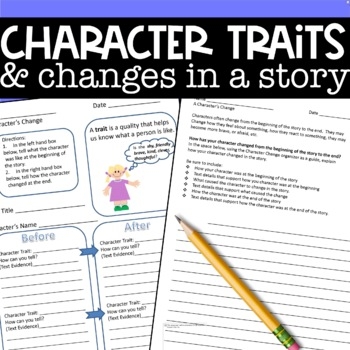
A character changes order worksheet gives students a structured way to practice this skill. The core idea is simple: students read a short story or passage, identify key moments where the character’s feelings shift, and arrange those moments in sequence. The real power comes when you add transition words into the mix.
Transition words like “first,” “then,” “next,” and “finally” help young readers organize their thinking. When a character starts out scared, becomes curious, and ends up brave, those transition words create a clear pathway through the emotional journey. Second graders benefit from seeing these words in action because they’re still building their ability to track multiple ideas at once.
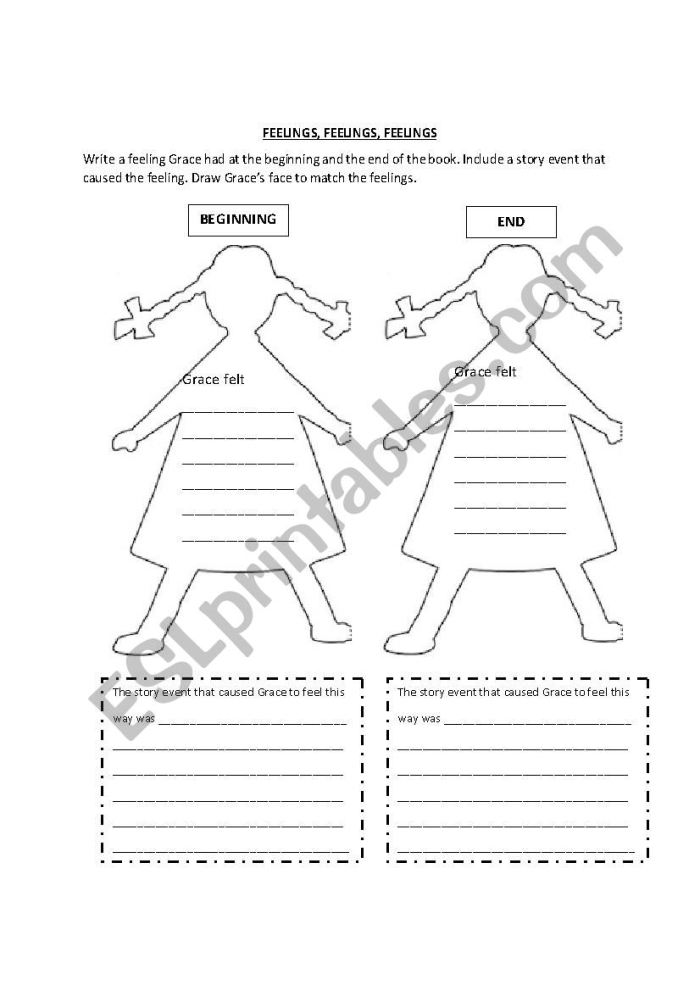
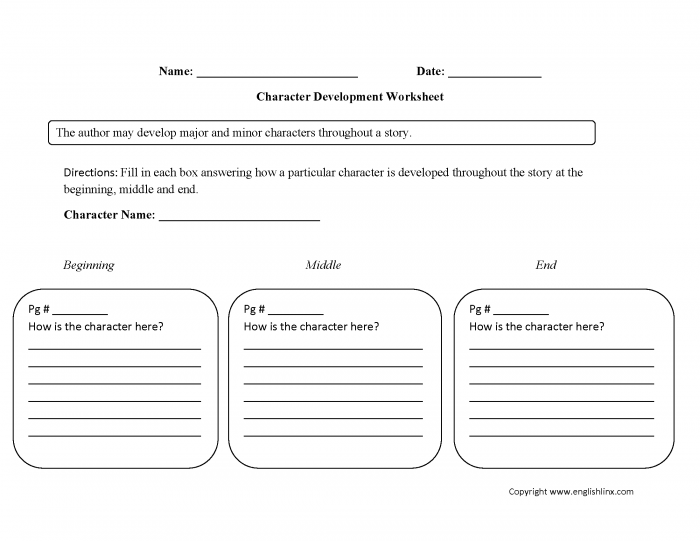
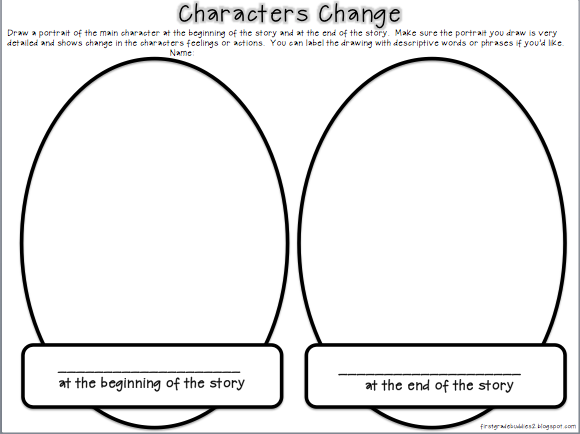
The worksheet format keeps things manageable. Students might draw or write about how a character felt at different points in the story, using transition words to connect each feeling to the next. This reinforces both vocabulary and comprehension skills simultaneously. It’s the kind of activity that works well alongside other literacy practice, whether you’re also working on word endings or sight words.
What makes this approach effective is that it moves beyond simple comprehension. Students aren’t just answering “what happened?” They’re analyzing the emotional arc, which requires deeper thinking. They’re also practicing how to communicate that analysis using proper sequencing language.
For second grade students, this kind of structured practice with character emotions and transition words builds a foundation for more complex reading analysis in later grades. It teaches them to notice not just events, but how those events change how characters feel.
Grab These Worksheets Now