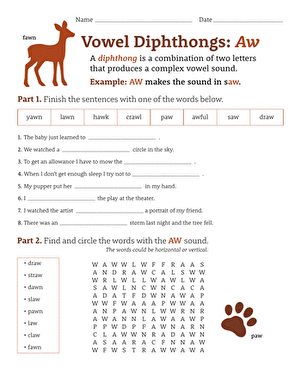
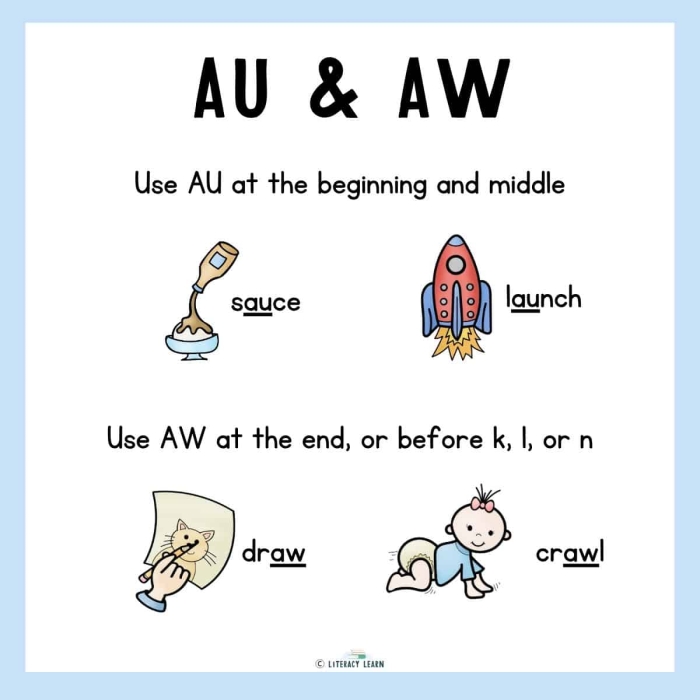
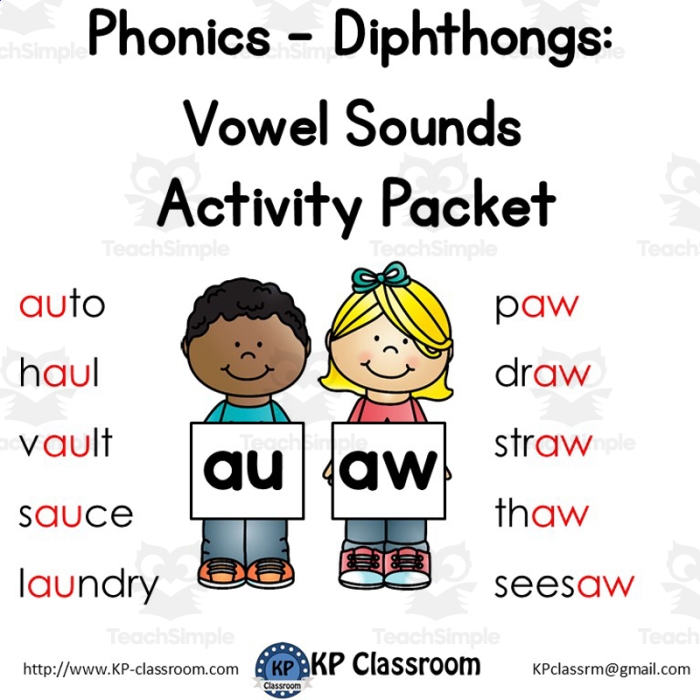
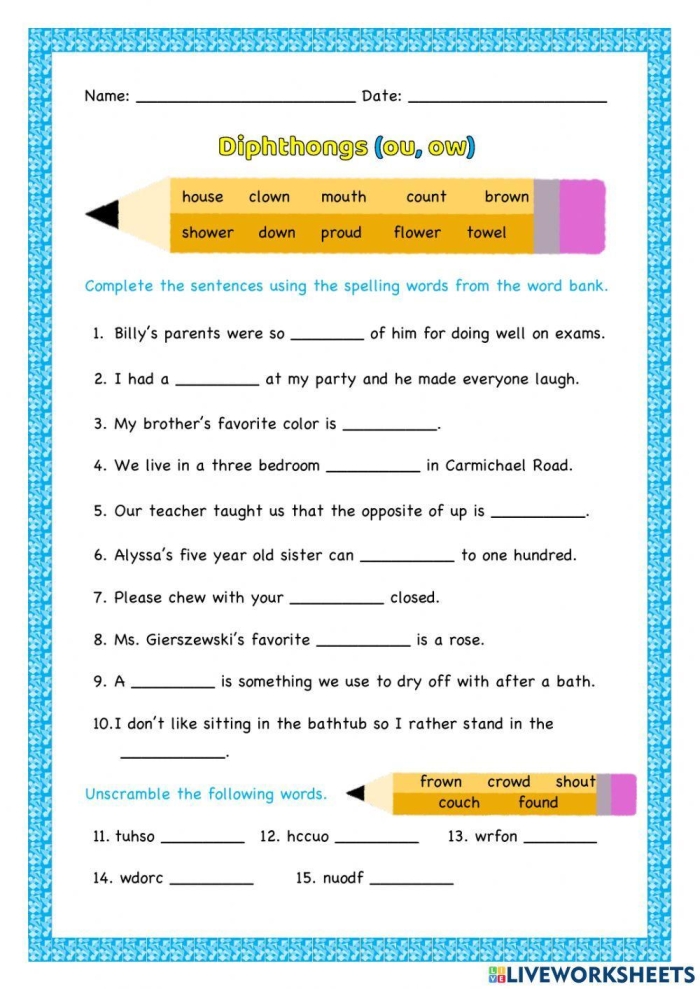
The AW diphthong trips up many first grade readers because it sounds nothing like its individual letters suggest. When A and W combine, they create a single vowel sound that appears in common words like paw, dawn, draw, and lawn. Without direct instruction, children often stumble over these words or mispronounce them entirely.
A focused worksheet targeting this specific sound pattern helps children recognize and internalize the connection between the letter combination and its pronunciation. First grade reading instruction benefits from isolating one diphthong at a time rather than overwhelming students with multiple vowel patterns simultaneously. When children work through exercises that highlight AW words, they begin to spot the pattern in texts they encounter independently.
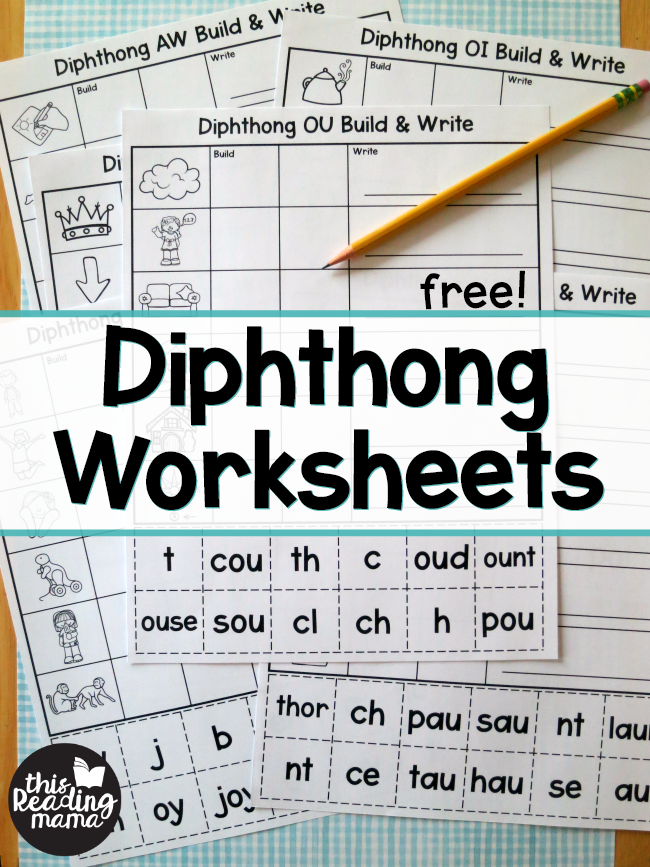
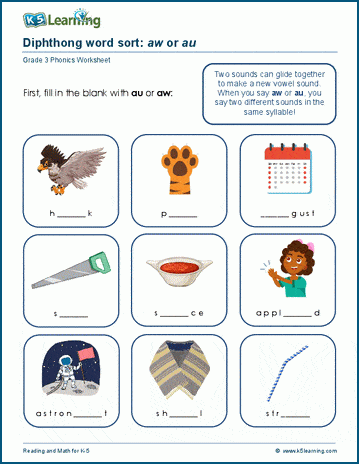
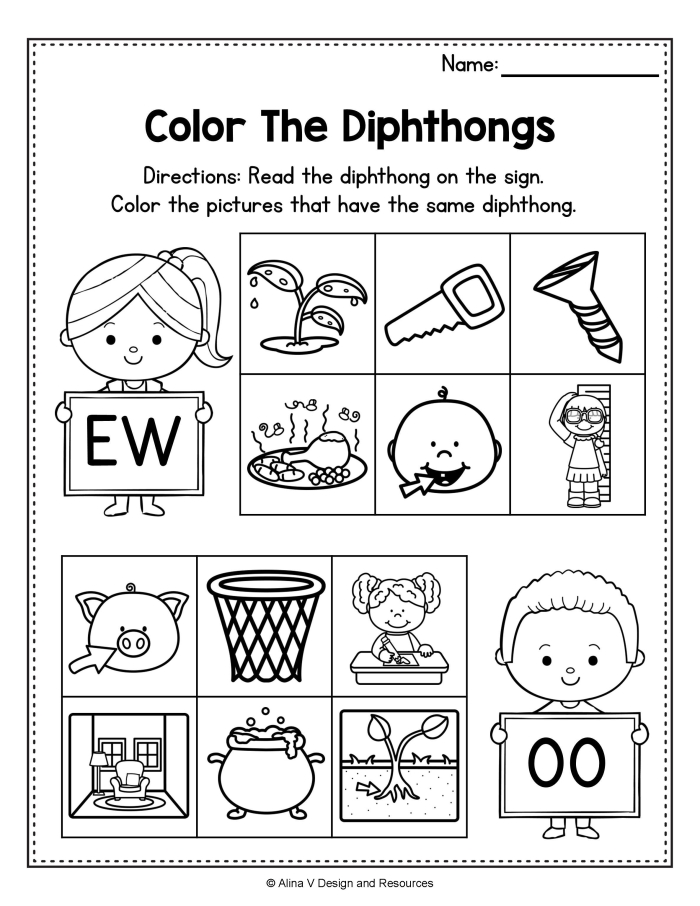
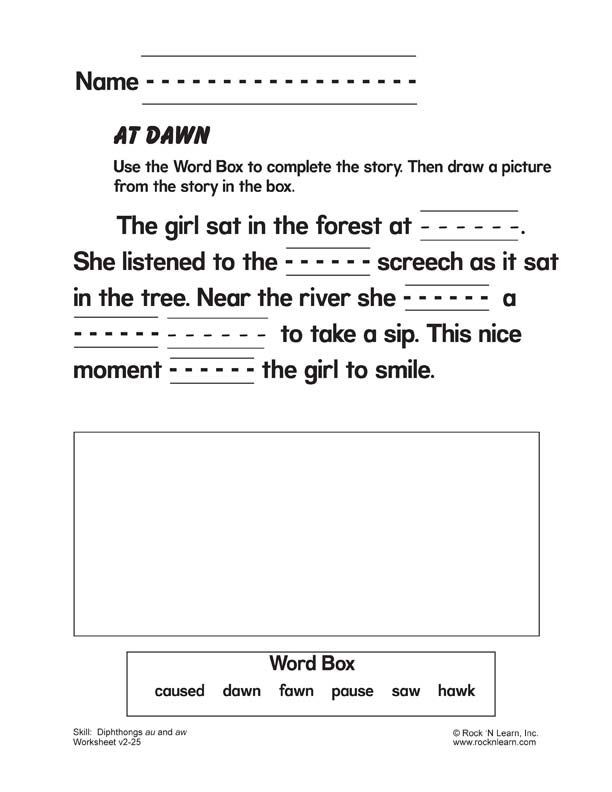
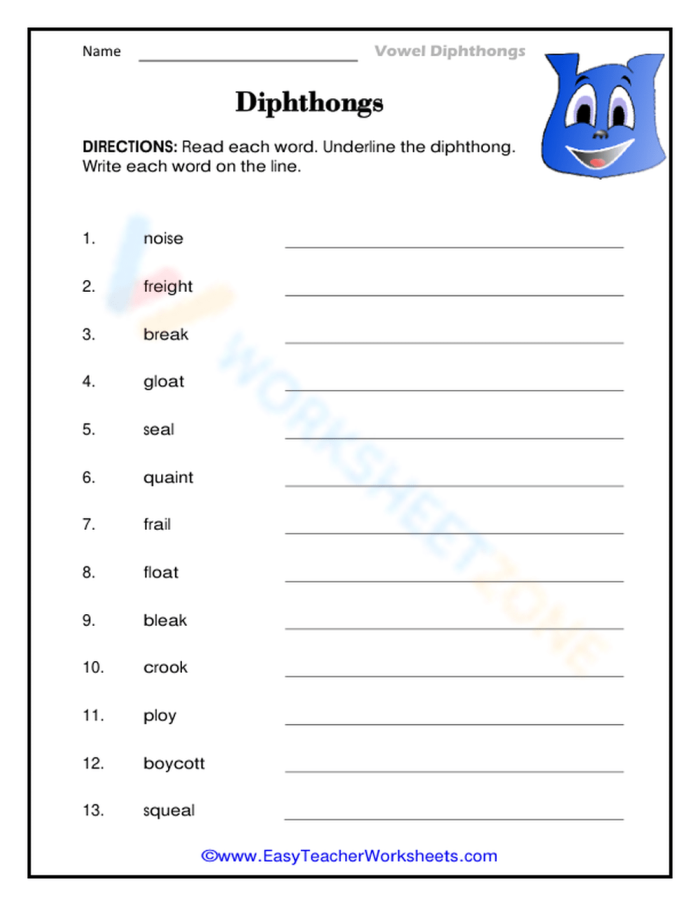
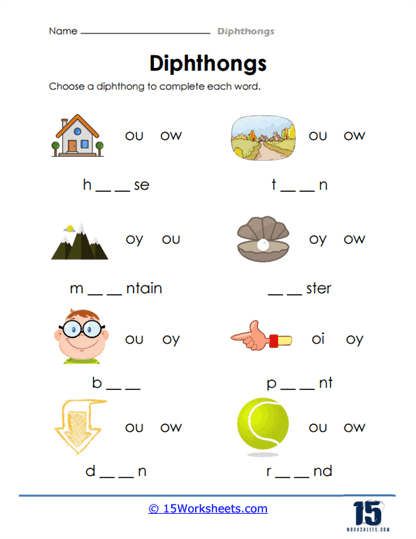
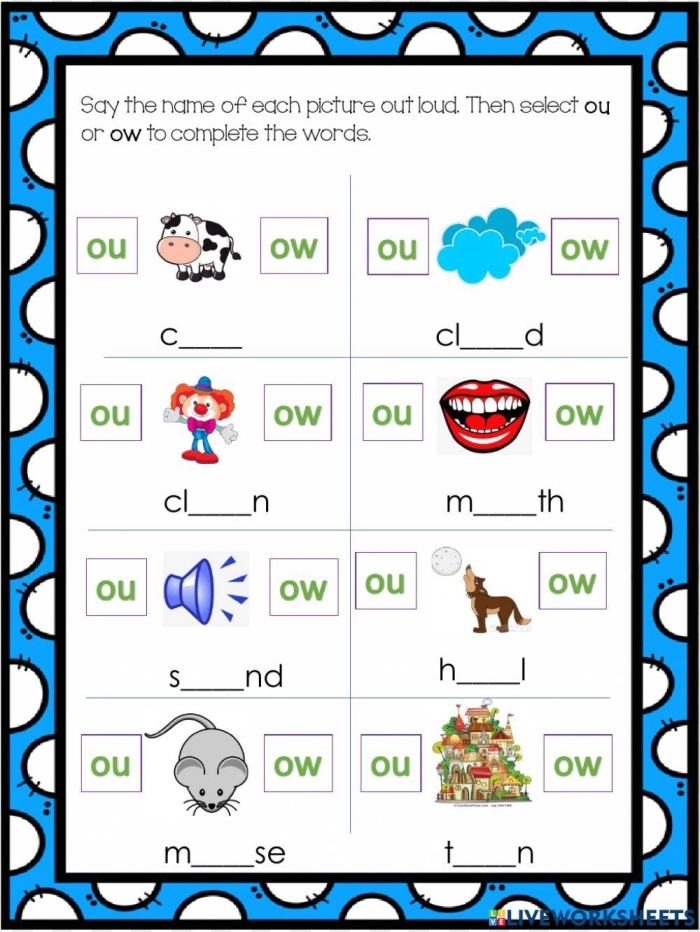
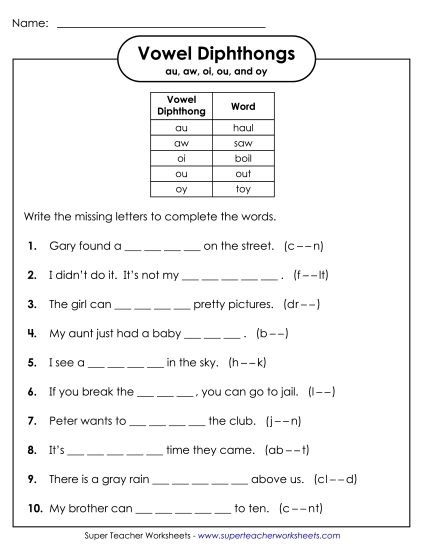
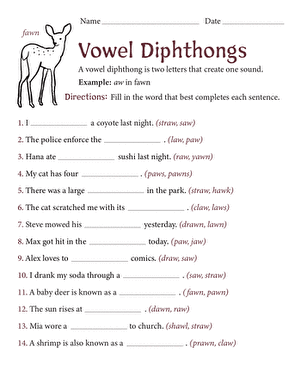
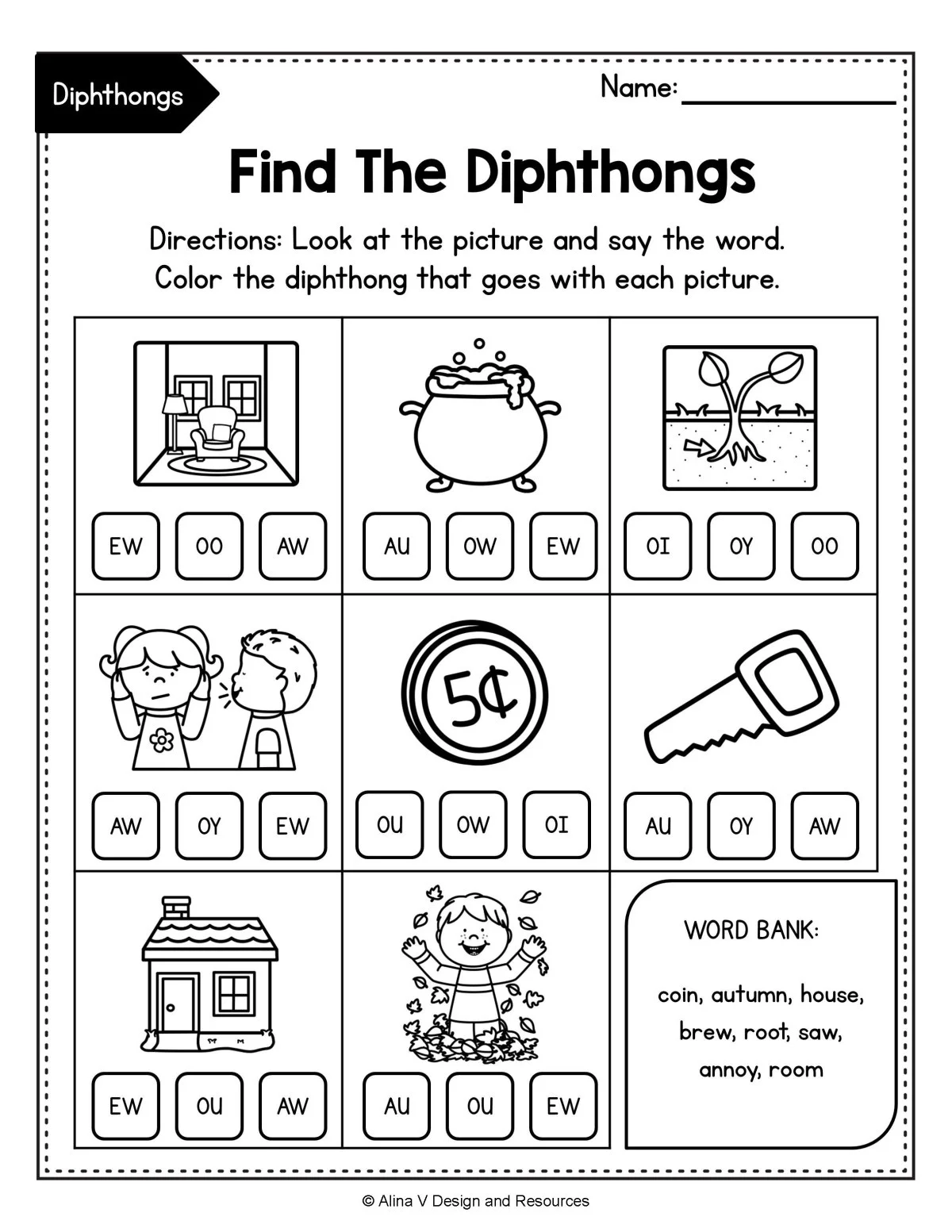
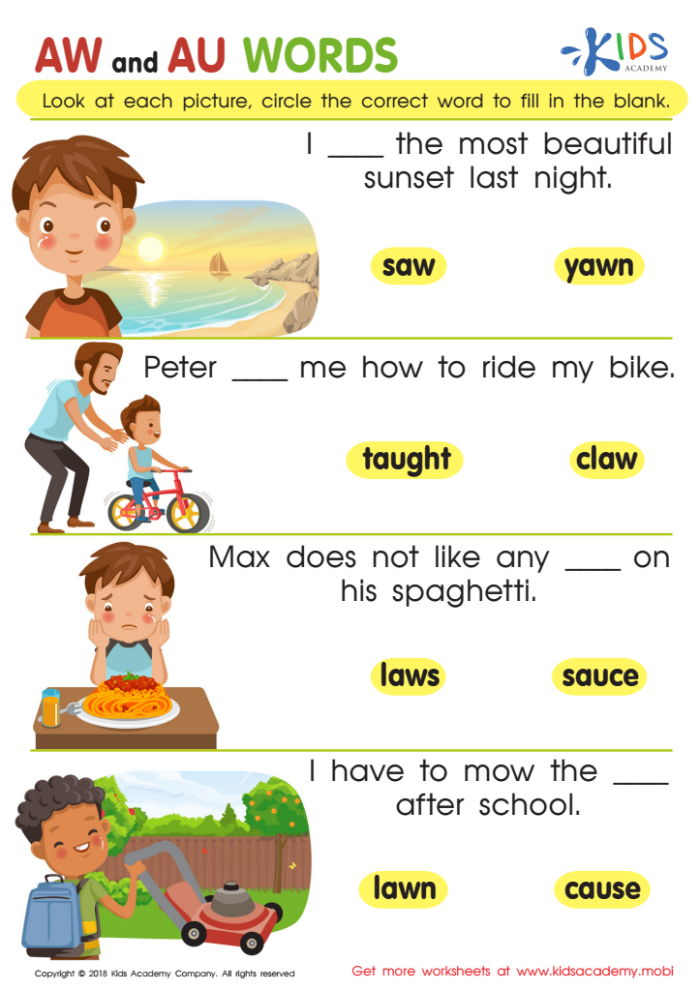
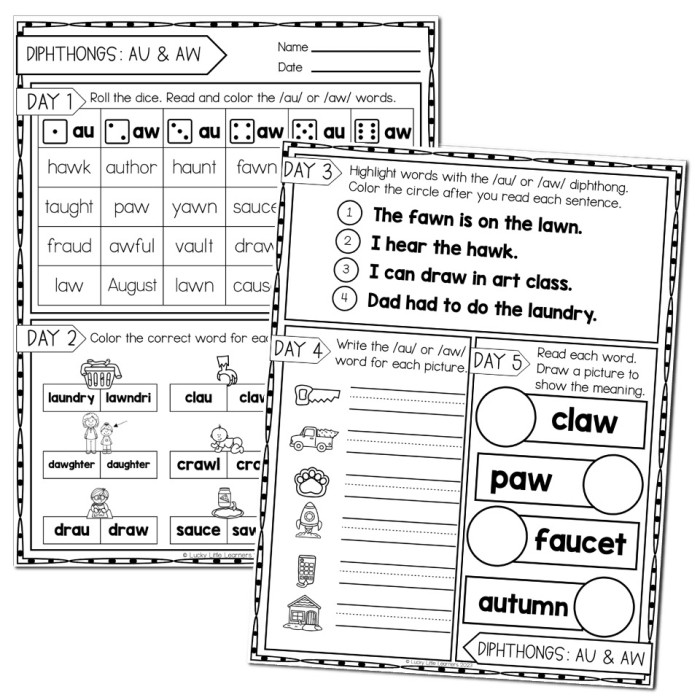
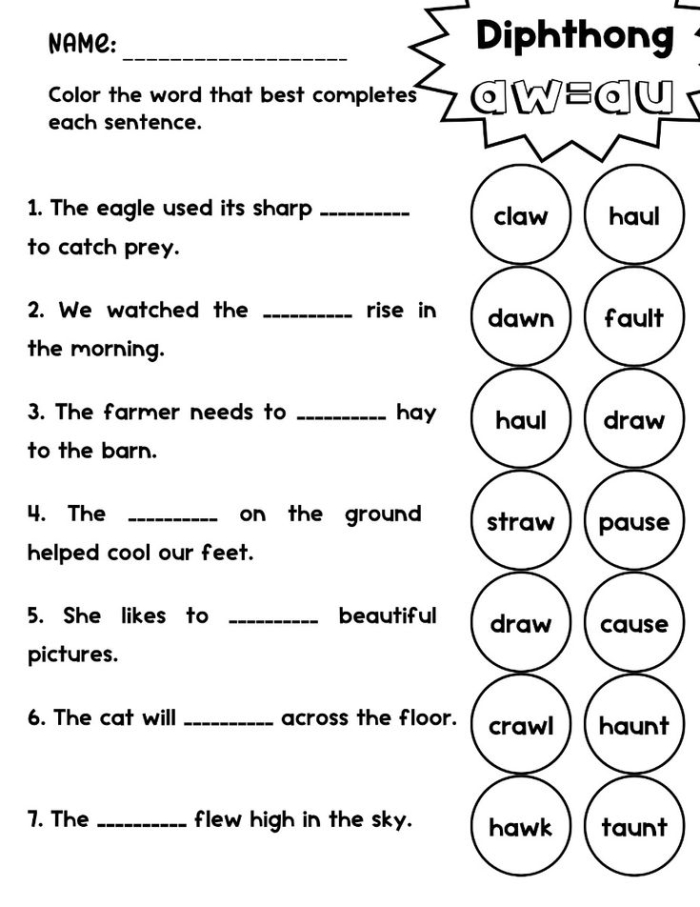
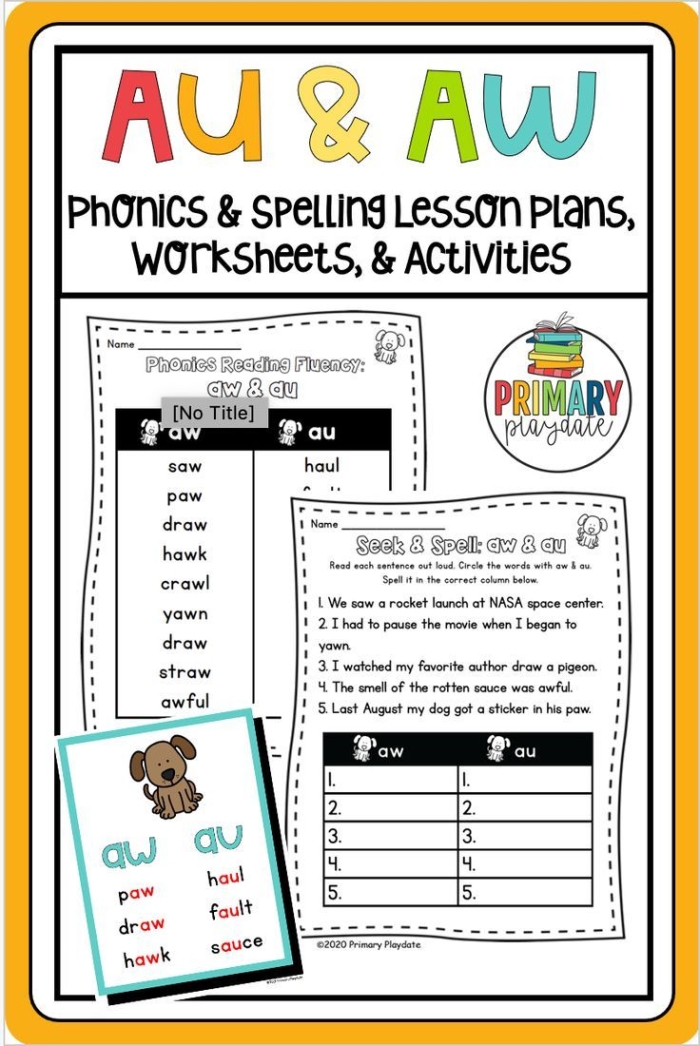
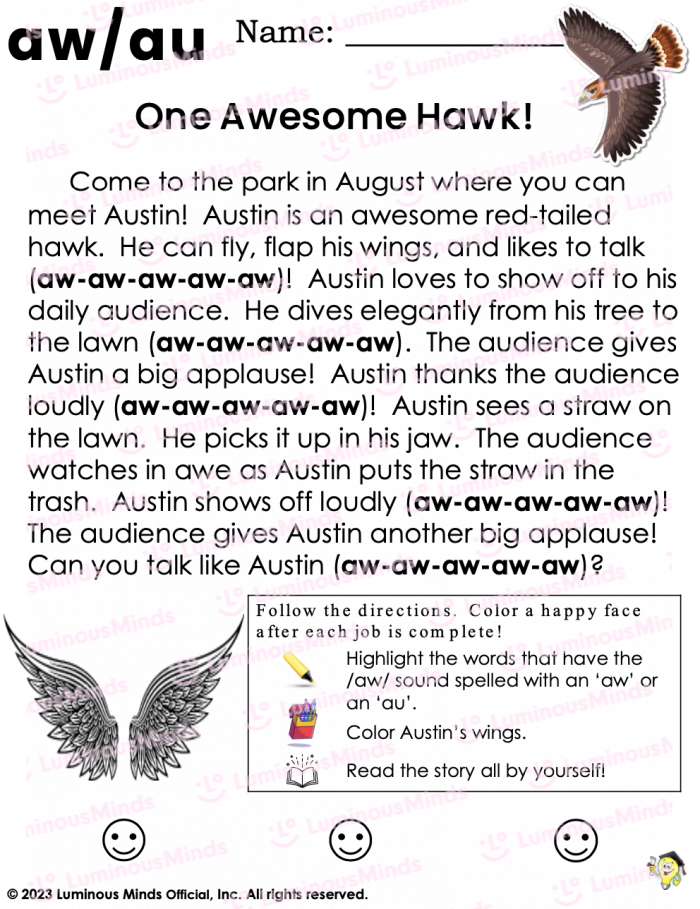
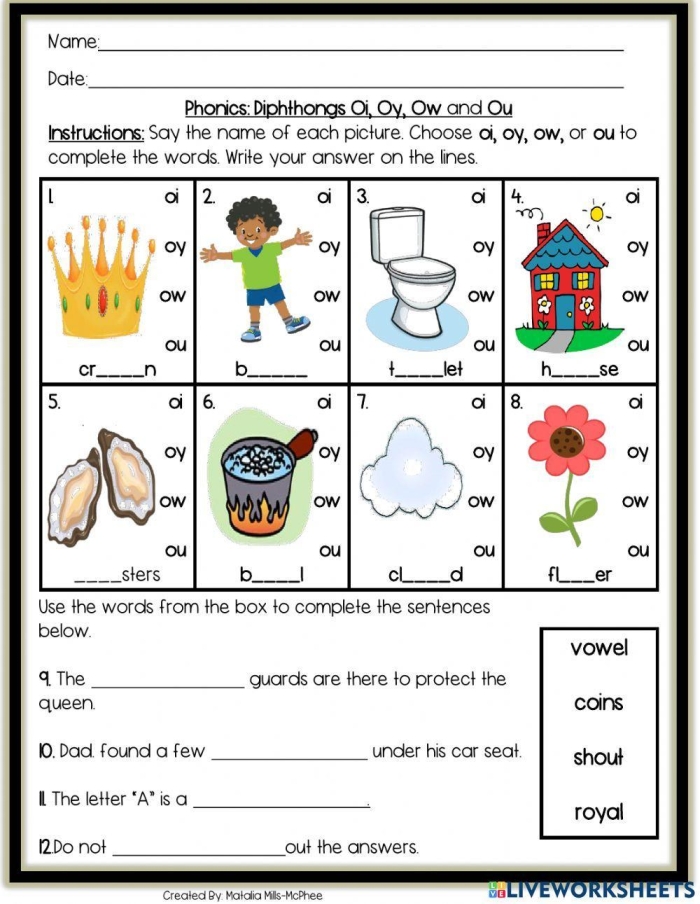
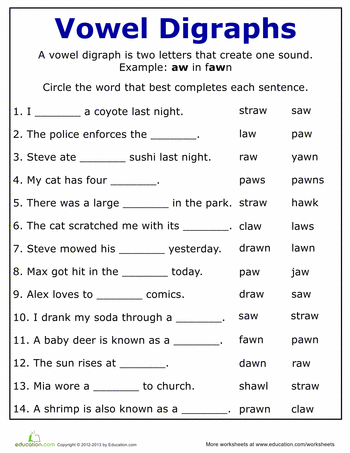
These worksheets typically combine phonics work with spelling practice. Students might identify AW words in sentences, match pictures to words containing the diphthong, or fill in missing letters where the AW sound belongs. The vocabulary-building component matters because exposure to real words anchors the sound in context. Children learn that claw and saw follow the same pattern, which strengthens their ability to decode unfamiliar words using the same combination.
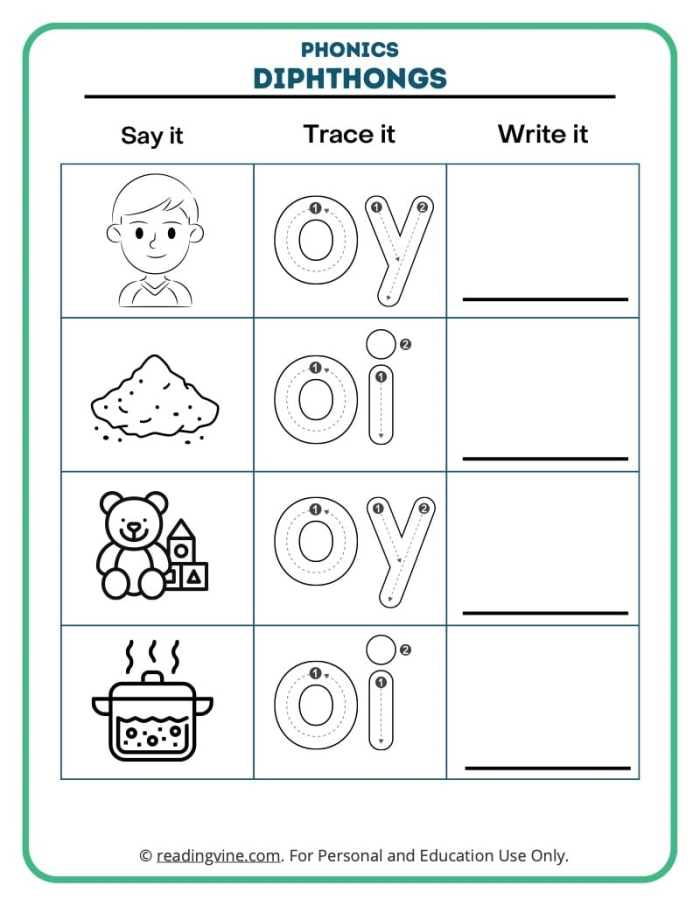
The multi-sensory approach works well for this age group. When children simultaneously see the letter pair, hear the sound, and write or trace the letters, they create stronger neural pathways for recall. This is particularly helpful for students who struggle with phonics instruction delivered through reading lessons alone.
Pairing AW instruction with other first grade reading activities creates reinforcement. For instance, after completing an AW worksheet, children might practice with shape patterns reading materials that incorporate newly learned words, or explore narrative-based worksheets where AW words appear naturally in context. This layered approach builds confidence and automaticity with the diphthong.
Printable Worksheets for Practice