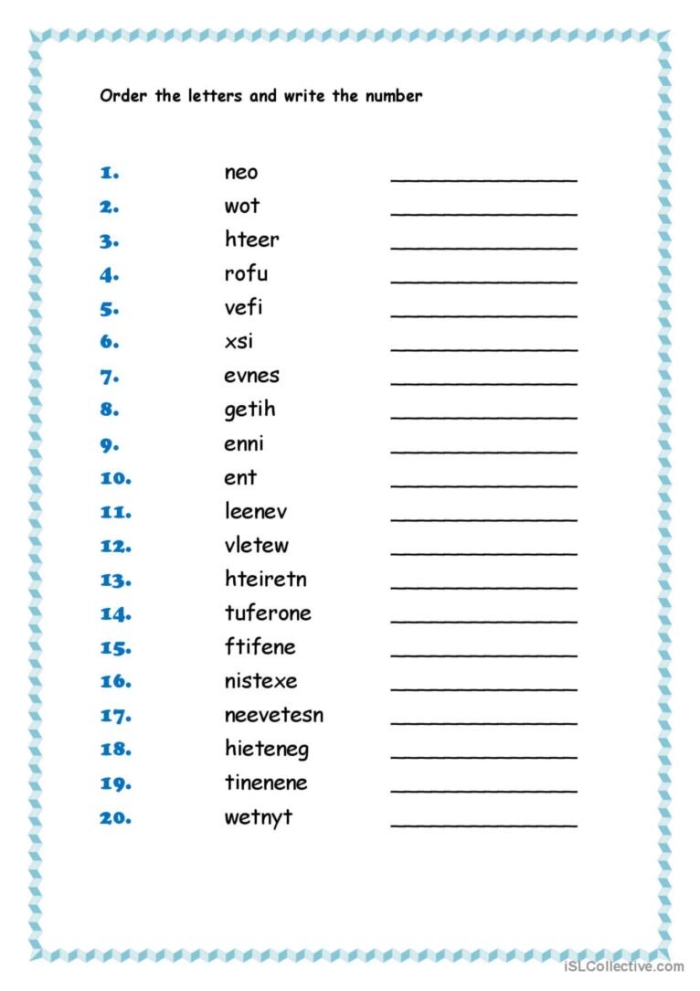
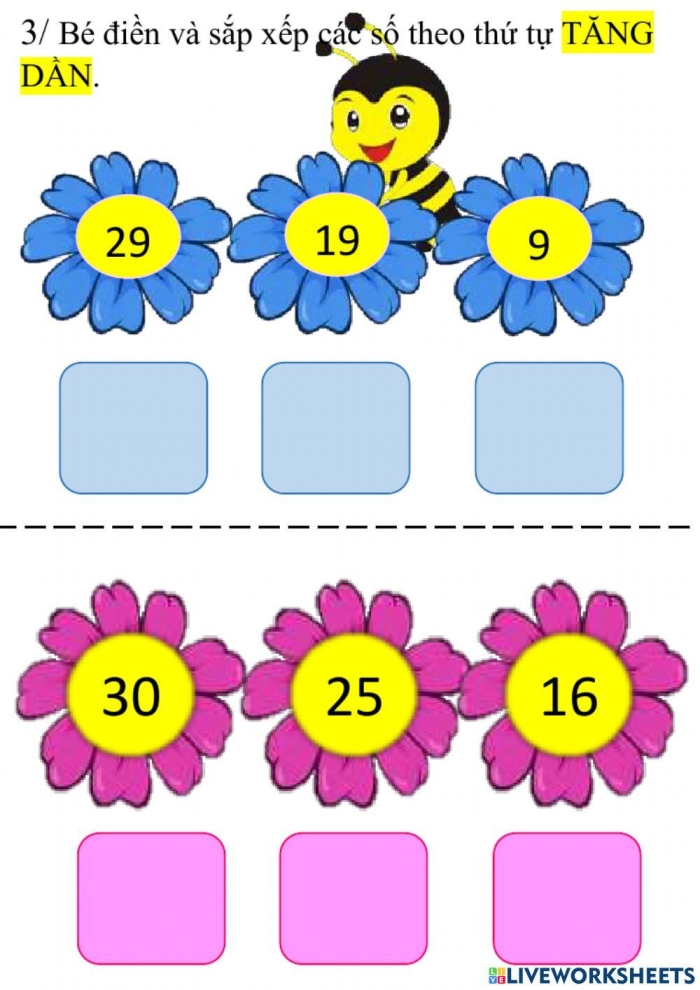
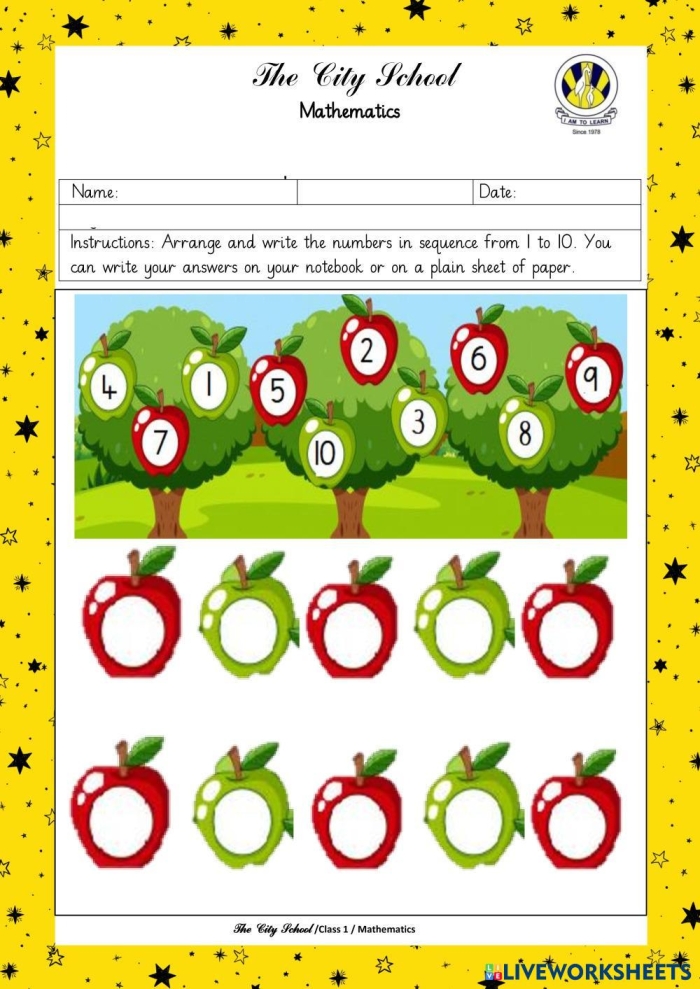
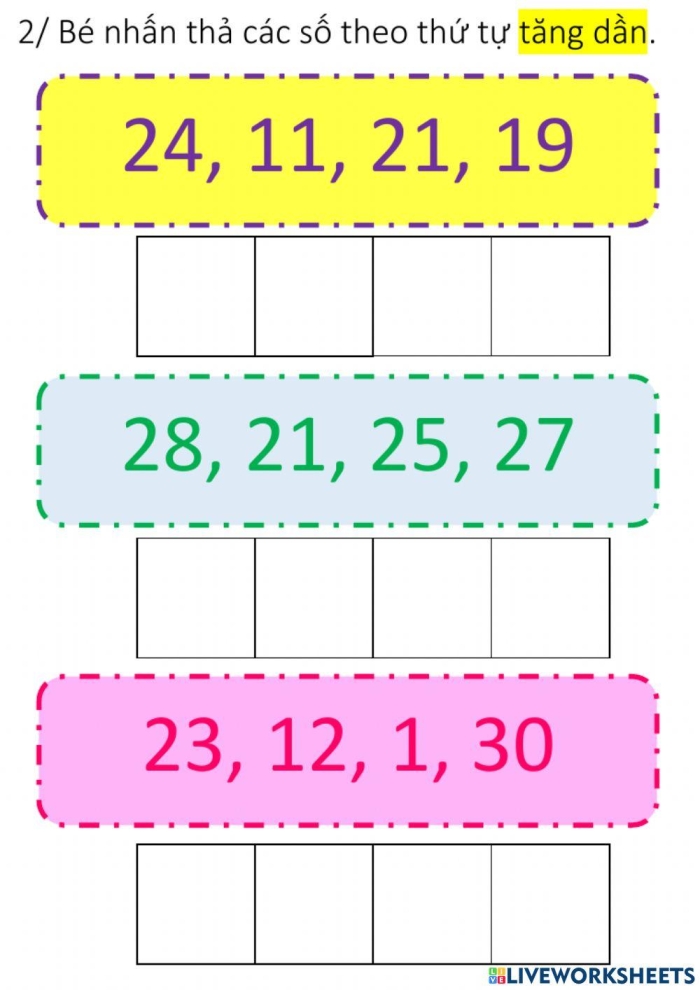
Sequencing numbers is one of those skills that looks simple on the surface but reveals a lot about a child’s number sense. When you ask a Pre-K student to arrange numbers in order, you’re testing whether they understand not just what numbers are, but how they relate to each other. This is where a good assessment becomes invaluable.
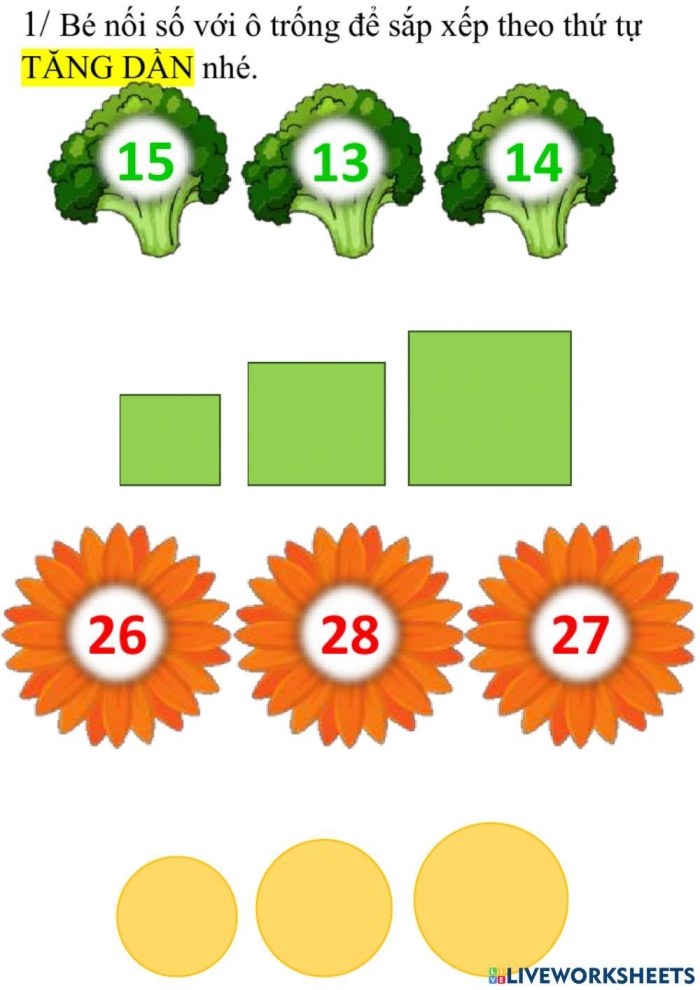
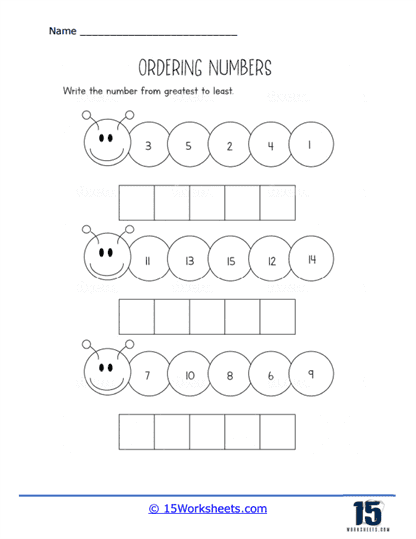
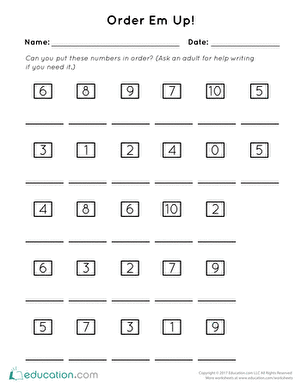
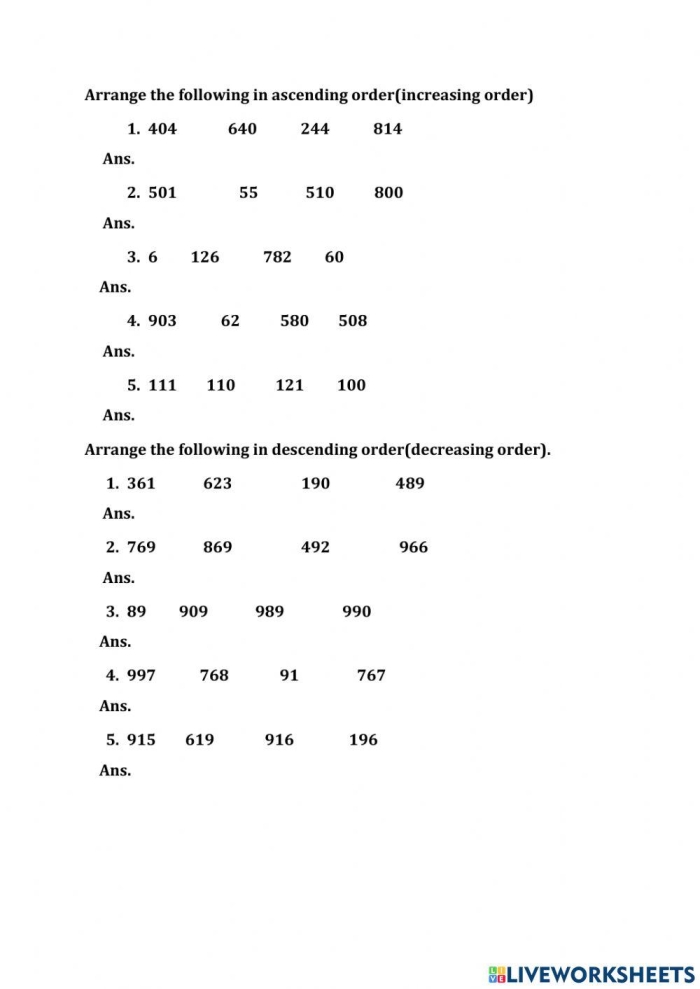
The ability to order numbers up to 10 is a foundational milestone in early math. Students need to recognize individual numerals, understand their values, and then mentally arrange them from smallest to largest (or vice versa). It’s a skill that bridges counting and true mathematical thinking. A child who can rote count to ten might still struggle when asked to order the numbers 3, 7, 1, and 5 because counting and sequencing use different parts of the brain.
When you give students this kind of assessment, you quickly discover who has internalized number relationships and who is just memorizing a sequence. Some children will confidently place numbers in order, while others will need to count on their fingers or refer back to a number line. Both responses give you useful information about where to focus instruction.
For Pre-K classrooms, worksheets that focus on number ordering work best when they’re paired with hands-on activities. You might combine traditional assessments with visual exercises that help students see patterns. Activities like observation skills with numbers help build the visual discrimination needed for ordering. Similarly, teddy bear counting exercises make the concept more concrete and engaging.
The real value of checking whether students can order numbers up to 10 is that it tells you exactly what comes next in their learning journey. Some students are ready to move toward addition and subtraction, while others need more time building confidence with number relationships. That’s what makes this assessment so practical.
Worksheet Practice Section