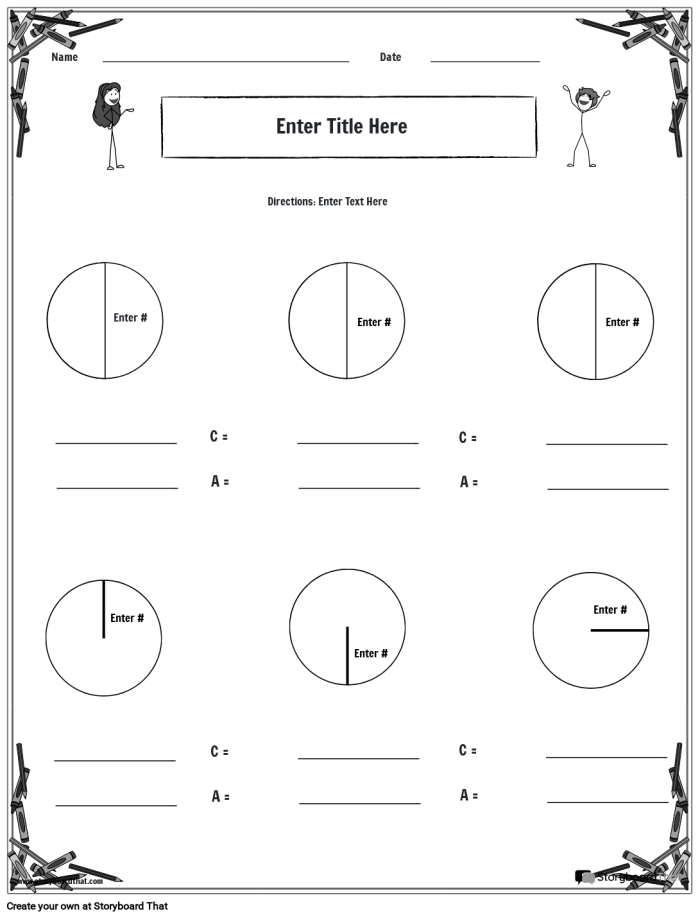
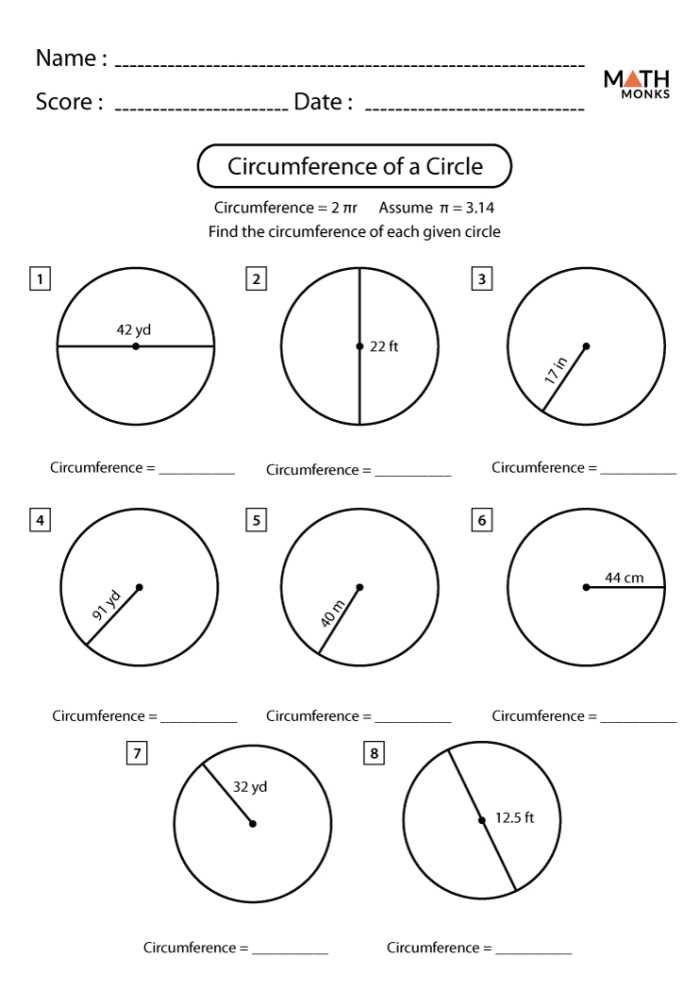
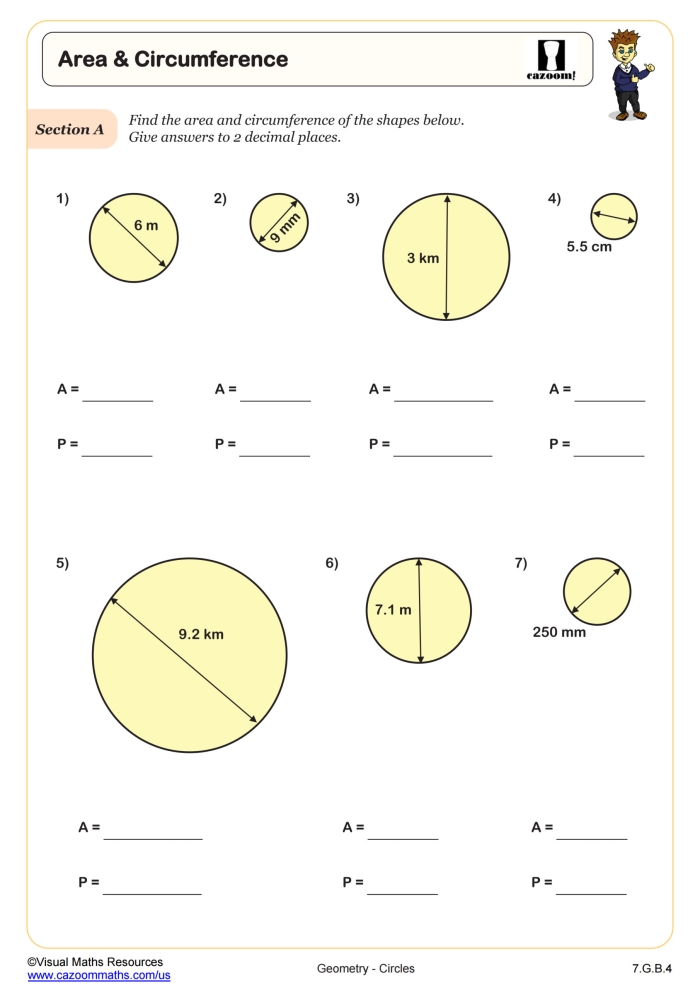
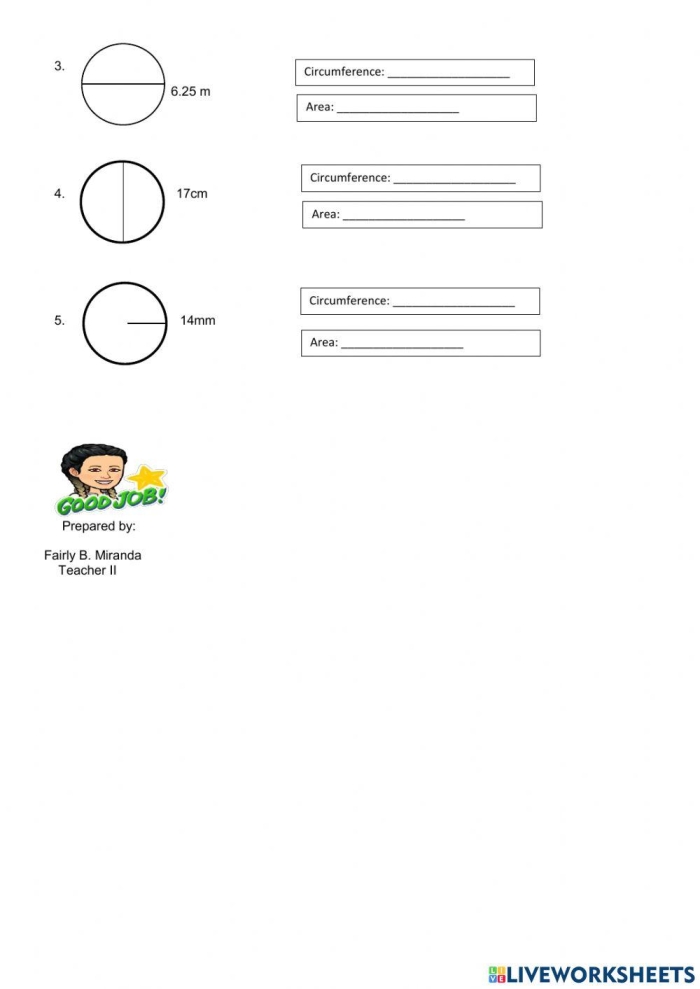
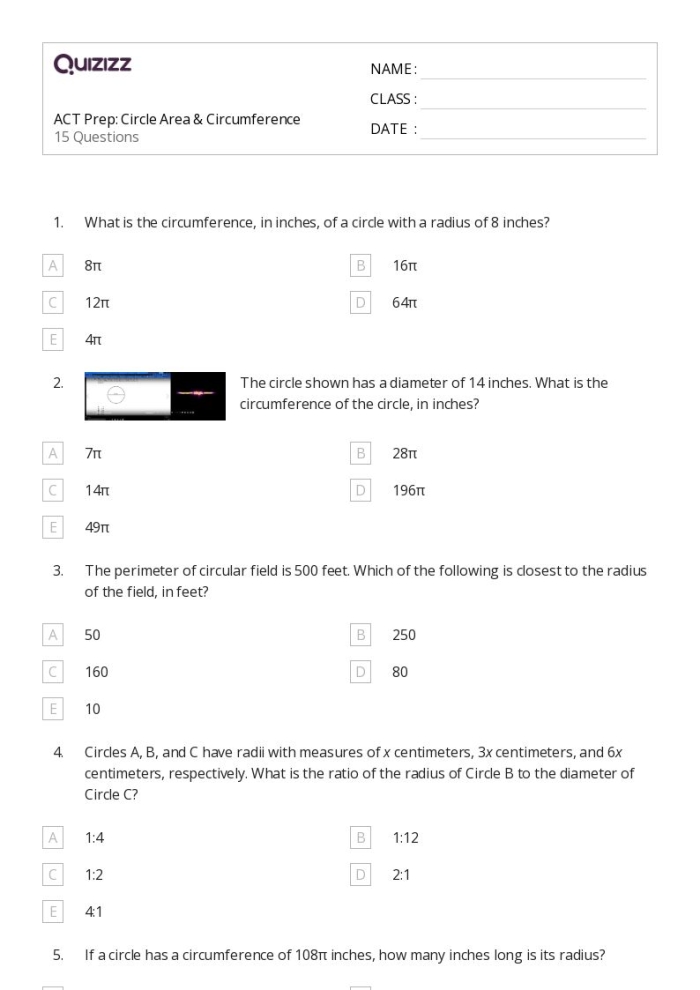
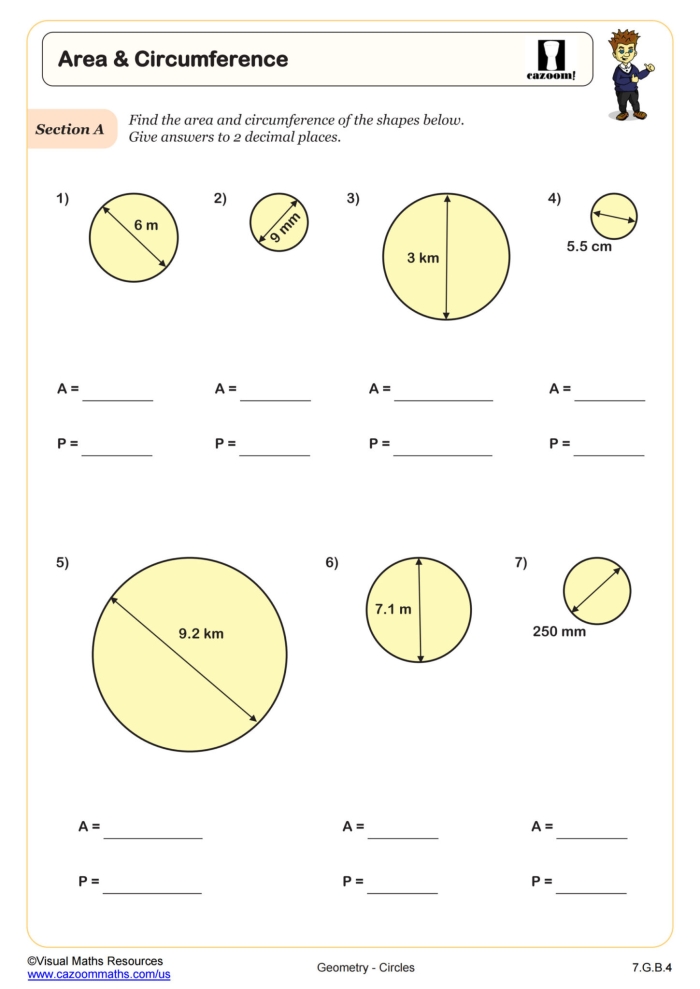
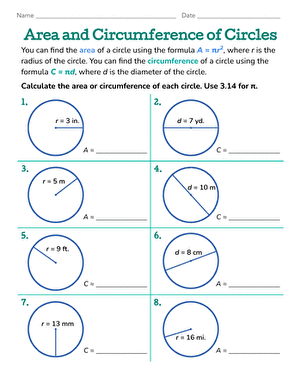
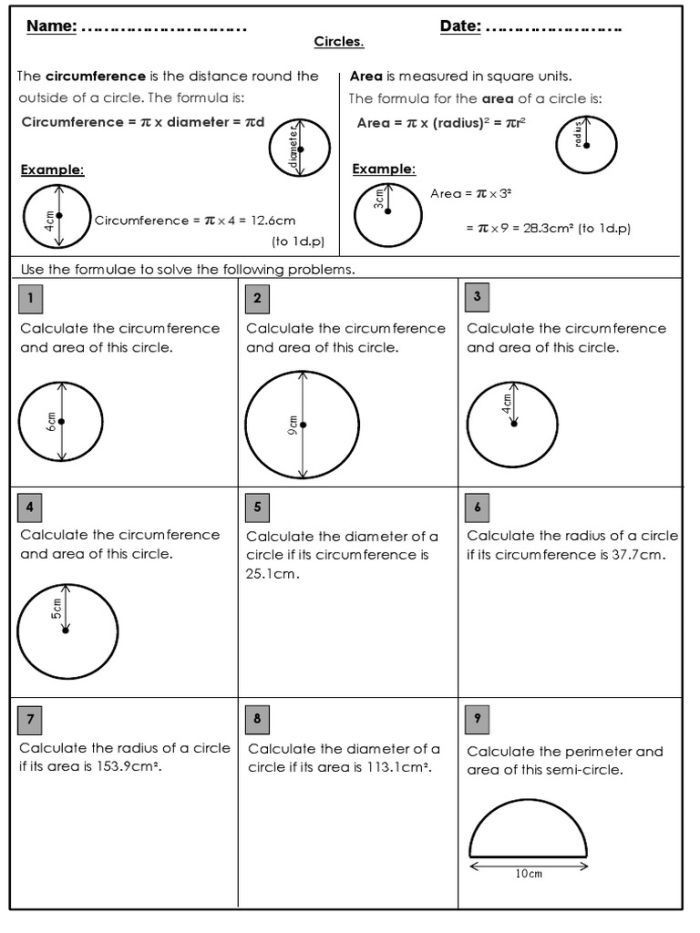
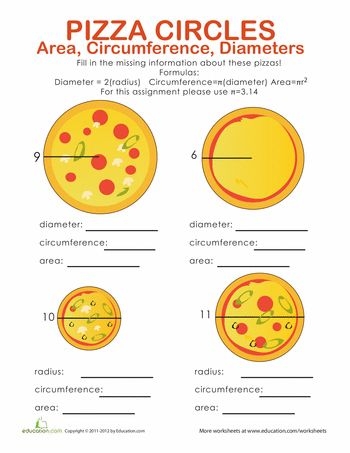
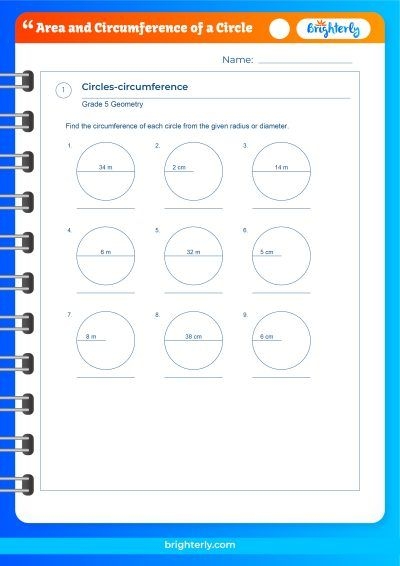
There’s something about pizza that makes students actually want to solve math problems. A pizza circle worksheet taps into that natural appeal by grounding abstract geometry concepts in something tangible and relatable. Instead of staring at generic circles on a worksheet, students see a pizza and suddenly radius, diameter, circumference, and area feel less like mysterious formulas and more like practical measurements they could actually use.
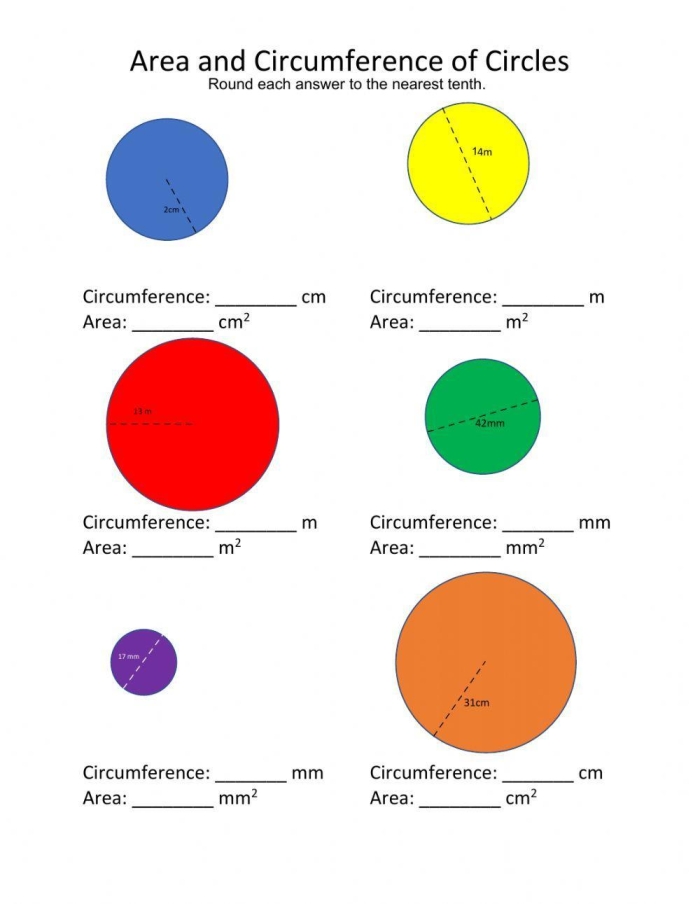
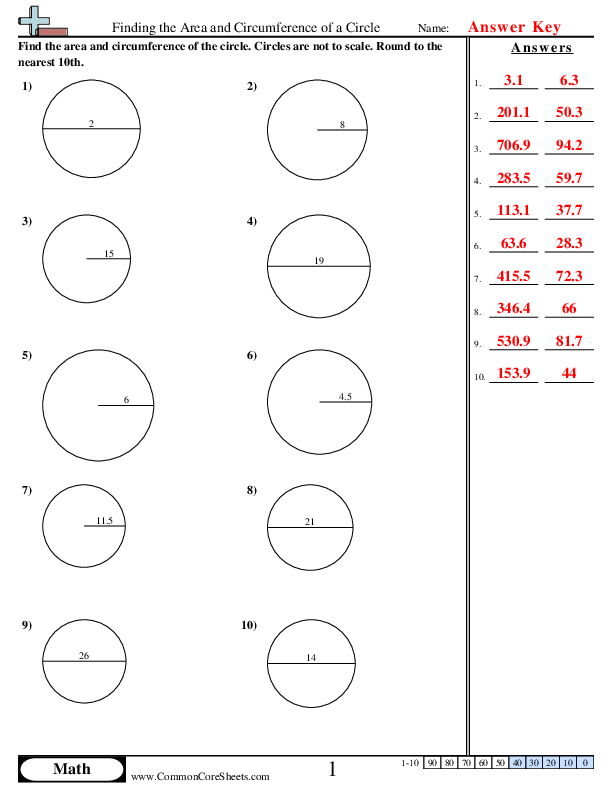
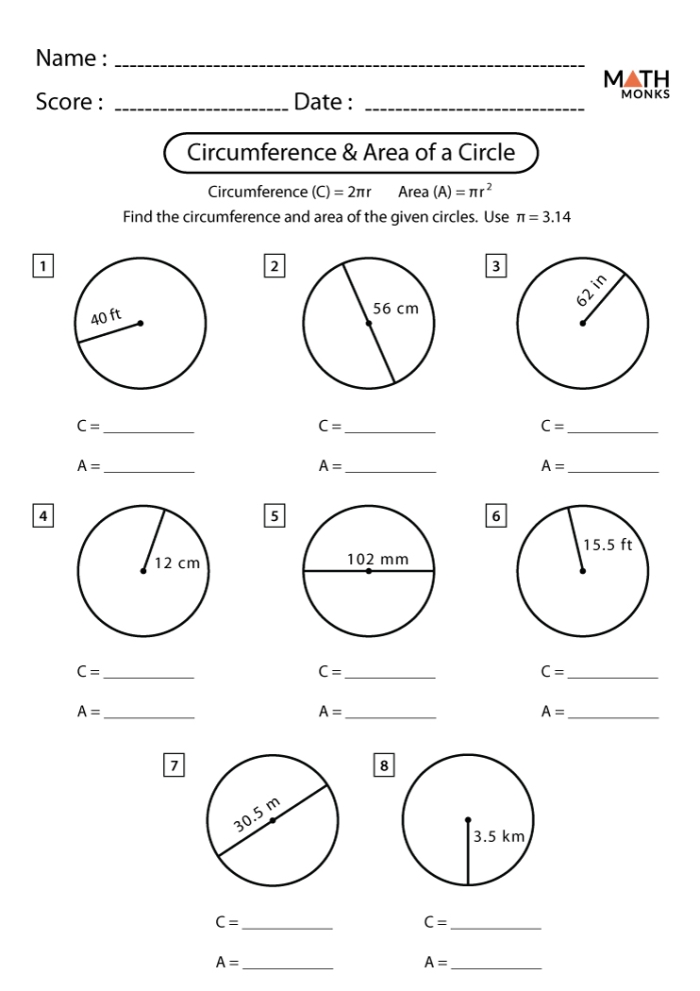
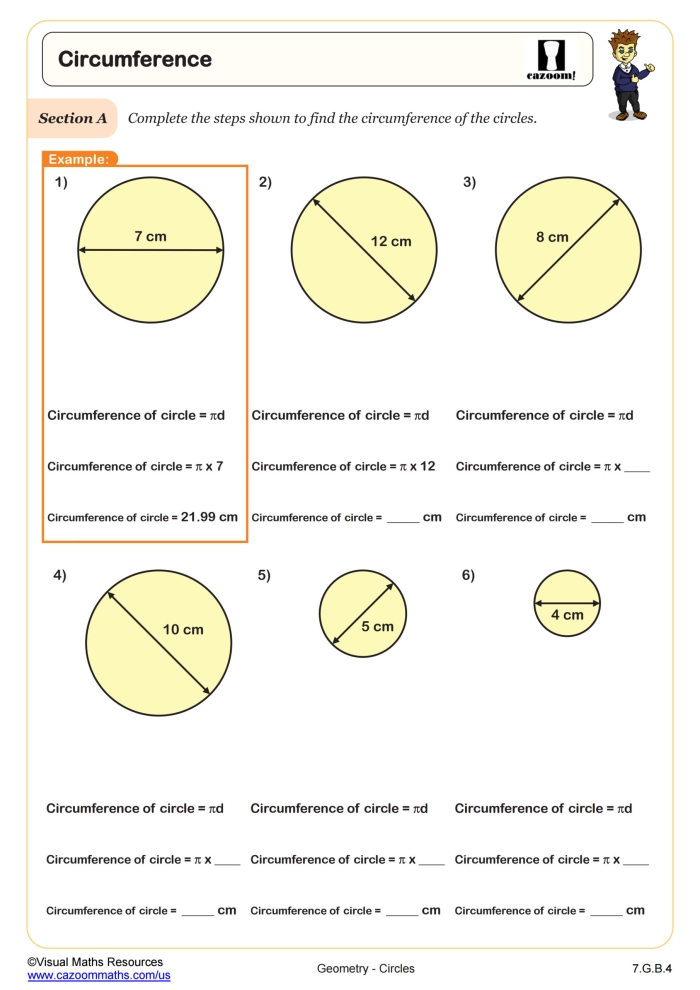
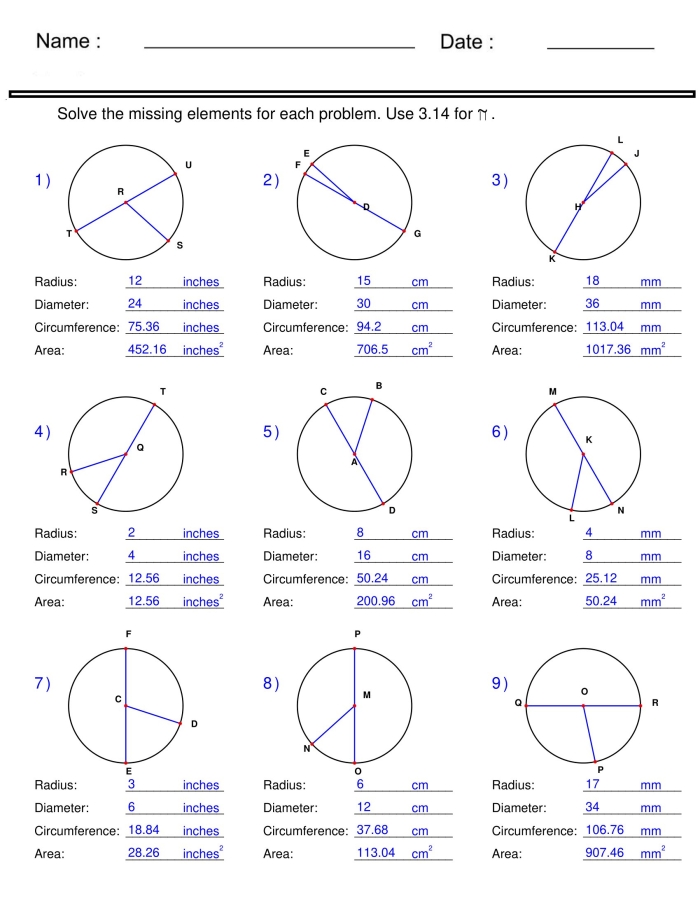
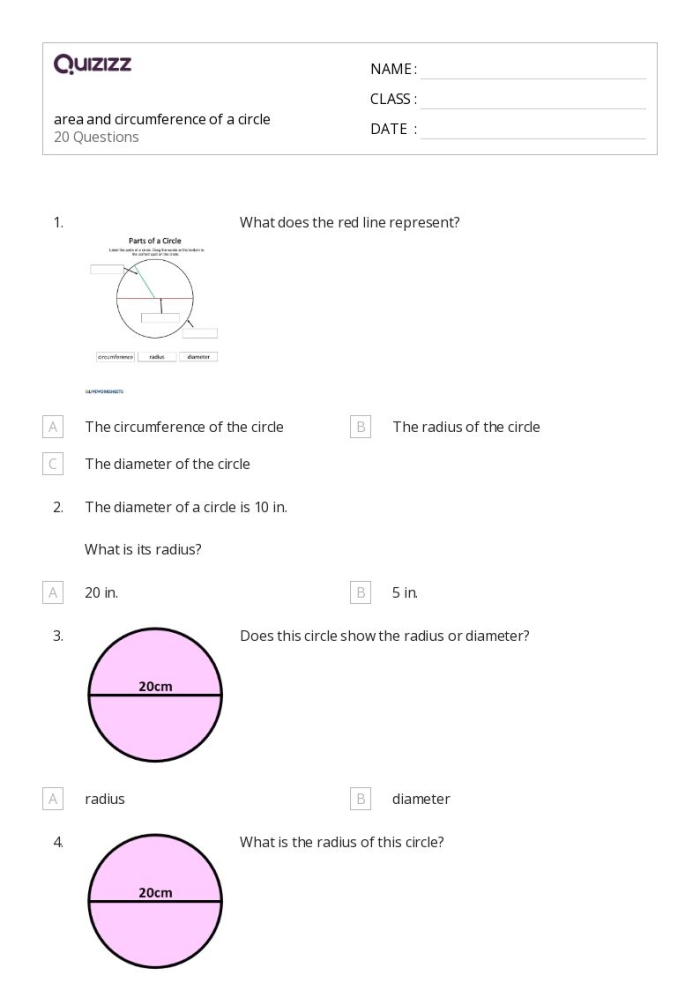
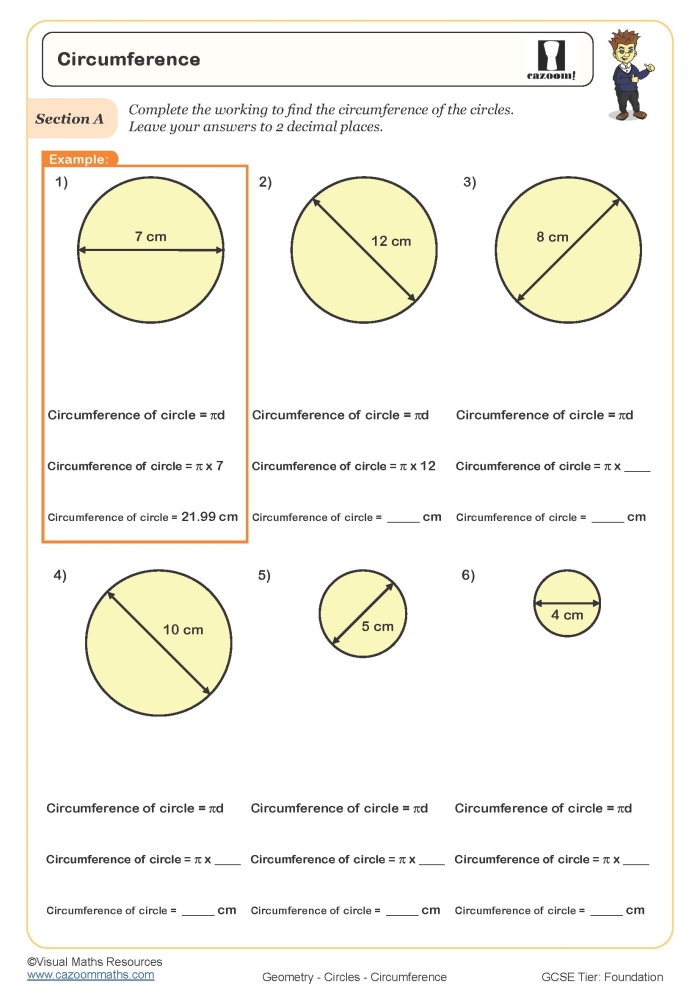
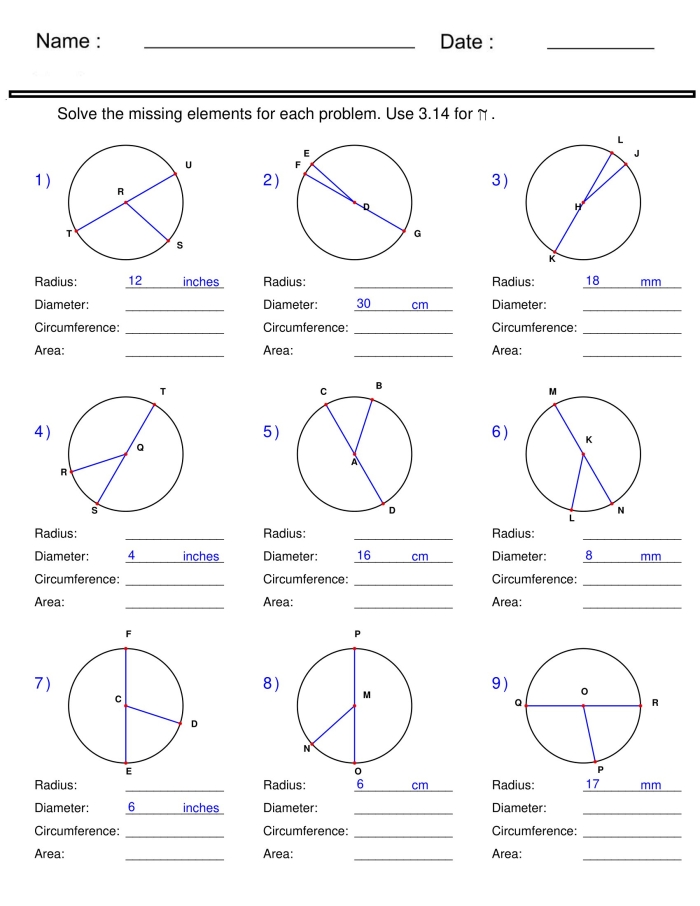
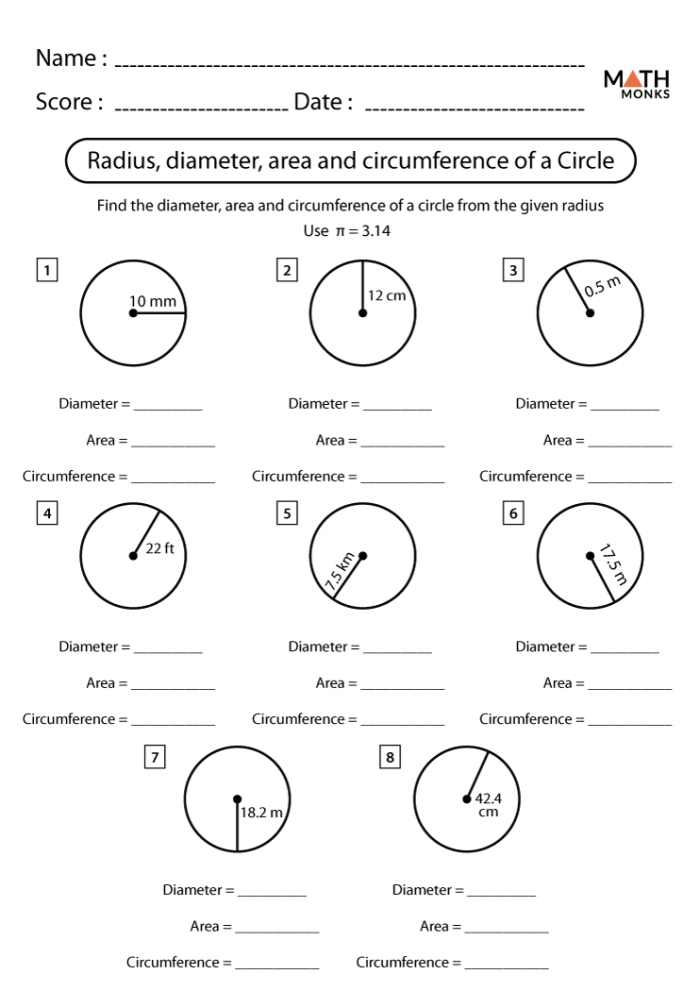
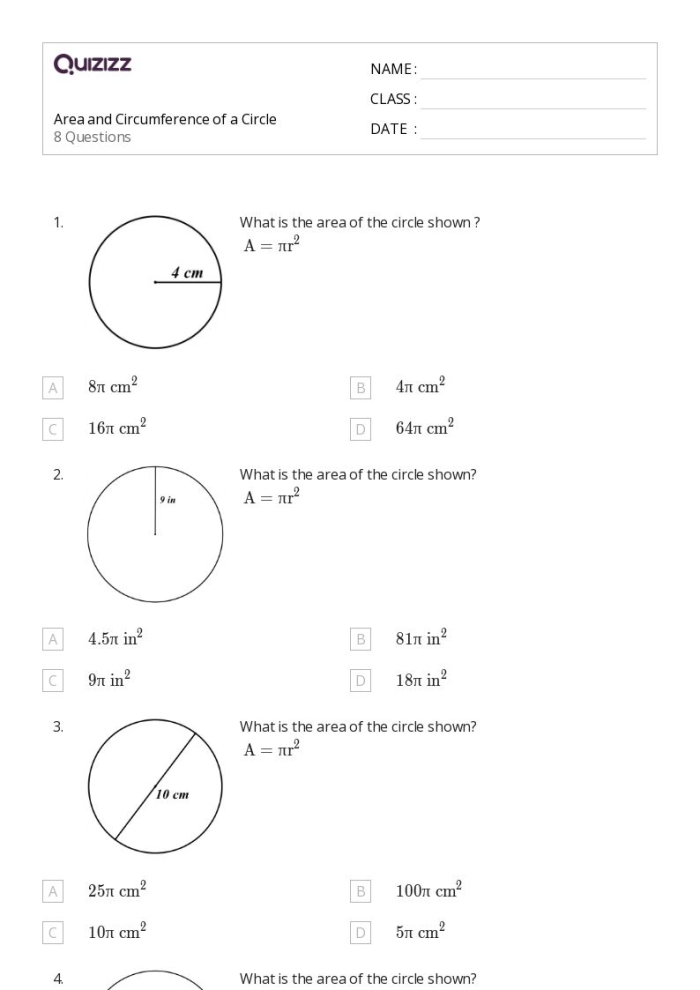
The beauty of this approach lies in how it connects four related circle concepts in one activity. Students start by identifying the radius, the distance from the center of the pizza to its edge. From there, they calculate the diameter by doubling that radius. These foundational measurements then become the building blocks for finding circumference (the distance around the pizza’s edge) and area (the total surface space). Each calculation flows naturally into the next, creating a logical progression rather than isolated problems.
When teaching geometry concepts, context matters tremendously. A pizza circle sheet provides that context without requiring students to imagine abstract scenarios. They can visualize exactly what they’re measuring. This concrete approach helps students retain the formulas and understand why they work, rather than simply memorizing procedures they’ll forget after the test.
The worksheet format also allows for differentiation. Younger students might focus only on radius and diameter, while older learners tackle all four measurements. Some students benefit from exploring geometry through visual puzzles and shapes before moving to calculations, building foundational spatial awareness first.
For teachers looking to reinforce mathematical vocabulary alongside computation, pairing this activity with grammar and mechanics practice strengthens overall literacy skills. Students can write out their answers in complete sentences, explaining their reasoning. This combination of mathematics and language development creates a more well-rounded learning experience than either subject alone.
Hands-On Worksheet Activities