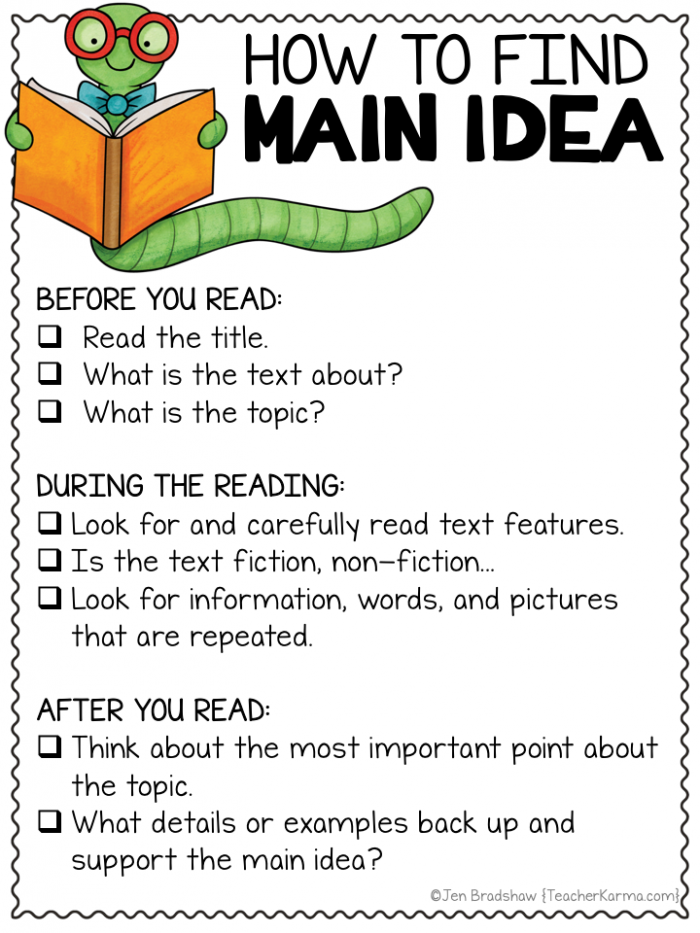
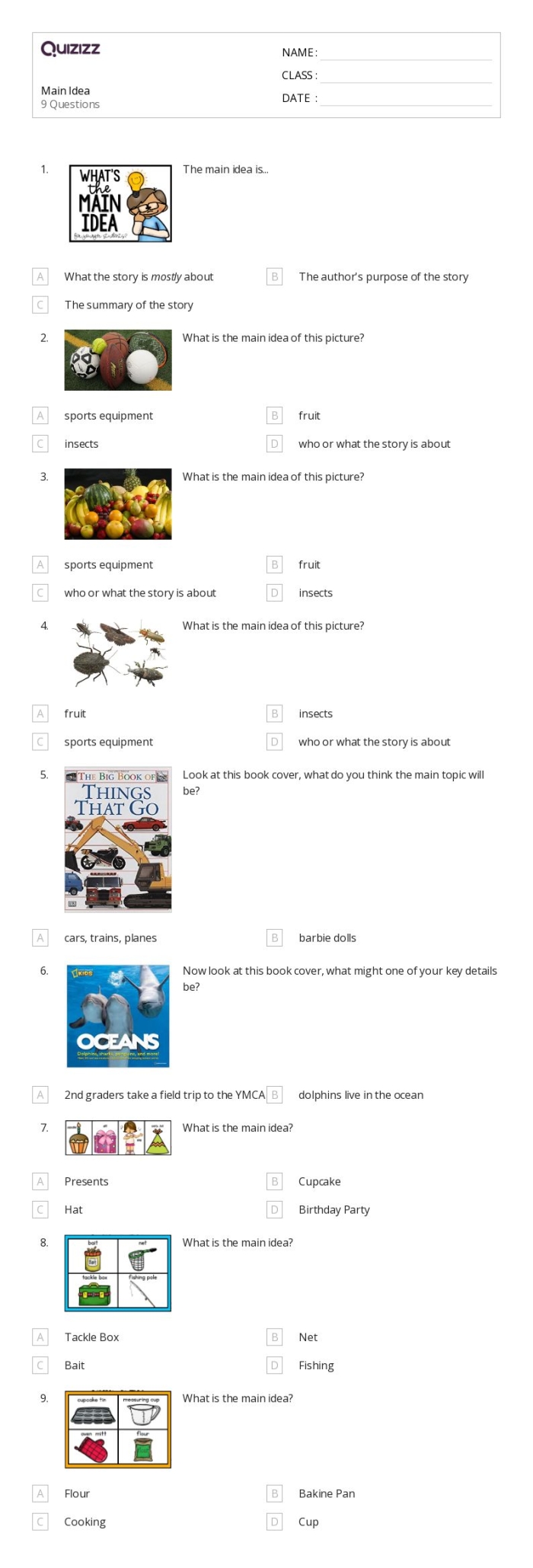
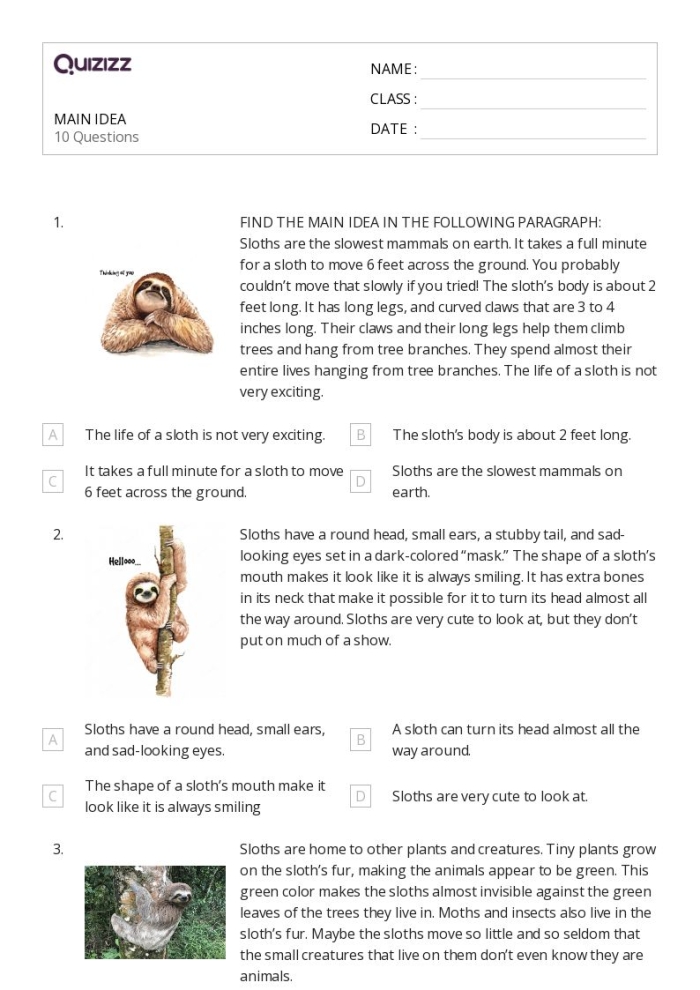
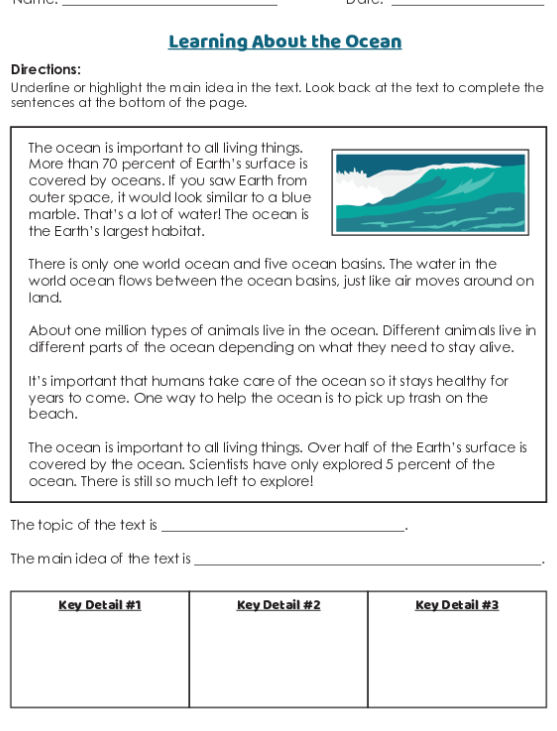
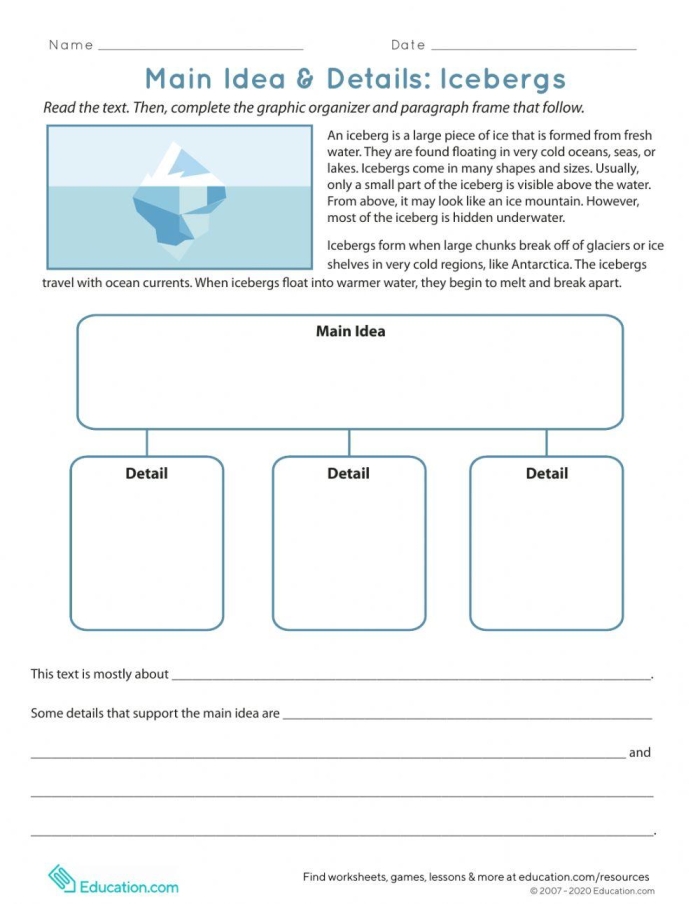
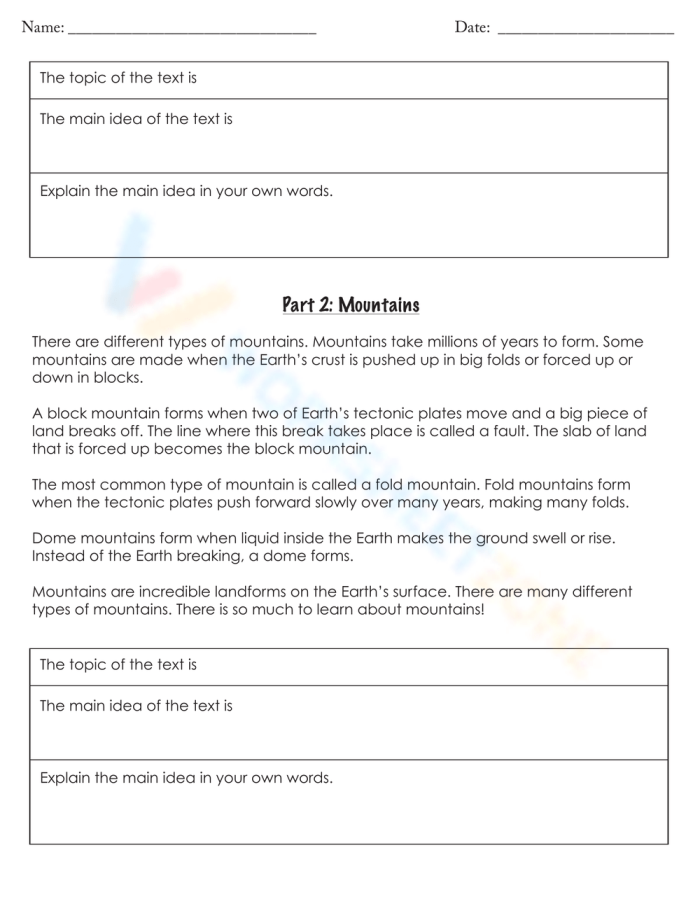
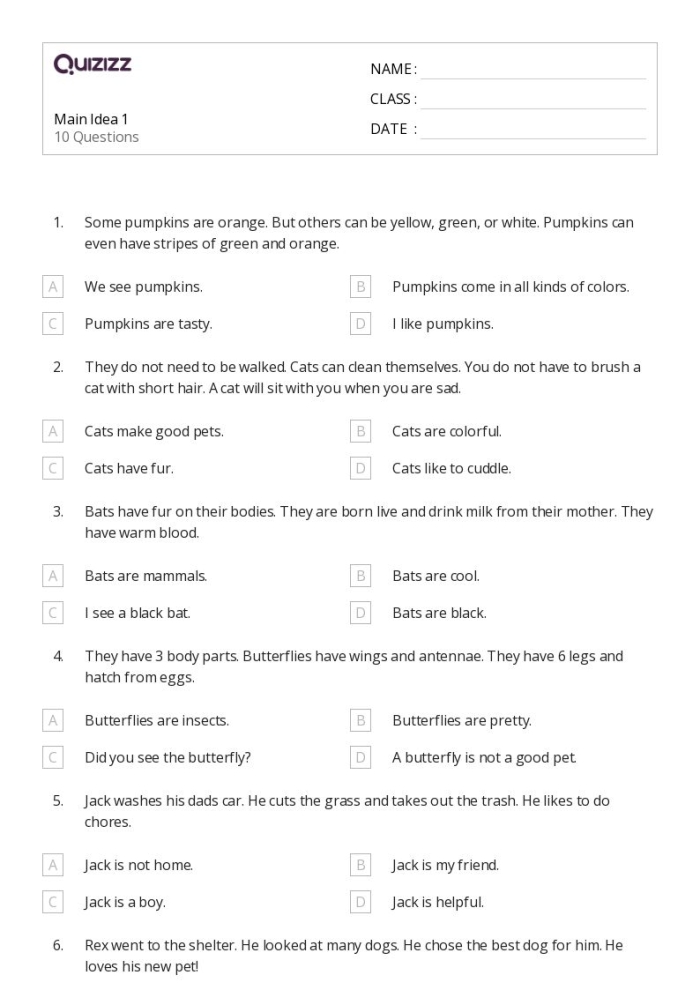
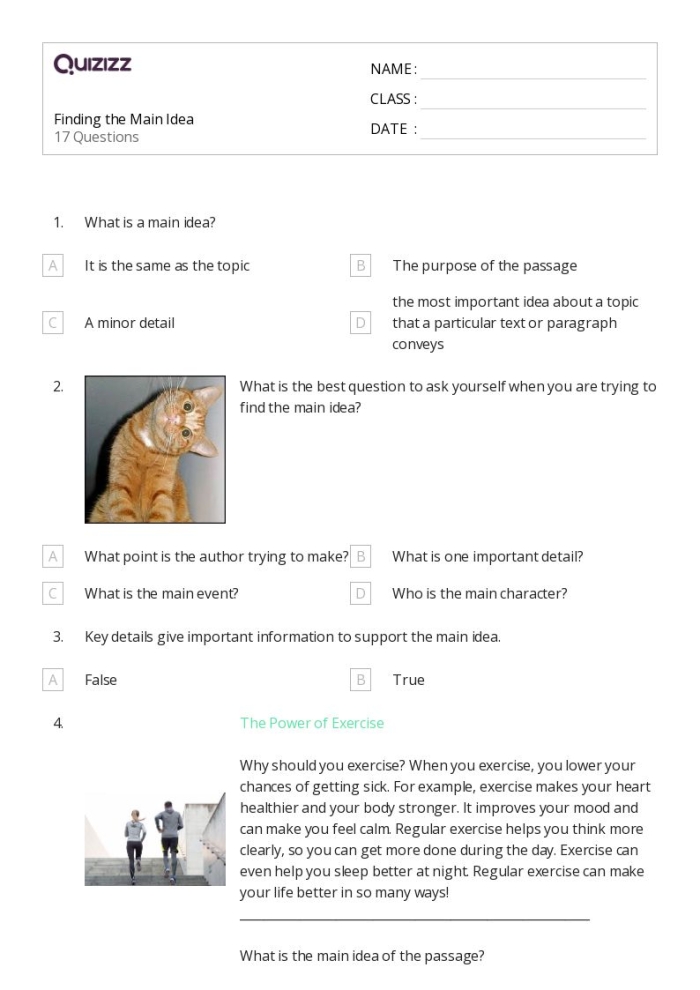
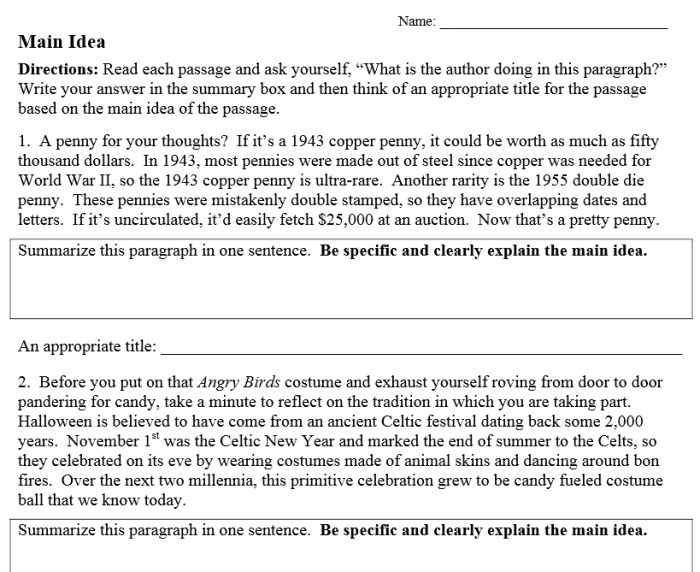
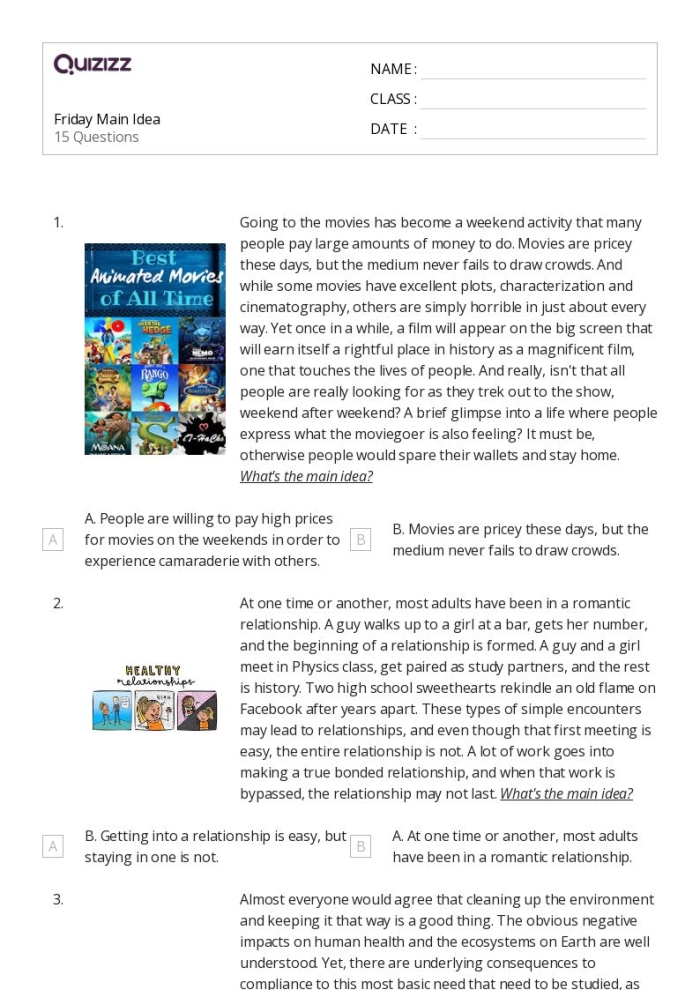
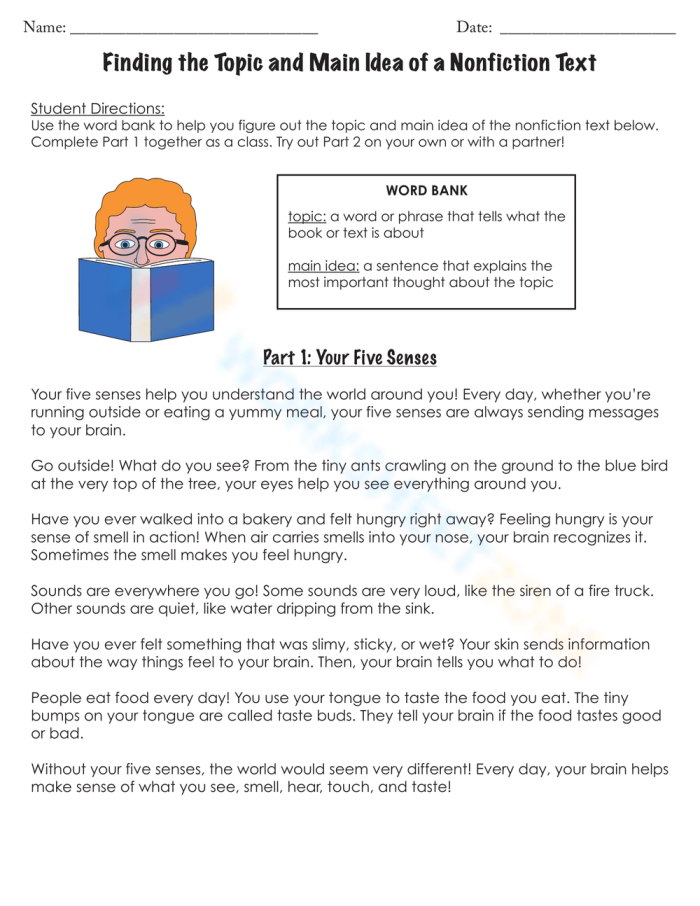
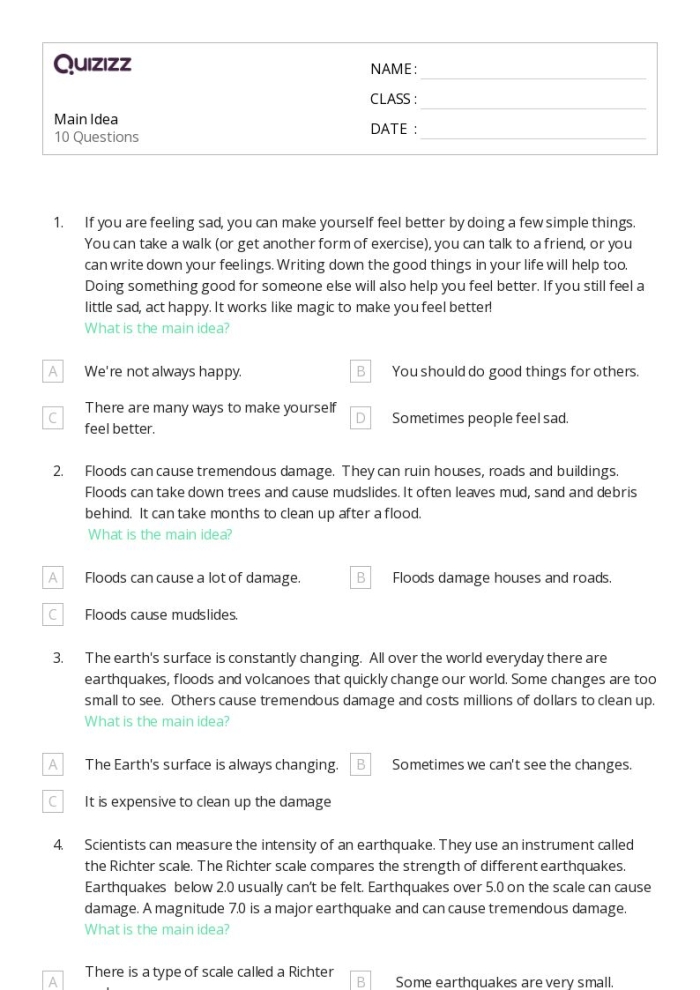
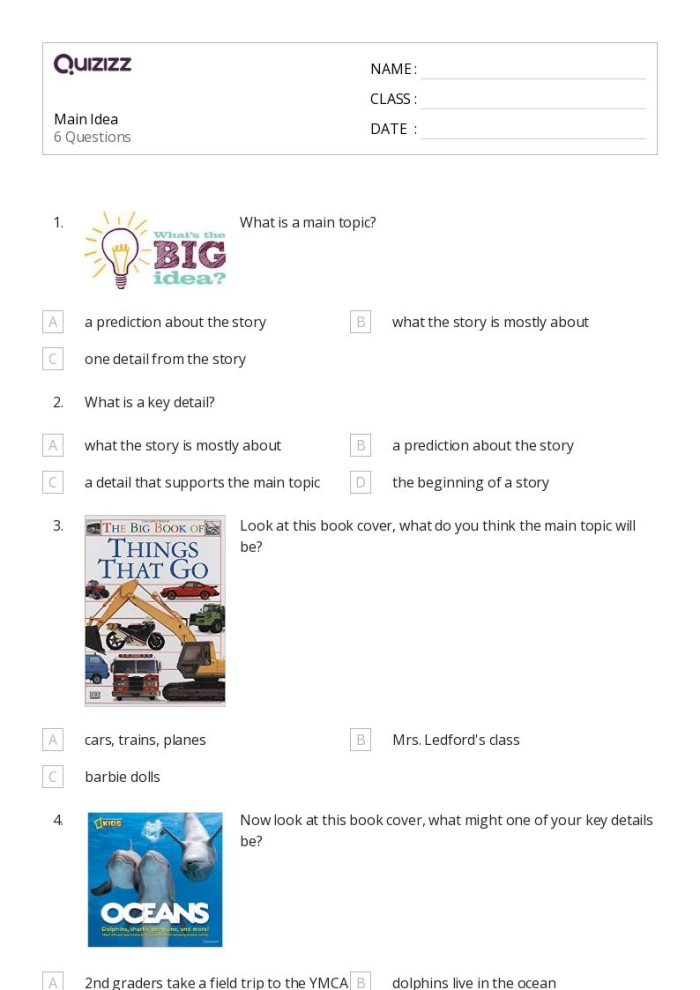
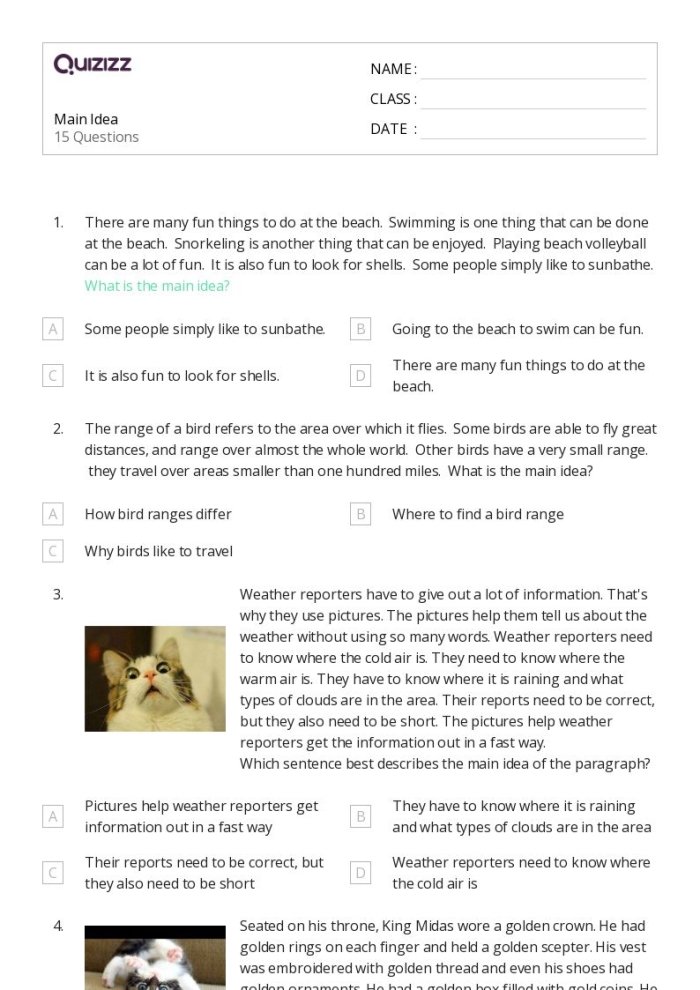
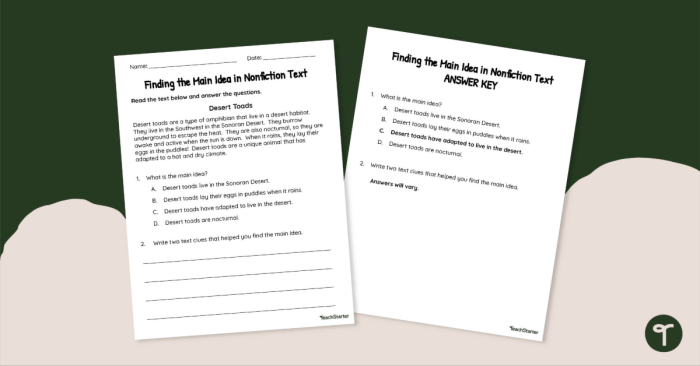
Understanding the distinction between a topic and a main idea is crucial for second-grade students as they begin to explore nonfiction texts. This worksheet provides an effective way for students to closely examine these concepts. By participating in Part 1 as a class, students can engage in guided discussions, helping them grasp the foundational differences before moving on to independent work.
In Part 1, students will read a nonfiction passage and identify the overarching topic. This is typically a broad subject that the text addresses. For example, if the passage discusses various types of habitats, the topic might simply be “habitats.” However, the main idea digs deeper, summarizing the author’s specific point about the topic. In the habitat example, the main idea could focus on how different animals adapt to their environments. This distinction is essential for comprehension and helps students develop critical thinking skills.
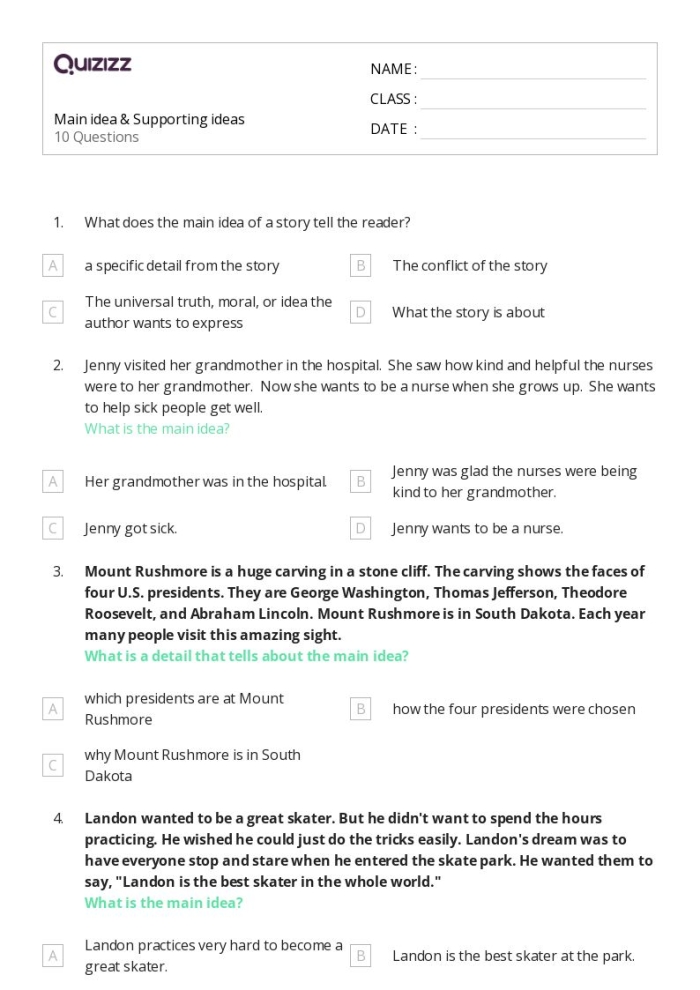
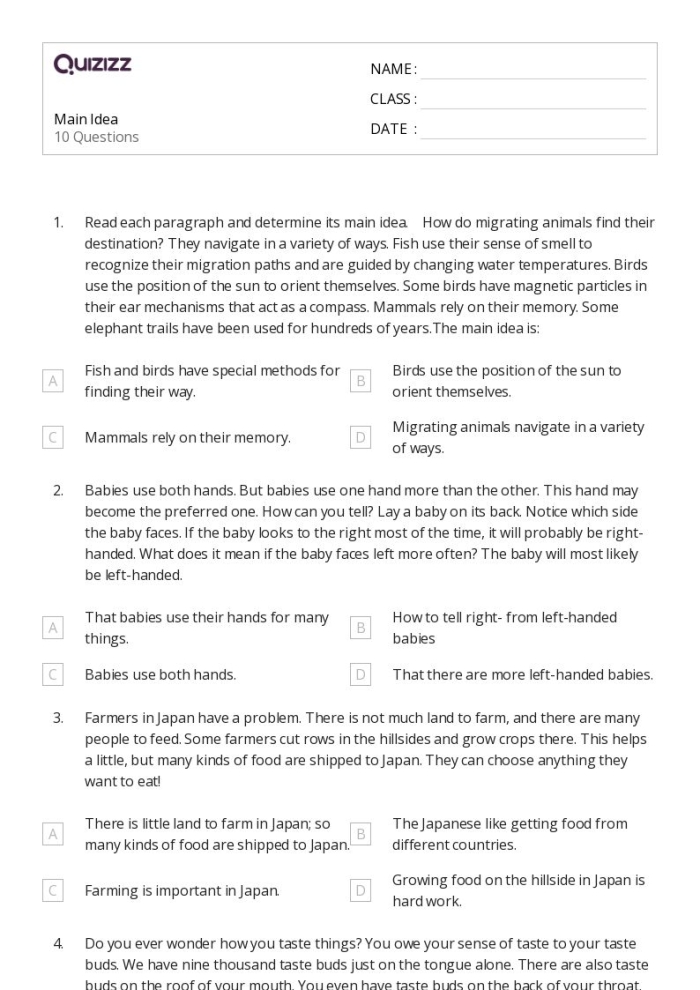
After completing Part 1, encourage students to tackle Part 2 independently or with a partner. This phase allows them to apply what they’ve learned and solidify their understanding of these concepts. As they work through additional texts, they can practice identifying both the topic and the main idea, enhancing their reading skills. This exercise not only builds confidence but also fosters a love for reading nonfiction.
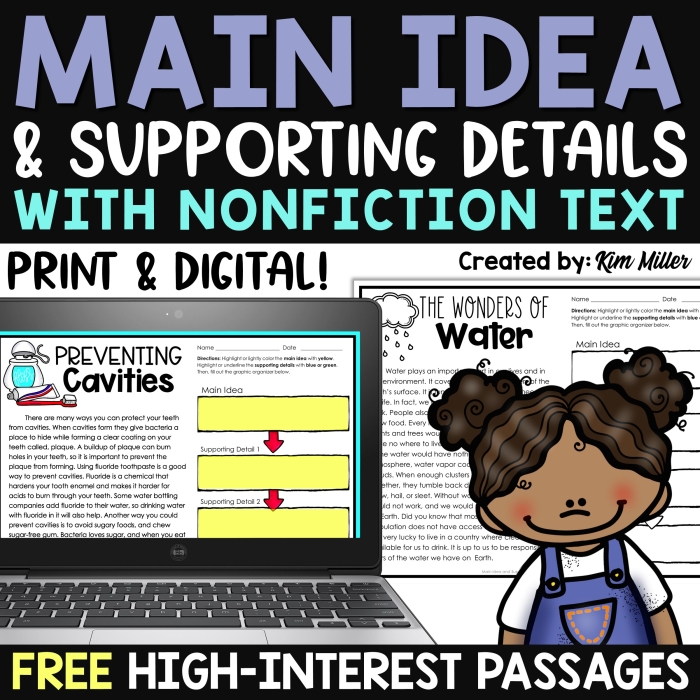
For those looking for more resources, consider exploring other worksheets that focus on identifying topics and main ideas in nonfiction texts. Printable finding the topic and main idea of a nonfiction text worksheets are available in Spanish, making them accessible for diverse classrooms. These educational tools will support your students as they continue to develop their reading comprehension skills, preparing them for more complex texts in the future.
Practice with These Worksheets