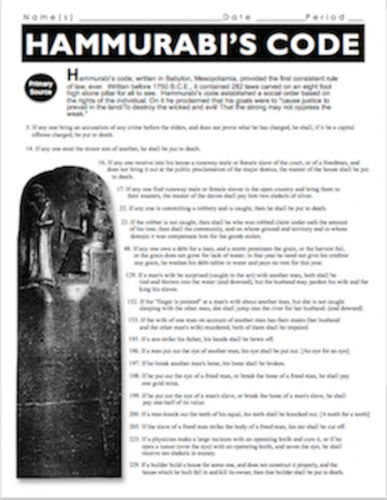
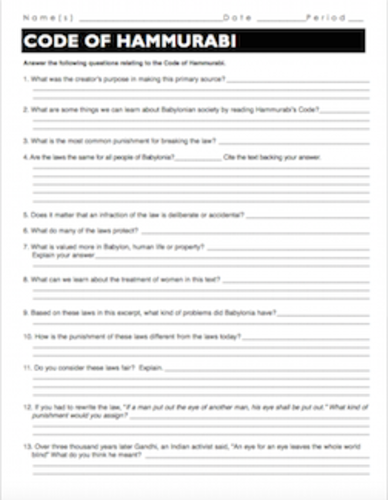
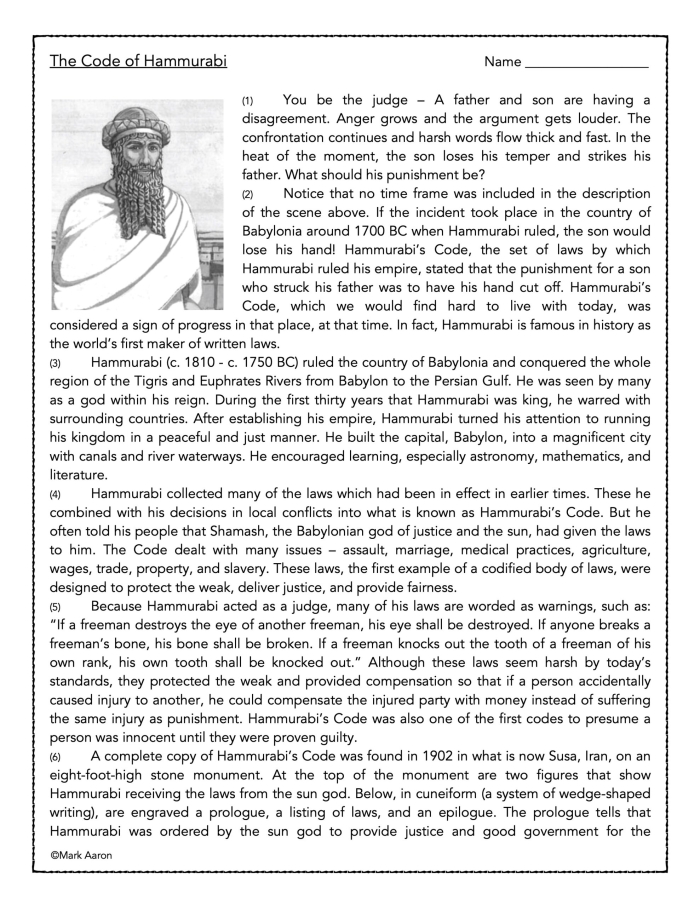
Introducing students to Hammurabi, the Babylonian king known for his influential code of laws, provides a fascinating glimpse into ancient civilization and the origins of legal systems. The three-page social studies worksheet designed for sixth graders is an engaging way to explore Hammurabi’s Code, which dates back to around 1754 BC. This set of laws reveals much about the values and social structures of the time.
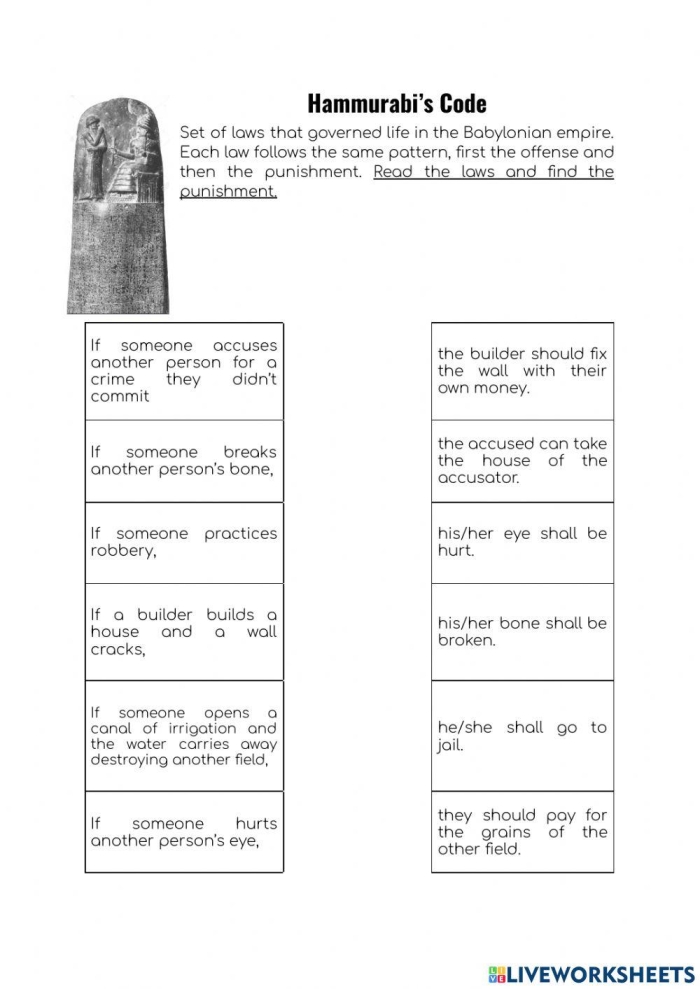
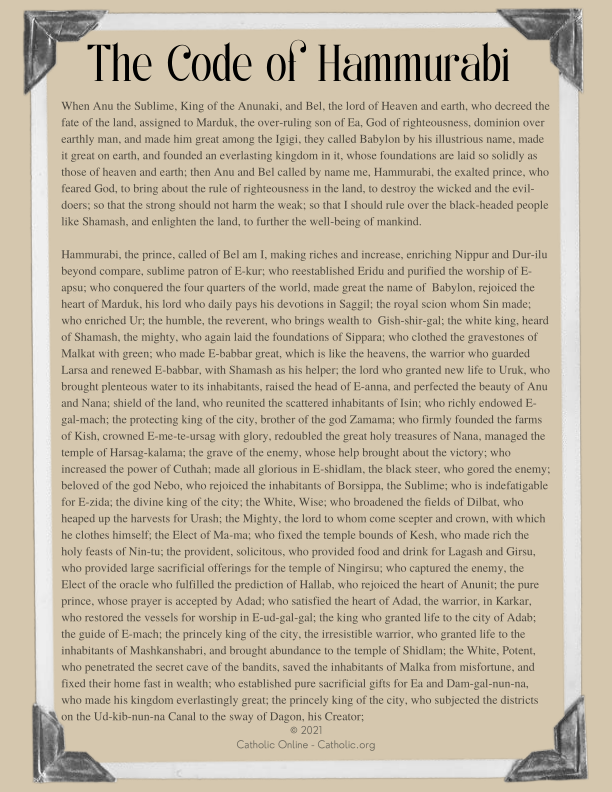
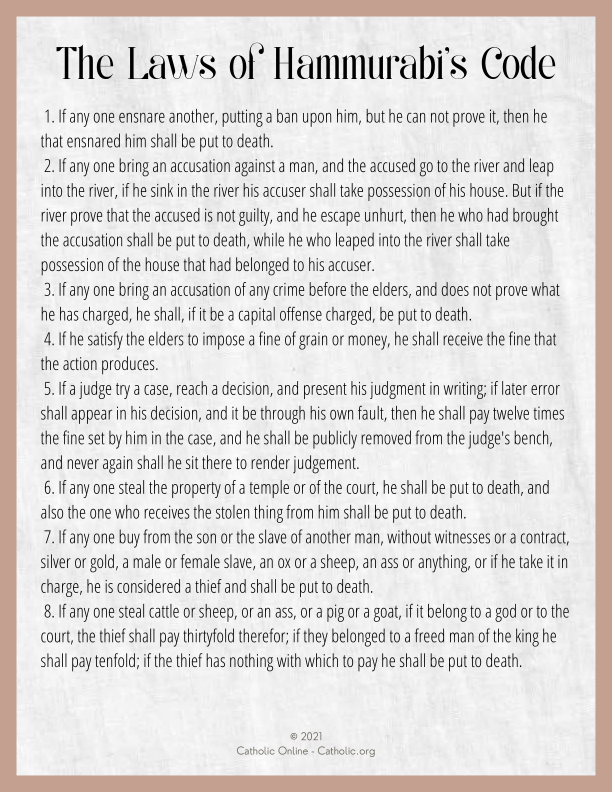
The Code of Hammurabi is one of the earliest and most complete written legal codes. It consists of 282 laws that cover various aspects of daily life, such as trade, family, and property rights. Each law is inscribed on a stele, a large stone monument, which served as a public display of the rules that governed society. For instance, one notable law states that if a builder constructs a house and it collapses, resulting in the owner’s death, the builder must be put to death. This law emphasizes accountability and the importance of safety in construction.
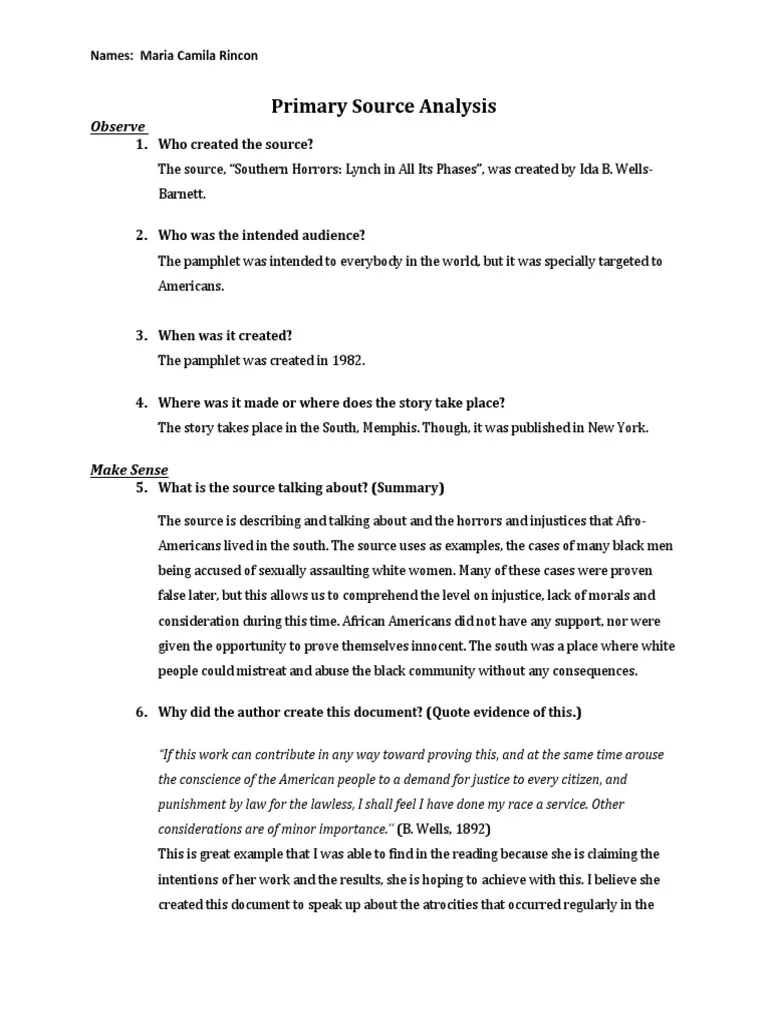
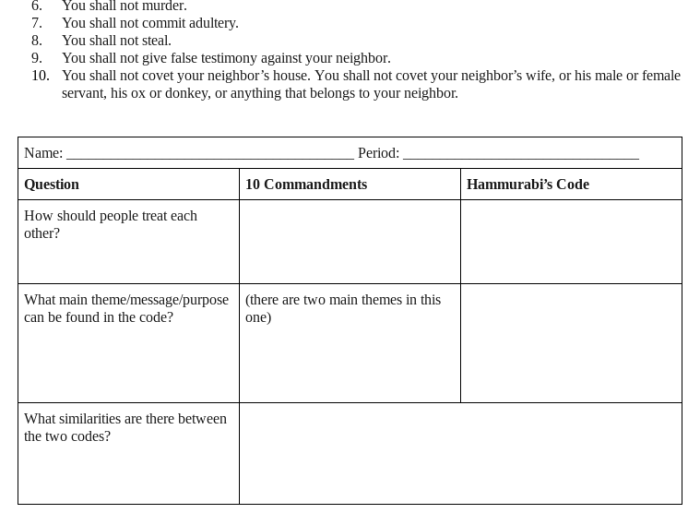
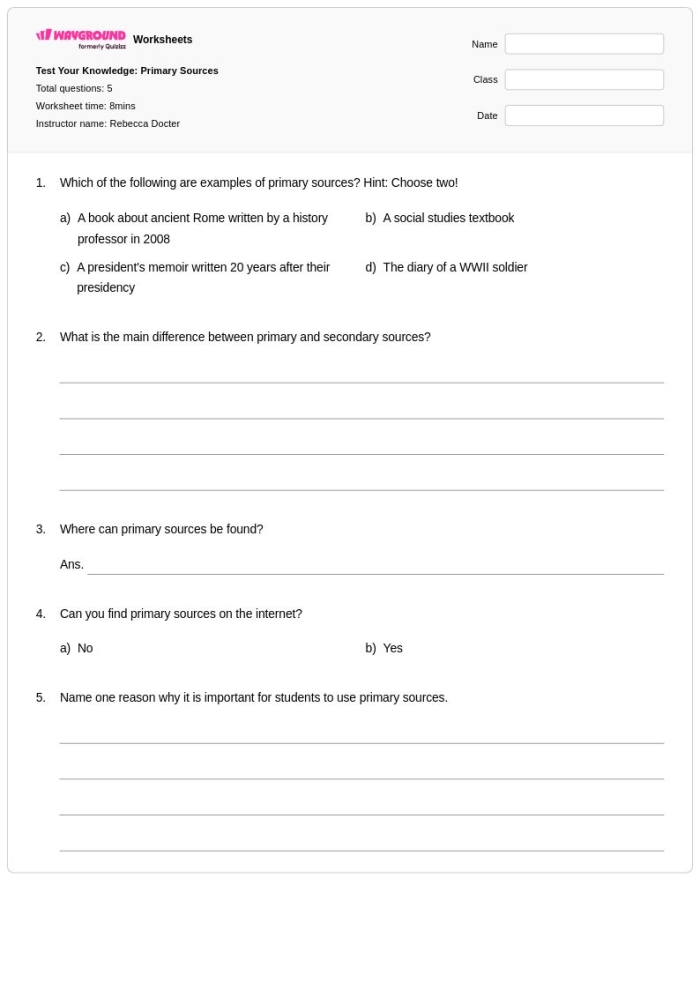
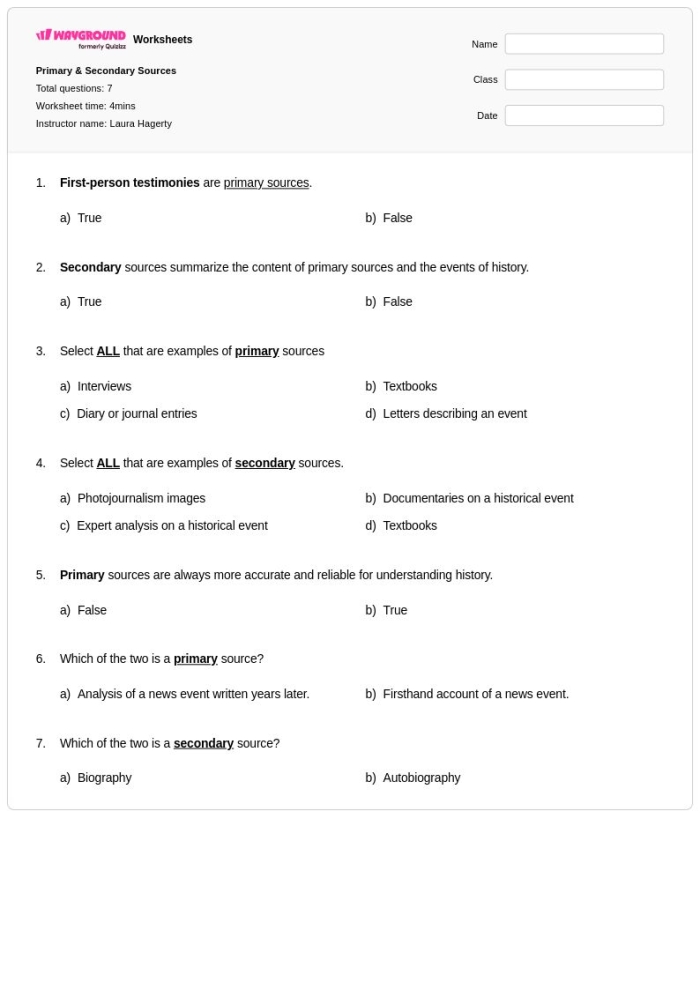
By using the social studies worksheet, students can analyze these laws and consider their implications. They will engage in primary source analysis, a skill crucial for understanding historical documents. This approach encourages critical thinking as students discuss the reasons behind various laws and how they compare to modern legal practices. As they explore these concepts, they can make connections to other subjects, such as mathematics through data and graphing, enhancing their overall learning experience. For example, they might create graphs to represent the types of laws and their frequency, linking to activities on data and graphing available on related worksheets.
Understanding Hammurabi’s Code not only enriches students’ knowledge of history but also helps them appreciate the development of laws and governance over time. This educational journey is vital for fostering informed citizens who can analyze and engage with the world around them. By incorporating this worksheet into your curriculum, you introduce students to the foundational elements of legal philosophy and societal organization, making history both relevant and compelling.
Printable Worksheets for Practice