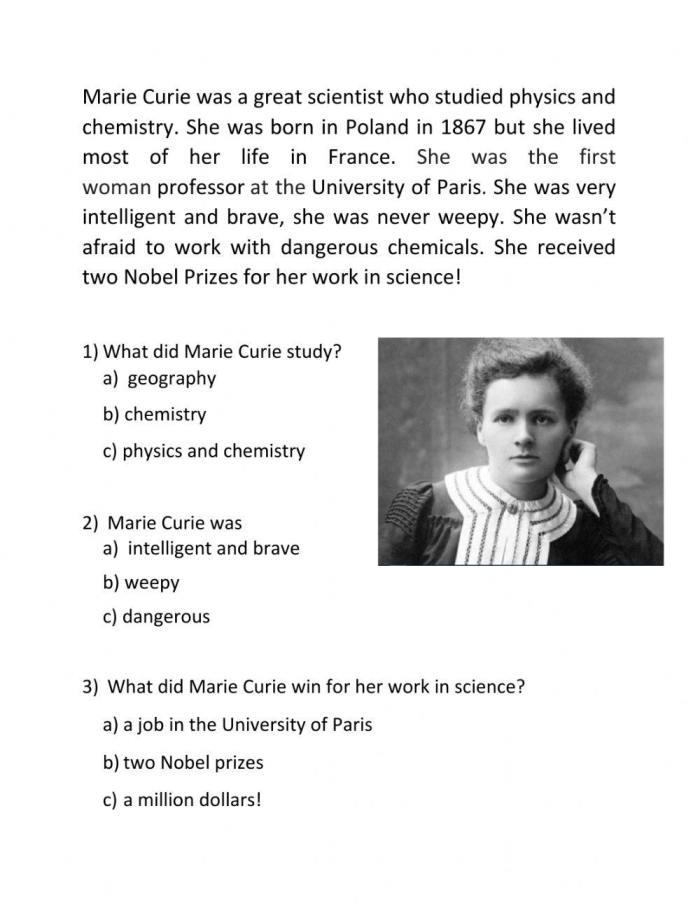
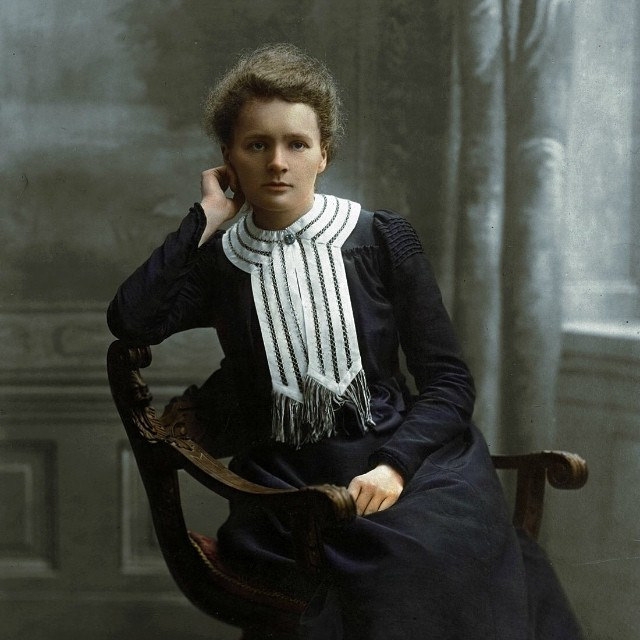
Marie Curie stands out as one of the most influential scientists in history. Her groundbreaking research on radioactivity not only advanced scientific understanding but also paved the way for future discoveries. As the first woman to be awarded a Nobel Prize, Curie broke barriers in a male-dominated field, inspiring generations of women to pursue careers in science.
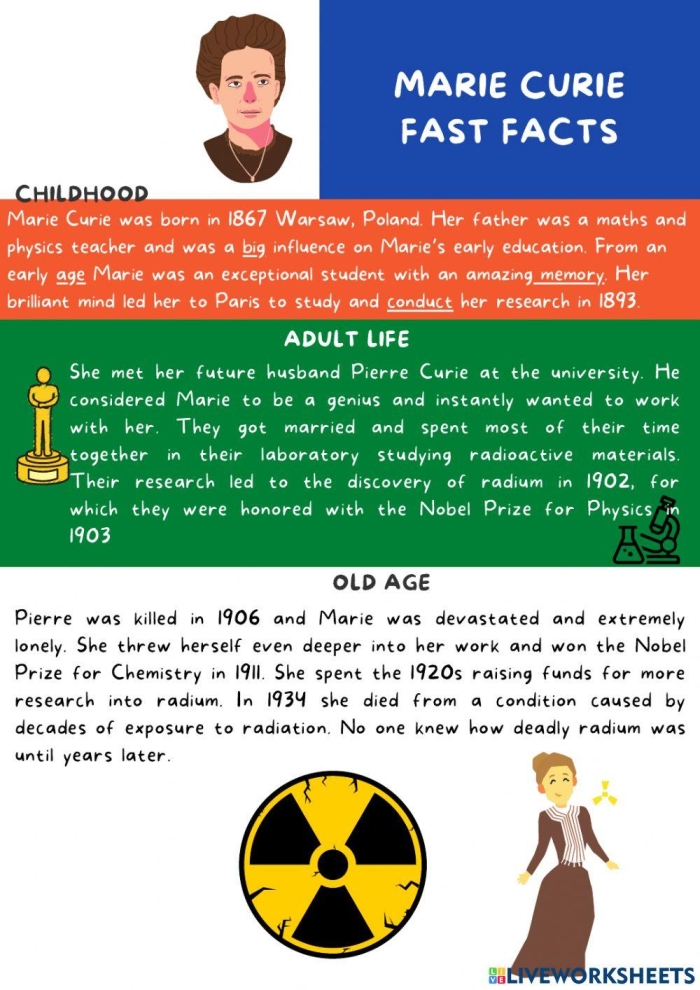
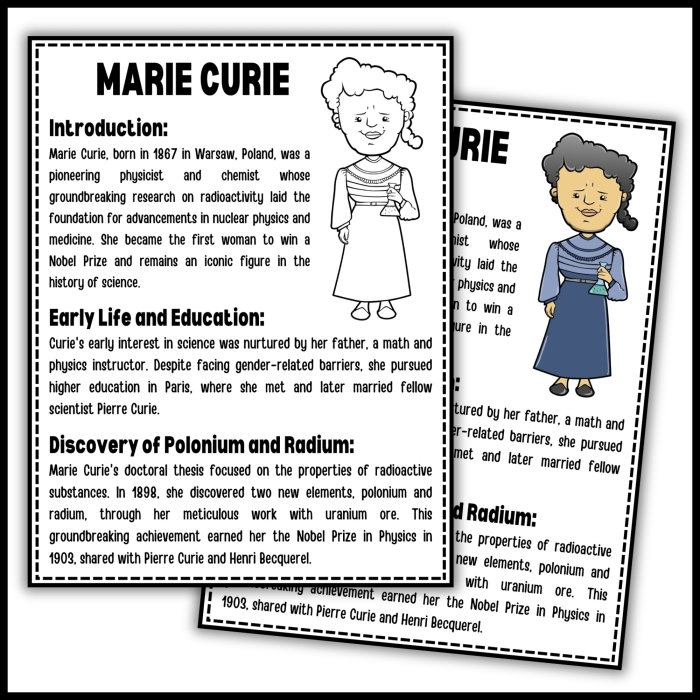
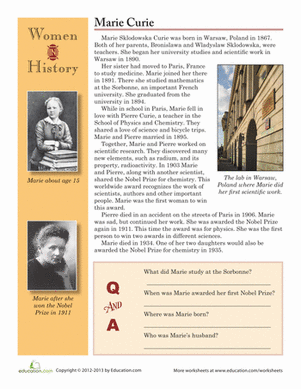
Born in Poland in 1867, Curie’s journey was marked by determination and resilience. She moved to Paris to study at the Sorbonne, where her passion for science flourished. Curie’s work led to the discovery of two elements, polonium and radium, which were essential in the study of radioactivity. Her efforts earned her the Nobel Prize in Physics in 1903, shared with her husband Pierre Curie and Henri Becquerel. Later, in 1911, she received a second Nobel Prize in Chemistry, making her the only person to achieve this feat in two different scientific fields.
Curie’s legacy is not just about her scientific achievements; it also lies in her role as a trailblazer for women in science. She faced numerous challenges, including societal expectations and gender bias. Nevertheless, her perseverance led to the establishment of the Curie Institutes in Paris and Warsaw, which remain influential in medical research today.
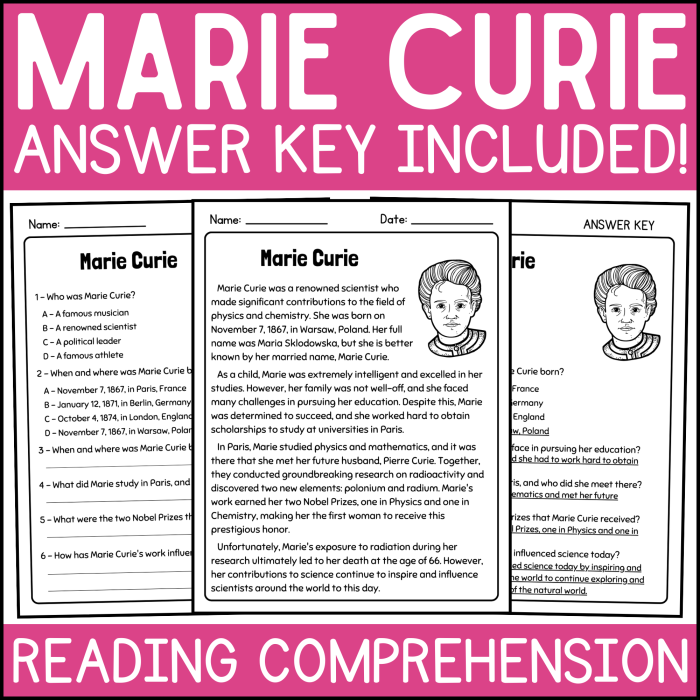
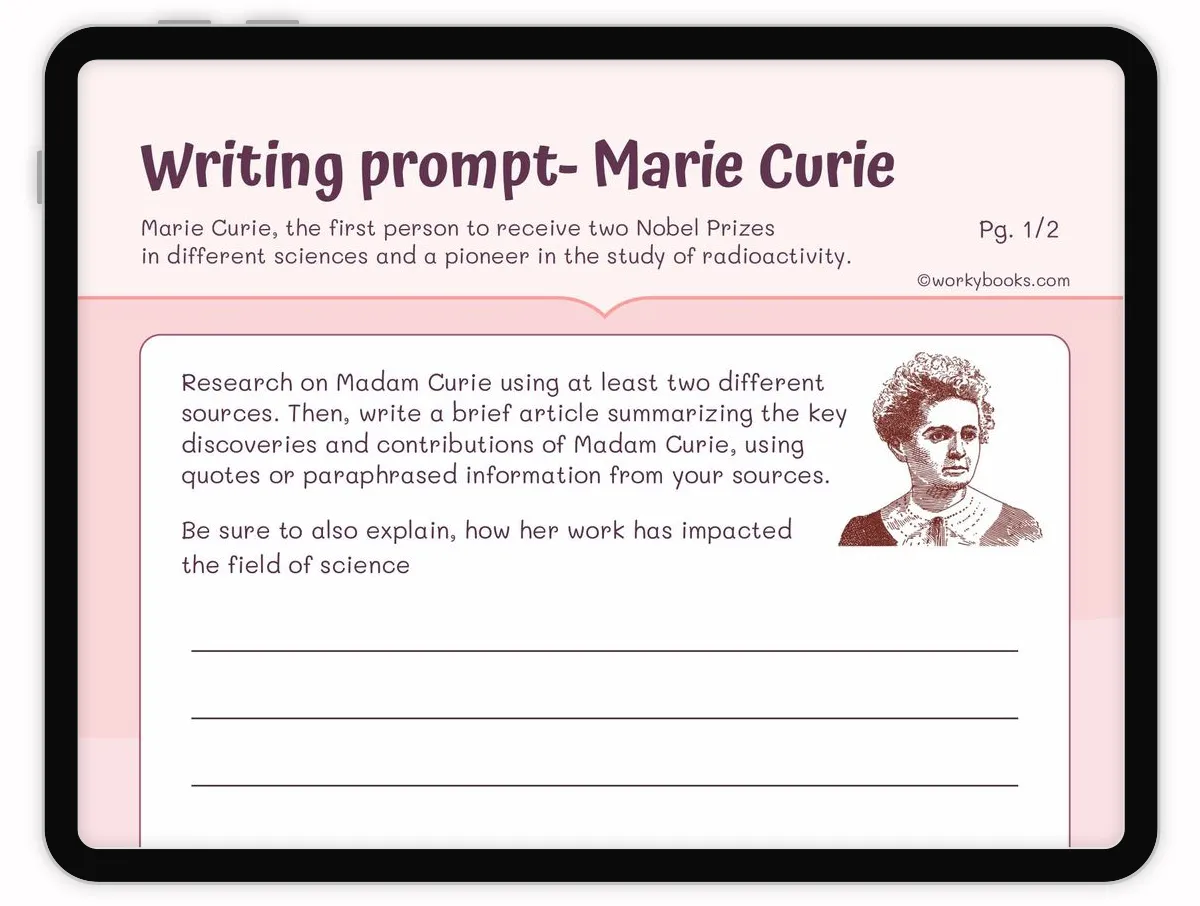
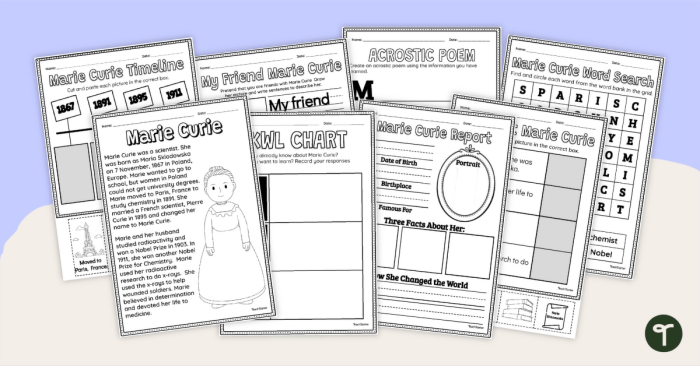
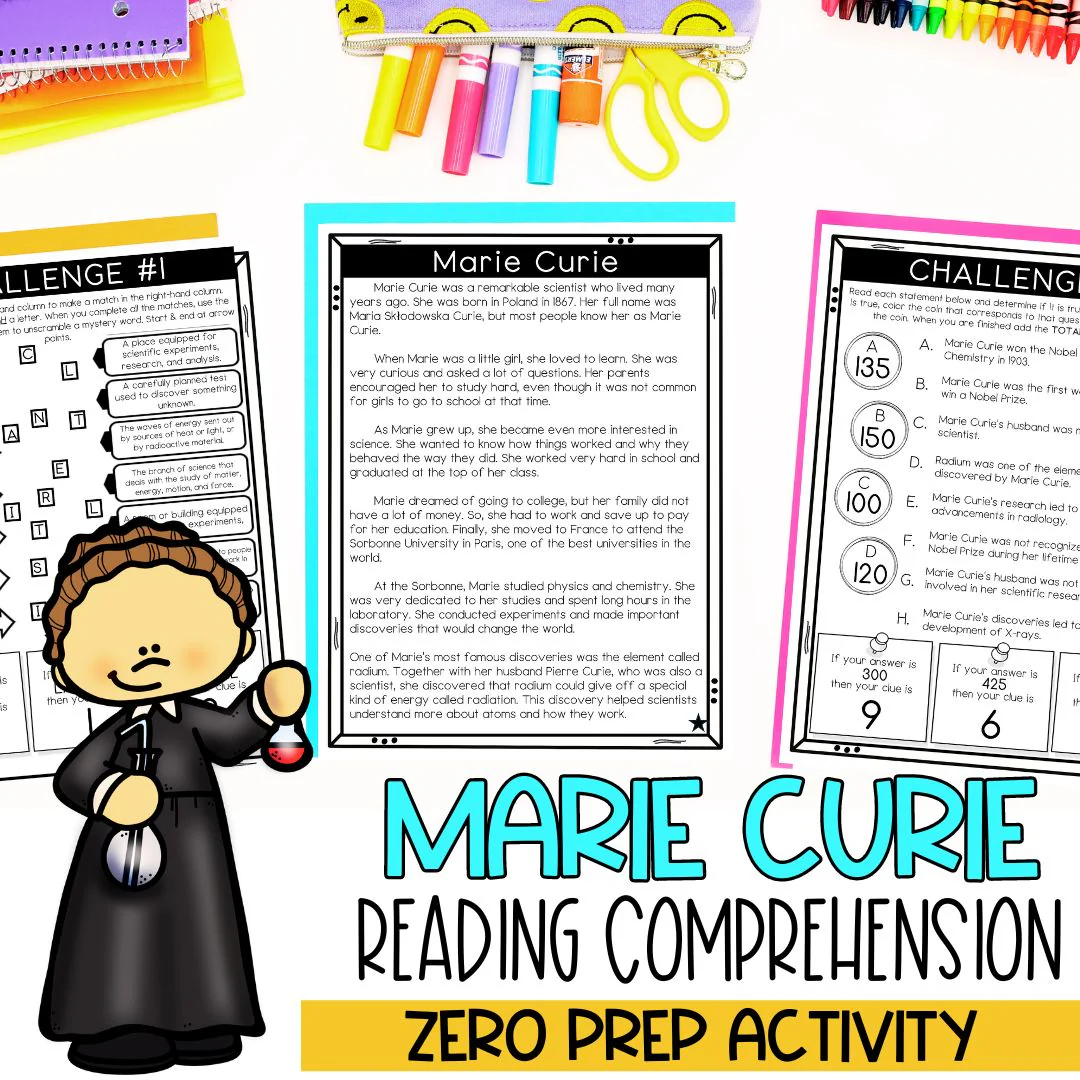
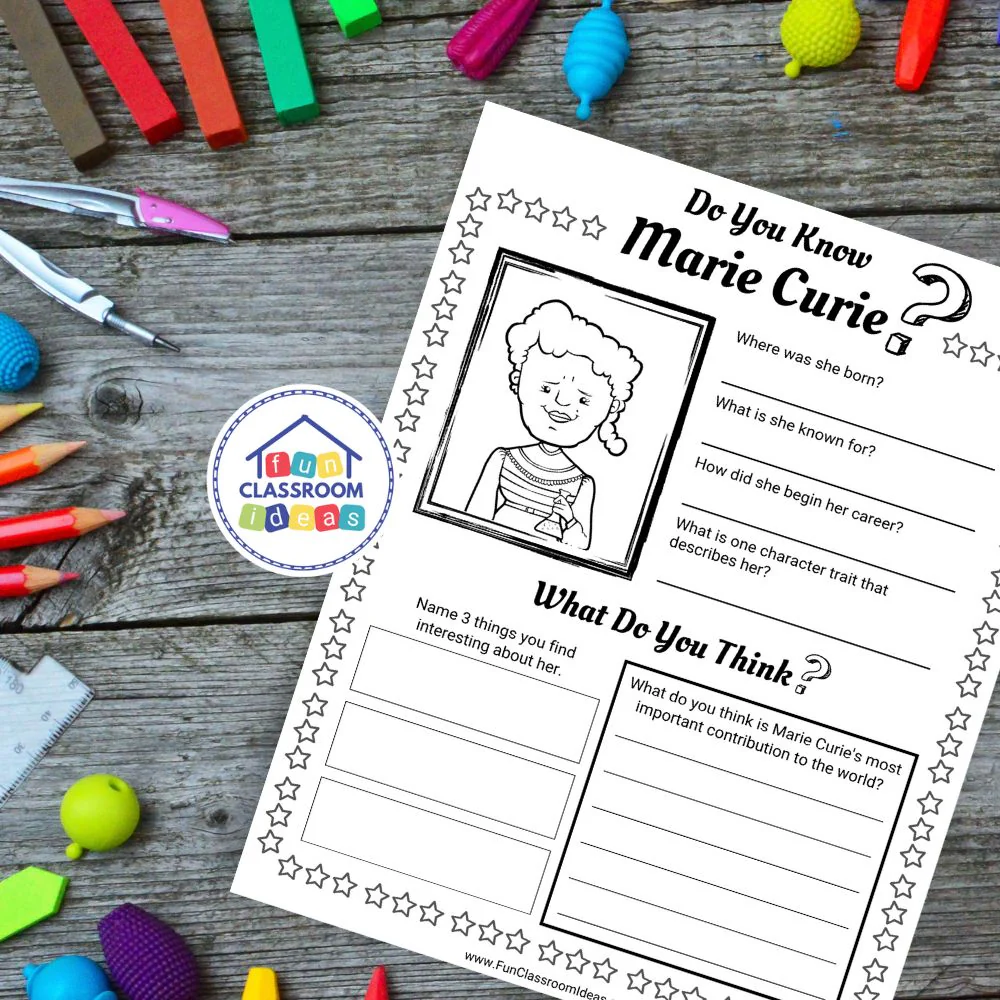
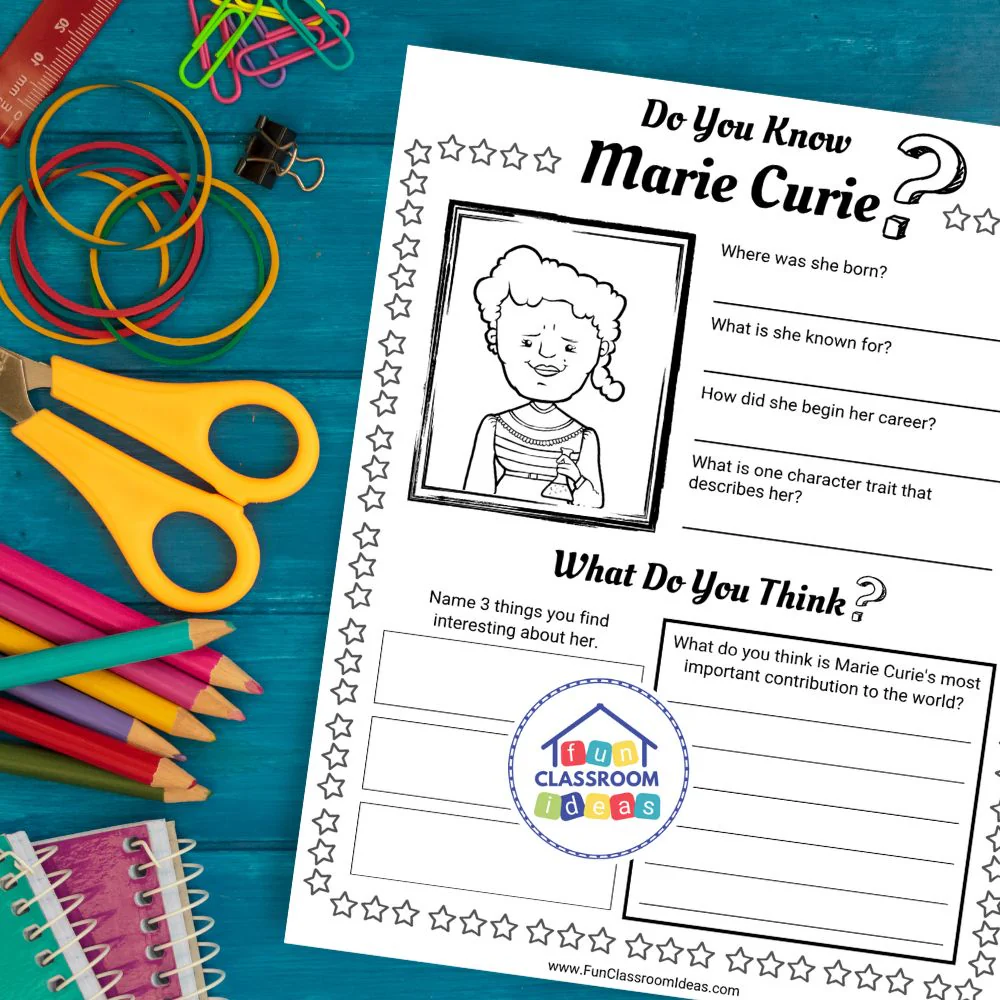
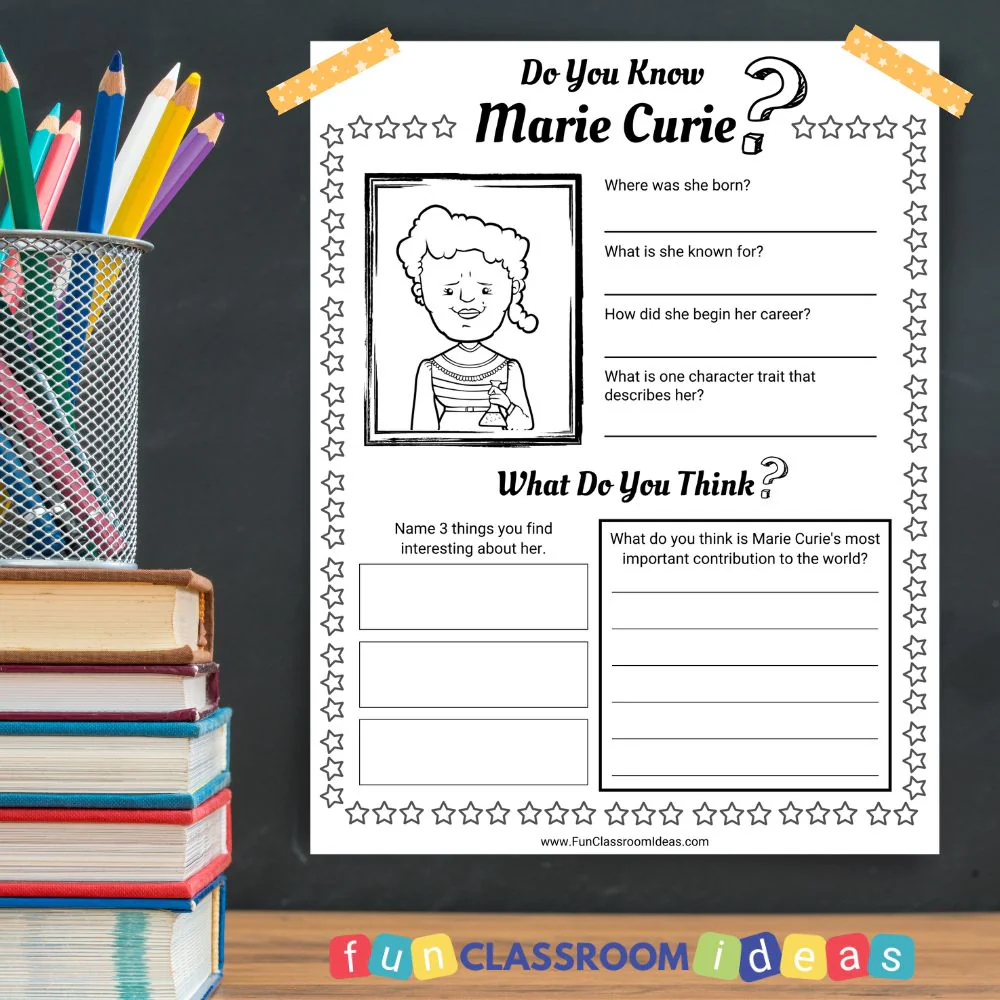
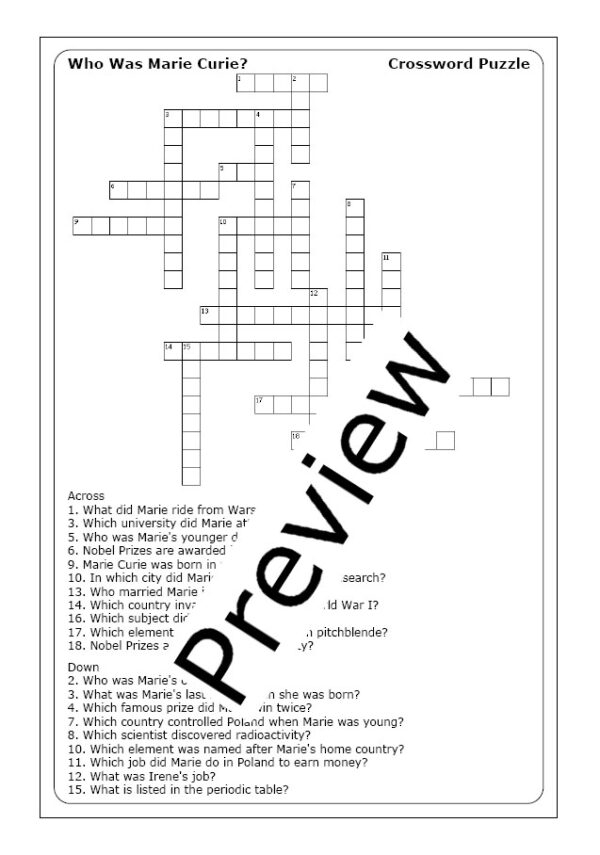
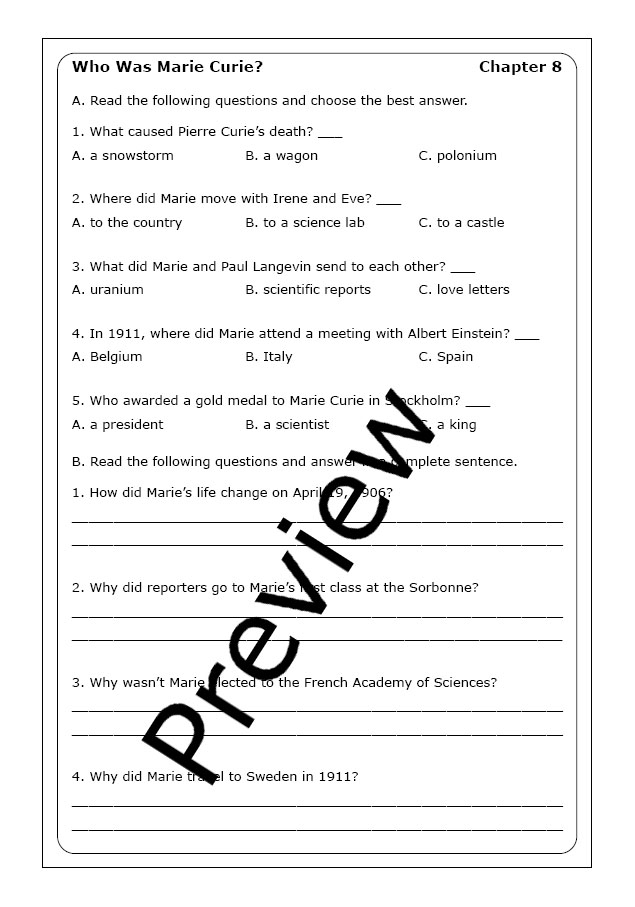
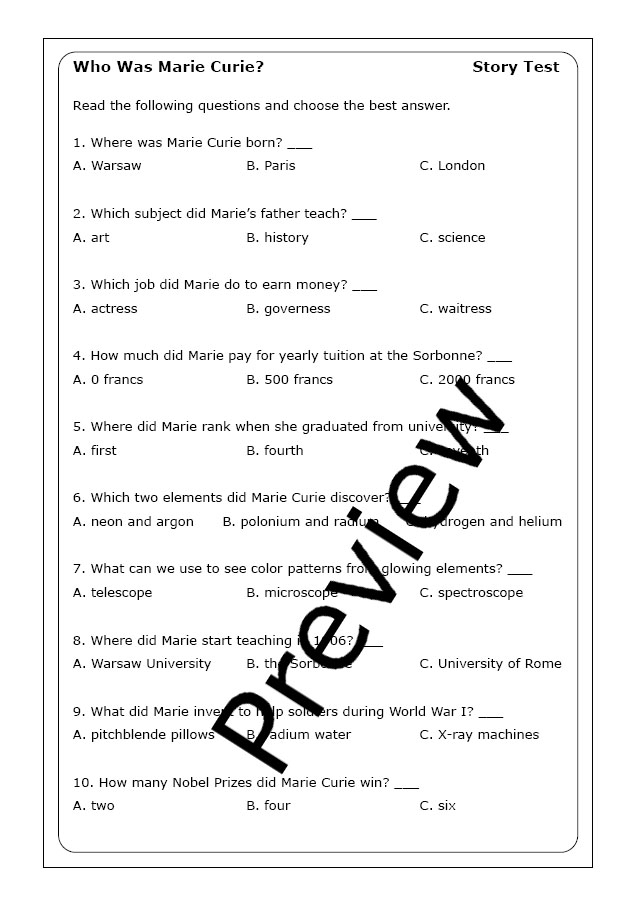
For third graders eager to learn more about this remarkable woman, there are engaging resources available. Using a history worksheet can make learning about Marie Curie’s life and achievements fun and educational. These worksheets not only cover her contributions to science but can also incorporate multiplication exercises, making them a perfect blend of history and math.
Exploring Marie Curie’s story helps young learners appreciate the importance of perseverance and passion in science. Whether through reading about her life or working on interactive worksheets, students can gain a deeper understanding of how one woman’s determination changed the world.
Printable Worksheets for Practice