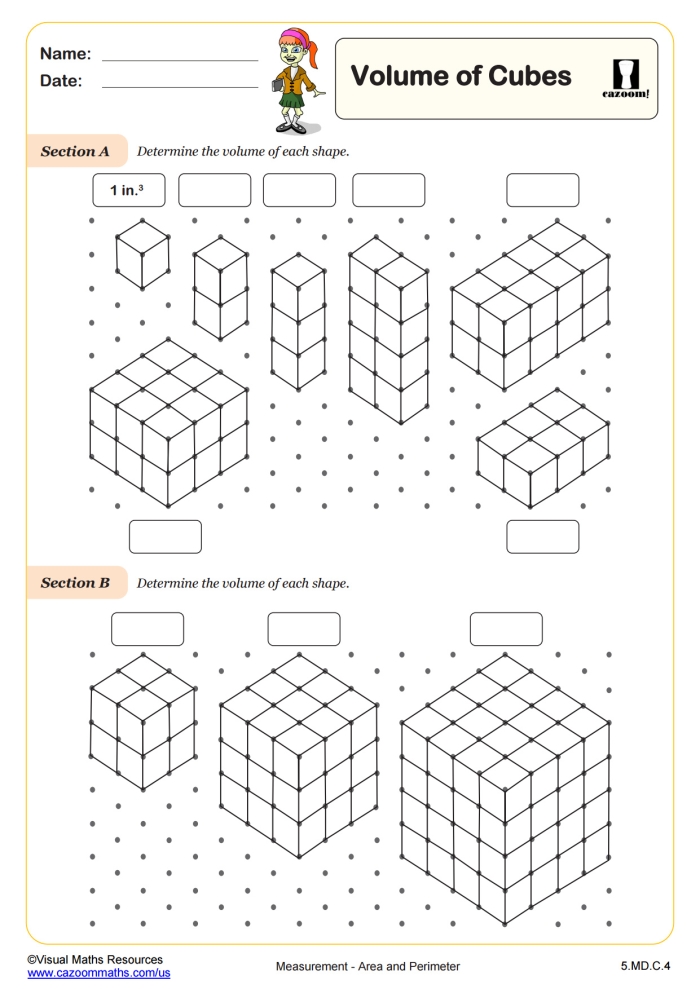
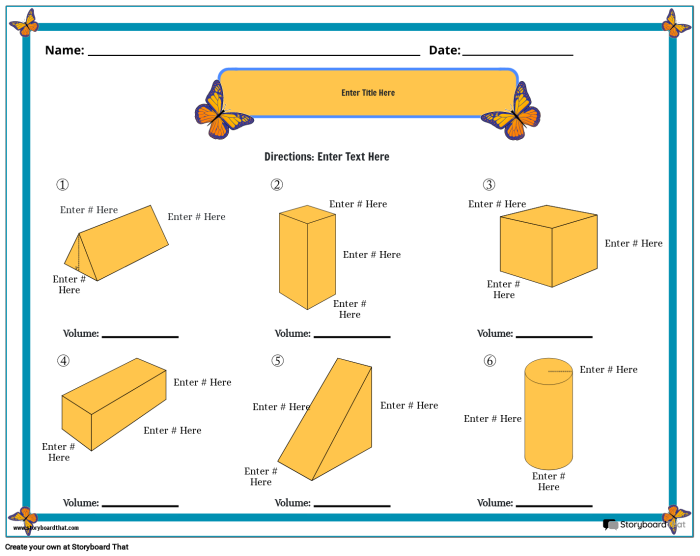
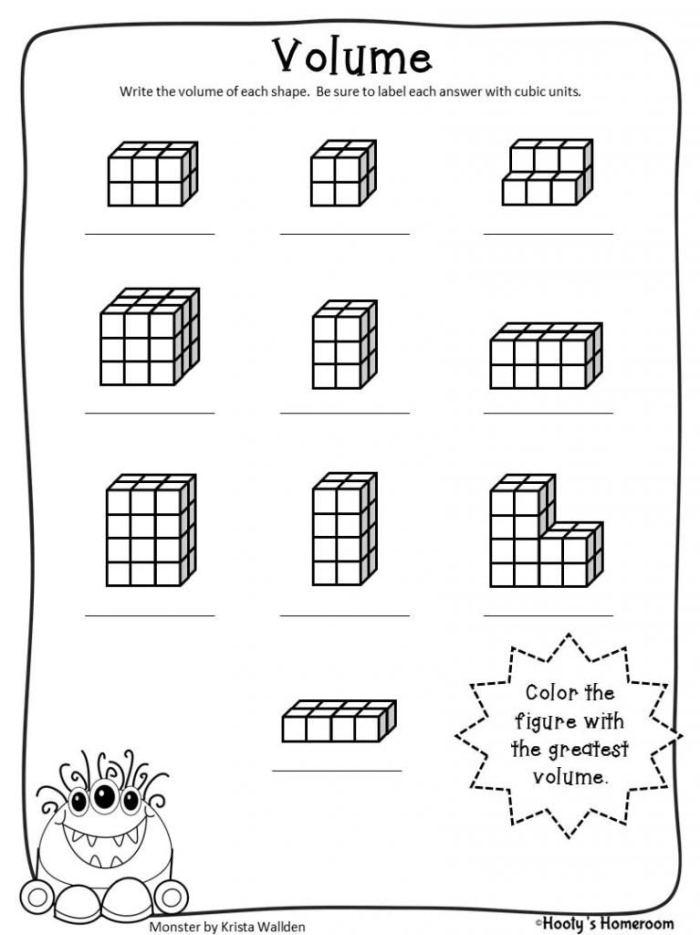
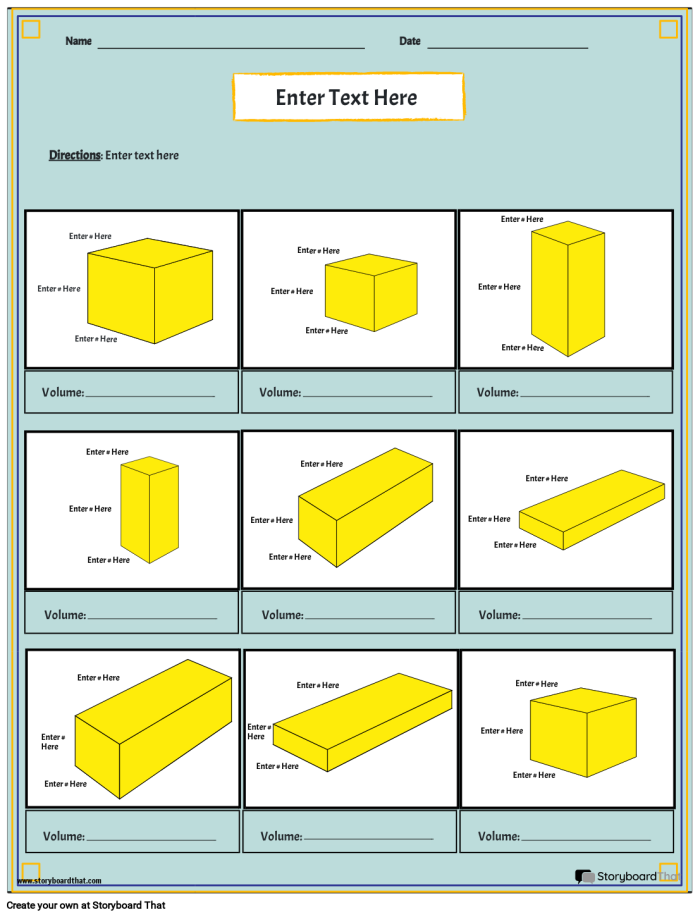
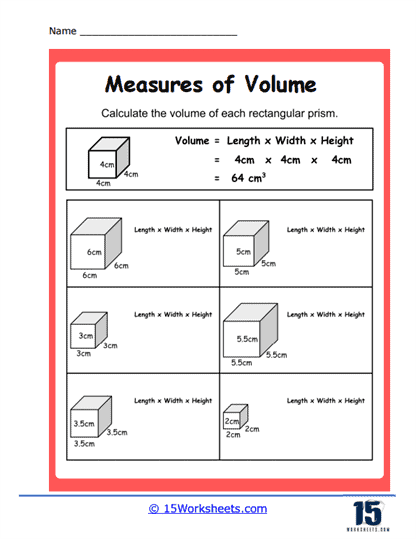
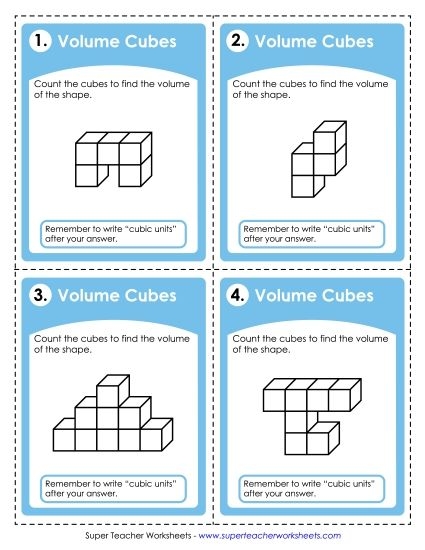
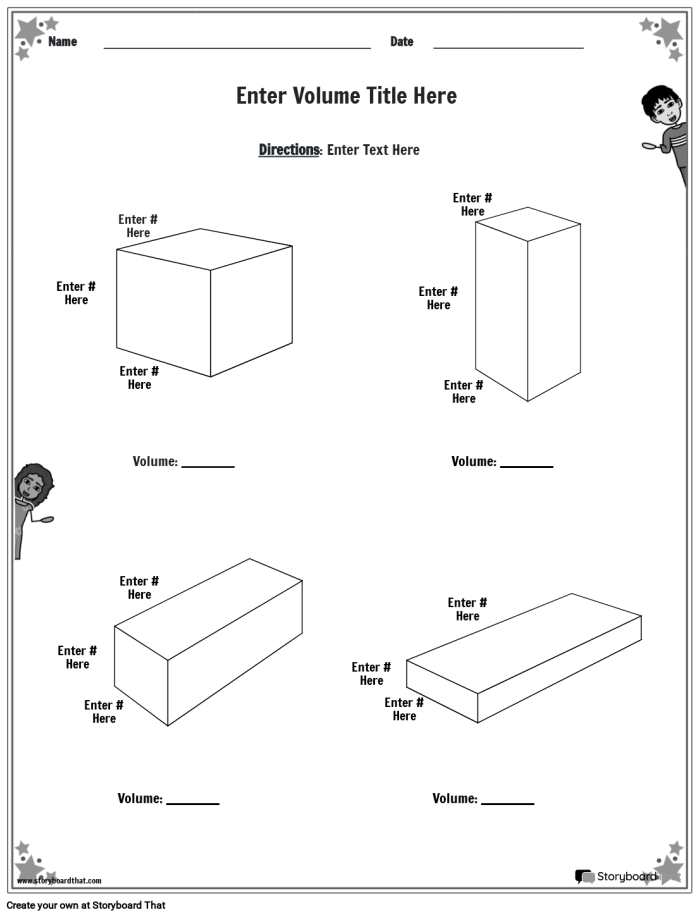
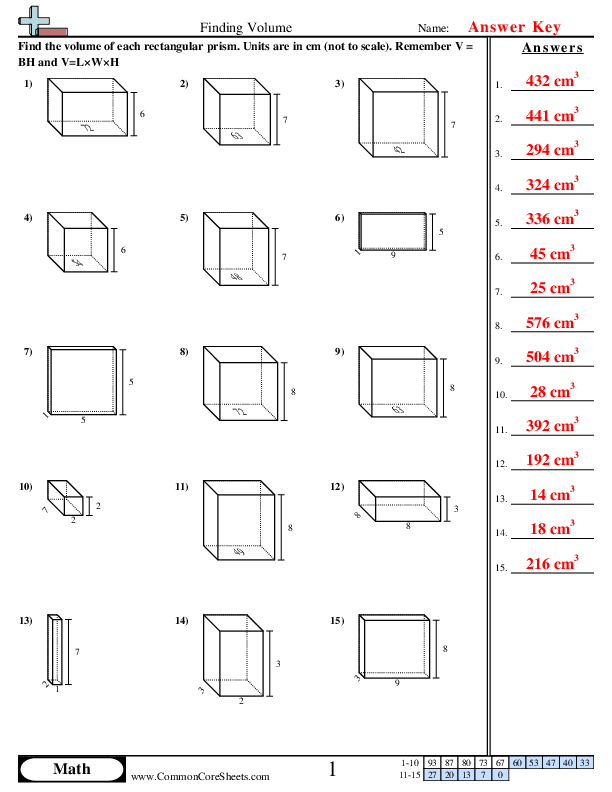
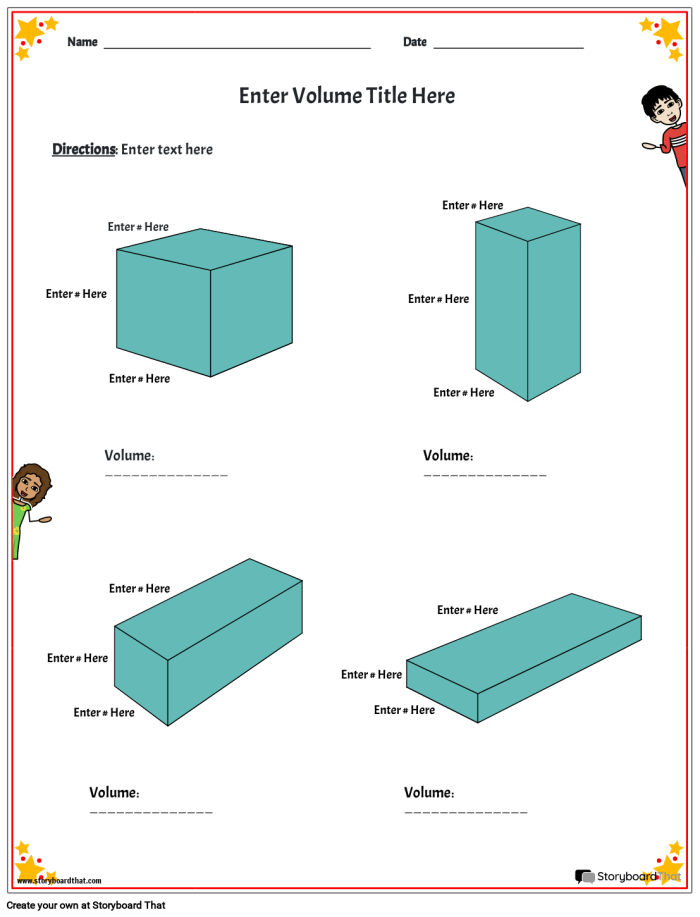
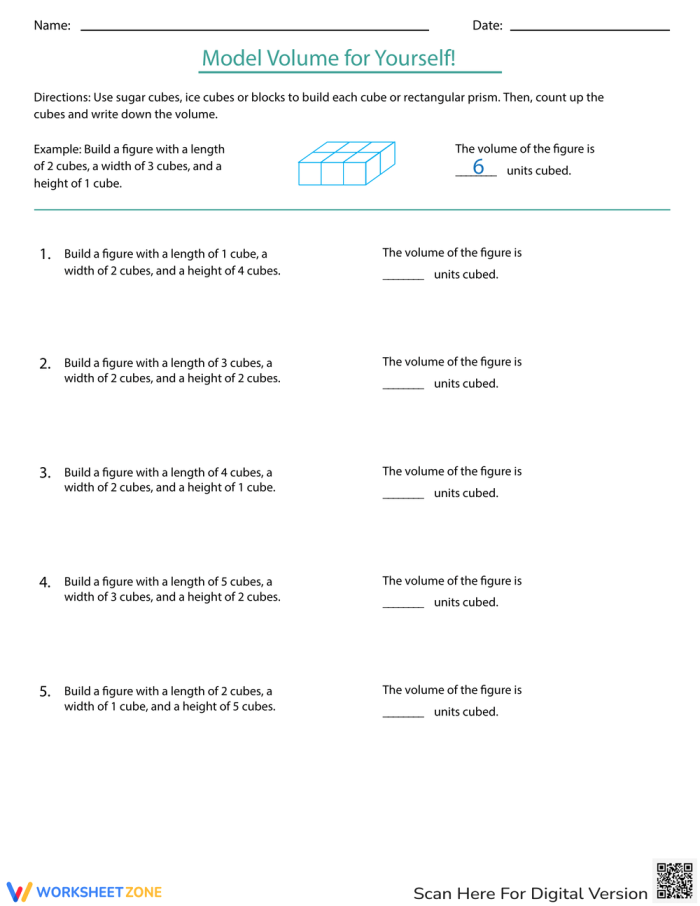
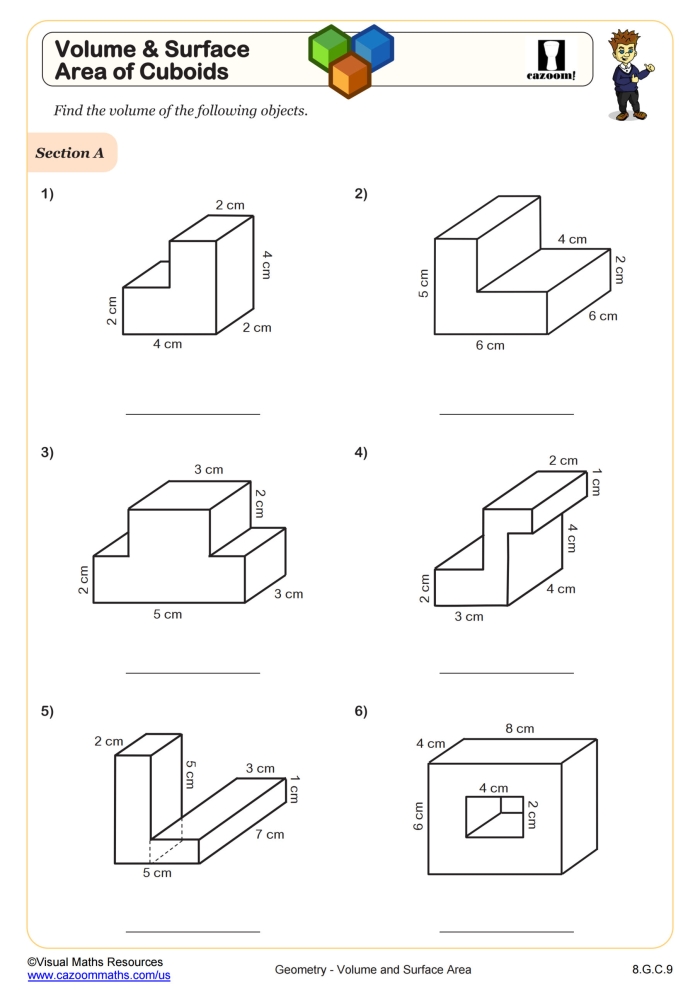
Building structures with sugar cubes or ice blocks offers a hands-on way to understand volume in geometry. This activity not only engages students but also reinforces their grasp of essential mathematical concepts. Using these common items, fifth graders can create cubes and rectangular prisms, making learning both fun and tangible.
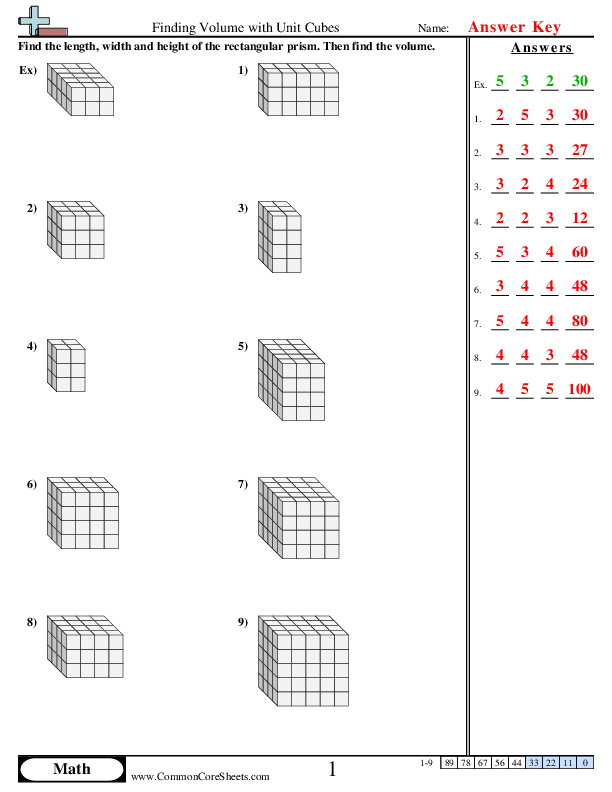
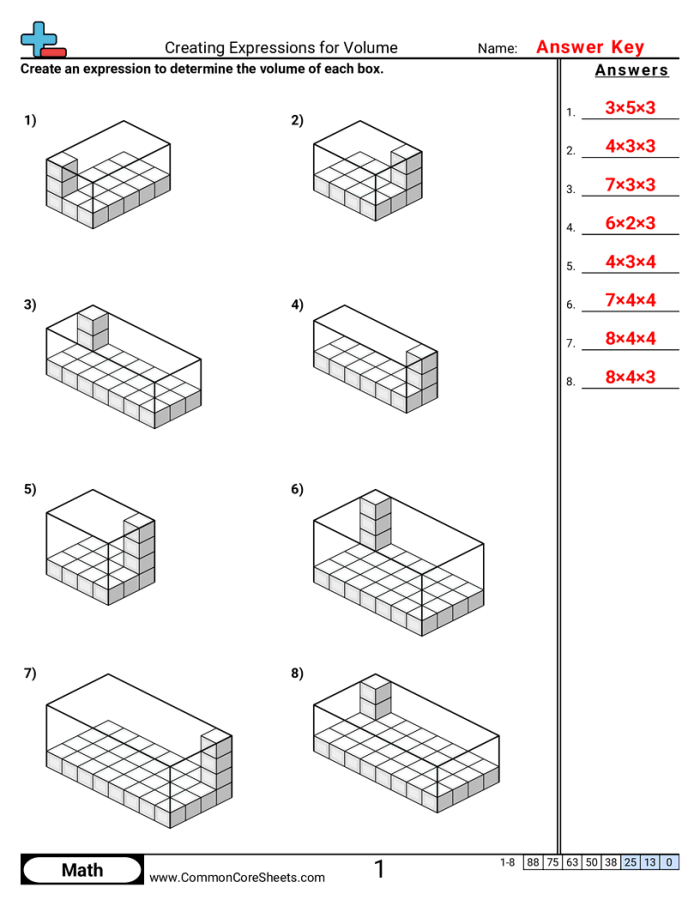
To get started, gather your materials: sugar cubes, ice cubes, or any small blocks. These will serve as the building blocks for your geometric shapes. Begin by constructing a cube or a rectangular prism. A cube is formed by using equal-length sides, while a rectangular prism can vary in dimensions. As you build, pay attention to the number of blocks you use. Each block represents one cubic unit.
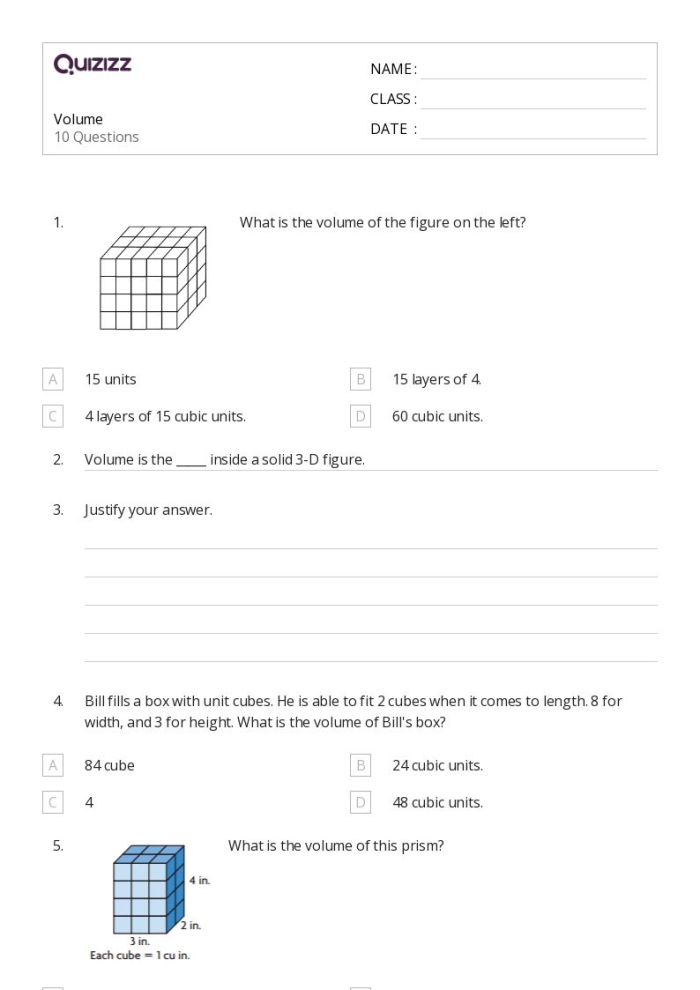
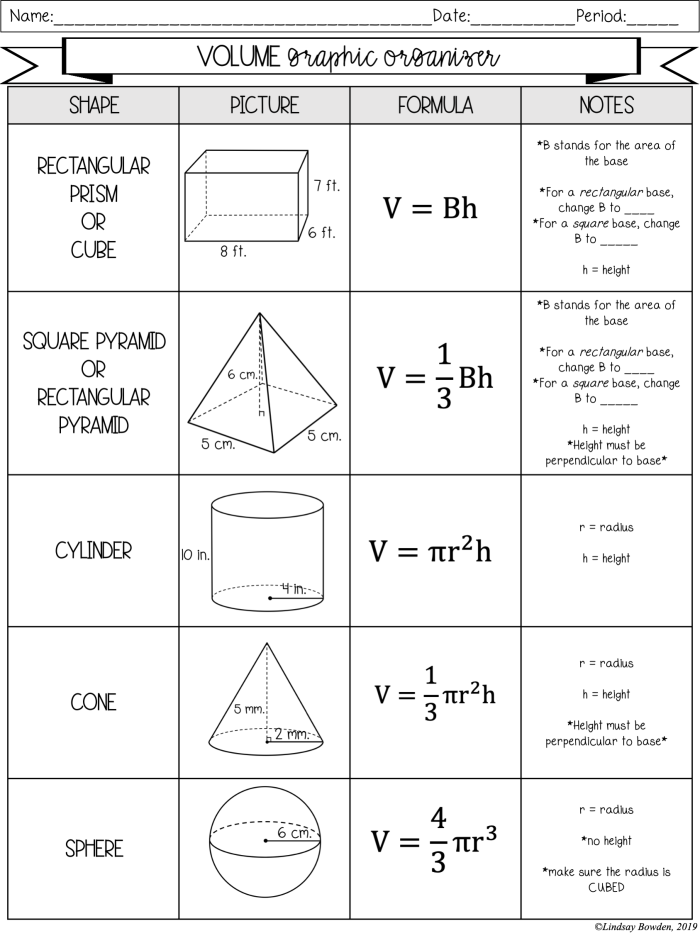
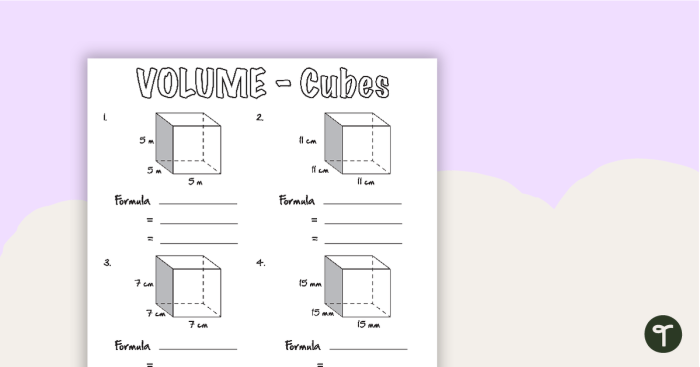
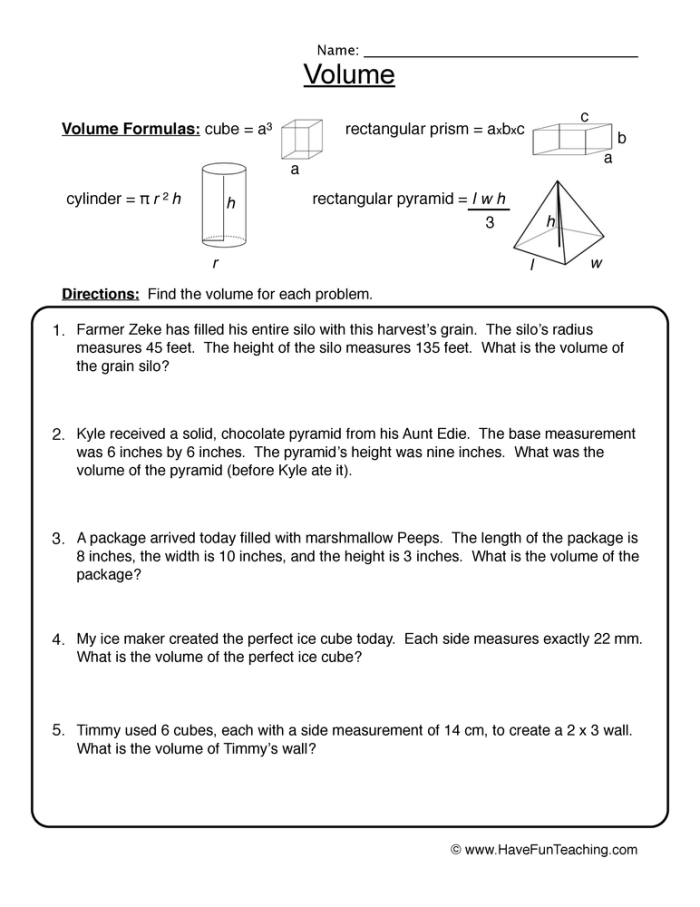
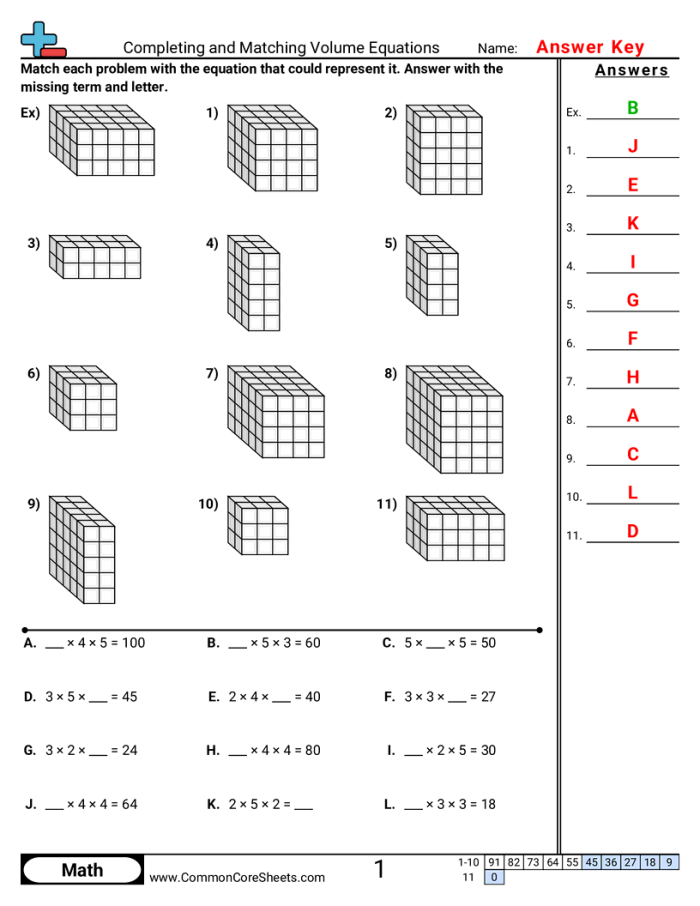
Once your structure is complete, take a moment to count the total number of cubes used. This count is crucial for calculating the volume of your shape. For instance, if you built a cube with side lengths of 3 blocks, the volume would be calculated as 3 x 3 x 3, resulting in 27 cubic units. This simple formula allows students to see how the dimensions directly affect the volume.
This hands-on approach to geometry not only solidifies understanding but also introduces a practical application of math in the real world. As students measure and calculate, they develop critical thinking skills and a deeper appreciation for geometric concepts. For further practice, you can explore printable worksheets that focus on volume, such as those found in the grammar review worksheets or the movie theater fractions worksheets.
Engaging in this activity allows fifth graders to model volume for themselves. By building and counting, they not only learn about geometry but also have fun while doing it. So, gather your cubes and start constructing—your understanding of volume is just a build away!
Hands-On Worksheet Activities