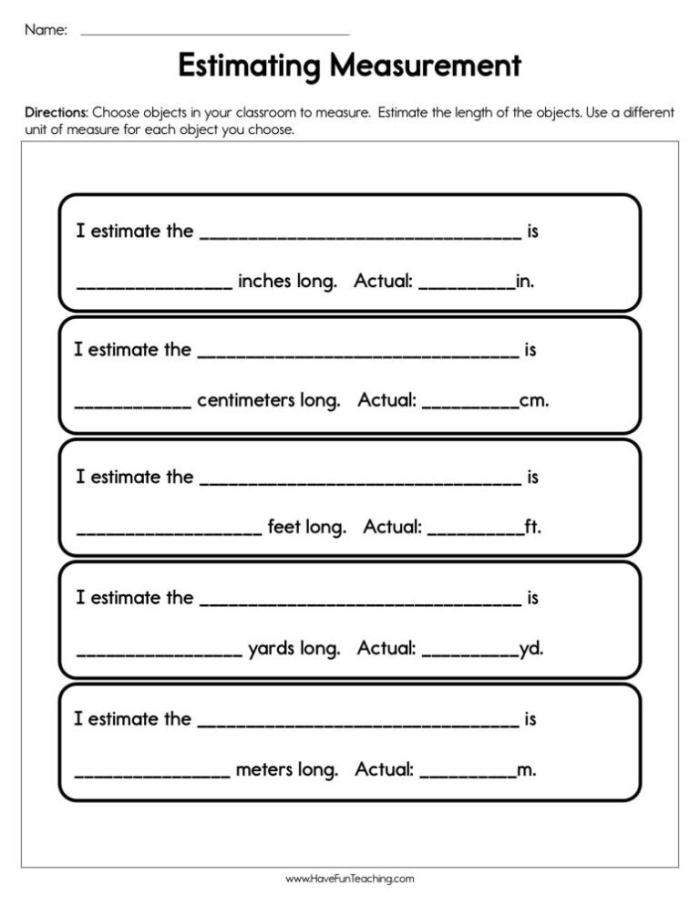
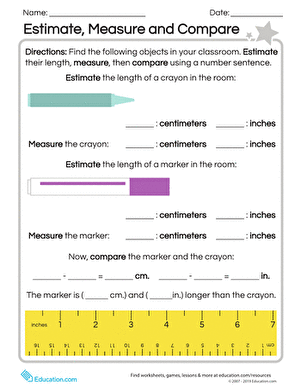
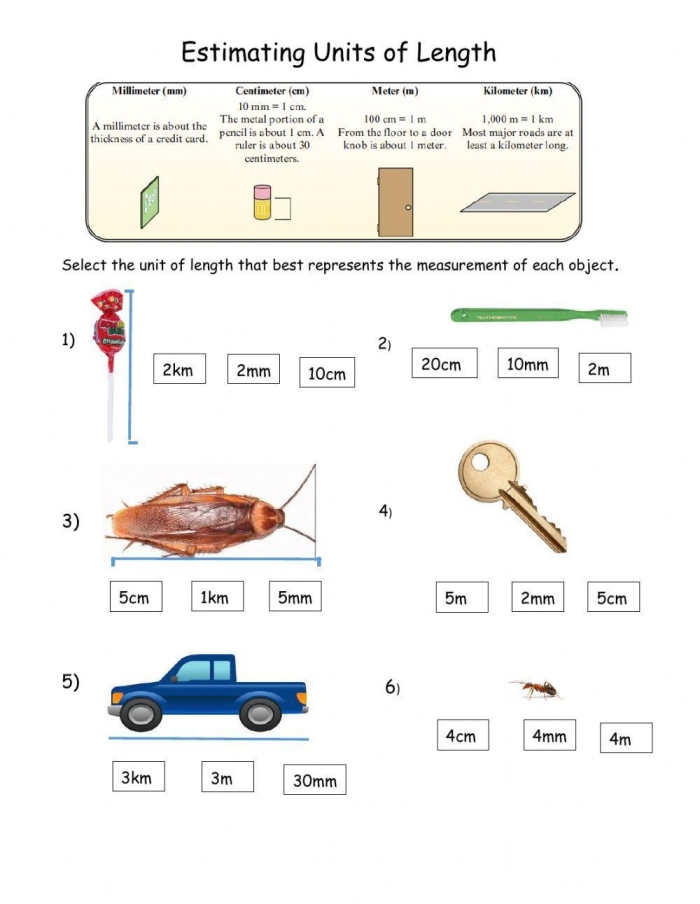
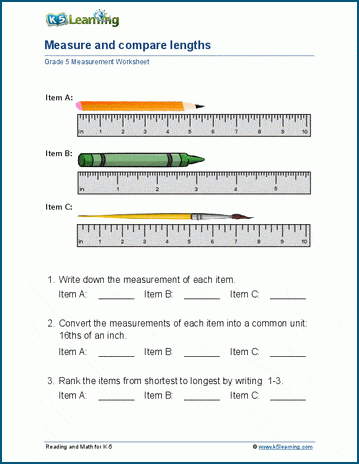
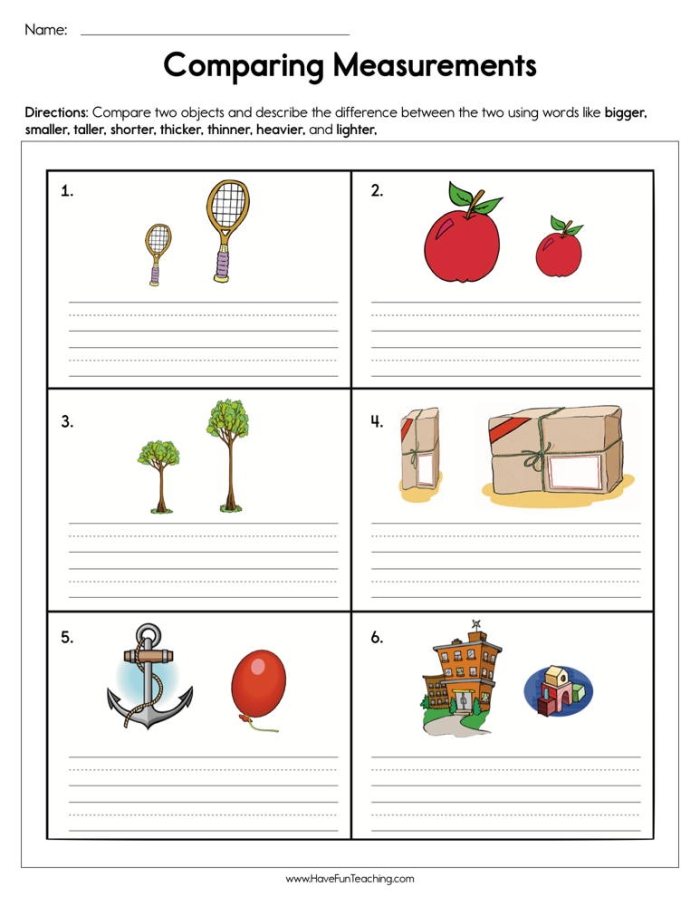
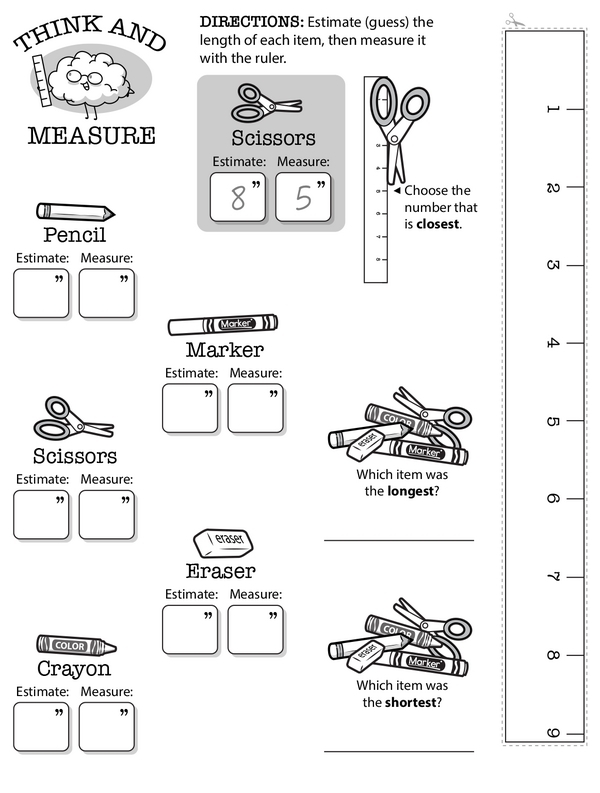
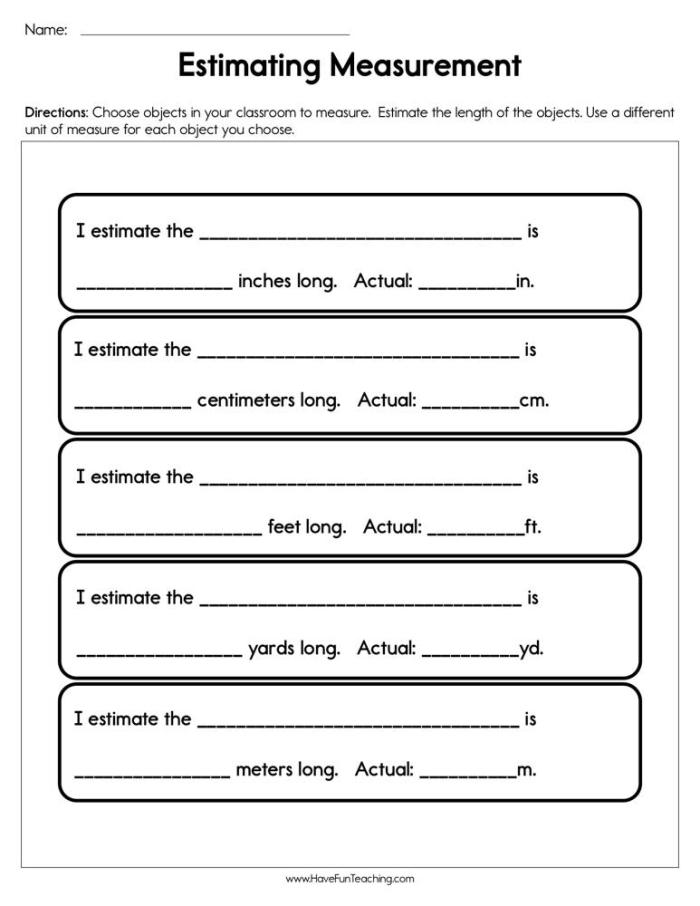
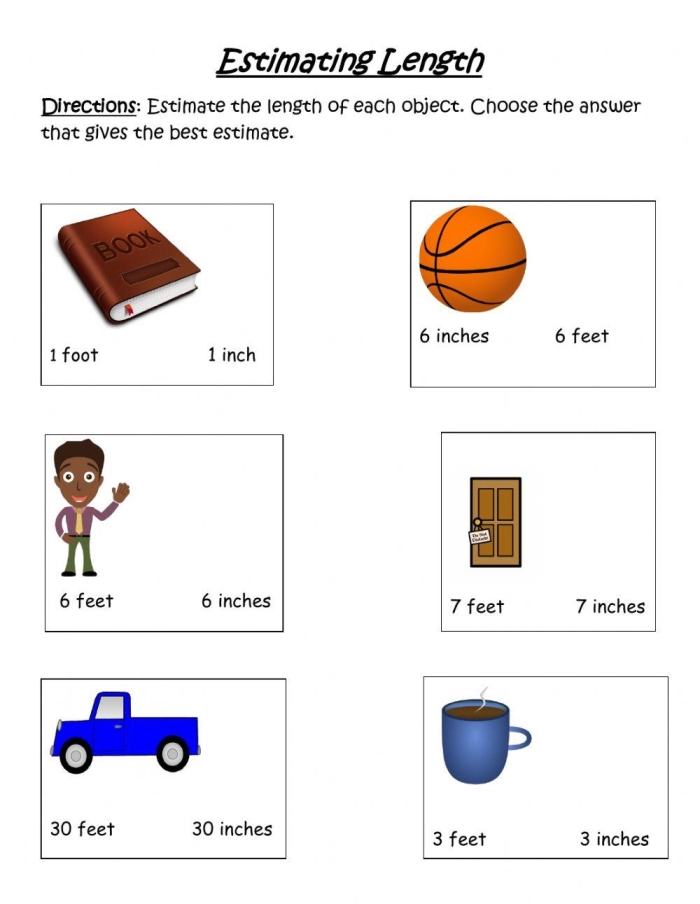
Have you ever wondered about the length of a crayon compared to a marker? This simple question opens up a world of learning opportunities for second graders. By measuring everyday objects like these, students not only practice their estimation and measurement skills but also engage with math in a fun and interactive way.
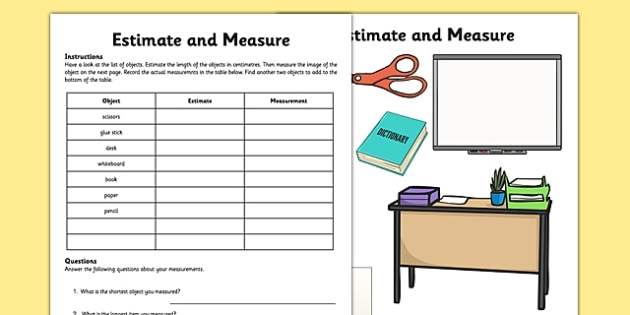
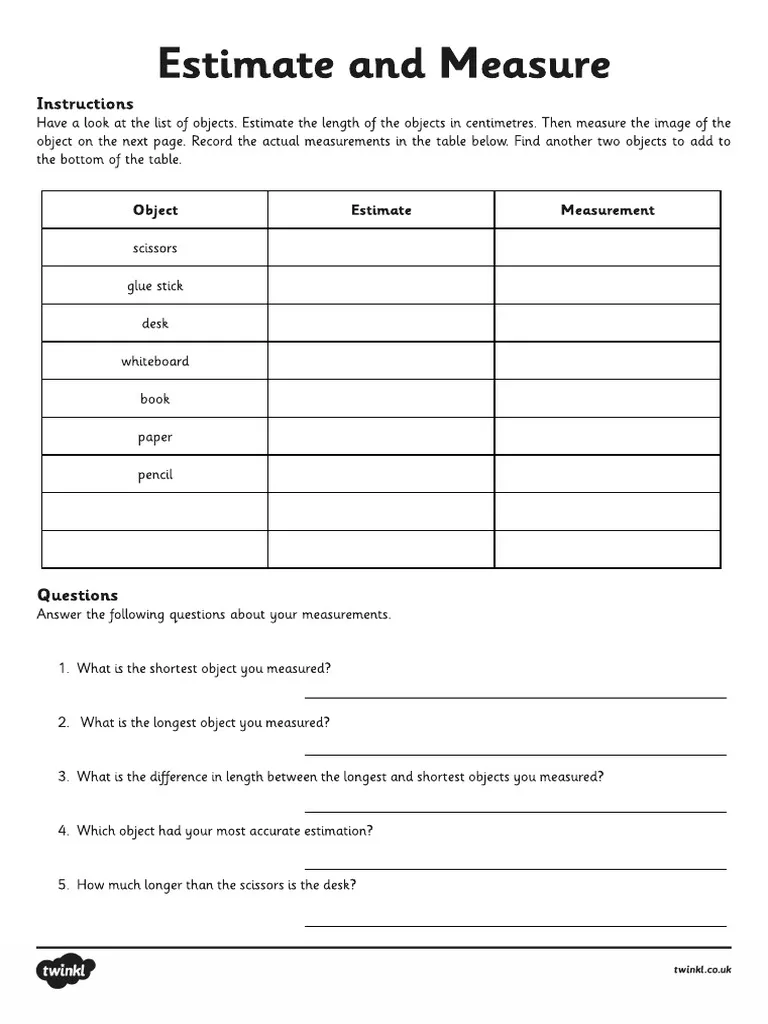
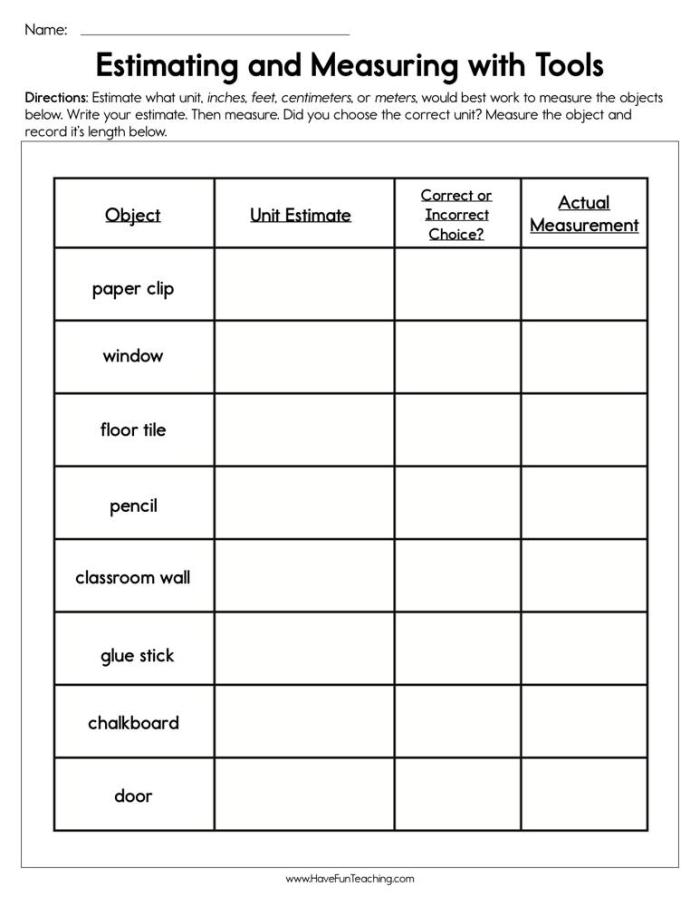
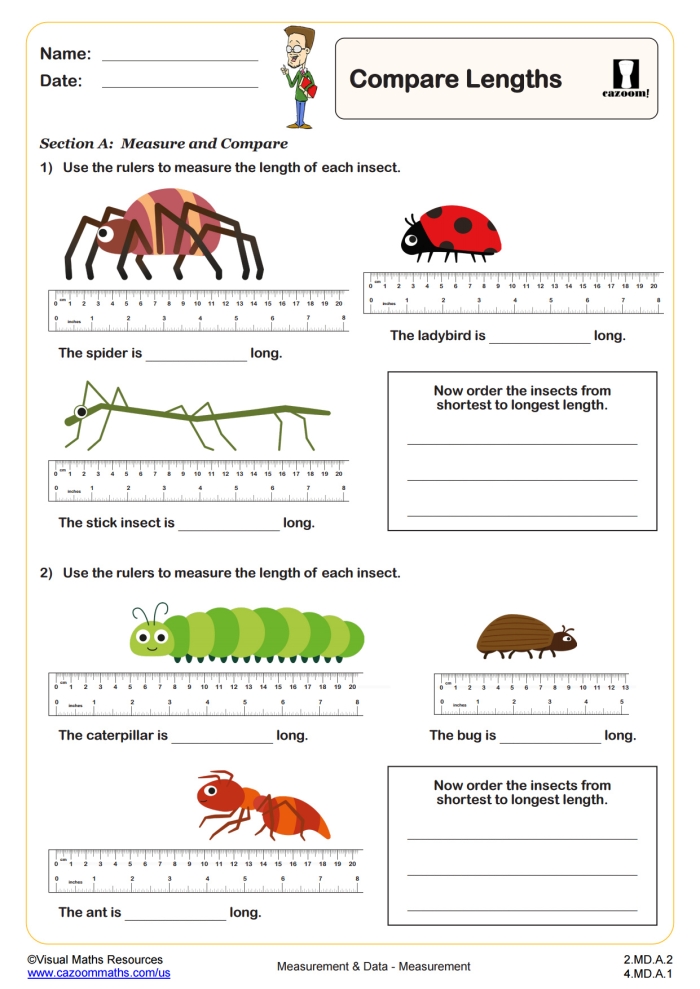
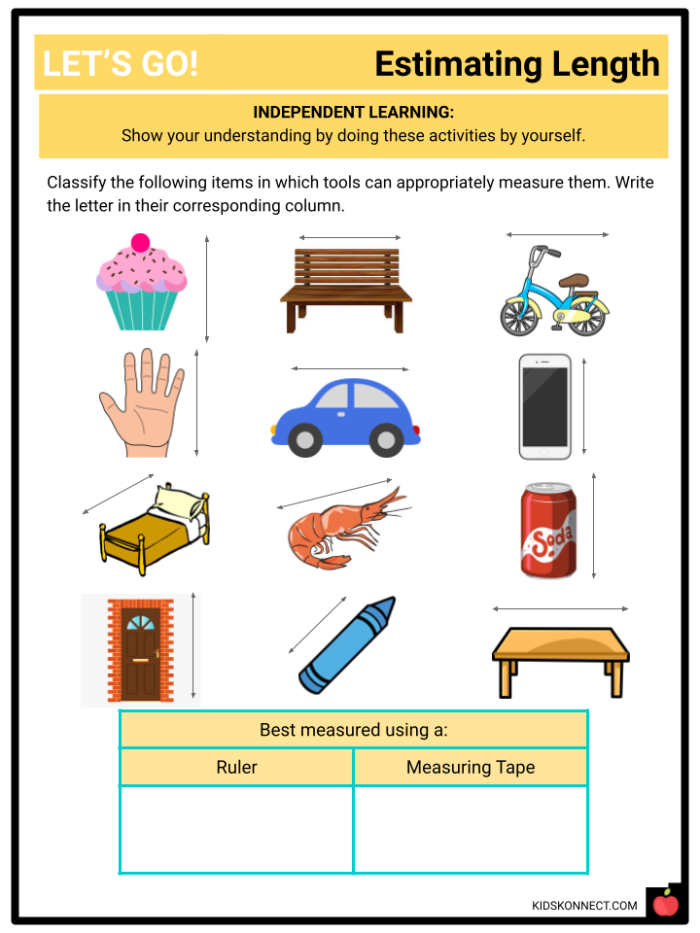
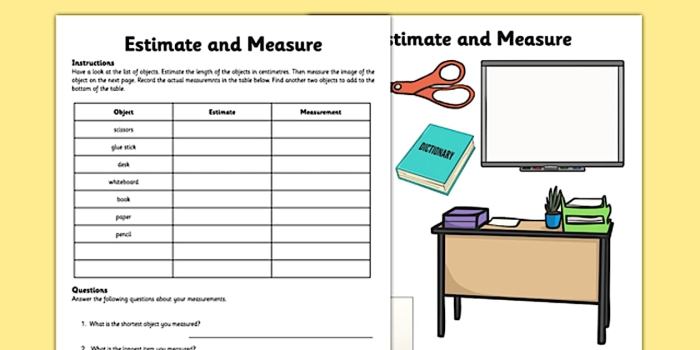
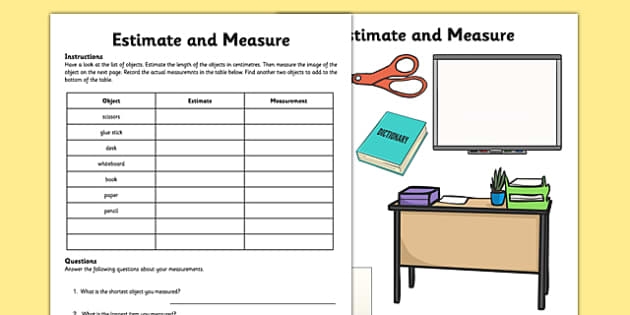
Using a ruler to measure the lengths of items found in the classroom can transform a mundane task into an exciting adventure. For instance, students can cut out the included in/cm ruler from their worksheets to estimate the lengths of crayons, markers, and even other items like scissors or glue sticks. This hands-on activity encourages them to think critically: Which item is longer? How much longer is one compared to the other?
To make the most of this activity, teachers can guide students in measuring a variety of objects, prompting them to record their findings. They can create a simple chart to visualize their measurements, helping them to understand the concept of length more clearly. For example, if a crayon measures 3 inches and a marker measures 5 inches, students can easily see that the marker is longer.
This approach not only reinforces measurement skills but also introduces students to important historical context. Understanding measurements is crucial in various fields such as architecture, engineering, and even art. By exploring these concepts in the classroom, students gain practical knowledge that extends beyond their second-grade history lessons.
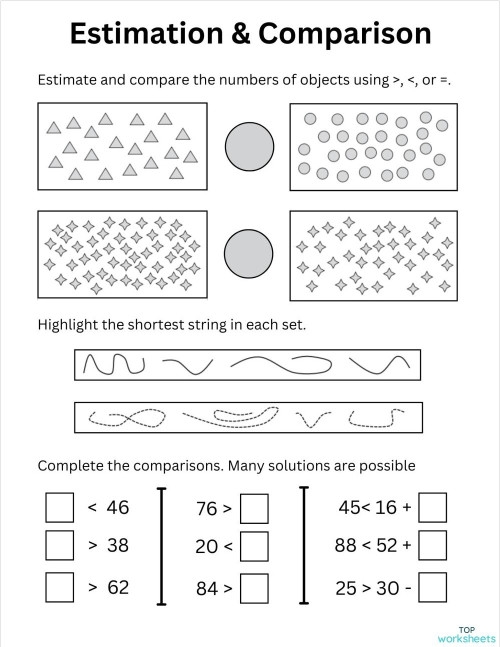
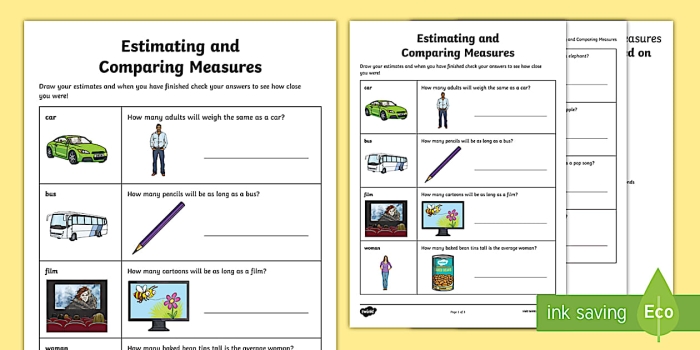
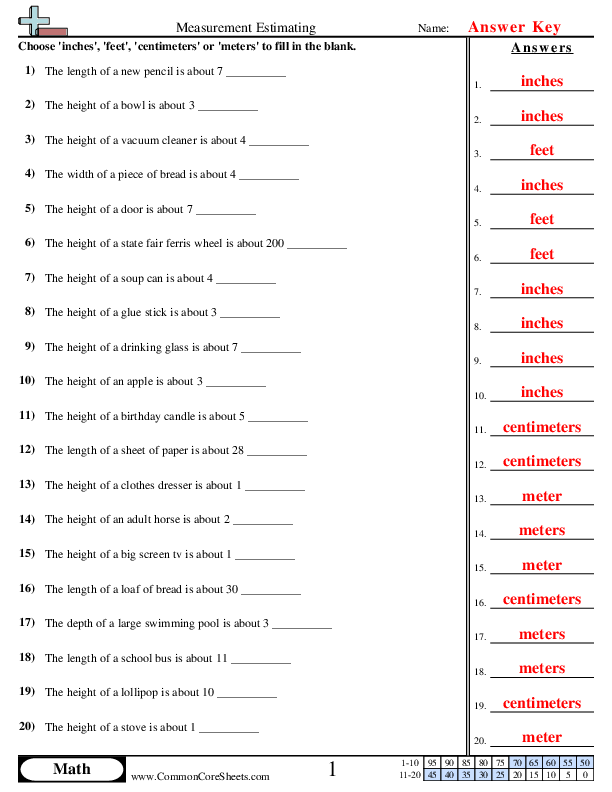
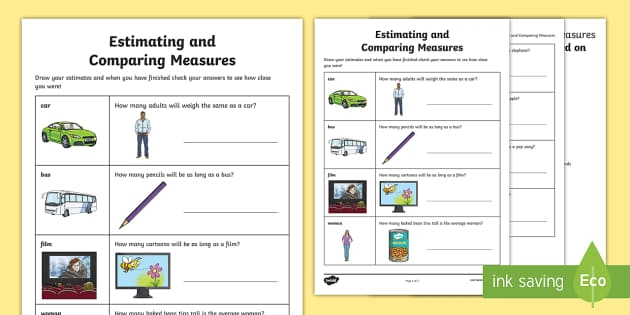
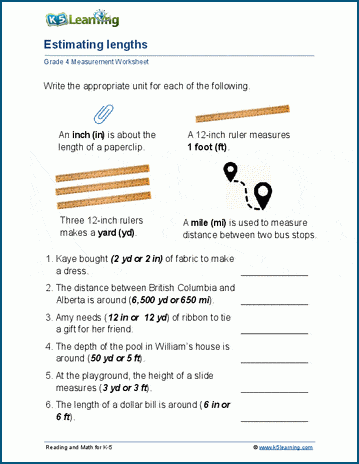
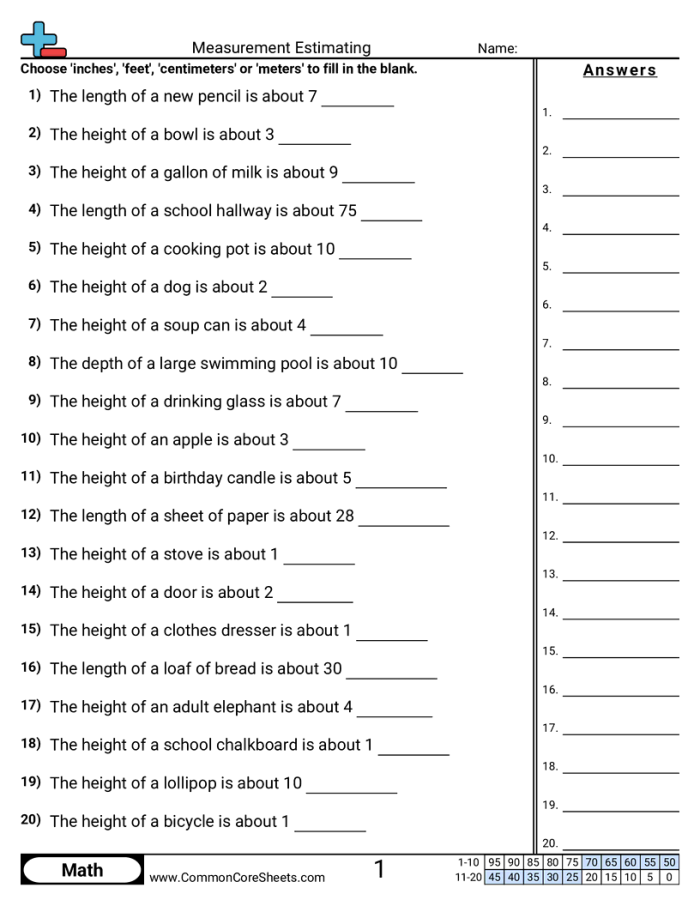
If you’re looking for additional resources, consider exploring some printable worksheets that focus on estimating, measuring, and comparing different objects. These worksheets can provide even more opportunities for hands-on learning, allowing students to practice their skills in a structured way. For instance, check out the telling time worksheets or the spring rain crossword worksheets for further engaging activities.
Hands-On Worksheet Activities