The tale of The Three Little Pigs is more than just a favorite childhood story; it serves as an excellent tool for developing reading comprehension skills in young learners. As children engage with the narrative, they encounter critical elements such as protagonists, antagonists, and the dynamics between characters. This approach not only makes the story enjoyable but also educational, particularly for second graders who are honing their analytical skills.
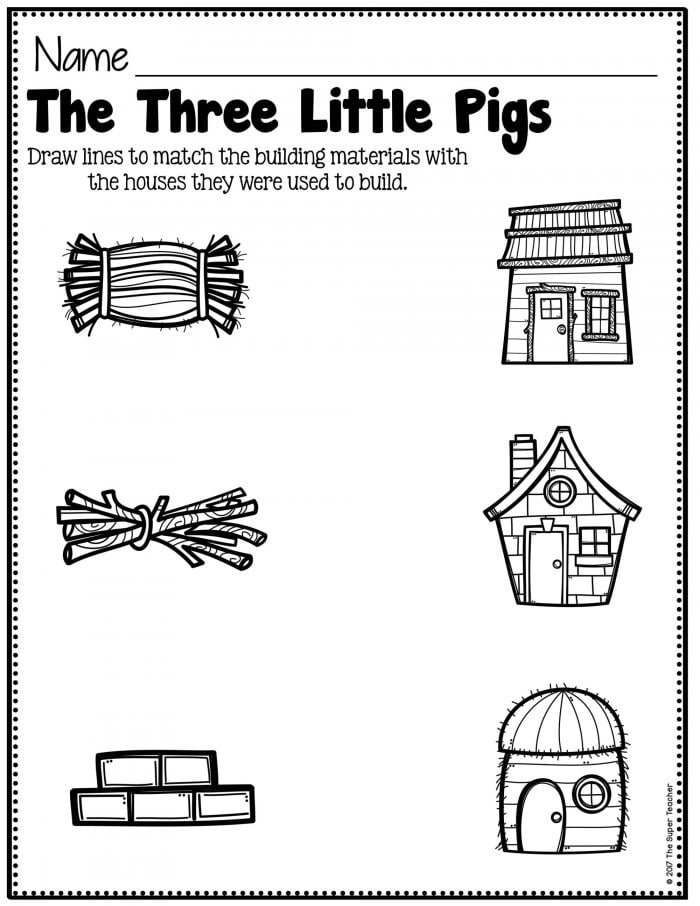
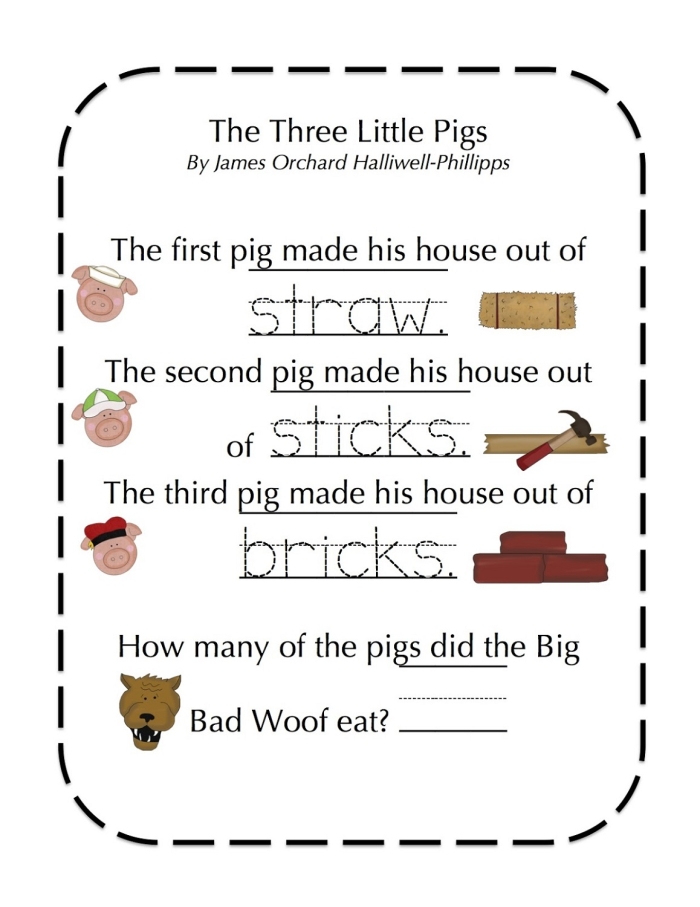
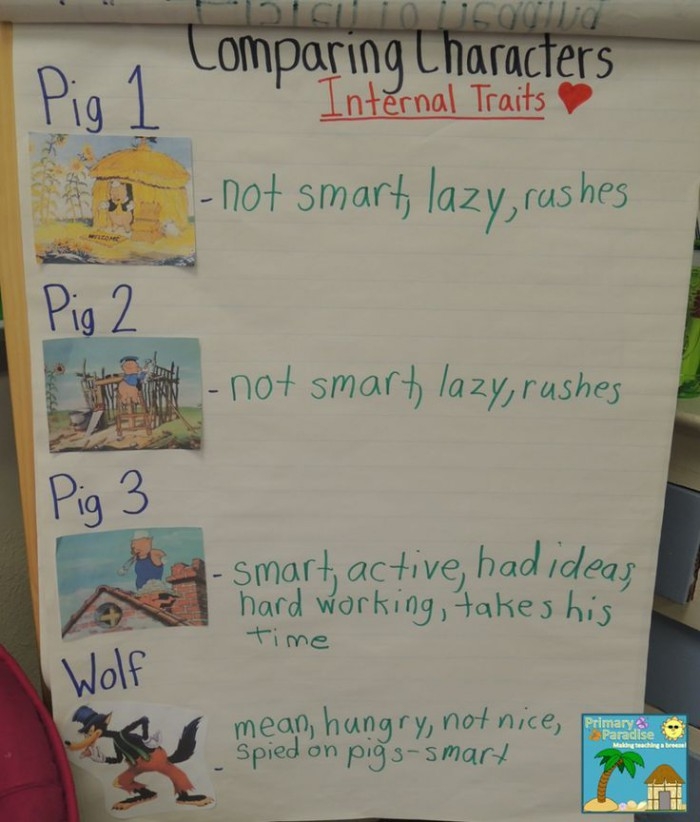
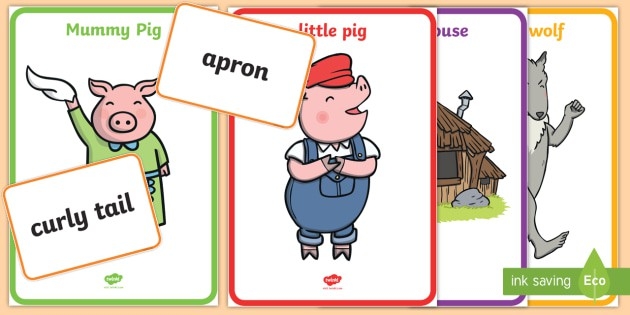
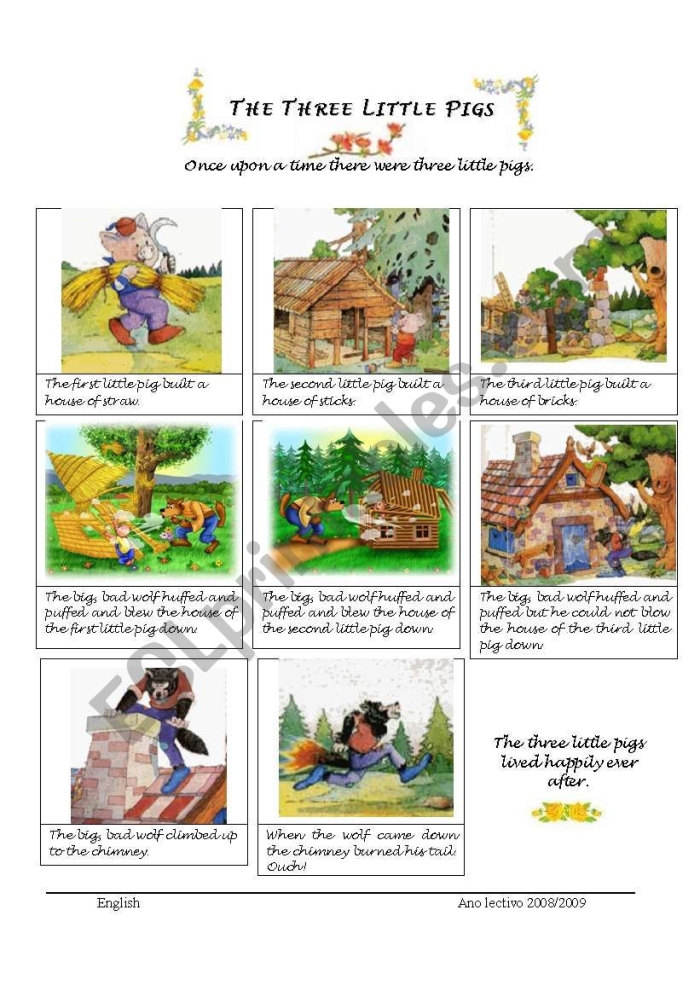
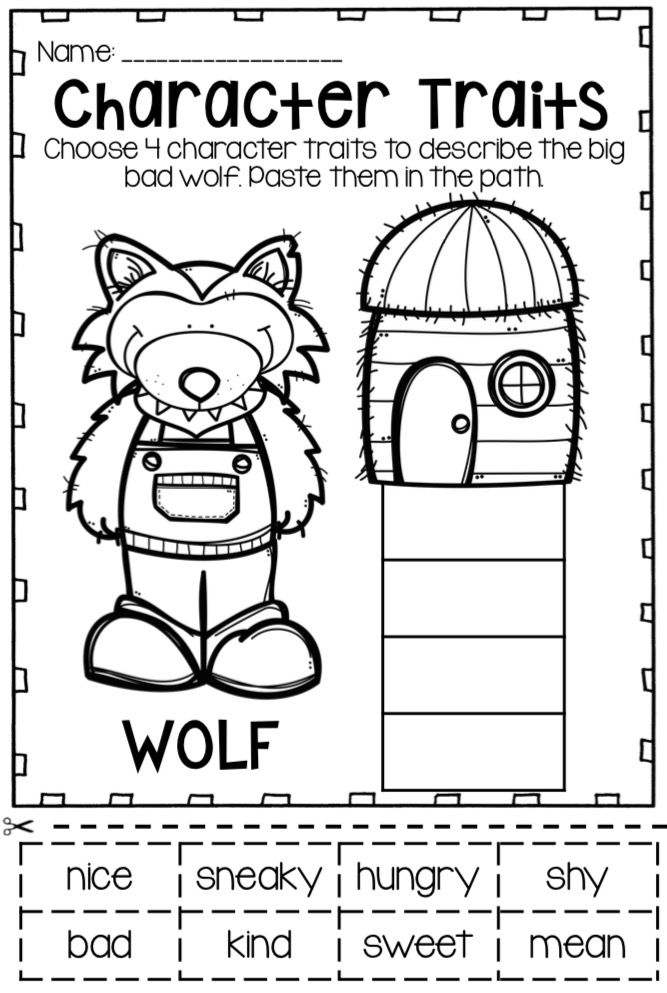
In this classic tale, the three pigs each represent different approaches to challenges, while the Big Bad Wolf embodies the antagonist role. By analyzing their actions and motivations, students can practice identifying key character traits. For instance, one pig builds a house of straw, another of sticks, and the third of bricks. Discussing why the third pig’s choice is significant opens up conversations about problem-solving and resilience. Such discussions encourage children to think critically about each character’s decisions and the consequences that follow.
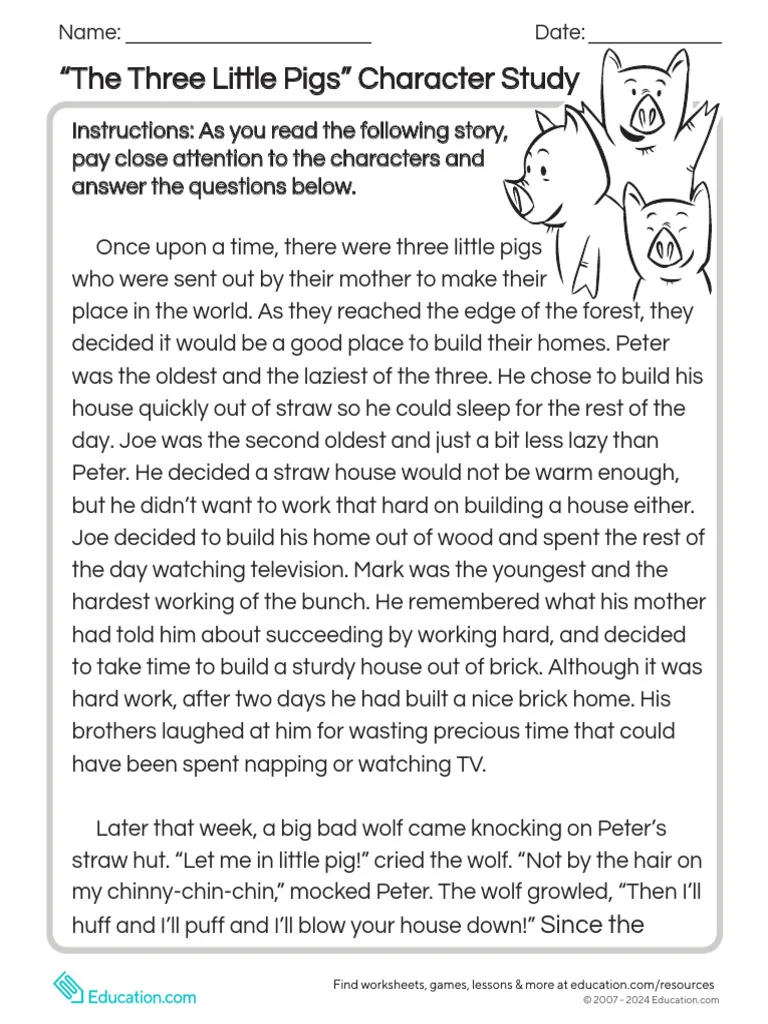
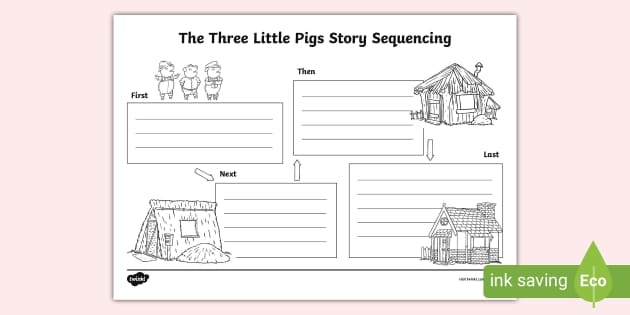
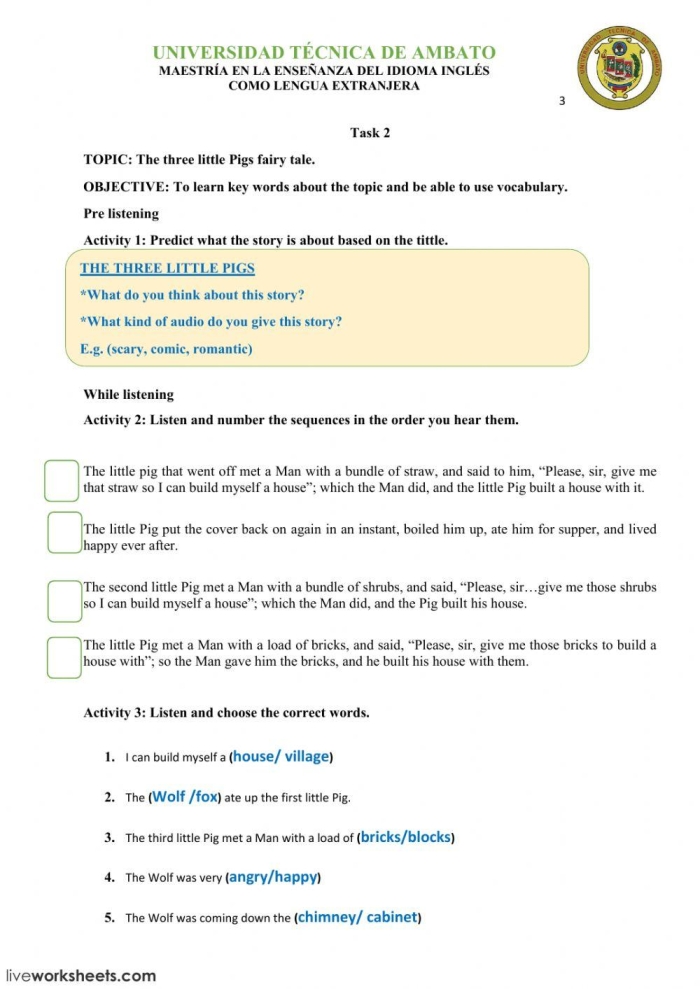
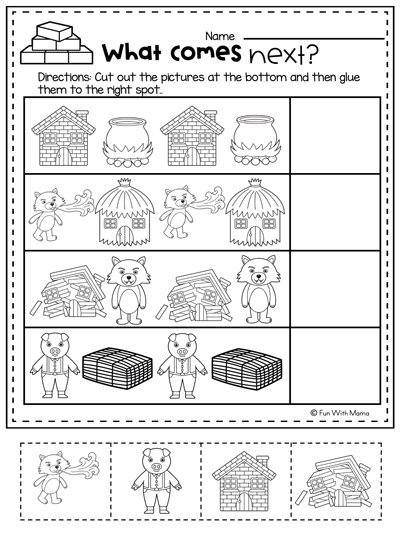
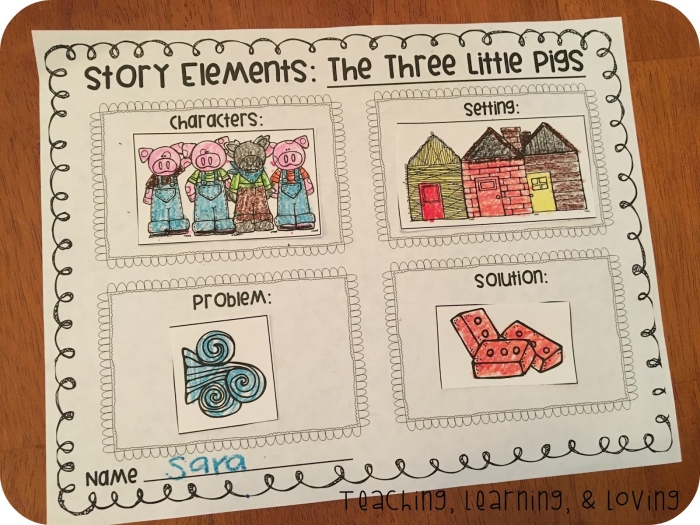
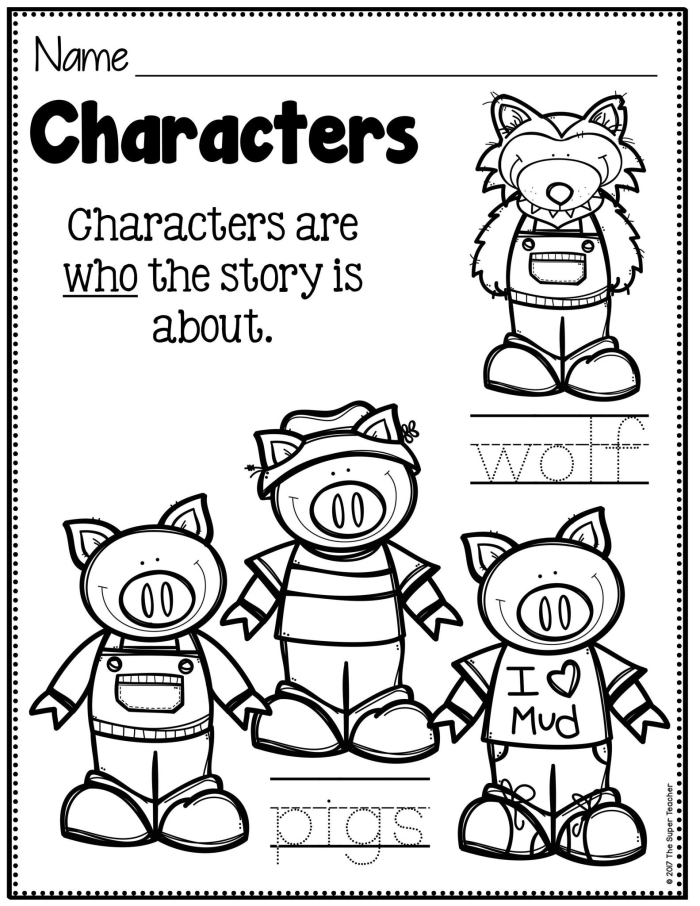
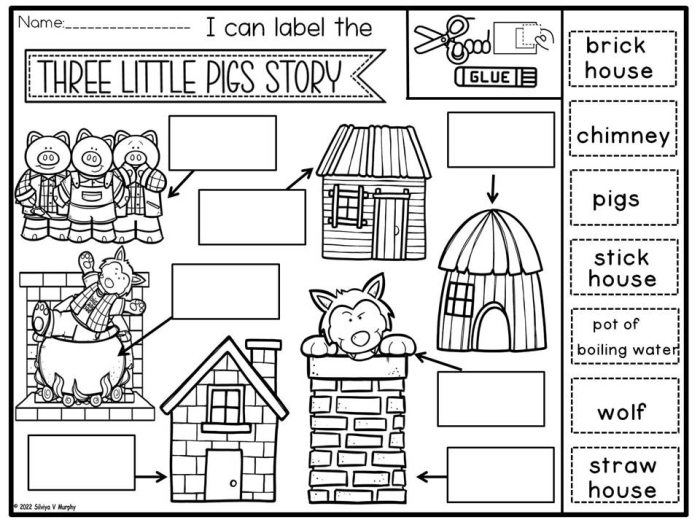
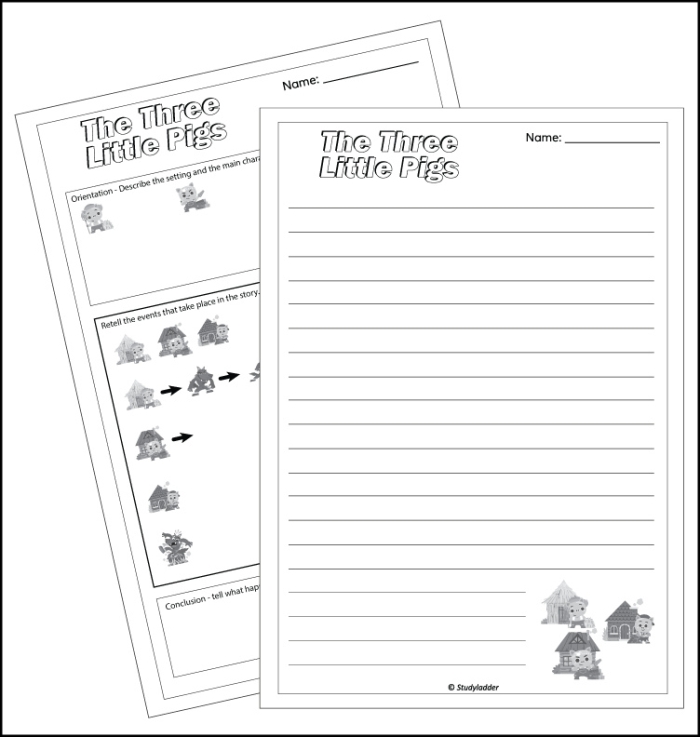
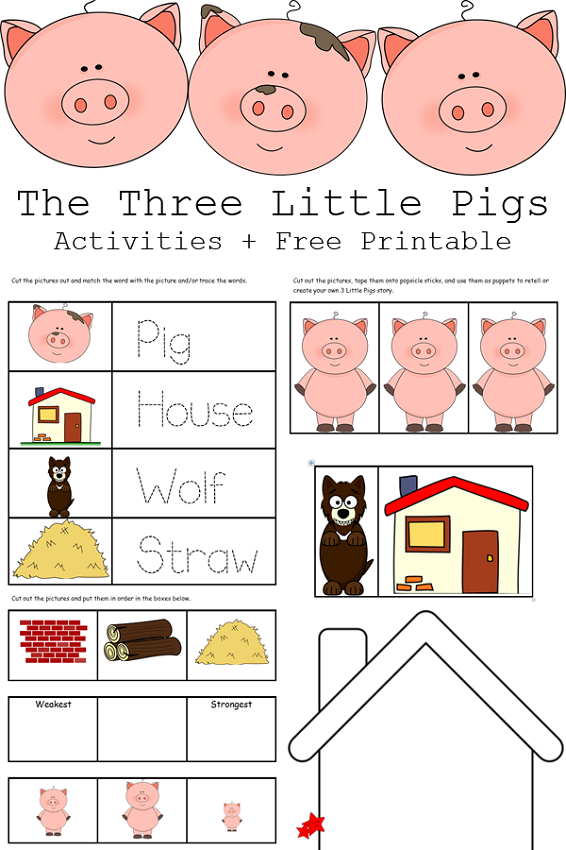
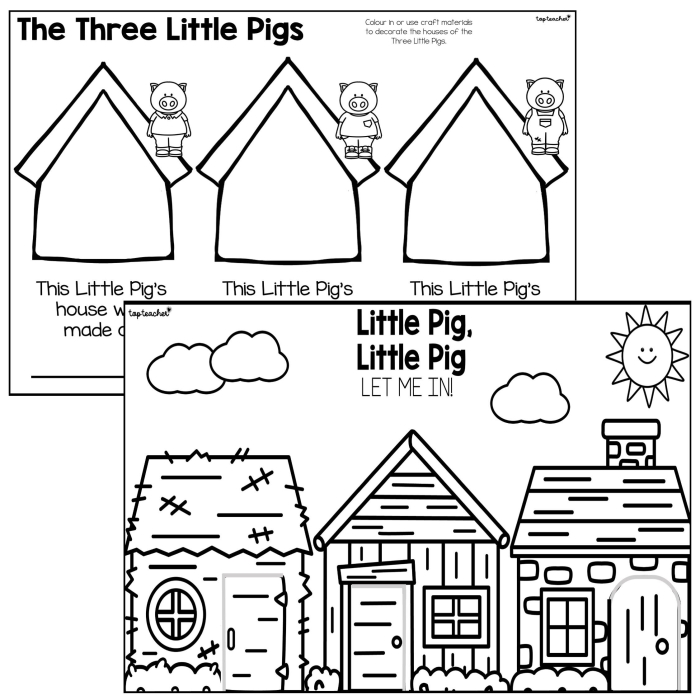
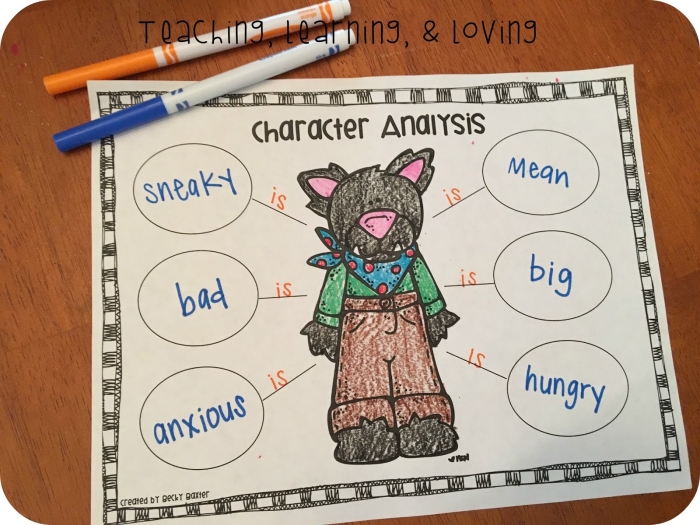
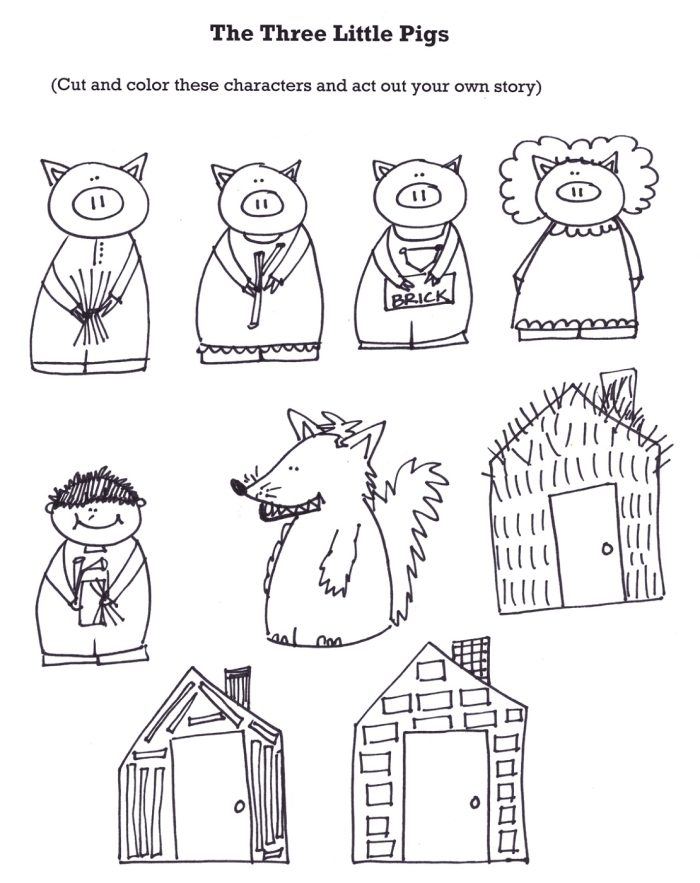
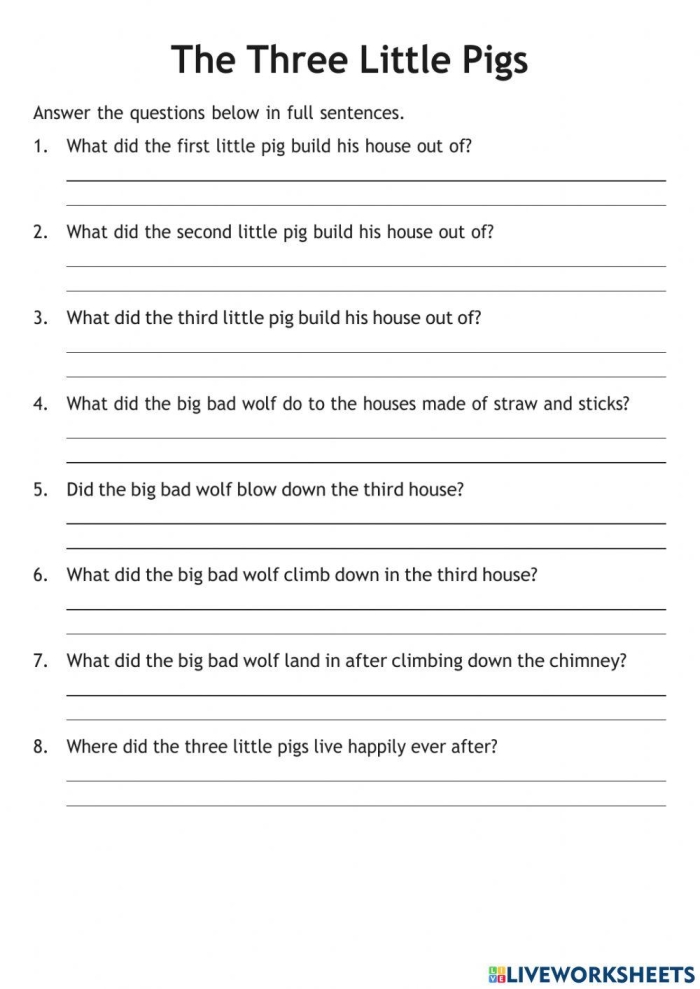
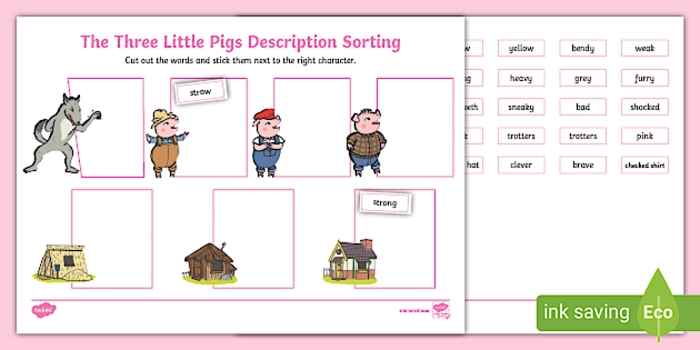
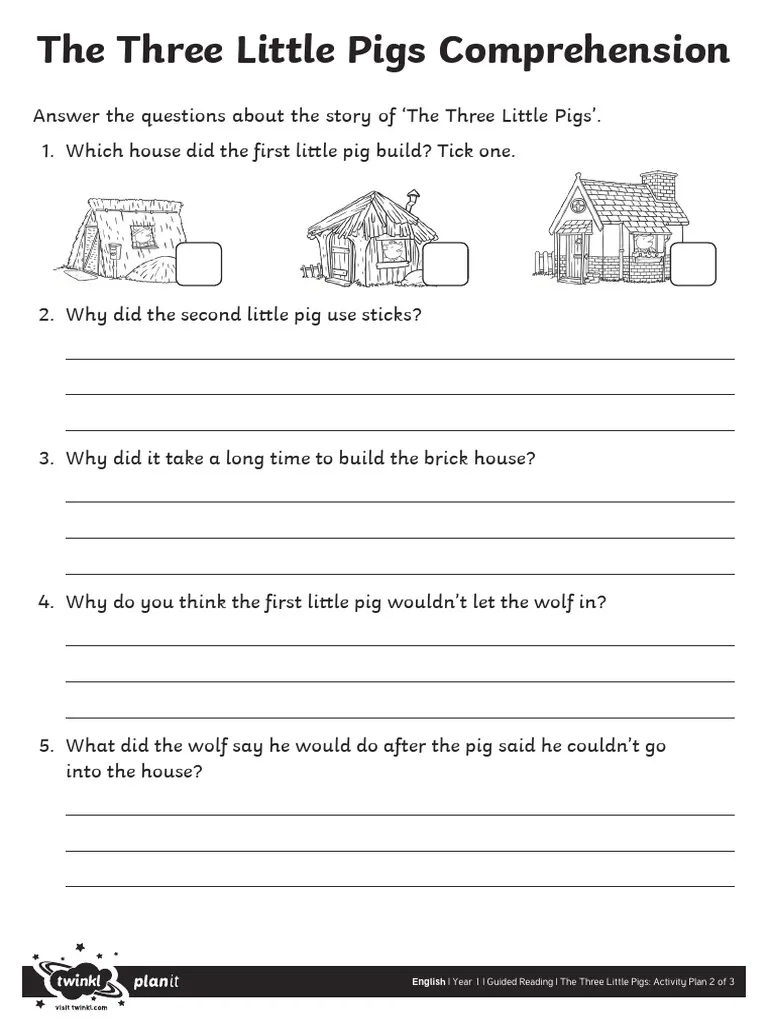
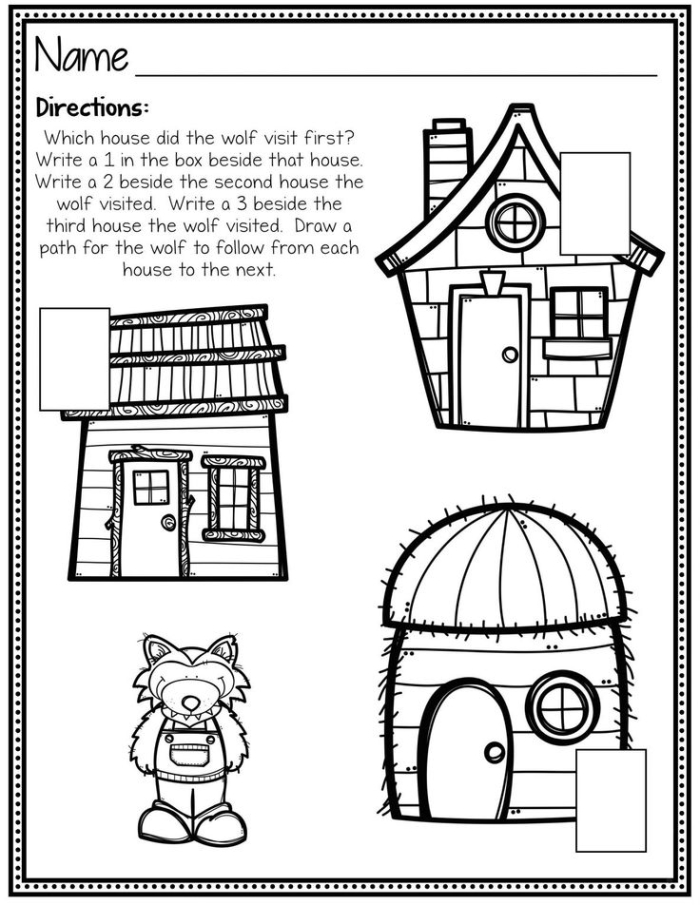
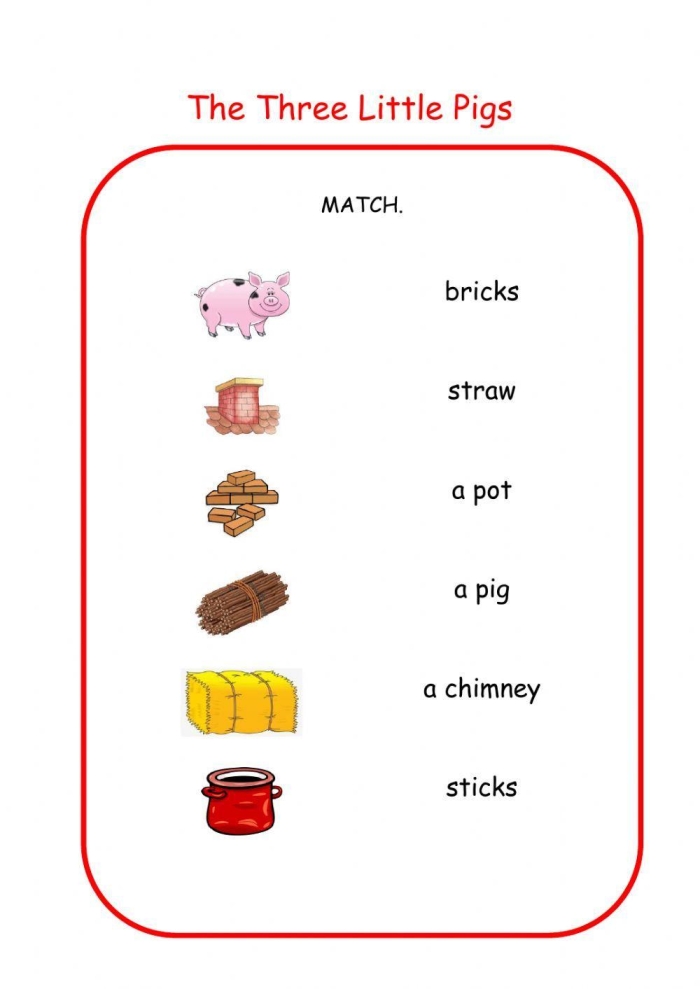
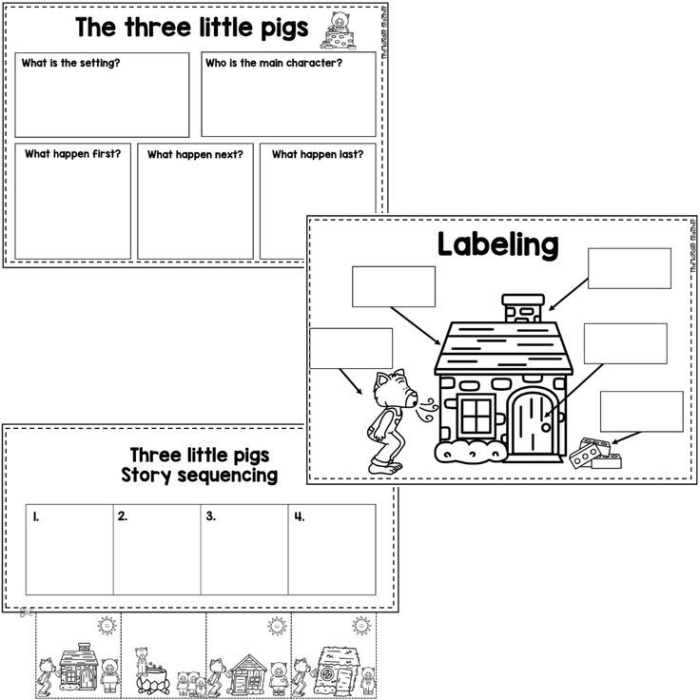
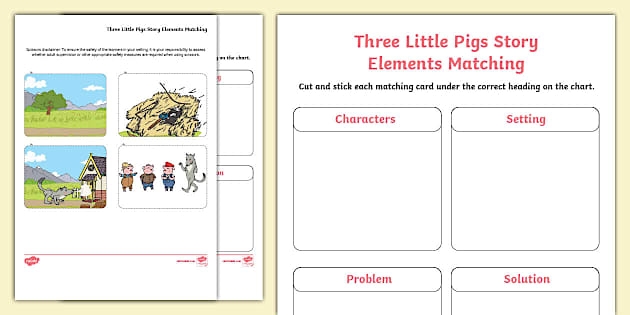
Using printable The Three Little Pigs character study worksheets can further enhance this learning experience. These worksheets can guide students in mapping out character relationships and understanding the narrative structure. By integrating geometry concepts, such as the different shapes and structures represented in the pigs’ homes, children can see how math and literacy intersect. This not only reinforces their reading skills but also enriches their understanding of geometry.
As students explore the character dynamics within The Three Little Pigs, they begin to appreciate how stories reflect real-life scenarios. They learn that every character has a role to play, which can lead to discussions about empathy and perspective-taking. This kind of character study can be a fun and engaging way to build comprehension skills while also instilling valuable life lessons.
Incorporating stories like The Three Little Pigs into the classroom provides a unique platform for second graders to practice reading comprehension while connecting with geometry concepts. This fusion of literacy and math equips young learners with essential skills that will benefit them in their educational journey.
Hands-On Worksheet Activities