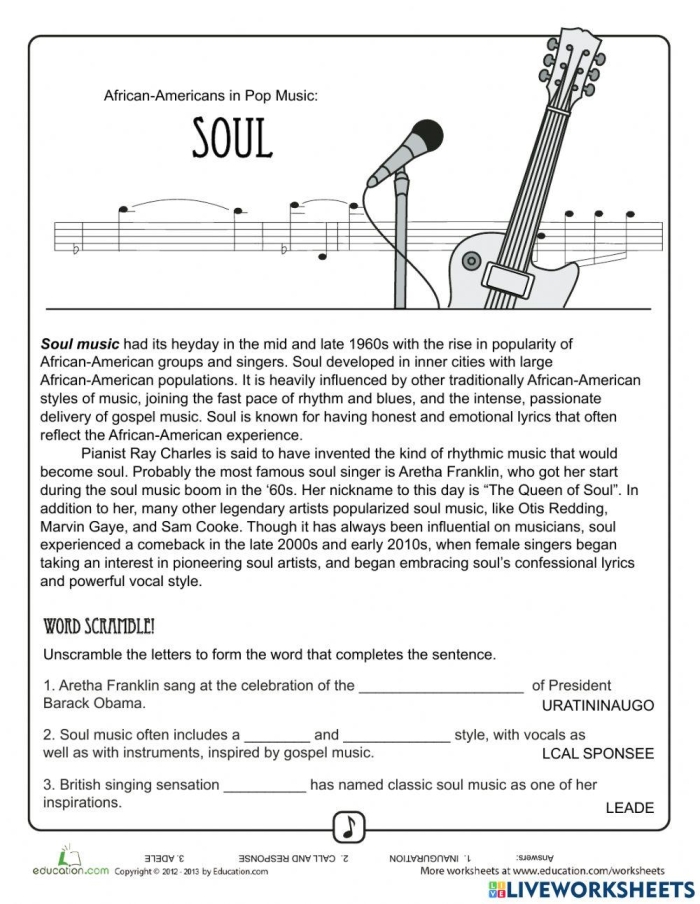
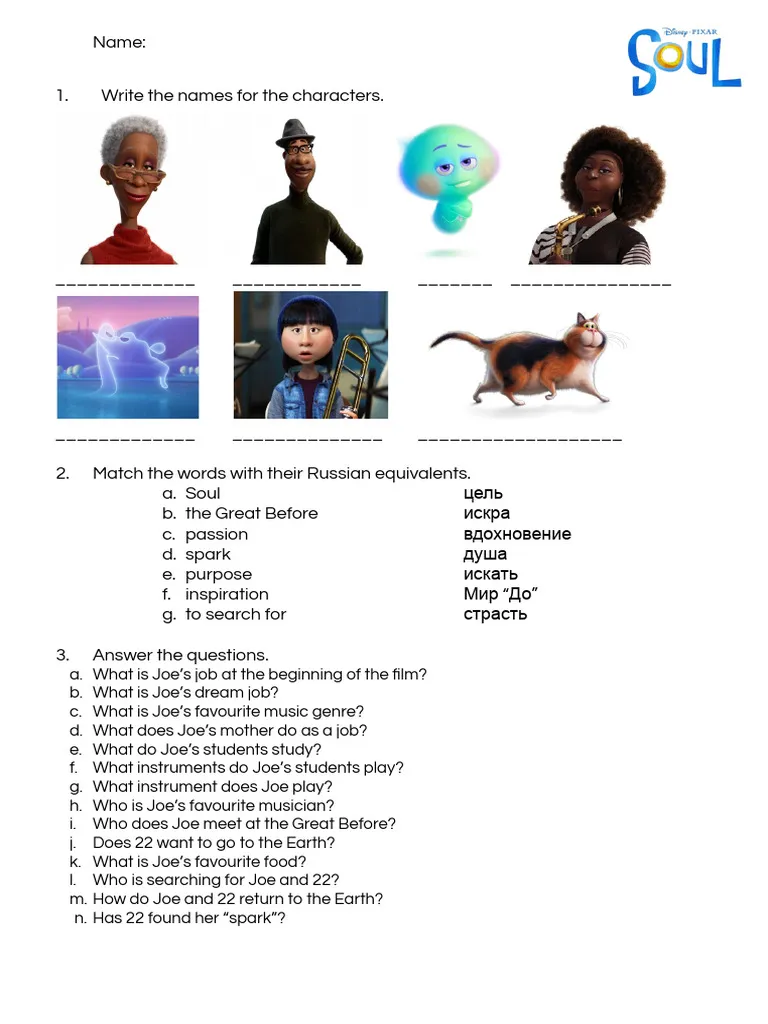
Black History Month is a wonderful opportunity to explore and celebrate the rich contributions of African-Americans to various fields, including music. One genre that stands out is soul music, which has played a significant role in shaping pop music as we know it today. By engaging with this soulful worksheet, students can dive into the vibrant history of soul music and its roots in African-American culture.
Soul music emerged in the 1950s and 1960s, known for its powerful vocal performances and emotional depth. Artists like Aretha Franklin, Ray Charles, and Otis Redding brought this genre to life, blending elements of gospel, rhythm and blues, and jazz. Their music resonated not just within the African-American community but also across racial and cultural boundaries, influencing countless pop artists in the years that followed. Soul music is more than just a sound; it tells stories of struggle, resilience, and joy.
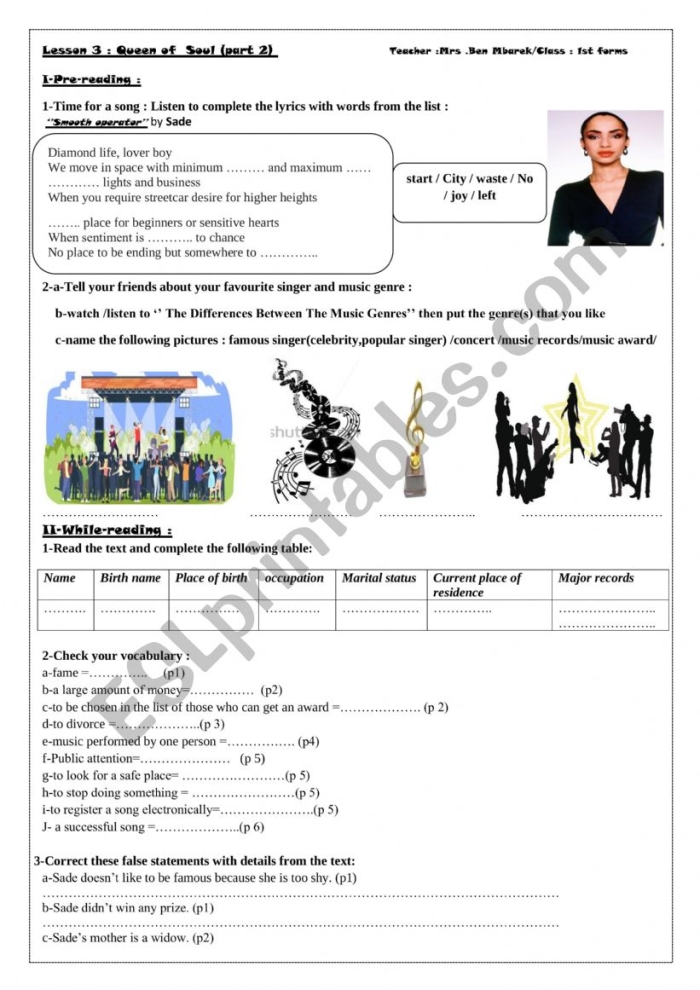
For fourth graders, learning about the history of soul through engaging worksheets can create a fun and educational experience. These worksheets introduce students to key figures in soul music, the socio-political context of the era, and the evolution of the genre. By connecting lessons in music to broader historical narratives, students gain a richer understanding of the past.
Additionally, exploring soul music is an exciting way for children to develop their phonics skills. While practicing their reading and comprehension, students can also listen to classic soul tracks, enriching their learning experience. Engaging with music encourages creativity and can spark discussions about cultural identity, making lessons more relatable and impactful.
As we celebrate Black History Month, let’s embrace the power of soul music not only as an art form but also as a vital chapter in the history of African-Americans in pop music. This approach not only honors the past but also inspires future generations to appreciate and learn from it.
Hands-On Worksheet Activities