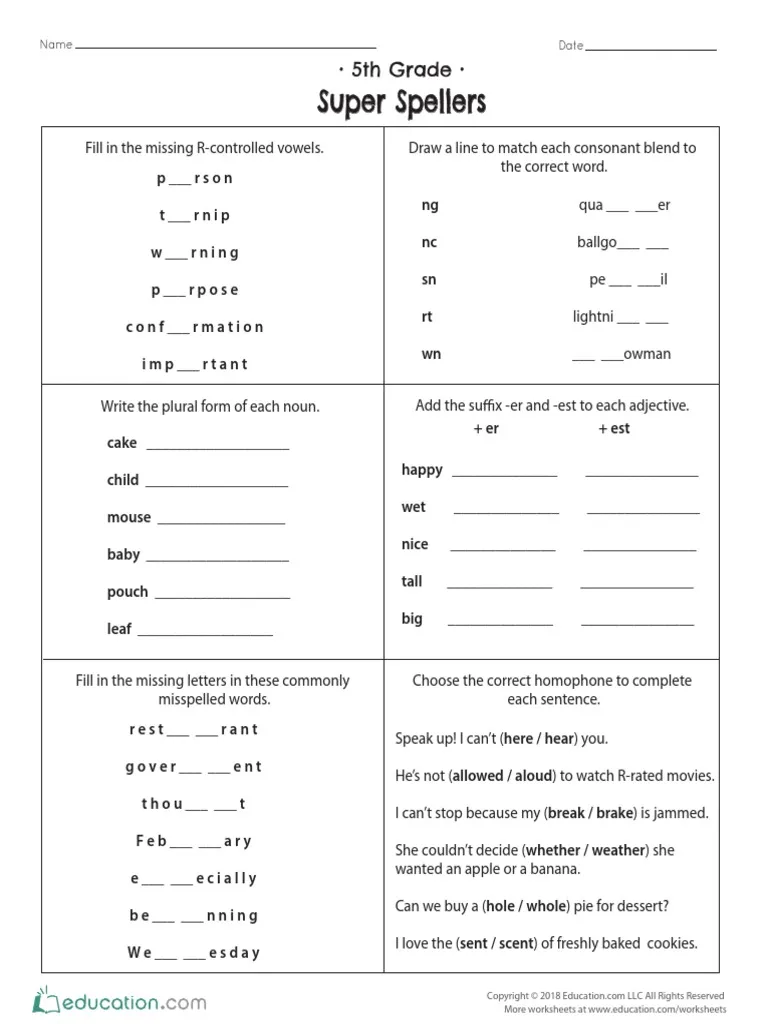
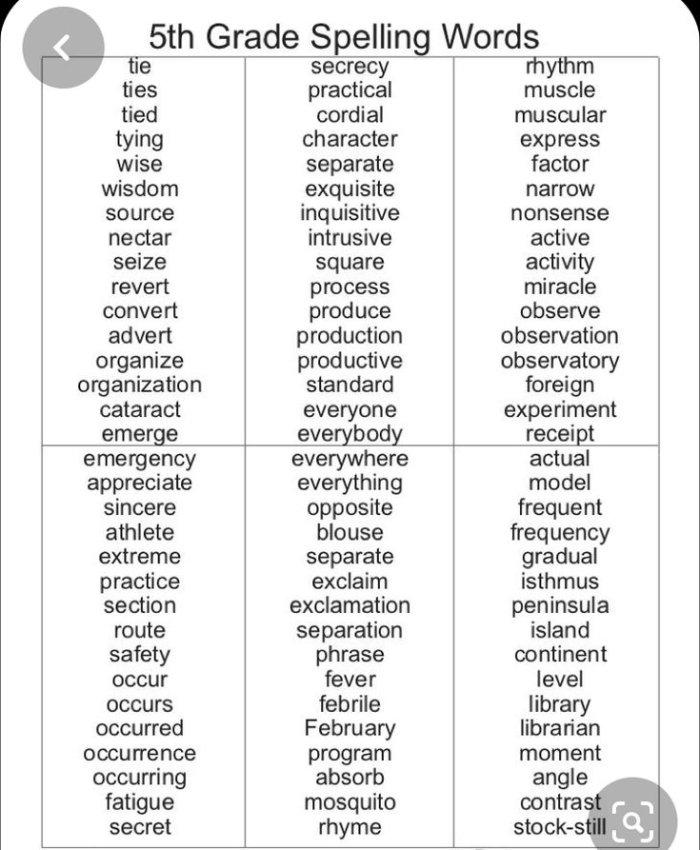
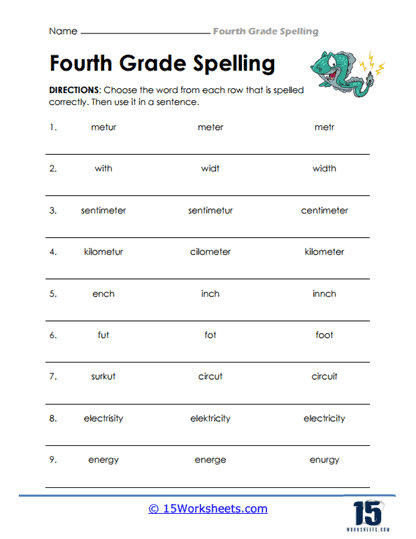
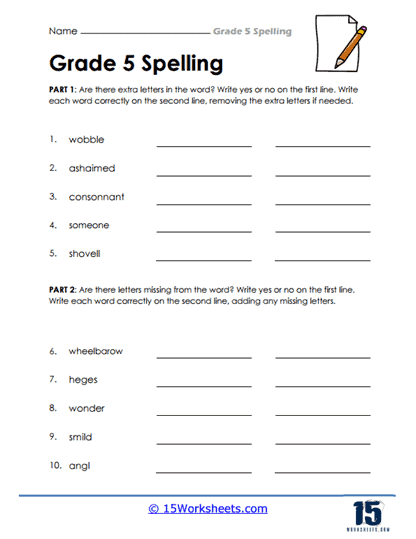
Spelling assessment in Fifth Grade doesn’t have to feel like a tedious checklist. When you take time to evaluate your students’ grasp of spelling patterns and commonly misspelled words, you’re actually building a foundation for stronger writing and reading comprehension across all subjects.
The key is understanding what your students already know before moving forward. Many fifth graders have picked up basic phonetic patterns, but they often stumble on words that don’t follow predictable rules. Words like “receive,” “rhythm,” and “necessary” trip up even confident spellers because they break the conventions students have learned. By assessing where each student stands, you can target instruction toward the patterns they actually need to master rather than reteaching concepts they’ve already grasped.
One effective approach involves looking at error patterns rather than just counting wrong answers. Does a student consistently confuse “ie” and “ei”? Do they struggle with doubled consonants before adding suffixes? These patterns reveal exactly what needs reinforcement. When you notice these trends, you can create focused practice that addresses the specific challenge instead of generic word lists.
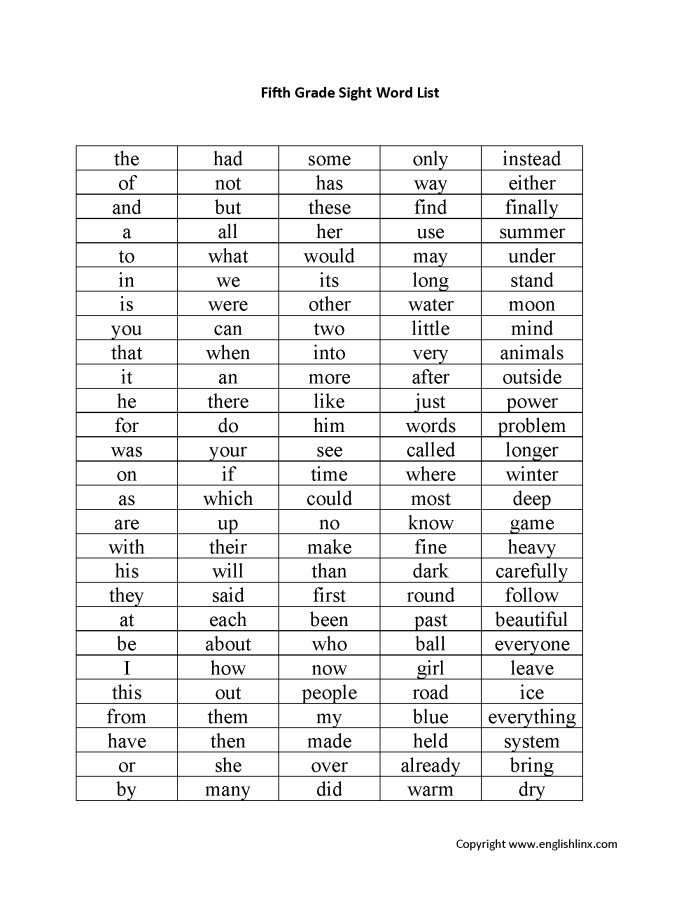
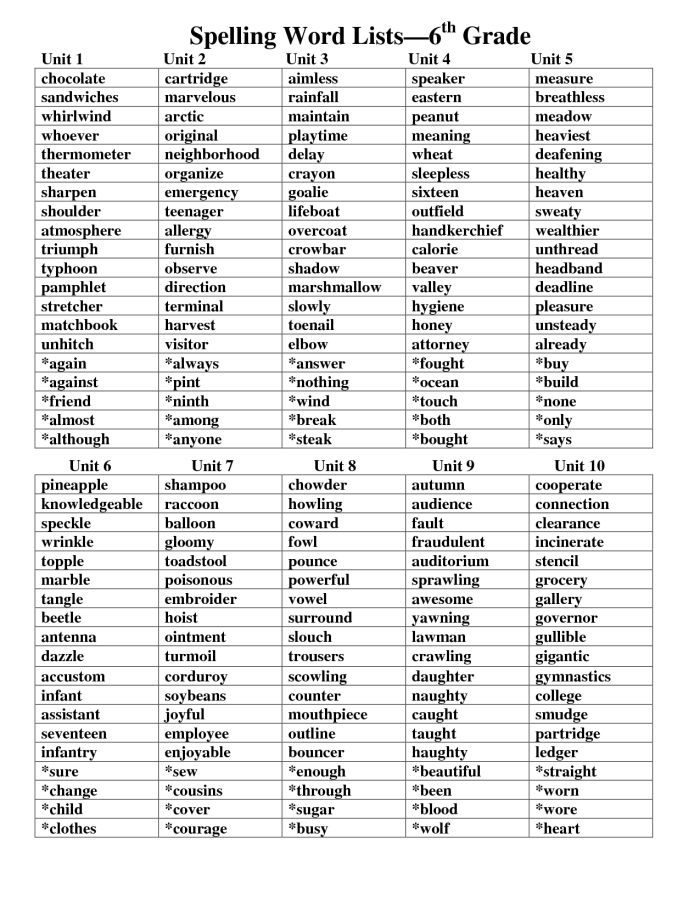
Commonly misspelled words in Fifth Grade often include homophones like “their,” “there,” and “they’re,” along with words where silent letters cause confusion. Assessment helps you identify whether a student needs practice with sight word recognition or if they’re ready to tackle more complex spelling rules involving prefixes and suffixes.
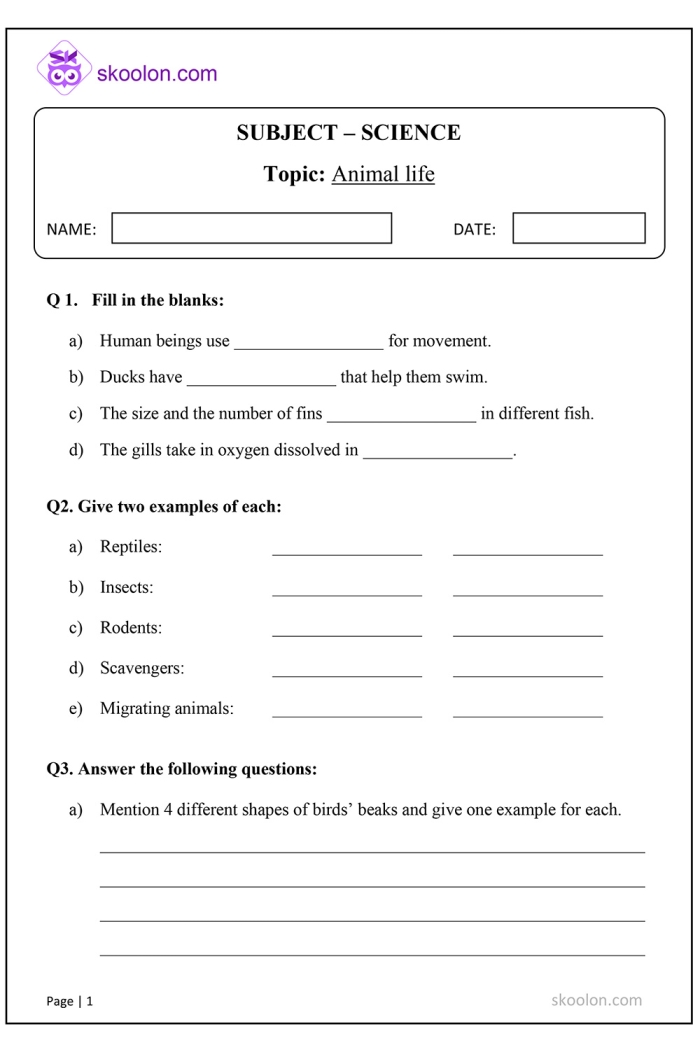
Using vocabulary worksheets focused on specific topics can help reinforce spelling in context. Similarly, incorporating spelling practice into biographical writing assignments makes the skill feel purposeful rather than isolated. When students see spelling as essential to clear communication in their actual writing, they engage more deeply with the assessment process itself.
Worksheet Practice Section