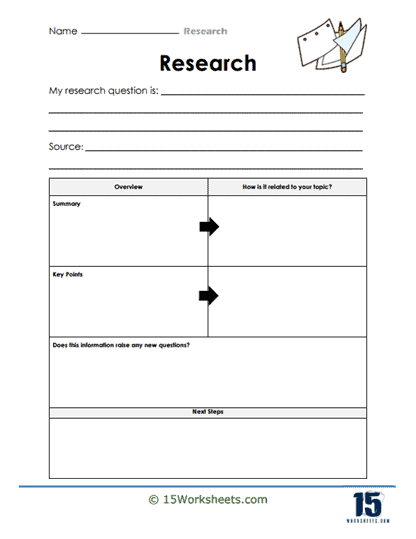
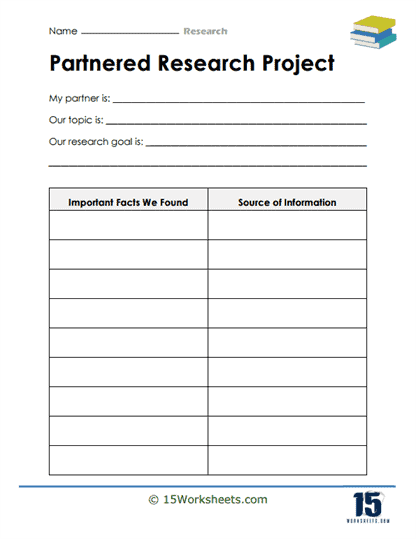
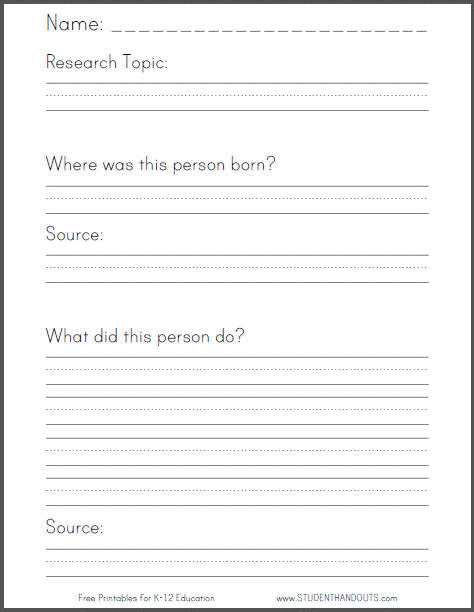
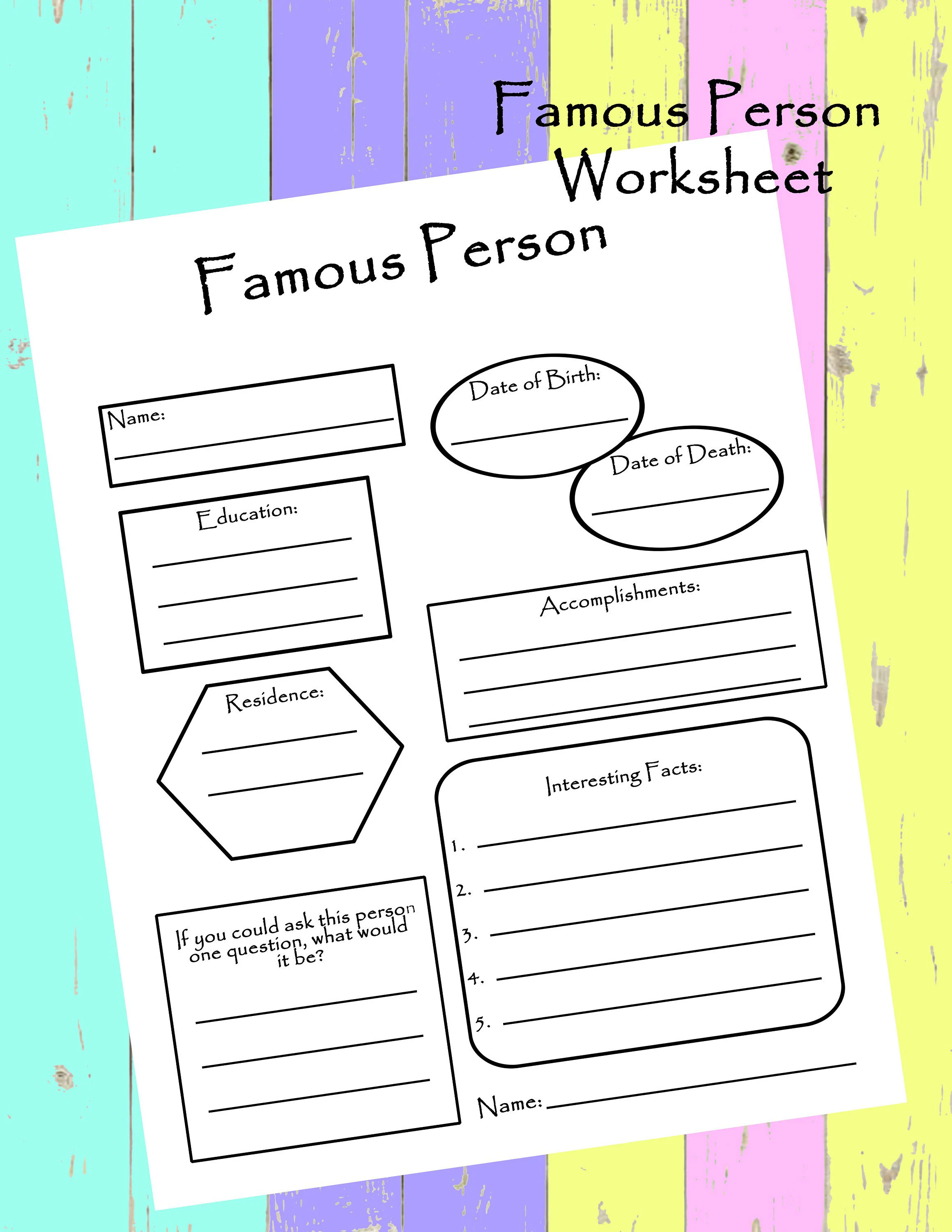
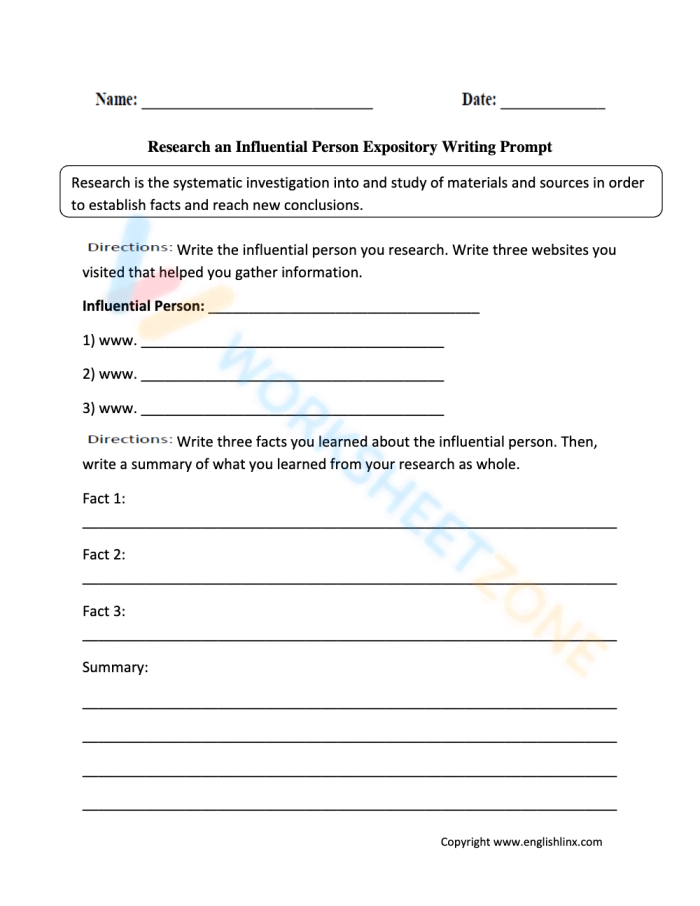
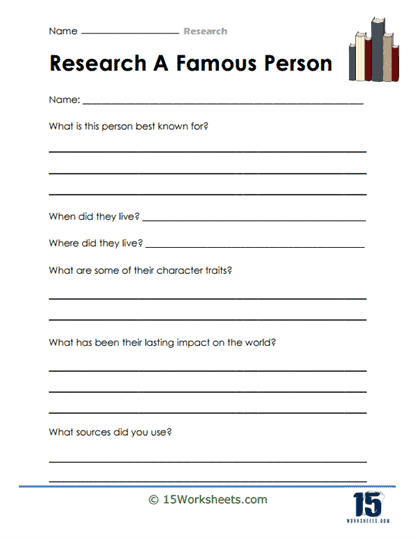
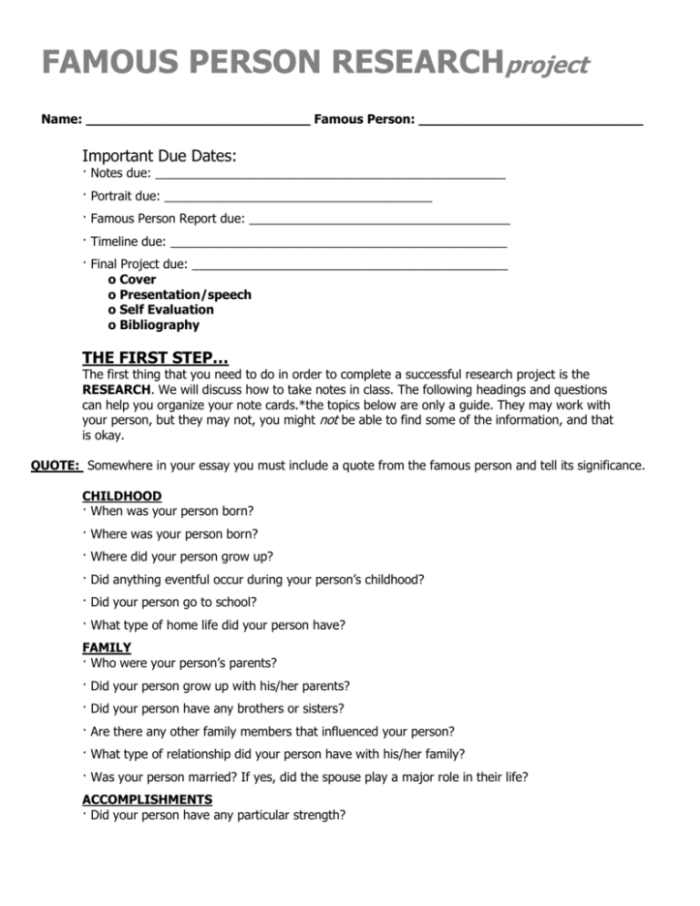
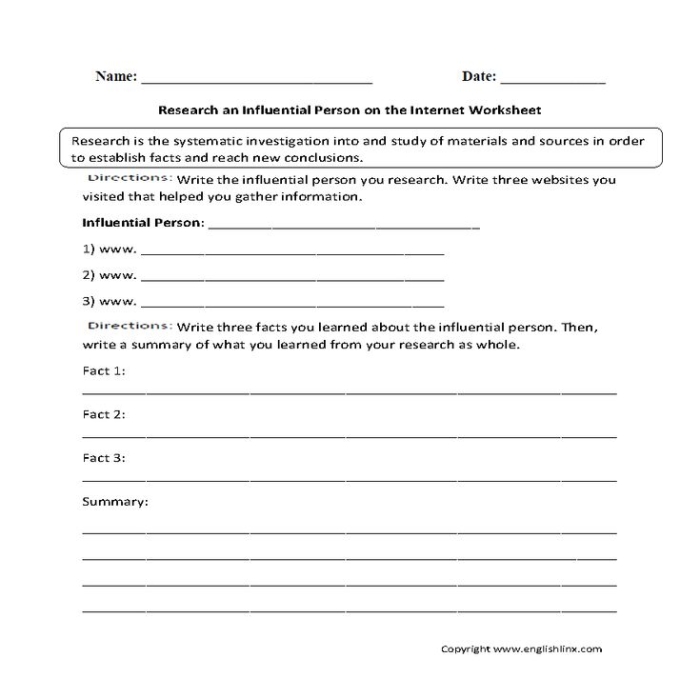
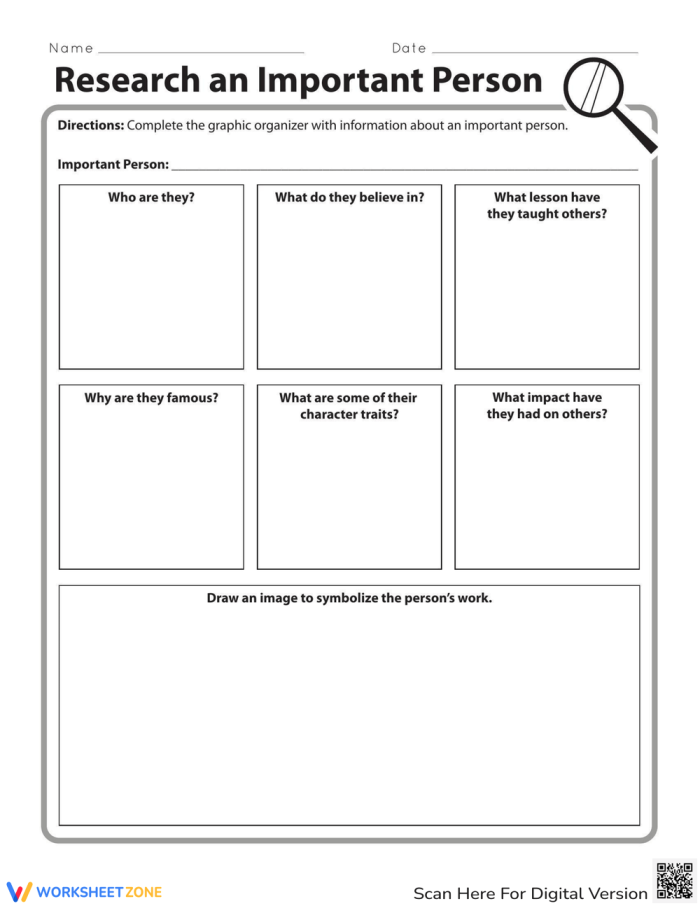
Graphic organizers can be invaluable tools for learners, especially when it comes to organizing information during research projects. One such organizer is specifically designed to help third graders gather and structure key information about an important person of their choice. This approach not only aids in comprehension but also enhances retention of the material.
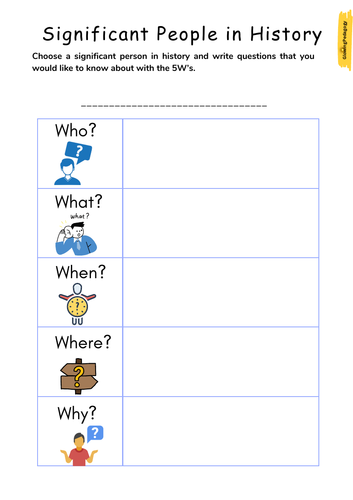
When students embark on a research project, they often face the challenge of sifting through vast amounts of information. A graphic organizer simplifies this process by allowing them to categorize details under headings such as “Early Life,” “Major Accomplishments,” and “Legacy.” This structure enables young learners to see connections between different aspects of the person’s life and achievements, making the information more relatable and easier to understand.
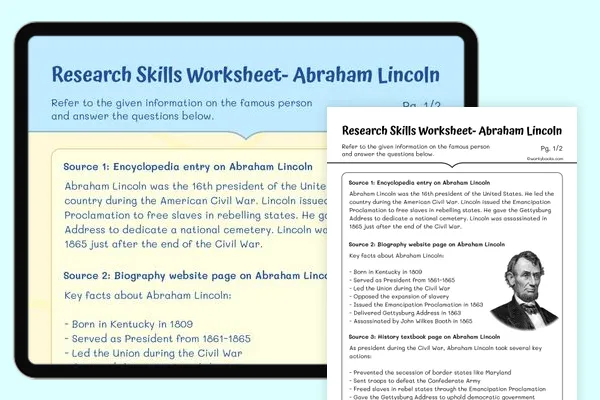
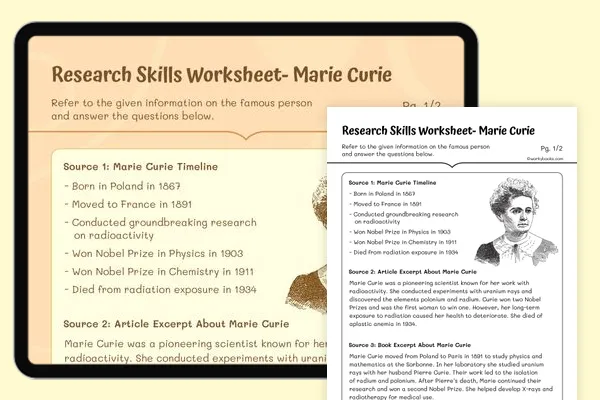
Using a graphic organizer also encourages students to think critically about the information they are researching. As they fill out each section, they must decide what is most relevant and how to present it succinctly. For example, if a student is researching a historical figure like Marie Curie, they might list her groundbreaking discoveries in the “Major Accomplishments” section while noting her early education under “Early Life.” This method of organization not only helps with clarity but also prepares them for more complex research tasks in the future.
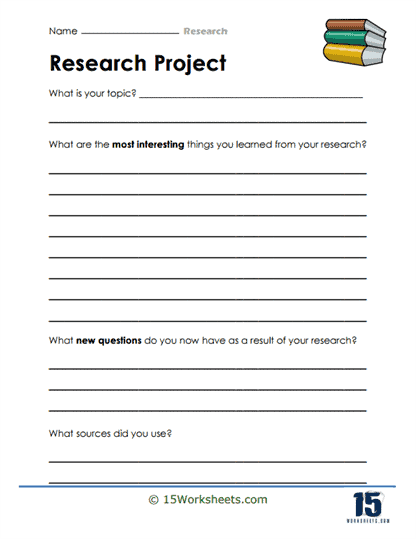
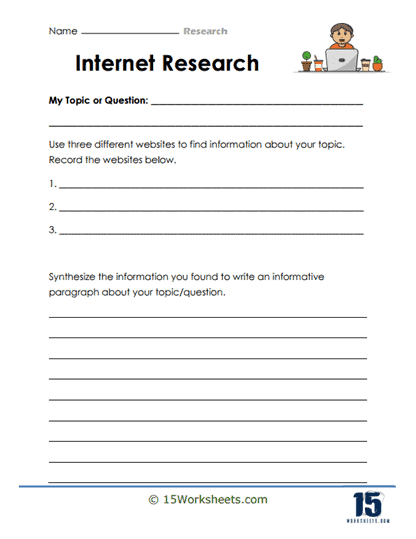
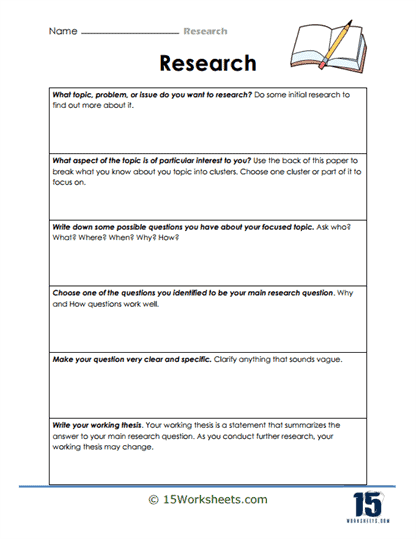
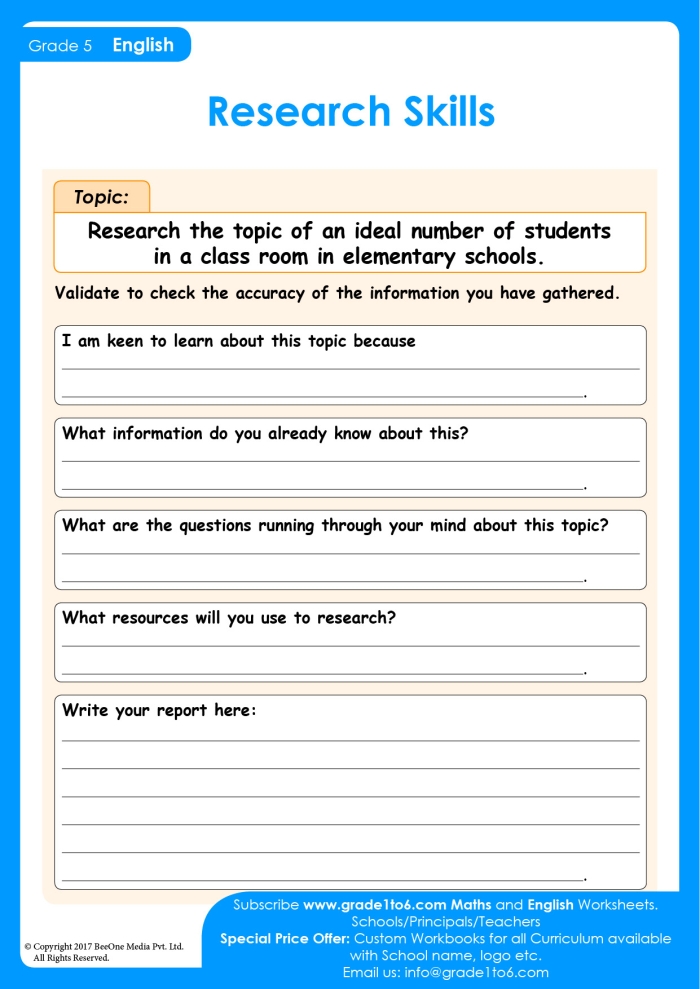
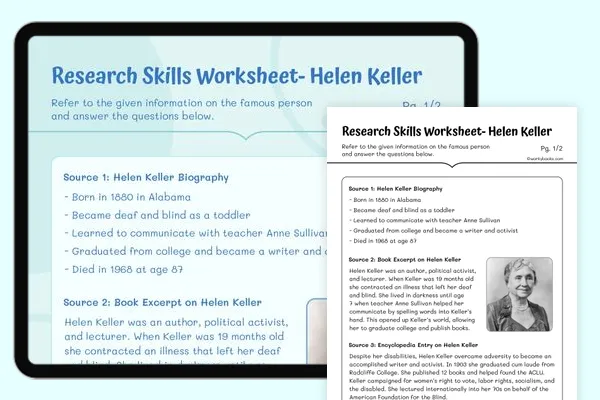
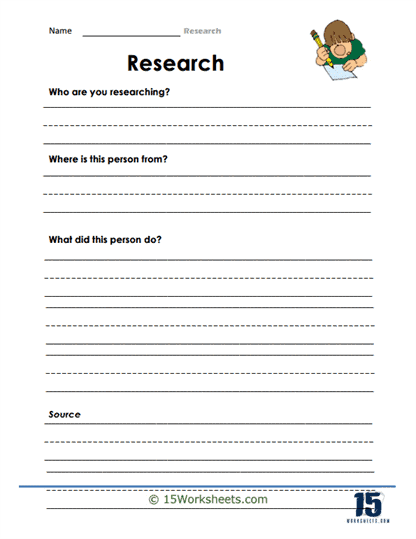
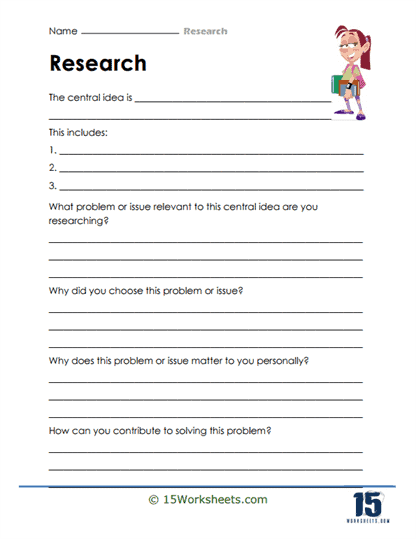
Incorporating this tool into classroom activities can be seamless. Teachers can provide printable research worksheets that align with various subjects. Integrating concepts from numbers and counting can also reinforce mathematical skills as students tally up information or organize data numerically.
Ultimately, a graphic organizer serves as a bridge between collecting information and synthesizing it into a coherent project. This ultimately empowers third-grade students as they embark on their journey to research an important person, making learning both fun and effective.
Printable Worksheets for Practice