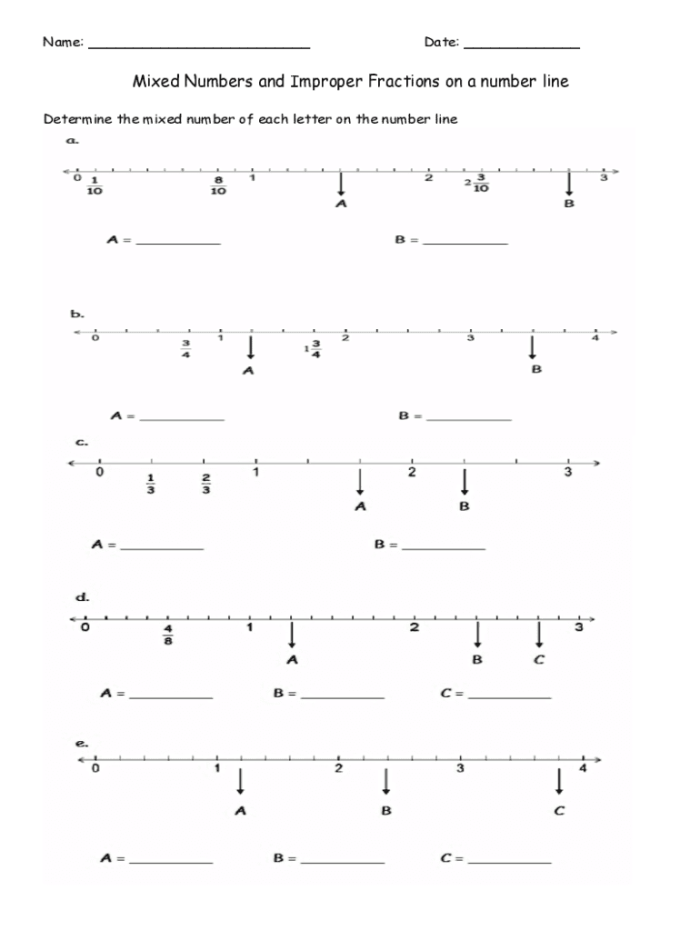
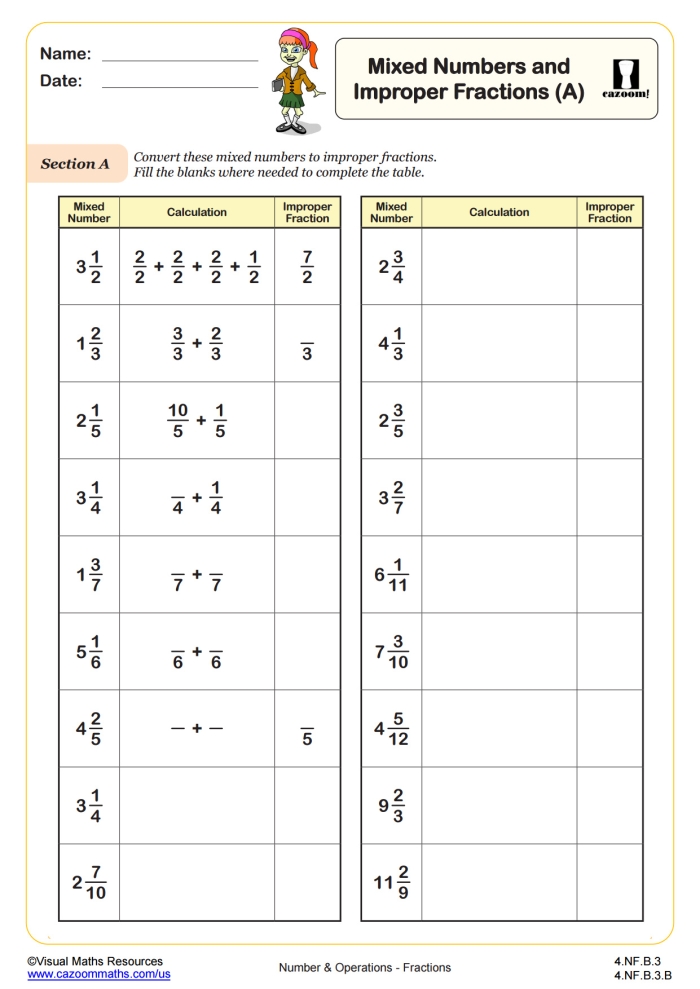
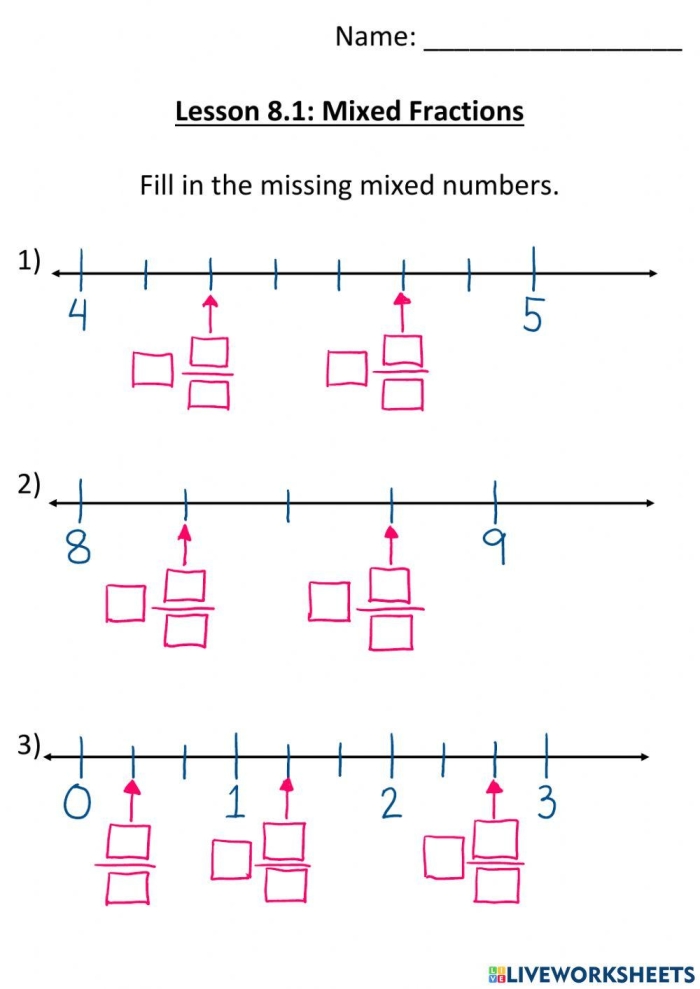
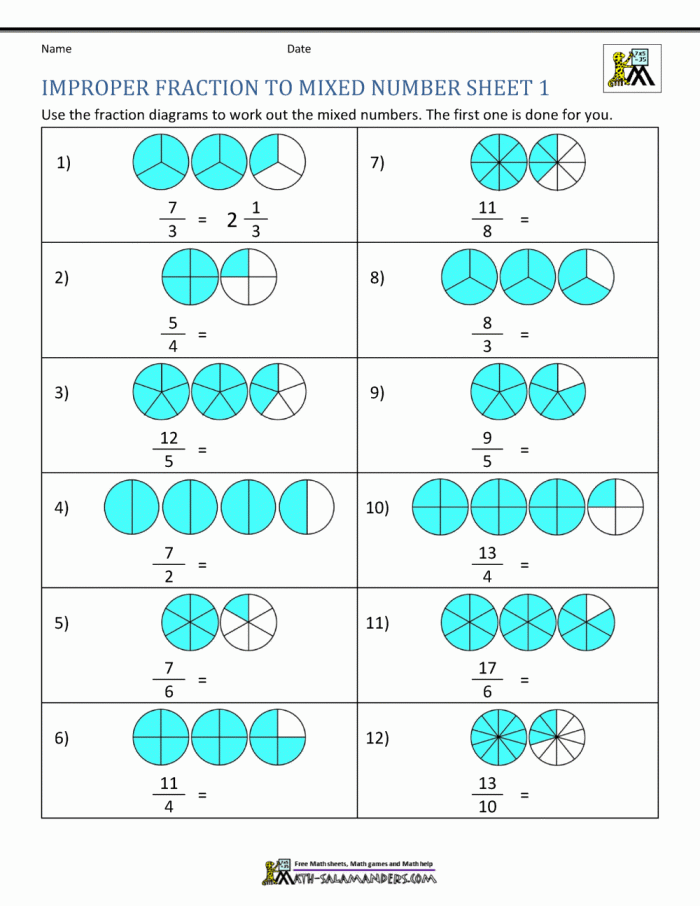
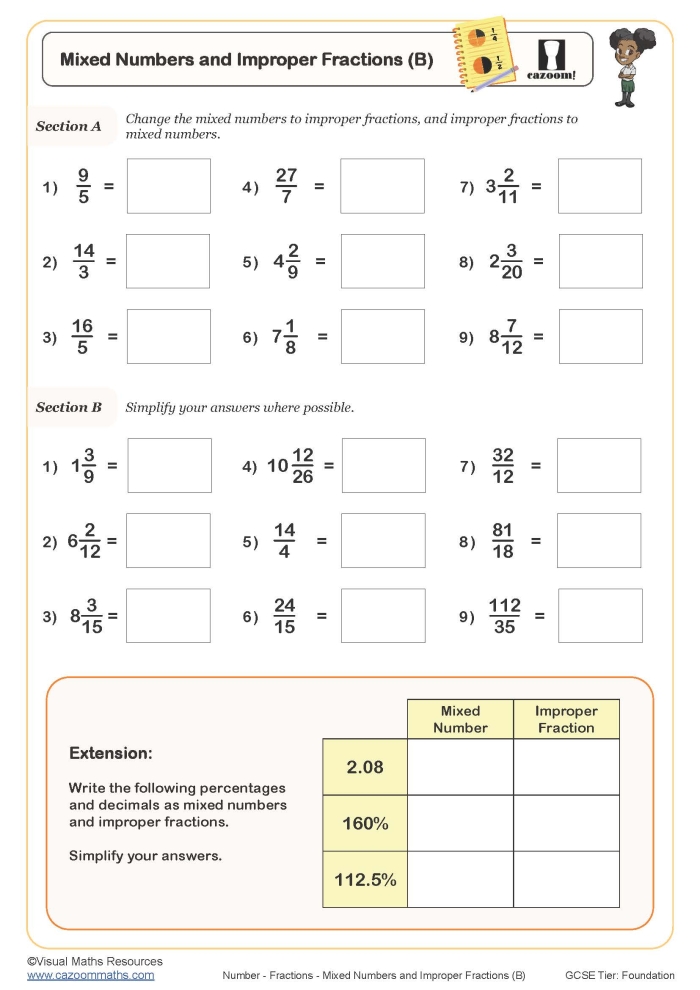
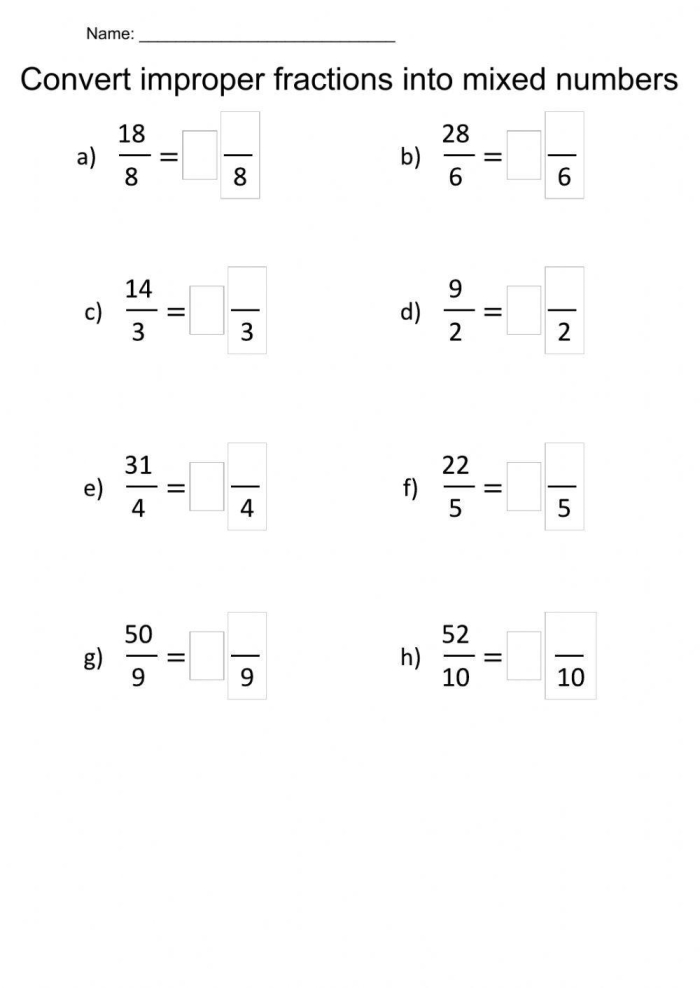
Understanding how to add mixed numbers and improper fractions can often be a challenge for third graders. However, with a straightforward strategy involving the use of a number line, students can gain confidence in their math skills while making the learning process enjoyable.
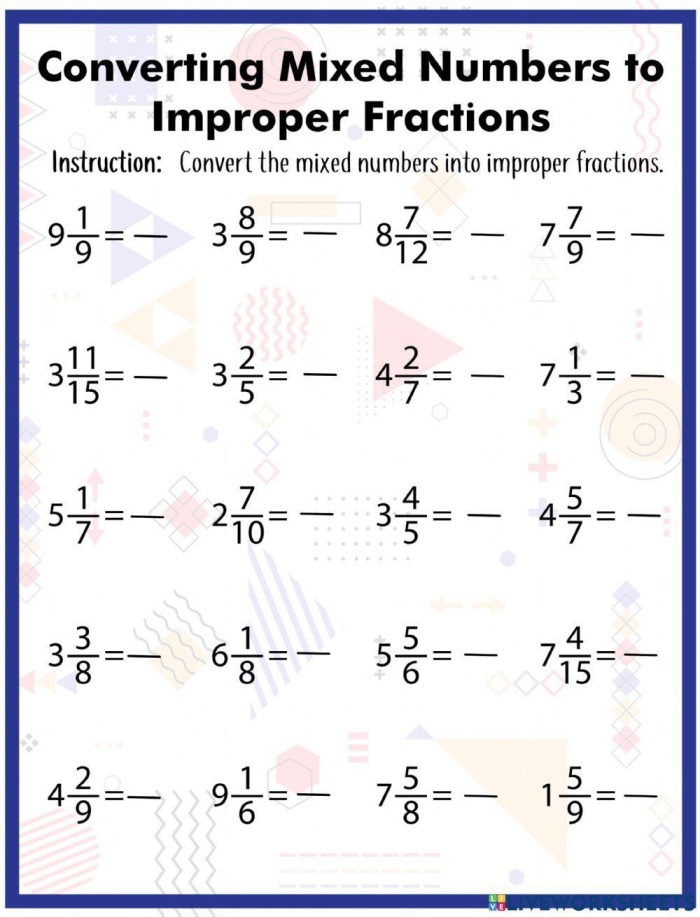
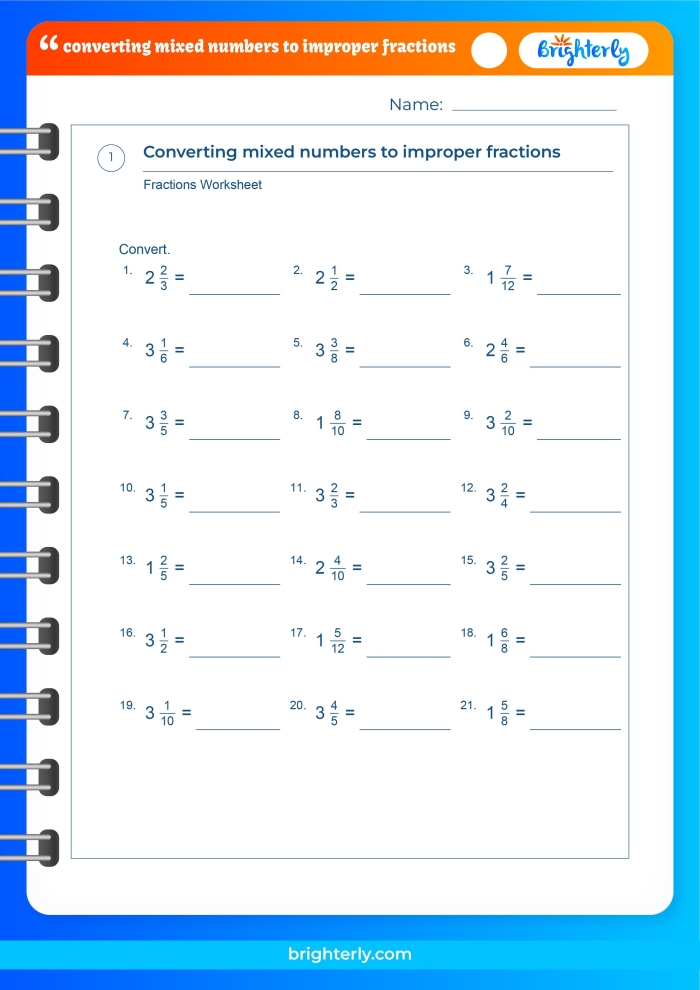
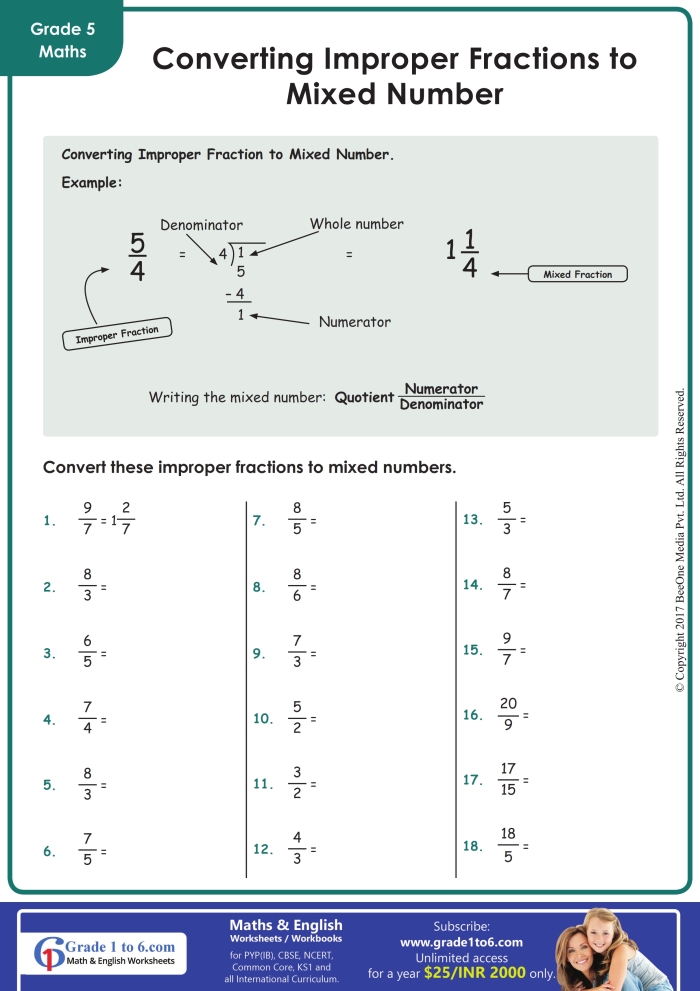
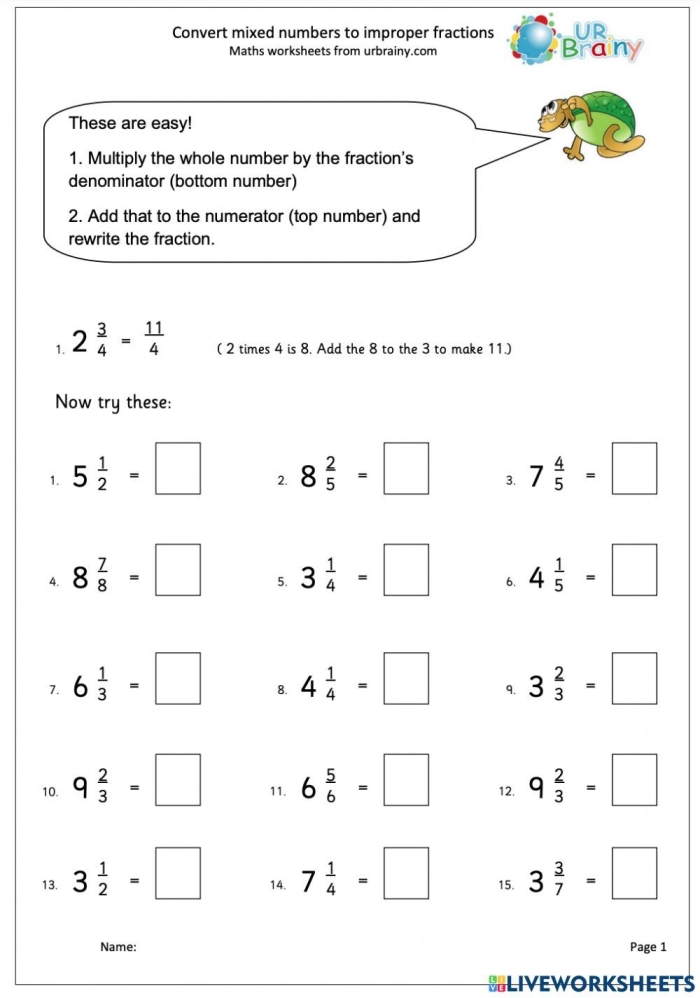
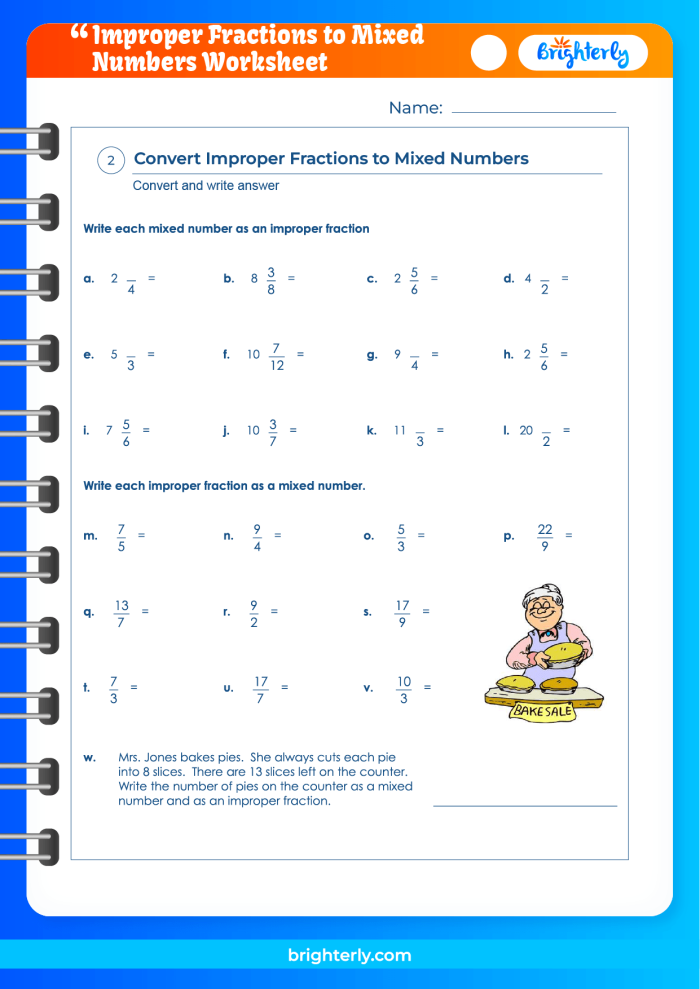
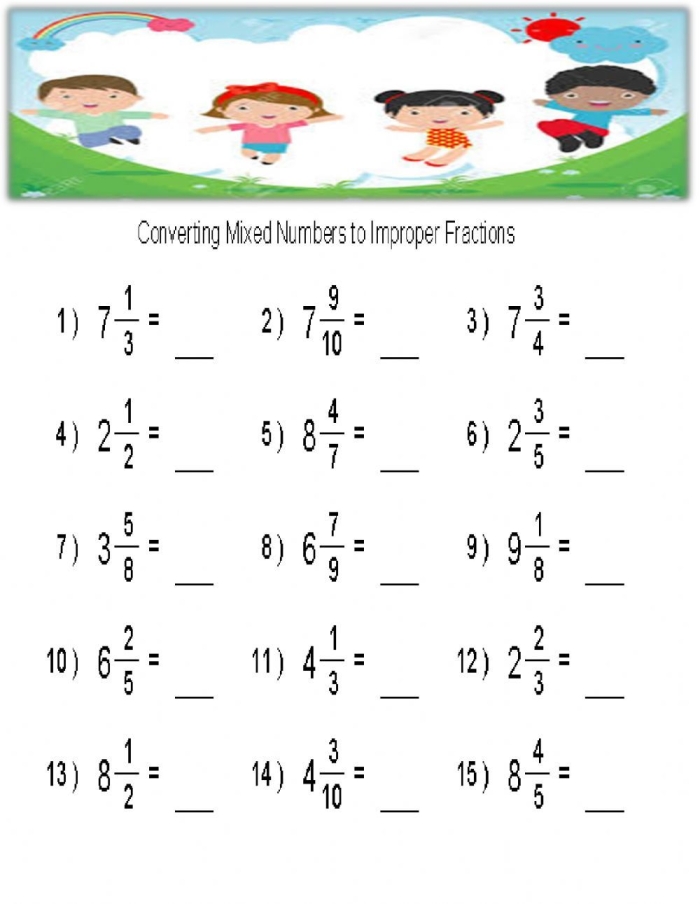
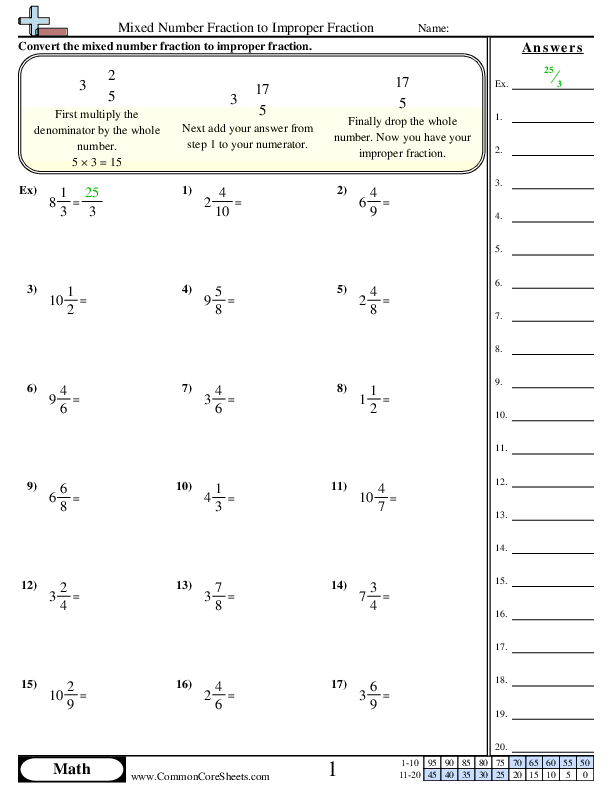
To start, students should first convert any mixed numbers into improper fractions. This step is crucial because it simplifies the addition process. For example, to convert the mixed number 21⁄3 into an improper fraction, multiply the whole number 2 by the denominator 3, giving you 6. Then, add the numerator 1 to get 7, resulting in the improper fraction 71⁄3. Once all mixed numbers are converted, the next step is to place the fractions on a number line.
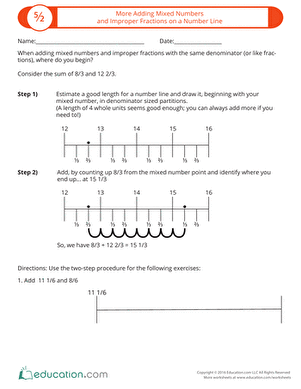
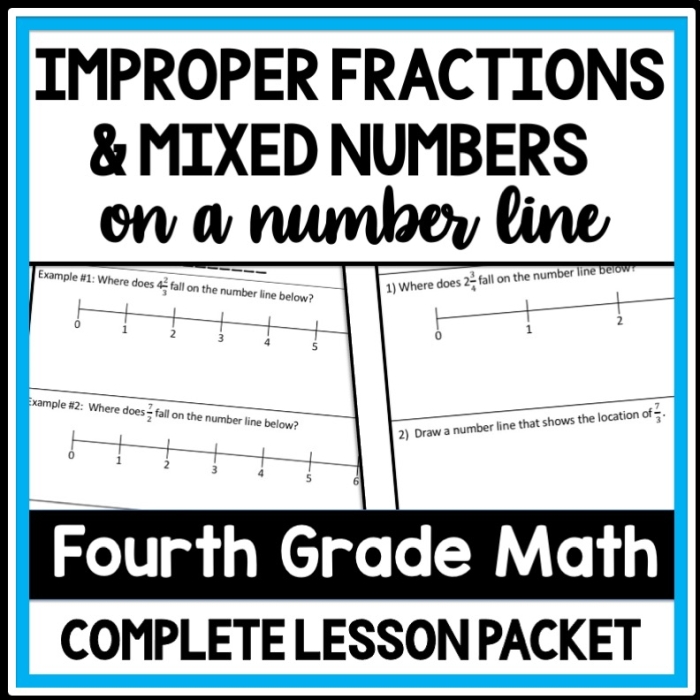
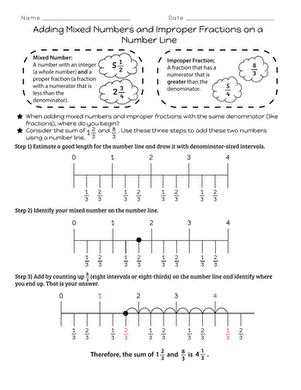
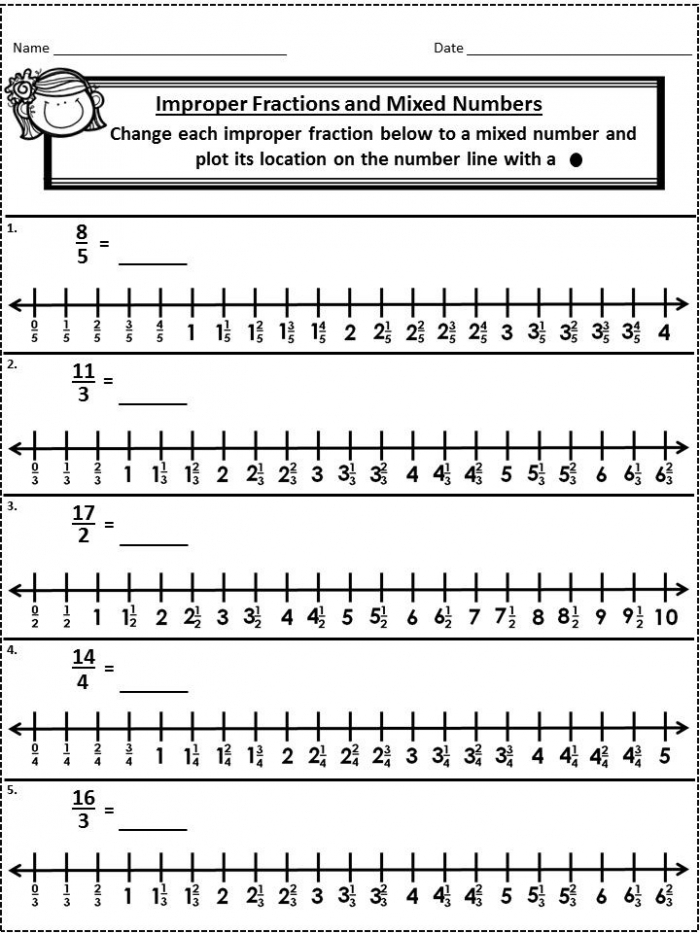
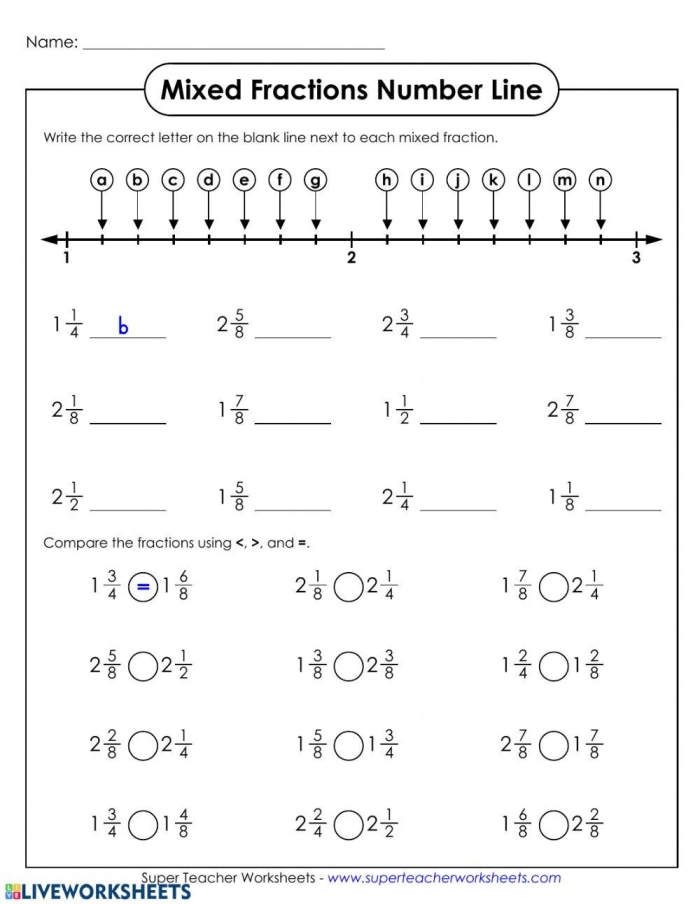
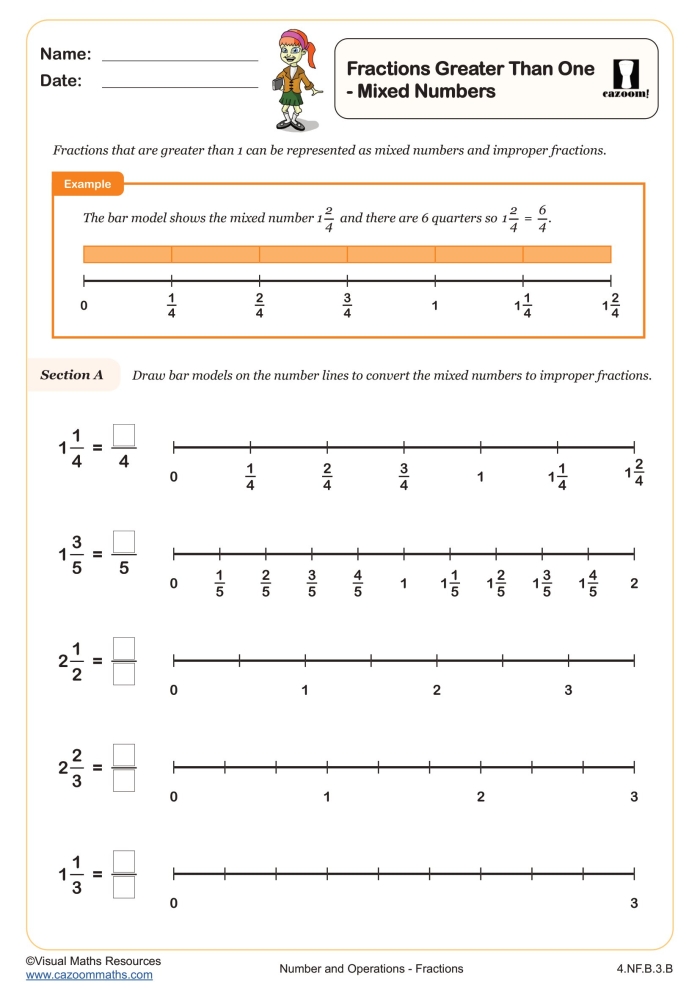
Using a number line helps visualize the addition process. For instance, if you want to add 71⁄3 and 12⁄5, draw a number line and mark both fractions. This gives students a clear picture of where each fraction lies, which can make it easier to see how to combine them. After marking both fractions, students can find a common denominator, which in this case is 15. Convert both fractions: 71⁄3 becomes 355⁄15 and 12⁄5 becomes 33⁄15. Adding these together gives 388⁄15.
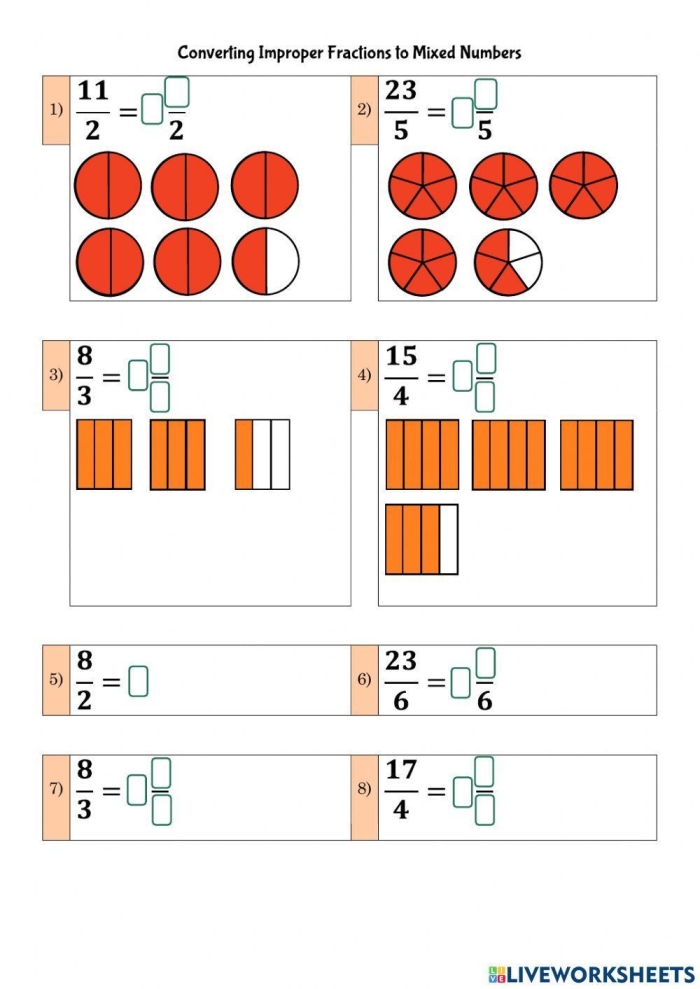
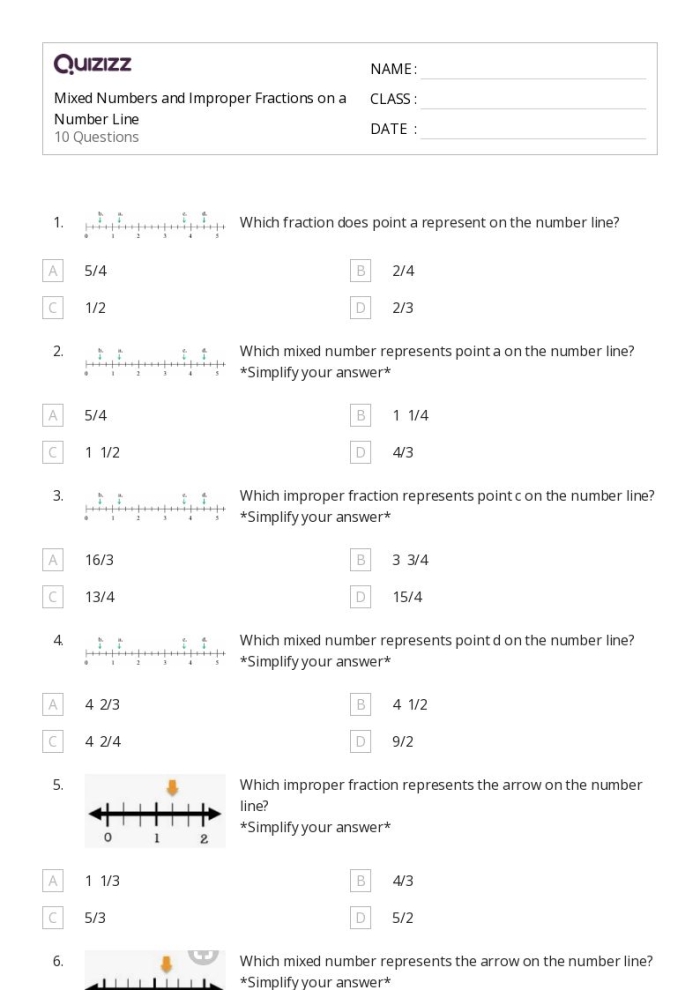
This method not only enhances understanding but also builds skills necessary for more complex multiplication problems in third grade. For further practice, consider exploring resources like printable worksheets for adding mixed numbers and improper fractions on a number line, which can be found [here](https://www.luminaworksheets.com/1-minute-math-multiplication-multiplication-third-grade-worksheets/).
By employing this number line strategy, students will feel more equipped to tackle addition problems involving mixed numbers and improper fractions, laying a solid foundation for their future mathematical learning.
Printable Worksheets for Practice