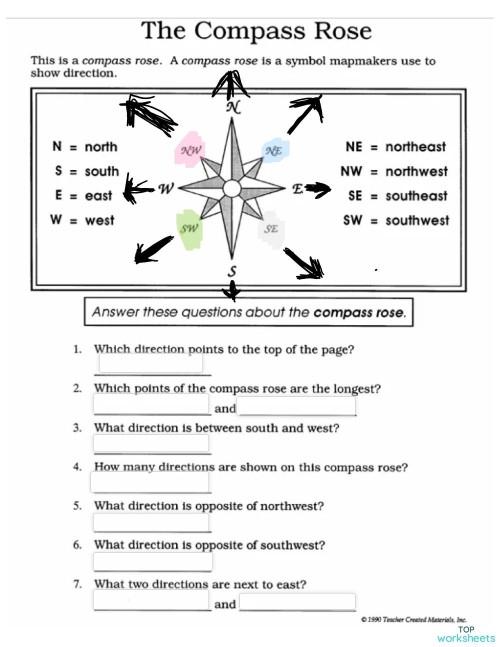
Teaching third graders about intermediate directions—northeast, southeast, southwest, and northwest—can be a delightful experience when you incorporate engaging activities. One effective way to do this is through a fun mapping activity that allows young learners to explore and apply their knowledge practically.
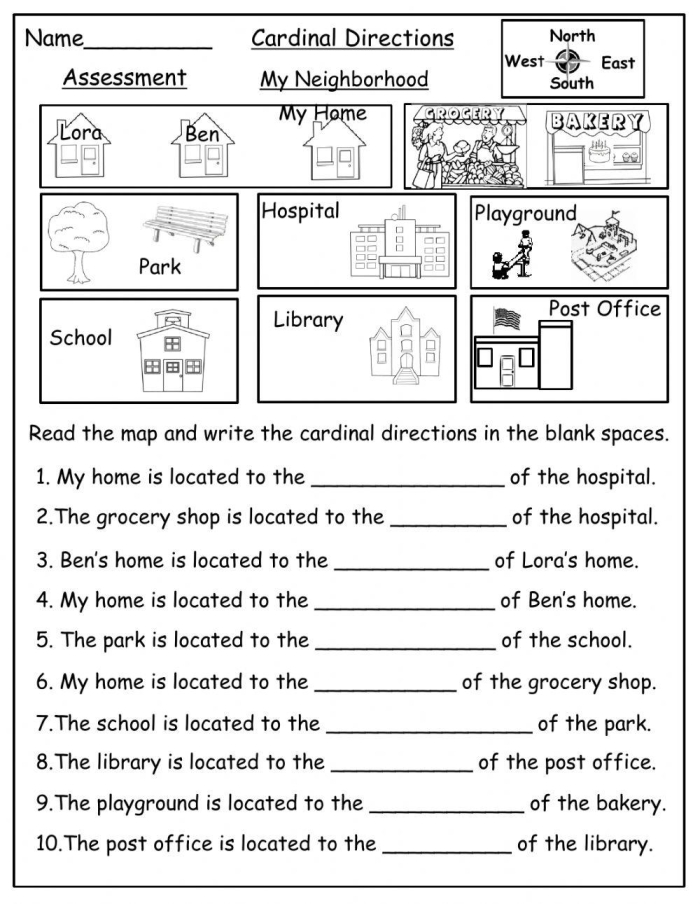
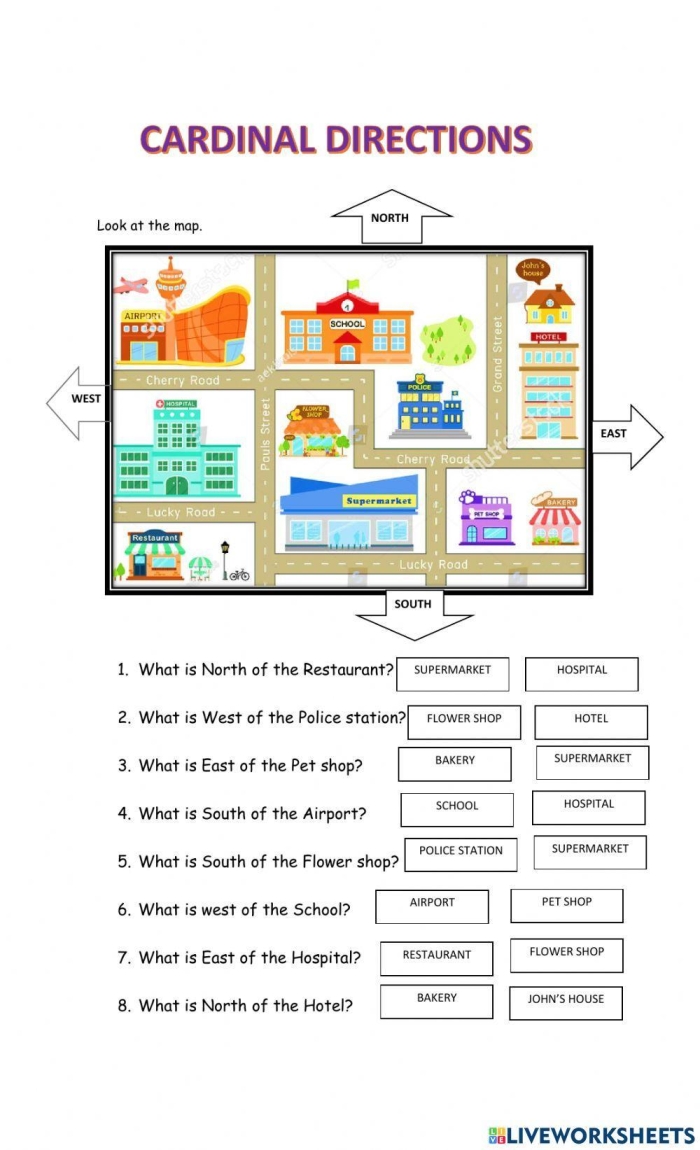
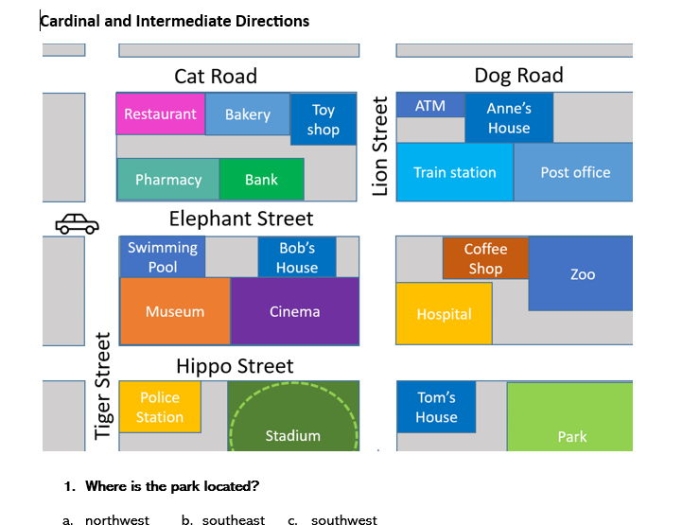
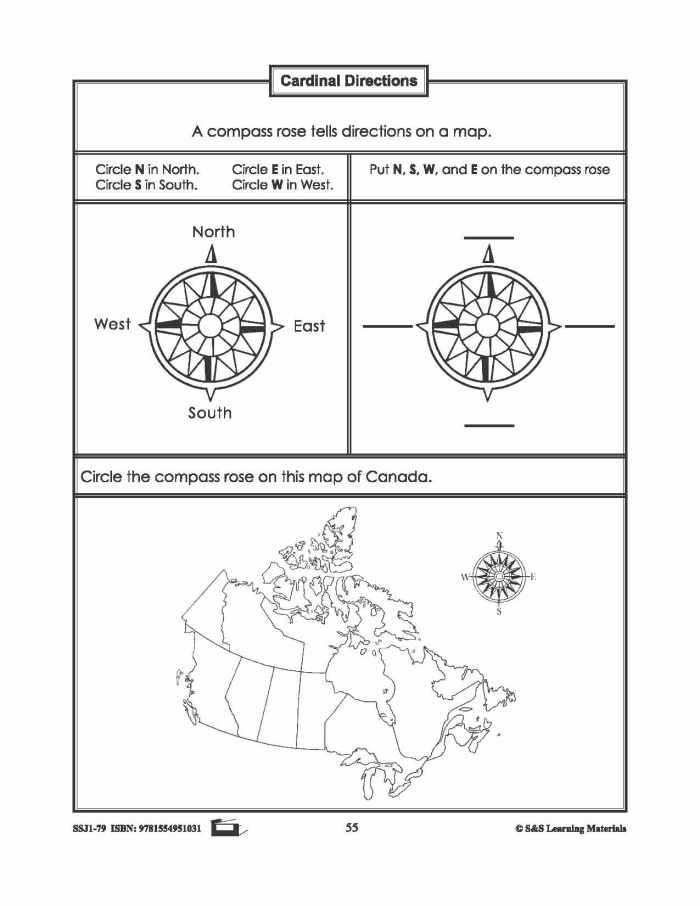
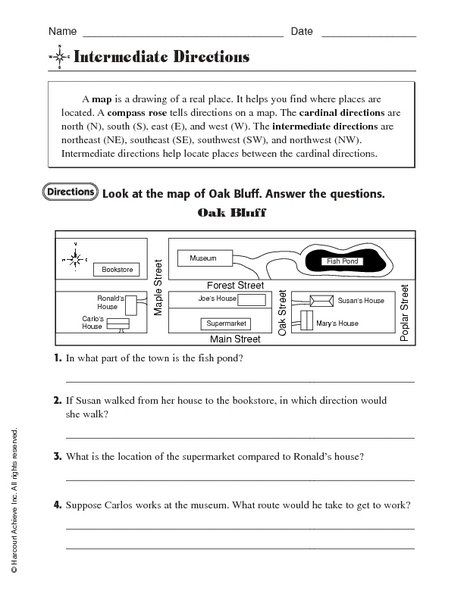
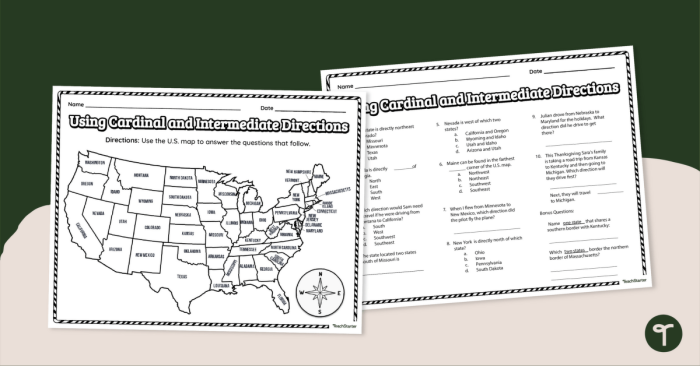
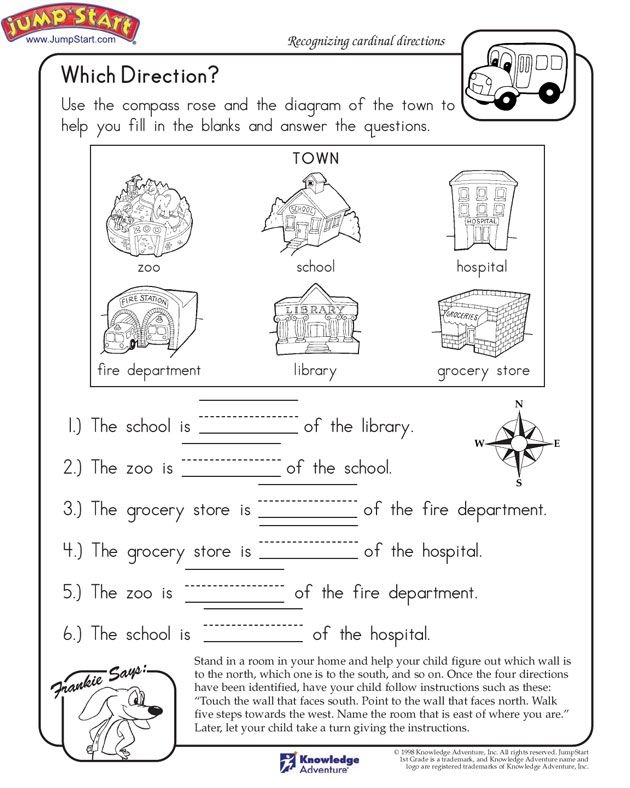
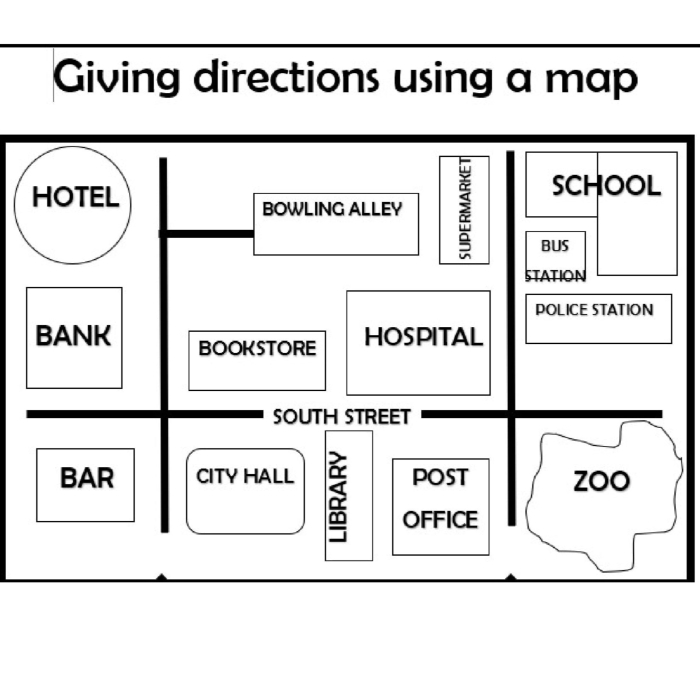
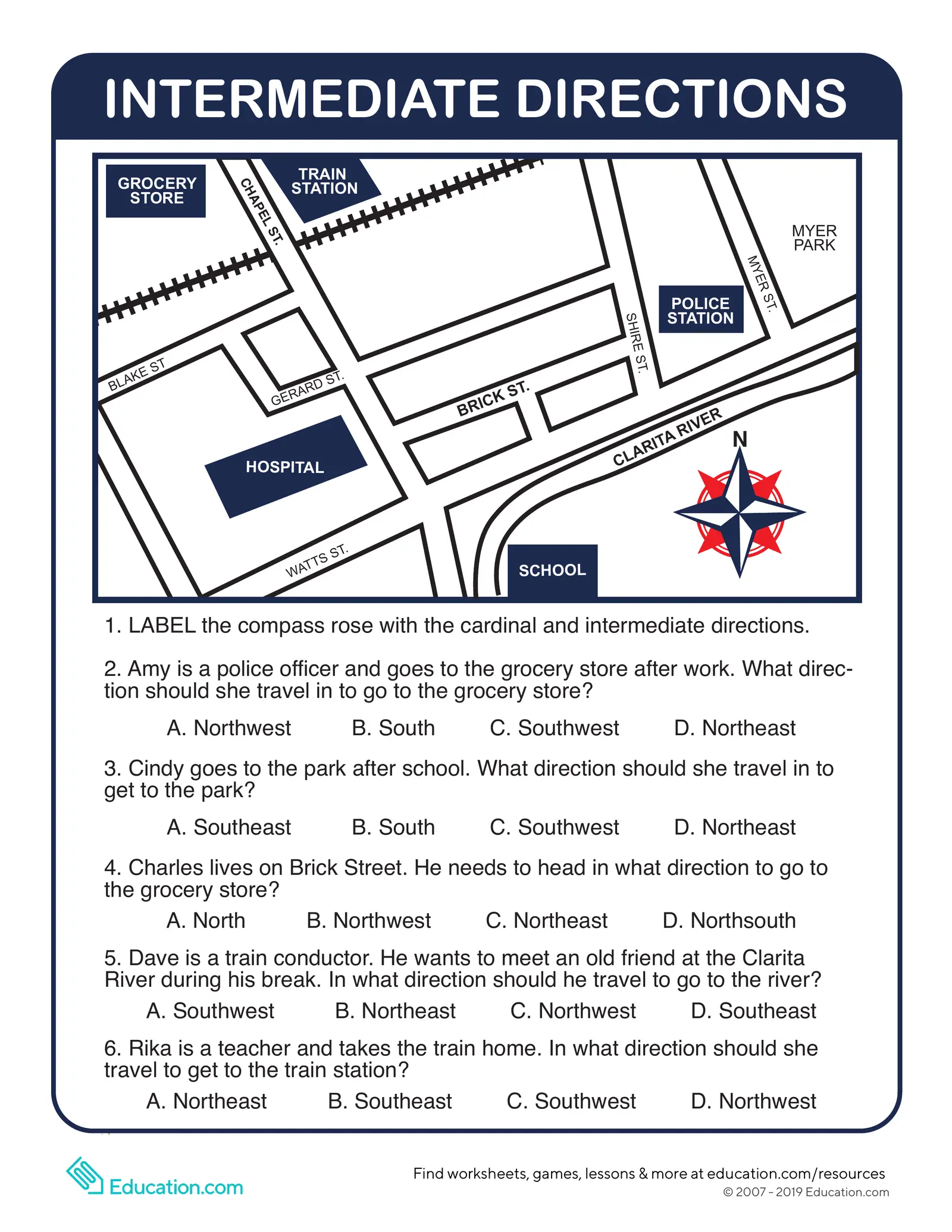
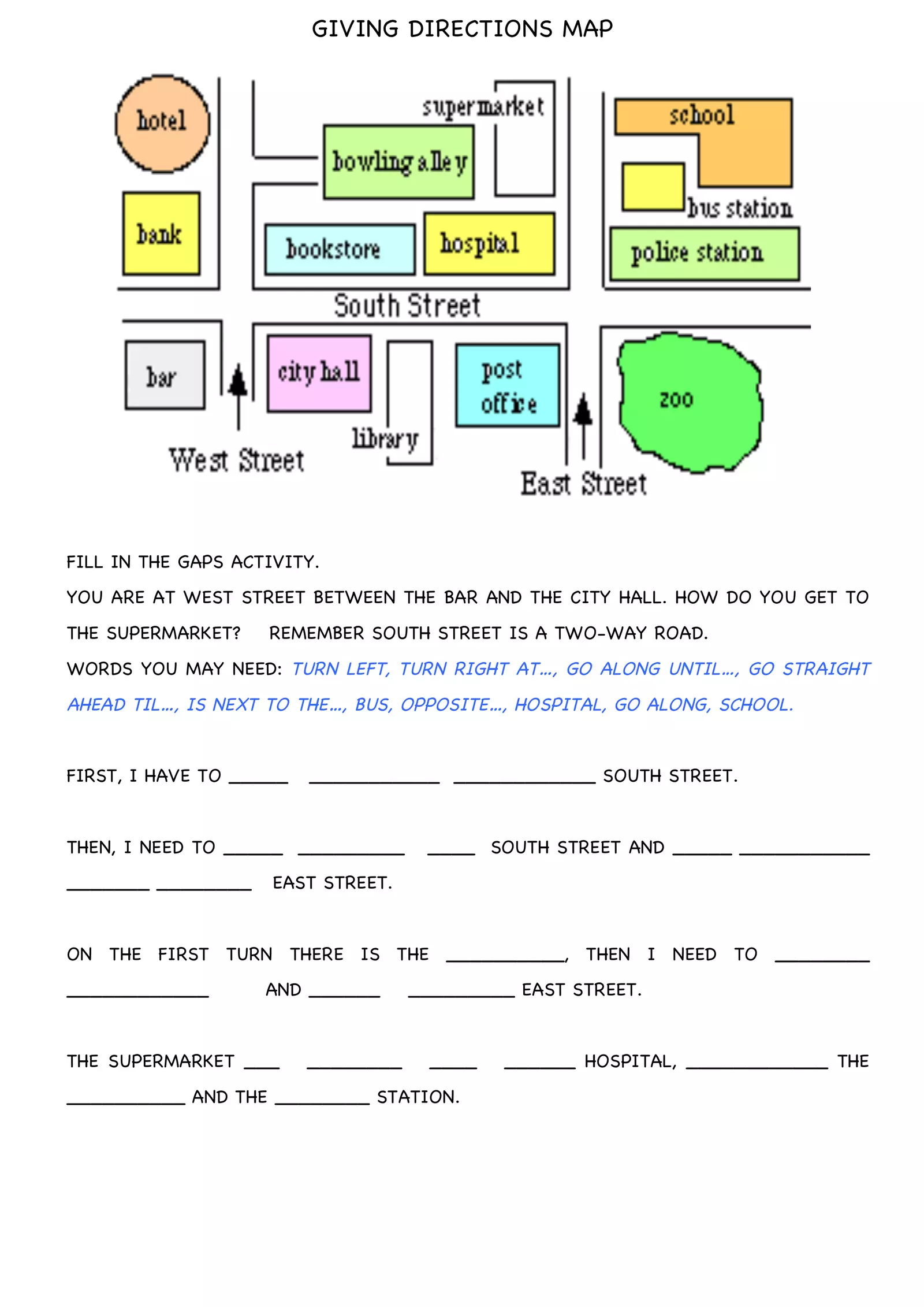
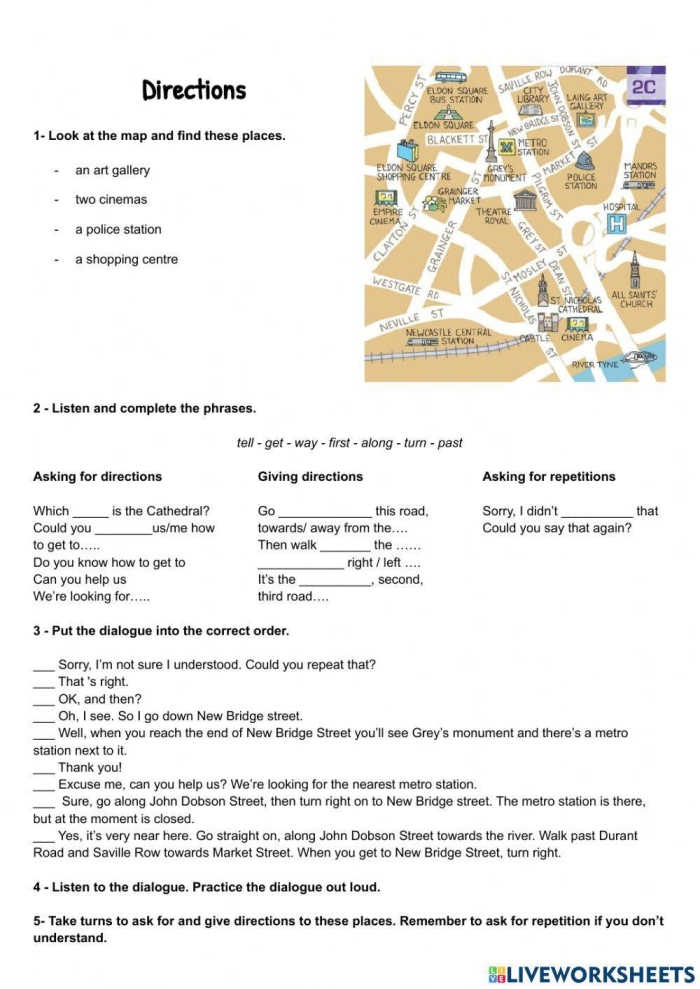
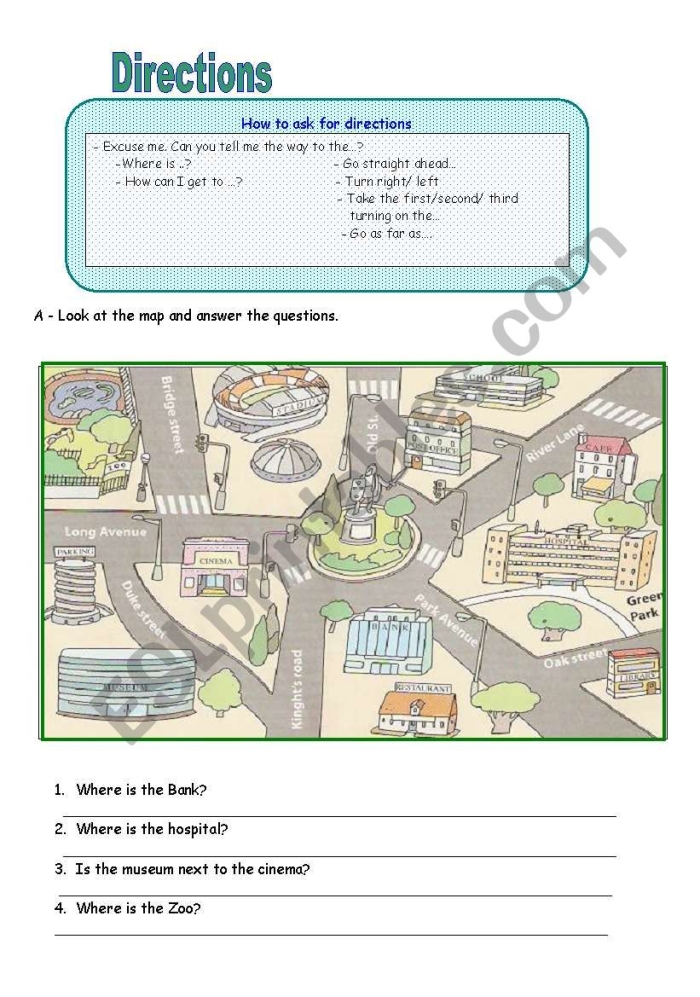
Start by providing each student with a simple map of a fictional town. You can create this map yourself, or use an online resource to generate one. Ensure that the map includes landmarks like parks, schools, and stores, and label the four cardinal directions: north, south, east, and west. This sets the stage for introducing the intermediate directions.
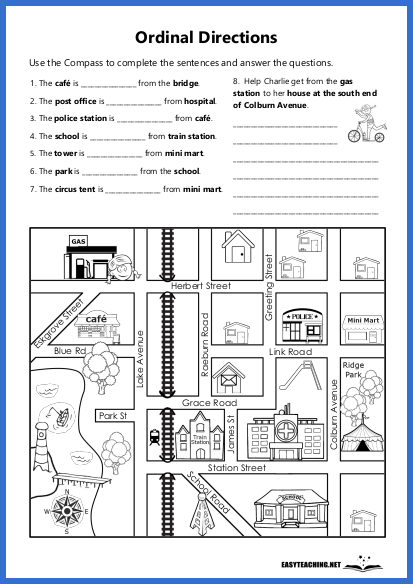
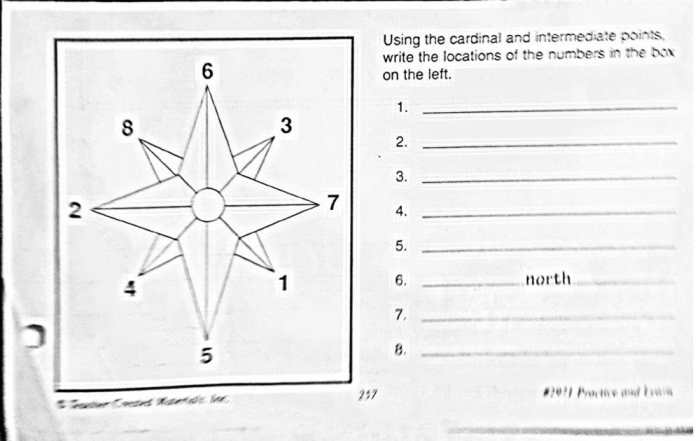
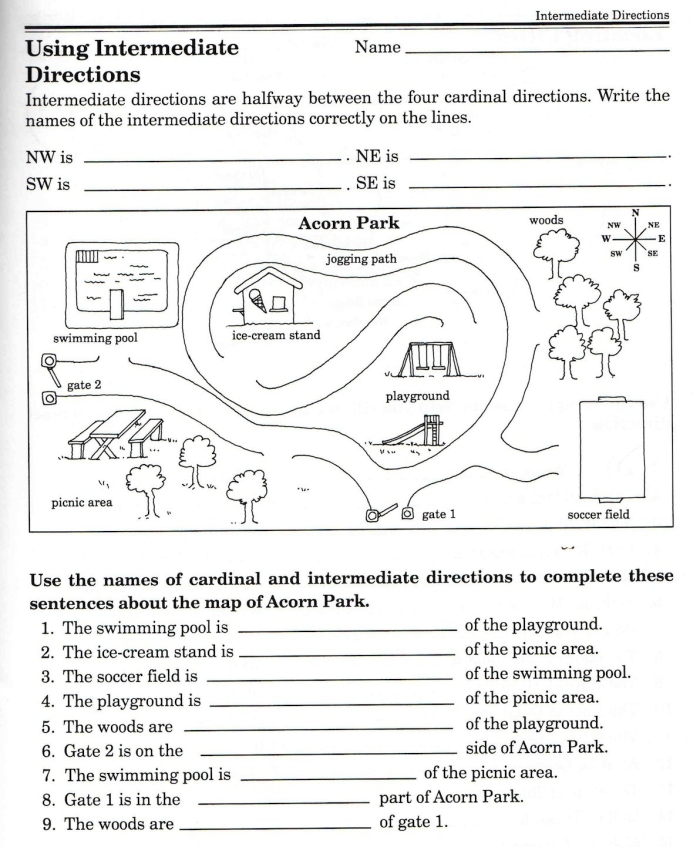
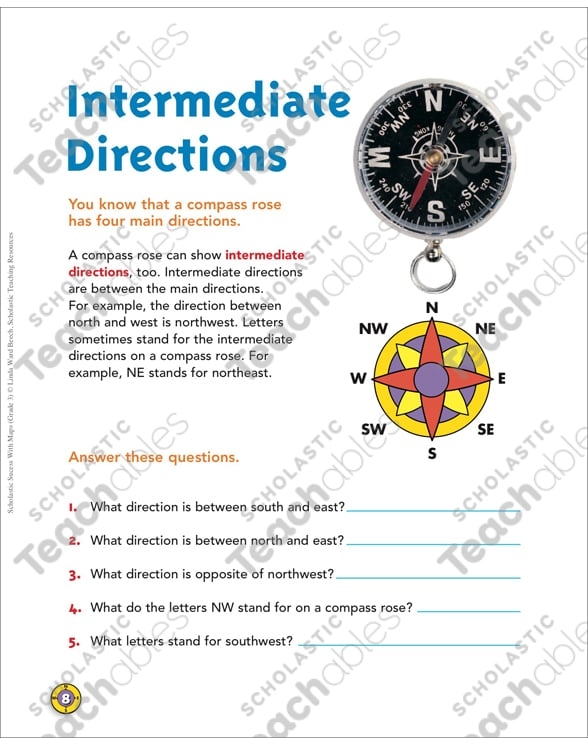
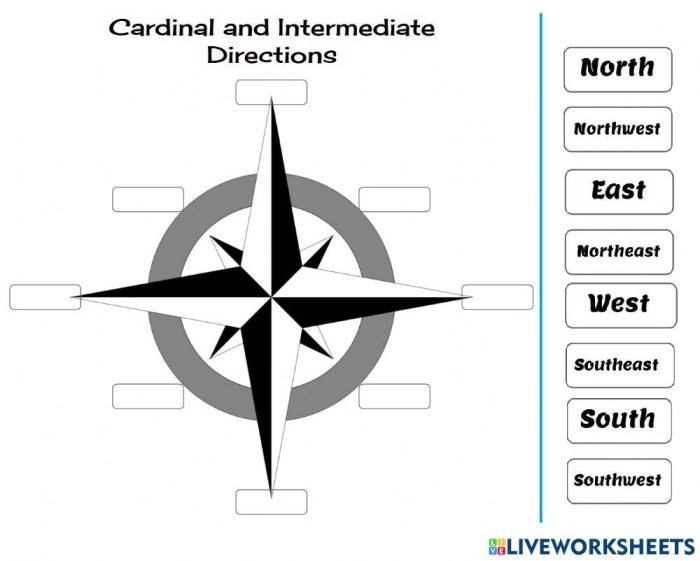
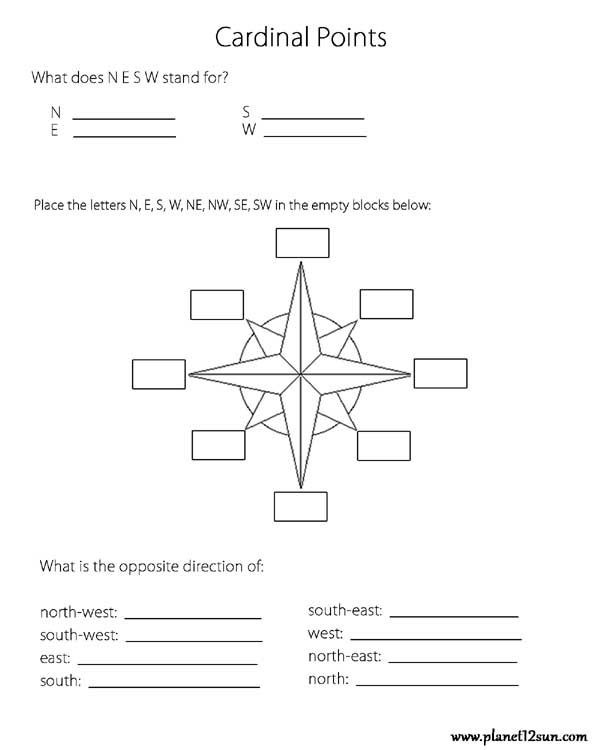
After familiarizing your students with the map, explain the concept of intermediate directions. For instance, you can illustrate how northeast is halfway between north and east, while southwest sits between south and west. To reinforce this, challenge the students to identify locations on their maps using these intermediate directions. Ask questions like, “If you start at the park and go northeast, where do you end up?” This encourages them to think critically while having fun.
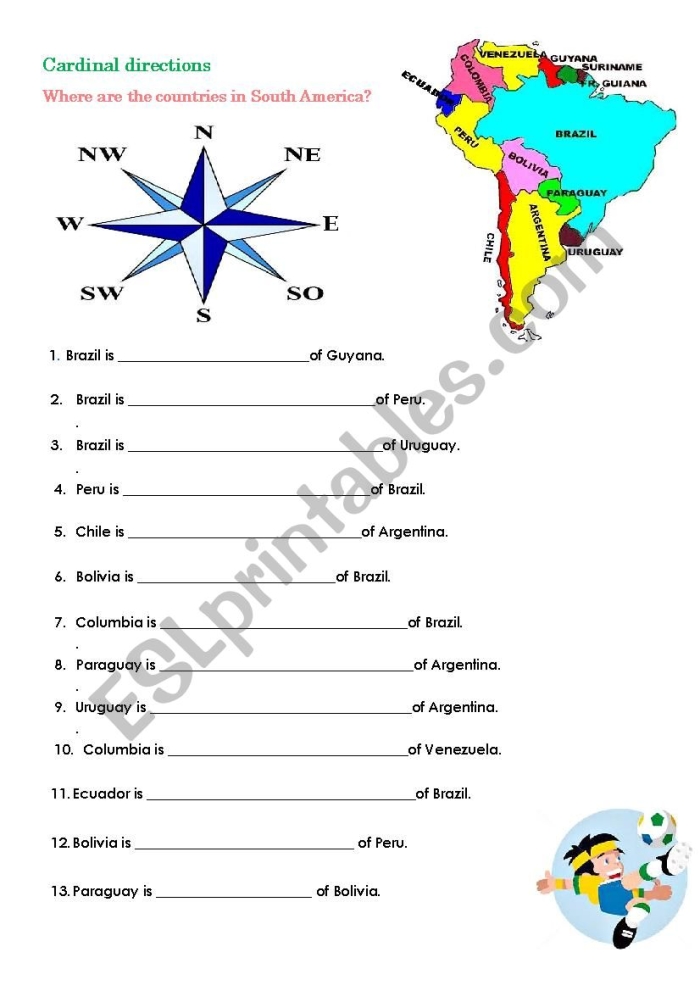
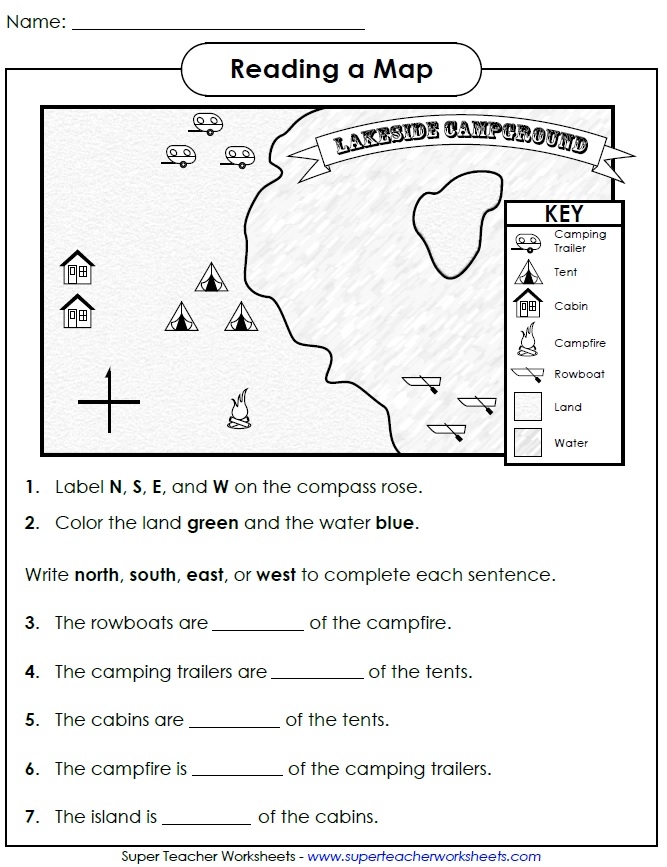
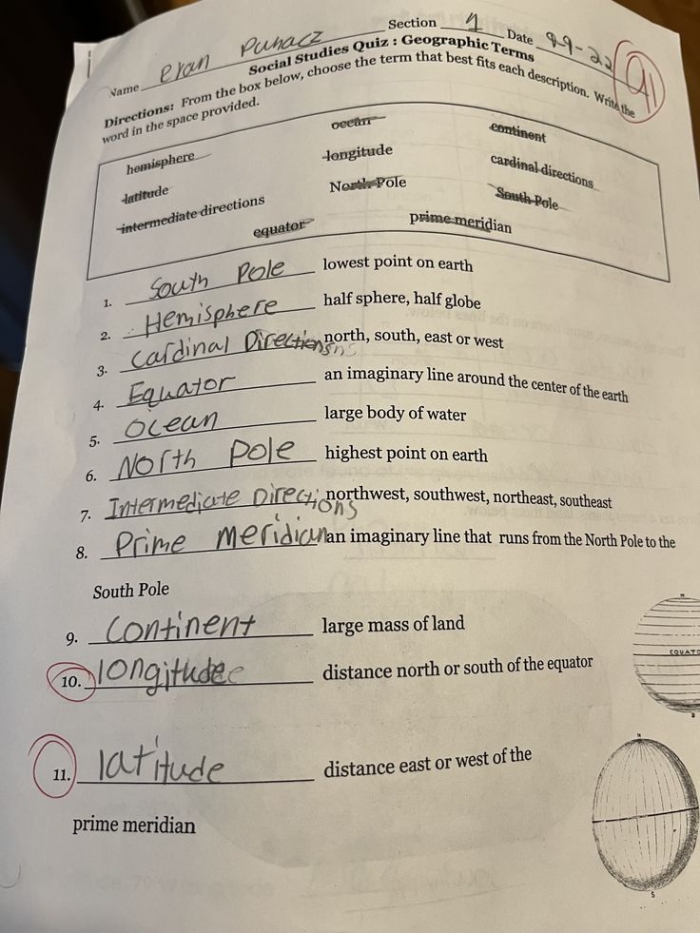
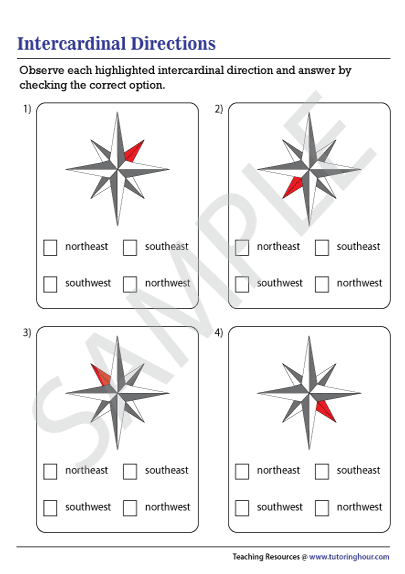
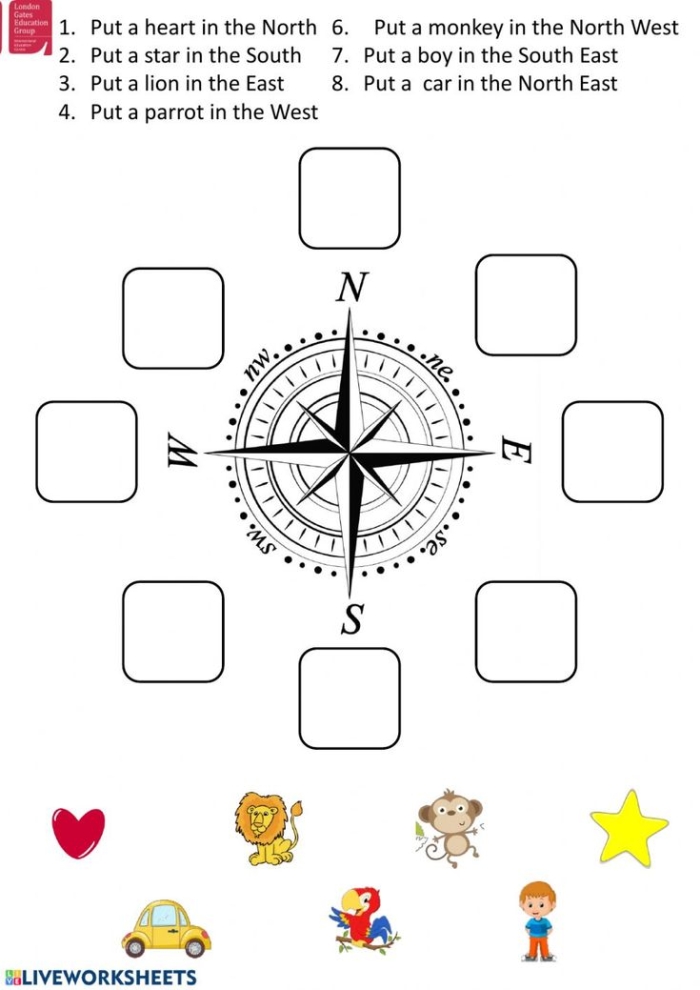
To deepen their understanding, consider incorporating printable intermediate directions worksheets. These worksheets can provide additional practice and help solidify their grasp of the concepts. You might find resources that focus on numbers and counting, such as those available at Lumina Worksheets for various math skills. Combining geography with math not only enhances their learning but also makes it more enjoyable.
As they work through the maps and worksheets, students will not only learn about directions but also develop spatial awareness. This foundational skill will benefit them in many areas, from navigation to problem-solving. Mapping activities that focus on intermediate directions are effective tools for helping third graders become confident geographers.
Practice with These Worksheets