The Spanish verb tener, meaning “to have,” can be quite perplexing for learners, especially when they encounter its unique applications. In Spanish, we don’t just use tener to indicate possession; it also serves several unusual functions, such as stating one’s age or describing feelings of hunger or fear. This can be surprising for those accustomed to English, where we express these ideas differently.
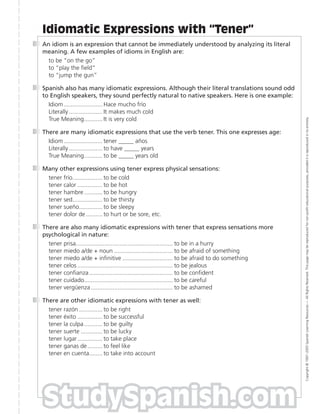
For example, when asking someone their age in Spanish, you would say, “¿Cuántos años tienes?” which directly translates to “How many years do you have?” This usage highlights a cultural perspective where age is perceived as something one possesses rather than simply a fact about time passed. This perspective not only simplifies the expression but also adds a layer of connection to the concept of age itself.
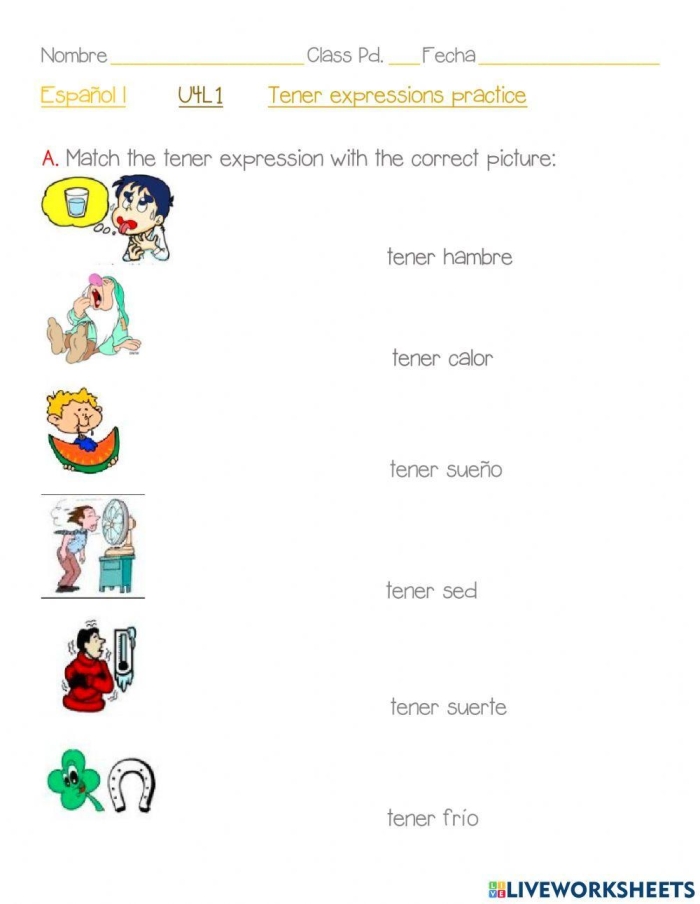
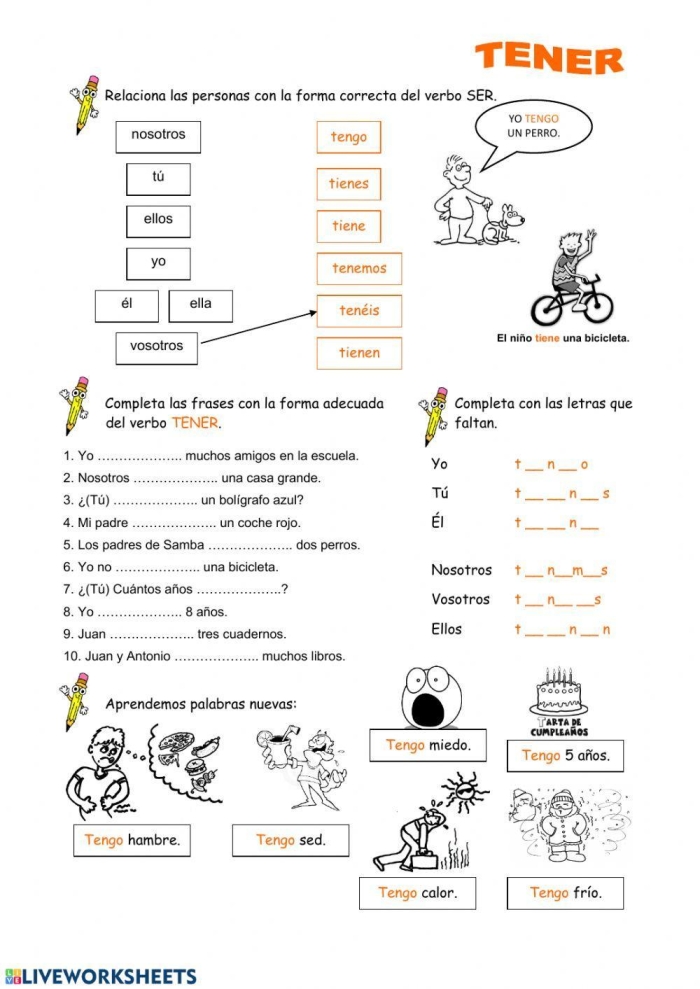
Similarly, emotions are often expressed using tener. For instance, saying “Tengo hambre” means “I have hunger,” while “Tengo miedo” translates to “I have fear.” This structure may initially confuse English speakers, who typically frame emotions with verbs like “to be.” However, it provides a more active sense of experiencing these feelings, as if one is actively holding onto hunger or fear.
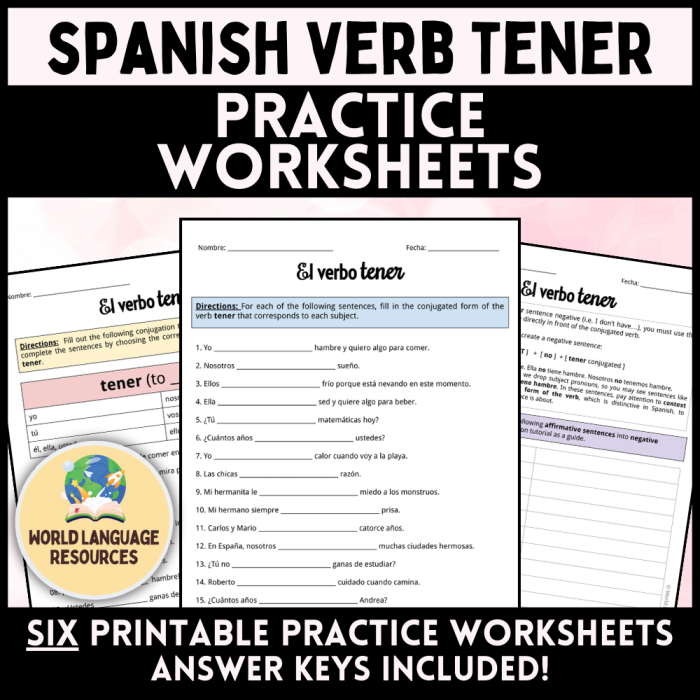
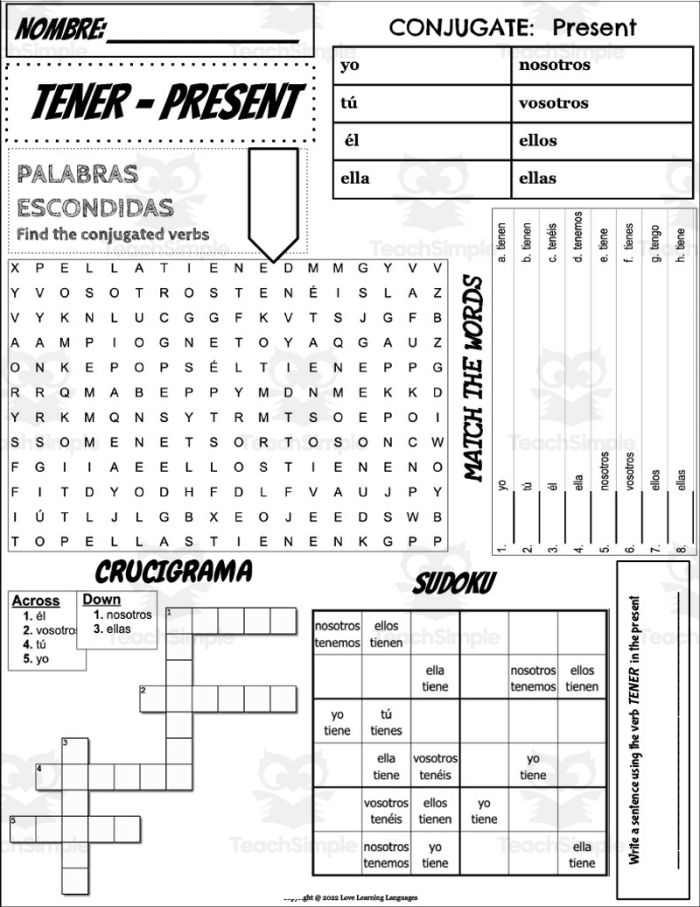
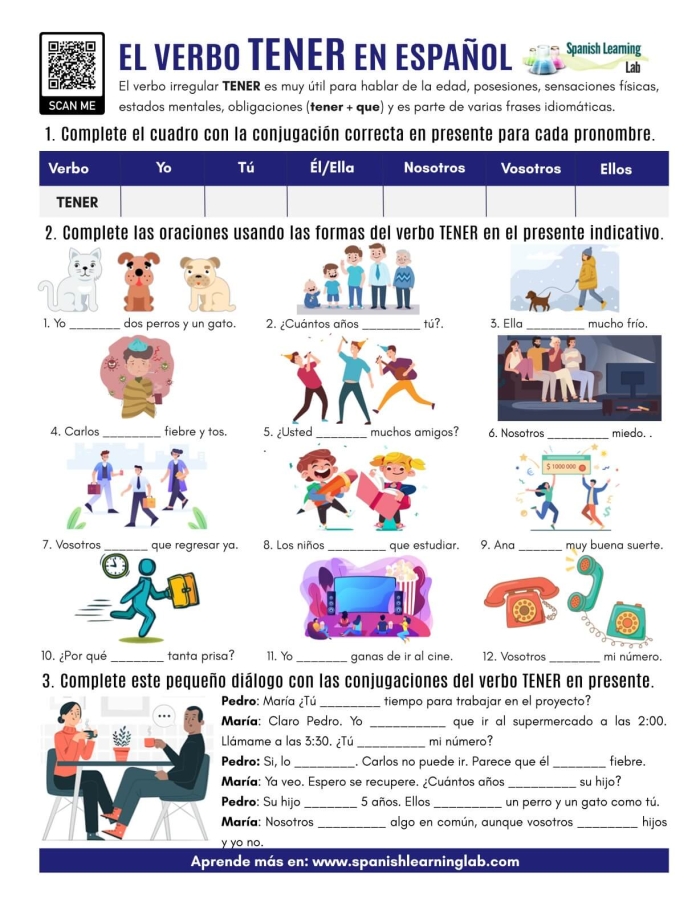
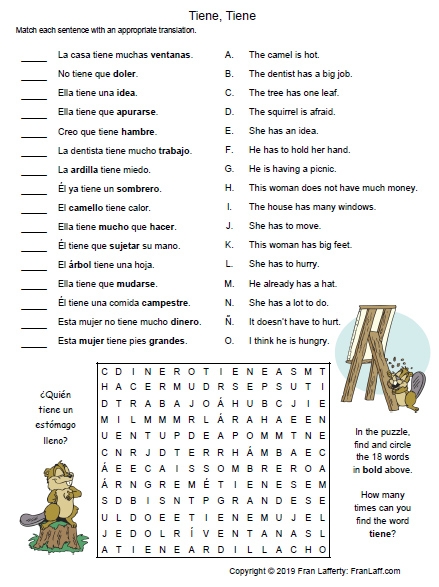
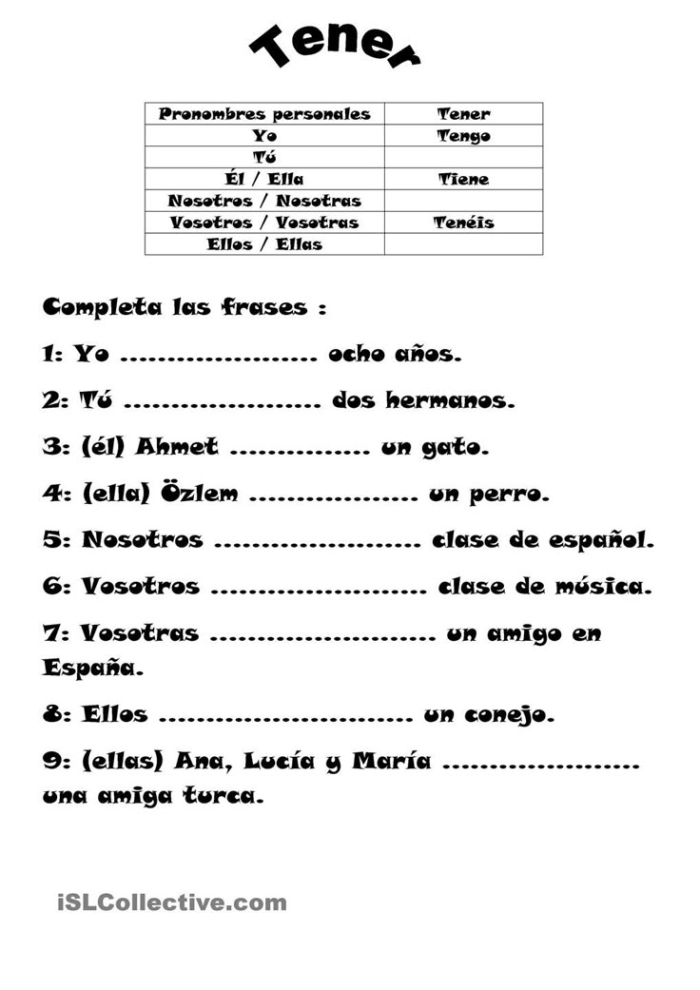
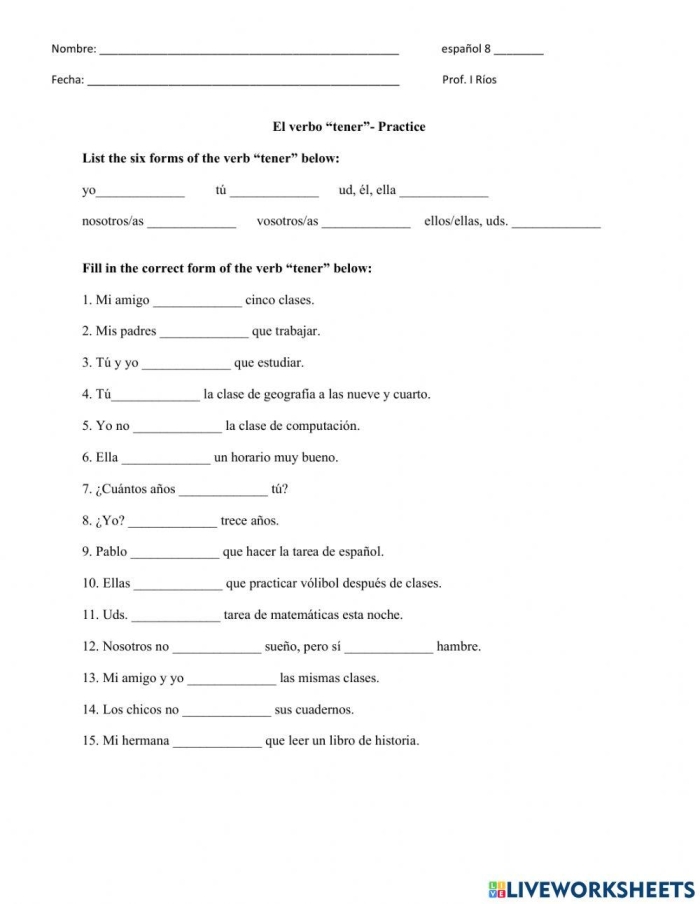
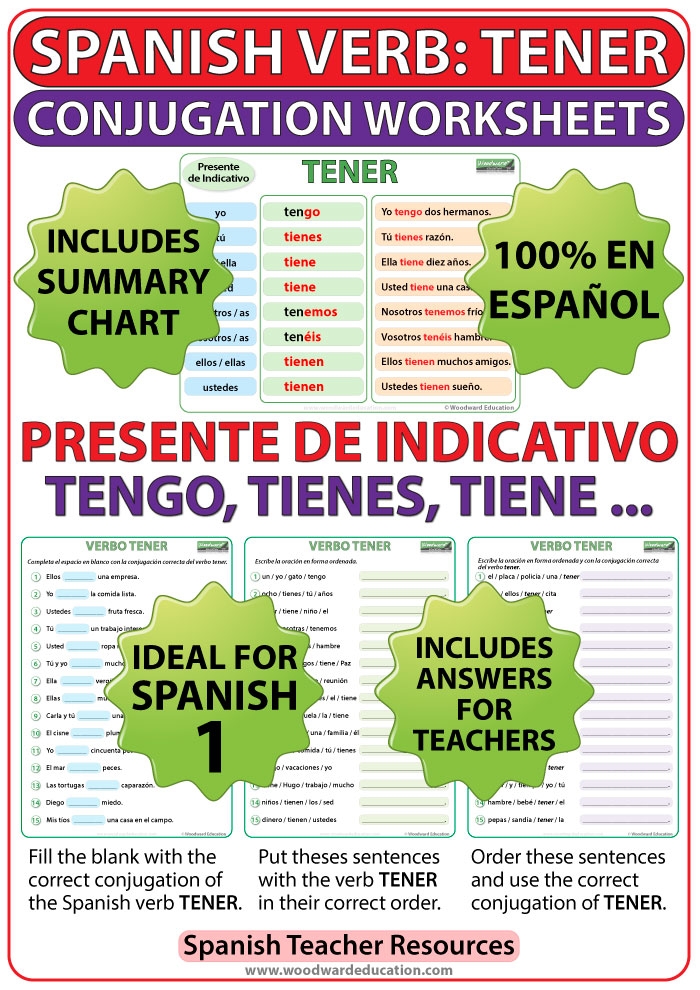
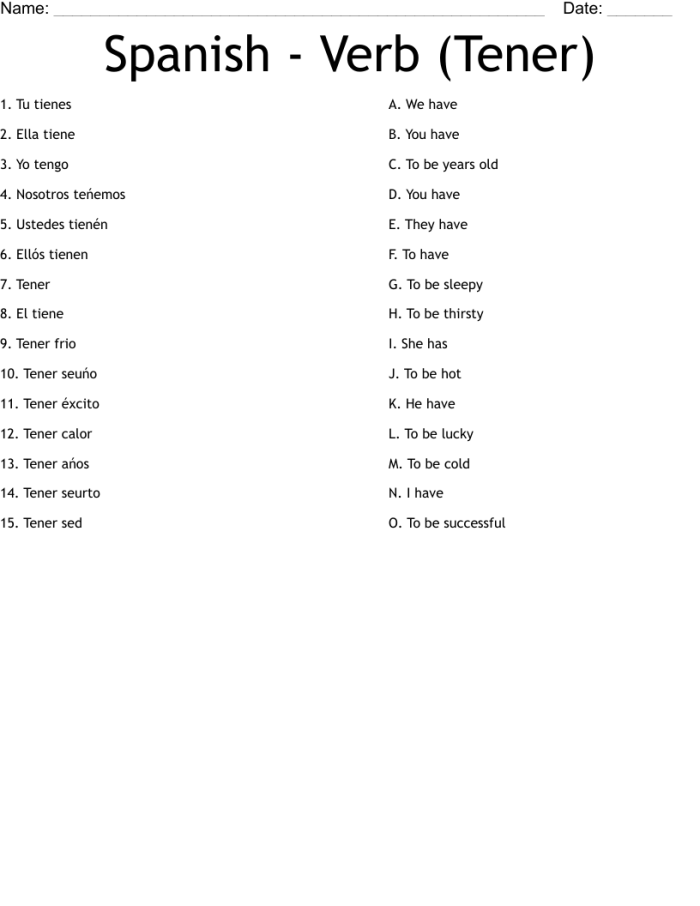
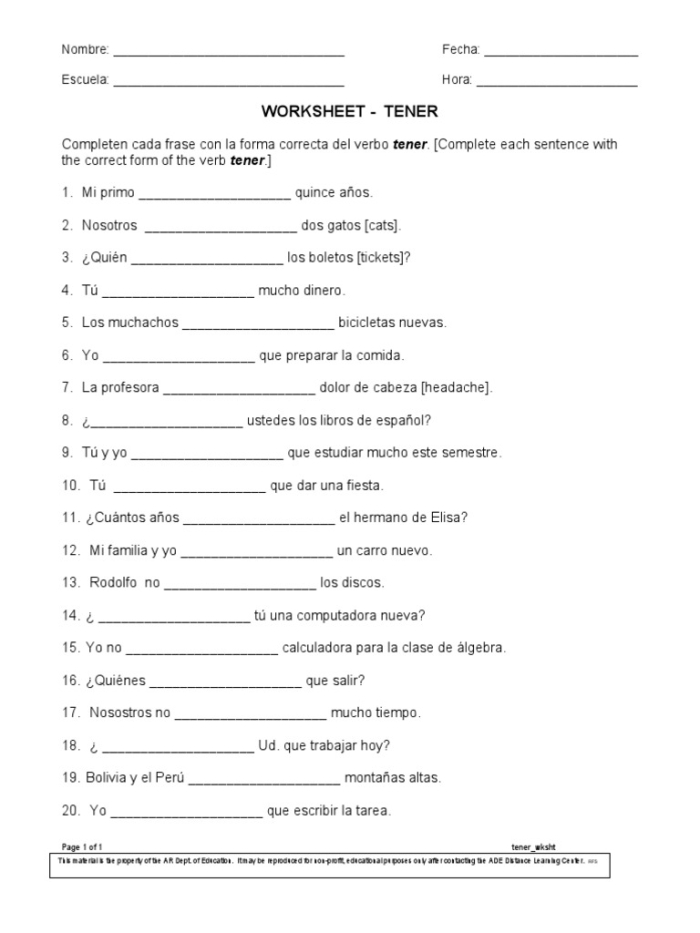
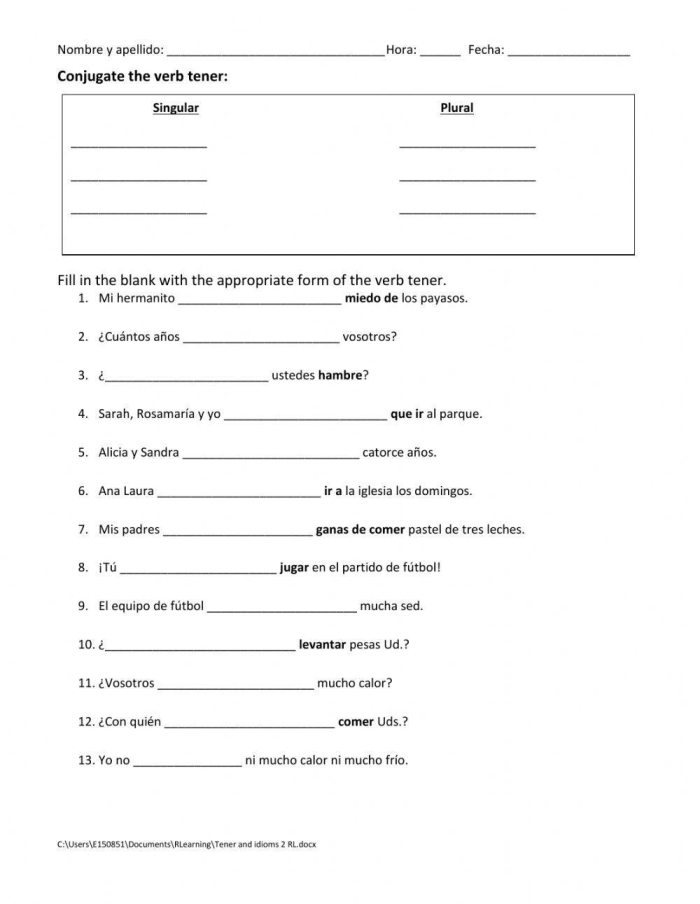
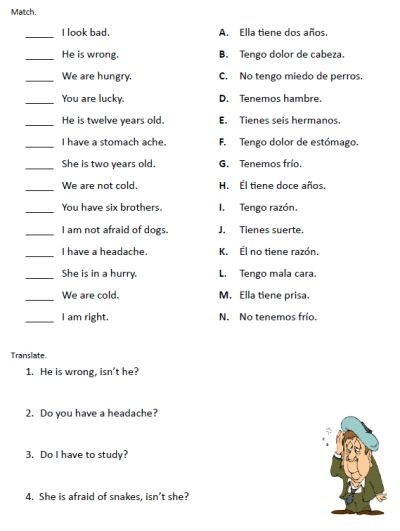
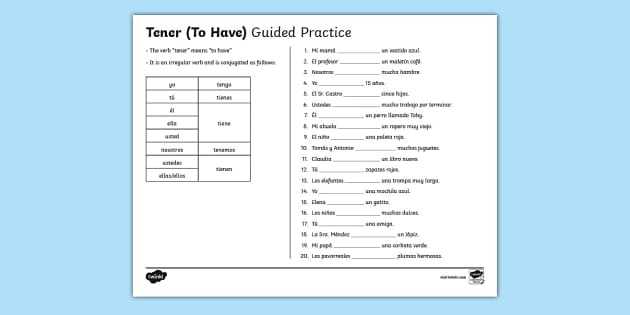
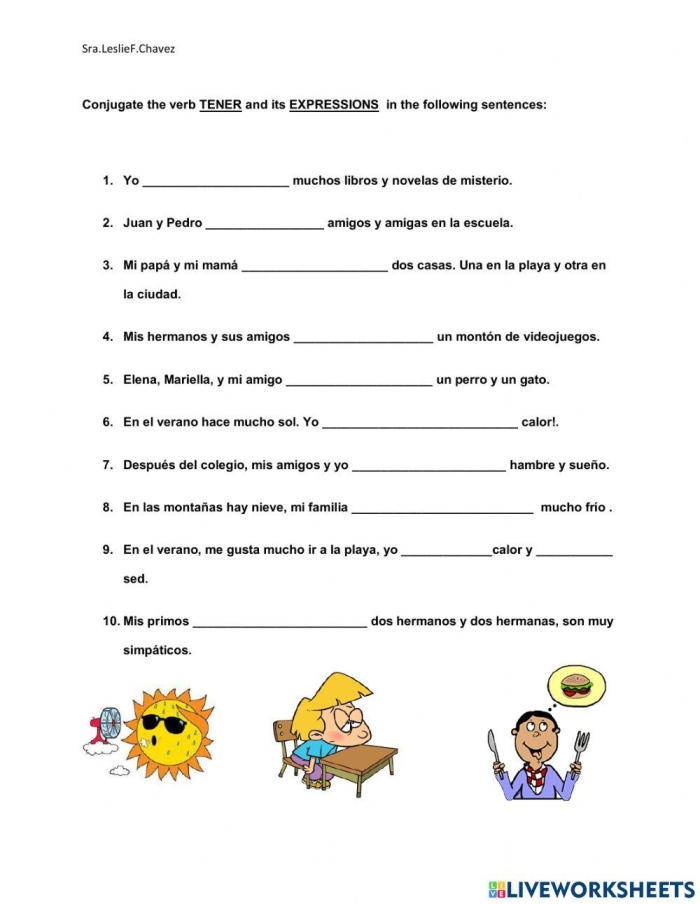
For fourth graders studying Spanish, understanding the use of tener can significantly enhance their grasp of the language. Engaging with printable Spanish verb tener worksheets can be an effective way to practice these concepts, making the learning process more interactive. Resources like those offering age-related activities or emotional expressions can reinforce this knowledge in a fun way.
These unique usages of tener not only enrich communication in Spanish but also invite learners to explore a different way of thinking about age and emotions. By embracing these differences, students can gain deeper insights into the language and its cultural nuances.
Worksheet Practice Section