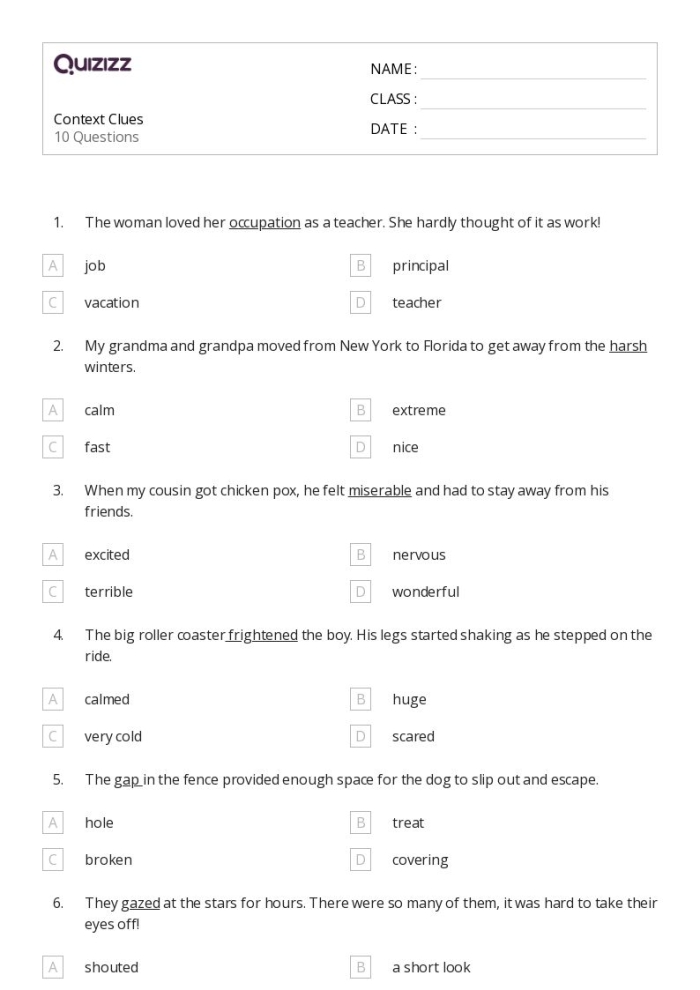
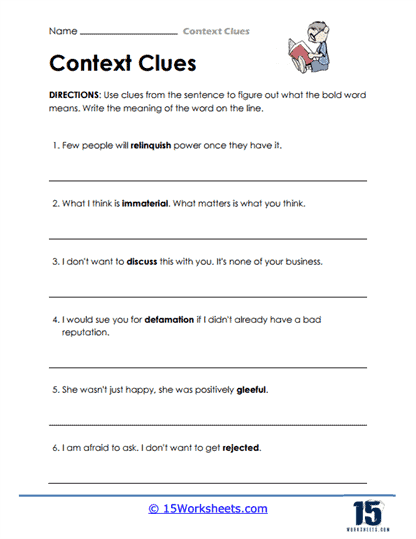
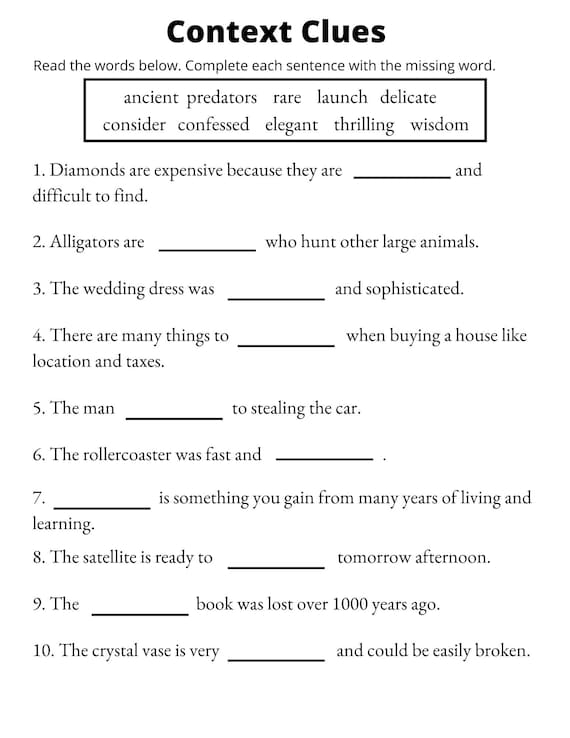
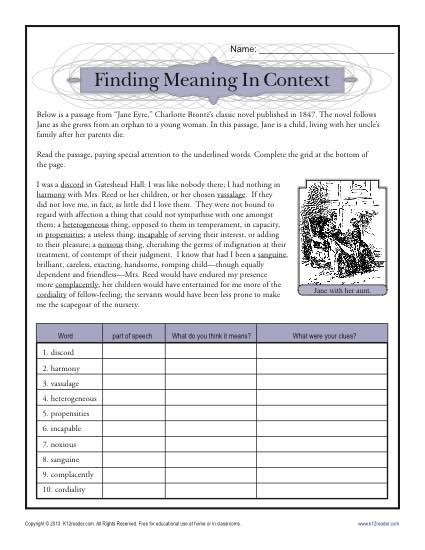
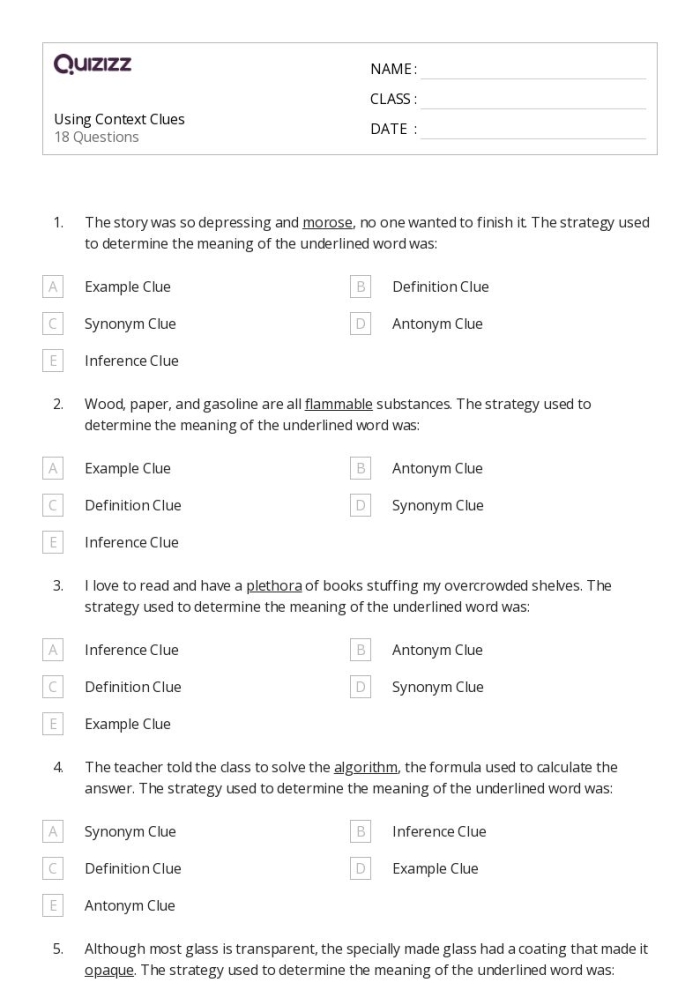
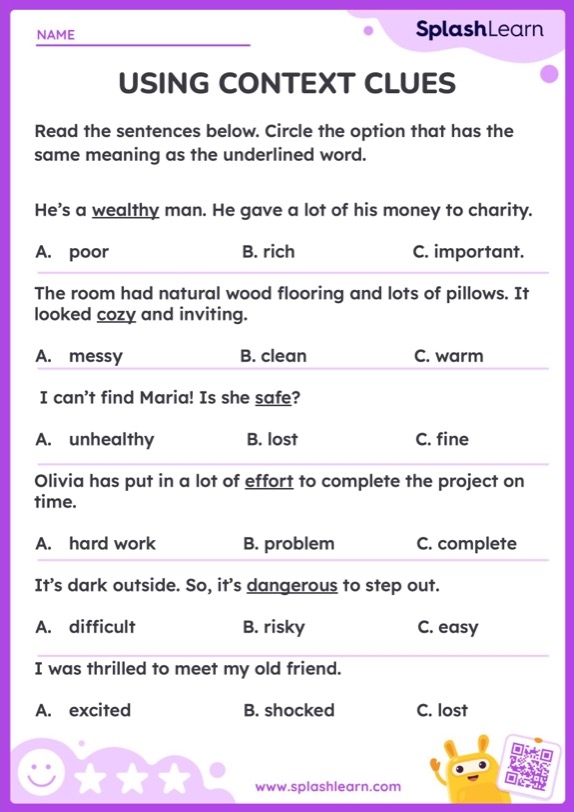
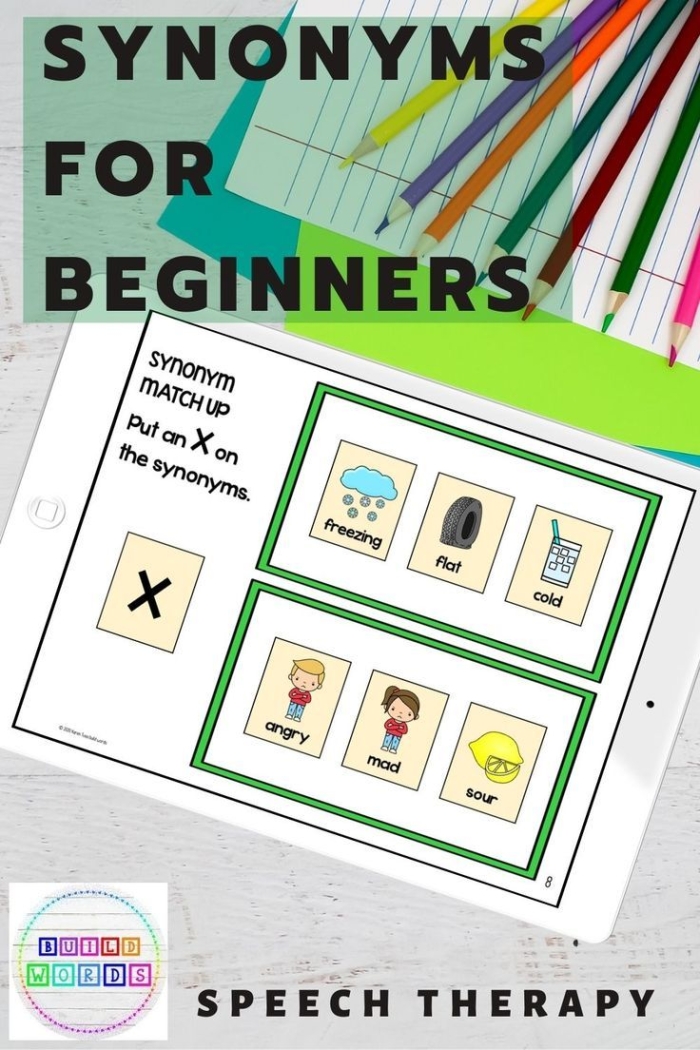
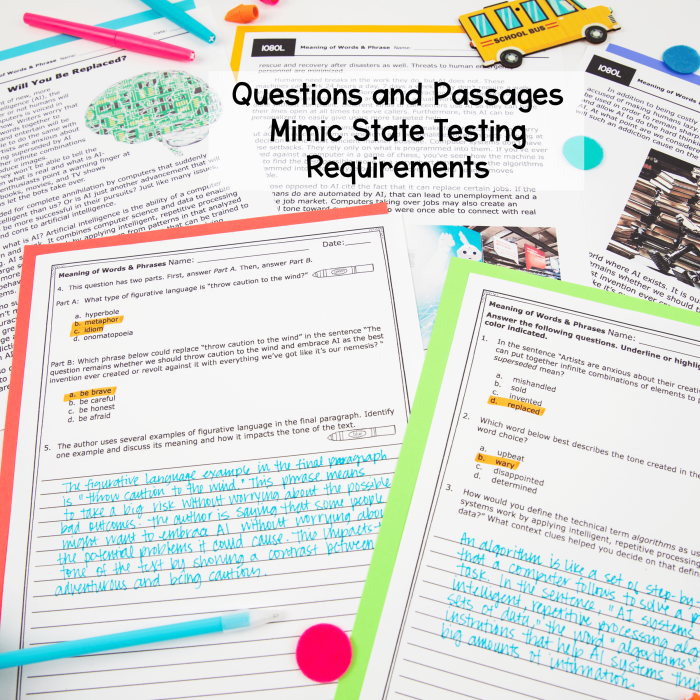
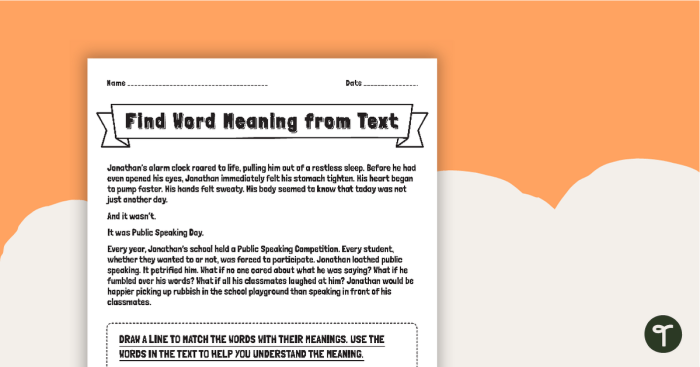
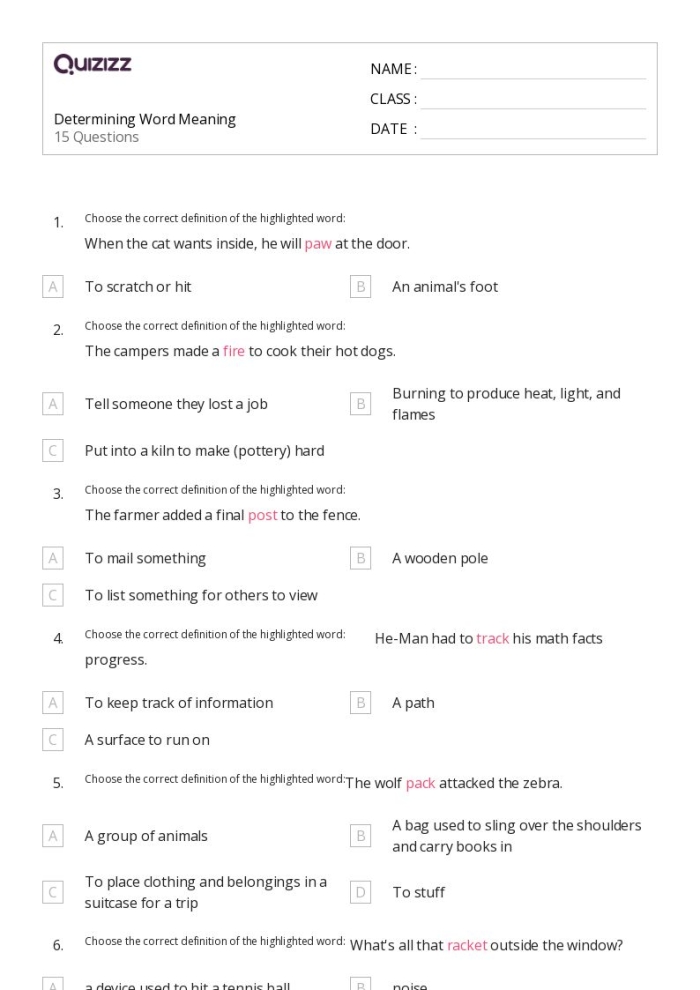
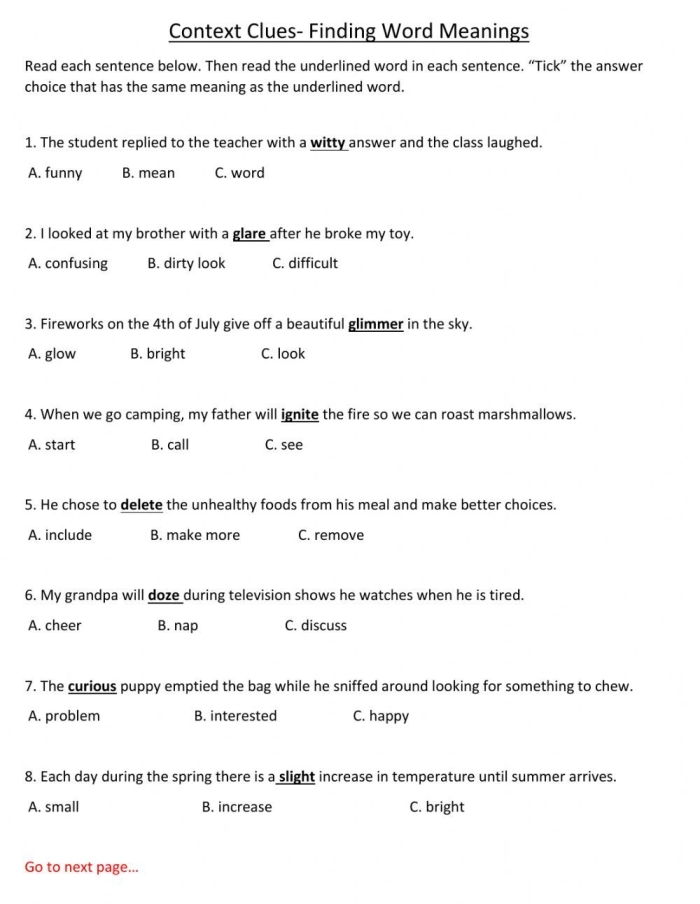
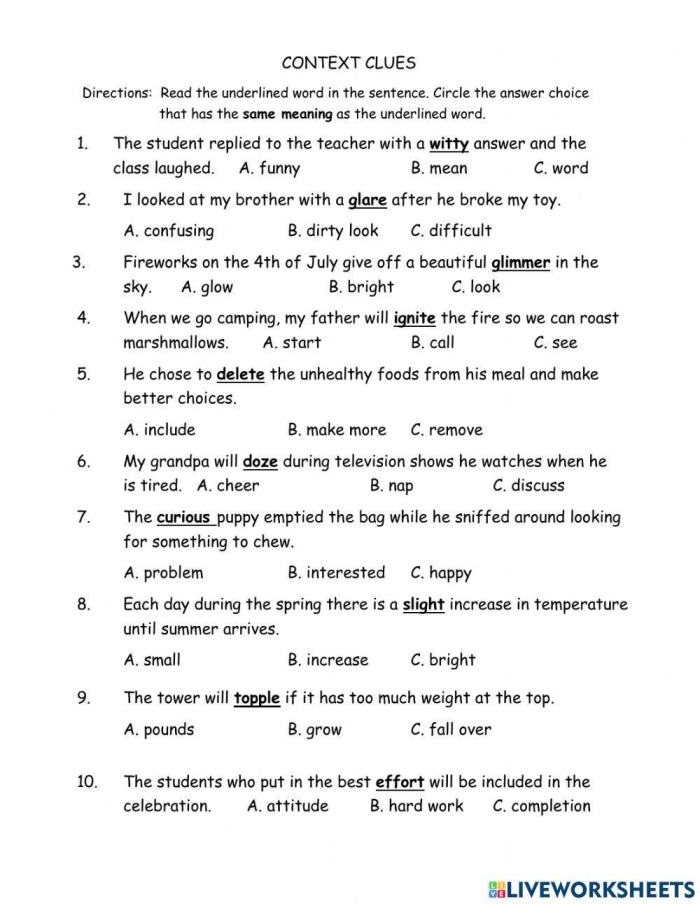
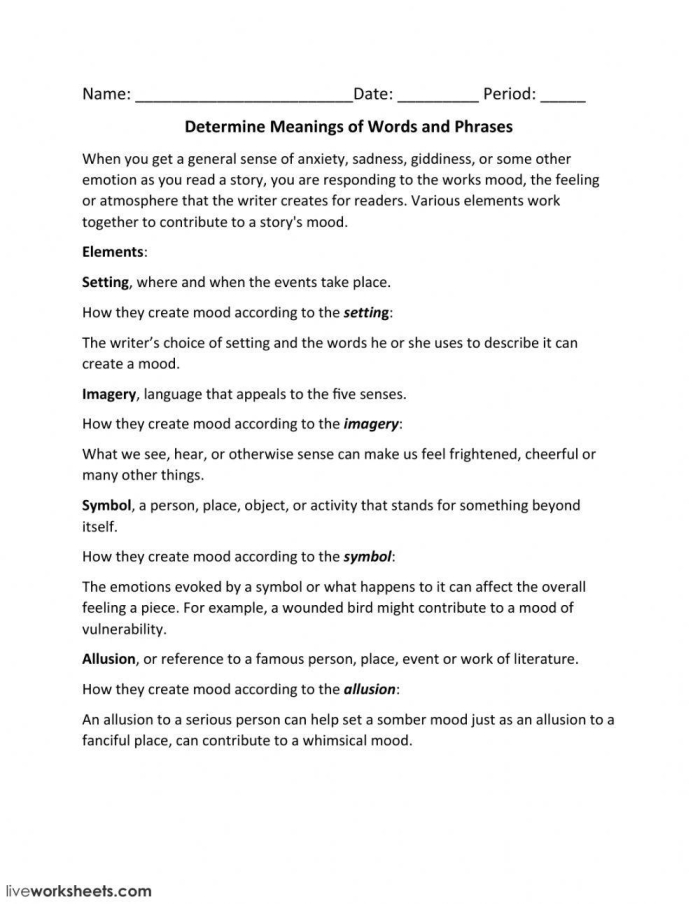
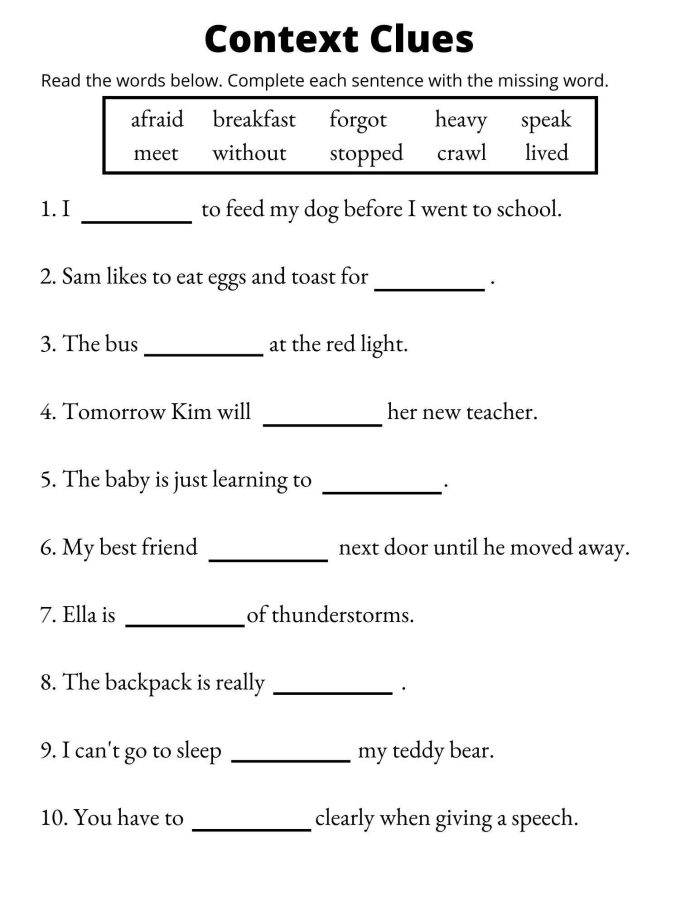
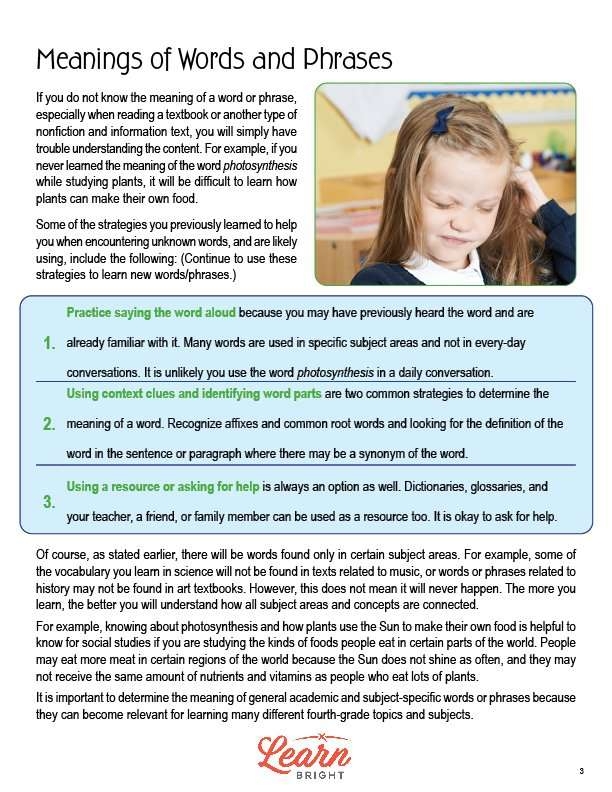
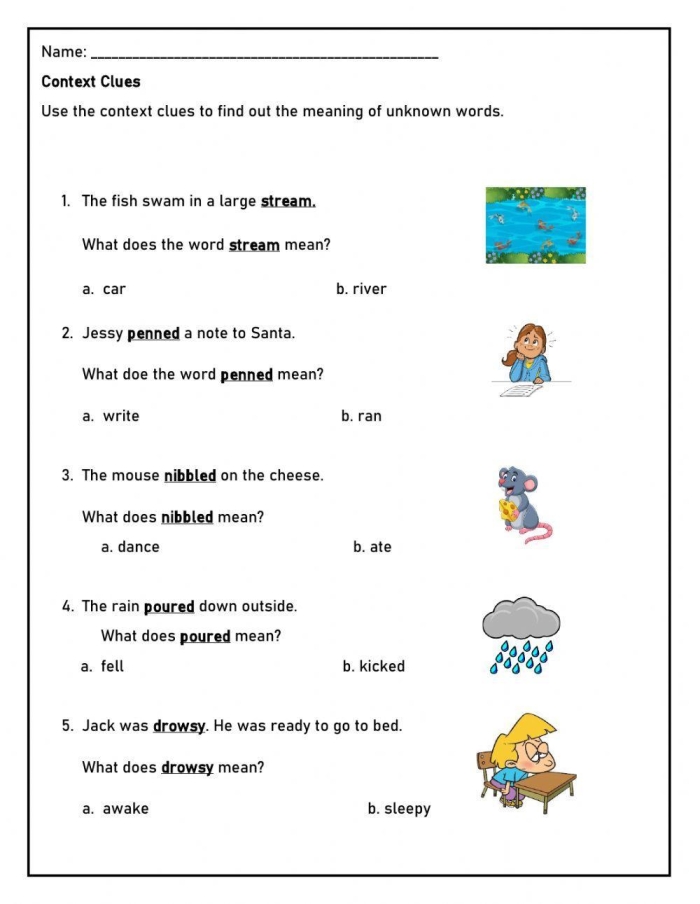
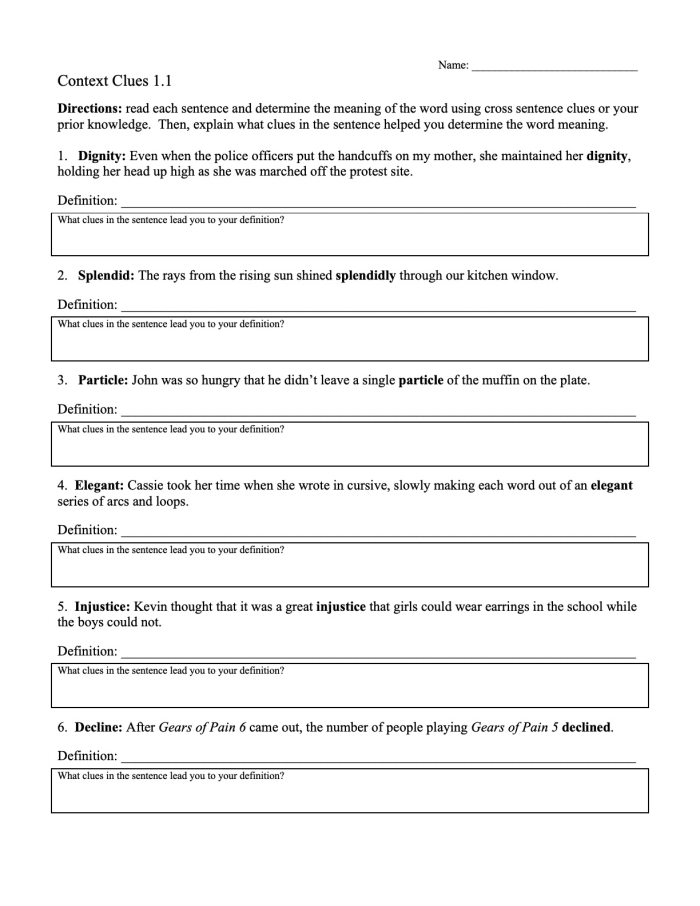
Students often encounter words they recognize in everyday reading but struggle to understand when those same words appear with slightly different shades of meaning. This vocabulary worksheet addresses that exact challenge by asking sixth graders to read short paragraphs and connect common words with their less obvious synonyms.
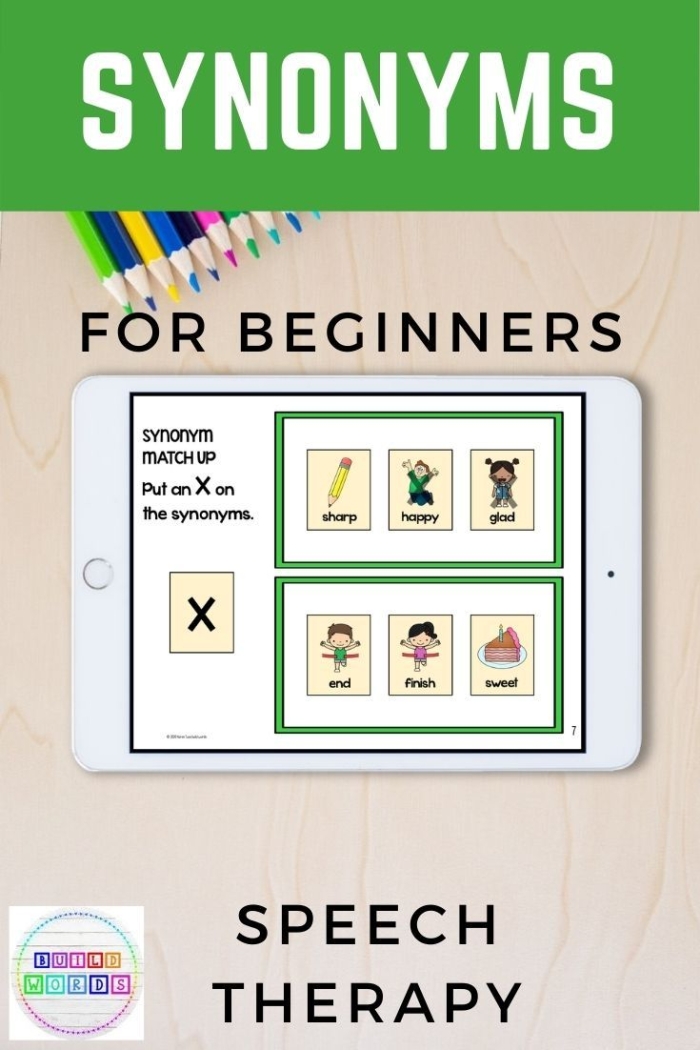
The exercise works by presenting familiar vocabulary in context, then requiring students to match it with related words they may have heard but never formally studied. For example, a student might know the word “happy” but not immediately recognize “content” or “pleased” as close cousins. This matching approach forces active thinking rather than passive memorization. Students must understand not just that two words are similar, but why they fit together and how context determines which synonym works best.
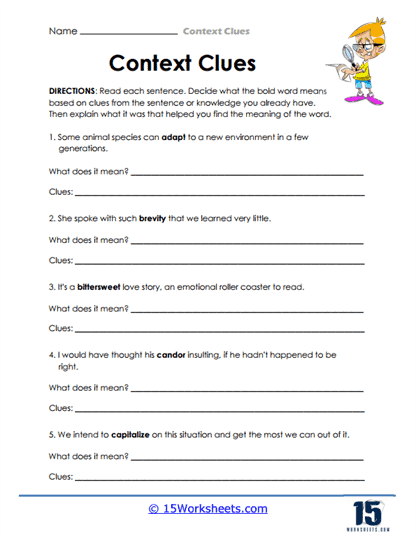
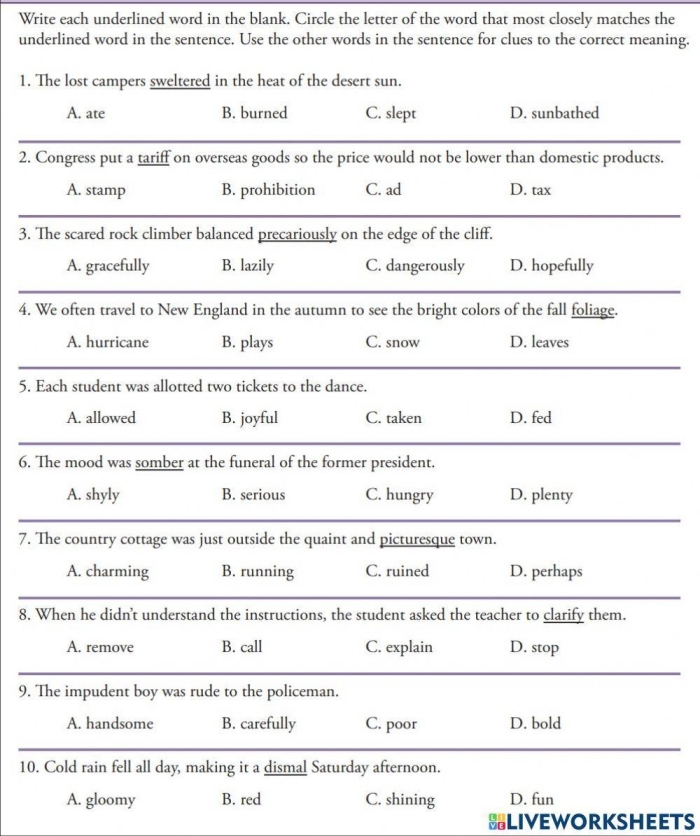
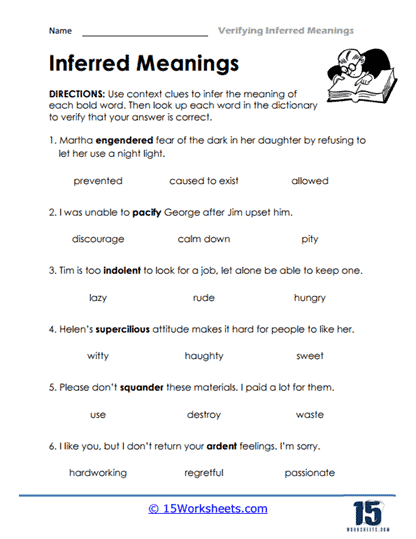
What makes this type of practice valuable for sixth graders is that it bridges the gap between passive and active vocabulary. Recognizing a synonym requires deeper processing than simply learning a definition. When students read a paragraph containing “the old building stood abandoned,” and then match “abandoned” with “deserted,” they’re building connections that stick. They’re also developing the ability to determine the meaning of words using synonyms in context, a skill that directly supports reading comprehension across all subjects.
These worksheets fit naturally into a broader vocabulary curriculum. Students benefit from pairing synonym work with other vocabulary activities, such as learning how integers and mathematical terminology expand their academic language, or exploring how technical terms appear in specialized contexts.
The paragraph-based format also makes the learning feel less artificial than isolated word lists. Students see how synonyms function in real sentences, which helps them understand that word choice matters. A character who is “timid” behaves differently from one who is “cautious,” even though the words overlap. By the time sixth graders finish these exercises, they’ve built a more nuanced vocabulary toolkit.
Practice with These Worksheets