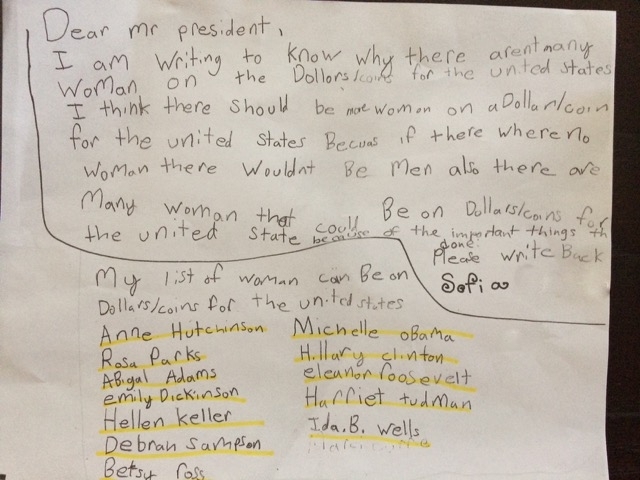
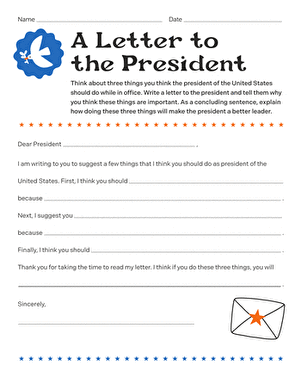
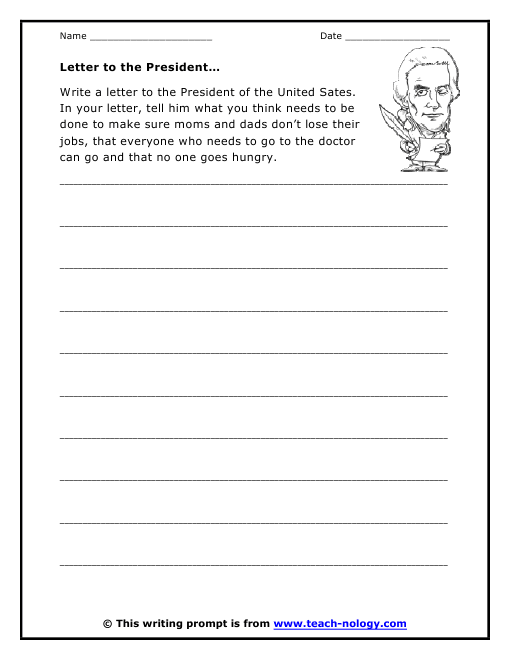
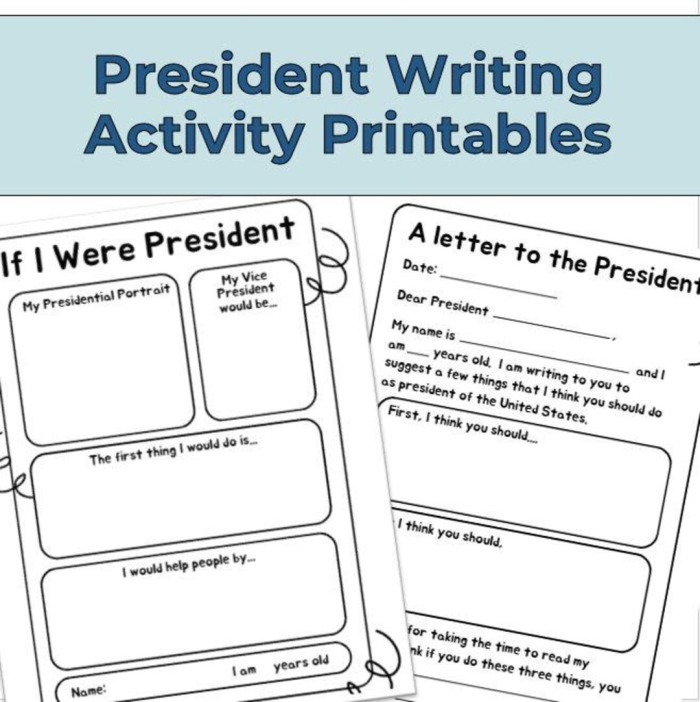
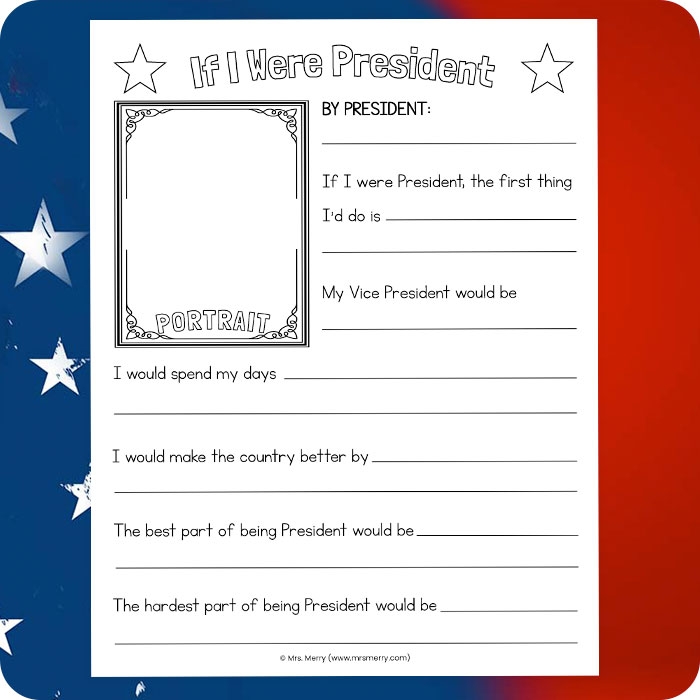
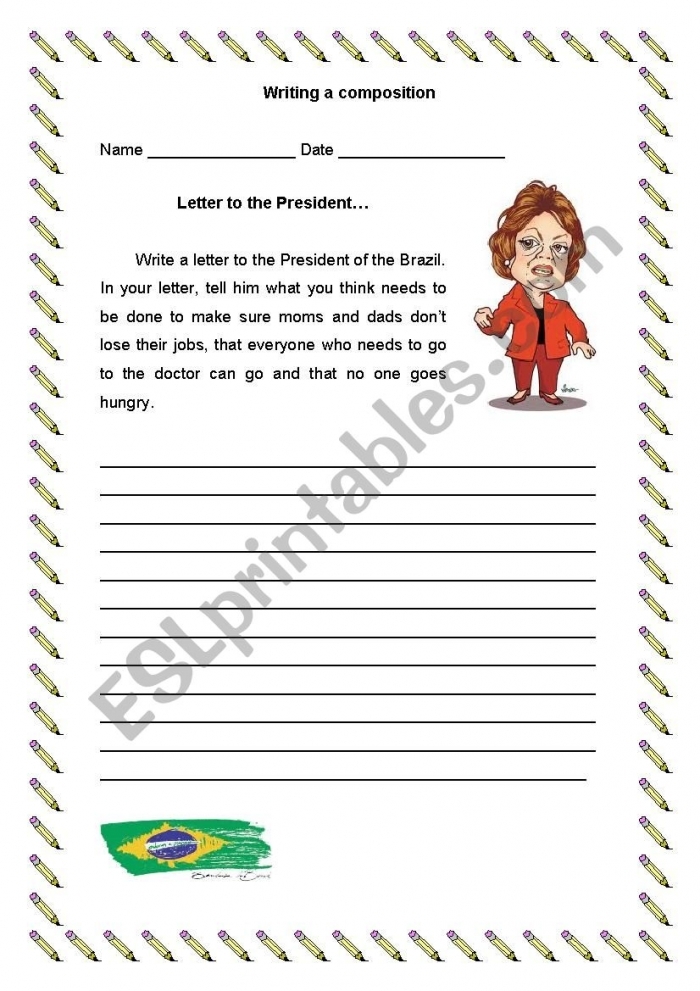
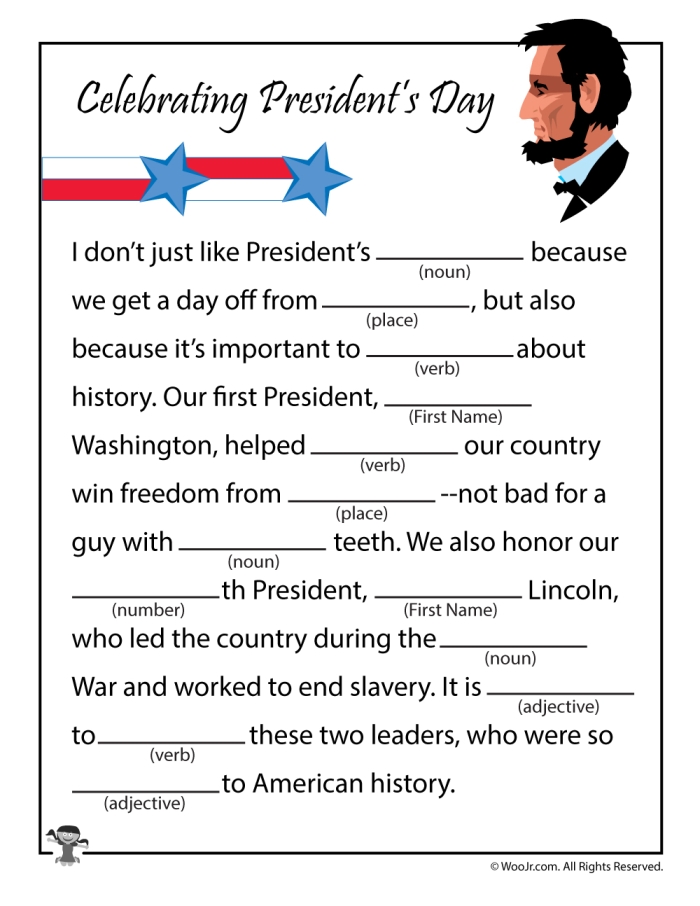
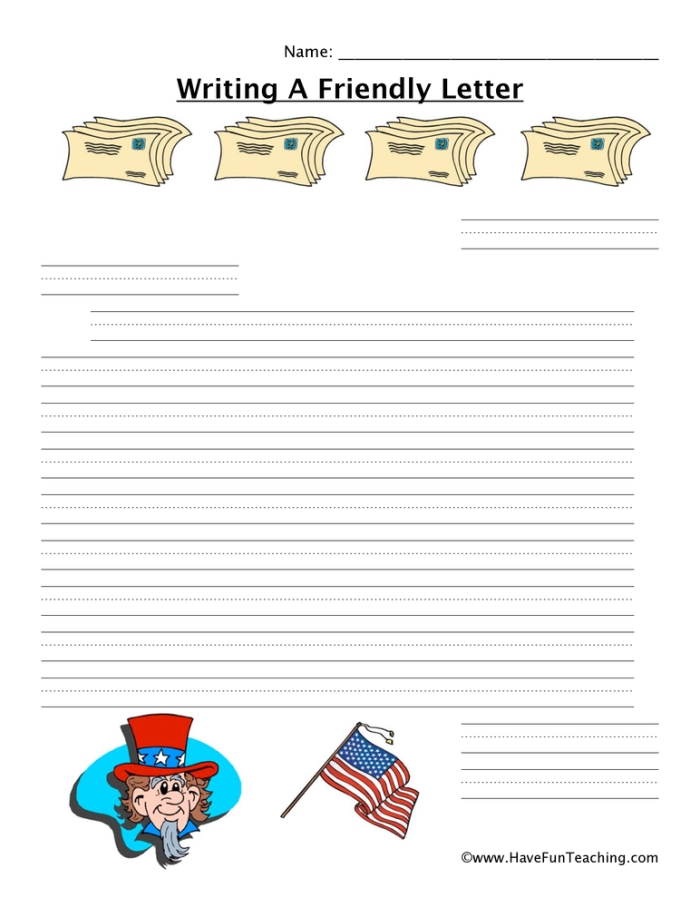
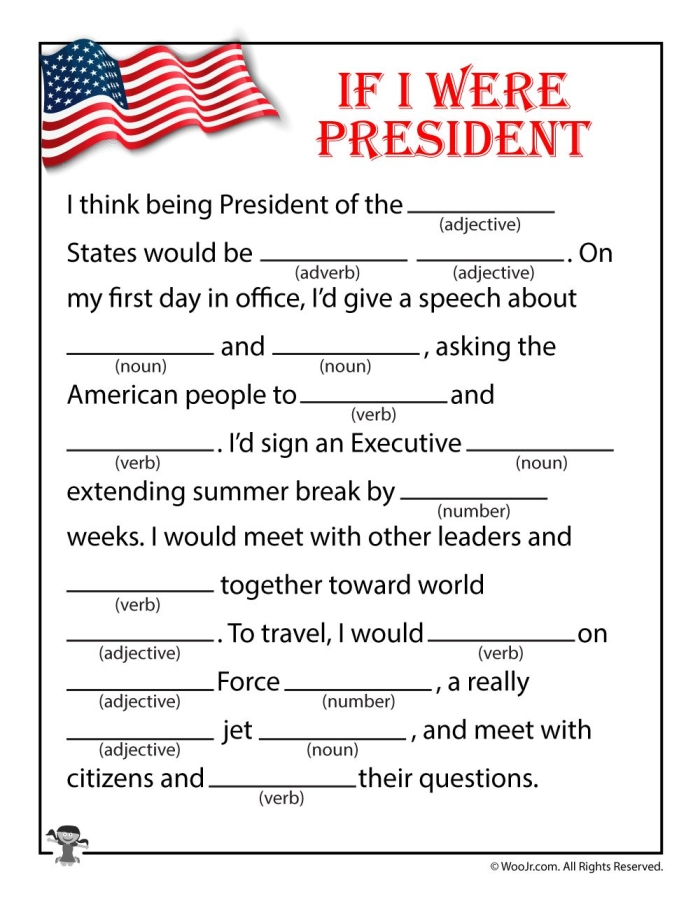
Writing a letter to the President of the United States is an exciting way for second graders to express their thoughts and ideas. It is more than just putting pen to paper; it’s an opportunity for young students to engage with their government and understand the importance of civic participation. Using a fill-in-the-blanks worksheet simplifies this process, making it easier and more enjoyable for children to create their letters.
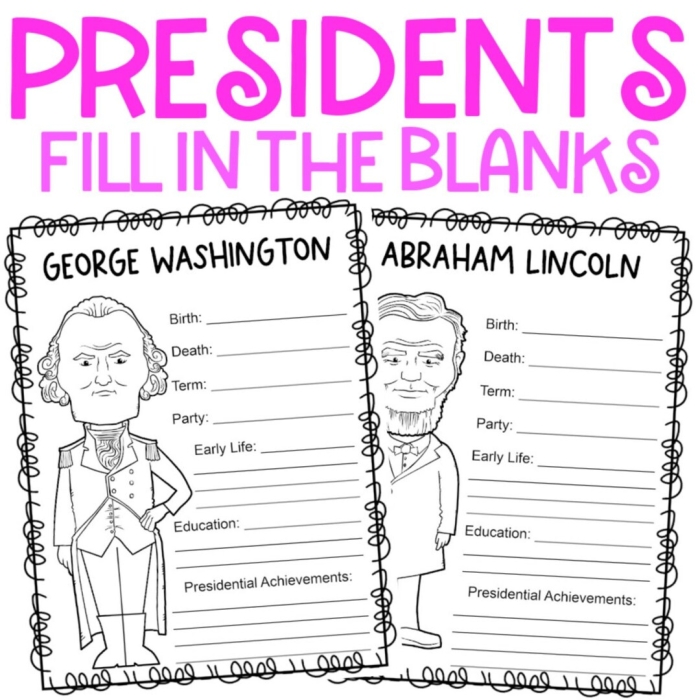
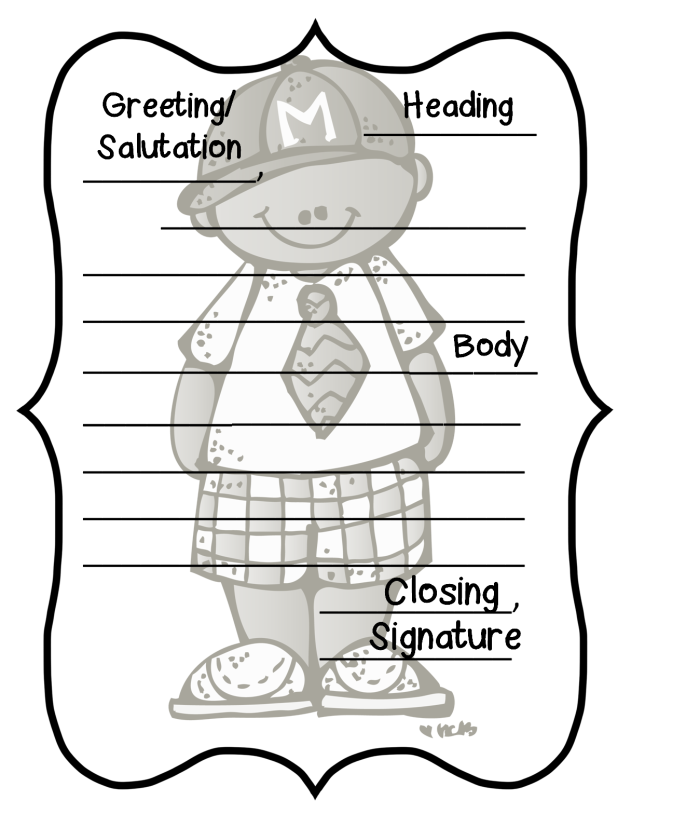
The fill-in-the-blanks approach guides students through the letter-writing process. It prompts them to think about what they want to say while providing structure. For instance, the worksheet might include sections to fill in their name, address, the date, and the reason for writing the letter. This structured format helps second graders learn the basics of letter writing, such as the proper greeting and closing. Engaging in this activity also helps develop their writing skills and encourages them to articulate their thoughts clearly.
In a classroom setting, teachers can introduce this activity by discussing current events or issues relevant to the students. For example, students might write about topics like climate change, education, or community improvement. This not only connects their writing to real-world issues but also fosters a sense of responsibility and empowerment. The chance to communicate directly with a national leader can inspire students to see their voices as important.
Printable worksheets for writing letters to the President can be found online, making it easy for parents and teachers to access resources. This activity aligns well with other writing practices, such as exploring irregular past tense verbs or enhancing vocabulary through engaging worksheets. Incorporating various writing exercises can significantly enrich the learning experience for second graders.
Encouraging children to write a letter to the President fosters creativity and civic awareness. It’s a simple yet impactful way to help them learn the value of communication while developing essential writing skills. With the right tools, like fill-in-the-blanks worksheets, students can confidently share their voices and ideas with the world.
Start Practicing with These Worksheets